Has it been a long time since you have attended a boater’s safety and education course? Maybe your state or local authority does not require a certification in order to operate a personal watercraft.
It is always a good idea regardless of local laws to brush up on waterway and boating safety. The folks at Sea-Doo want you to amp up your Sea-Doo Life and have the best summer yet by attending or taking one of these online courses if you have not done so yet.
Not only can a boating safety course give you better confidence in taking on new adventures, but it will also give you and your passengers a safer experience and could even save you money on your insurance.
Here are some steps to take on getting your boating license and for more information be sure to read the full Sea-Doo blog.
Research the boater education requirements for your state.
Complete an online, or in-person, boating safety and education course.
Successfully pass the boating license test at the end of the course.
Submit payment after course completion.
Keep your boat license or completion certificate with you whenever you’re out on the water.
If you buy a new boat and are a first-time boat owner, your marine dealer may be able to give you information on how to get a boating license in your area.
Using online resources like Boat-Ed.com and BoaterExam.com, you’ll find links to the approved online boating courses available for each state along with the boating education requirements for each state.
The online boating education or license course for most states is administered by a third party. The BoatUS Foundation offers free boating license courses for 35 states at www.boatus.org/courses/.
Alex Killorn is a professional hockey player for the Tampa Bay Lightning. His live videos from his Sea-Doo GTR have catapulted him into the Instagram breakout influencer of the year. After hockey season was suspended, Killorn turned to the Bay for what he thought would simply be a one-off video where he would answer fan questions and joked with teammates then the internet did its thing and went viral.
He is now three deeps into episodes in, “Dock Talk with Killer.” It is not only a hit within the hockey and sports industry; it has captured national media attention. Alex motors his Sea-Doo GTR around Tampa and meets with his teammates and other area athletes, where he asks the athletes a variety of questions while they’re at home. After joking about being an influencer, Killorn has influenced three friends into purchasing their own Sea-Doo watercrafts and has convinced them to join in the fun. Cool stuff!
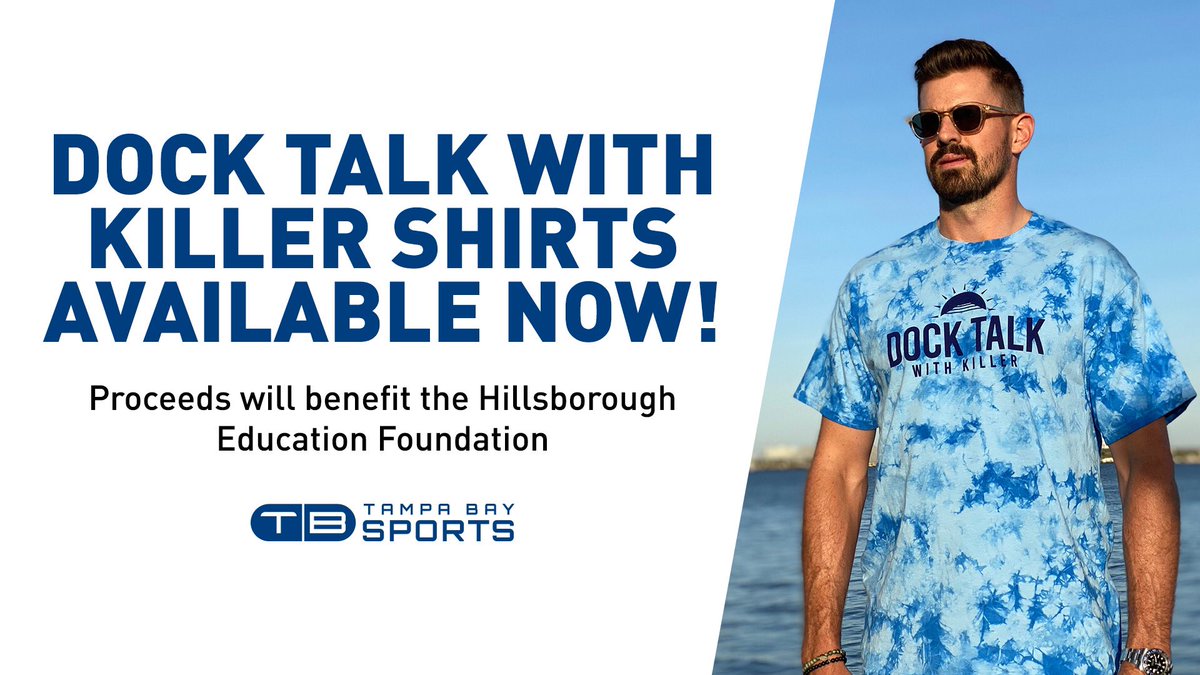
Not only is Killorn having a good time; he’s turned his “Dock Talk with Killer” into a money-making venture. He is using his video platform as a way to raise money for a good cause. He sells “Dock Talk” T-shirts with 100% of the profits going to the Hillsborough Education Foundation for kids who have been affected by Covid-19
Killorn seems like a cool cat who is using his Sea-Doo and his professional hockey player status to do good for the community. Support his cause by checking out his Dock Tail videos linked to his Instagram.
Are you motivated by your social media followers and constantly doing it for the gram….Instagram that is! If you love to show off your life’s experiences, then Sea-Doo has the next gig for you.
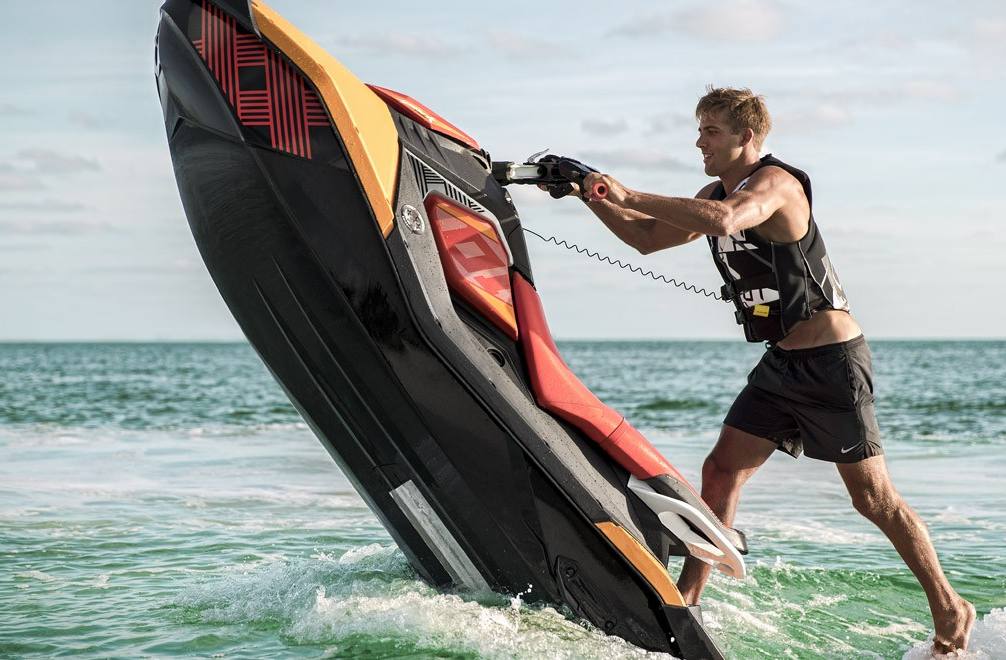
Sea-Doo is looking for their next content creator this summer and they want to loan you a brand new Sea-Doo Spark Trixx to use this summer to ride and upload all of your content.
They are even throwing in all accessories needed including a loaner trailer to tow your Trixx, some life jackets, and all safety equipment. On top of that, they will also be footing the bill for the unit and trailer registration costs.
So, what’s the catch? Well, there isn’t one. All you have to do is upload a short video clip to your Instagram with the necessary tags. Demonstrate your ultimate summer adventure and tell them how Sea-Doo would help enhance it.
You don’t necessarily have to be a current Sea-Doo owner but you do need to convey how a Spark Trixx will add new dimensions to your ultimate summer adventure.
So hurry to get those entries in to become the next Sea-Doo content creator because winner selection begins on June 26, 2020.
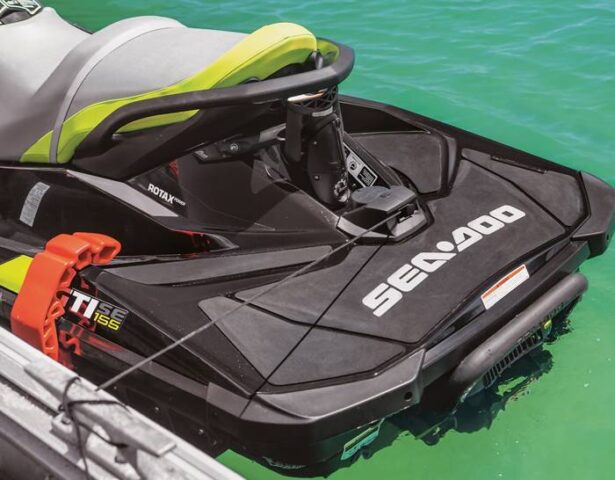
The Sea-Doo Snap in Fenders will help make docking stress free. Docking can bring on the nerves, especially when a large crowd is watching, and you might feel intimidated due to lack of experience which leads to lack of confidence. We all know how it is coming in and wanting to make sure to approach the dock just right. It’s not so bad when you’re an old pro and docking is second nature.
Let Sea-Doo help you out with the fear of docking. They offer easy dock ties that can quickly be attached to a dock and also snap in bumpers that will prevent damage from dock contact. These will help you gain self-confidence and make your days on the water easier, more relaxing, and more fun.
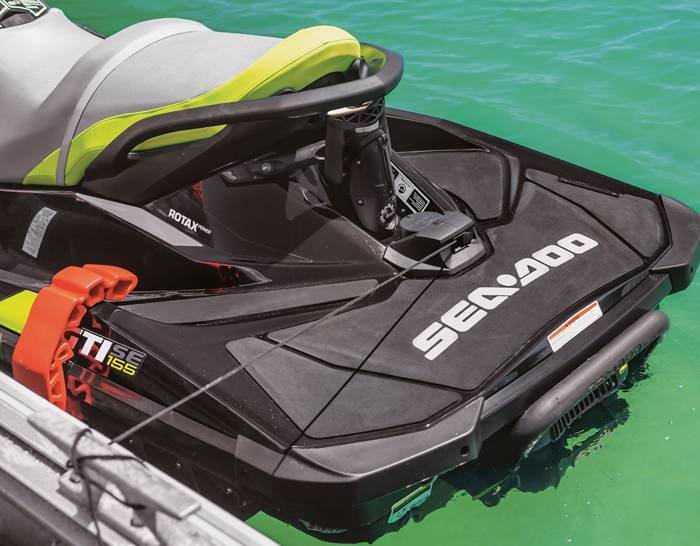
These innovative accessories easily snap on and off any model Sea-Doo by installing the Snap-In Fender installation Kits. They are easy to stow onboard so you can always have them with you
Add in the easy to use Sea-Doo Tie, and your life becomes so much easier. The nylon tie is quicker than throwing a rope and tying off because the shock cushioned Sea-Doo Tie has closed loop at each end for fast attachment. The shock cushioned nylon ropes are also easy to stow so they can be on board all of the time with your fenders. Simplify your life by adding these to your watercraft gear. Click the hyperlinked products for more information on the Sea-Doo Dock Ties and Snap in Fenders. Happy riding!
For many watercross racers, already anxious after the yearly winter break, the past few months have been akin to one interminable, irritating, inexplicable marine hold, except instead of calving manatees or meandering sea turtles, the jet ski world was waiting for a little bug named COVID-19 to make its way off of the race course.
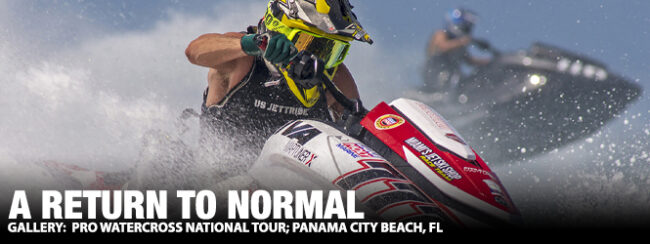
One week ago, with a backdrop of blue skies and bluer waters, the PWX race family shook off the quarantine blues with the first official race of 2020 – almost 2 months overdue, but all the more joyful for the delay.
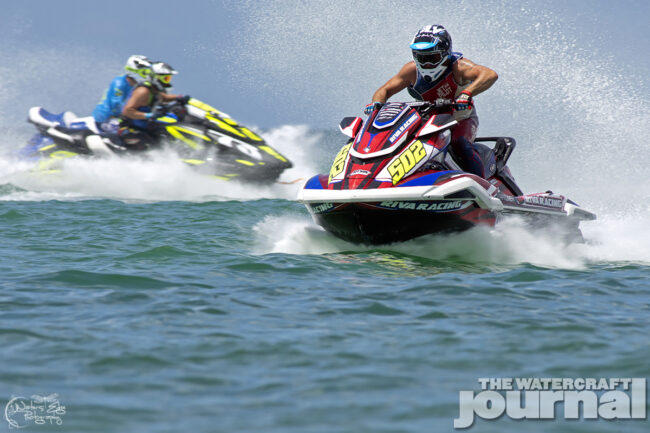
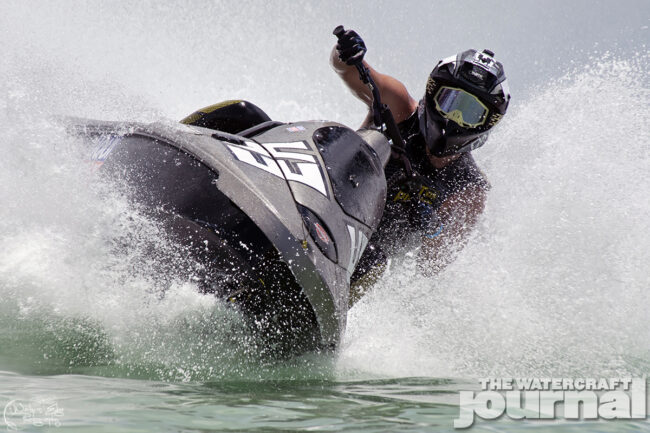
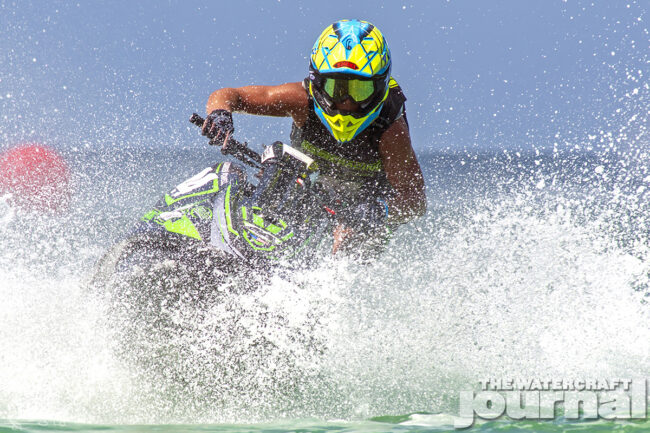
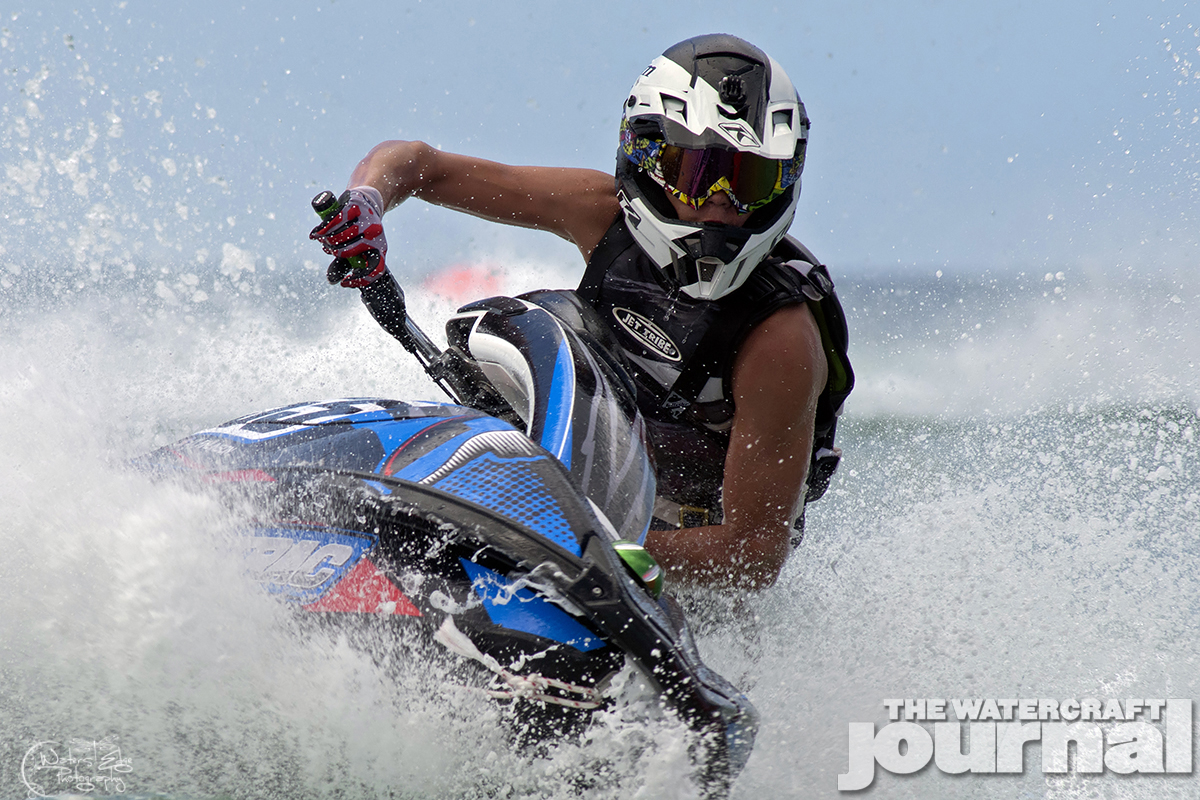
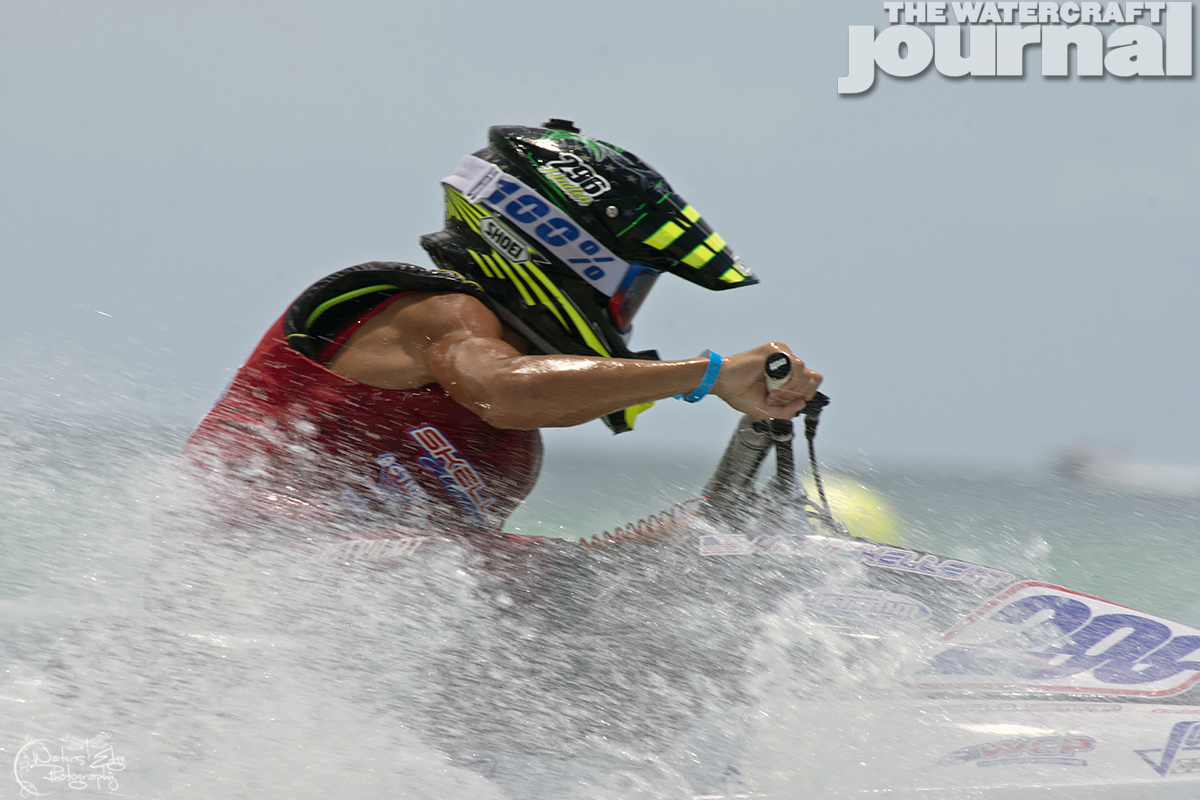
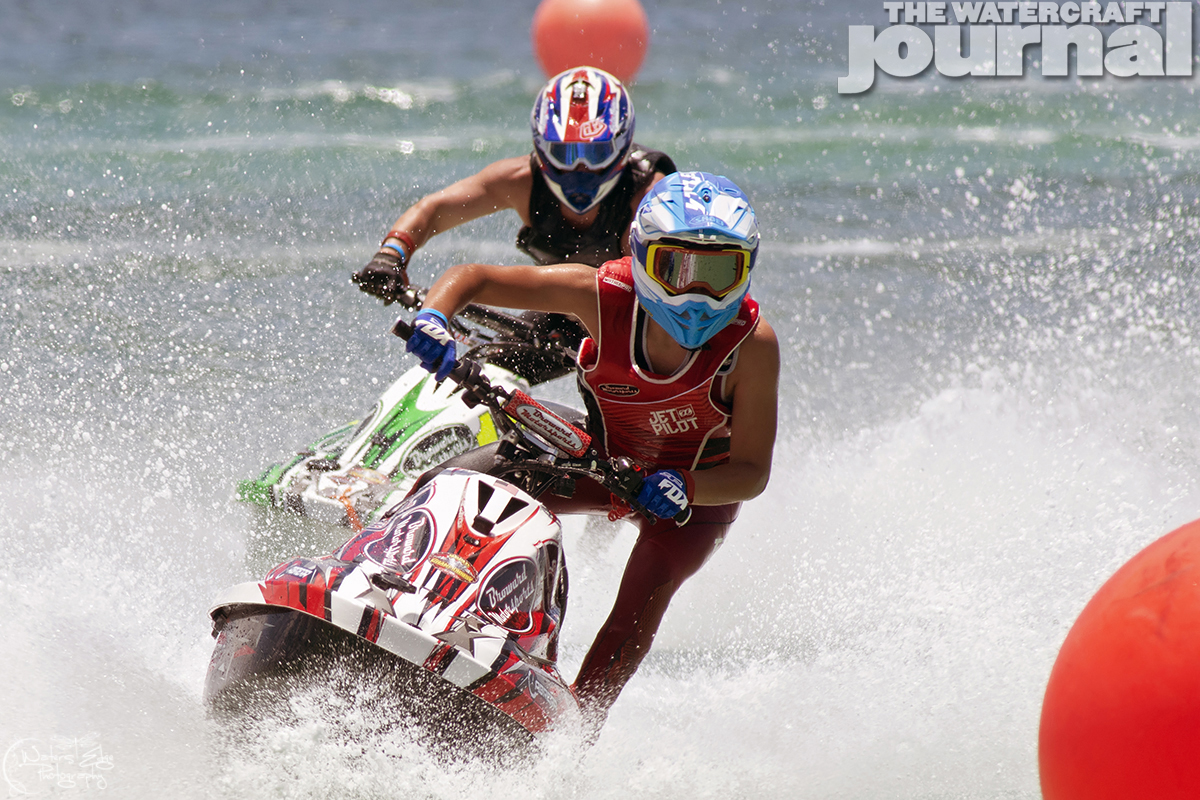
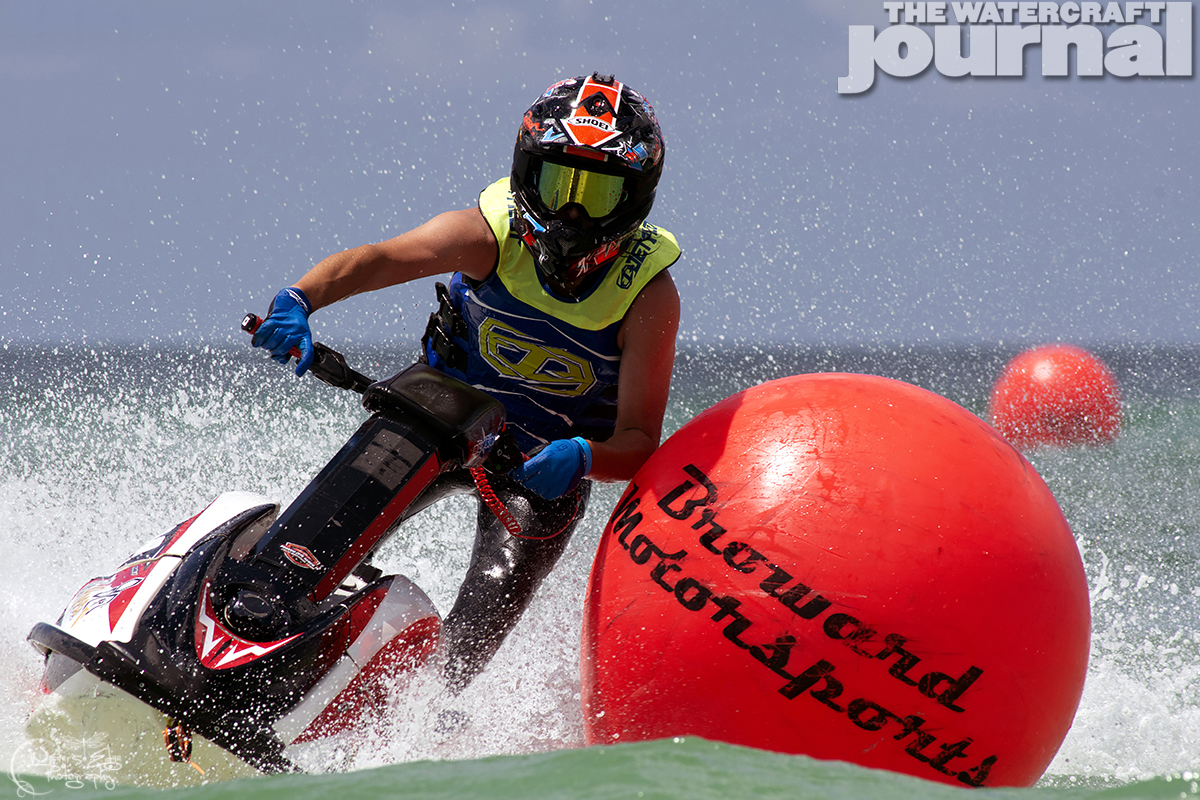
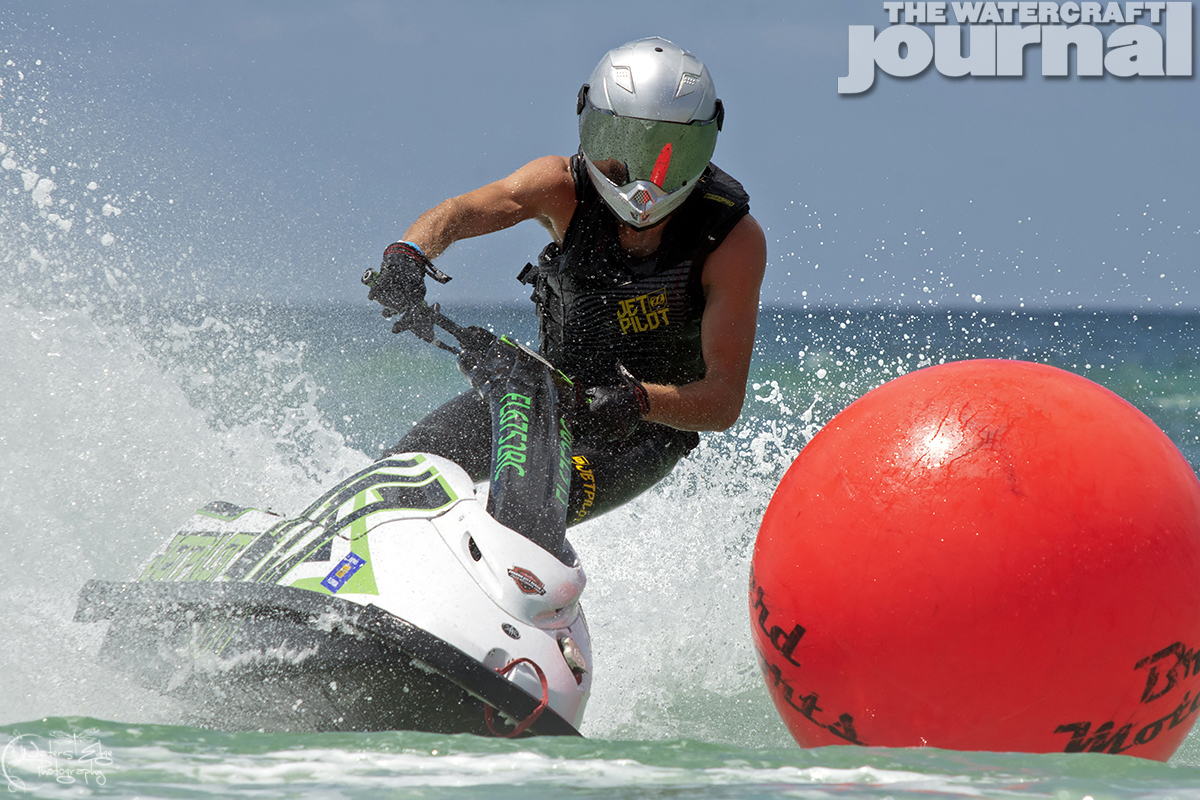
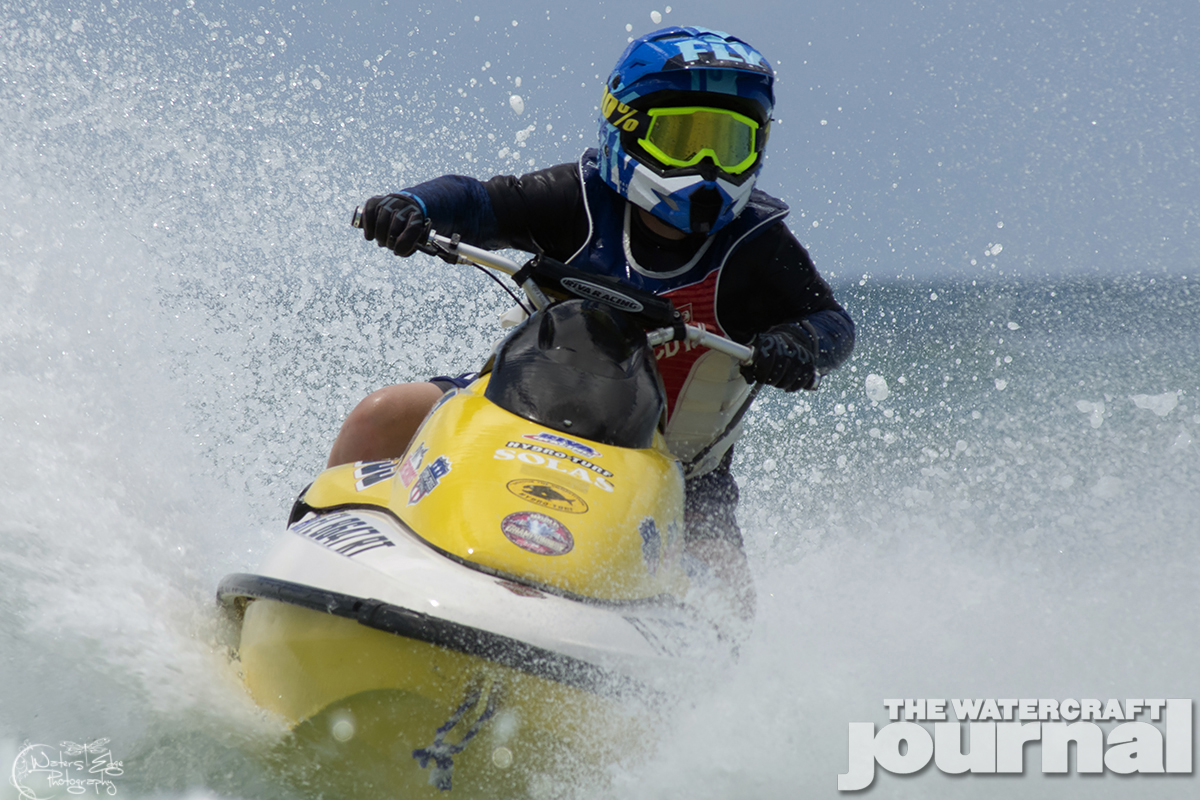
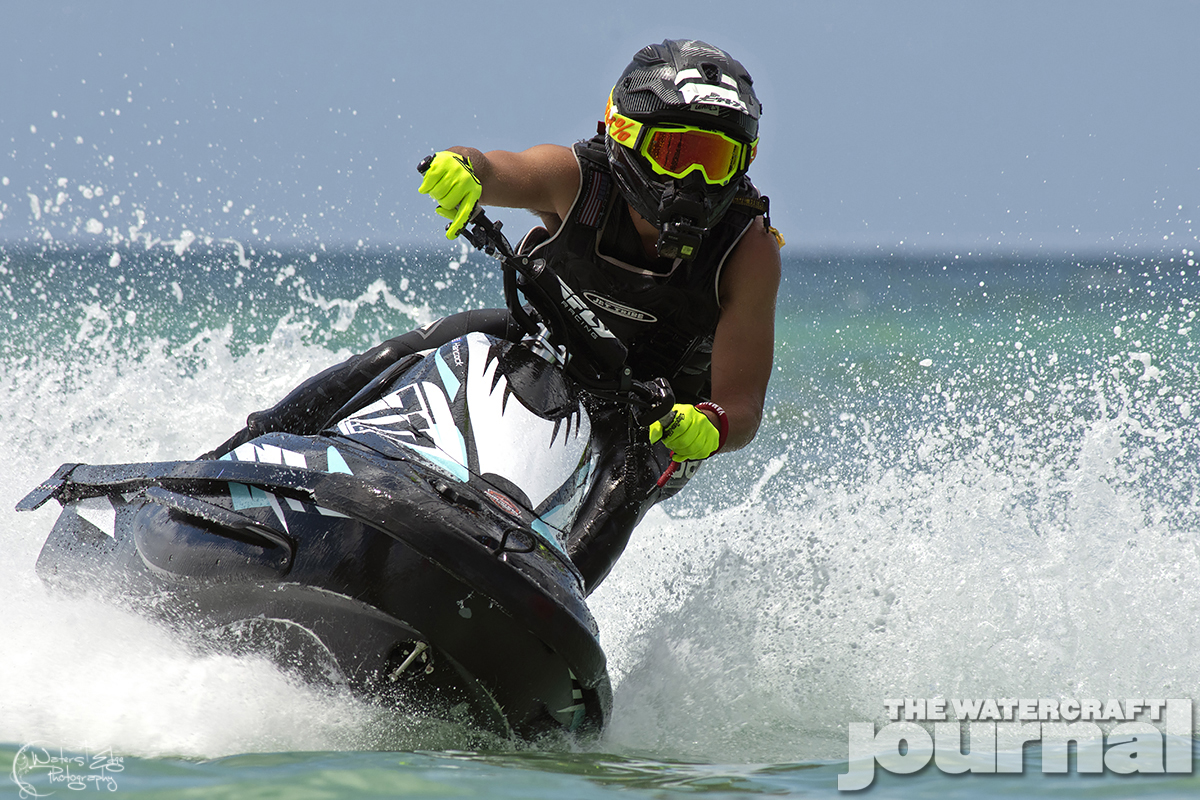
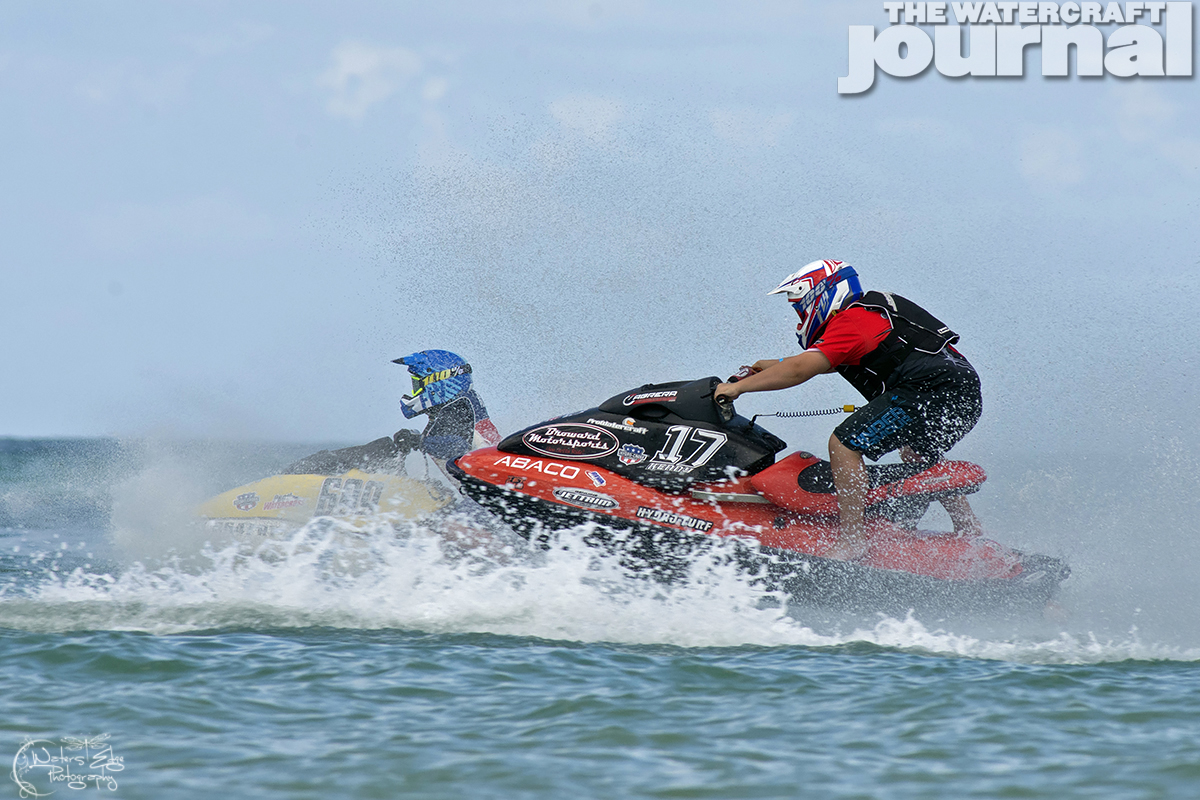
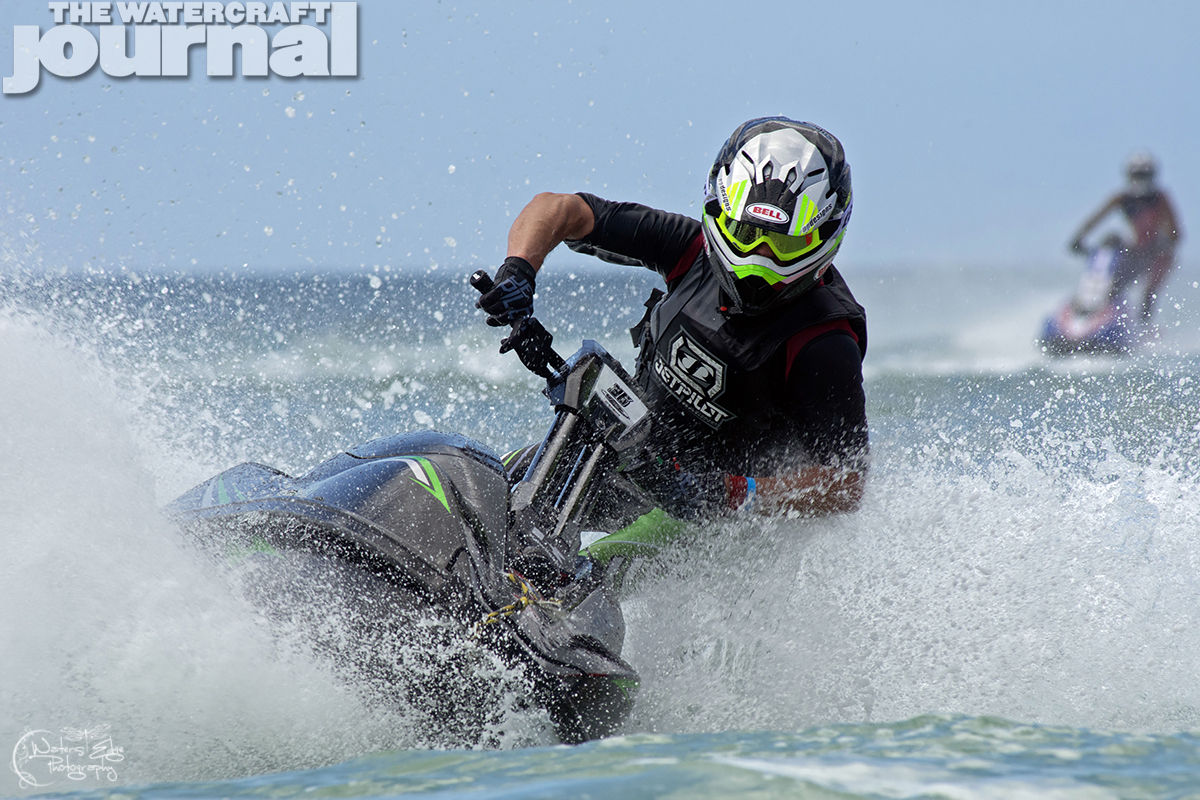
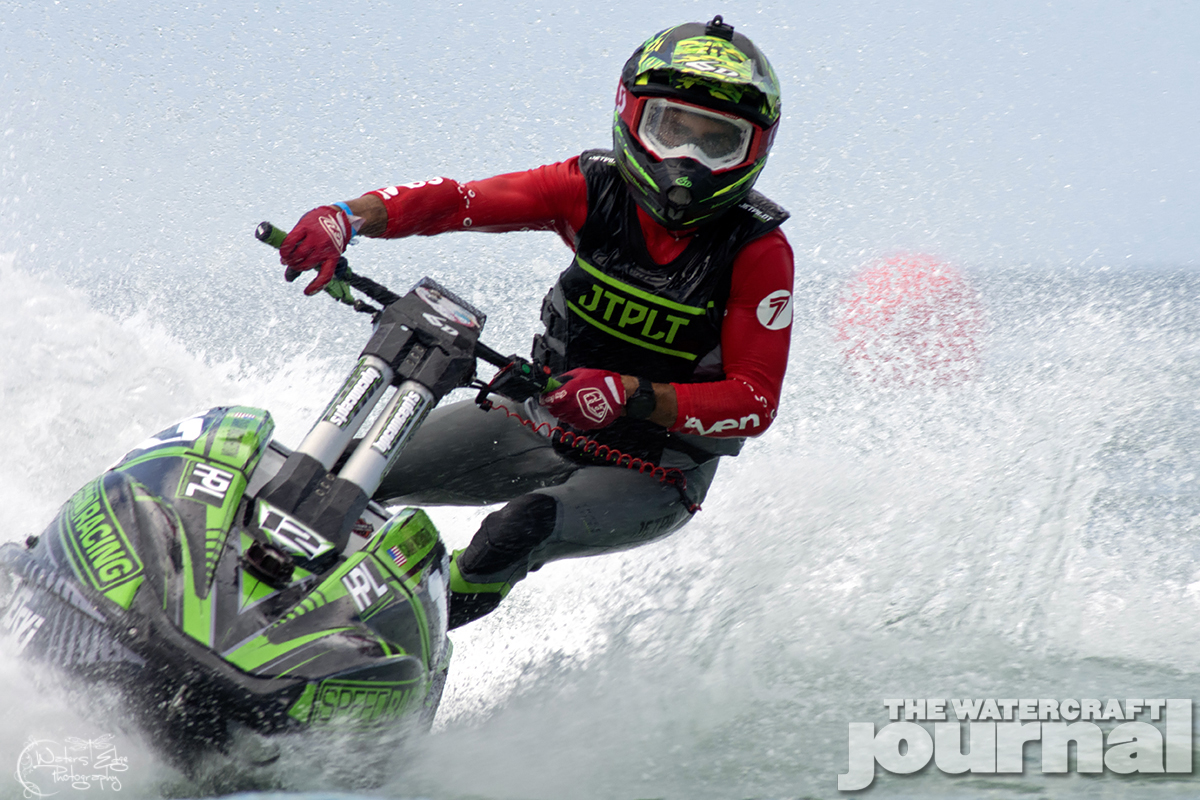
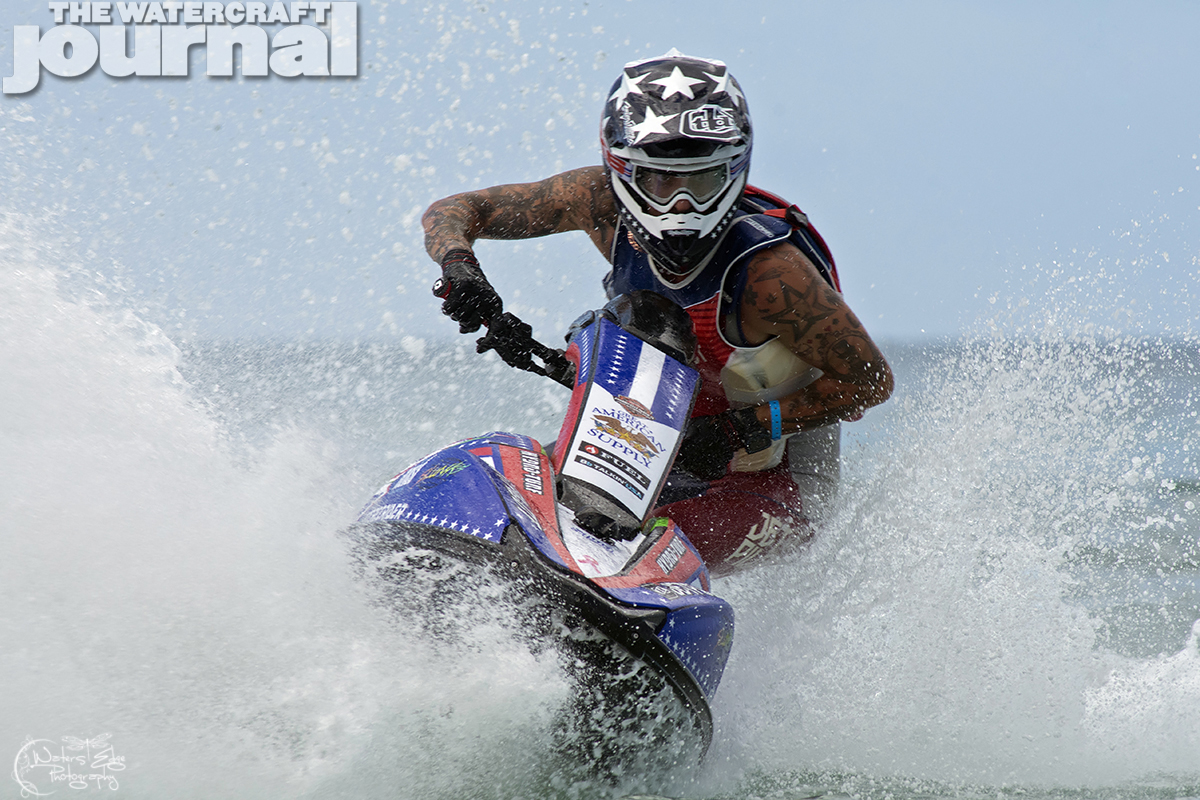
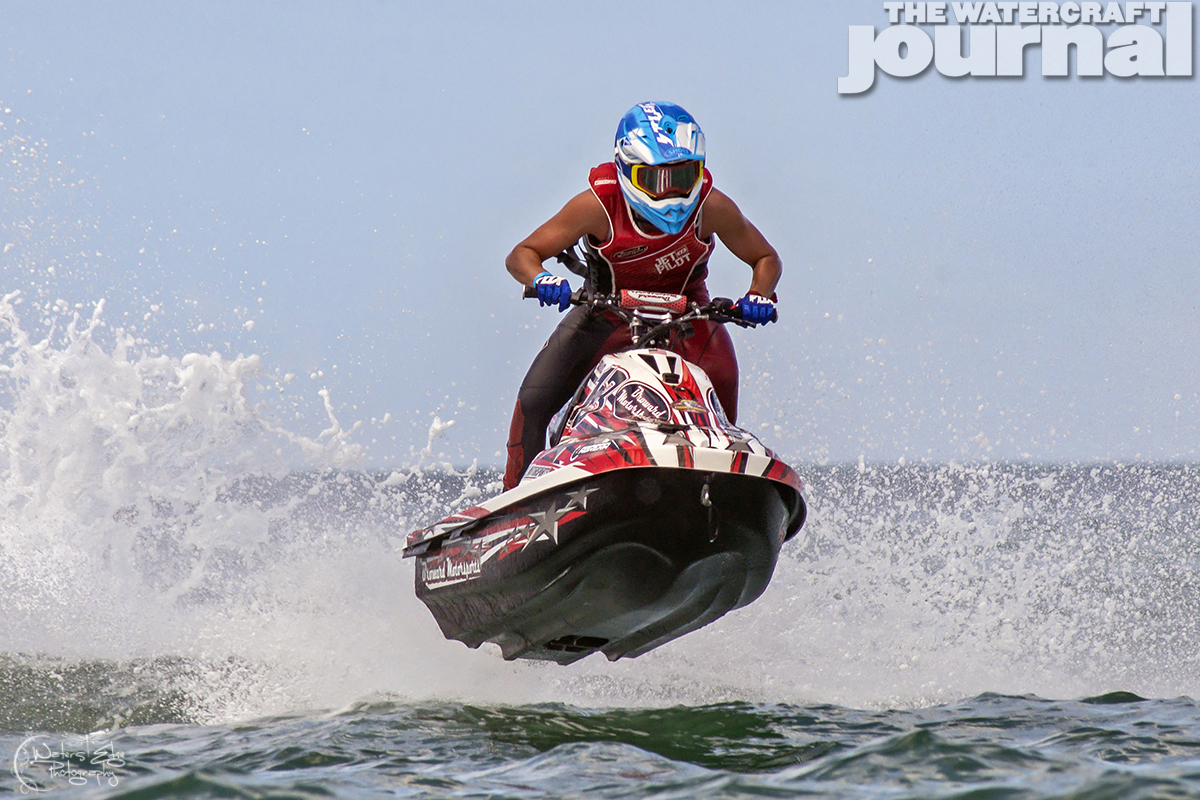
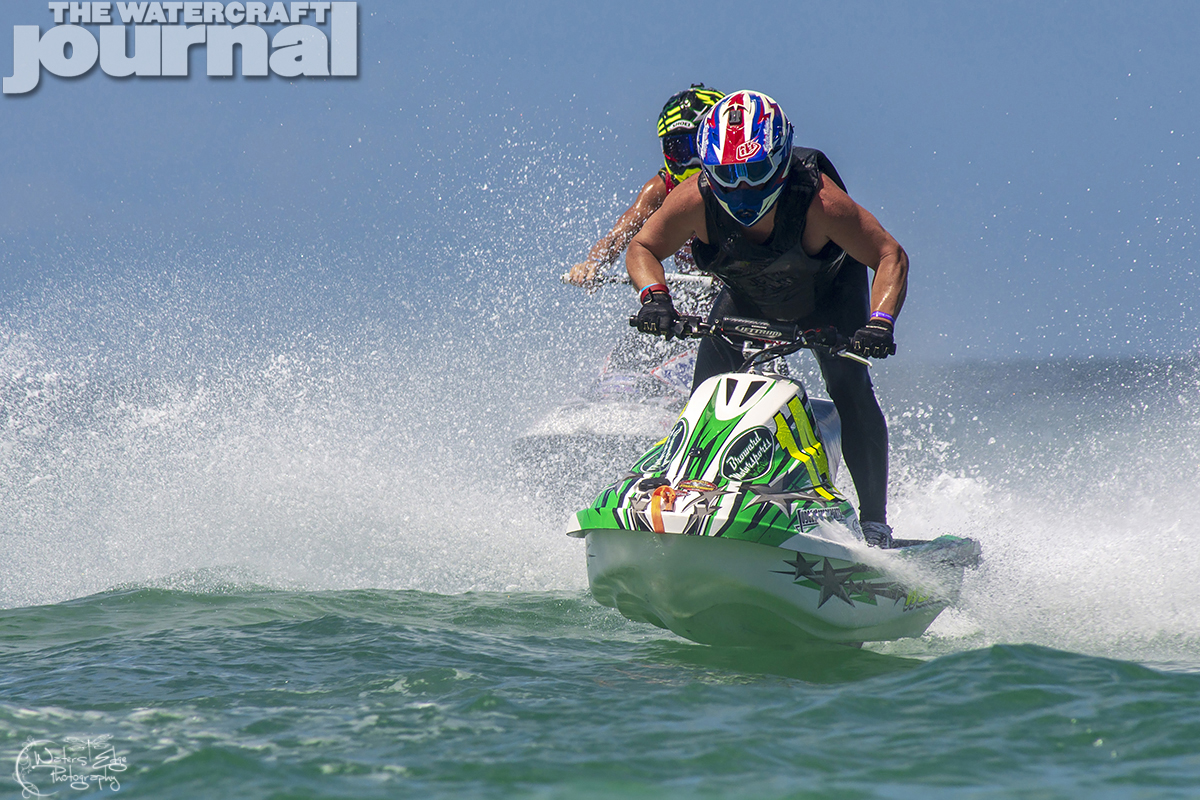
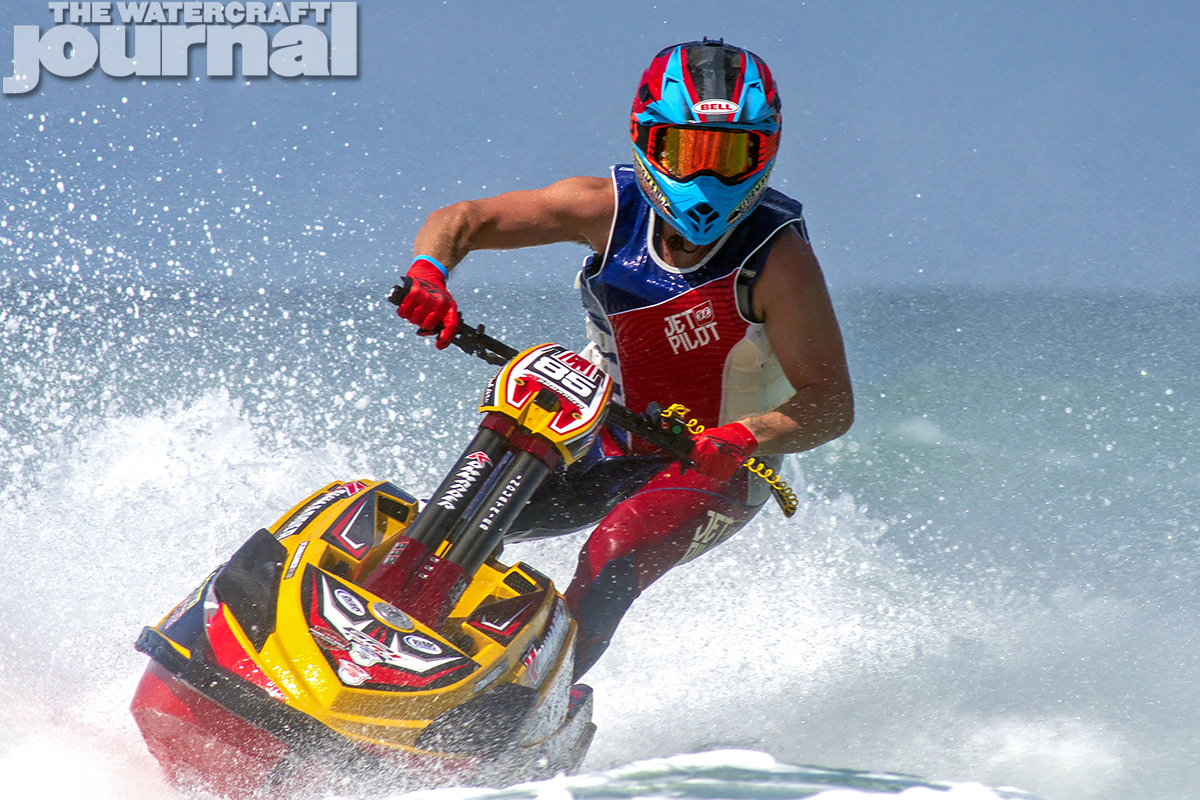
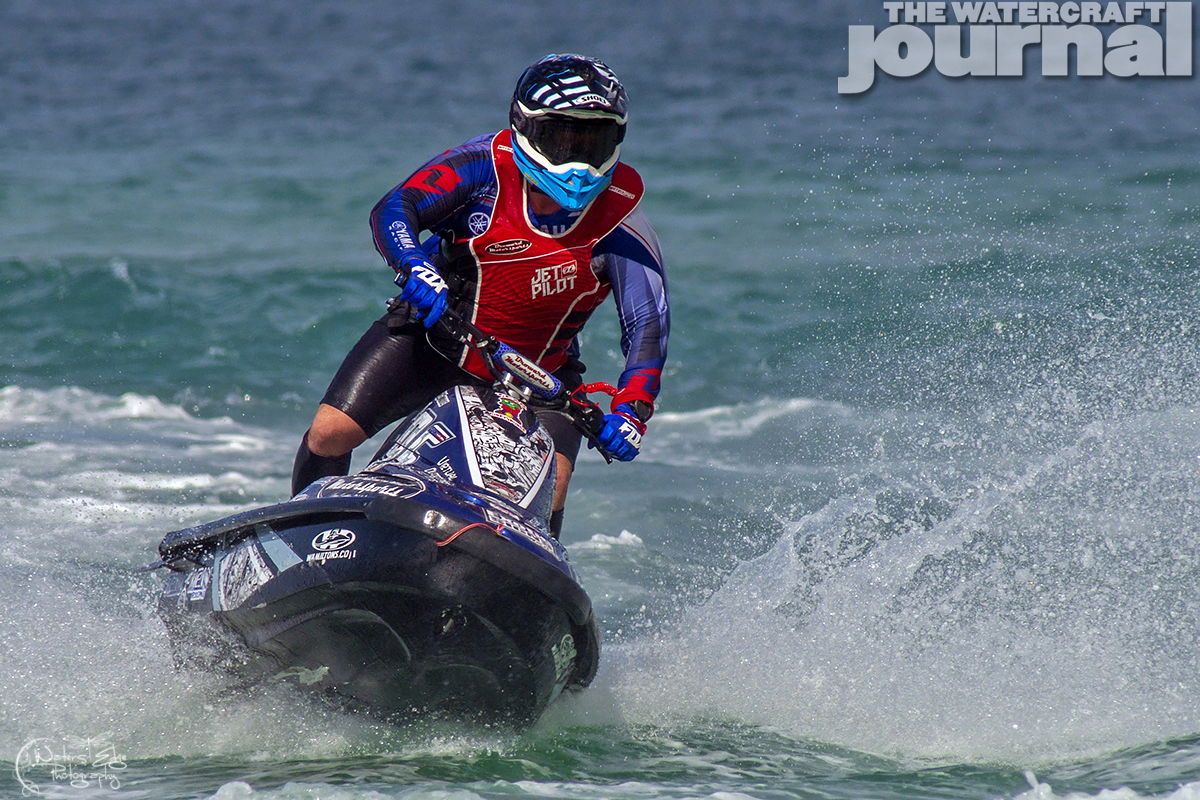
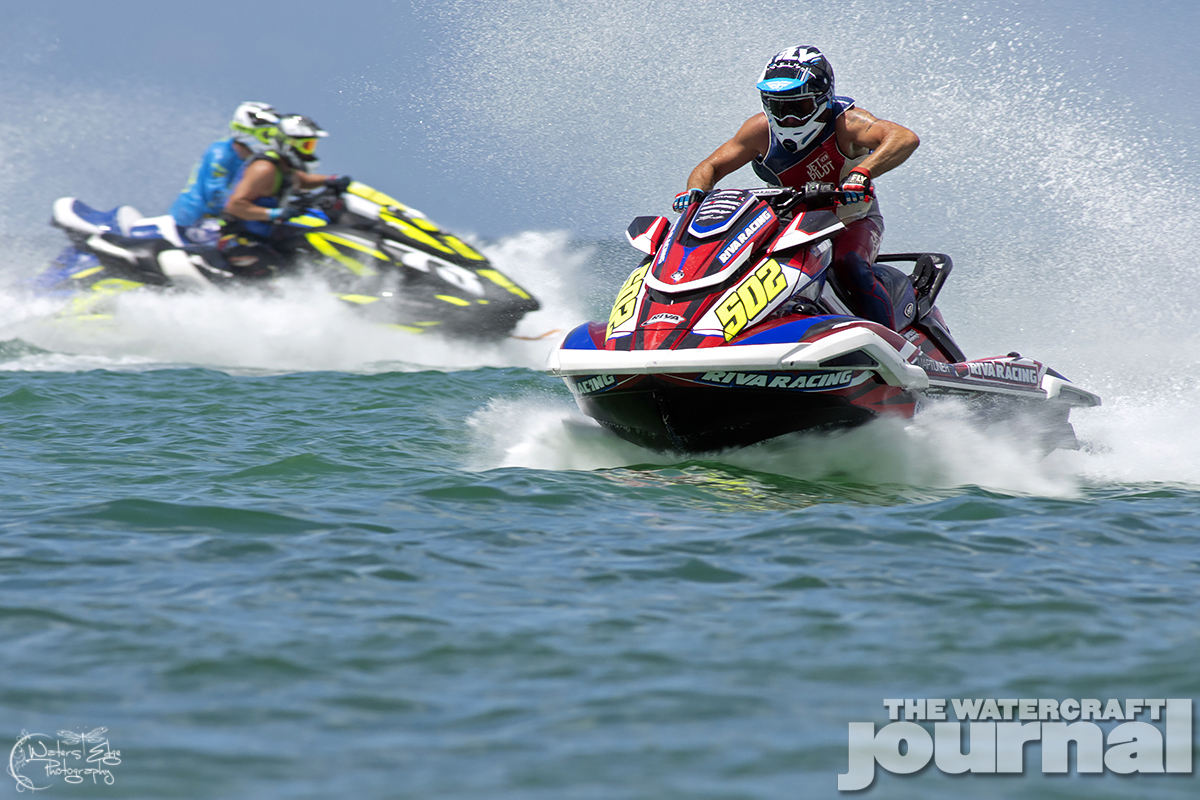
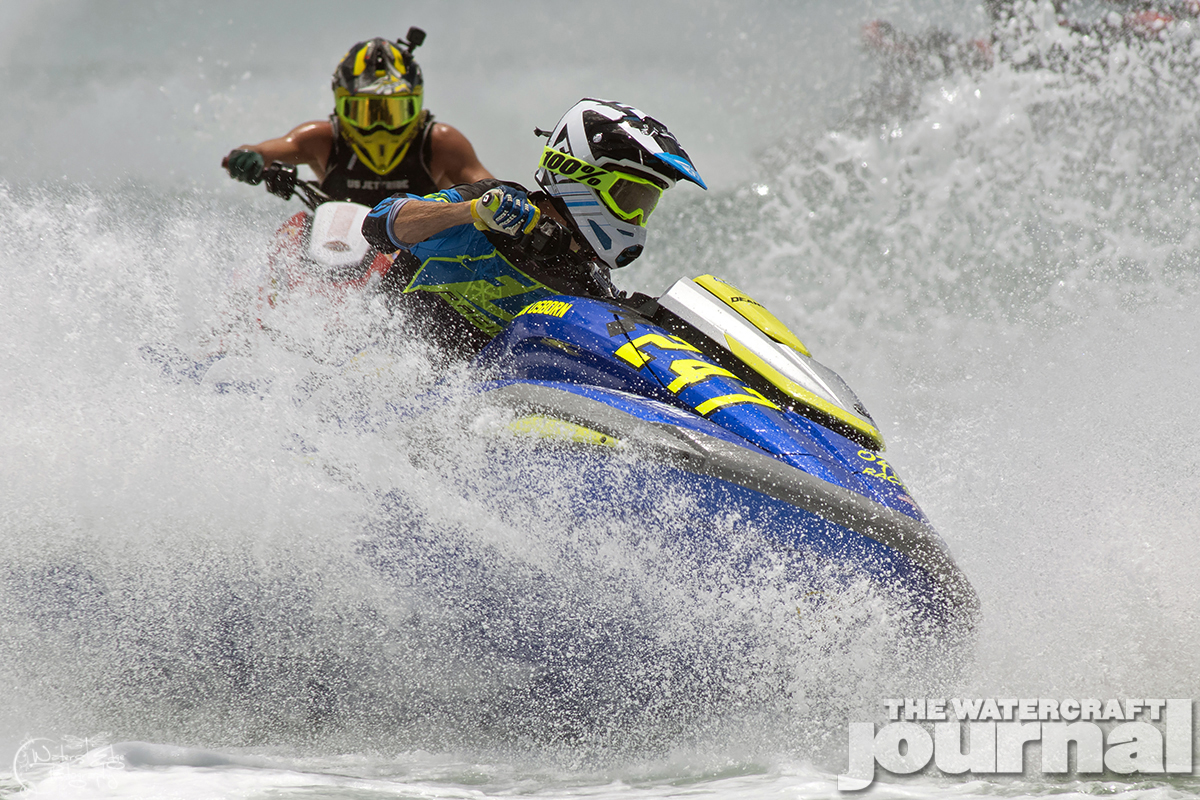
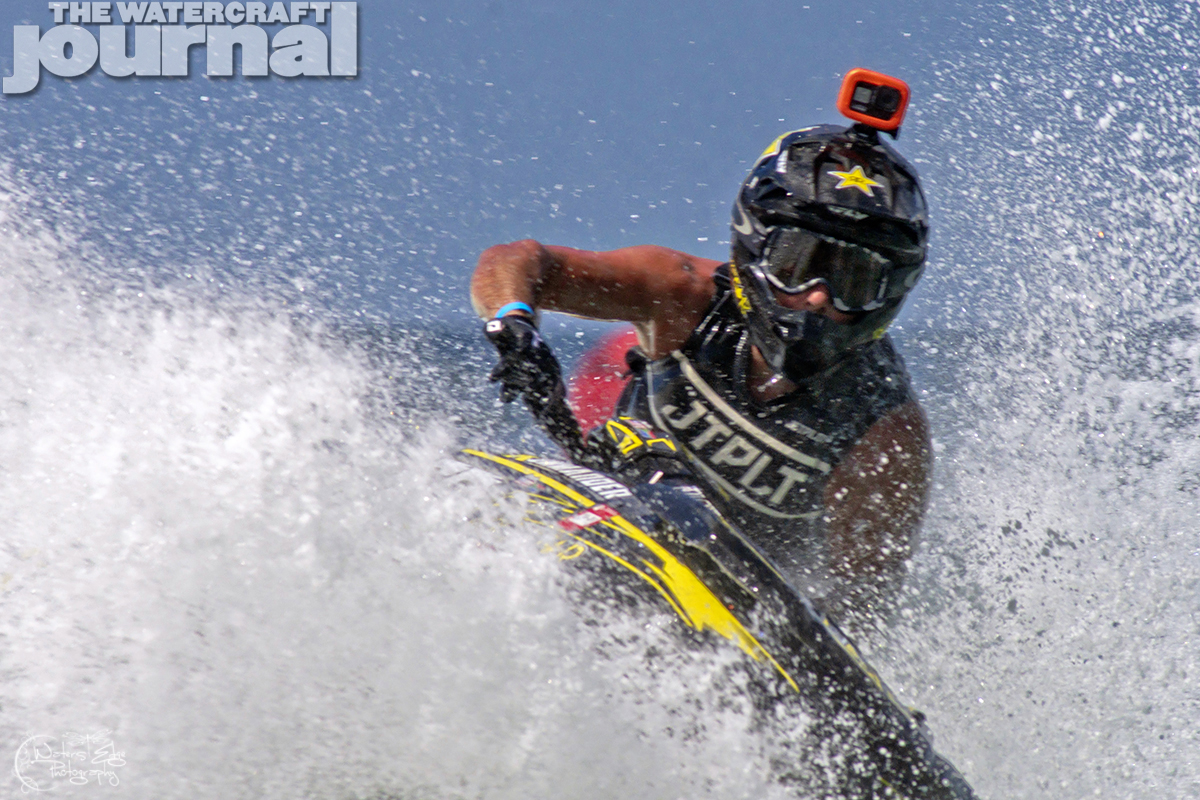
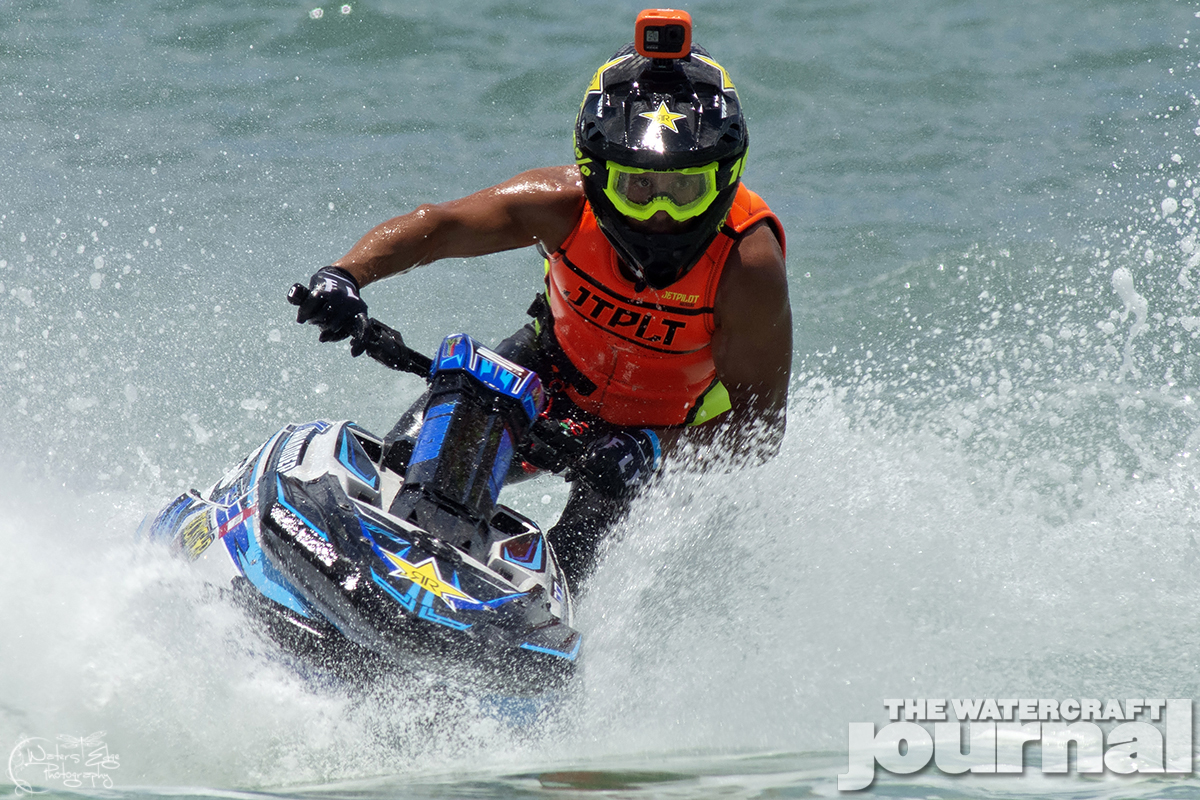
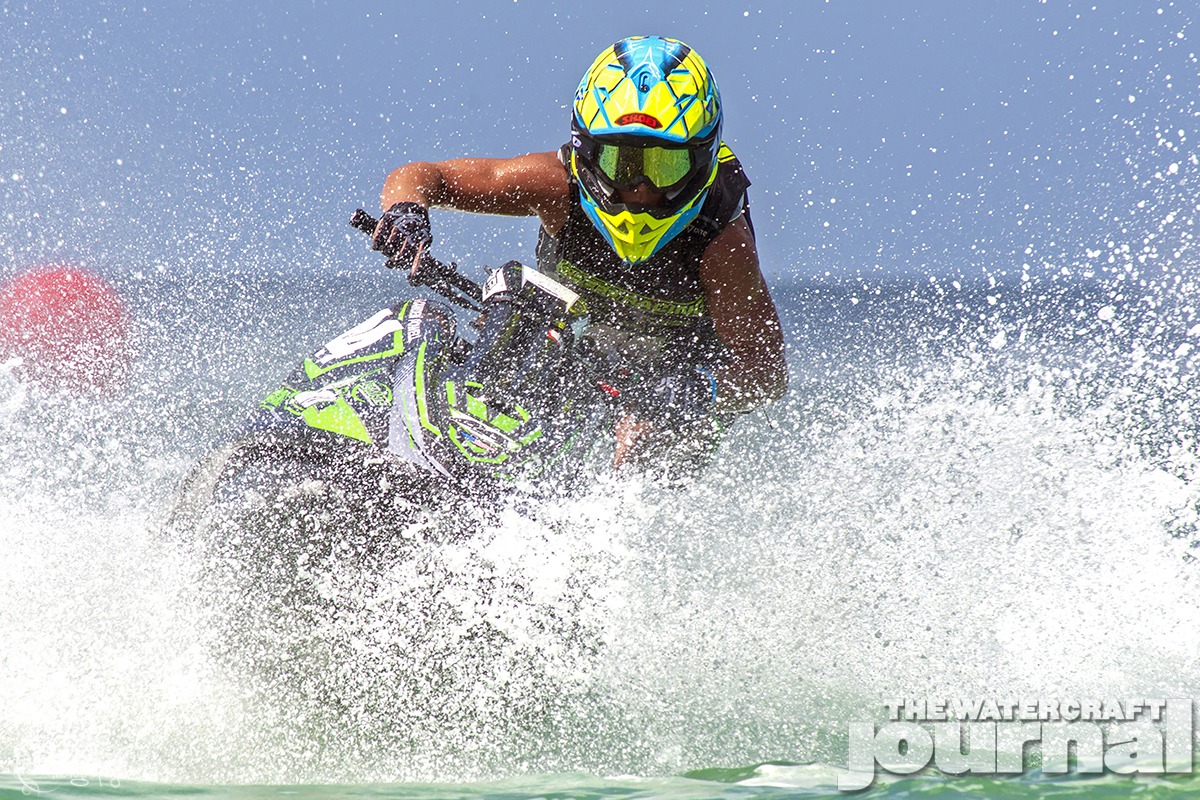
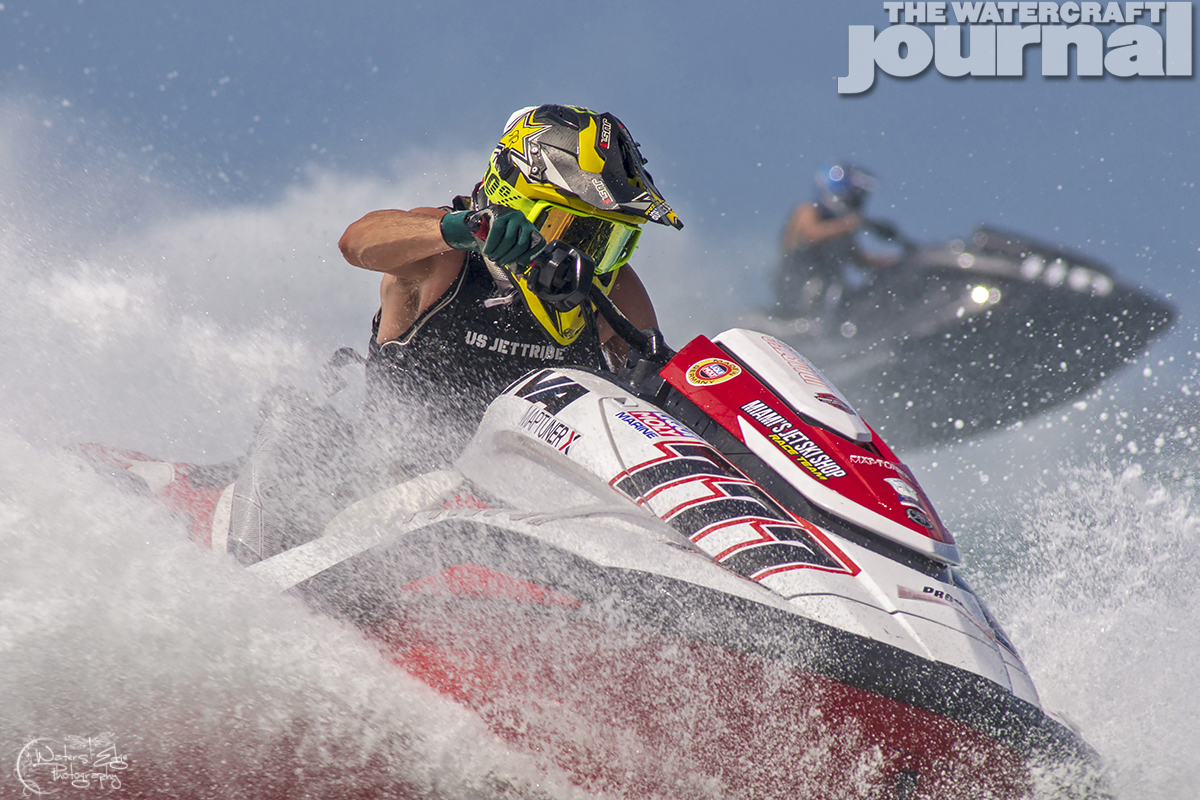
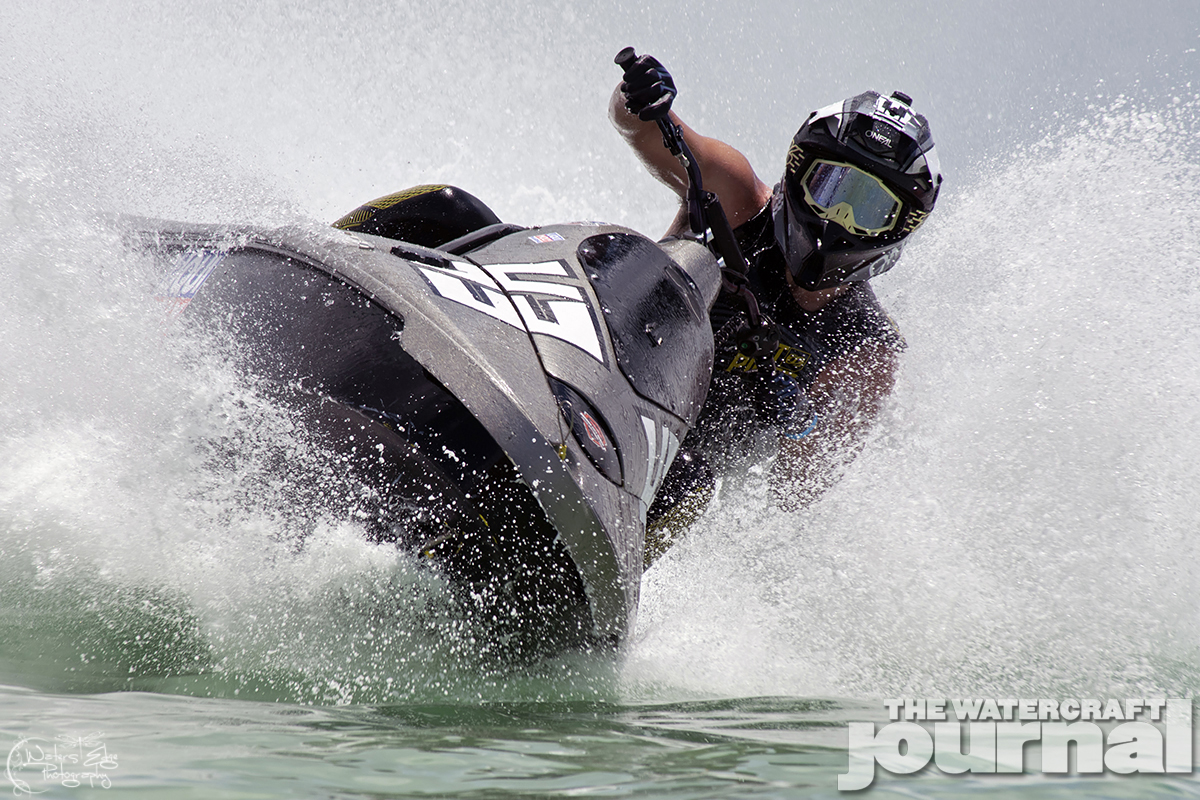
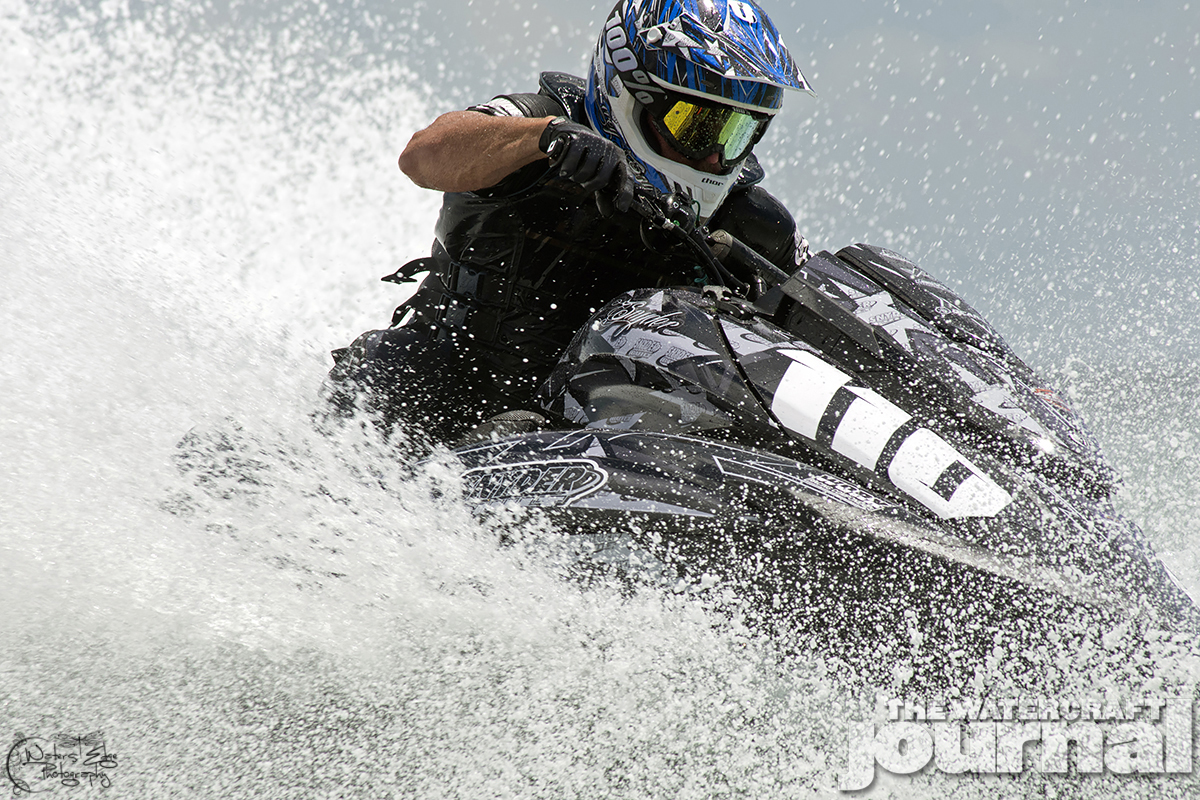
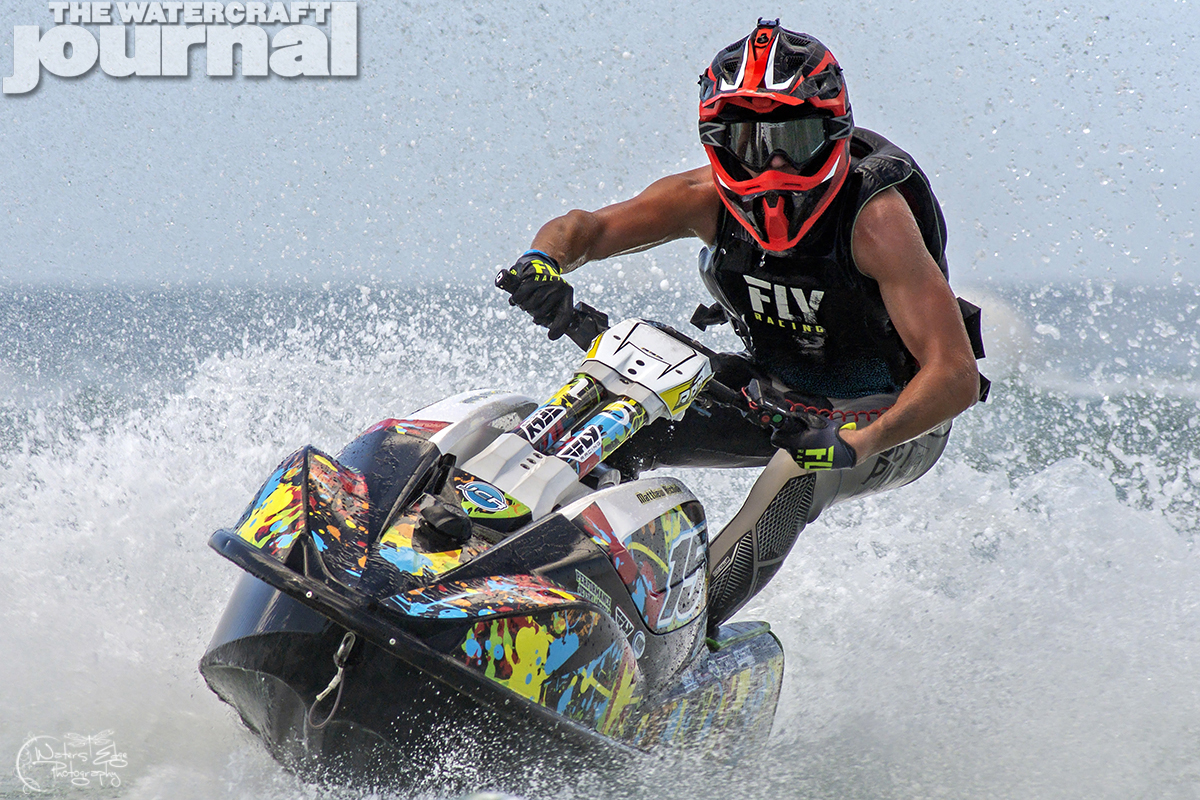
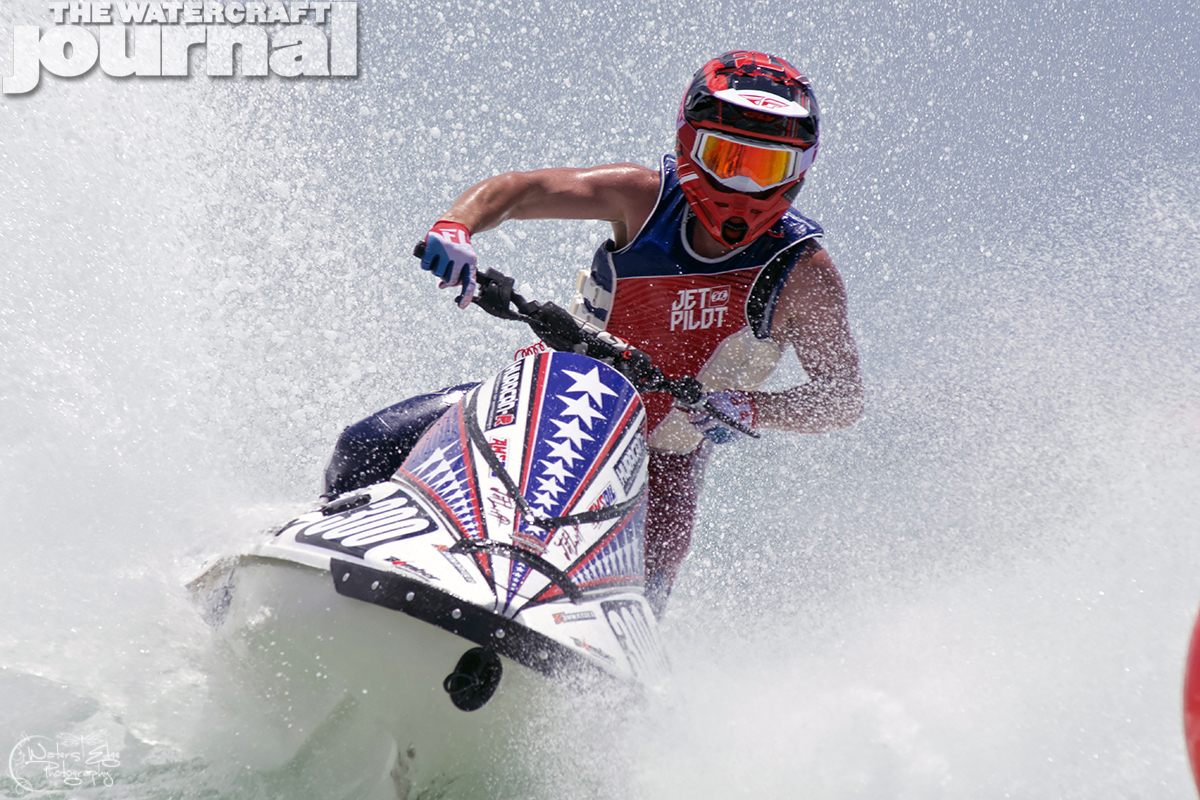
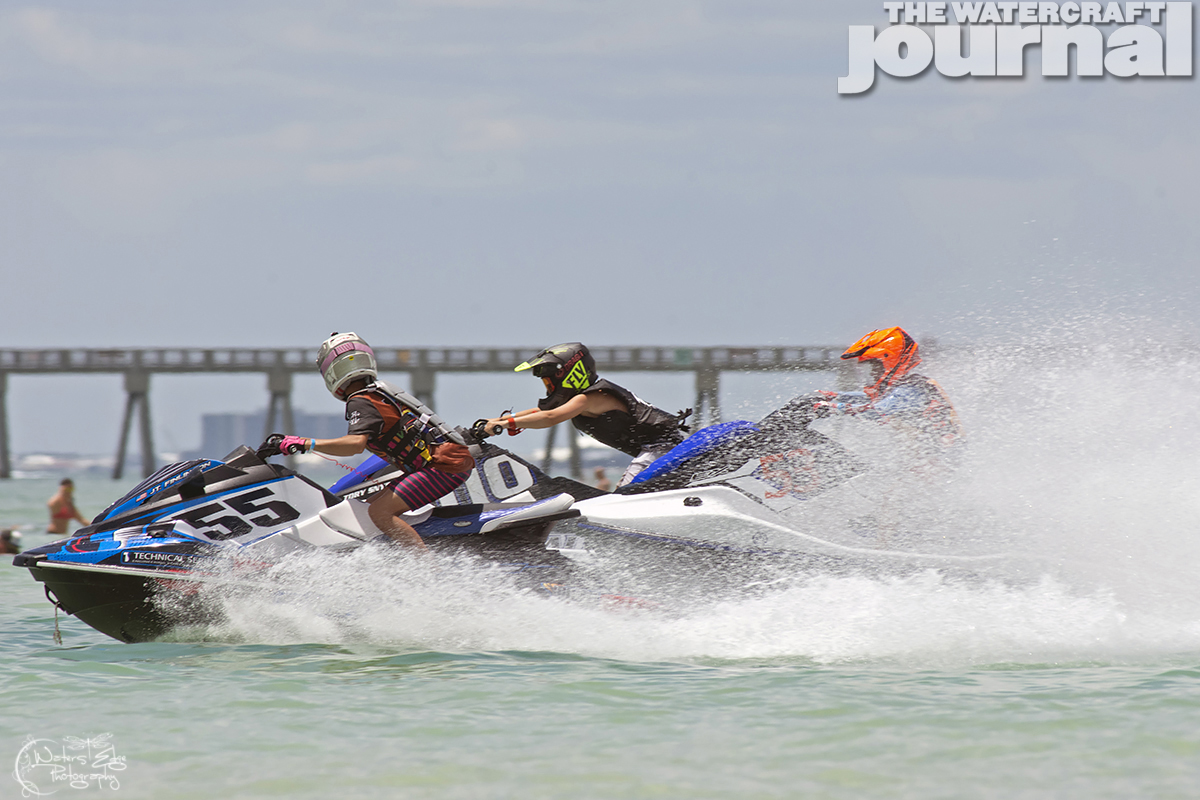
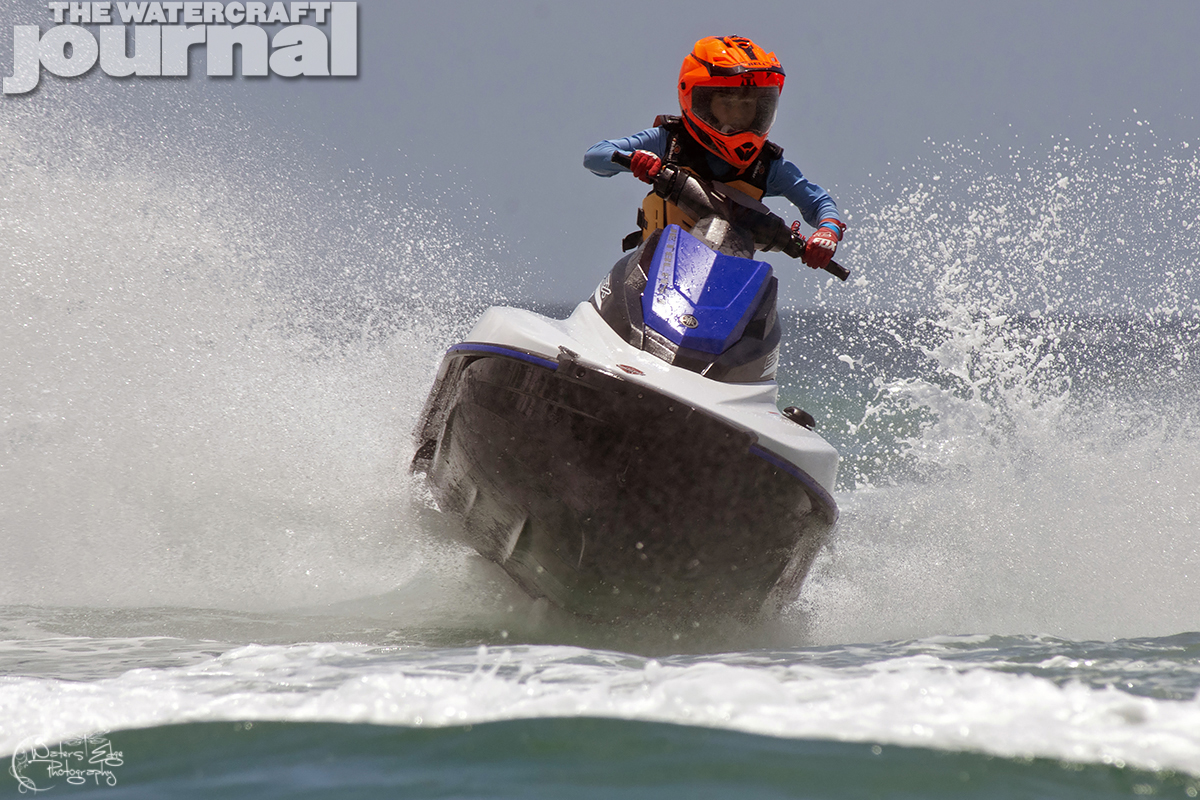
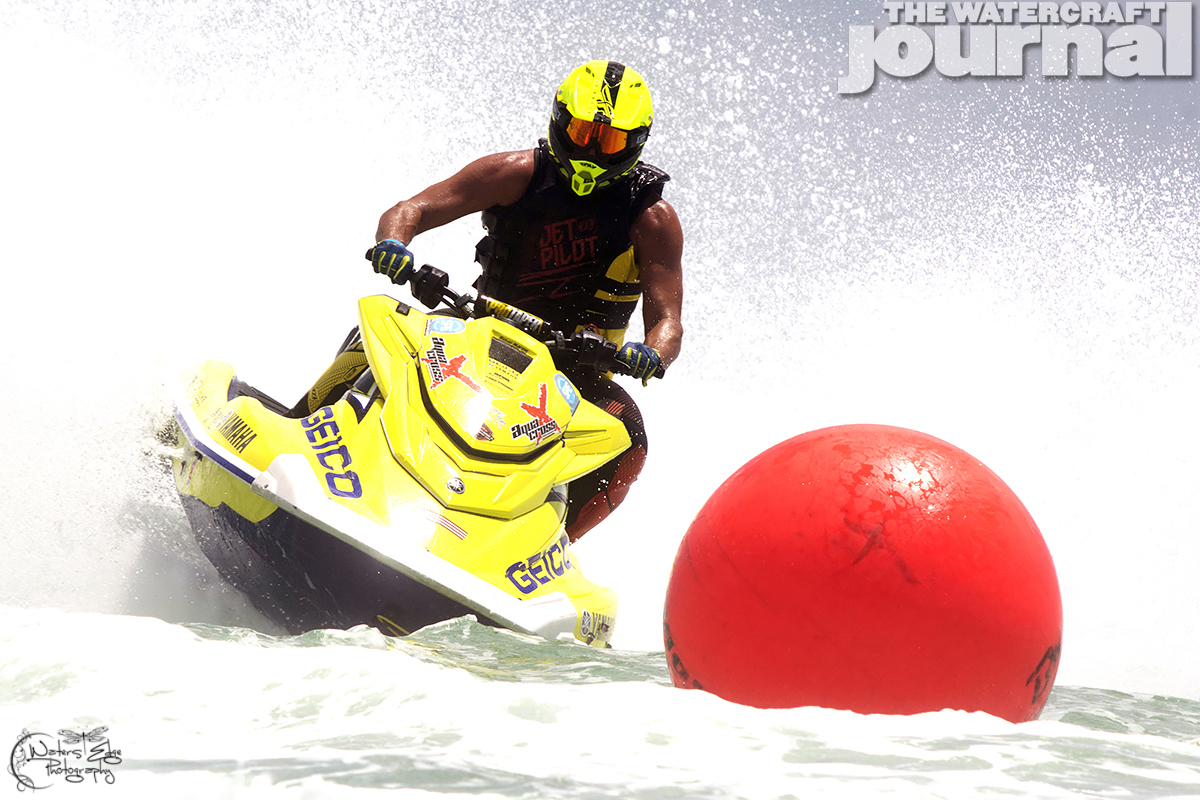
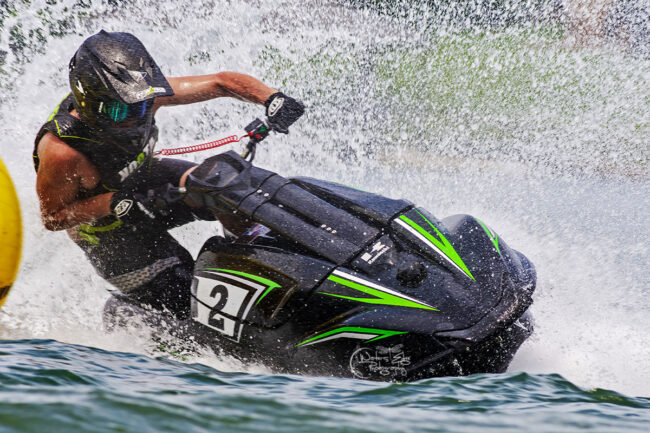
The first round of the 2020 Pro Watercross season, hosted by Sharky’s Beachfront Restaurant in Panama City Beach, Florida, brought nearly 100 racers from across the country to reunite with racing friends and foes (often one in the same, in the PWX world), knock the dust off some race-tuned skis, and twist some throttles.
The atmosphere in the dry pits (which, in the opinion of this race junky, was one of the nicer pits/camping areas of any tour for the past several years – if you don’t count the fire-ant bed that some to-remain-unnamed photographer stepped smack dab in the middle of!) was definitely one of camaraderie and good cheer – with just enough trash talking to make it seem like coming home.
There were those with masks, and those without; those who bumped elbows, and those who hugged, and underneath it all, a comfortable easiness of old friends – or family – who respect each other and the inherent differences. Not once did I see someone crowded or pushed if they even gave the slightest hint of a preference for social-distancing, nor did I see any shaming or indignation against those not wearing masks. Everyone was there to race, there to throw off the weight of the past months, to trade protest worries and virus woes for some wire-to-wire battles between some of the hottest names in the game – and some new faces.
Pro Watercross, which is celebrating its 25th season of race promoting, packed the pro show into a one-day marathon, turning through three motos of all pro classes on Saturday, with some amateur and youth classes cut in to give racers – many of whom compete in multiple classes – a breather between motos.
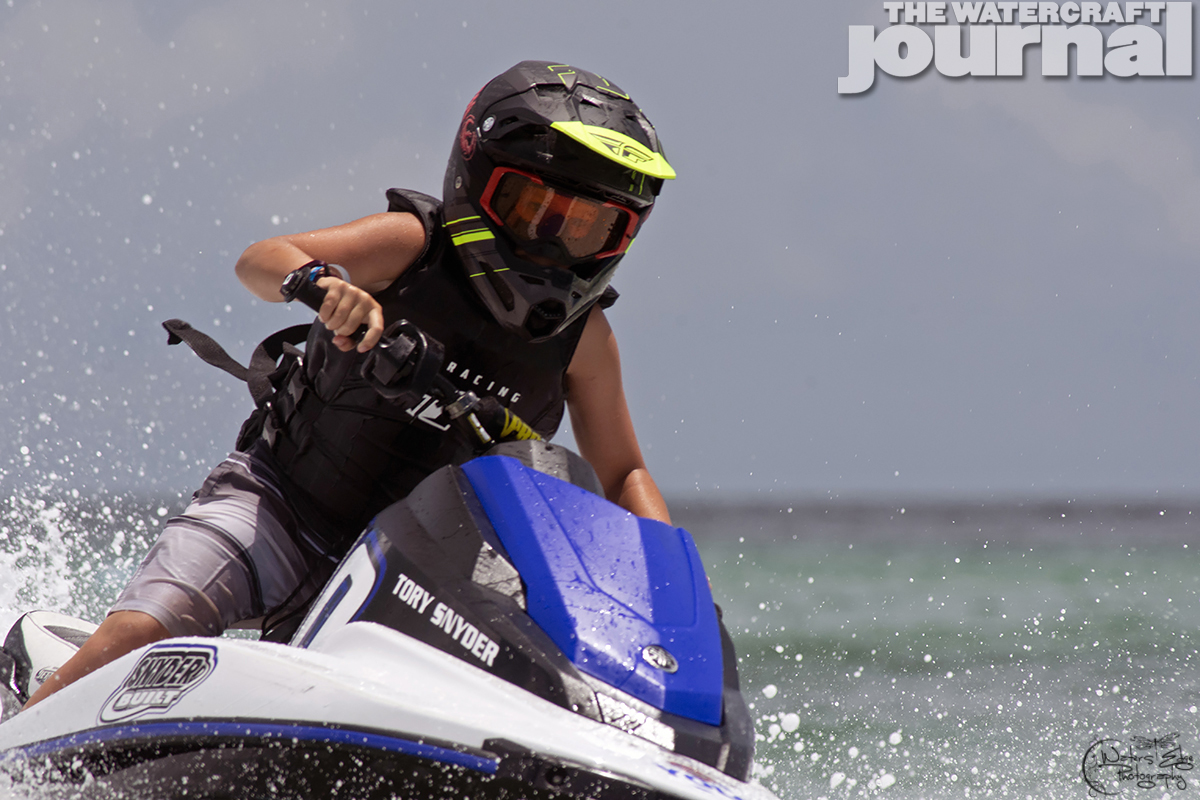
The Pro-Am Runabout Box Stock class packed the line with 13 racers, including top names such as Brian Baldwin and Troy Snyder. Snyder was fast off the line, but Baldwin piloted his Yamaha GP1800Rto a hat-trick overall win with three checks in the win column. Snyder locked down three second place finishes for the second overall podium spot, and Tim Miller topped a fifth-place Moto 1 finish with two third-place finishes to take the third podium spot. Dylan Osborn also overcame a rough Moto 1 to take fourth place overall, and Graham Hunt finished out the top five in the R/A Box Stock Class.
In the Runabout GP class, Baldwin book-ended his first and third moto wins with a seventh-place finish in Moto 2 and Snyder took the top podium spot with a 2-1-2 performance on Saturday. Osborn, as in the Stock class, continued to put pressure on the front of the pack and recorded a 4-2-4 day, securing the third step on the podium, followed by Greg Radulski and Jason Russo.
The Pro-Am Ski GP Class also featured a packed line, and every name on the 12-spot lineup was a name to be reckoned with. There was little doubt that the entire race family was thrilled to see long-time race favorite and podium dominator Jimmy Wilson back in the game, but it was Dustin Motzouris – another multi-championship title-holder – that claimed the top finish on his Kommander GP1 with a 1-3-1 weekend.
Young gun Camden Powell edged out Wilson for the second podium spot with a 3-2-3 weekend, and Wilson recovered from a rough 7th-place Moto 1 to claim the third spot. Tyron Motzouris (2-1-11) took fourth, and another rising star, Matthew Richuk (6-8-4), finished out the top five.
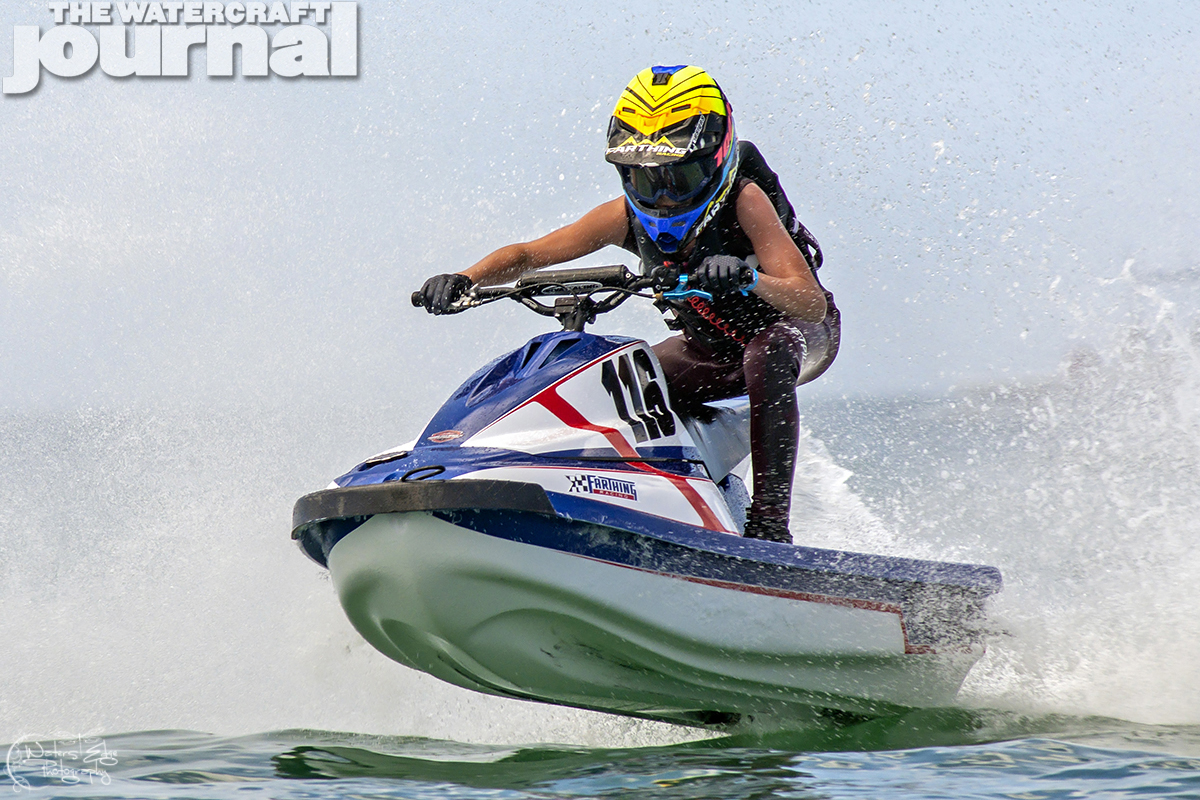
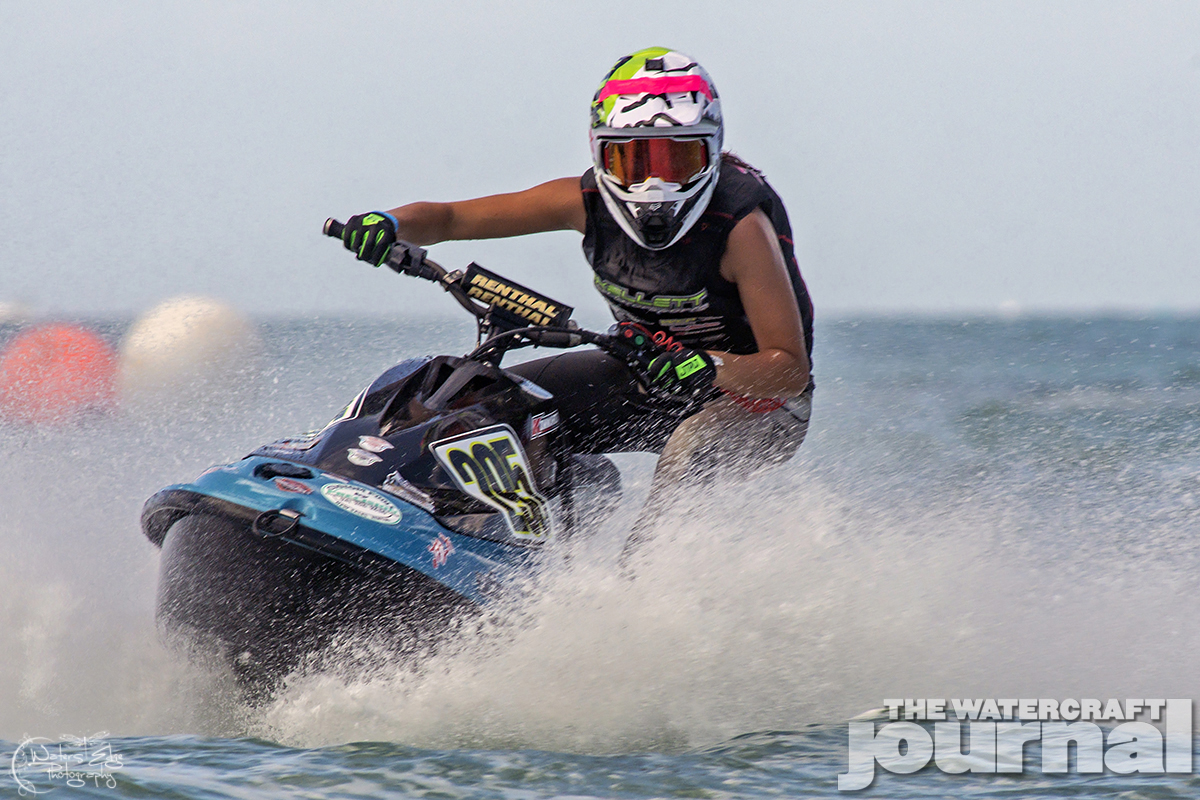
In the Ski Stock class, Richuk (1-2-2) snagged the top overall spot, followed by Ryder Wildeboer (7-1-1) and Kennie McKenzie (2-3-4). In The Blaster GP class, the young guns ran the board, with Deven Farthing (1-1-2) taking first, Haden Skellett (2-2-1) securing second, and Revin Harris (3-3-4) nailing down third.
In Sport GP, Harris (1-1-2) claimed the weekend win, Skellett (2-2-1) took second, and Jimmy Wilson (3-3-4) took third. For more results, visit www.prowatercross.com. For a full album of photos from the race, visit www.watersedgephoto.online.
It was a long-standing joke that the bulk of personal watercraft racing’s best and most talented athletes were all middle-aged. MacClugage, Farthing, Motzouris, Baldwin, Snyder, and Warner all wield incredible resumes, and all are aged close to – if not over – 40-years-old. Recently, it was learned that the average age of a PGA golfer was just over 34-years-old. When the majority of professional golfers are younger than pro jet skiers, you know you’ve got a problem.
That’s not to say that any have slowed in their age – what’s the old adage? Beware of an old man in a profession where men usually die young – with age comes skill and wisdom and today’s pros are steeped in both. Of the above list, only Farthing has pulled out from regular racing, choosing to support his sons’ efforts on the track mainly (although he does enter the fray now and again). Macc, Motz, Baldwin and Snyder routinely rack up podium finishes when the season is about.
Sadly though, we lost a major mainstay of racing, Craig Warner. Late Monday evening, Warner penned a farewell thanking his longtime sponsors, family and friends for 23 years of support. Beginning as a scrappy standup racer, the Southern California native found his stride with Kawasaki racing offshore endurance. It’s in this arena that I got to know Craig. Effervescent, tactical and with a sly grin permanently etched on to his face, Warner proved himself a true waterman.
Ages ago as the Editor of Personal Watercraft Illustrated (2007-2010), I took it upon myself to try my hand at the Long Beach-to-Catalina Offshore Championship race a few times, an event Warner would dominate for a decade. His skills aboard the supercharged Ultra platform not only drove PWC sales, but gave credence to the phrase “Kawi water” implying that only a Kawasaki could navigate such rough terrain. Yet, we all knew it wasn’t so much the JetSki as it was Warner’s skills behind the bars.
Later, Warner would pop into the PWI offices to join us for lunch, spy the yet-to-be-released issue, and even guided our team on a journey to discover one of his preferred surf spots. PWI staffers Justin Stannard and Dave Szych rode to the secret location with surfboards wedged in their footwells. They surfed, skied and leapt from cliff faces, while I sat behind my desk planning the next month’s issue. Despite being a terrible surfer myself, I was sick with jealously.
Although corporate support waned in later years, Warner’s relationship with Kawasaki was almost ubiquitous, nary inseparable. Warner adorned posters, press materials, videos and even a large portion of an extreme-sports themed gas station on the way to Lake Havasu that I regularly stopped at for a photo op. Sadly, with Craig Warner’s official retirement, there goes one of the last remaining champions to ride under the Kawasaki banner.
Warner wrote in a Facebook post last night (June 22nd) the following message: I guess it is time to let all my family, racing family, and fans know that it is official: I have retired from [my] PWC racing career.
It has been the best 23 years of my life and the last 13 years with Team Kawasaki. I could not explain in words how great it has been representing the best manufacturer in the world. Many, many thanks to Joe Heim, Minouru Kanamori, Craig Boyd (aka Fuzzy), and the rest of the team.
Big thanks to my parents for allowing me to chase a dream to be a factory athlete. We did it and won so many championships. Always a team effort. It wasn’t always me that did it.
Everyone that knows me and has been apart of me, I thank you for everything. I have moved on to let someone else Chase his Dreams, and that is what we are doing.
Goodbye watercraft and friends. Everyone good luck this year and the following years. I will always be watching on the cool vlogs by Dustin Motzouris.
Thanks again everyone for all the support and great sponsors I have had through my career. You will never be forgotten.
When Yamaha made massive changes to their already-popular EX line of Waverunners and launched the nimble and power-punched EXR, we knew it was going to be a hit with the crowd.
With its entry-level pricing, the EX platform had already been a great bargain with the first-time riders or those simply looking to get the whole family on the water.
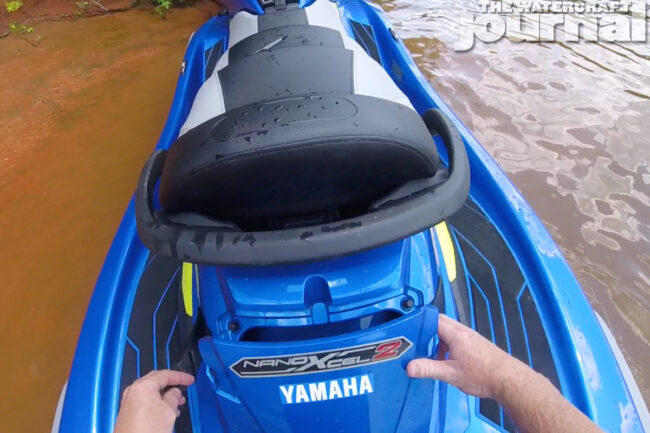
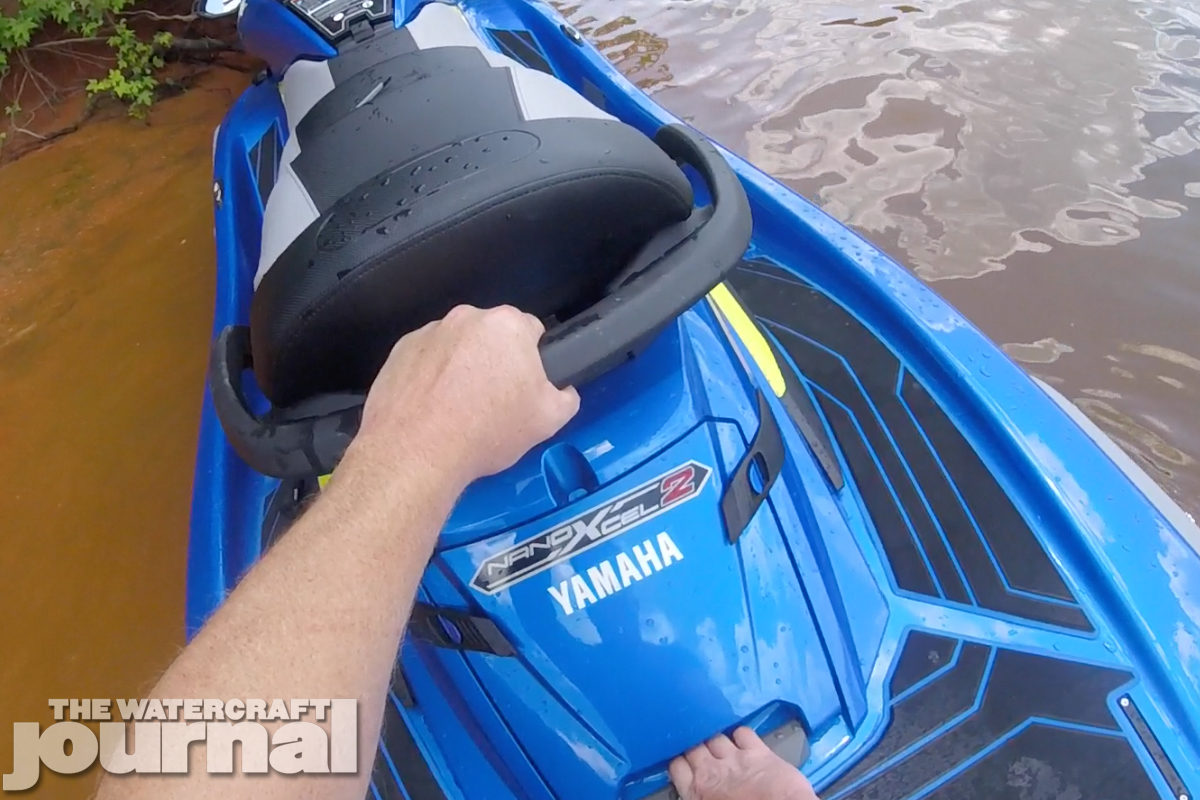
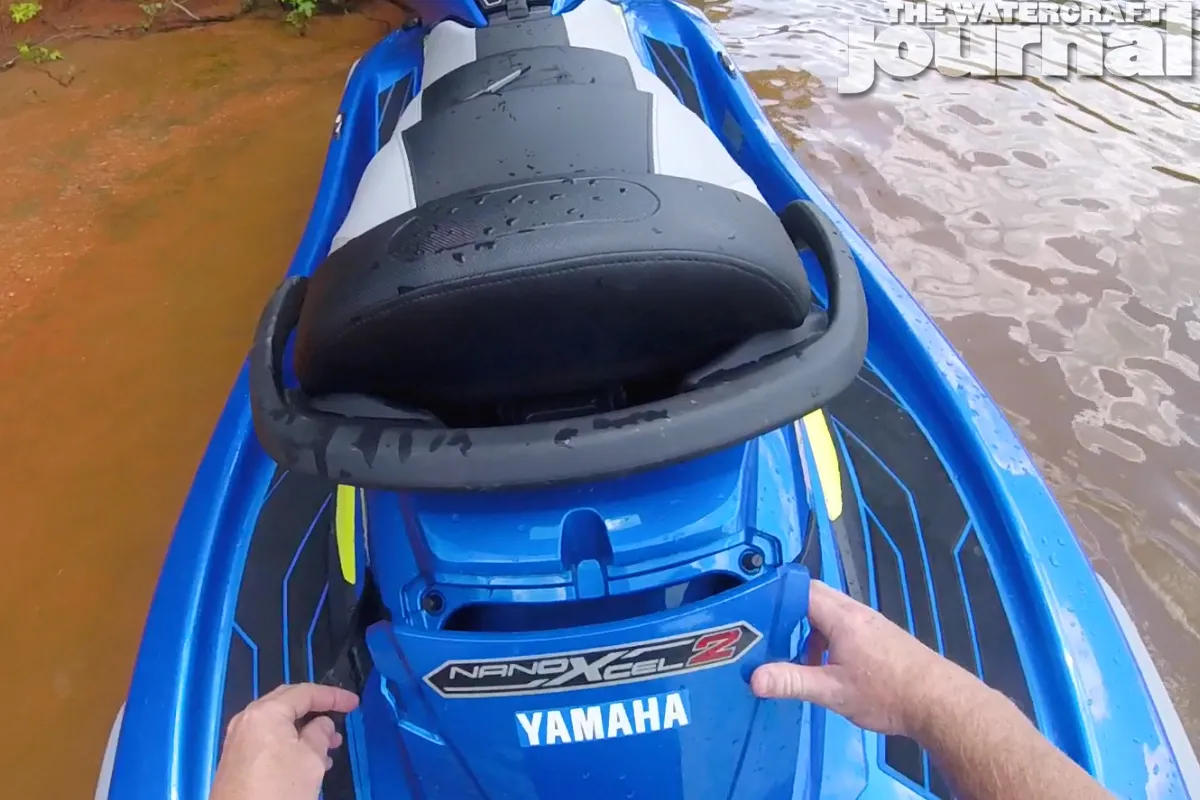
Then the addition of the super light NanoXcel 2 hull, and a bump up in horsepower brought the EXR into the limelight and with it, another category of riders altogether could have fun. Namely, those that like to get wet and wild and just like to have some downright fun.
So it’s no surprise that Boating Magazine has named the EXR one of the “great boats under $20,000.” Since there are not a lot of boats that you can get under $10,000, we can understand why there wasn’t such a category however with the current $9,300 starting price of the EXR, it would definitely fit in that category as well.
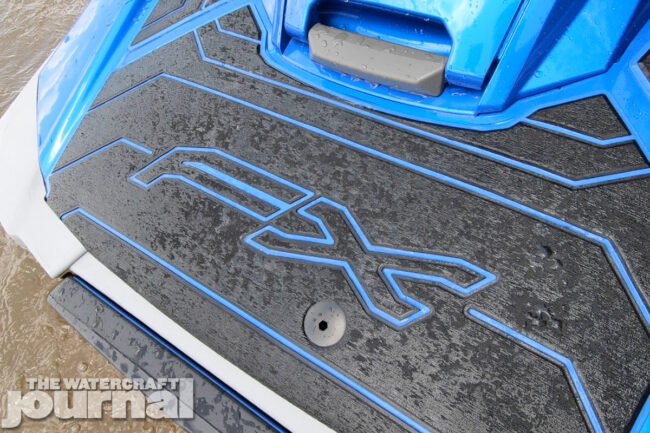
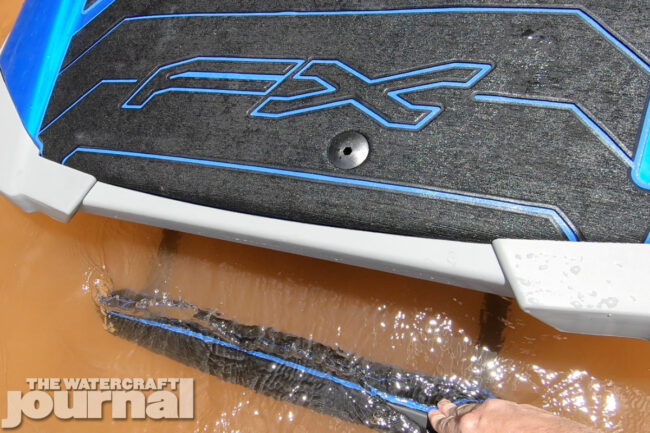
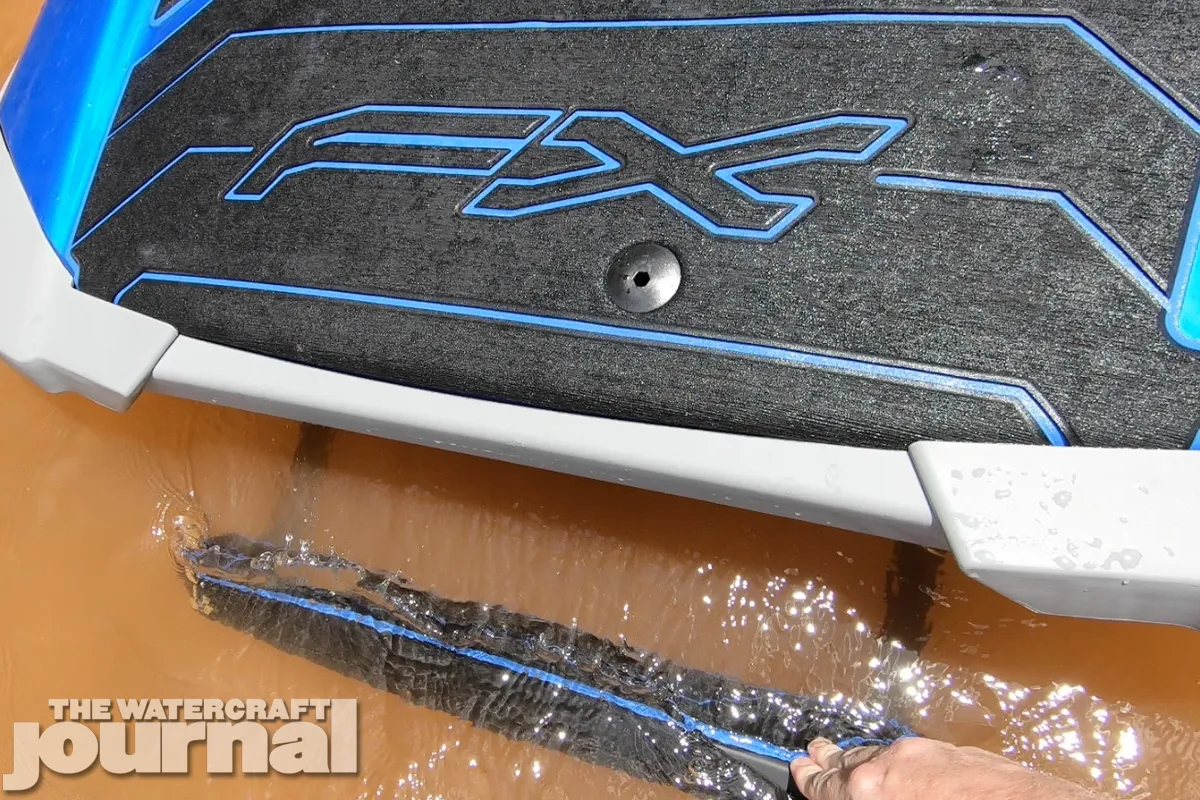
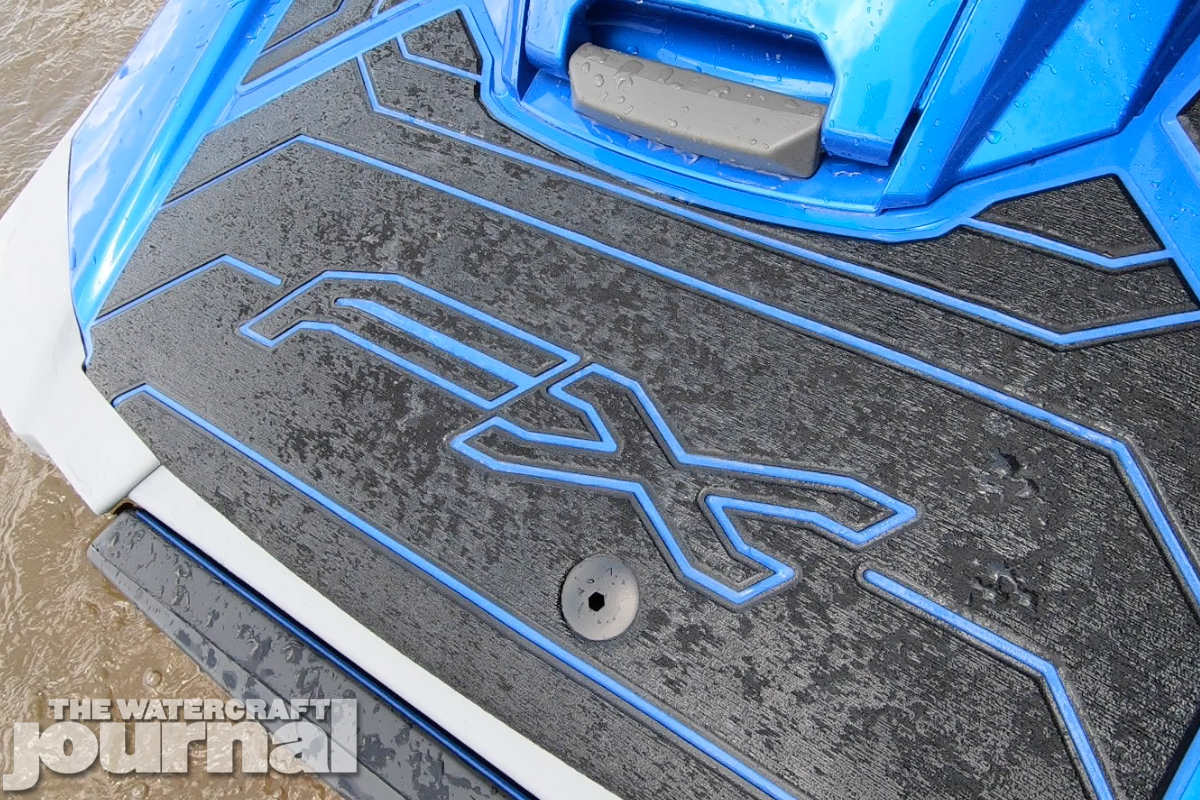
After all you get so much out of this little package, that it becomes clear why it is such a bargain. Not only do you get a light weight playful hull and a 10 percent power increase over the standard EX lineup, but you also get Yamaha’s dual throttle RiDE system. You get two-tone Hydro-Turf mats as well and additionally a rear reboarding step and dual mirrors.
All of these features come standard. Not bad for a sub-$10,000 price tag.
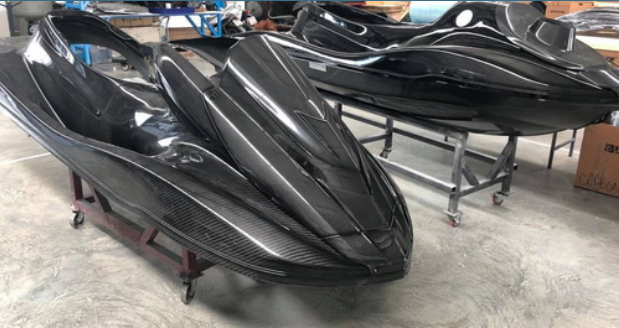
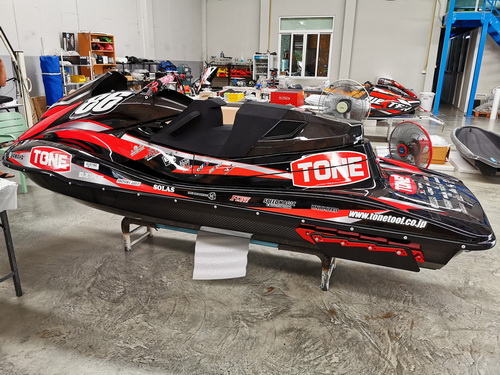
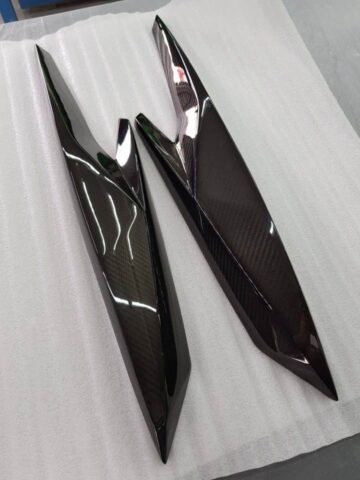
Travel in stealth mode on a sleek black VK Composites carbon Yamaha FX or wrap it like the one built for Yamaha factory rider, Jun Ikoma. VK Composites is a company that is based out of Thailand and shares a factory with Rickter RRP. That’s one heck of a combination of mad scientists involved in killer PWC R&D!
VK Composites designed and manufactured the carbon boat for Ikoma a few months ago. The aftermarket hull includes, an aftermarket seat unit, bulkhead stringers with adjustable engine position forward up to five inches.
The machine includes an aggressive looking hood, side covers, and breather. The top deck had to be slightly modified as well as altering the shape for the knee position. This allows the riders’ feet to be angled properly while held in place with EVA for traction.
The top deck comes in at 48-pounds and the hull at 116-pounds. Add the installed stringers, bulkhead, and gas tank cradle and the machine’s weight is 176 pounds!
The total weight of Jun Ikoma’s finished VK Composite carbon Yamaha FX with a full tank of fuel is 630.5-pounds. This beast is a featherweight compared to the full-on factory Yamaha FX,which comes in at 818 pounds dry.
The carbon fiber Yamaha includes a quality Rickter finishing surface of a flashy carbon visual and the PWC can be ordered directly from VK Composites for a cost of $14,800.
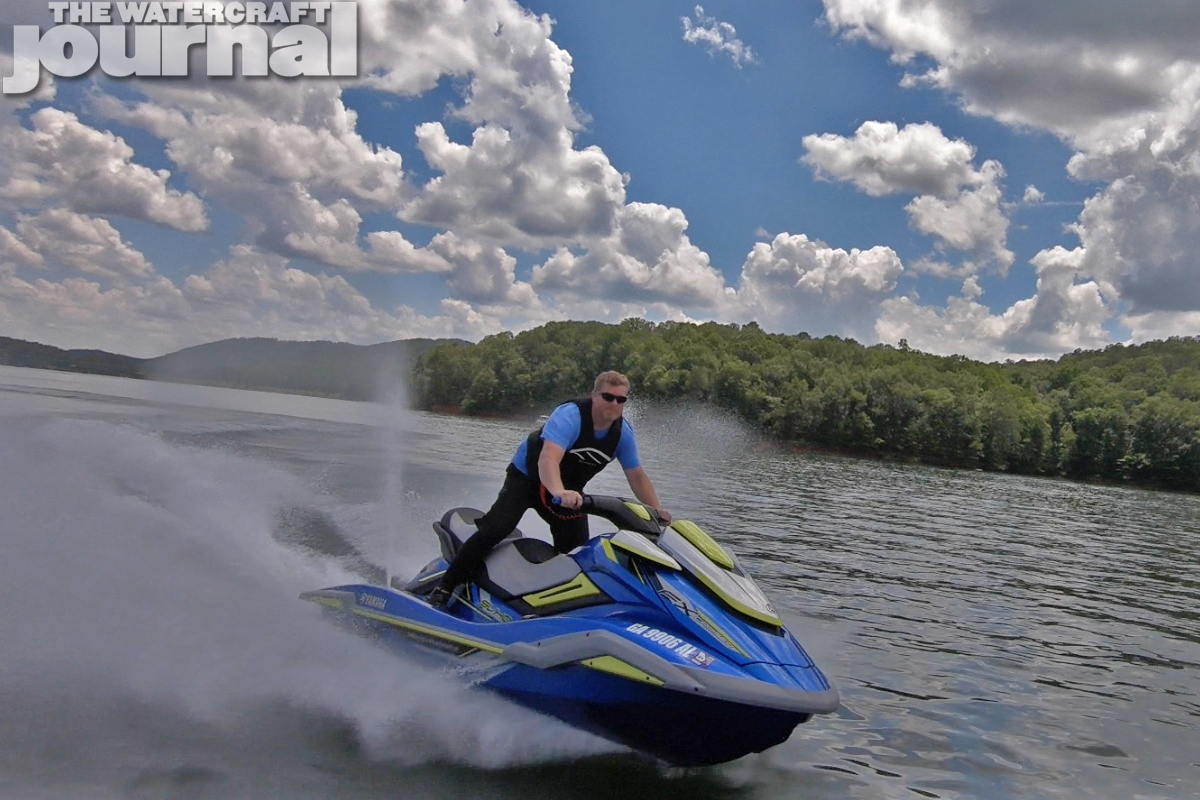
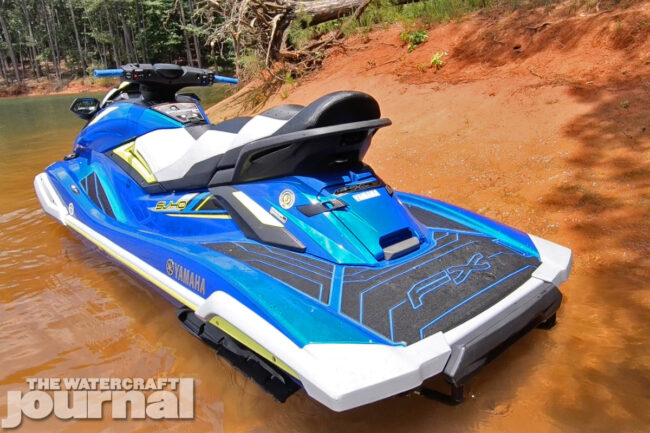
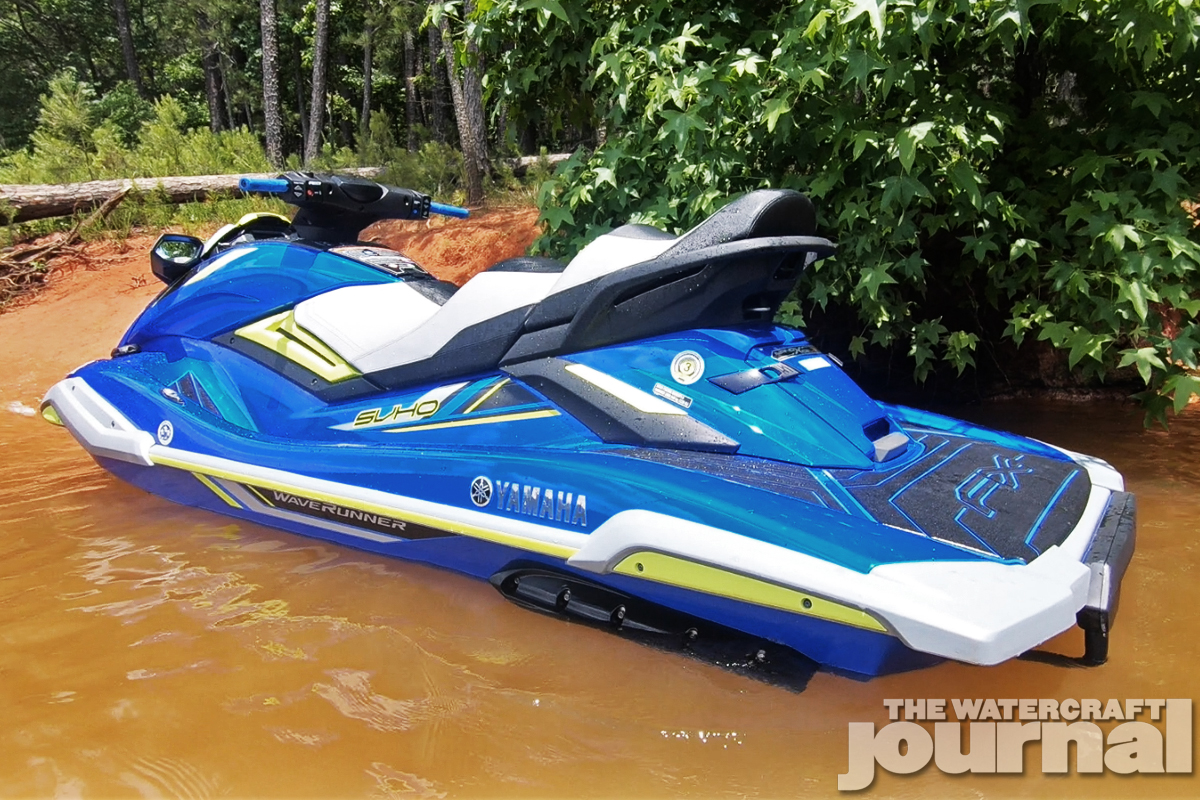
In the world of full-sized, 3-seater personal watercraft, the vast majority can do most things rather well. Be it tracking a straight, predictable line through chop; maintaining a certain level of balance while stationary or at low speeds; or offering enough operational features, accessories or other valuable gimmicks to give the buyer a fair sense of value. Again, most entries are competent, but there are very few who can show mastery in just one of these categories, and even less who can claim more. So that’s why the 2020 Yamaha FX Cruiser SVHO WaveRunner is so impressive. It checks all of these boxes and then some.
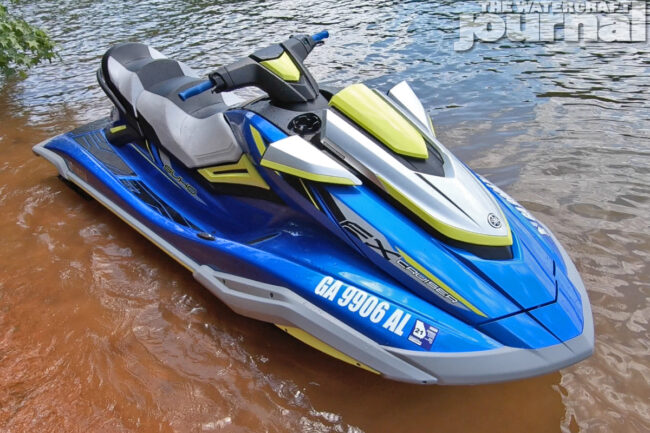
Although sharing the same hull and deck molds as the naturally-aspirated FX Cruiser High Output (which is admittedly targets at a slightly more mature audience), the supercharged FX Cruiser SVHO is cast out of Yamaha’s proprietary NanoXcel2 material. These uniquely-blended sheets of SMC fiberglass are thinner and lighter than conventional fiberglass sheeting yet retain their durable structure, giving the full-sized runabout its featherweight 820-pound displacement. Although sharing the same shape as the FX HO, the SVHO-powered sibling maximizes its power-to-weight ratio for optimal performance.
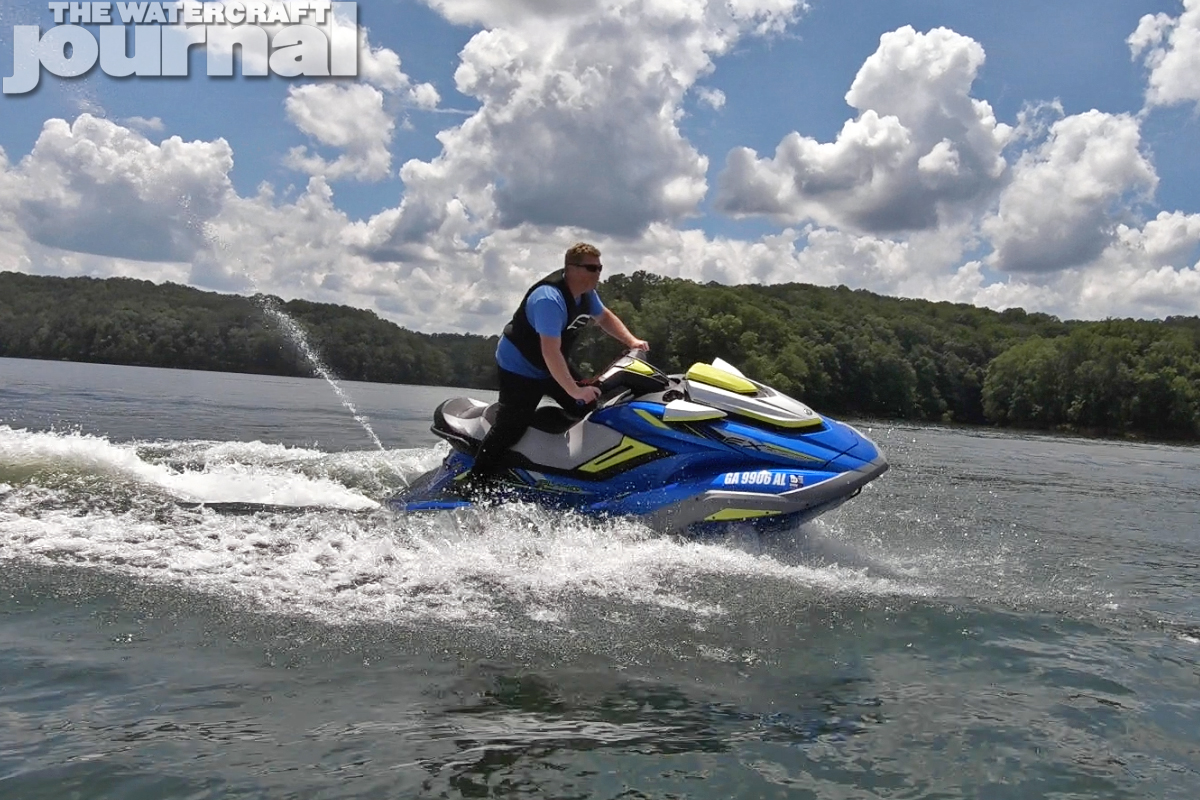
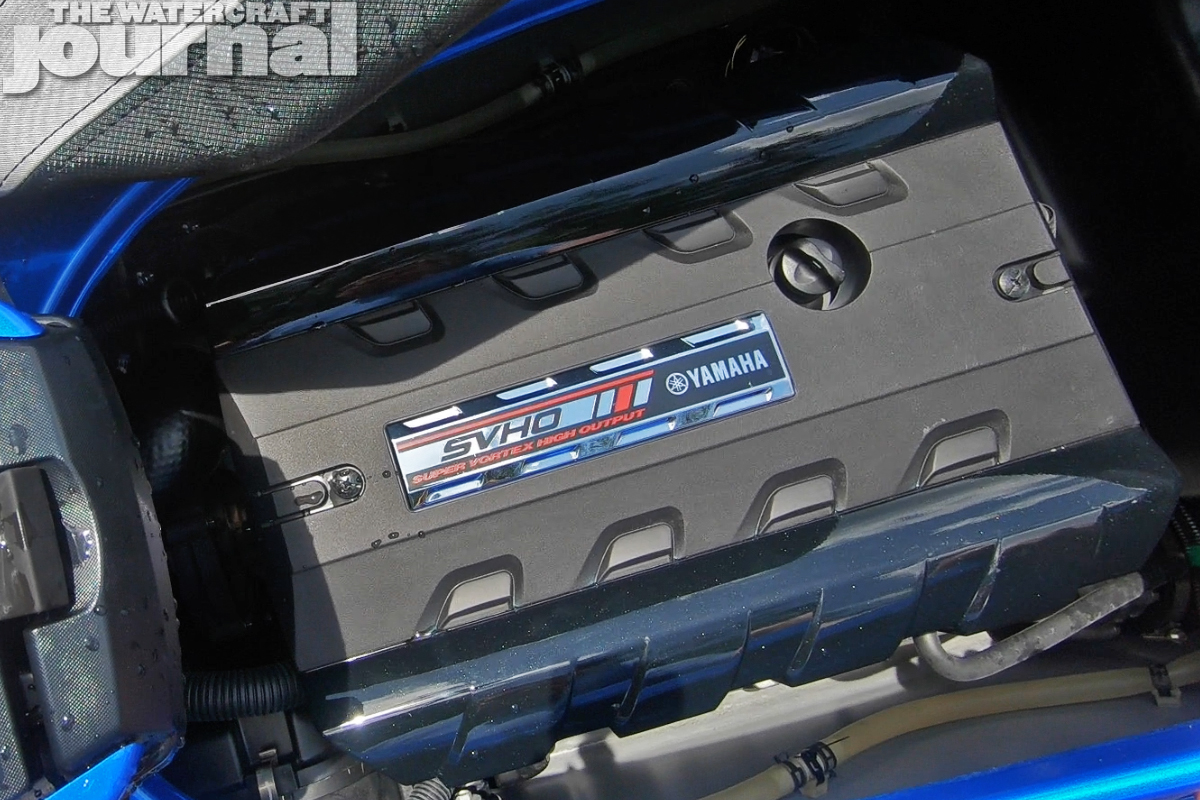
Powered by the now 6-year-old Super Vortex High Output 1,812cc four-cylinder, the centrifugally-supercharged 4-stroke produces an unofficial 260-horsepower through a 160mm two-piece high thrust jet pump, pushing the WaveRunner to a GPS-confirmed peak top speed of 69.1mph when we tested it on a hot June day in Georgia. Mind you, peak top speed isn’t the same as sustained top speed, which hovered a hair north 68 miles-per-hour. Had our test unit this day been ran at an altitude closer to sea level with less fuel and a lighter rider, we’re certain higher speeds could’ve been maintained over a longer distance.
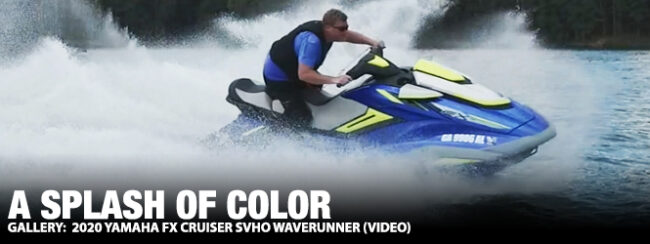
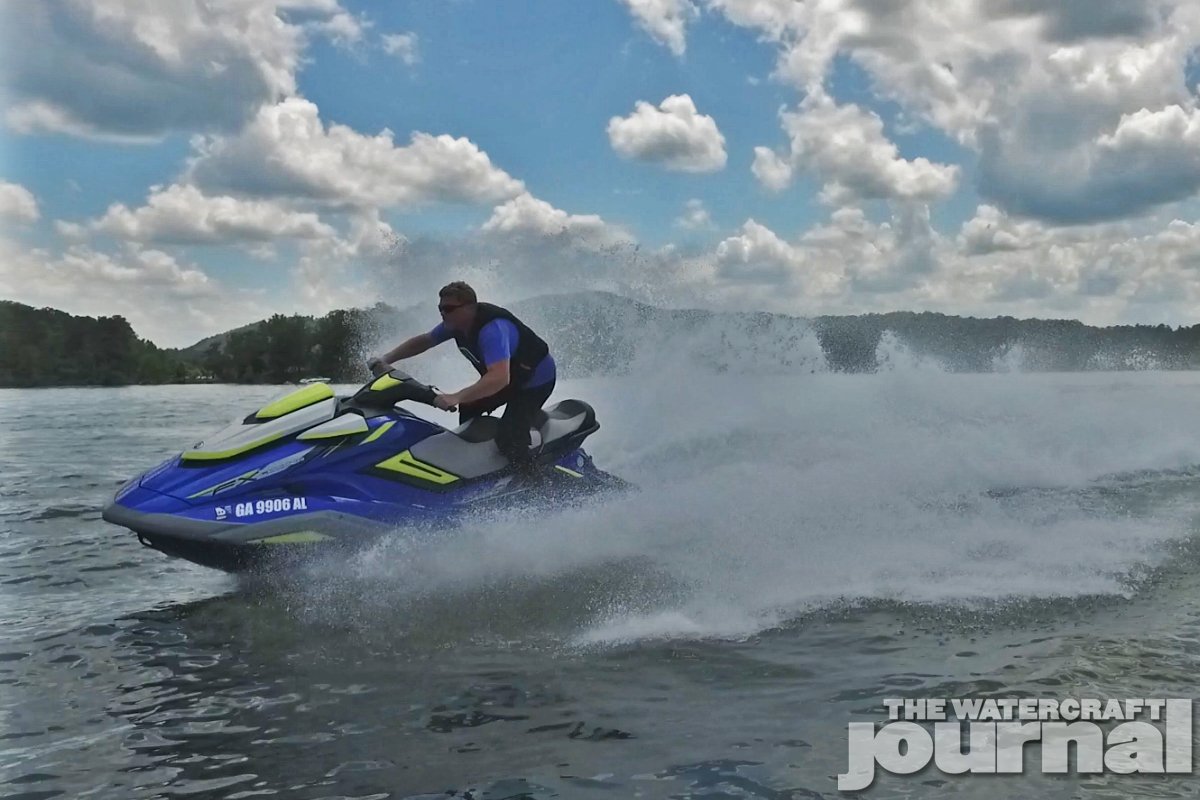
Then again, the FX Cruiser SVHO offers so, so much more than just pinned-down top speed thrills. In fact, it’s shining attribute is how naturally nimble this nearly 12-foot-long watercraft is. Regardless of water conditions, the FX Cruiser SVHO executes flawless corners thanks to a near supernatural inside lean more expected from a sporty two-seater musclecraft. With a flick of the steering and a vice of the throttle, the big FX rolls inside and carves a corner that a standup rider can appreciate. Snap the bars to the other side and squeeze the trigger harder, and the FX will rise up and roll back over, cutting an S-turn with surgical precision.
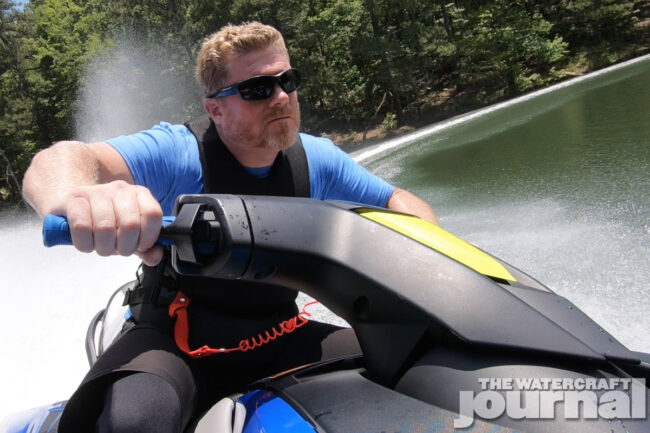
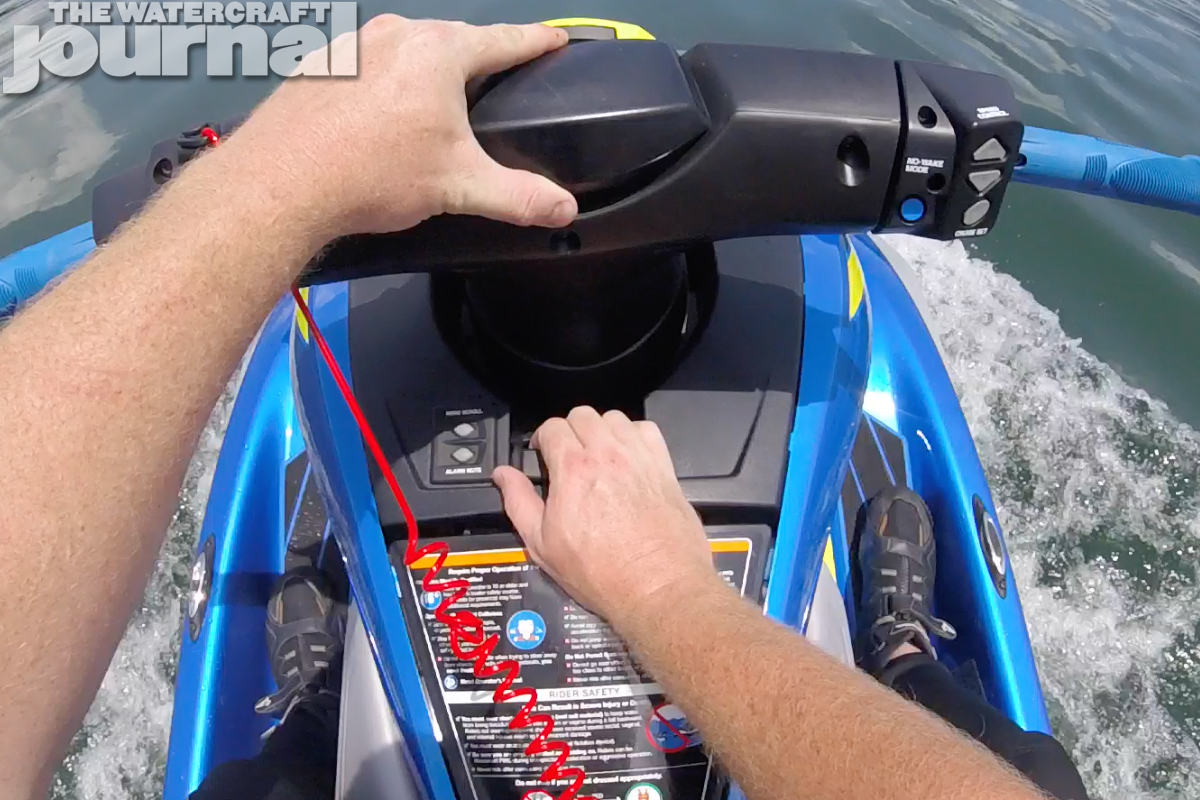
On the rider’s left side, the electric trim controls give the FX five trim presets, letting you toggle the craft’s attitude. If the water’s looking a little rough, go ahead and bump that nose up a couple of steps. That elevates the bow, letting the molded-in splash deflectors keep you dry over the bumps. If you’re thinking about an easy cruise, tap the arrows to neutral. But if you’re looking at really carving up the lake, drop that nose down and get ready to tear it up. The FX – much like its meaner, nastier little brother, the GP1800R SVHO – likes to turn on its nose, so you’re gonna want to let it get low and ready to pounce.
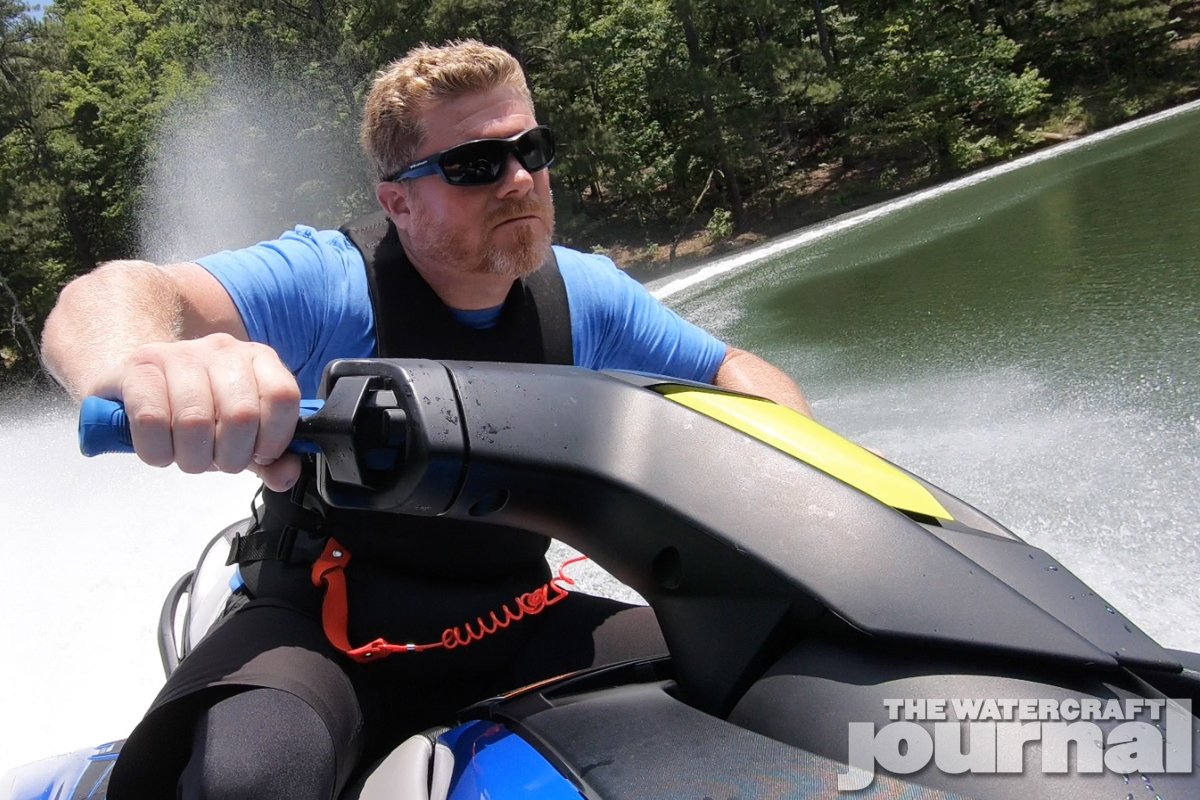
Aggressive handling takes a bit of body English to do it right. Although tapered and nicely covered in a two-tone grippy material, the factory bench seat is still a little wide when compared to the other guys out there. Scoot up forward, so you’re shoulders are high up, almost directly over the adjustable-tilt handlebars, this way, you’re using your shoulders to steer, not your arms. Next, slide over and drop your inside knee down into the footwell – y’know, almost right above the industry’s only footwell drain. That lowers your center of gravity and it also keeps you from being flung out of the saddle from all the g’s the FX Cruiser SVHO can pull.
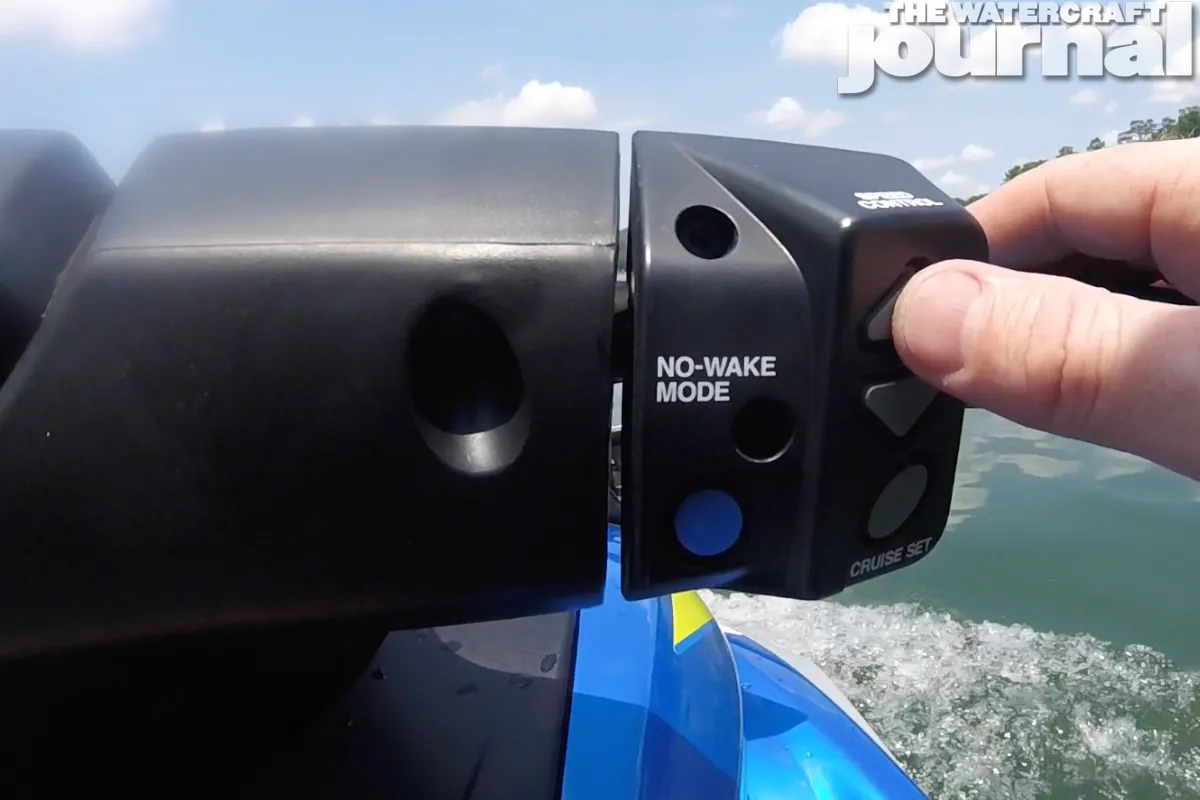
But wait! What if you’re just looking for a fun watercraft that the whole family can enjoy that…well, still has enough oomph to play with the big boys? Again, the FX Cruiser SVHO does that excellently too. (I mean, c’mon. It’s got the word “Cruiser” in the name and everything.) The seat is tiered, like the stadium seating at a movie theater. This means all three passengers can have an unobstructed view of what’s ahead of them. Equally, Yamaha’s easy-to-set Cruise Assist and No Wake Mode controls are found on the rider’s right hand side.
When activated, No Wake Mode permits one mile per hour adjustment either up or down from the preset 5mph set speed. Cruise Assist is a little more forgiving, allowing for 5 adjustments of the set speed – again, either faster or slower. One more unique feature is the TDE (or Thrust Directional Enhancer) found on the left hand side of the handlebars. When the watercraft is idle in Neutral, the same up-and-down arrows used for trim, can be used to advance the WaveRunner literally one mile per hour forward or reverse – a helpful feature for those uncomfortable idling through a crowded marina or up to a dock.
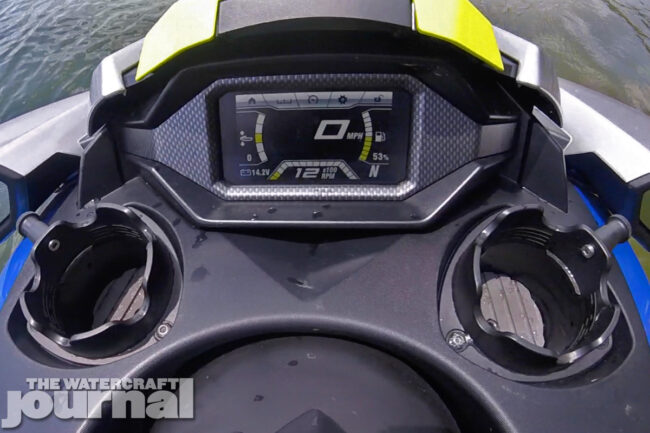
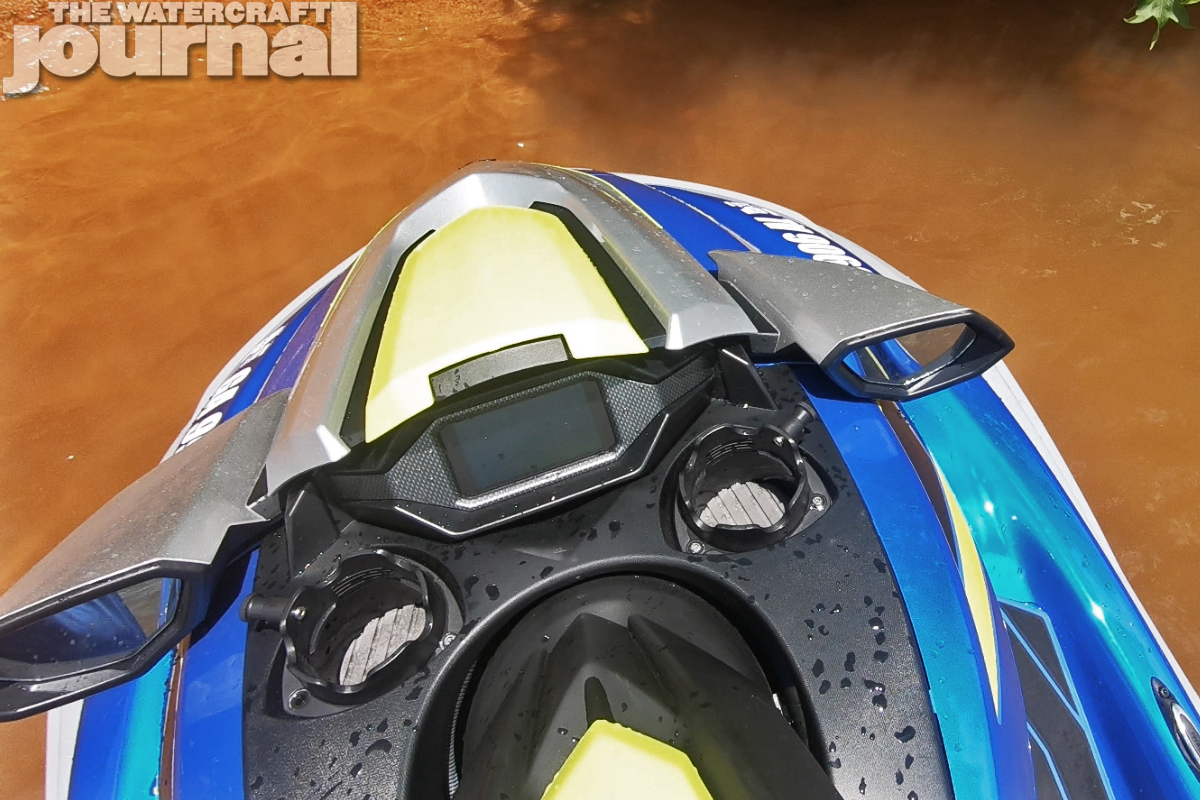
All of these digital features are displayed prominently on the industry’s-only full-color touchscreen dashboard, smartly named “Connext.” Not only do you get all of the necessary display functions, but you can also toggle through various pages offering security mode, Drive Control and a live fuel consumption and miles-to-empty counter. Yet, given the Yamaha’s industry-leading fuel efficiency and 18.5-gallon fuel tank, you’re not going to be seeing very much action there. While underway, the dash’s touchscreen smartly disengages, and a limited selection of pages are viewable by using the small panel under the handlebars.
We did find that given the FX Cruiser SVHO’s lightweight and torquey throttle response, the dual-throttle RiDE system is a little over-eager, particularly when carefully pulling into a tight parking spot at the marina. For 2020, Yamaha did make a minor change from the previous year – and that was specifically to its Multi-Mount System. The cup holders, which our test unit came equipped with, now include new custom-designed spring-loaded prong to secure the all-new Wireless Bluetooth Speakers to them. No more ball mounts, the new speakers simply slip into the cup holders and lock in place.
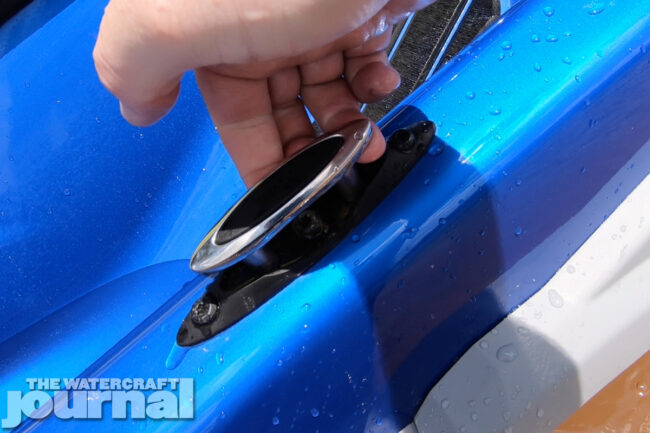
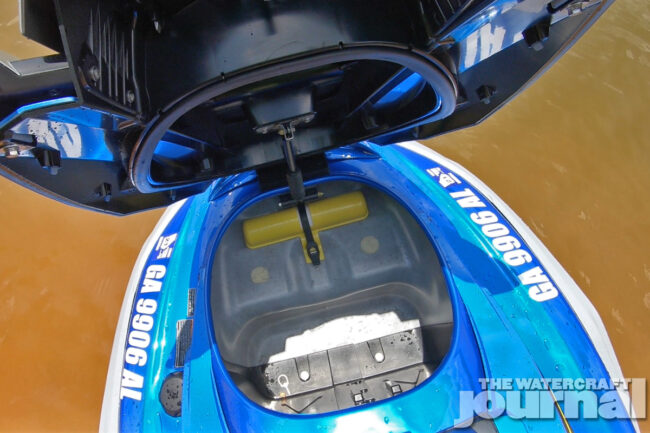
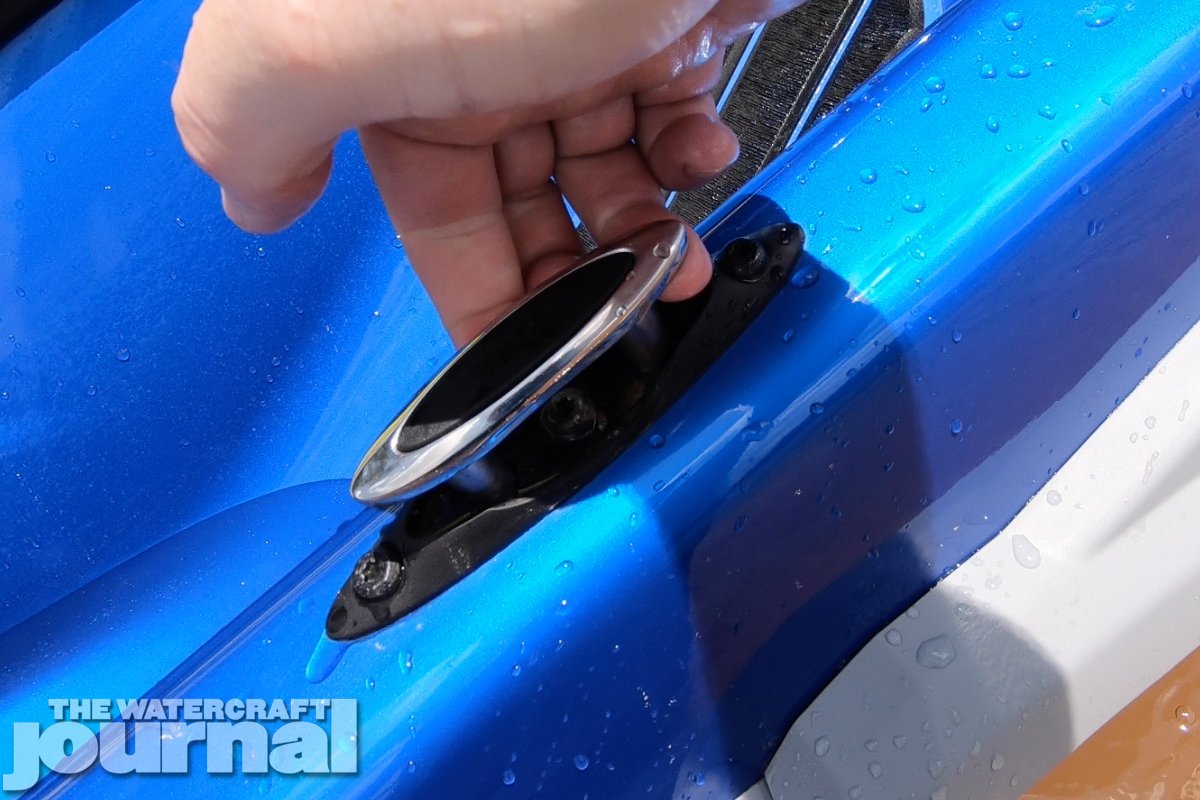
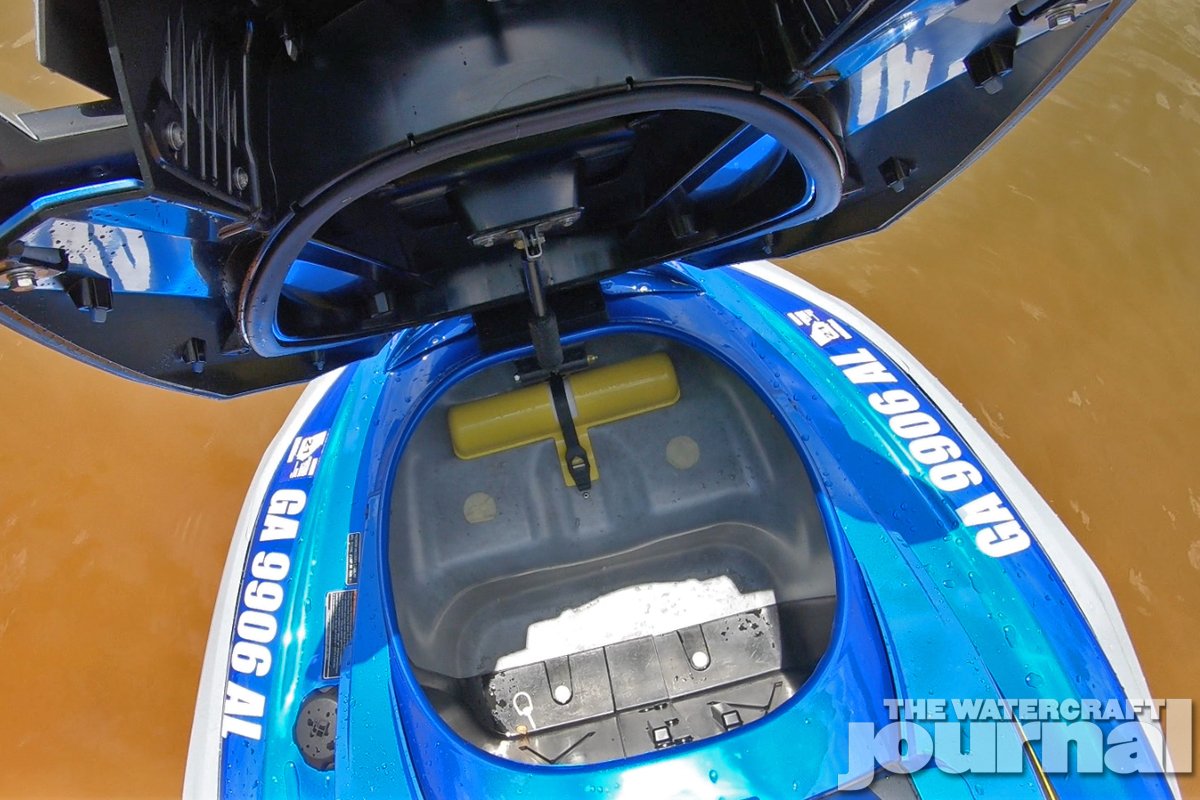
That’s not to say that the ball mounts aren’t still available. You can easily affix any number of accessories – be them a GPS Fish Finder, an action camera or even a smartphone mount. You’ll have to peruse Yamaha’s Parts & Accessories catalog to see what’s available, as each are sold separately. Thankfully, with a massive 44-gallons of storage on tap, including it’s massive watertight glove box, you’ve got all the room you’ll need to bring all of them (and more) along for the ride. The front bin is wide and deep set, and requires quite a bit of doubling over if you’re going to reach the bottom from the driver’s seat. A screw top waterproof tub is also squirreled away under the third passenger’s seat, as well as a “wet storage” cubby on the back.
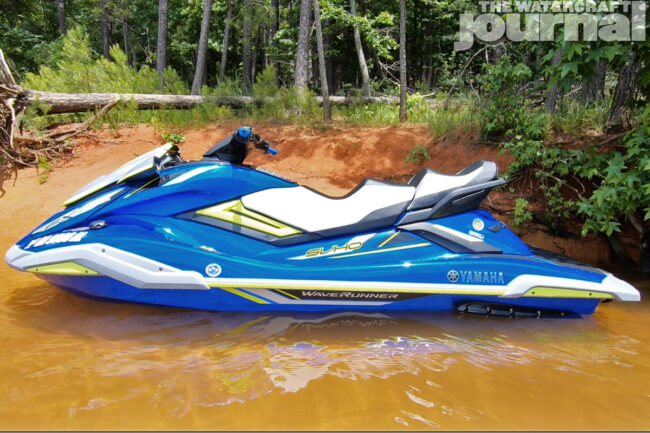
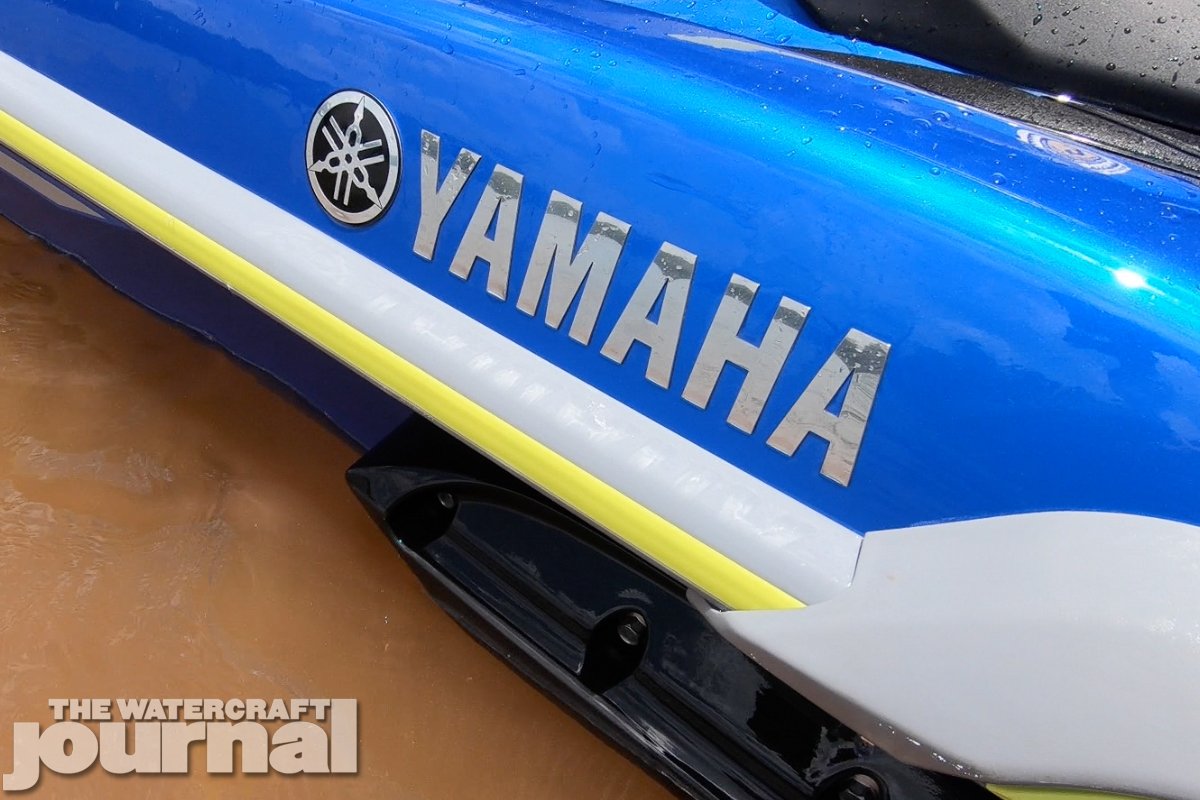
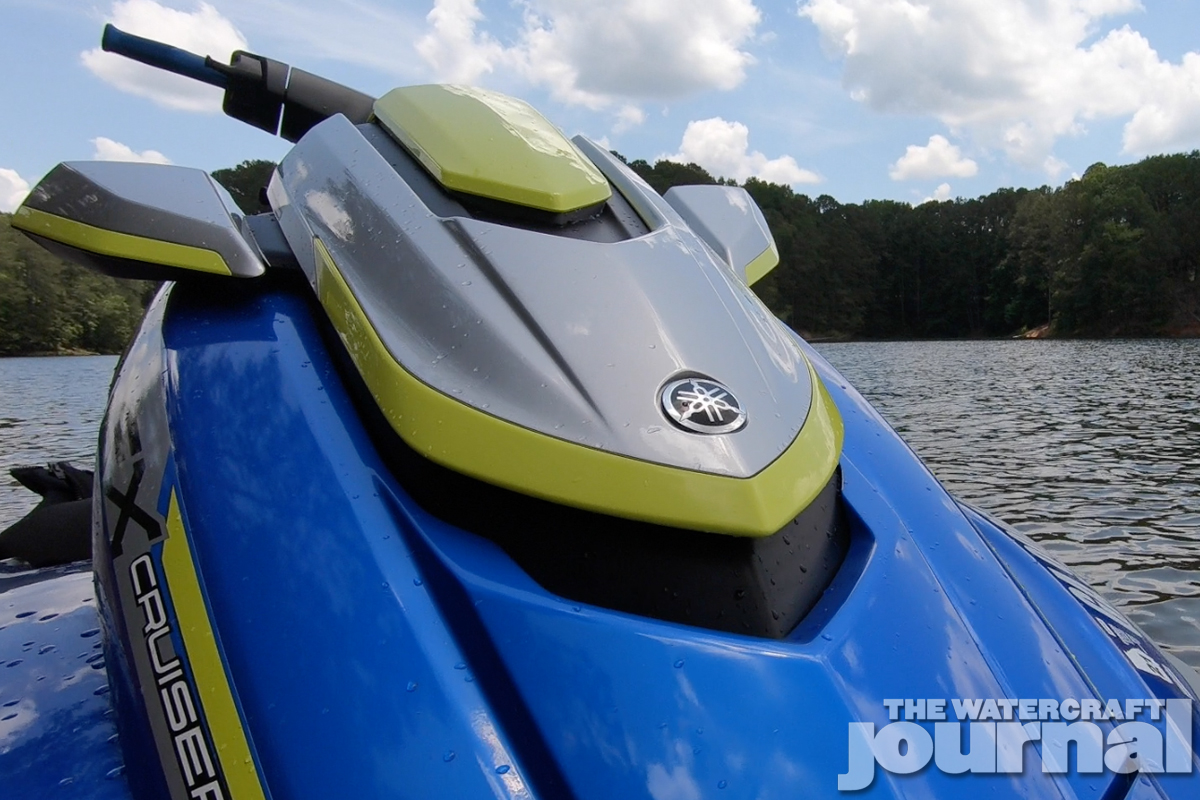
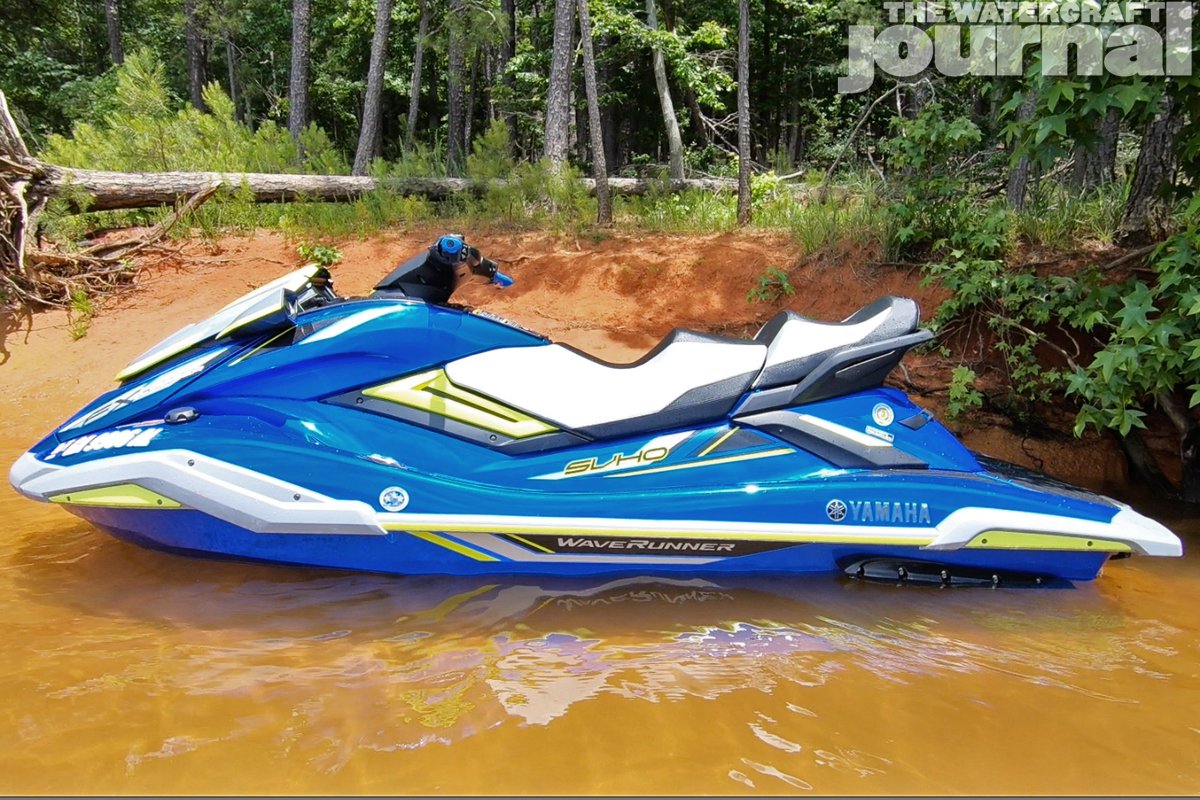
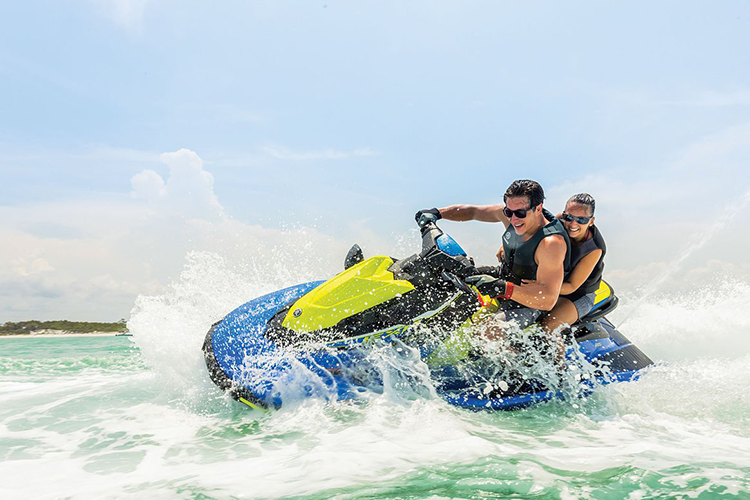
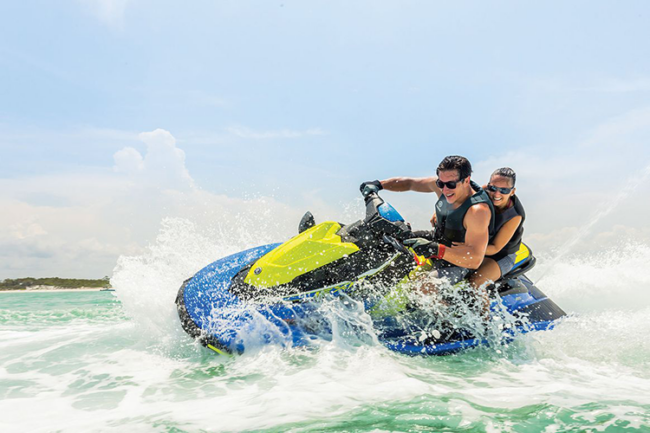
While our test unit came to us in the racy Azure Blue with Lime Yellow livery, the 2020 FX Cruiser SVHO is also available in a really slick-looking Silver with Torch Red paint scheme too. As equipped, our Yamaha fetches an MSRP of $16,399, definitely not what you’d call entry level pricing. Then again, this is one of Yamaha’s top-of-the-line full-sized runabouts, so you’re definitely getting a superior machine here. And no, that’s no exaggeration either. The FX Cruiser SVHO delivers – whether you’re looking to throttle through a narrow channel of twisting turns, or sit back and leisurely cruise as the scenery passes you by. Either way, you’re gonna love this WaveRunner as much as – if not more than – we do.
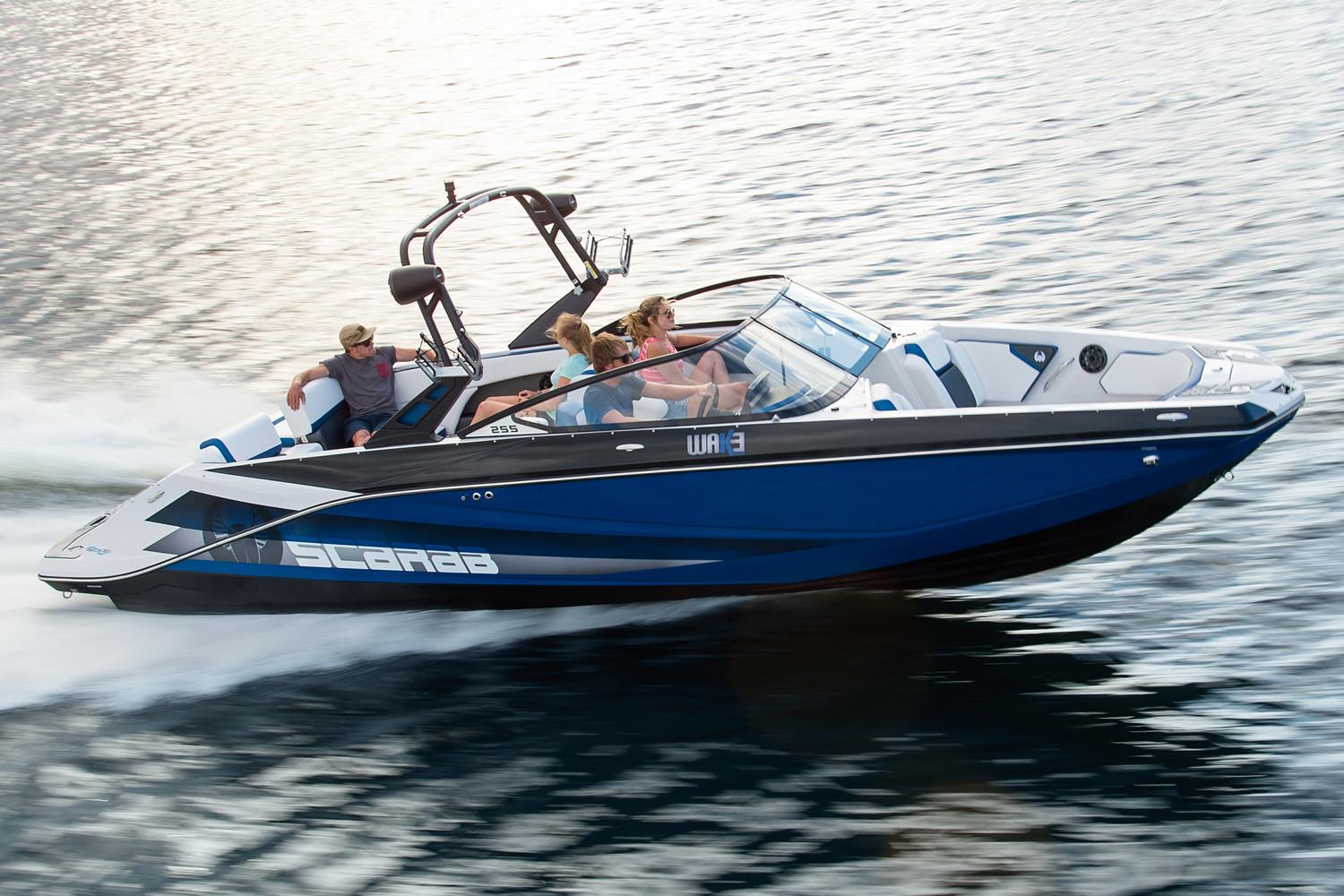
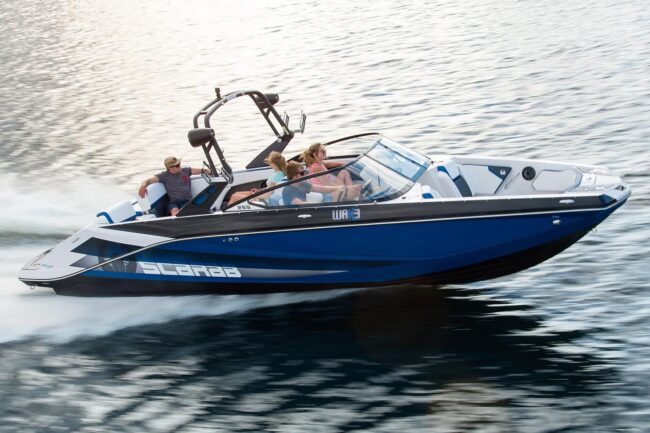
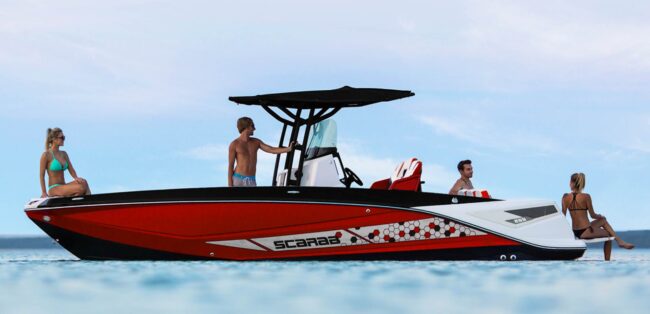
Cycle Springs PowerSports is now carrying those snazzy head-turning performance center console jet boats by Scarab. Twenty-five of these boats are available. Some are wrapped in radical eye-catching graphics and colors. Others come in black, blue, and a couple of other toned-down looks. Either way, they all go fast and look the part. Most of them come with 10 color options and Cycle Springs Lifetime Engine Warranty. A few of the boats are on sale while others are “Call for price.”
Scarabs have numerous bells and whistles ranging from built in coolers to nicely tucked away heads. Rotax jet propulsion systems power these bad boys and make them easier to operate. The fiberglass modified Vee Hulls provide increased stability when zipping along the water. Scarabs are all around neat versatile boats.
The 25 foot 2020 Scarab 255 Open ID is built for adventure. It seats 13 and includes everything one needs for a day on the water. Music, ski tow, and a T-Top with canvas round out just a few of the many features.
Once owned by Wellcraft, Scarab is currently owned by Rec Boat Holdings. Though Wellcraft sold Scarab, it continues to produce Scarab’s offshore elite line of fishing boats. Check out the Scarab Jet Boats that Cycle Springs PowerSports has on offer. One of those boats would make a nice alternative to a jet ski when many family members are in town and want to play on the water.




 Also included are brass inserts for