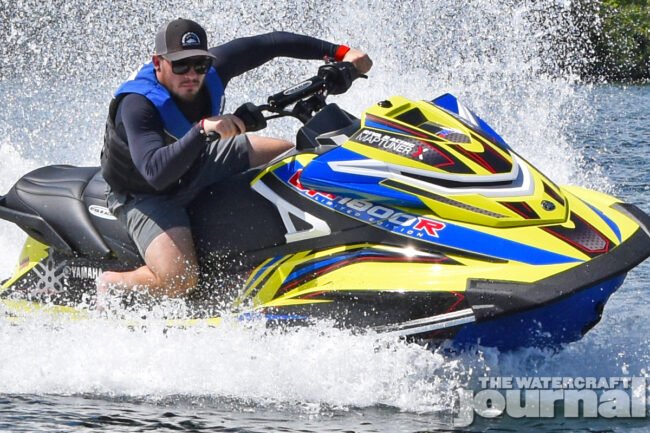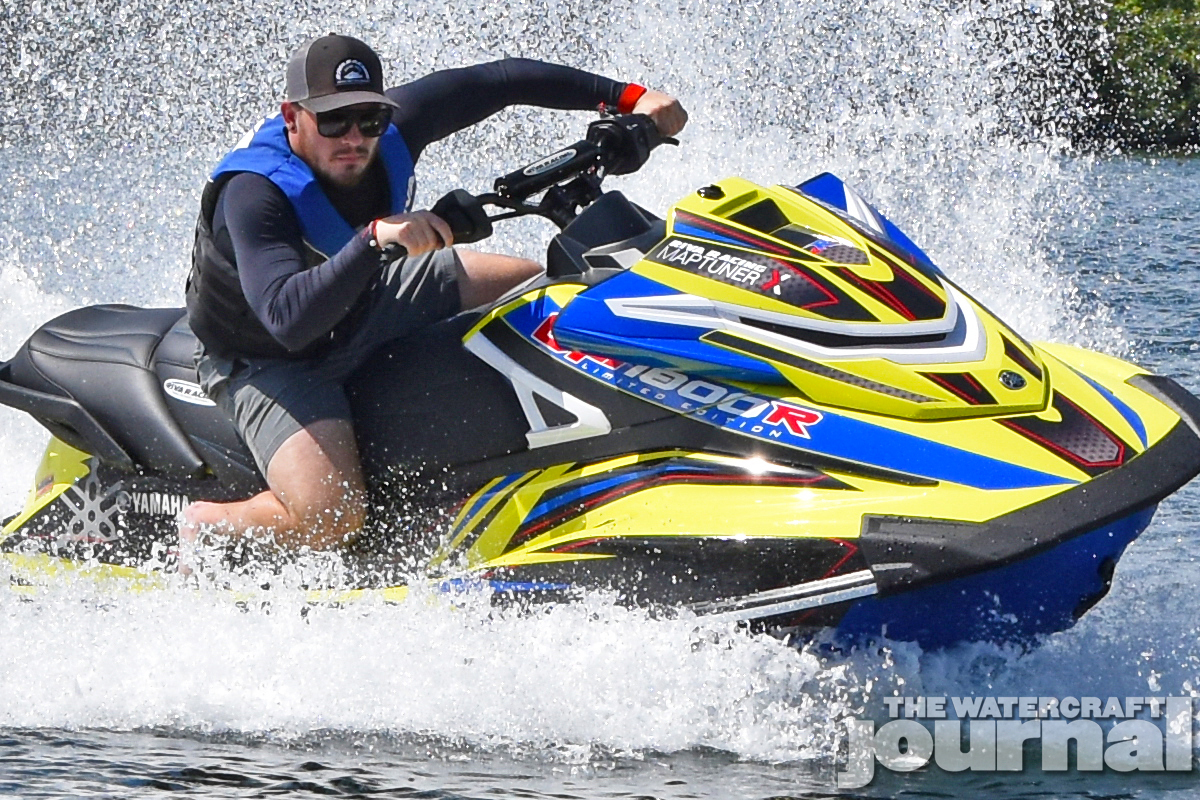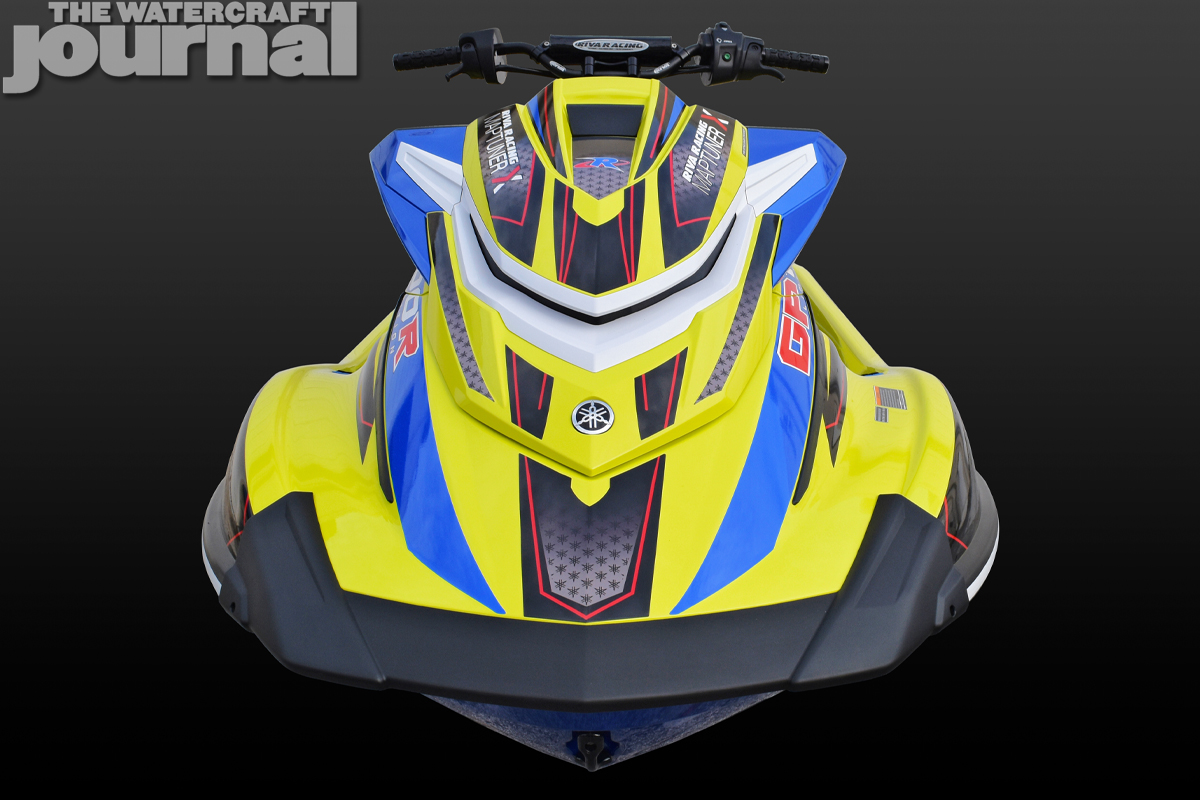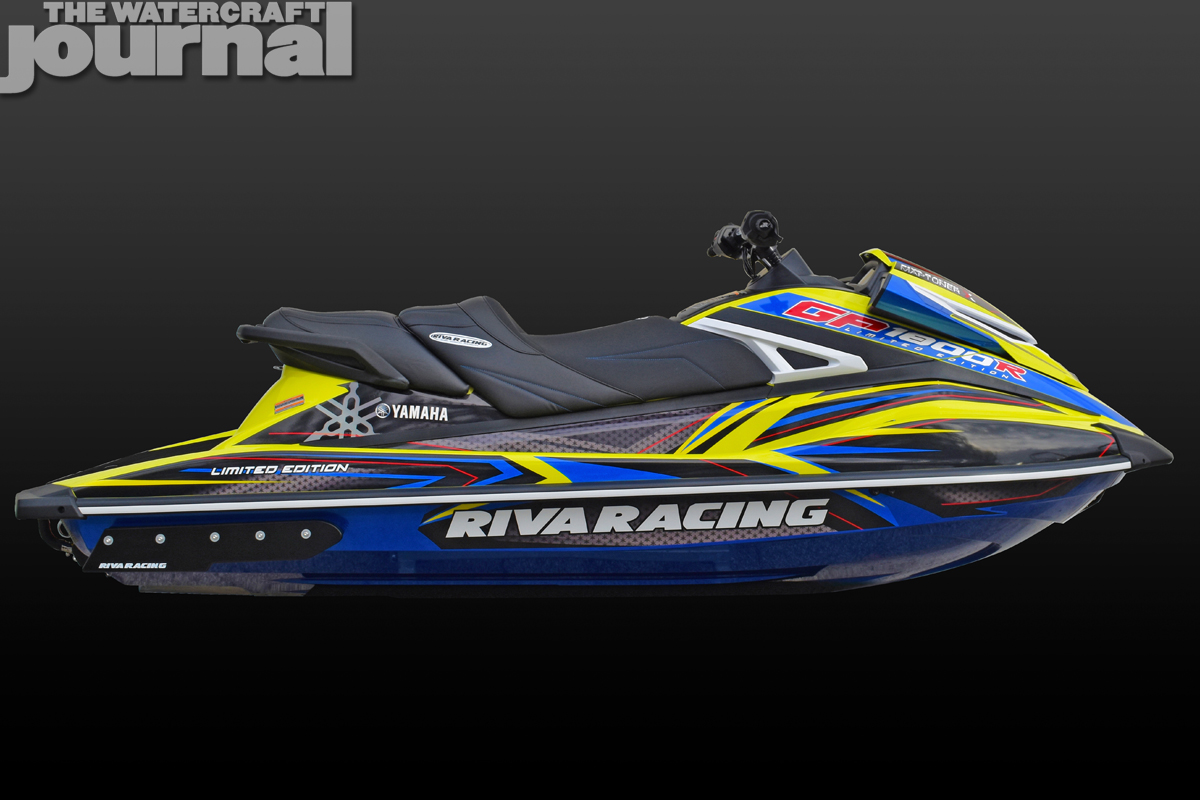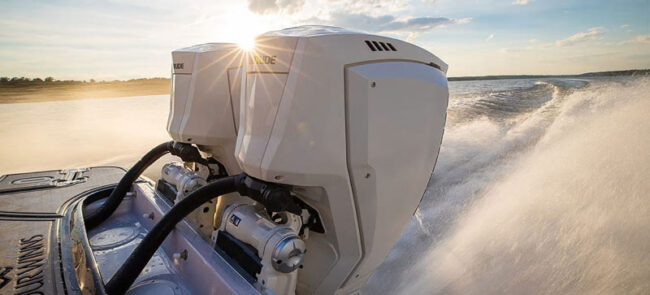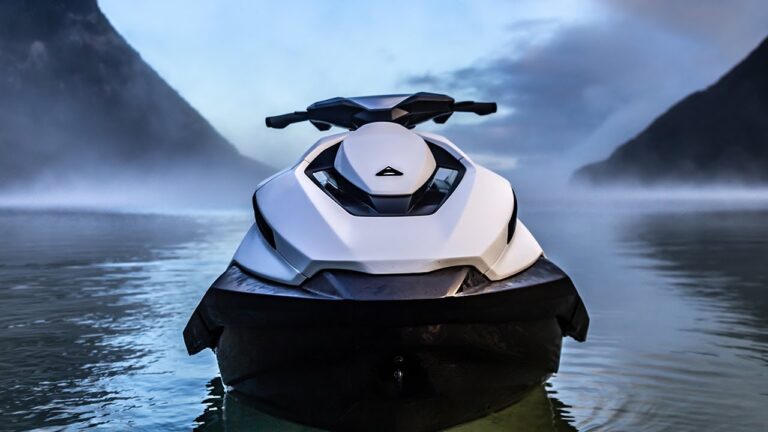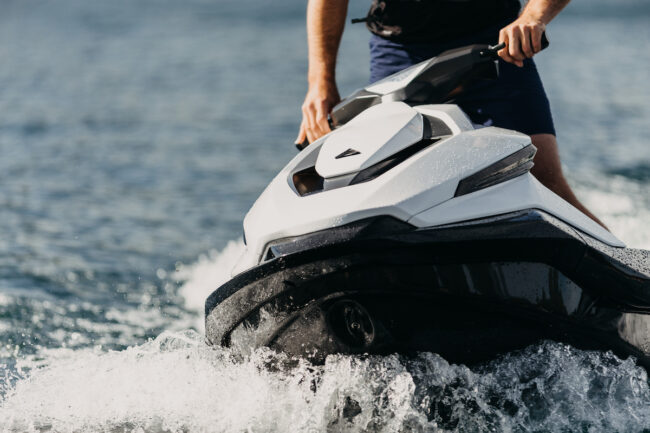

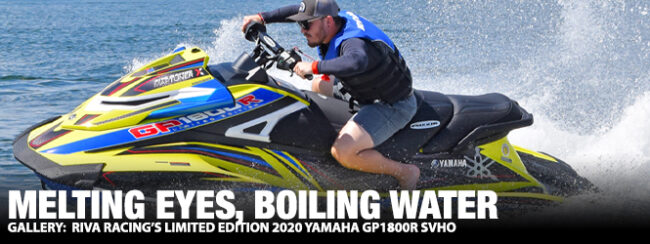
There is nothing better than rolling up to a dealership and leaving with a brand-new Yamaha Wave Runner GP1800. The model “GP” has seen a few different forms in the past couple decades but with the new GP1800 design, it truly seems to be the best version yet.
While the Yamaha GP1800 comes with a powerful 1.8L Supercharged SVHO engine, after a while you may want to ride with a little more power. There are many ways to increase your power, choosing to replace your stock impeller with a performance Solas is a great way to customize where you want that power. Whether it be in low end torque or a higher top speed. PWC Muscle recently made a video where he removes the jet pump and installed a performance Solas Impeller.
PWC Muscle does a great job explaining how to remove the pump so that you can take the impeller and drive shaft out of the PWC. This process is fairly simple and only requires a 10mm, 12mm, and 14mm socket, a set of allen wrenches, a pry bar, a 1 1/16th wrench and some marine grease. While many of you may have these tools in your garage, marine grease can either be found online or at your local automotive store.
Solas has established themselves as one of the premier impellers on the market. Many of the top riders and racers in the world use Solas as they are made with high strength stainless steel and a tight seal to eliminate corrosion and cavitation. Check out their website today for all of their models and other parts!
Have you had your eye on a new Kawasaki Jet Ski or other Kawasaki powersport vehicle? Perhaps you are still working to build your credit score or this is a first-time purchase for you and you aren’t quite sure how to go about getting approved.
Well you are in luck because Kawasaki has announced a new agreement with Roadrunner Financial to offer financing for those first-time buyers and credit builders.
Not only is this partnership great news for the end customer, but it is also a beneficial selling tool for the Kawasaki dealers. It will enhance opportunities for the dealers to put more customers on new units.
To see all of the details, continue reading the press release below:
Kawasaki Announces New Agreement with Roadrunner Financial to Offer Financing for Credit Builders and First-Time Buyers
Foothill Ranch, Calif. – Kawasaki Motors Corp., U.S.A. is pleased to announce a new financing agreement with Roadrunner Financial to offer competitive near-prime loans to Credit Builders with 550-660+ FICO scores. Roadrunner delivers a revolutionary lender experience through digital applications with instant decisions, comprehensive credit coverage, and unbeatable dealer and customer support.
Kawasaki joins a group of Powersports and Outdoor Power Equipment partners that utilize Roadrunner Financial to bring great finance offers to their customers. The relationship with Kawasaki allows Roadrunner to offer an enhanced program with improved near-prime rates with no fees for dealers.
“Roadrunner Financial is a key addition for Kawasaki and our dealers” said Kawasaki Senior Vice President, Sales and Operations Bill Jenkins. “The focus on a near-prime credit program will offer dealers new opportunities for financing customers on Kawasaki powersports products.”
“Roadrunner will give Kawasaki dealers a new tool to close deals that would usually walk out the door.” When asked about the new financing agreement, Jon Vestal, VP of Sales at Roadrunner Financial said, “We’re very excited to strengthen our relationship with Kawasaki. By targeting near-prime, we plan to deliver significant incremental sales for Kawasaki in 2020 and beyond.”
This new Kawasaki program from Roadrunner Financial will be available to Kawasaki dealers starting March 1st, 2020.
Picture this, it’s springtime and you and your buddies have just docked up to grab a quick bite to eat. All is going well until a boat comes by and its wake sends your PWC crashing into the dock. Nobody wants that, but don’t worry. There is a solution for you, no matter what kind of PWC you have. Dock rash is in the past, the future is the new Makeport Marine PWC Fender. These fenders are compact but provide plenty of protection for your PWC.
The UPW200 is Makeport Marines newest fender (set of 2) that is made with closed cell foam wrapped in UV resistant vinyl. This means that the foam inside the fender will not rot or mold, making sure that it will look brand new every time you use it and has no lingering smell. With its rounded design, it offers more protection compared to other fenders. These fenders are very compact with measurements coming out as 7”x4”x2.5” respectively. Whether you have a large storage compartment or small, these will fit up front in almost every model of PWC.
Installing these fenders takes very little time and ensures protection. Each fender comes with a durable strap and rope so that you can make a quick adjustment and a hook on the bottom to ensure the fender is snug against the side rail. If you own a Sea-Doo model with the speaker and adjustable handlebars, you can simply hang the rope around the speaker casing.
With a price of C$44.99 or $33.87 these are a must have if you tie your PWC up on a dock. While the two colors currently offered are black and white, there will be a custom color feature in the new future allowing you to color match with your PWC’s color. With spring and summer quickly approaching now is the time to make sure you have everything you need for your first ride.
Makeport Marines offers a 30-day risk-free warranty. By providing a great product at a very reasonable price, they want to make sure you are happy with your purchase. Feel free to contact them at [email protected] for any questions!
PWC Muscle is offering its Yamaha carburetor rebuild service at the very nice special price of $150. That’s almost $100.00 off the regular price of $245 PWC Muscle will accept one or two carburetors for the rebuild service. Make sure to add the quantity of rebuilds at checkout.
The crew at PWC Muscle is extremely proud to announce this service and all you have to do is box your carburetor or carburetors and send them to:
PWC Muscle
2000 E 12th Ave #75261
Tampa, Florida 33675
(for UPS or FedEx, use ZIP 33605)
Call: 1 888 605-2335 if you have any questions. The guys will be happy to hear from you and will gladly address any concerns or questions you may have.
Shipping is free in the United States and PWC Muscle will ship outside the U.S for an additional cost for shipping.
Turnaround time is quick because each carburetor is rebuilt within a few days after it’s received. After the work is completed, the part or parts are shipped out the next morning. That’s some fast service!
Hit up PWC Muscle up if you need your carbs rebuilt!
Don’t forget to print a copy of your receipt after checking out so you can pack it in the box with the carburetor(s).
Let PWC Muscle rebuild your Yamaha PWC carbs now. Spring is just around the corner!
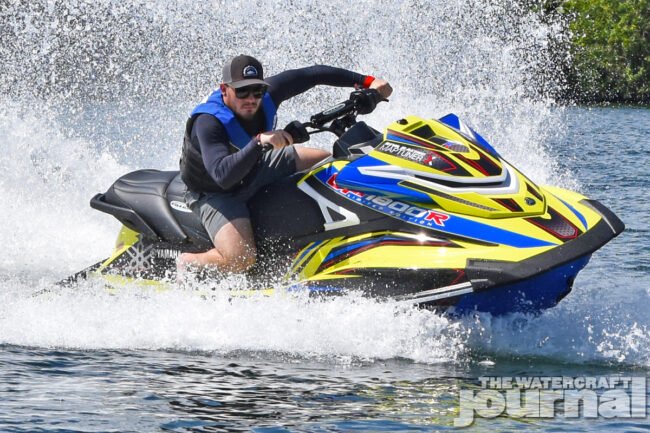
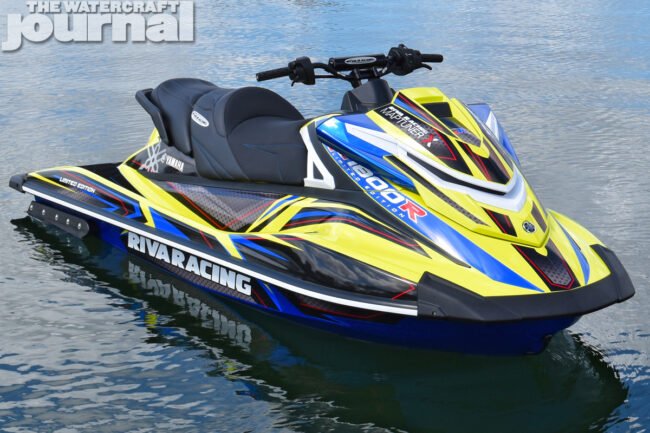
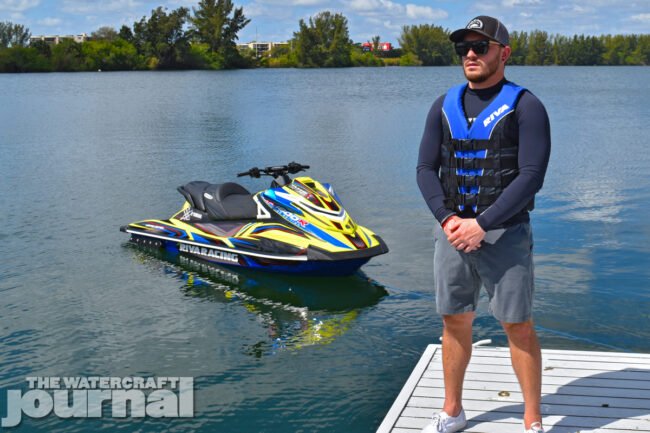
“We’re doing things a little differently this year,” RIVA Racing’s Dave Bamdas hinted, pointing to the red-over-black 2020 FX SVHO next to him. RIVA Racing had rolled out a custom FX1800R prototype onto the checkered floor of its booth at the 2019 IJSBA World Finals, showcasing a near-catalog’s worth of go-fast components. Referencing last year’s Limited Edition FX1800R, Bamdas continued, “We produced a limited production run of 25 units in 2019. They sold out, but simultaneously, we got a lot of requests for custom builds.”
A crowd had gathered in the RIVA Racing booth by now and things were getting cramped. He walked around the one-of-none custom WaveRunner, grabbing the ODI grip on the red-anodized steering system and gave it a quick jiggle, silently demonstrating how precise the steering feel was. “As you can imagine, fulfilling those orders ate up a lot of our guys’ time. So instead, we chose to produce 10 of these Limited Edition Yamaha [FX1800Rs] and then roll out a couple other Limited Editions later in 2020.”
Previously, the company’s annual Limited Edition builds, wherein RIVA Racing hand-assembles an exclusive run of a particular unit fitted with performance parts specially anodized to match the craft’s new custom appearance package – beginning back in 2016 with a FZR followed by two years of Limited Edition GP1800s and then last year’s FX-based unit – would be restricted to a single model. For 2020, RIVA is looking to change things up.
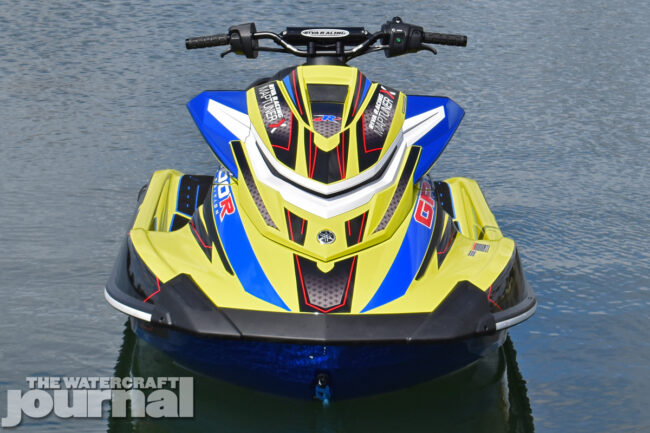
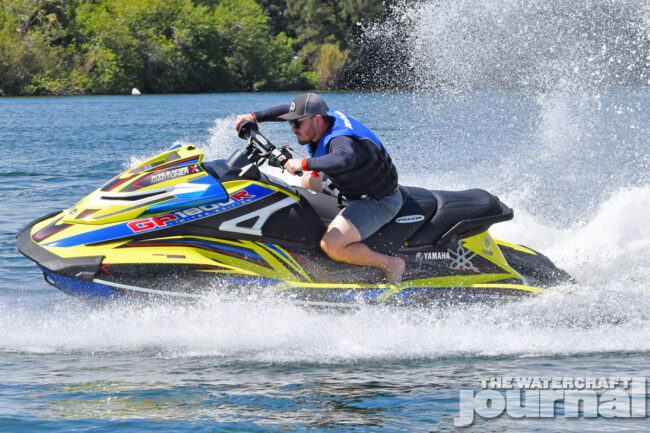
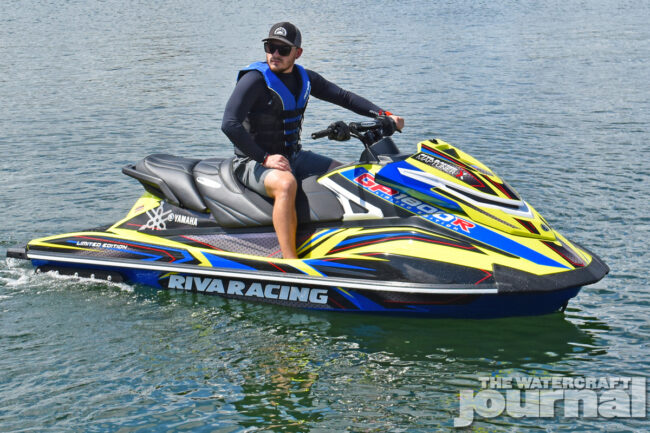
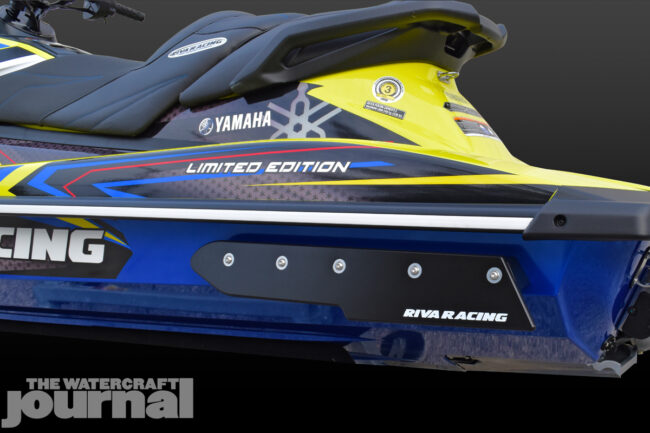
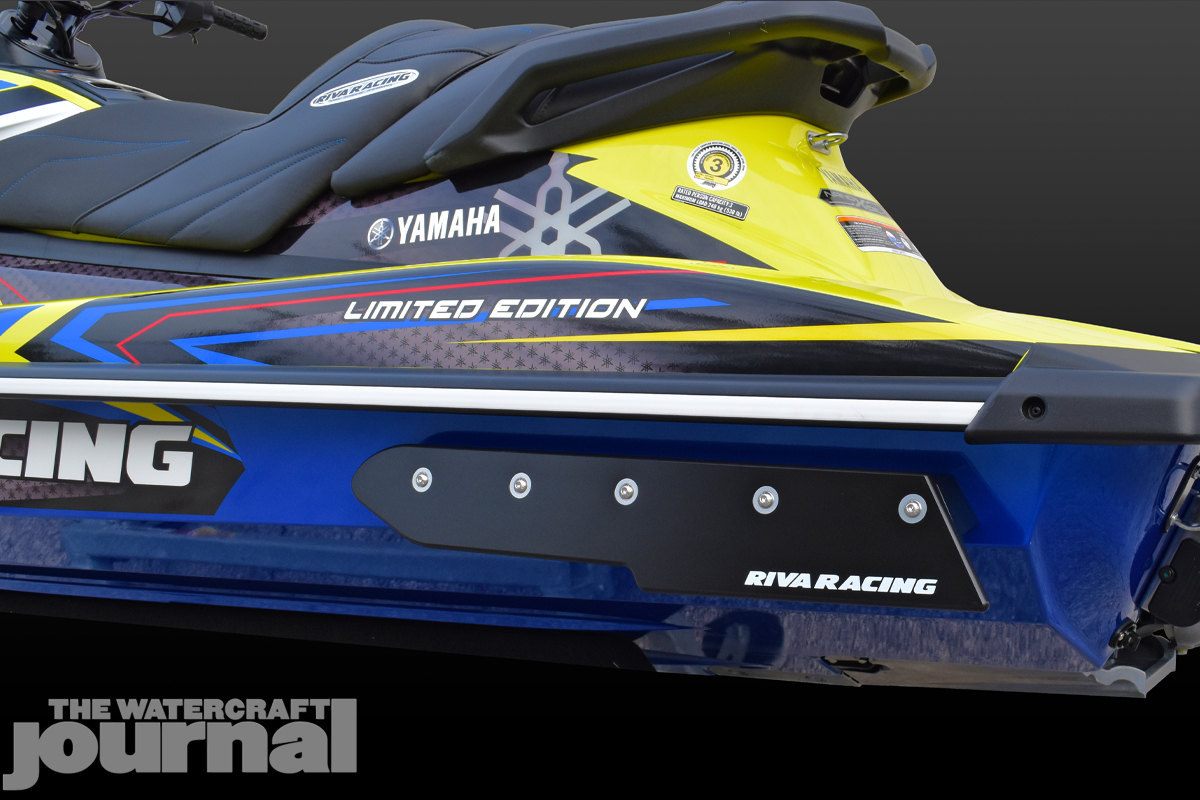
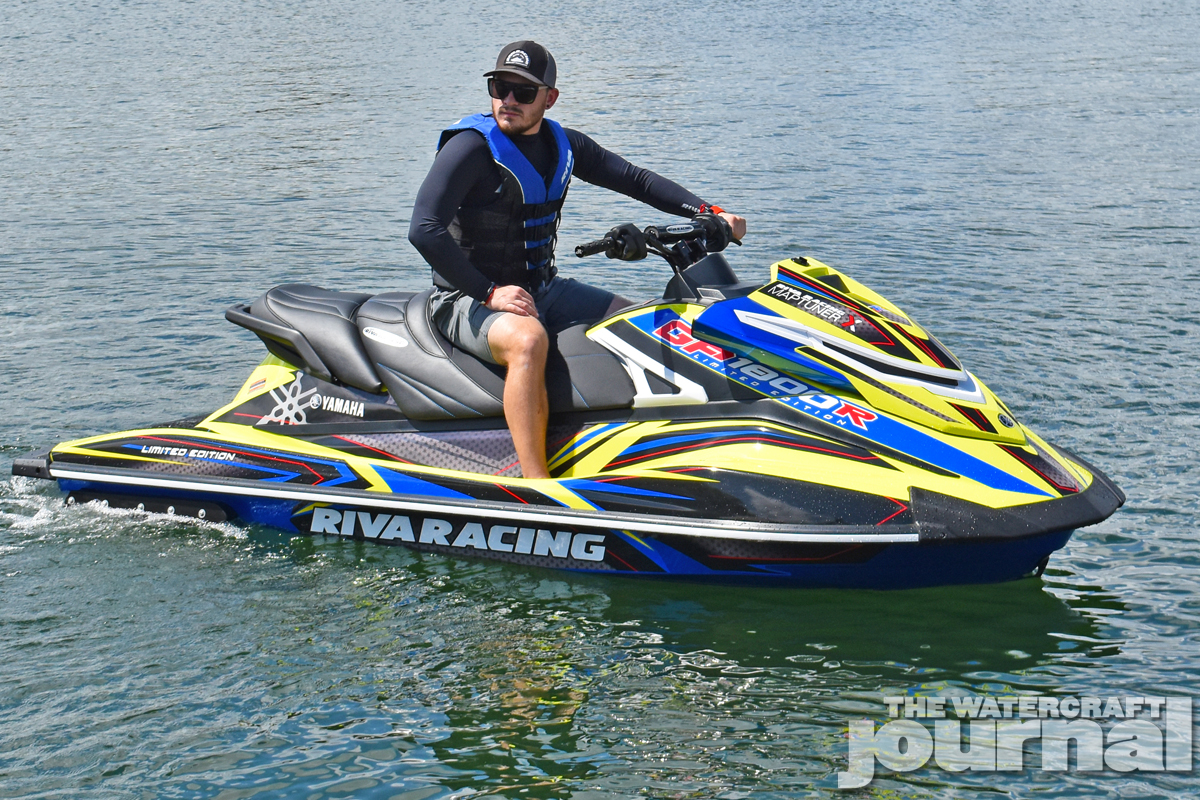
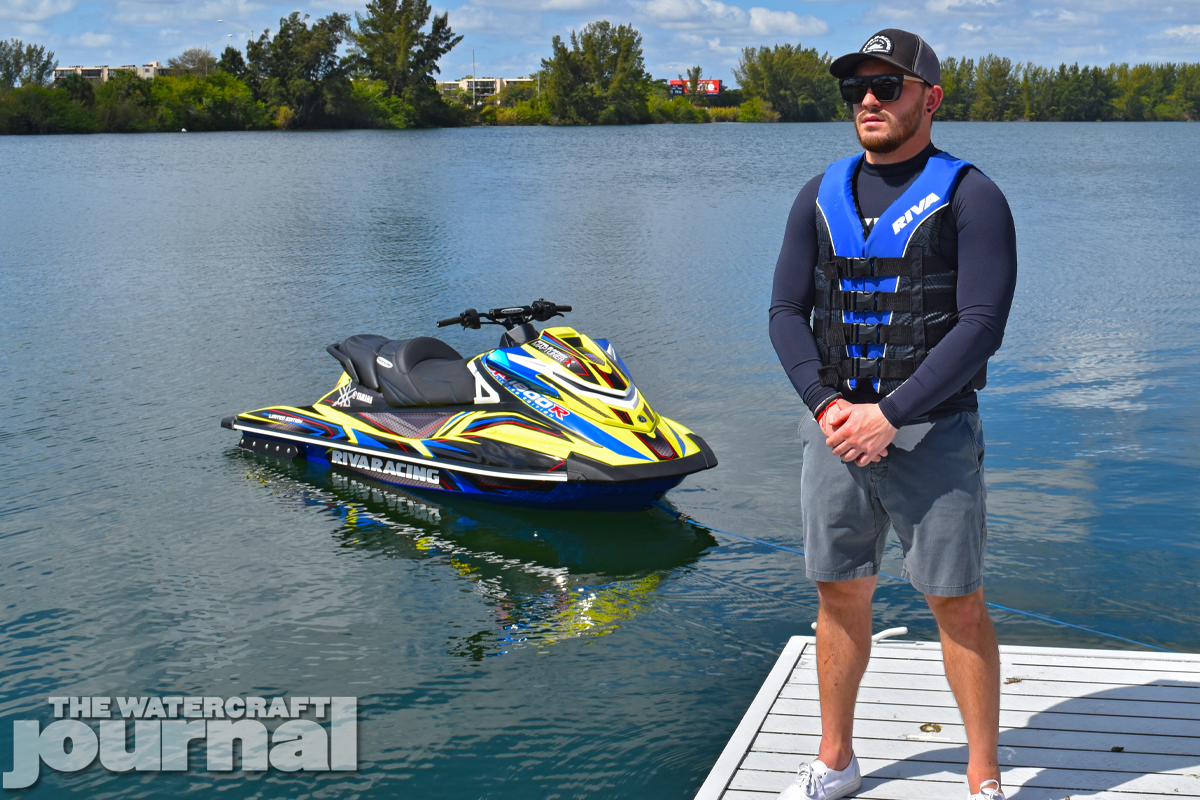
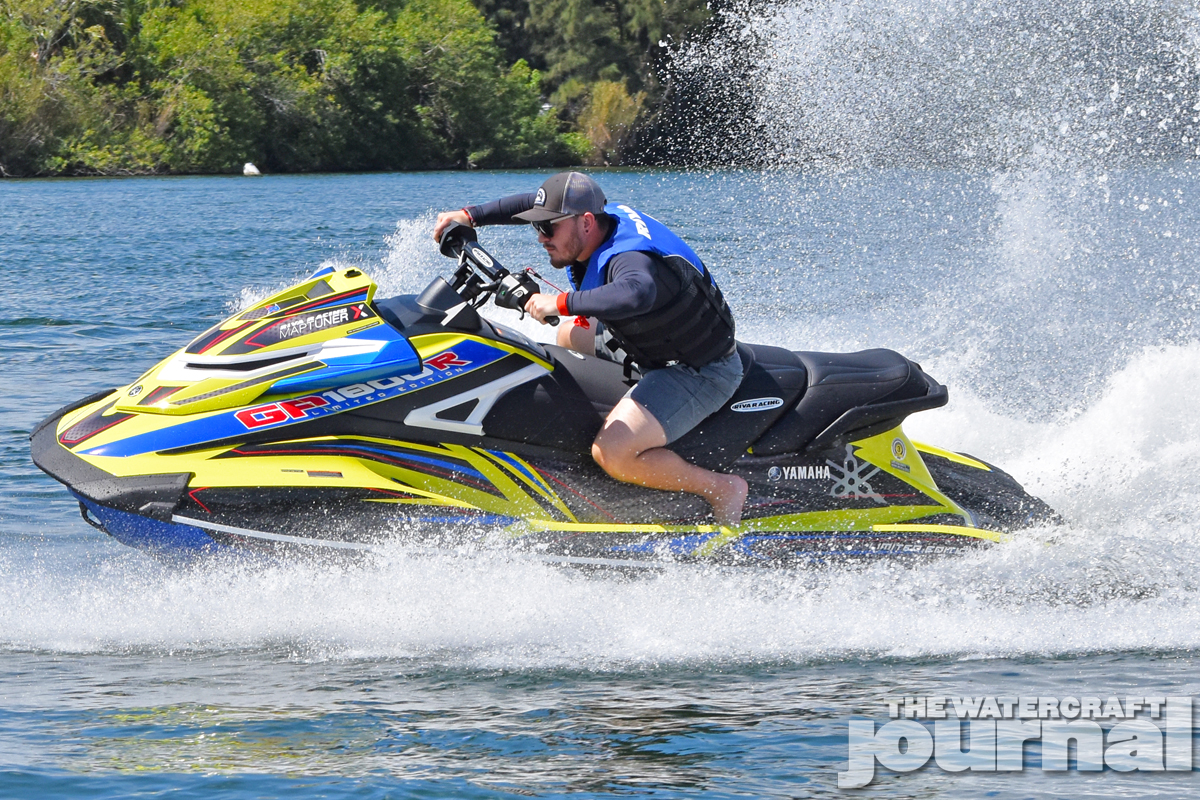
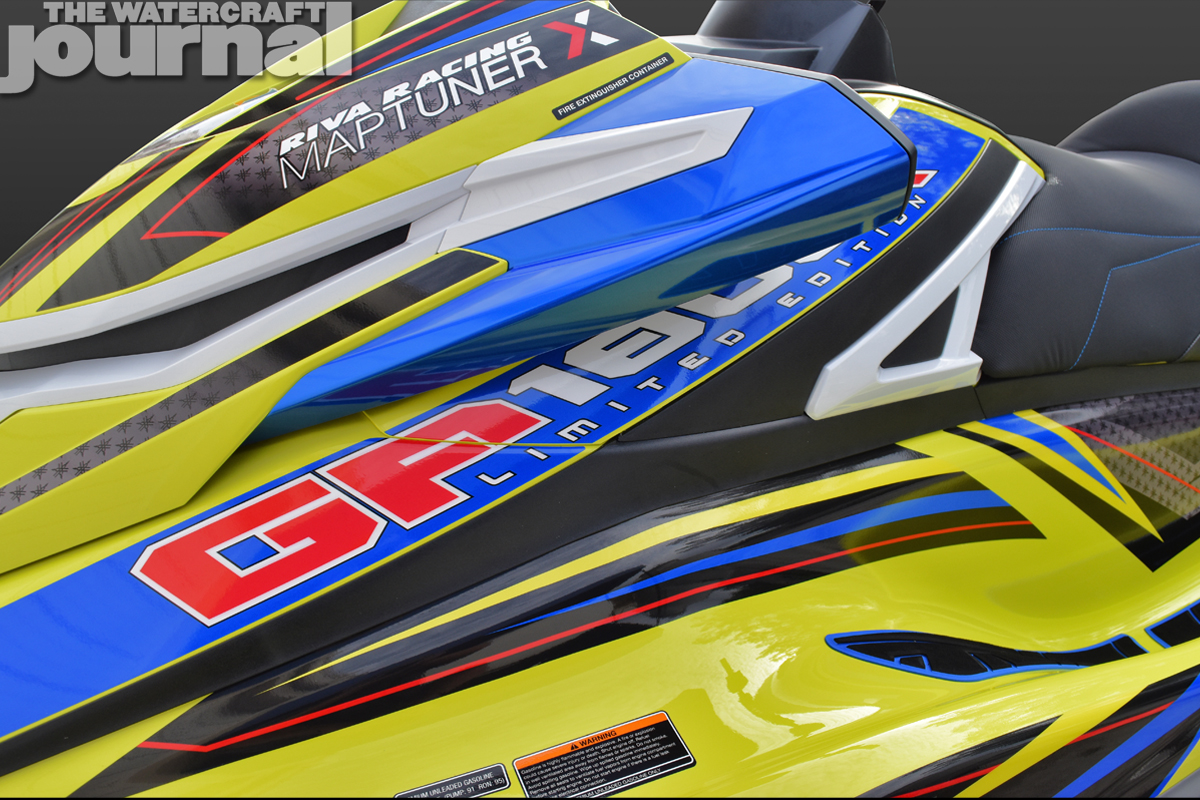
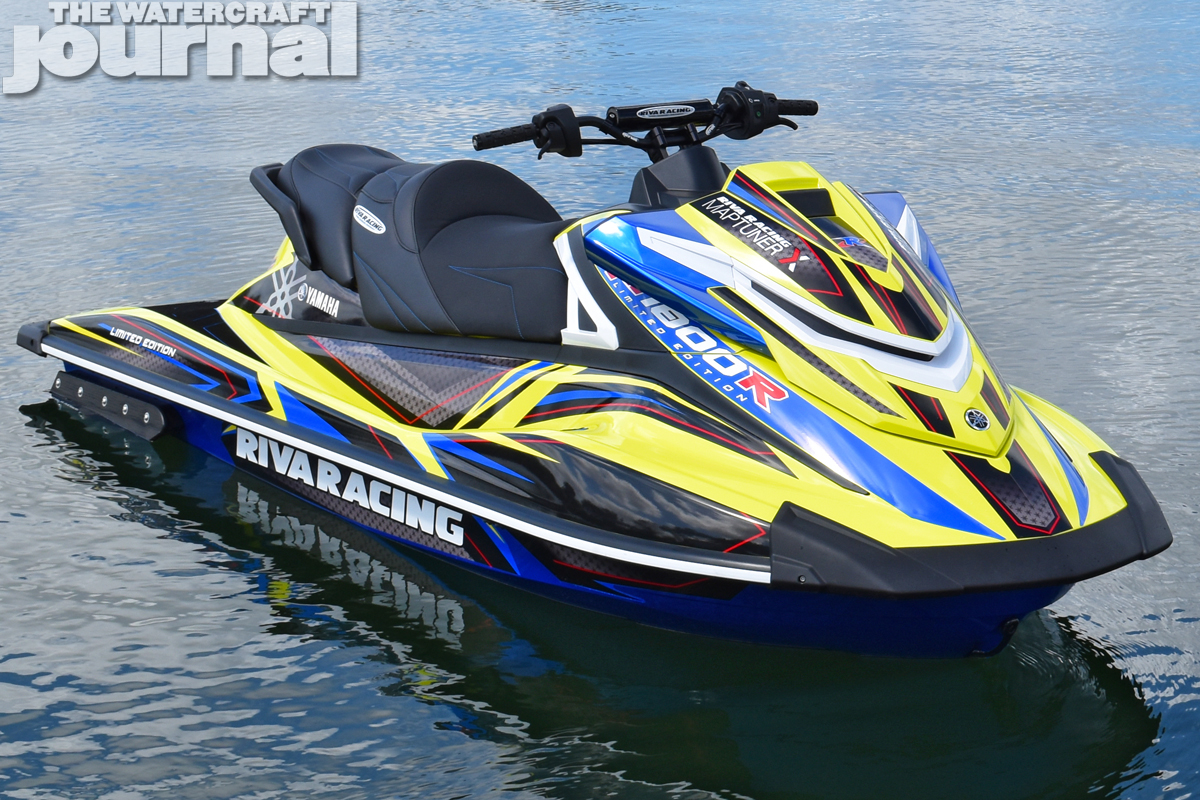
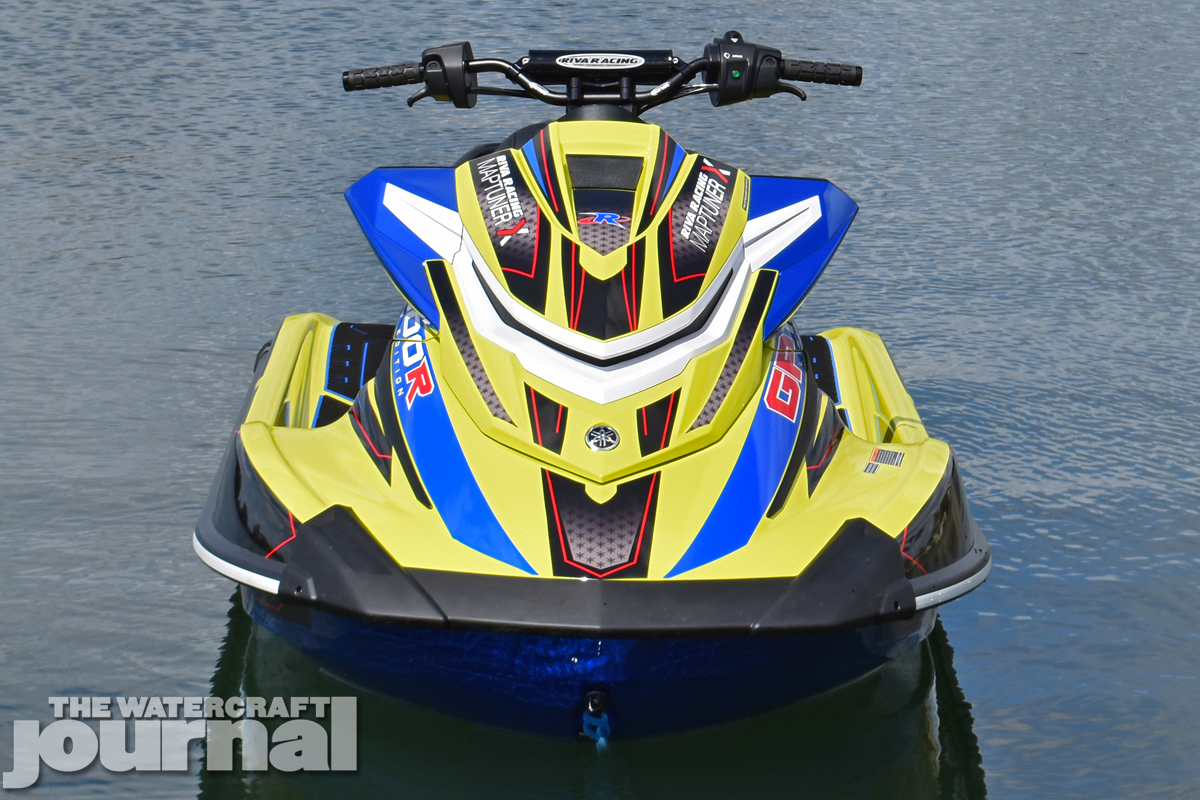
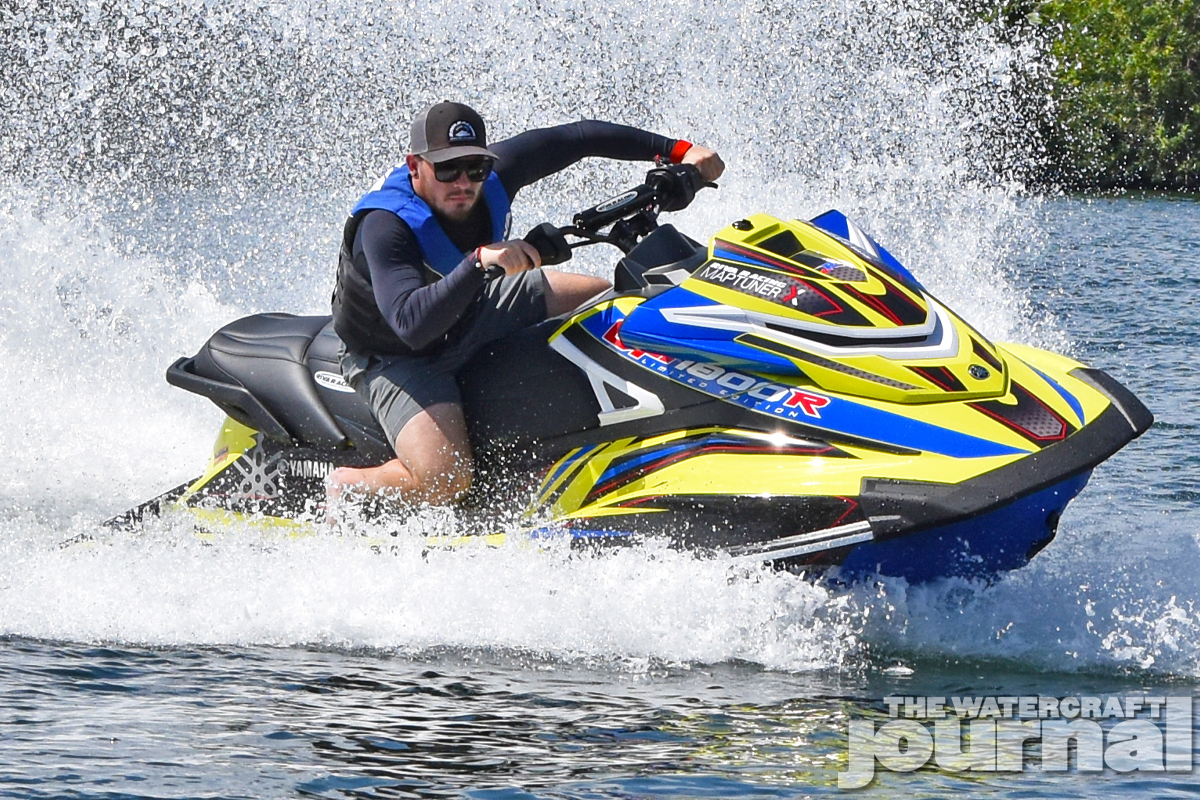
The latest RIVA Racing FX1800R Limited Edition is based on the standard 2020 FX SVHO in Satin & Gloss Black, which The Watercraft Journal nicknamed “Darth Vader” back during its introduction in August 2019; RIVA smartly did little to alter the Yamaha’s aesthetics. Instead, RIVA made strides to replicate the look and feel of the factory graphics. While not replacing the Yamaha’s accent panels, RIVA did choose to add bright red touches through the decals and anodized components.
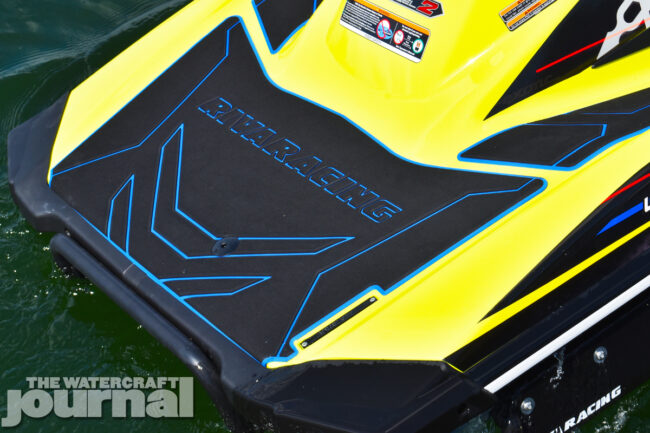
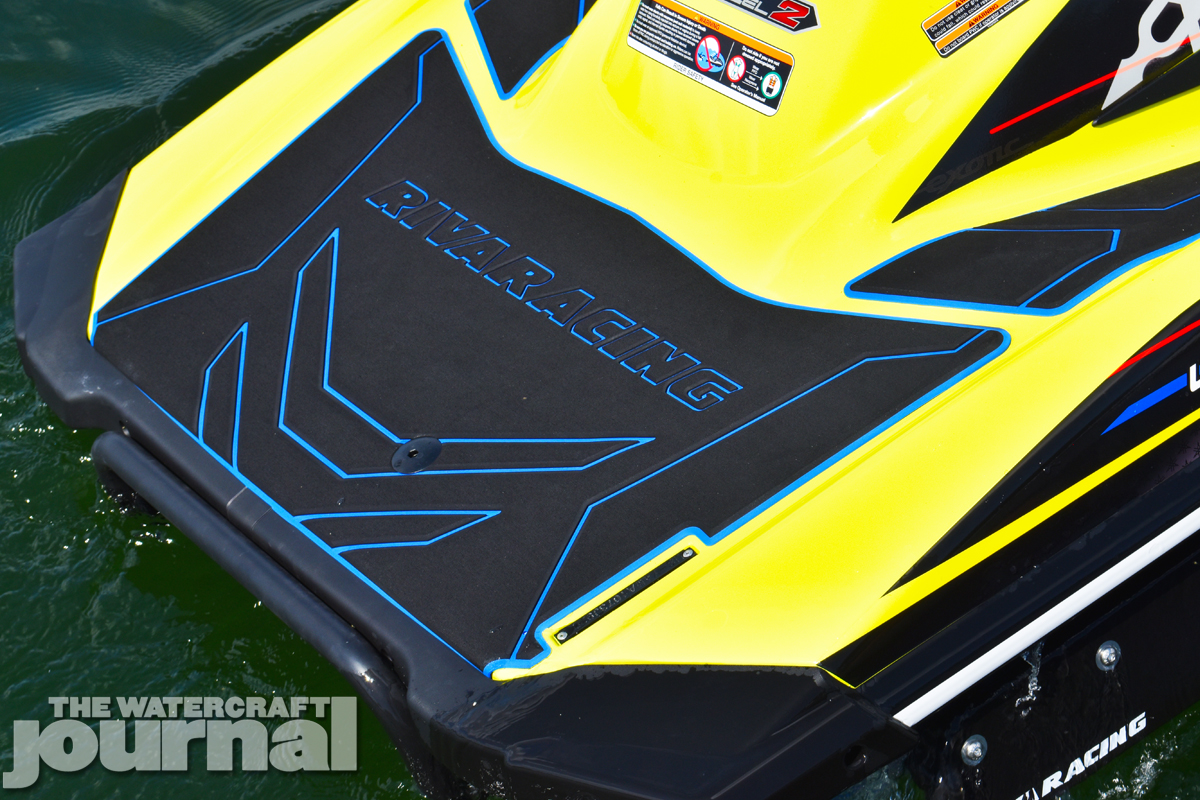
Now, large “RIVA Racing” billboards stretch down the hood and across the hull below the bondline, with large “FX1800R” panels below the custom-stitched grippy seat cover. High up on the fairings, just below the handgrips are call-outs threatening, “350 horsepower, Limited Edition” for the close-up observer to read. A custom CNC-cut Hydro-Turf rear mat reads “RIVA Racing” and is matched to the factory two-toned black-and-gray mats lining the footwells. The aforementioned seat is equally as stealthy, with red stitching to break up the grippy black canvas (RY5-FX19-1).
The handling package has since been fine-tuned after a year’s worth of national and world championships; the 5-way adjustable RIVA Pro Series Sponsons (RY26120) now feature anodized-red aluminum inserts that stand out particularly well. The pump is fed by a RIVA Yamaha FX SVHO & FX SHO/HO 2012-20 Top-Loader Intake Grate (RY22070), a Solas Yamaha 160mm Concord 13/18 Impeller (YV-CD-13/18), a RIVA Yamaha Pump Seal Kit (RY25070); and the most important addition, a RIVA Yamaha FX Performance Ride Plate (RY21120) – the one component responsible for the FX’s improved tracking at high speeds.
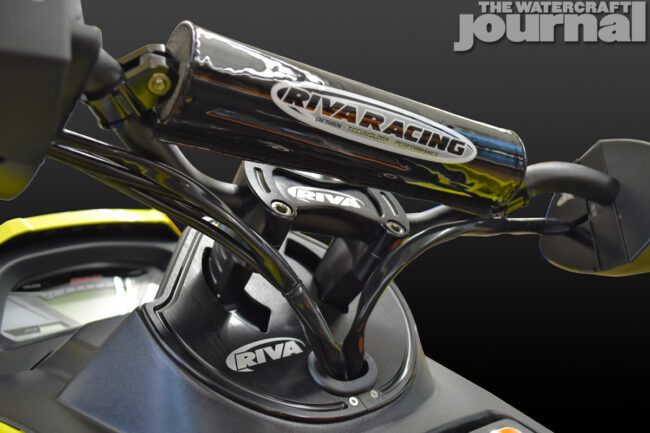
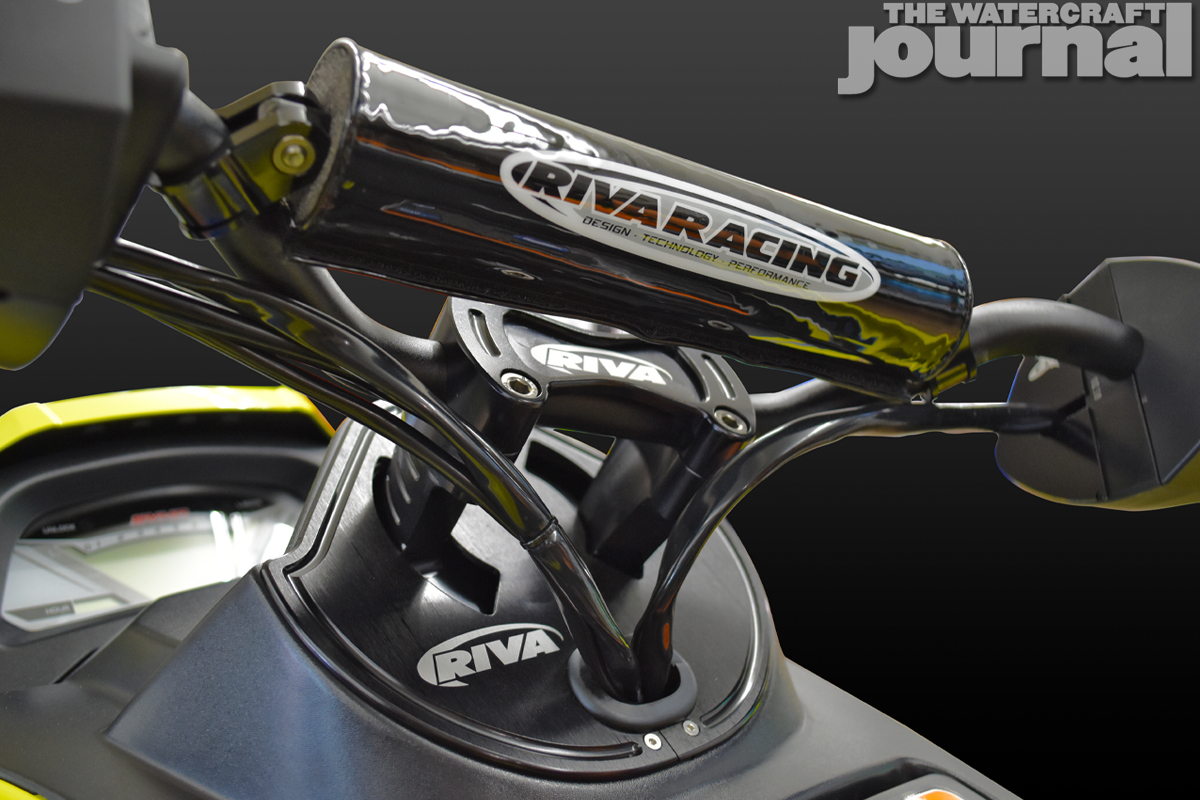
Completing the handling package is RIVA’s Pro-Series Steering System for the Yamaha FX (RY20120), fitted with RIVA’s Pro-Bar 30-inch Runabout Bars (RY205BK-BAR-2), ODI RIVA End Cap & Clamp kit (RY206-RD) and ODI’s 130mm Ruffian Lock-On Grips (L31RFB-S), all of which replaces the plastic steering components with aircraft-grade billet aluminum giving the rider significantly better steering input and responsive feel.
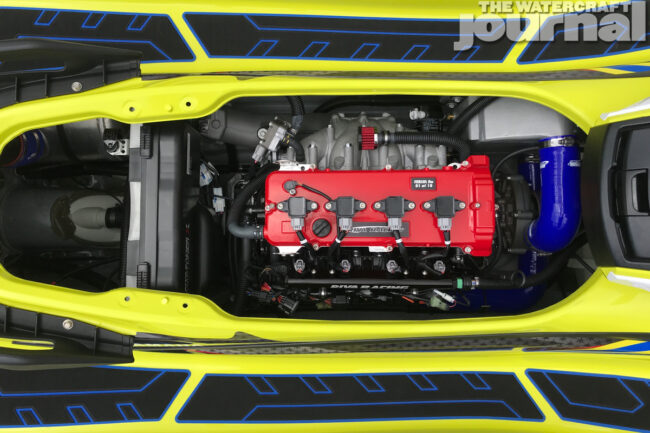
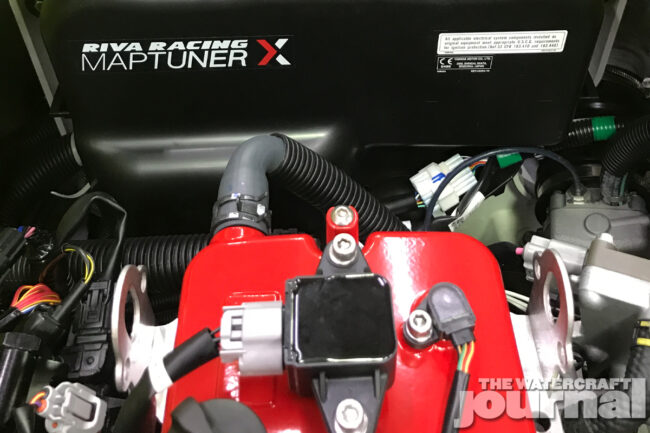
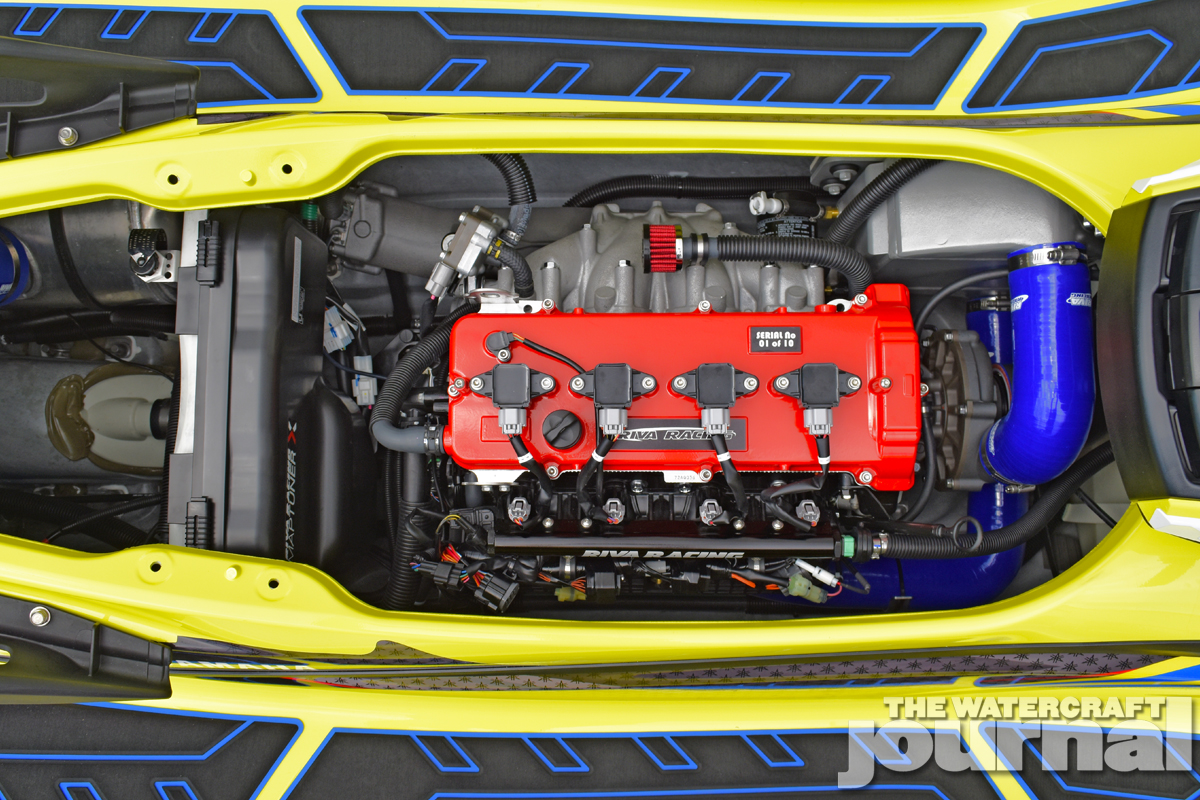
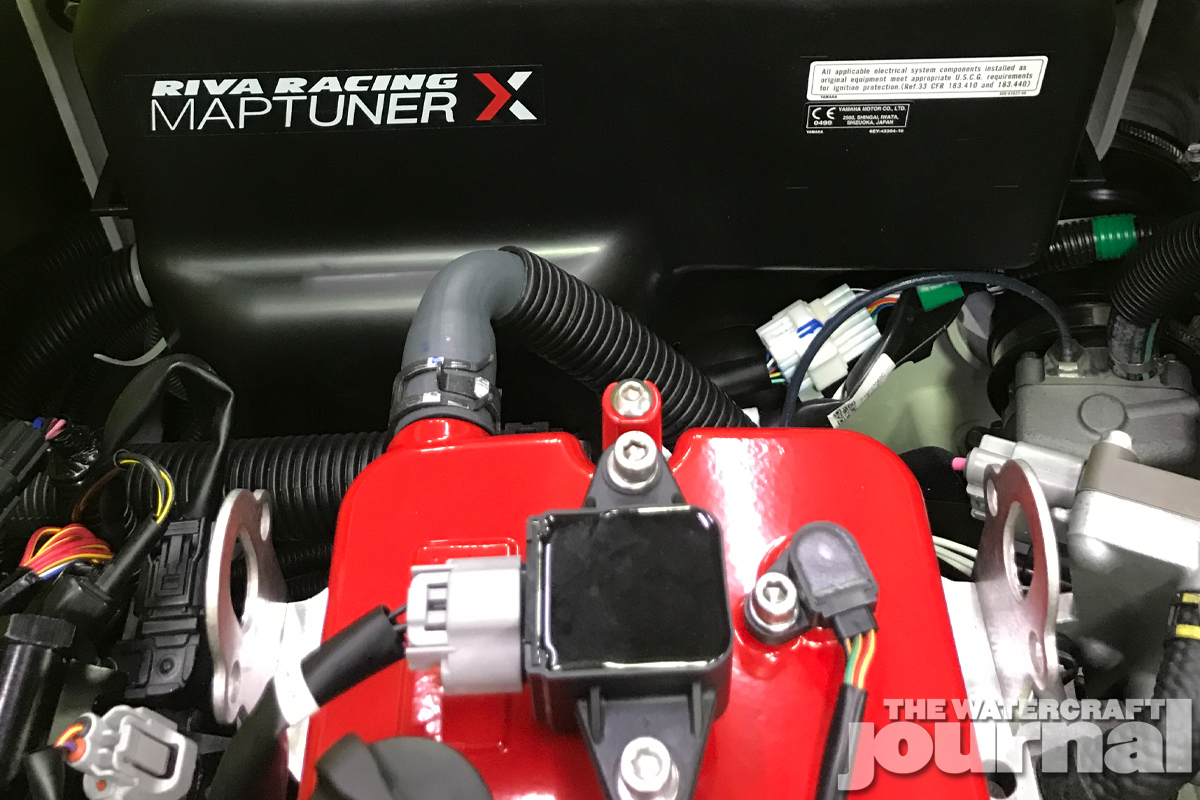
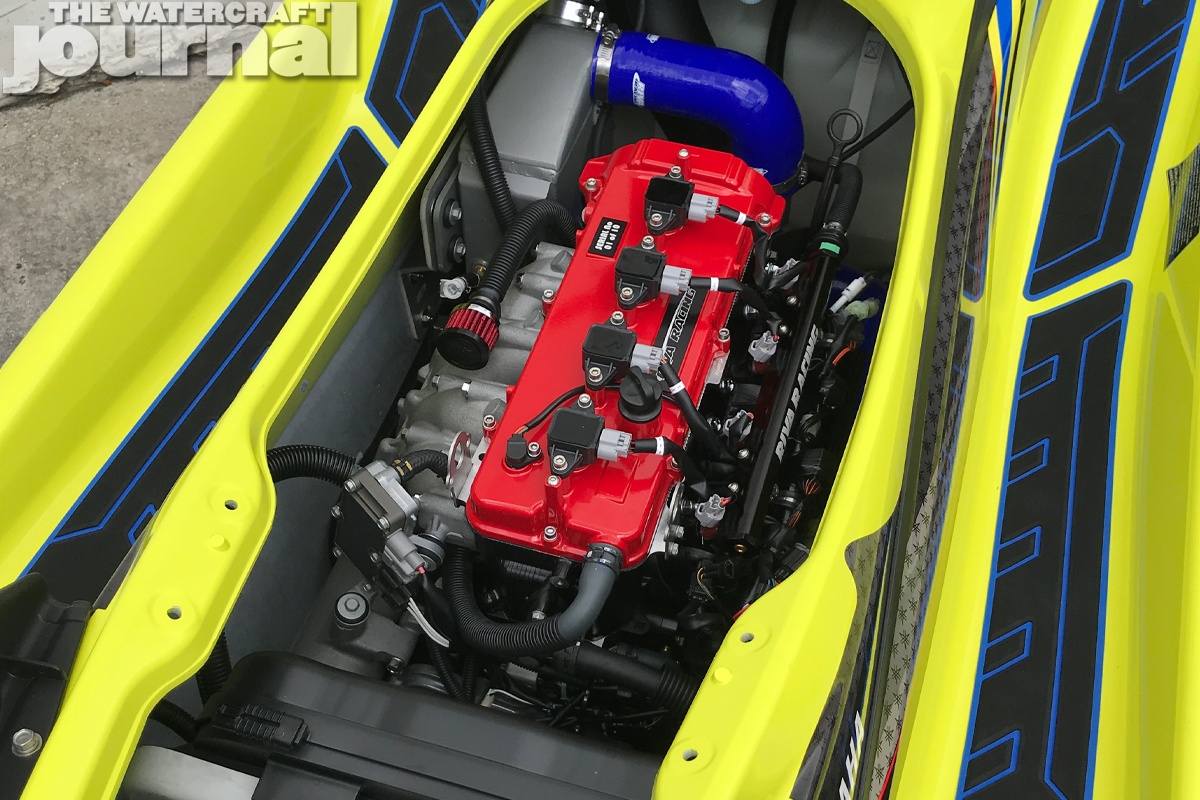
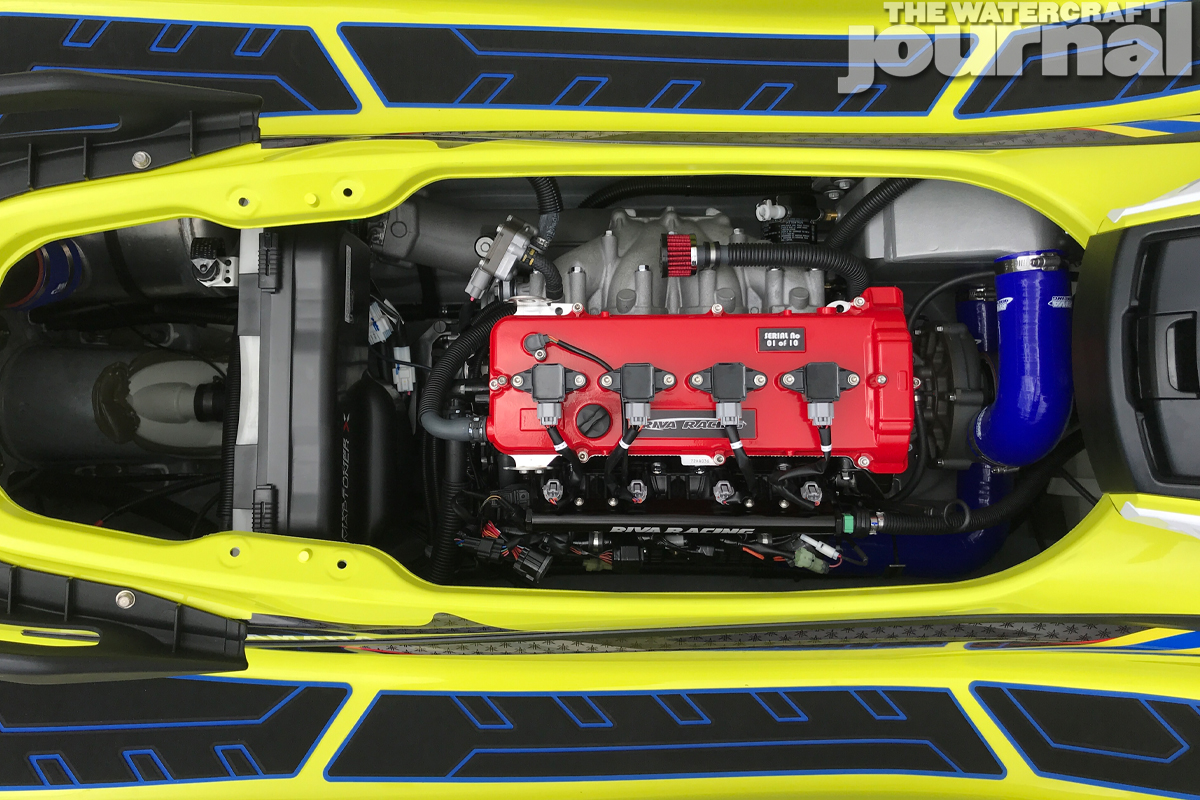
It goes without saying that the biggest changes to the FX1800R are found beneath the reupholstered seat; engine modifications begin with a RIVA MaptunerX Yamaha License (RY110SC-TL); a RIVA Yamaha 1.8L High Flow Billet Fuel Rail (RY12040-BFR); a RIVA Yamaha FX SVHO 2019-up Power Filter Kit (RY13120); a RIVA Engine Breather Upgrade Kit, 2012-18 Yamaha 1.8L (RY19040-12-EBUK); a RIVA Yamaha SVHO/SHO Supercharger Shaft Upgrade Kit (RY17040-UK-6S5-4); a RIVA Yamaha SVHO “Gen3” Power Cooler (RY17081-PC-TV); a RIVA Pro Series Engine Cooling Upgrade Kit, SVHO (RY10080-ECUK-PC-2); a RIVA Yamaha Valve Retainer Upgrade Kit, 1.8L (RY19040-SRU); and finally, RIVA’s through-hull Rear Exhaust Kit for the 2019-up FX (RY15120).
Although brandishing a slightly modified parts list than last year’s model, the 2020 FX1800R produces a dyno-tested and more importantly reliable 350-horsepower at the flywheel, which when ridden on RIVA’s private testing lake last year, delivered a sustained top speed of 83mph at 8,600rpm. It’s also worth noting that RIVA states that all of its testing was performed with 1/3 tank of fuel, the trim set at neutral at sea level elevation, and the air temperature at 80-degrees F. When The Watercraft Journal tested the 2019 FX1800R Limited Edition, we recorded similar numbers.
Priced at $26,995, the RIVA Racing FX1800R Limited Edition provides performance enthusiasts a safe, verifiable way to hit mid-80’s speeds while maintaining proven race-grade traction and handling characteristics. Sure, you can get pretty close to replicating the proven performance of the FX1800R by purchasing everything from RIVA Racing and try to either install it all yourself or have done by a reputable shop, but you’ll wait longer and likely pay more. Or worse, try to cut corners and sacrifice championship-level handling to quickly pick up a few extra mph. If you’re wanting what RIVA is offering, make the call and order a FX1800R before all 10 units sell out.
We found ourselves in a déjà vu moment as we headed down the long Interstate 95 stretch to RIVA Racing’s Pompano Beach, Florida facility. I was reminded of a time when I rode Cedar Point’s lightning-fast Top Thrill Dragster coaster. RIVA had just completed a Stage 3-equipped 2019 Yamaha FX SVHO test mule and they invited us down to try it out. If you remember last year we were in sheer awe by RIVA Racing’s Limited Edition FX1800R.
Not only was the Limited Edition based around their 350-horsepower Stage 2 package, it also put the power down firmly and handled like a dream. Included was a laundry list of improvements in the steering, exhaust, and aesthetic departments. Needless to say, we were enthusiastic for the opportunity to get our hands on RIVA’s Stage 3 test model. It has quite a few additional performance enhancements under the seat compared to the Stage 2 kit.
For starters, the factory Yamaha fuel injectors are replaced with RIVA’s 1,000cc fuel injector kit (RY12040-I-KIT-100). Supporting the increased volume of fuel flow is their high flow billet fuel rail (RY12040-BFR). In the supercharger department, the OEM impeller is swapped out for RIVA’s 20 psi SVHO impeller (RY17080-SCI-F20) since all of that extra fuel flow requires a healthy surge of fresh, densely-compressed air. The supercharger shaft is also upgraded for reliability (RY17040-UK-6S5-4).
Since the titanium valve retainer upgrade (RY19040-SRU) is carried over from the stage 2 kit as well as the list of other items, the Maptuner X can now safely spin the reliable Yamaha SVHO engine to 8,900 RPM, nearing to the neighborhood of 400-horsepower. Best of all, this kit is still conservative enough to reliably run on premium octane pump gas. Since this was a test ski, RIVA Racing also had a few other diagnostic items installed including individual wideband O2 sensors and the associated air/fuel ratio data loggers. As for the performance, this thing would rip just like their standard stage 3 kit.
Arriving to RIVA Racing’s main facility, we were promptly greeted by the team and escorted to RIVA’s private testing lake along with the beautiful FX SVHO watercraft. The team proceeded to brief me on the conditions, lake and ski setup, as well as safety precautions. I was cautioned that this setup included RIVA Racing’s Pro-Series sponsons (RY26120) and while they were not trimmed all the way down, they were still set in the intermediately-aggressive middle position, meaning “be very careful because this thing is going to go exactly where you point it.” Whether or not you go with it depends on your strength and readiness.
After I finally strapped on my riding gear and climbed firmly aboard the monstrously-equipped full-size runabout; my heart rate increased as I fired up the full-bred racing Super Vortex High Output 1,812cc engine. It didn’t skip a beat as the motor which straddled between my legs roared to life. I backed off the trailer and idled away from the dock as the mesmerizing tame rumble of the free-flow exhaust (RY16070) made anything but a hint of what was to come. One of the great features about this stage 3 kit are the lengths that RIVA Racing goes to tune and refine the power delivery.
While there is immense power constantly on tap, the free-flow exhaust works seamlessly with the OEM water box to deliver a pronounced, yet not obnoxious sound which is great for the everyday recreational rider. As I pulled away and let the engine warm up a bit, I ever-so-slightly pulled in some throttle and began testing the turning and predictability of the watercraft.
I was immediately comforted by the responsiveness of the hull and knew that the combination of ride plate, intake grate, and sponsons that RIVA had designed was going to make an equally predictable and straight-tracking watercraft just as it had done on the Stage 2-equipped Limited Edition FX1800R.
I couldn’t wait any longer to experience the raw power on tap. I lined up along a straight, undisturbed section of the freshwater lake, notched the trim down a few clicks, and leaned my body forward. I mashed the throttle and was instantly greeted with a ferocious thrust as the FX leaped into action. My feet buried into the foot wells and my bicep muscles were immediately requested to perform their duties as if my buddy was testing them at the gym by adding a few extra pounds to the workout machine.
Instantaneously, 0-to-60mph came and went in the blink of an eye. Within a few seconds, I was already at 80mph and climbing further towards the ski’s maximum of 85mph as the engine screamed at 8,900rpm. As I approached the end of the lake, I backed off slightly, tucked my knee, and applied a gentle turning pressure to the handlebars. I was immediately reminded of the team’s prior advice about the handling and sponson settings.
In this exact moment, I paid attention to their warning. Even if I wasn’t prepared to oblige, the ski wanted to do exactly what it was just commanded and so I was forced to heed the advice given or pay the consequences. The FX SVHO’s hull gripped the water tightly, the sponsons took a huge bite of water, and like a laser-guided missile, the watercraft carved the corner with precision. I held on for dear life and once I reached one hundred eighty degrees, I evened out the handlebars and commanded the throttle like a dictator at war.
My command was met with 20psi of supercharger boost and the 818-pound runabout pulled instantly and delivered the power linearly. It’s almost as if the FX SVHO was told to go on an aggressive weight loss program. With so much power and handling ability on tap, it literally feels like a watercraft half its size.
As I approached the dock again, RIVA Racing’s Mike Hodges reminded me to stay within sight. I apologized and kindly obliged, however, with the pull and speed of this watercraft, they were really asking me to test the nature of physics since this thing disappears quickly at those speeds. As I got more and more comfortable with the true-tracking nature of this setup, I found myself squeezing the throttle more and more as I carved through S-turns. The watercraft never skipped a beat and failed to disappoint my greedy commands.
It took every instruction given and spit out intense excitement and an adrenaline-pumped ride. If I continued to push harder and harder, eventually my peak strength would be overcome, and the result would have been Newton’s First Law of Motion throwing me overboard as the ski continued to track around the corner. RIVA Racing has definitely created a package that works together. The huge power gain of the Stage 3 power-adders works in unison with the handling capabilities to create a watercraft with endless possibilities. Chances are that no matter how long you ride this watercraft, it will wear you out before you overcome it abilities.
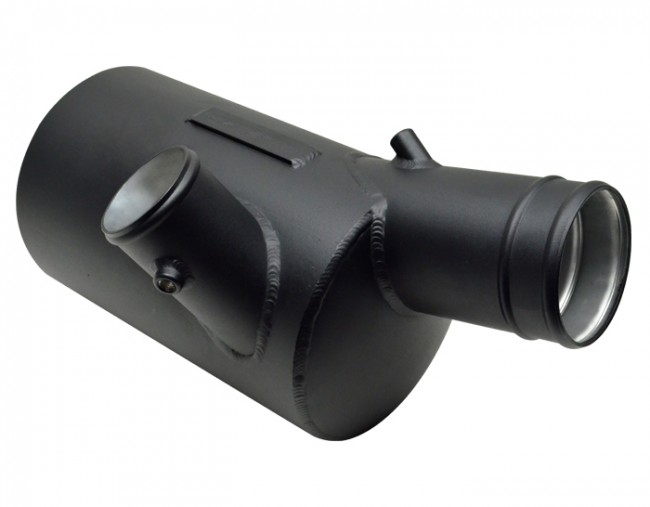
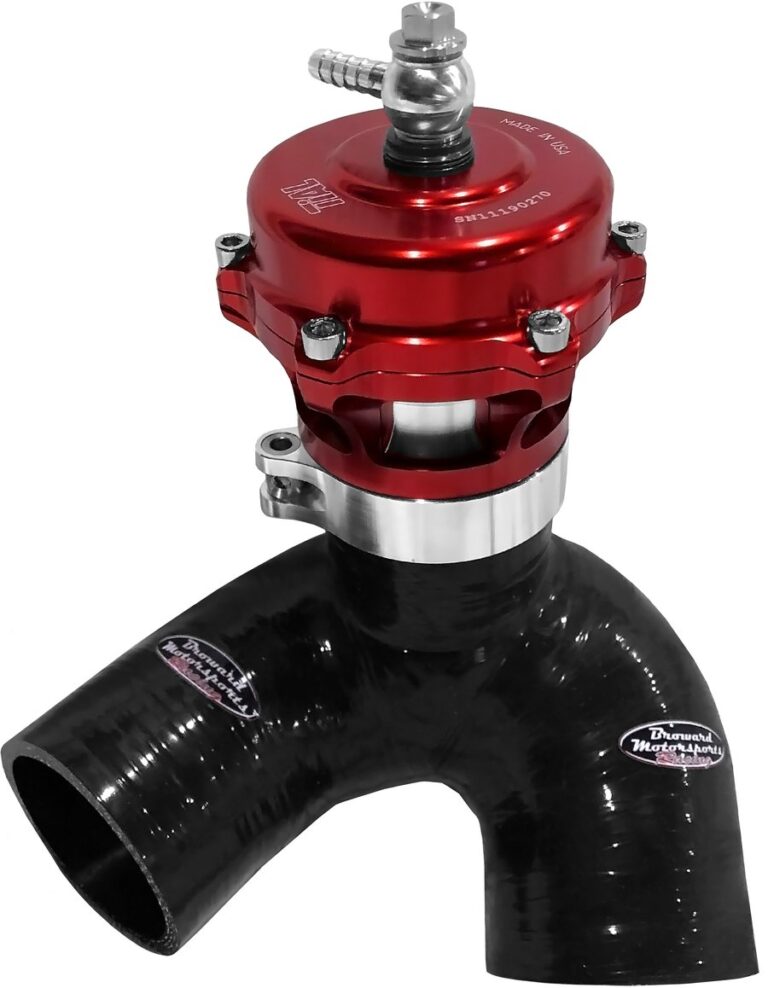
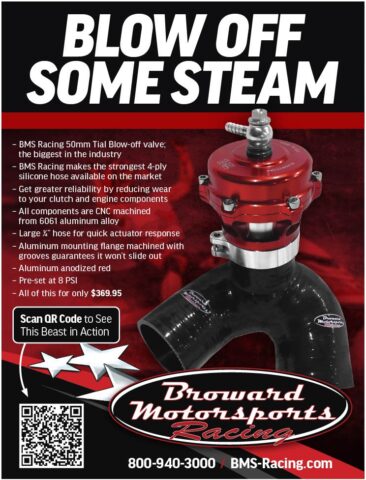
Ladies and gentlemen, the time is now to put your hands in the air because Broward Motorsports is your one stop shop for providing the best air flow for your Yamaha WaveRunners! BMS offers WORX Racing components for your 1.8L Yamaha SHO and SVHO. They offer air filter kits, intercoolers and ribbon deletes. A happy engine makes for a reliable and powerful ride.
The WORX Racing Air Filter guarantees that your engine will get more air and better flow. This is because it replaces the stock air filter which is much more restrictive. PWC’s have a rather small engine bay compared to other vehicles so getting as much air flow as possible is crucial. A WORX Intercooler ensures that your engines air will be colder than a stock intercooler.
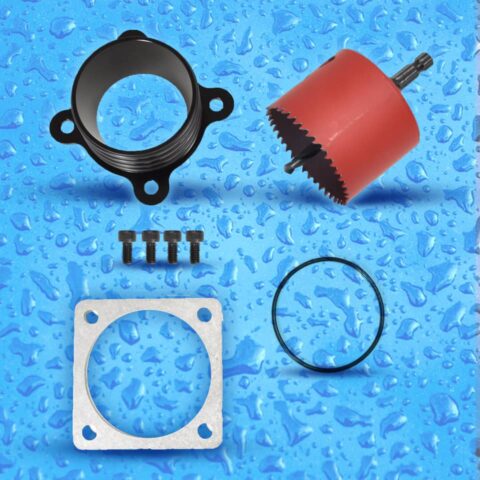
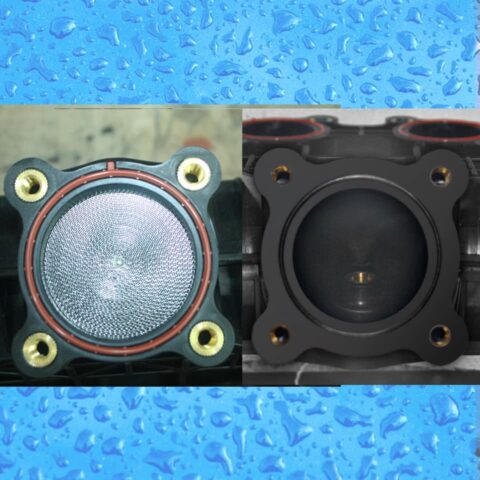
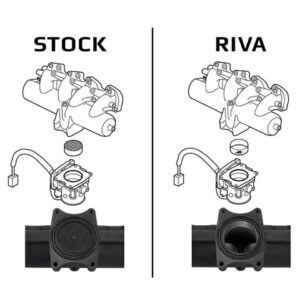
You can hear from plenty of people saying that they have had issues with their stock intercoolers, but nobody seems to be complaining about an aftermarket WORX Intercooler. An additional way to make your watercraft feel good is by installing a WORX Ribbon Delete. A WORX Ribbon Delete is pretty cheap part provides a big bang for your buck. It takes out the mesh in your intake which provides even more air flow to maximize your engines performance.
If you order now and use code “BMS10”, BMS will give you 10% off of your total order. Additionally, they are offering free shipping on all orders over $125 within the continental United States. Why buy from another company that will charge you full price and shipping fees? BMS has the lowest price in the industry guaranteed. If you find a lower advertised price, they will beat it! Feel free to call or email them today at, 800-940-3000 or [email protected].
Kawasaki’s entry model JetSki has had its first major overhaul since the STX-15F went on sale in 2004 – and we’ve finally ridden it. It’s now called the STX 160 and in the North American market, comes in three model grades: STX 160, STX 160X and STX 160LX.
In Australia, where this model was tested, it comes in two model grades: the STX 160X shown here and the flagship STX 160LX, which gains more pronounced tiered seating and Kawasaki’s Jetsound audio system. Pricing in the US starts from $9,599 (STX 160), $9,999 (STX 160X) and $11,699 (STX 160LX), not including trailer, registration and taxes. Pricing in Australia starts from $14,999 (STX160X), which is $2,000 more than the STX-15F it replaces, and $16,799 (STX 160LX) including tax but not including trailer and registration.
Above: New angles and sharp creases replace the smooth lines of the outgoing STX-15F. While the top deck is entirely new, providing increased storage, improved ergonomics and new operating features – nearly everything below the bondline remains unchanged since 2004.
But first things first: For those who were wondering, the Kawasaki’s 1.5-litre naturally-aspirated four-cylinder engine, hull, ride plate, intake grate, and sponsons remain unchanged from the STX-15F; however the top deck of the STX 160 is completely new for added comfort and convenience and is a big improvement over its predecessor. It now has a slightly taller riding position with more knee room and wider, tapered handlebars for a more natural seating posture.
The redesign has given the Kawasaki a massive increase in cargo space as well, from 23.5-gallons (89 litres) to a total of 35.3-gallons (134 litres) – including 30-gallons (114 litres) in the nose, 4.5-gallons (16.7 litres) under the back seat (although without a secure lid, as per Yamaha), a half-gallon (2.3 litre) wet storage area near the rear deck, and a slim waterproof 1.4-litre storage pocket near the centre console that can stow a phone and is available with an optional USB charger.
Above left: Kawasaki did away with the gas strut keeping the hood open, and went with an unsprung locking arm similar to the VX Series Yamahas. Above right: The underseat storage beneath the rear passenger is large and even has an arm to keep the new hinged rear seat from falling down while accessing the compartment.
Above: The redesigned glove box relocates the capacity for two water bottles to forward of the handlebars, choosing to reduce the box itself and cap it with a hinged cover to keep water from damaging cell phones or small action cameras.
The under-seat storage area does not have a lid on it (as per the Yamaha WaveRunners) but the seat keeps most of the water out. Plus, once the seat is off, it’s easier to get your hands into the Kawasaki’s storage pocket versus the Yamaha which requires you to thread your hand through a round hole, limiting the size of what you can store in there.
There is a new, larger digital dash display with a fuel gauge meter, real-time fuel consumption, and a clock. Adjustable cruise control and a “no wake” mode (which caps speed at 5mph 0r 8kmh, and is a common feature on top tier Yamaha and Sea-Doo models) are now part of the package for the first time on Kawasaki’s entry model. The STX 160 also has a new, shorter and lighter throttle lever.
Above: Disappointing to some was the reveal that Kawasaki has yet to join Sea-Doo and Yamaha in the 21st century with handlebar-mounted brakes, opting instead to relocate the reverse lever from the right hand side of the deck to the left.
Above left: The STX 160X shares the same hull, ride plate, intake grate and 148mm jet pump as the previous STX-15F. Above right: Some will notice that the standard STX 160X steering neck is very similar to that of the 310R.
However, despite the redesign, reverse is still activated by a large handle on the center console, rather than a lever on the left handlebar as per Sea-Doo and Yamaha. Kawasaki has moved it to the left side of the craft and, as with the Ultra platform, it pulls up much like a handbrake in a car.
Unfortunately, Kawasaki doesn’t seem to be in a hurry to shift the reverse lever to the left handlebar – and given the long lifecycle of these craft Kawasaki fans could be waiting a long time. Having enjoyed the low speed maneuverability of Sea-Doo and Yamaha craft with forward and reverse levers on the handlebars, it’s easy to feel that Kawasaki owners are missing out on a convenient feature, which is especially handy when lining up to ride onto a trailer, or pulling up to a dock.
Above:Fore of the non-adjustable handlebars is a redesigned LCD screen reading off the vitals. An “eco” icon flashes on the screen when the JetSki is operated within the parameters for ideal fuel economy.
Other improvements include the fuel filler cap being relocated from the nose of the craft where it was exposed to water, now neatly tucked away and mounted up high underneath the hood cover. Fuel tank capacity has increased from 16.2-gallons (62 litres) to 20.6-gallons (78 litres), giving the STX 160 the same size tank as the flagship high performance Kawasaki 310 Ultra – the biggest tank among its rivals and one of the longest driving ranges between refills in the industry.
To really get the most out of the fuel tank, an “eco” symbol is displayed in the dash when you’re riding with an optimal throttle position and speed. The engine itself is carried over from before. It’s the same non-supercharged four-stroke engine (10.6:1 compression ratio, 83mm x 69.2mm bore and stroke) that is also used as the basis for the supercharged Ultra 310 models.
Above: The solitary change made to the 1.5L 4-stroke powerplant is the incorporation of Kawasaki’s fly-by-wire engine management system (KTRC), identical to that used by the 310-horsepower Ultras.
But for 2020, the 1,498cc four-cylinder now operates via a modern fly-by-wire throttle control system, permitting the use of the aforementioned cruise control, no wake, and eco functions. It has the same outputs as before (160hp and 152Nm at 7500rpm) however it remains one of the most powerful engines in this price range.
For those who want to ease their way into it, as with the previous model the STX 160 is available with a SLO key (slow learning operation mode) which limits the engine to 5,800rpm, trimming about 30 percent off its peak performance. The new Kawasaki’s curb weight – meaning loaded with fuel and oil – has increased from 844-pounds (383kg) for the previous the STX-15F to 877-pounds (398kg) for the new STX 160.
Above left: The most prominent change to the STX is the completely redesigned – and expanded – rear swim deck. The deck is lower, wider and shows a narrow folding swimstep that tucks in nicely into the rear bondrail. Above right: The rearward grab handle also has a lower handle ideal for reboarding.
Above: Many will note that this Australian STX 160X is in Kawasaki Green and Ebony Black, when all STX 160X models sold in North America are offered in Ebony and Riptide Turquoise. The coloring is the only difference between the domestic and international models.
There is no handlebar adjustment and no trim adjustment on this craft (the same as the STX-15F) but it’s still easy to find a comfortable riding position. The instruments are straightforward and easy to use, and the extra storage space – including a small waterproof compartment for a phone, wallet or car keys – is a massive plus.
As with most watercraft (especially in this price range) the speedometer uses a paddle wheel on the ride plate (rather than GPS the on top-end Sea-Doos, a paddle wheel on certain Yamahas, or RPM on the latest Yamaha FX series, which is in the next class up). So the speedo is not 100 percent accurate (just like all watercraft with paddle wheels) but it’s good enough to keep you out of trouble in slow speed zones. Cruise control and a no-wake mode also help you stay within the law.
The 1.5-litre engine, also unchanged, is smooth and responsive and, we suspect, economical. We didn’t get a chance to run it empty, but that would have taken a decent amount of time now that the tank has 20-plus-gallons (78-litres) of capacity. Most rivals have 15-and-a-half or 18-gallon (60 or 70 liters) tanks (or less) in this price range.
On the water, it’s easy to see why Kawasaki hasn’t changed the hull design, including how it’s made: hand-laid fiberglass and gel coat in an era of slightly less durable lightweight materials. If it ain’t broke, don’t fix it, we say. Dimensionally, the new STX 160X isn’t too far off from the outgoing 15F; both models share identical widths (46.5.-inches), but the new 160X now reaches 124.1-inches in length, roughly one-and-a-half inches longer than the 15F’s 122.8. It’s also considerably taller, totaling 45.4-inches compared to the previous 41.3-inches height.
The Kawasaki STX 160X is an extremely fun and easy craft to ride. It’s both intuitive for first-timers but has the response and agility for experienced riders to really throw the thing around. It’s one of the most impressive hulls in this price range, which presumably explains why Kawasaki didn’t touch it. That also means that the new STX still peaks at a little over 60mph, particularly given the added weight.
Gratefully, it still cuts through medium chop with ease. And although Kawasaki has raised the seating position, it still feels like you sit quite low and close to the water line. We suspect this is why it turns so easily and accurately, as it has a lot of hull in the water and the center of gravity feels lower than most other watercraft. Overall, we had a blast on the new 2020 Kawasaki STX 160X. We really think it’s a handlebar reverse lever away from being the perfect budget-priced, fun-sized watercraft.
Special thanks goes to Newcastle Jet Ski Centre who were kind enough to let us beat on this brand new unit as much as we did.
Blow off valves are important for PWC’s equipped with superchargers. It allows the pressure in your system to be released properly so that it does not damage your internal components. This pressure is generally caused by being on the throttle and then quickly letting off of it. So why TiAL? The Tial 50mm Blow Off Valve’s body and internal components are made with 6061 aluminum alloy. 6061 aluminum alloy is commonly used for airplane fuselages so there is no need to worry about the structural integrity of the blow off valve.
The entire TiAL 50mm Blow Off kit comes with the 50mm valve assembly with the 11psi yellow spring. RIVA carries additional springs so that you can adjust when the blow off valve opens. The kit also comes with a v-band clamp, TiAL air fitting, high pressure ton O-ring, 3ft of 7/32’’ vacuum line and a 1/4’’ barbed fitting x 1/8’’ PT fitting. You can get all of this from RIVA Racing for $259.95.
To get a better understanding of what this blow off valve does, check out a video made by RIVA Racing. RIVA Racing does a great job of posting videos to their YouTube page where they tell you about some of the product they carry. Check out their video they made of the blow off valve.
You may ask yourself why should I buy from RIVA Racing rather than somewhere else online? Well, RIVA Racing is known as the one stop shop for all of your performance PWC needs. Their website allows you to quickly put in the year, make and model of your PWC and find parts that are guaranteed to fit. Plus, all orders over $150 receive free shipping within the continental US. If you have any questions, feel free to reach out to their support staff. They are extremely knowledgeable and will work to find anything you need.
NOAA wants to expand the Florida Keys National Marine Sanctuary (FKNMS) and also has plans to for more regulations in the area. The group Say no to NOAA is circulating a petition stating the many reasons NOAA should not be allowed to expand regulations or expand the sanctuary.
The group’s bullet points state that water quality is the biggest issue facing the area. NOAA hasn’t restored the water quality since creating the FKNMS in 1990. The group also claims that closing certain areas will cause overcrowding and exacerbate stress in other areas. The Blue Star program is biased. This program was established by the FKNMS.
Its purpose is to recognize tour operators who are committed to promoting responsible and sustainable practices while enjoying activities like diving and fishing. The idea is to reduce the impacts that these activities have on the environment. The group also claims that most of the regulations aren’t science based.
The community group has a list of its own suggestions that we listed below:
Propose a plan of restoration of the poor water quality
Install more mooring buoys.
Add and maintain channel markers in the back country
Update NOAA’s Charts, including digital versions
Create more artificial reefs to take the pressure off the real reefs.
Require educational videos and Certifications for out of town boat operators, particularly those renting a boat.
Eliminate mini lobster season
Hold NOAA employees accountable for their actions like everyone else
The group says that all of this boils down to good science and trust. According to them; NOAA didn’t use good science and didn’t maintain nor did the organization follow the original FKNMS management plan. Instead, NOOA allowed the water quality to worsen and remain unchecked. They followed with saying that NOAA blamed others and intentionally allowed the Programmatic agreement with the State of Florida to expire in order for them to gain control over al historic resources.