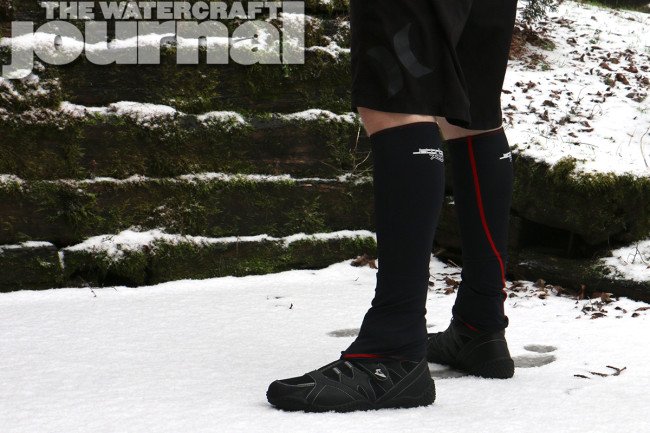
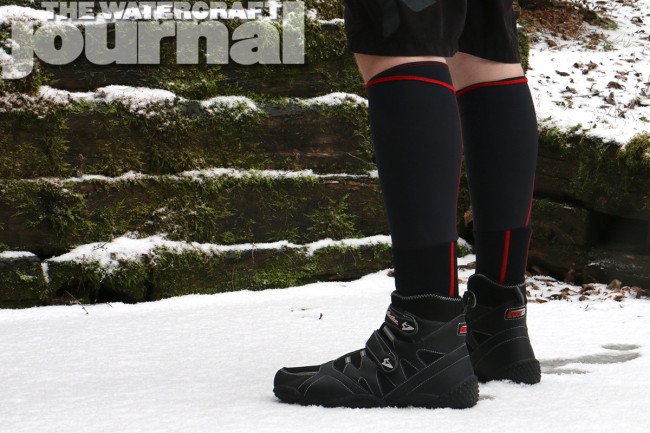
Last month, we reviewed Jettribe’s GRB 2.0 Race Boots, and noted that, as Jettribe themselves advertise, that their boots run a half of a size too big on purpose, almost insisting that riders purchase their Gator Lycra socks to wear with these boots. We even went so far as to state that the two ought to come as a pair, as neither the boots should be worn without the Gator Lycra socks, nor the socks without the boots (for obvious reasons).
Now, Jettribe’s socks work well with an assortment of different riding boots, but as both Slippery and Jetpilot boots come with removable neoprene socks as part of the boot purchase, they aren’t as necessary as they are with the Jettribe boots.
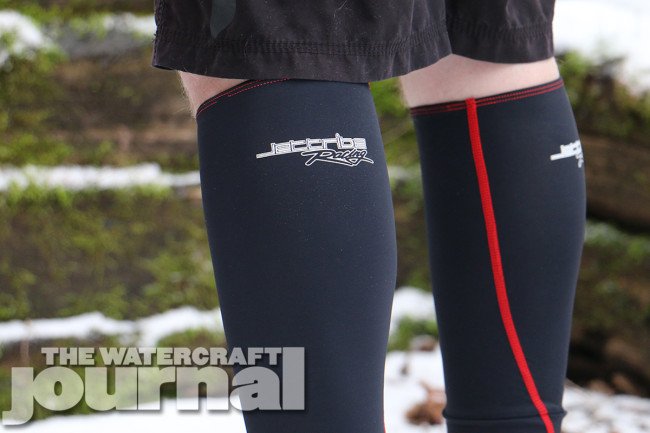
Yet, it’s worth noting that the Gator Lycra socks – much more than the traditional neoprene sock – wields several key attributes that elevate them above and beyond the aforementioned neoprene: first, with them on the Jettribe boots are immediately some of the most comfortable boots we’ve ever worn; next, the neoprene boots are cut extra high and feature a fold-down dual-layer to keep out rocks and gravel; and lastly, they’re not made from neoprene but “airprene” – an advanced form of neoprene (U.S. Patent #4832010) that is a unique perforated fabric that “removes perspiration – letting the skin ‘breathe’ – during strenuous exercise.” As moisture leaves, body heat stays in, “keeping muscles, tendons, and ligaments loose and supple,” as Jettribe describes.
Now, priced at $32.99, the Gator Lycra Socks are not cheap by any means. At nearly a third of the cost of the GRB 2.0 Race Boots, making the combined package over $140. For some, that can be a pretty pricey pair of boots and socks just for riding your jet ski around the lake. But, when weighed against all of the comfort, ease of use, and other benefits, the value begins to rise. We frankly enjoy the combo, but wish Jettribe offered a “mid-rise” or even an above-ankle Lycra sock in addition to finding a way to dial back the retail price a bit.
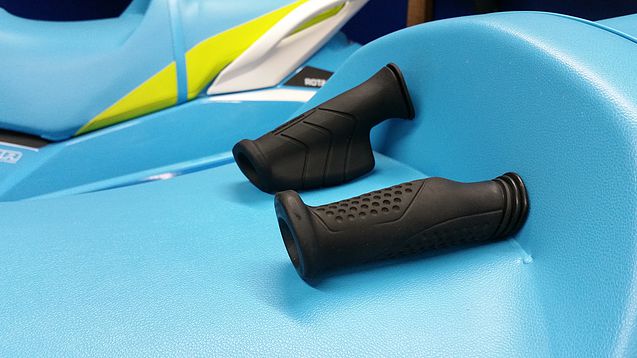
Above: 2016 Sea-Doo grip (left) vs. 2013 Sea-Doo grip. (right)
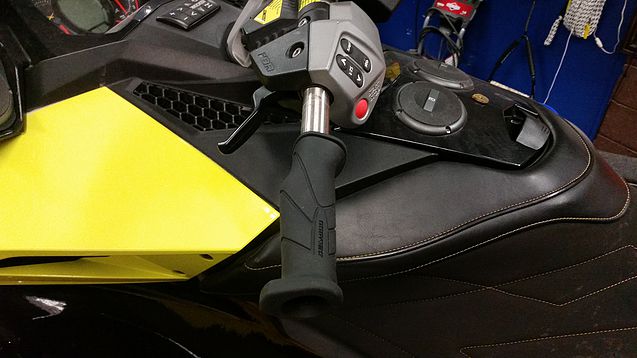
When the 2016 models were released we were intrigued by the new innovative design of the “palm rest” handlebar grips. We ordered 6 pairs from our local dealer (click here to find your local Sea-Doo dealer) and within a few days they had arrived. Swapping the grips takes under one minute each side and can be done using a 10MM socket and wrench, and a slotted (blade) screwdriver.
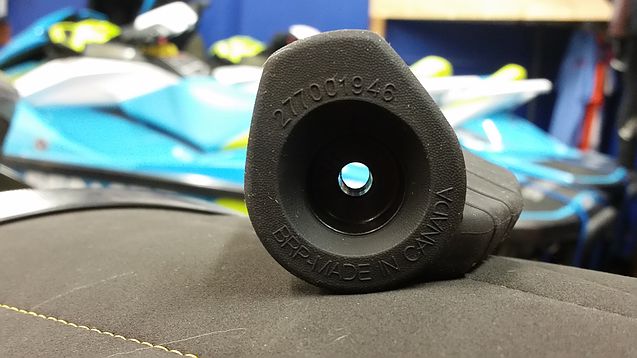
When calling your local dealer to order your grips, provide the parts numbers #277001946 and #277001958 – each of which cost $17. Although all 2016 Sea-Doo models will be equipped with new handlebar grips from the factory, these new grips fit all 2002-through-2015 Sea-Doo models (including the Spark).
Above left: Here you can see side-by-side comparisons of the previous grips against the new palm rest 2016 grips. Above right: Our 2015 GTI 155 SE and 2013 RXP-X 260 served as our guinea pigs.
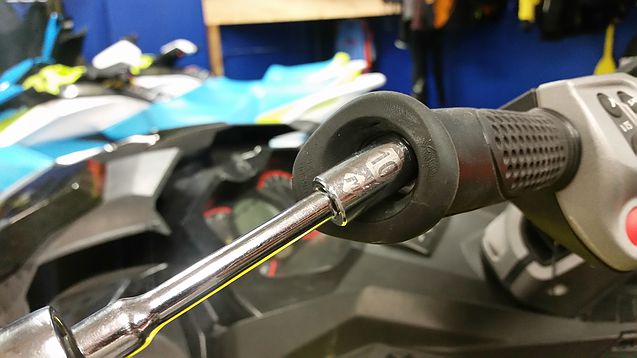
Top left: The screwdriver is used to remove the rubber end cap. Top middle: The 10mm socket loosens the nut holding the grip in place. Top right: With both removed, the grip slides off. Bottom left: The 2016 grip mounts identically as the previous grip. Bottom middle: Re-tighten your bolt. Bottom right: The change takes literally minutes.
The new design prevents wrist over-extension, improves overall grip and reduces fatigue, with the flared surface acting as a palm rest for a better ergonomic fit for the hand adding comfort during extended riding.
Here you’ll see the few steps needed to exchange your pre-2016 factory Sea-Doo hand grips with the new ergonomically-designed palm rest grips. As stated earlier, it only takes a couple of minutes to make the change.
<
►
>
The original article “Upgrade your Grips – 2016 Model!” was first published by TorontoPWC.com January 24th, 2016 and can be read in its originality HERE.
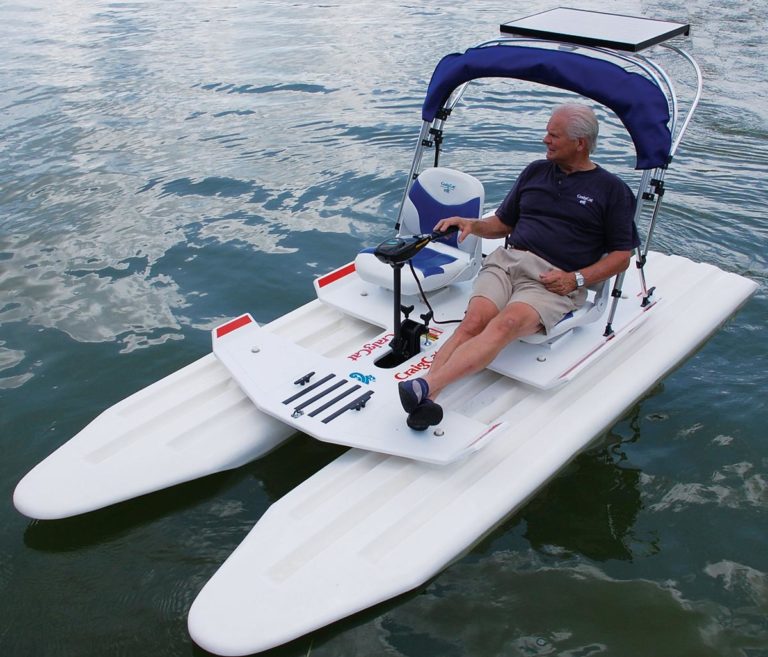
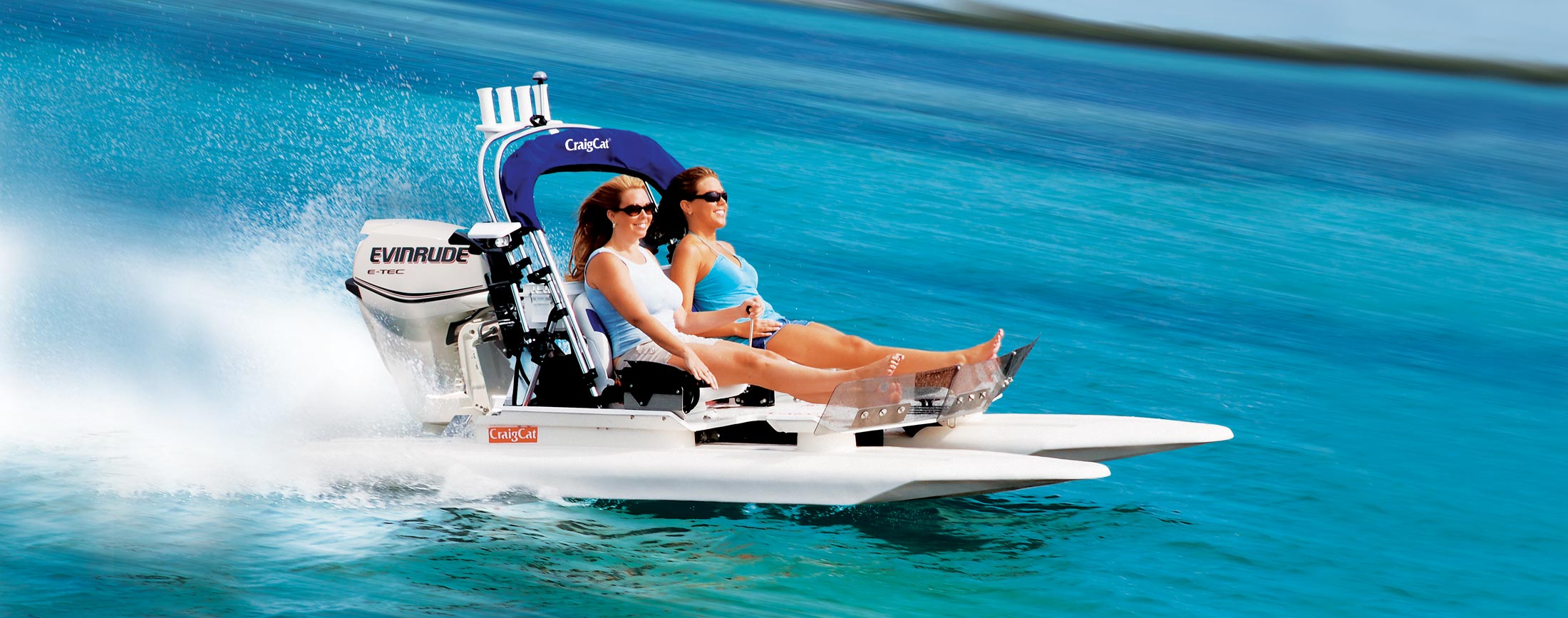
Looking to change it it up some in 2016? CraigCat has some rather unique crafts we think are worth a look. They have a series of small two-seater “catamarans”, that while only equipped with 25-30 horsepower engines, look like they would be quite fun.
The E2 Elite is the top-of-the-line, performance model of the fleet. It is also loaded down with popular features, such as a premium, user friendly sound system, a bimini top, four fishing rod holders, and much more. The E2 Elite is also available in special editions for a little extra coin. The special editions are essentially an E2 Elite with a different style to them (different color tops, seats, unique graphics, etc.).
The packages offered are the Tahitian, Key West, and Camo editions. The E2 Elite boats also come with an option of either a 25 horsepower Evinrude E-Tec engine or a 30 horsepower Evinrude E-Tec engine. Equipped with a 30 horsepower engine, they are capable of speeds of 30 miles per hour.
Aside from the E2 series, CraigCat also has two other models, one of which is the Catch-It. The Catch-It was, as the name implies, designed with anglers in mind. It has all the features and accessories needed to make your fishing trips as enjoyable as possible, such as excessive storage, removable kingpin fishing seat, and a 30 pound trolling motor. The Catch-It is also available in the special editions mentioned above.
CraigCat also offers electric models for those after quiet operation or protecting the environment. The base model, as you’d suspect, is the lowest priced product offered by CraigCat. It is a two-seater craft with minimal features. For just $100, you can upgrade to a four-seater model. The Maxx Electric is the high-end electric model from CraigCat. It has a more powerful propulsion system, an on-board charging system, deluxe seats, as well as more features. You can get the electric models in the special editions as well.
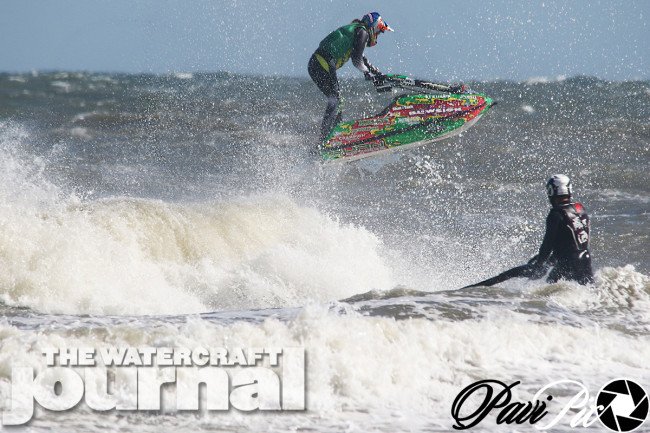
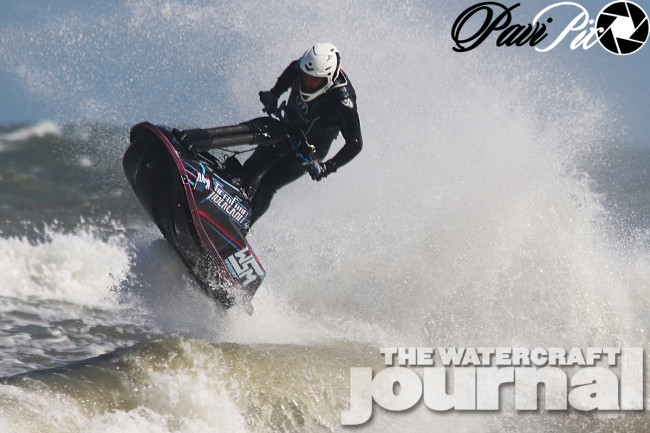
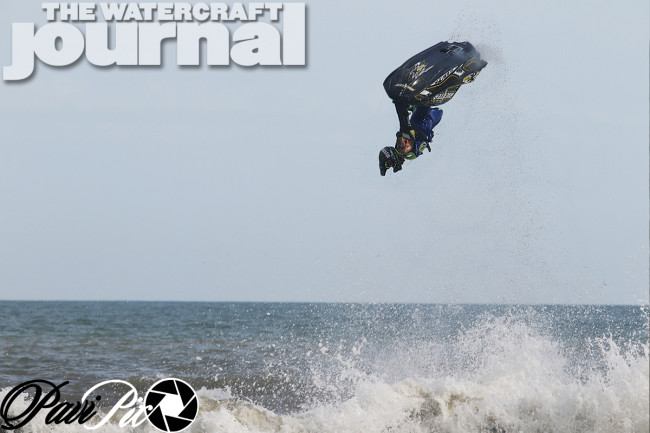
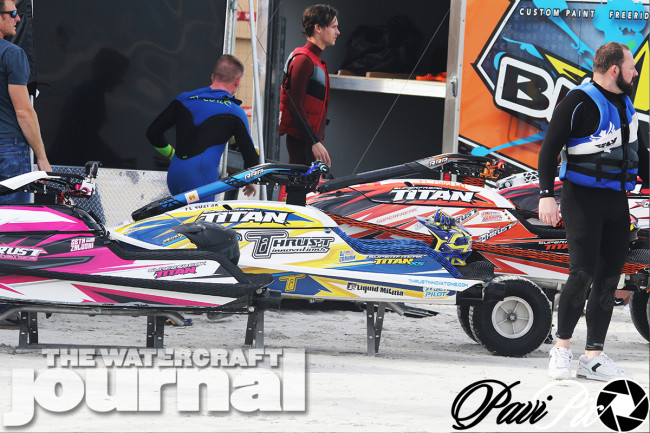
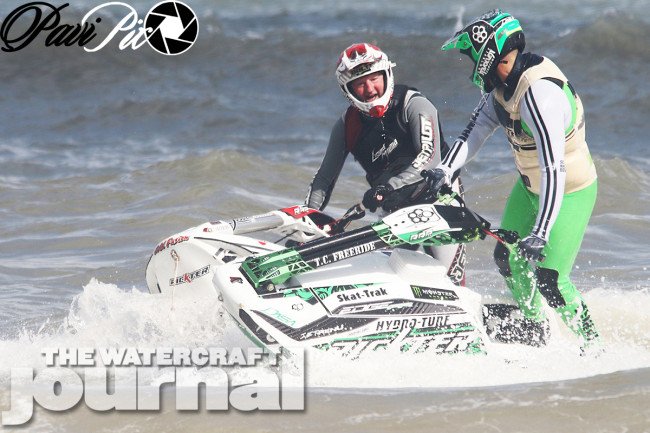
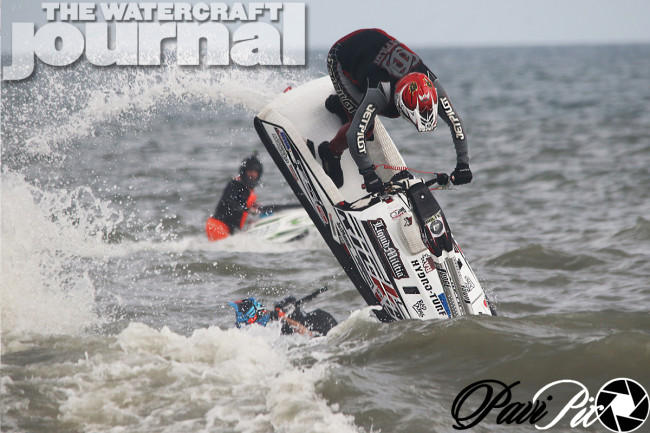
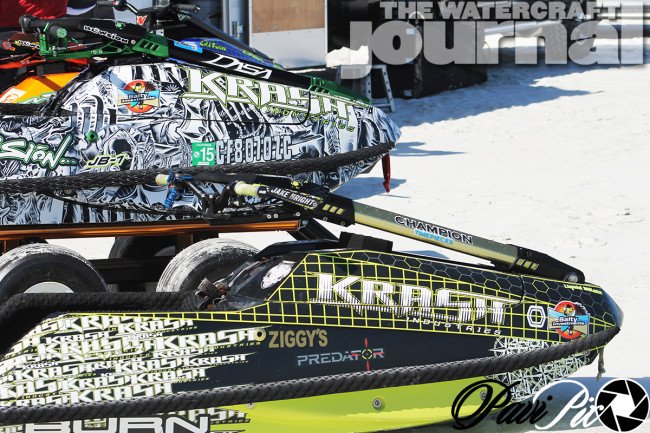
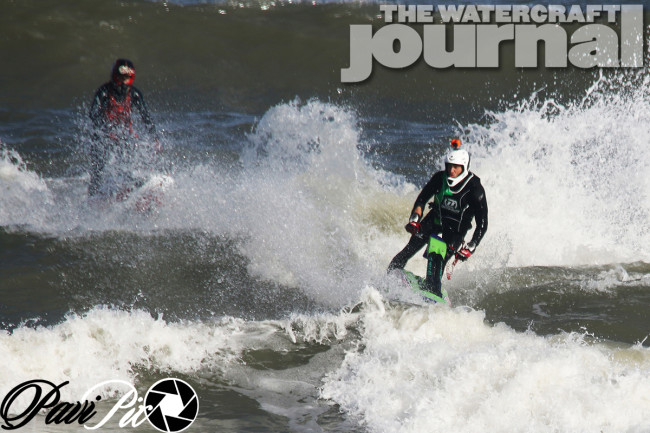
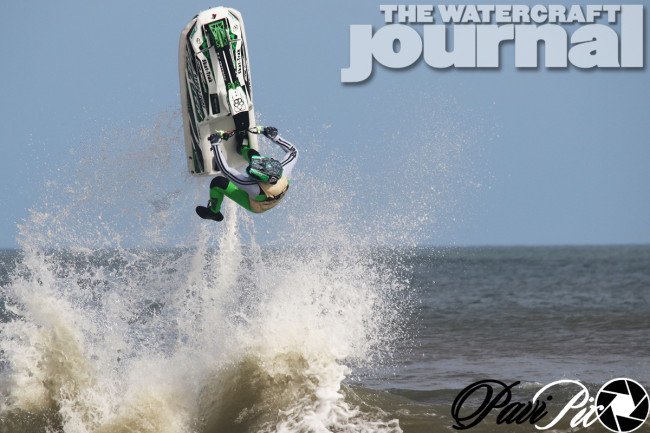
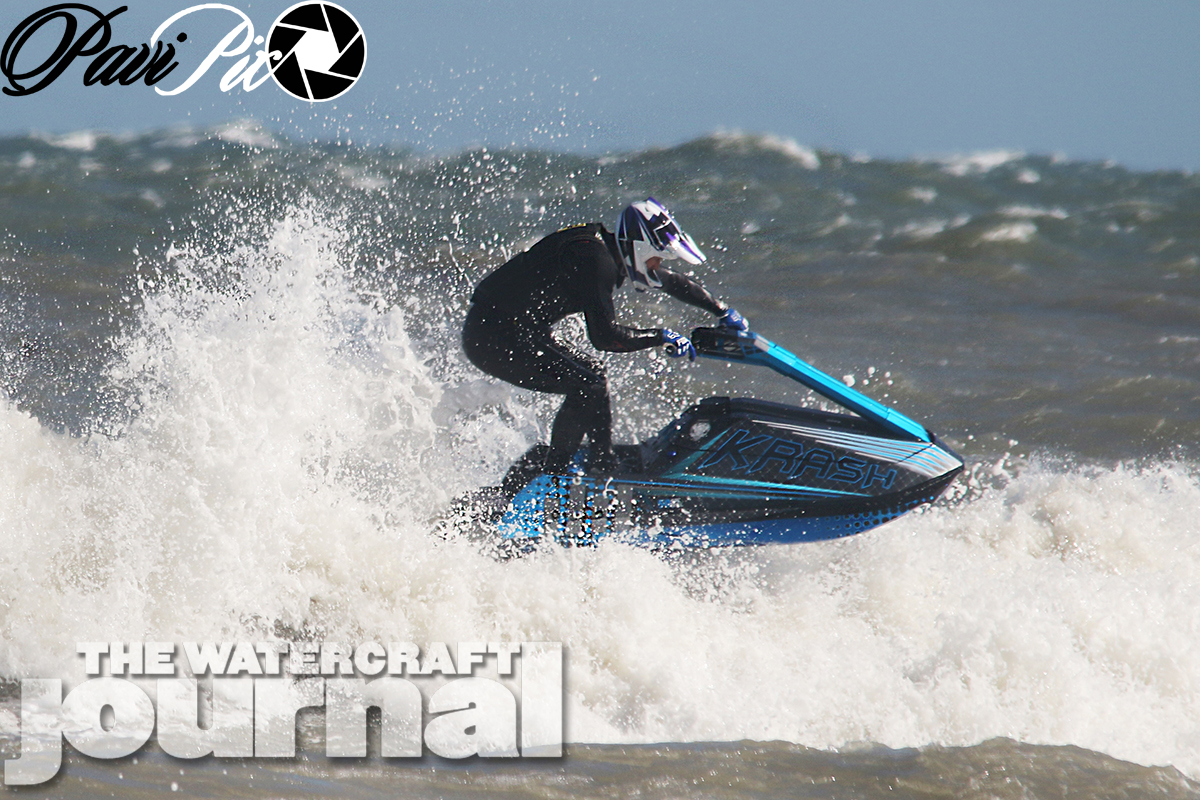
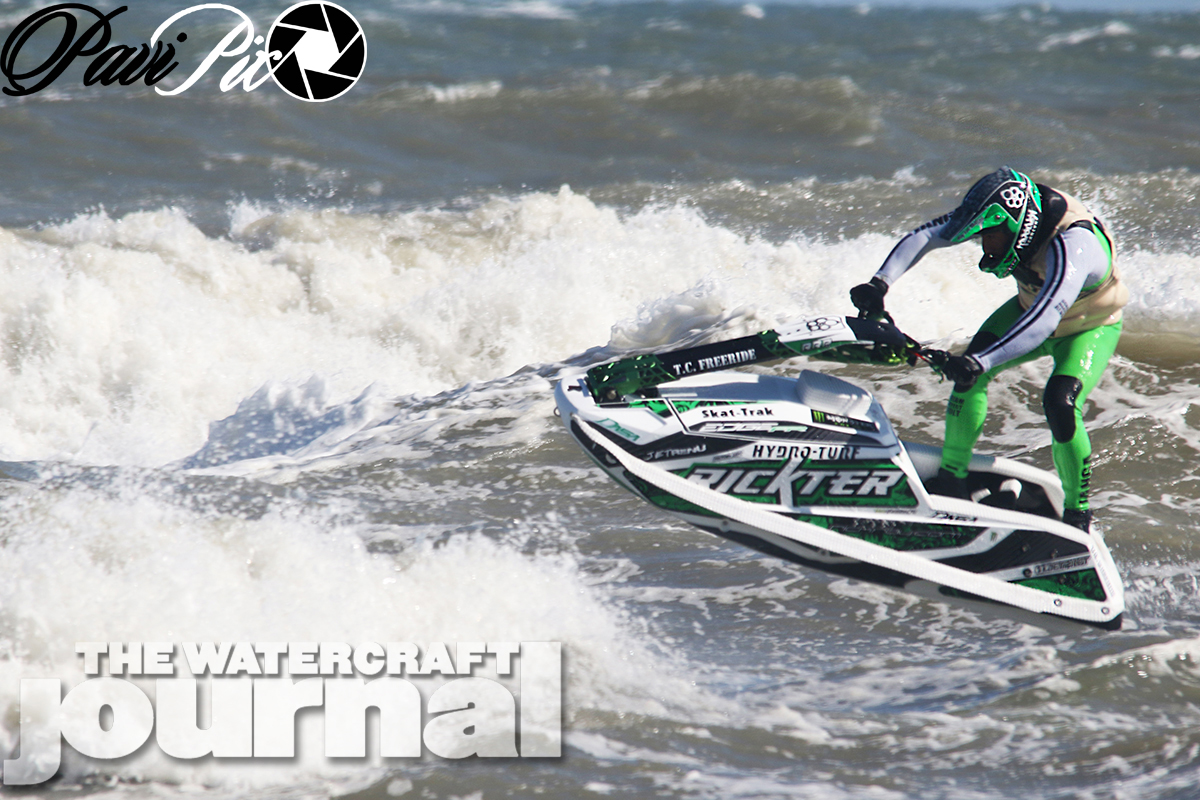
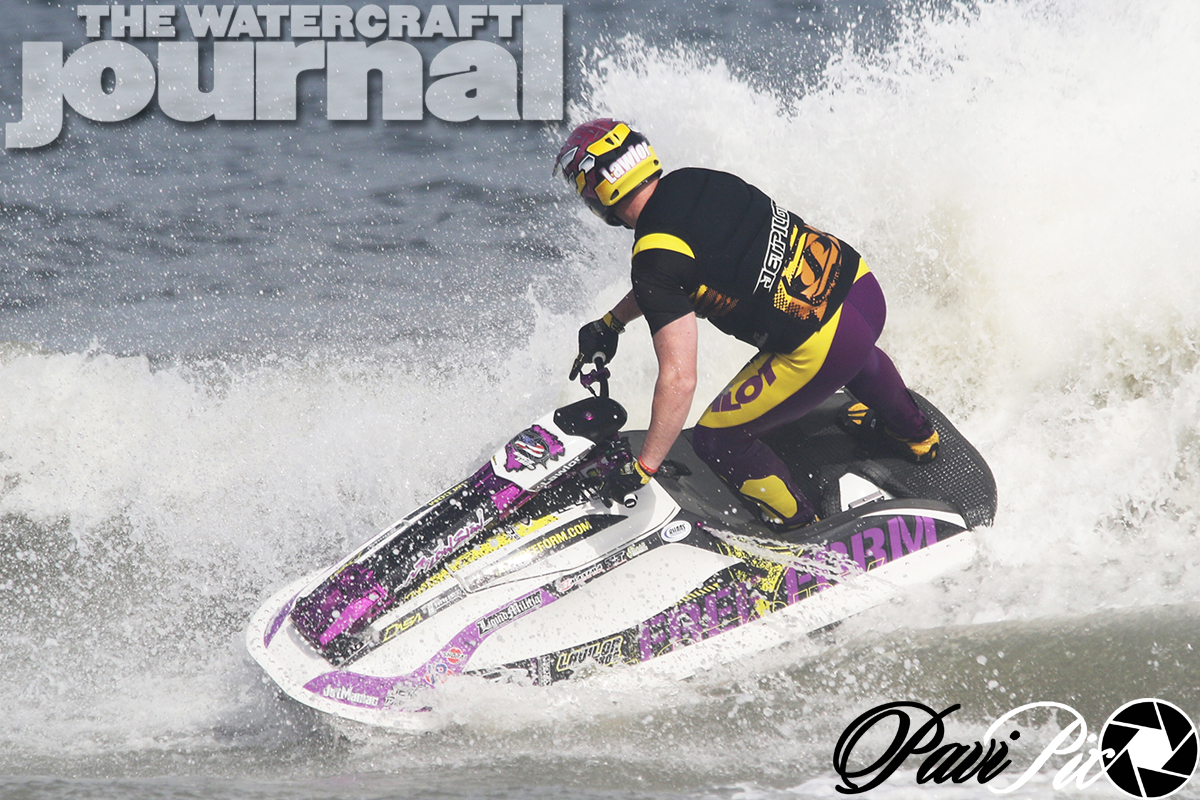
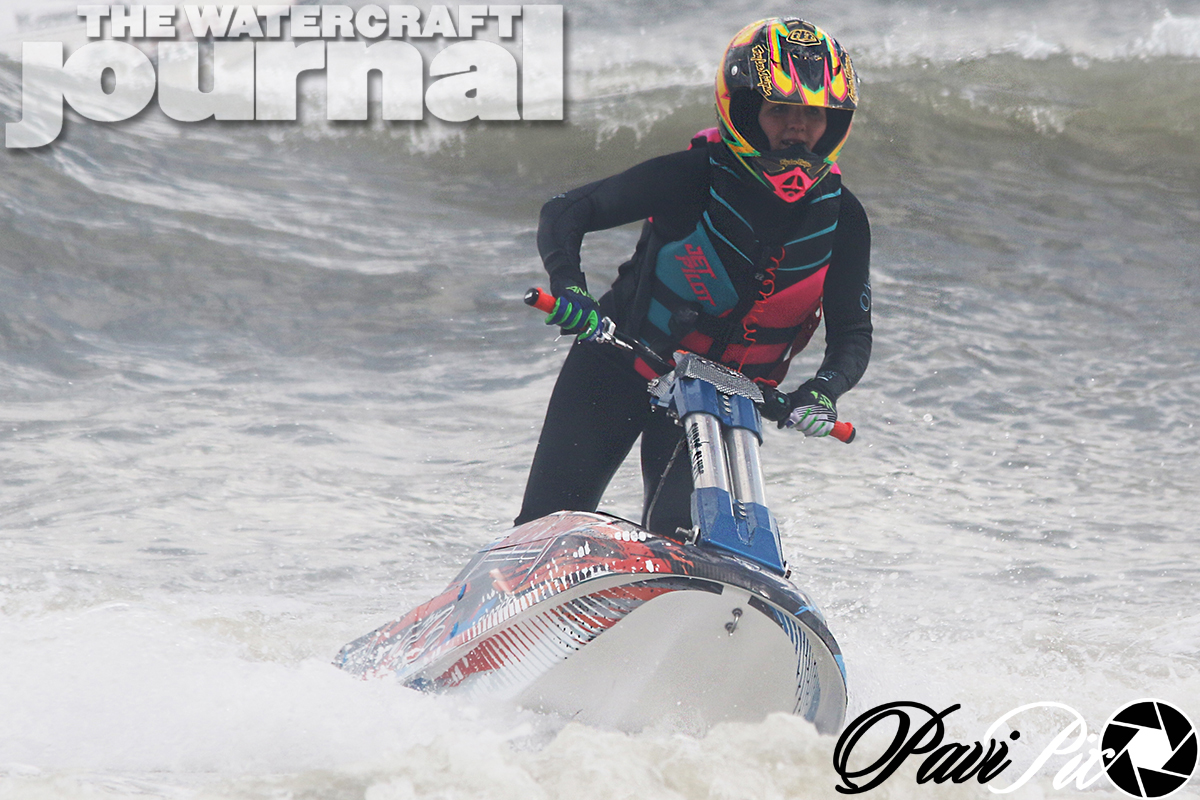
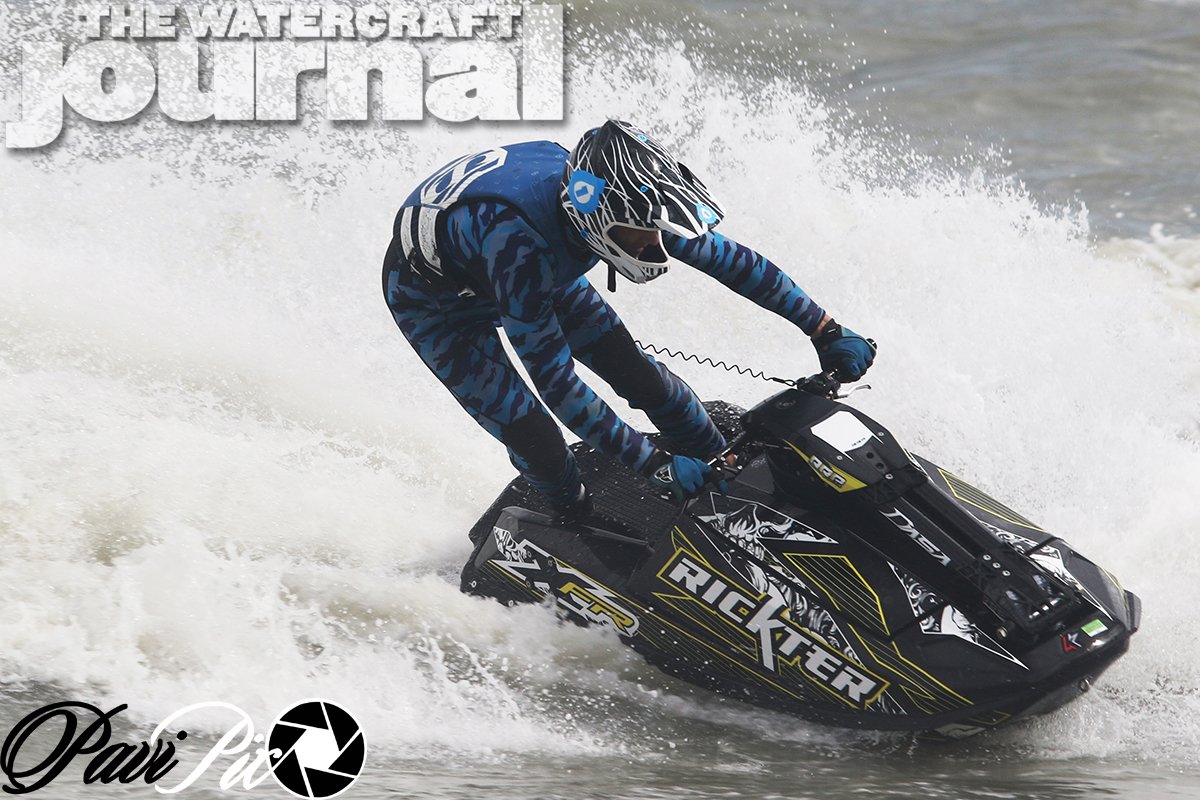
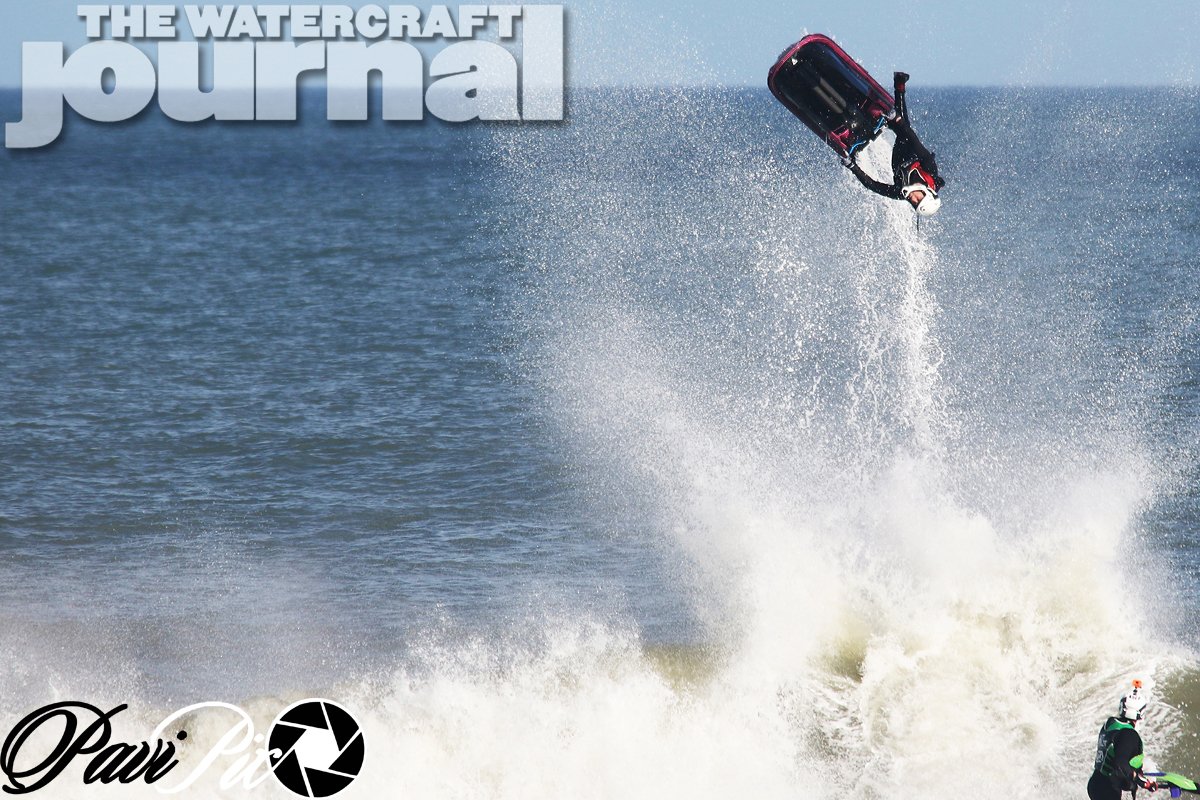
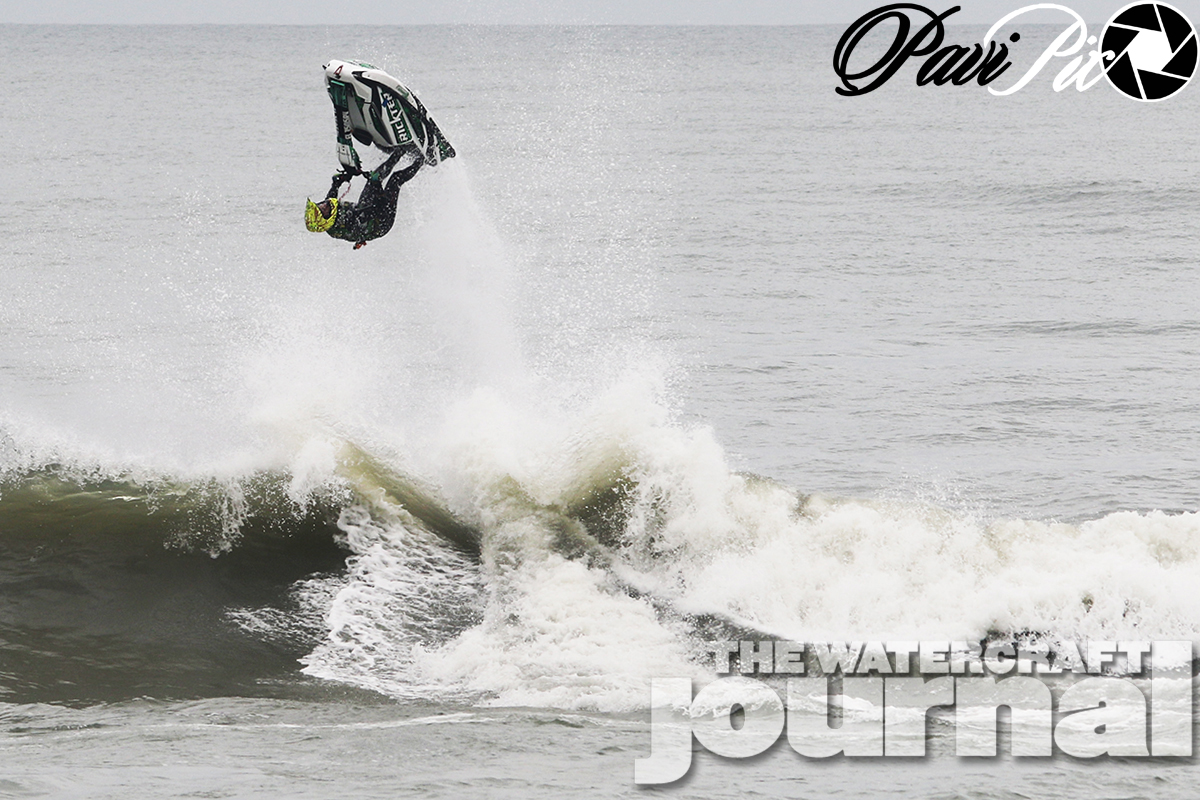
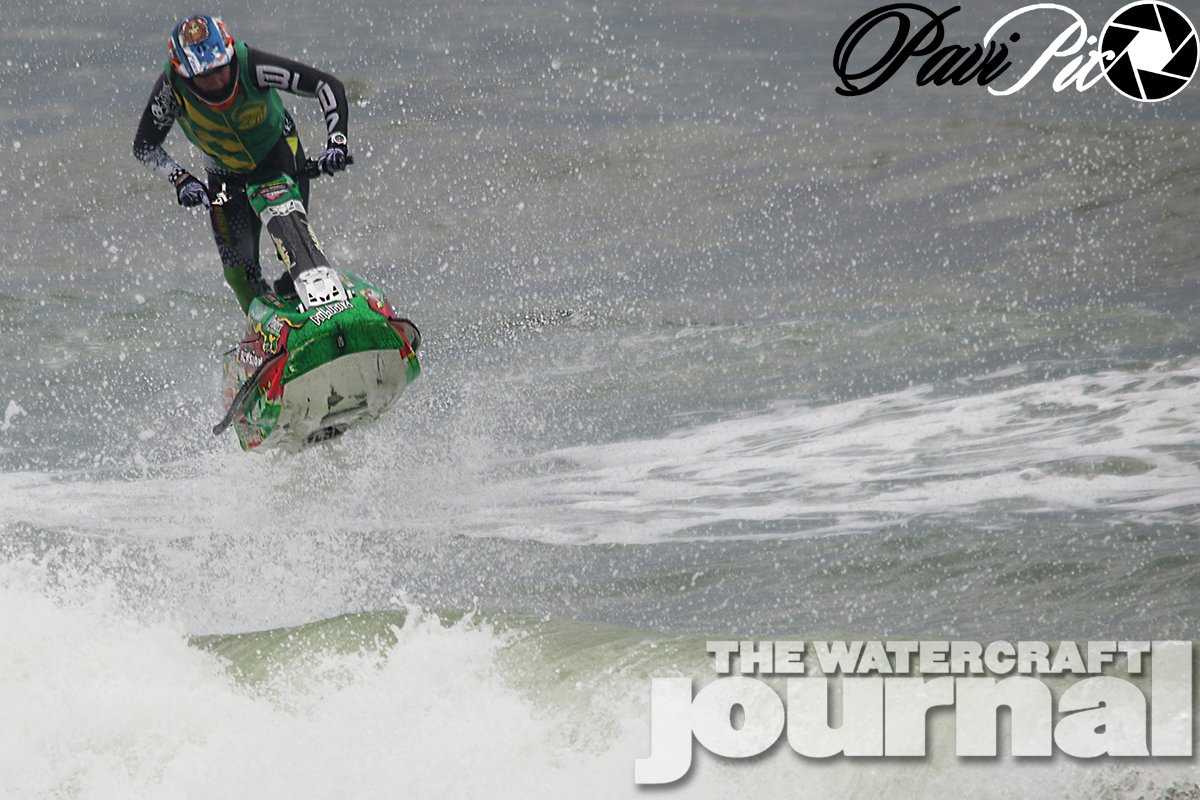
The jet ski freeride season was officially started with the 2016 Daytona Freeride just held on Daytona Beach in Florida from Thursday, January 14 to Sunday, January 17. The Daytona Freeride is the largest event of its kind in the world and it continues to grow each year. There were over 300 skis registered to ride during the event with many more coming without their own rides to demo the new skis on display, test others’ skis, or just to spectate and enjoy the party.
This year the title sponsor was Blacktip/Watercraft Superstore and presenting sponsors included Aquamoto, Super Freak, La Playa Resort & Suites, Exotic Signs, JetManiac, Jet Renu, MotoOption, Rad Dudes, Thrust Innovations, Braap Werks, Extreem Throttle, Huck It Brand by Racu, Fast Elements, and Rickter/RRP.
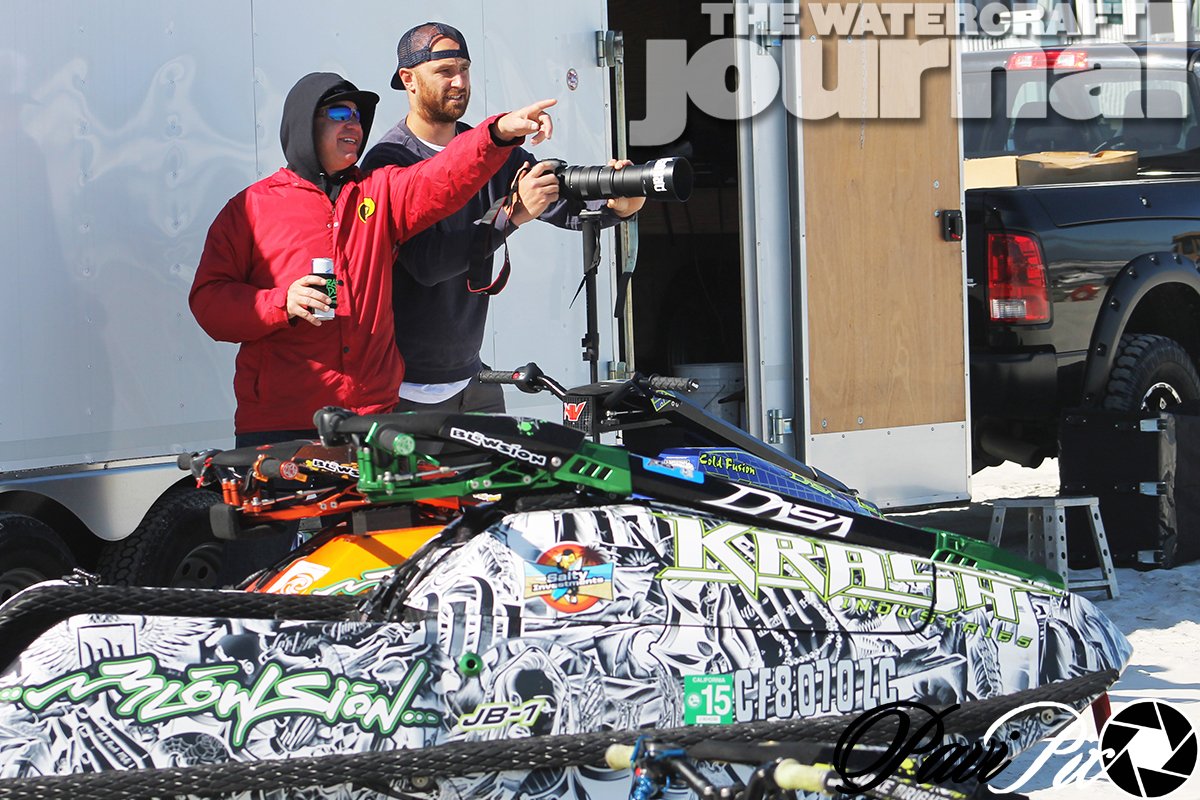
Riders came from all over the US as usual, with many international riders flying in for the ride as well. Blowsion, Krash, and TC Freeride drove cross country to represent the West Coast freeriders. RRP had a bunch of riders including Jose Leger down from Canada to ride as well. Pro riders included Zach and Jake Bright, Brandon and Randy Lawlor, Nick Barton, Mark Gomez, Abraham Ho from Mexico, and others. Many top amateur freeriders were there as well. Stephen Foot from the UK was there lining up and meeting sponsors for the UK freeride championship “The Battle of the Pilots.” Arno Olbricht from Hydro-Turf was in attendance as well.
The “Freeride Pre-ride” started the weekend before the official event and it is popular time to ride for those who come for a week vacation. Also it is a good time to ride without as many skis in the water and to tune skis before the main event. This year, the surf conditions were big before the event with several days of overhead conditions on Friday and Saturday.
The weather was relatively warm for the event and the surf was much better than last year as well. There was considerable rain on Friday as a storm blew through, but once it cleared out, the surf and weather were great. Friday night was the second annual JetManiac party in the La Playa Hotel ballroom. The aftermarket hull show at the party is always popular and this year featured new hulls from TigerCraft, Free Form Factory, Krash, and SuperFreak. Also there was a screening of a new freeride video by Spectrum Innovations as well.
The main day of the event is on Saturday and it was sunny and warm. There were lots of vendors selling and displaying freeride skis and parts including Jettribe, Thrust Innovations, MotoOption, and of course, the Watercraft Superstore. Everything from complete skis to hulls and parts were available behind the La Playa host hotel. JetManiac even converted the beachside gazebo into a full beachside parts store.
The Surf ‘n Style competition sponsored by MotoOption was held on Saturday. Hydro-Turf’s Mark Gomez wrote: “After a crazy rough, scattered-condition 4-minute surf-only heat, I pulled off the win against some of the greatest surf riders at the event. These guys all shred and I’m humbled to have been able to pull off the win and get my title back here at Daytona. Such a great event. Family, friends, riders, good waves and good vibes! This is the best event to start the year!”
Gomez was followed by Zack Bright in second, and Ken Cupo in third. After Saturday’s riding was finished was the freeride raffle with lots of great products from all of the sponsors. Saturday night brought another “back flipping in the pool” show. This time Mark Gomez did three flips in a row. Then he was joined by Chris Langlais and they did simultaneous back flips from each direction that had the crowd roaring!
Langlais said, “Last night Mark Gomez and I did the best pool show [the] Daytona [Freeride] has ever seen! We had so much fun!” Gomez added, “With my ski in the pool and everyone going nuts with cameras flashing, I pulled off 3 flips in a row. Then, a last minute guest Chris from X-metal joined in, and we pulled off two sync’ed backflips together in that pool.” It was another awesome freeride in Daytona, see you all next year!
Full-sized runabouts have found quite an audience with professional surfers – in fact, they have for quite some time, dating back to years prior to their invention, when Randy Laine used a wheezing two-stroke Kawasaki 550 to tow his brother behind him into the face of Hawaii’s monster waves.
Since those pioneering days, tow-in surfing, as it has come to be known, has become a major component of the sport of surfing’s evolution. Not only have the athletes raised their game to compete on waves that previously were off-limits to paddle-in surfers, but so has the equipment improved.
All of this though, is to successfully ride waves that were so massive they were considered fatal to fishermen and boaters half a century earlier. Now, they are coliseums for the world’s mightiest watermen, daring Neptune to throw his mightiest swing. Unfortunately though, the Old King of the Sea has a lot left in that arm of his.
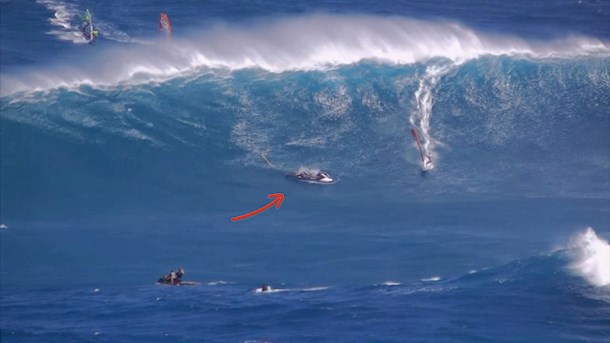
Watch as one such wave utterly obliterates a tow-in runabout PWC that apparently looks to have stalled directly in the impact zone at Hawaii’s infamous Jaws big wave destination. Filmed by Garage Entertainment, they write:
“Yep, it’s a jetski going over the falls on a solid 50ft mountain of water at JAWS, the driver managed to press eject just moments before impact, hit that play button and watch the chaos unfold!
“This video gives you a good idea of how heavy JAWS can be with both the waves and the crowds, pro stand up paddleboarder Rob Naish talks about the wave and it’s popularity over the past few years, quite the circus.”
Below is a brief teaser of the carnage. To watch the full, unedited version of the video, click HERE.
Listen, if the government wants to know where you are, or what you’re doing, they already know. Even with your smartphone’s geo-services features deactivated, you’re still emitting a traceable signal. And our penchant to over-disclose on our own social media pages is enough to indite many criminals stupid enough to take selfies at the scene of the crime. Orwell’s “big brother” is very much a reality and is, for the most part, self-inflicted. So here are your choices: 1. smash your phone, cancel your social accounts, quit your job, learn to hunt and grow your own fruits and veggies, move out to a wilderness preserve and drop off the face of the earth; or 2. embrace being part of the Matrix, and enjoy all the conveniences provided by modern living.
The Watercraft Journal recently caught wind of a very interesting geo-tracking system – OtoTrak – for track an unlimited number of watercraft from any location in the world via smartphone/tablet. The world’s first cloud-based remote system for personal watercraft (PWC), OtoTrak is a “complete turn-key solutions for real-time tracking and remote controlling of any number of personal watercrafts, providing the best possible management and security for our customers’ personal watercraft fleets.” Now, before you start to panic over the words “remote controlling,” let’s explain what exactly the OtoTrak is.
Once the OtoTrak module is installed (on any post-2009 Sea-Doo or Yamaha WaveRunner with electronic “fly-by-wire” throttle control) it starts collecting data (GPS position, throttle, speed, fuel, running time) and transmits it to server. Besides gathering precise running time and fuel economy, it tracks how close two OtoTrak-equipped skis are getting to each other, the shoreline or land masses, and can lower engine rpms to avoid a possible collision. This safety feature can also be applied to avoiding PWC theft, as the craft simply won’t run at all. At first blush, this looks to be an ideal application for rental fleets, but can be applied in a larger array of applications.
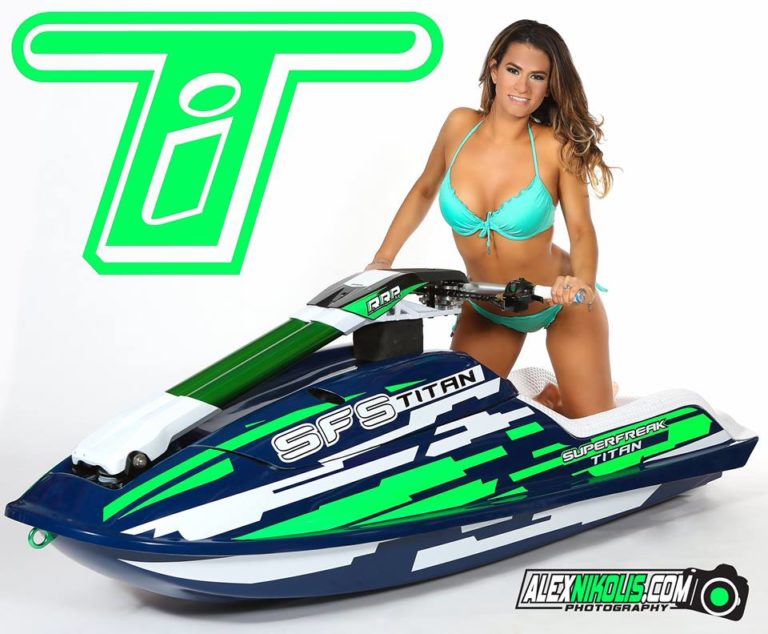
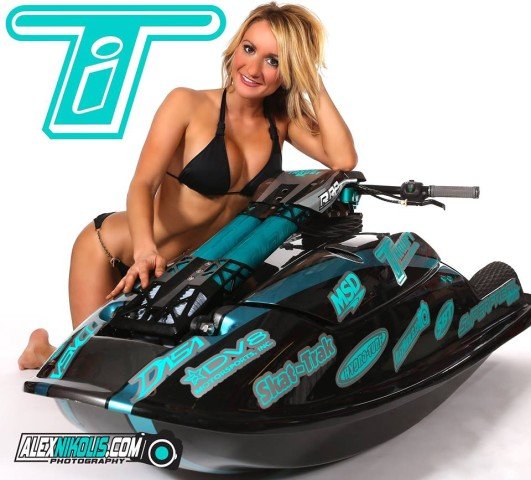
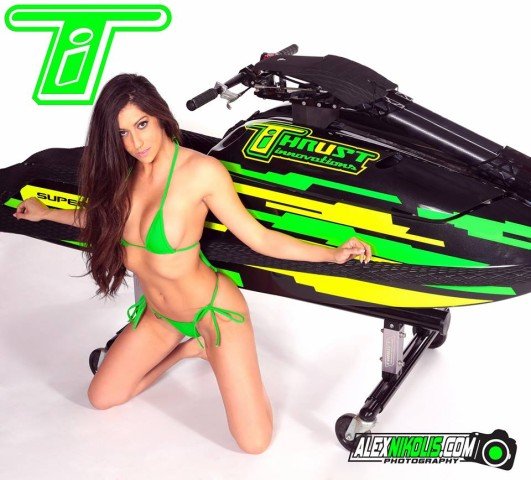
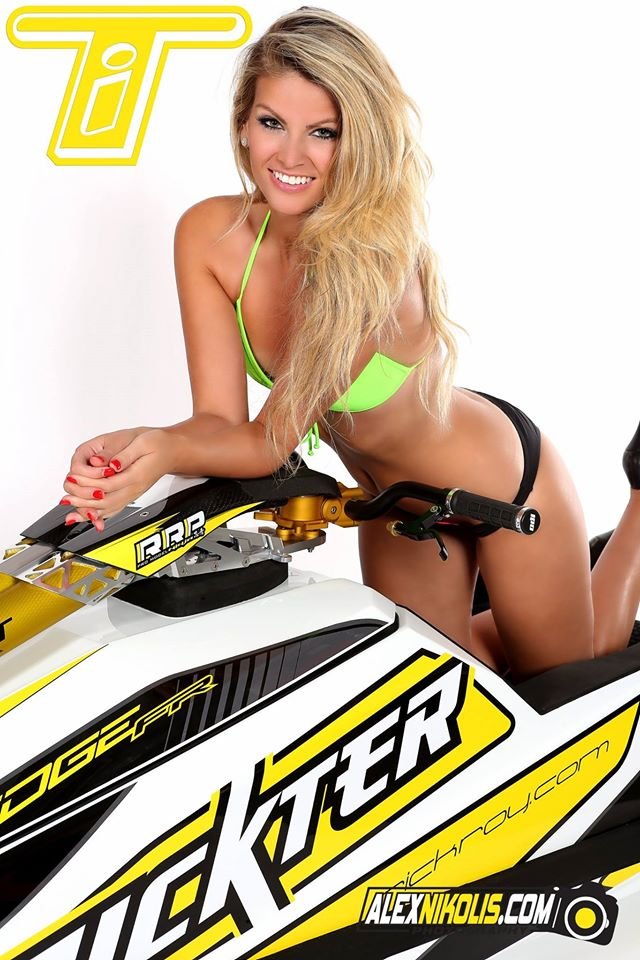
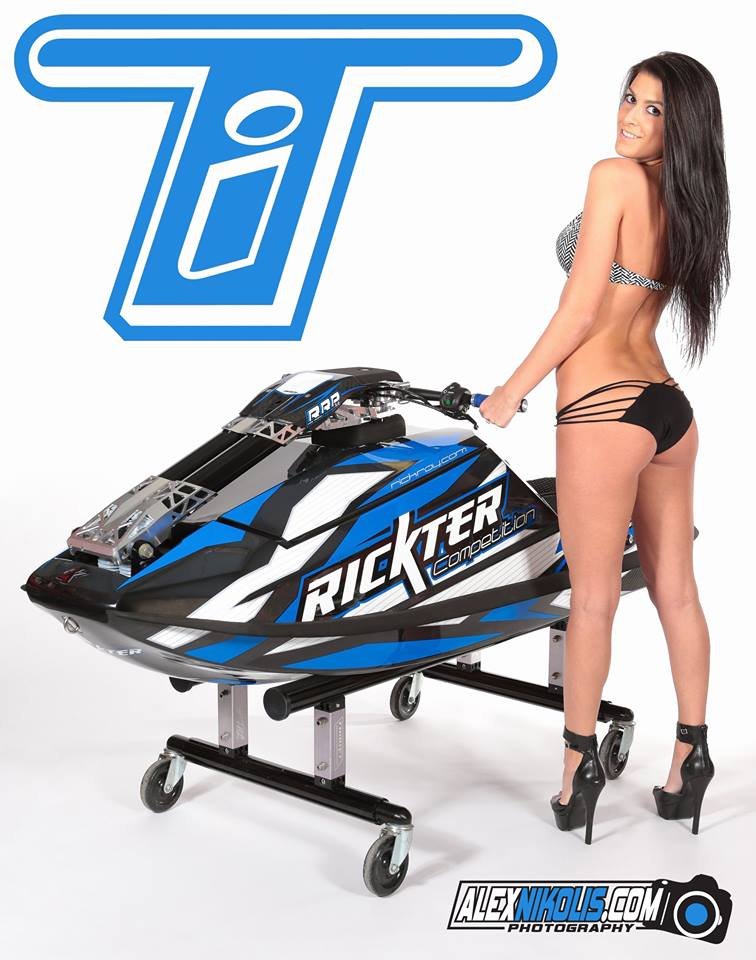
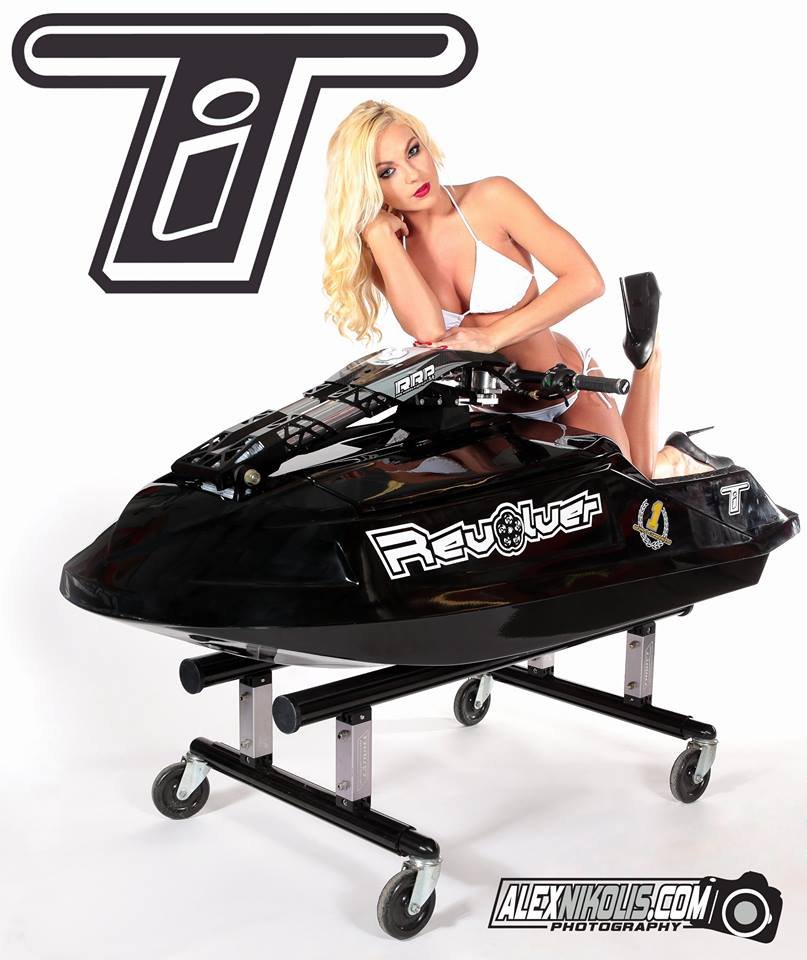
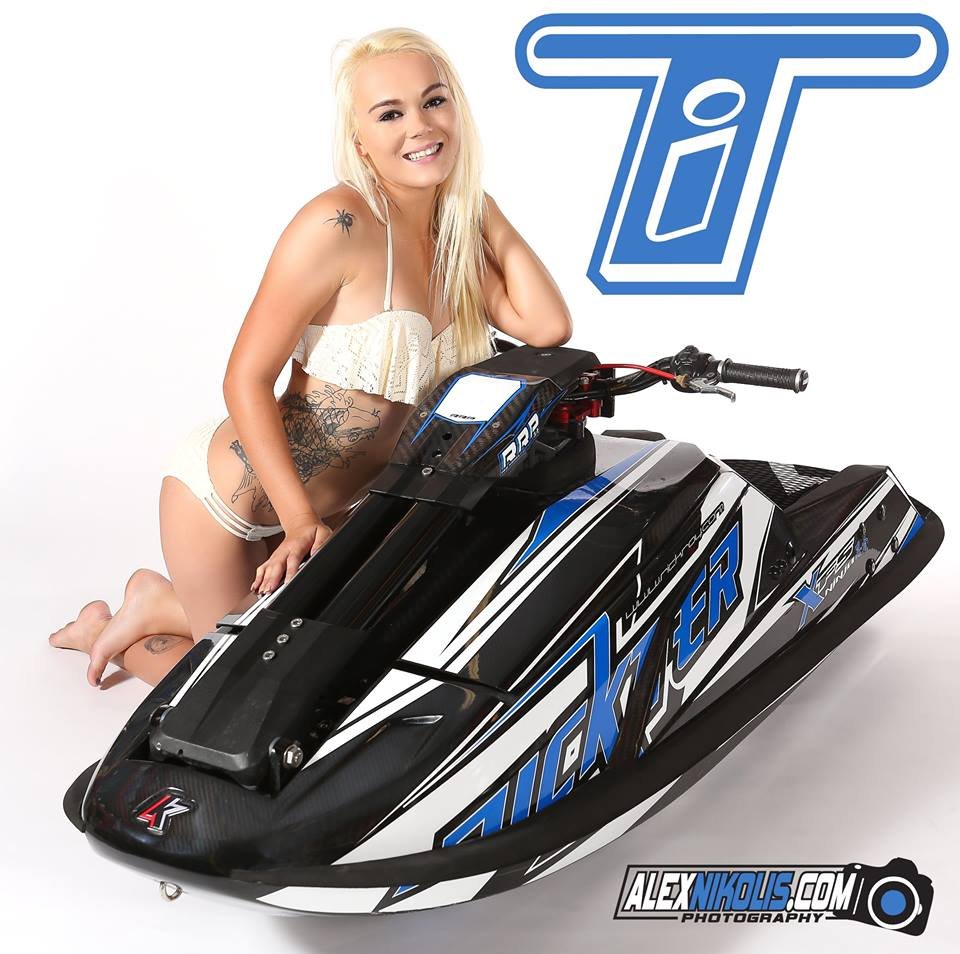
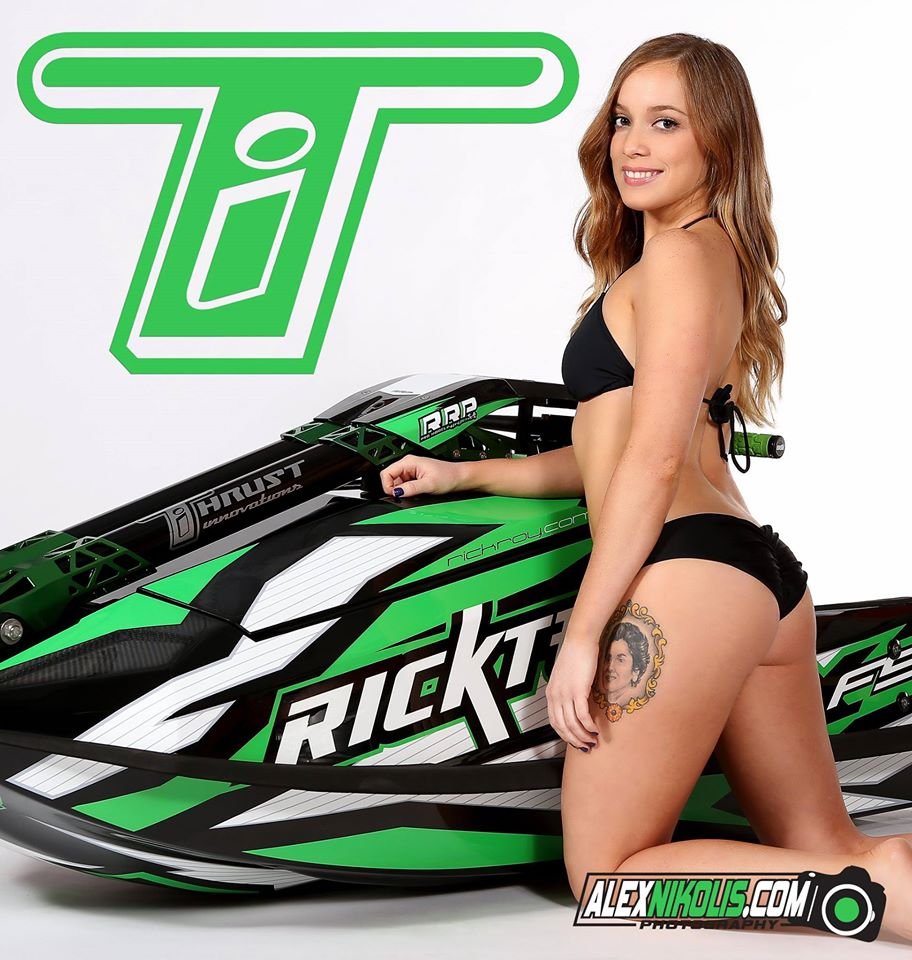
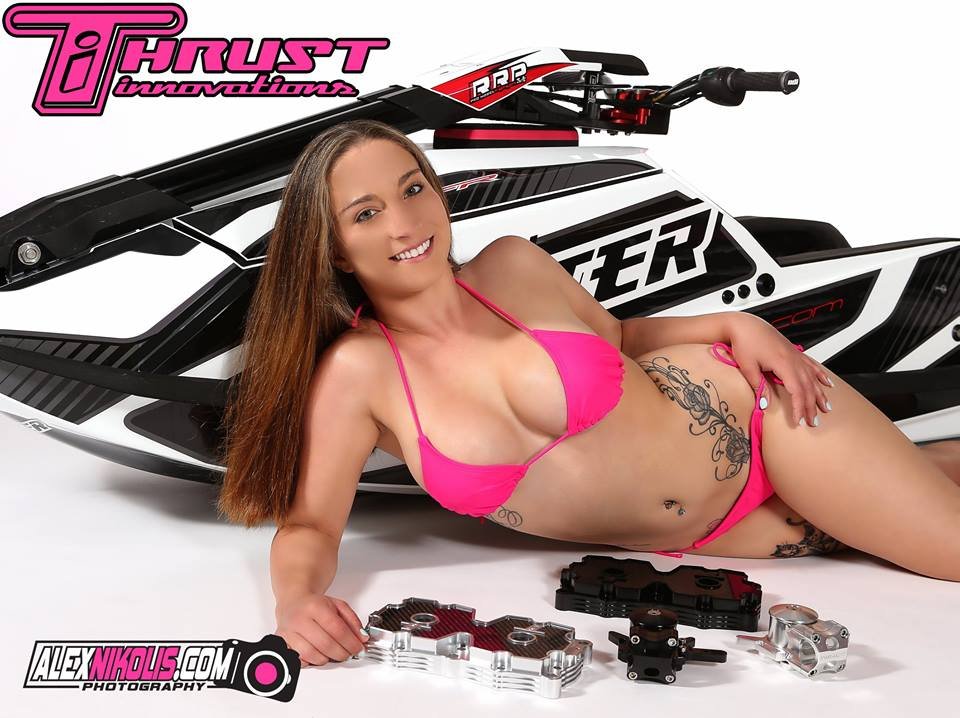
With the Daytona Freeride behind us, freeride and freestyle companies are now officially running at full speed finalizing their latest products before the new season hits. By now, many have already got their lightweight surf jumping skis built and close to dialed-in, so what’s left? Why the annual Miss Thrust Innovations contest, of course!
The team at Thrust have gathered together a near-dozen ladies (posing with some superbly awesome freeride and freestyle skis from some of the industry’s best hull designers and manufacturers including Rickter, Revolver, and Superfreak) in their finest bathing suits showing off their…lovely smiles!
The contest to see who will be crowned “Miss Thrust Innovations” begins now on Thrust’s official Facebook page (click HERE), where you can scroll the 11 pictures and “Like” the one you want to win. You have only 5 more days to vote before a winner is announced on January 25th. Here’s the official announcement:
“Ladies and Gentlemen, Here’s what everyone’s been waiting for: it’s time to vote for Miss Thrust Innovations 2015, here’s how:
“Below are the 11 candidates, ‘Like’ whichever girl’s photo you’d like to vote for. Voting will go for two weeks and on Monday evening, January the 25th, we will crown a winner. Remember only ‘Likes’ to the photo count!
Did you know that the Pro Watercross tour launched a monthly podcast starring multi-championship-winning racer and all-around affable guy Rob Flores last week? Yeah, neither did we. But hey, several hundred people did and gave the inaugural episode a listen, which is good news. The Watercross Nation Talk Show Hosted by Rob Flores is a monthly podcast wherein the host welcomes guests to chat about all things personal watercraft; from racing and tours, to freestyle and freeride, and some other stuff mingled in there too.
And besides being an avid listener (completely free to you, of course), you can also call in and get in the mix. In fact, Rob encourages it! In recent years we’ve seen podcasts come and go, so we’re hoping that the Watercross Nation Talk Show Hosted by Rob Flores will stick around a little while longer than the others. Presented by Pro Watercross, the official announcement revealing the next episode (this Saturday) will also have a guest host, Mikey Young! Here’s the announcement:
“Make sure to mark your calendar for the first official Watercross Nation Talk Show Hosted by Rob Flores and guest speaker Mikey Young on Saturday January January 23, 2016 @ 7pm Eastern / 4pm Pacific. The Talk Show will be monthly so, make sure not to miss this month’s show. Click the link to listen and/or dial in to get in on the conversation. Caller Dial In (215) 383-3886.”
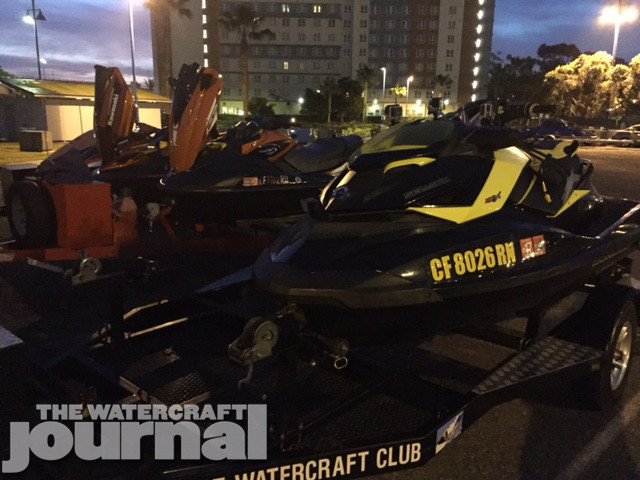
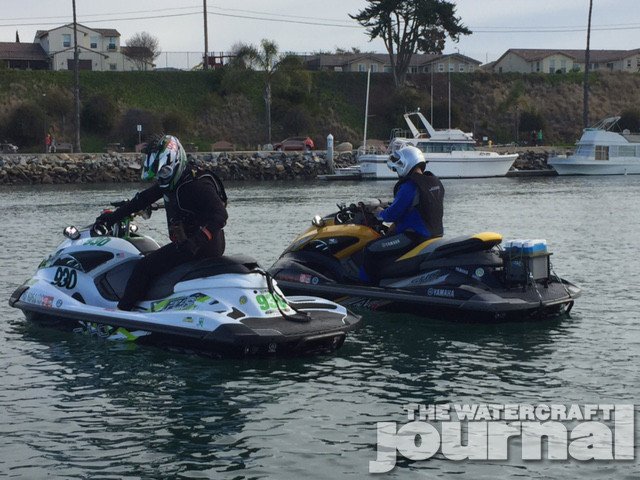
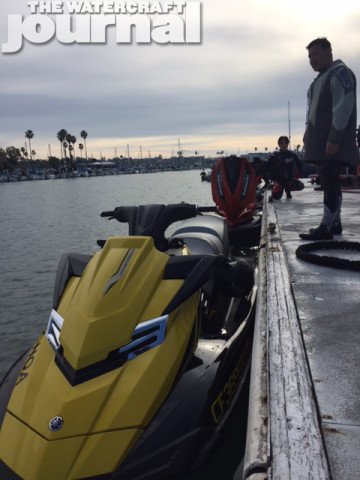
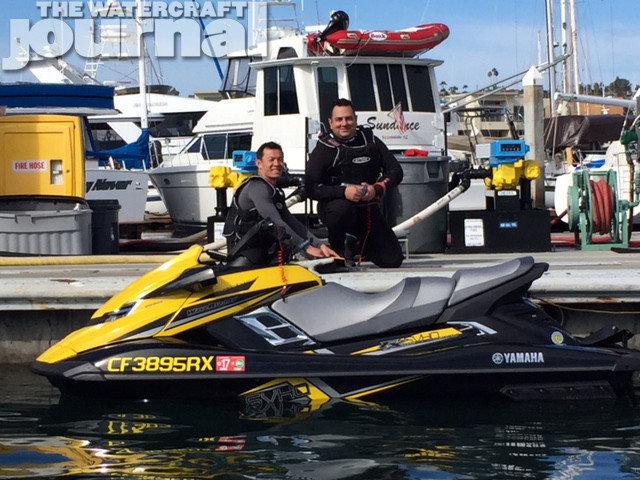
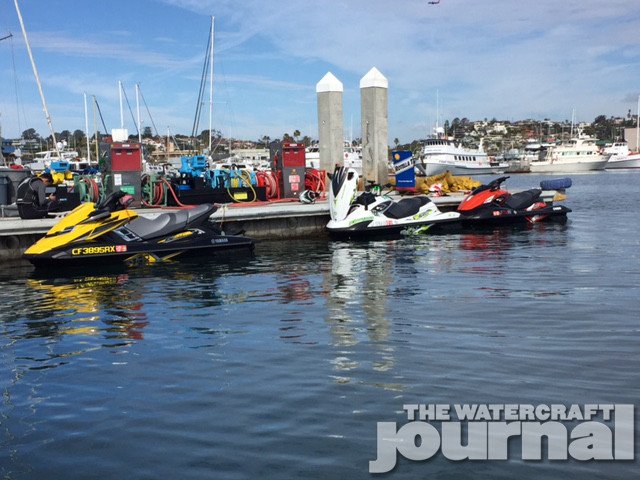
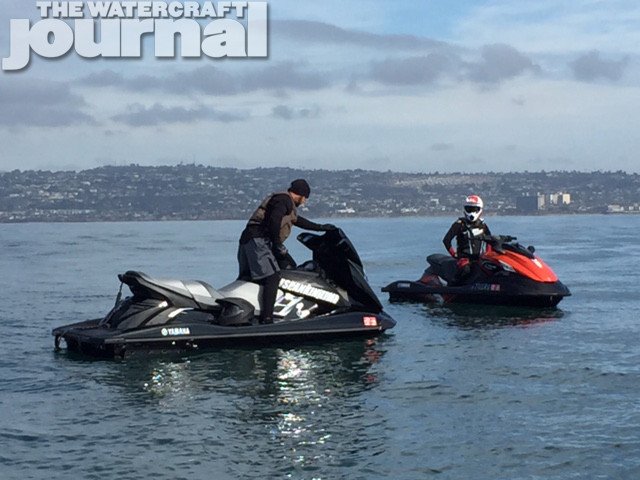
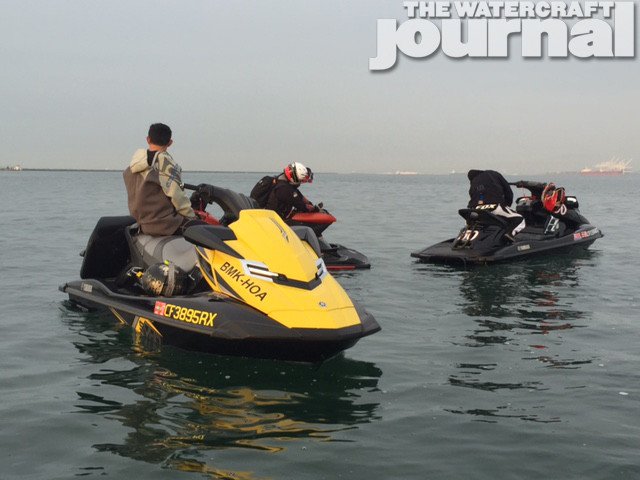
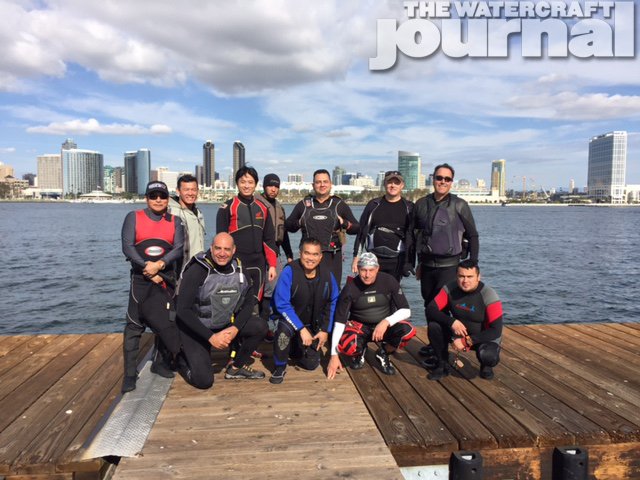
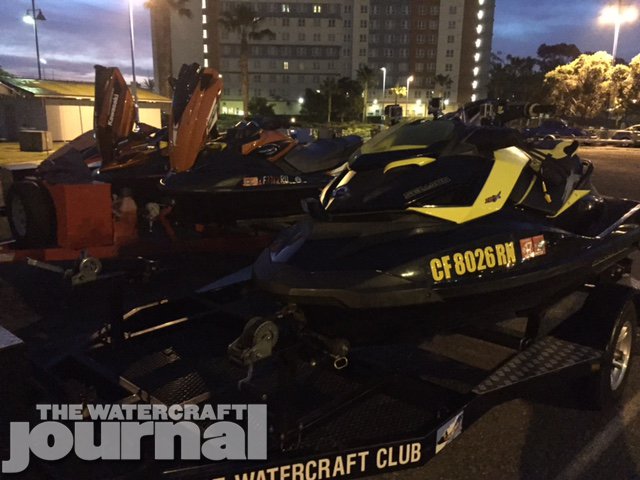
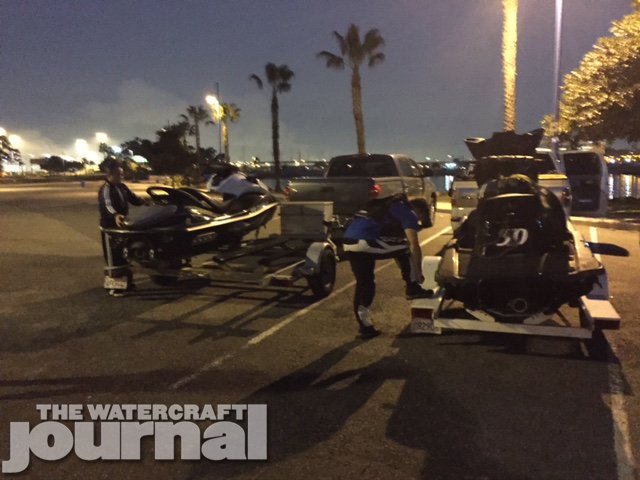
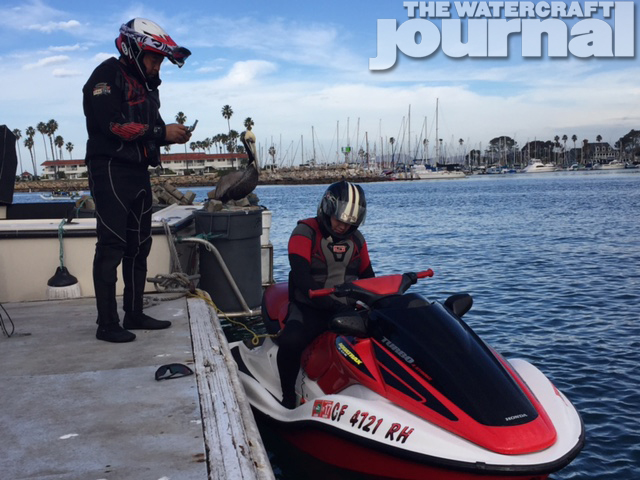
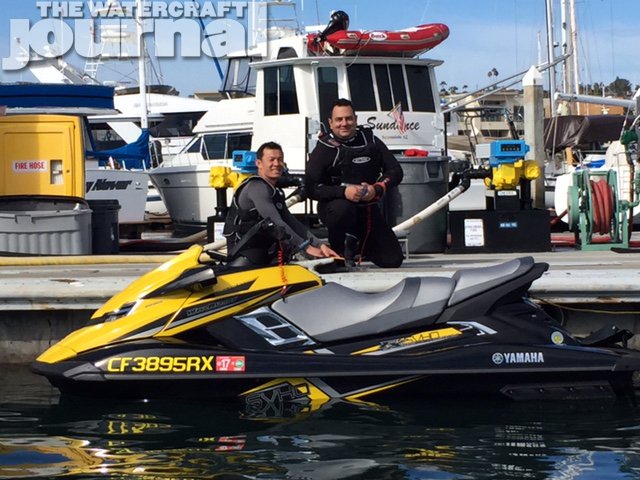
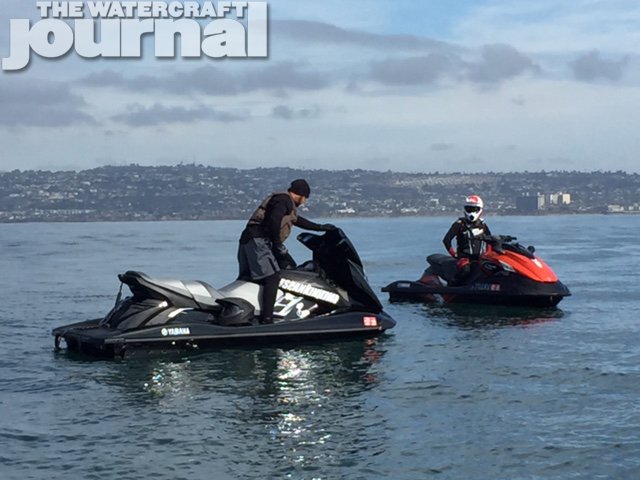
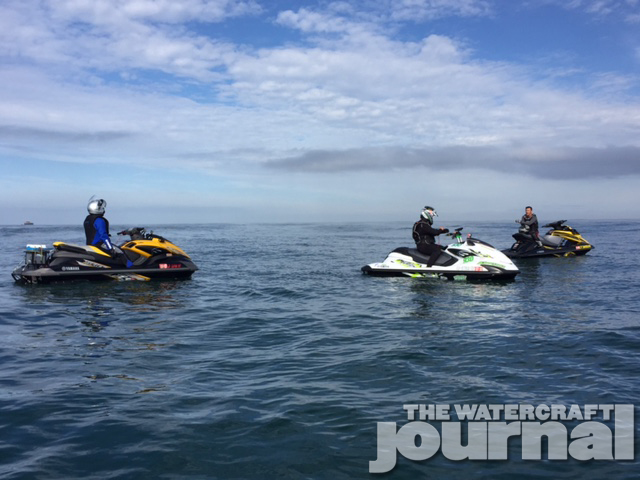
West Coast Watercraft Club had their annual Ironman 2 Jet Ski Adventure Ride from Long Beach to San Diego, California and back in one day, January 16, 2016, for a total of 222 miles. Our Long Beach crew consisted of seven riders and our Oceanside crew was five.
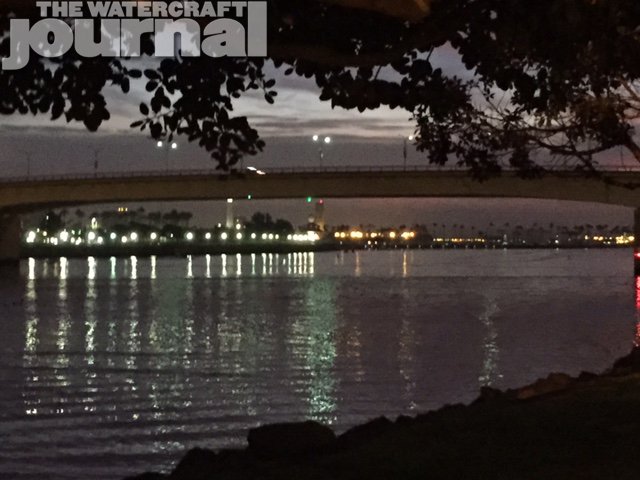
We met at The Queensway ramp in Long Beach at 6am sharp, and were launched by 6:30am, and on our way to Oceanside. The weather was partly cloudy, no wind, 50 degrees and calling for a 2-to-4 foot chop. Upon leaving the harbor we knew the weather report was wrong because it was a smooth sprint with little to no chop at 45mph riding 61 miles. We arrived at Oceanside on schedule at 8:30am.
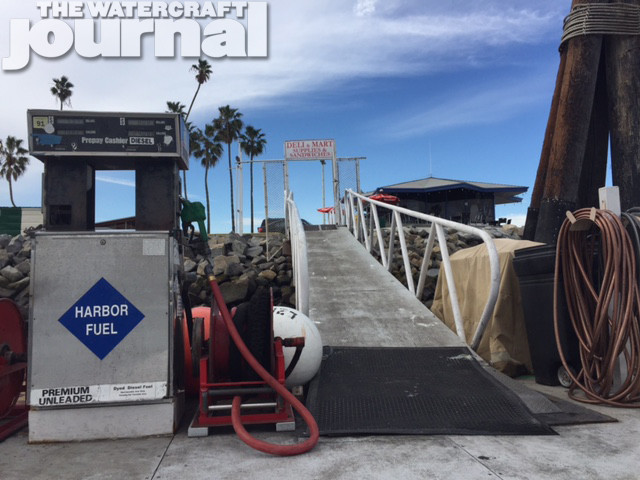
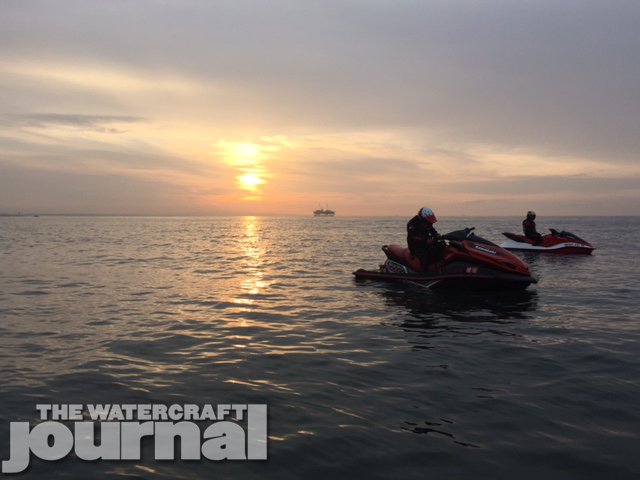
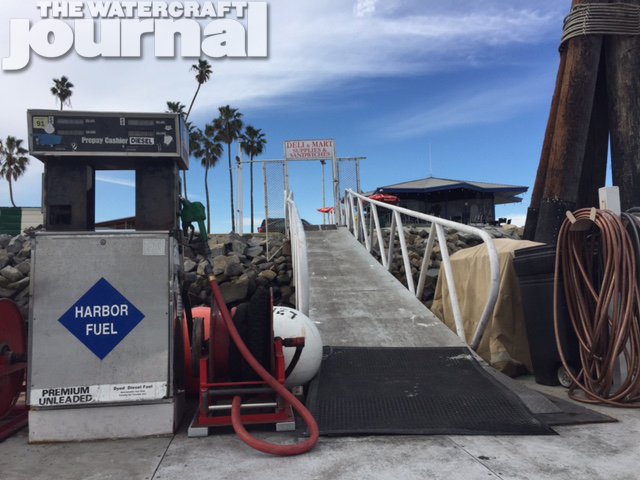
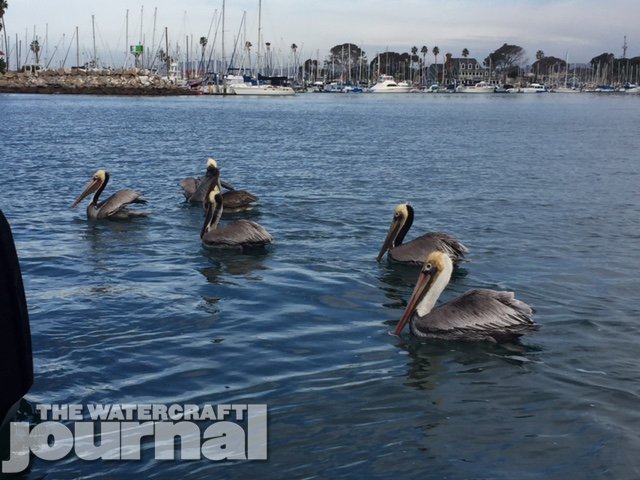
Upon arriving at Oceanside our five riders were ready to go and waited while we topped off our tanks for the next leg of our trip to San Diego. We left Oceanside Marina at 9:30am heading to San Diego for fuel and lunch. Our average speed was between 45-to-50 mph for the next leg of 50 miles of beautiful smooth ocean with lots of dolphins navigating our way.
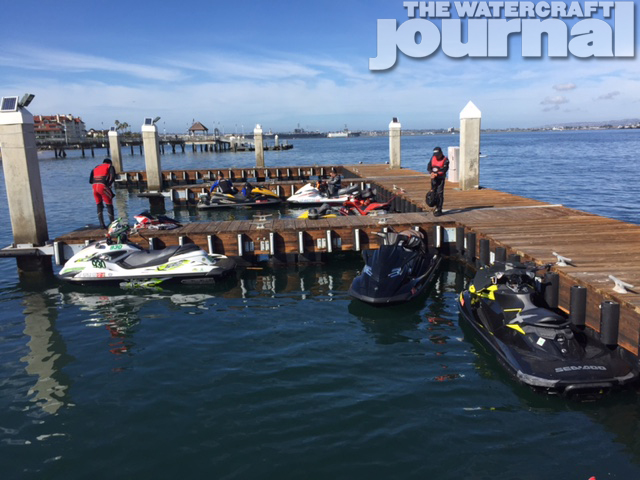
We arrived in San Diego’s Point Loma at 11am, we had a gathering to discuss who needed 91 octane and the group split up to accommodate their fuel needs. After refueling, we all headed for lunch in Coronado at The Village Pizzeria. After lunch, it was time to get going. We left Coronado at 1:30pm, about a half hour longer than usual. At this point it was getting a bit choppy in the channel and lots of sail boats were out enjoying the nice winter day.
Twenty-five miles into our ride back one of our riders, Tony had sucked up a rope floating in the ocean, probably one left from a fishing boat. He even had a visit from the border patrol asking him where he had come from. Unfortunately, they were unable to assist Tony. He had to get into the cold water and cut the rope, using his good knife which he dropped into the water, luckily he had a second one with him. He got back on to his ski and this time it wouldn’t start.
Instead of waiting for Sea Tow we decided to tow him back to Oceanside about 25 miles, which took a little over an hour to do. When we got into Oceanside at 3:30pm one of our Oceanside riders gave Tony their ski to return back to Long Beach. Knowing the time constraints ahead we had no time for any incidentals.
We left Oceanside at 4pm taking a pounding from consistent 3-foot swells for the next 61 miles. In order to beat the encroaching darkness we had to keep our speeds at 50 mph. Since we had some slower riders, we had to stop and wait now and again. We were exhausted when we arrived at Dana Point, so I suggested we dock at Dana Point Harbor and Uber back to Long Beach. Great idea, right? Nope! The team decided to continue onward and ride back to Long Beach. A bit crazy, I know, but this needed to be done to complete “The Ironman Ride 2.”
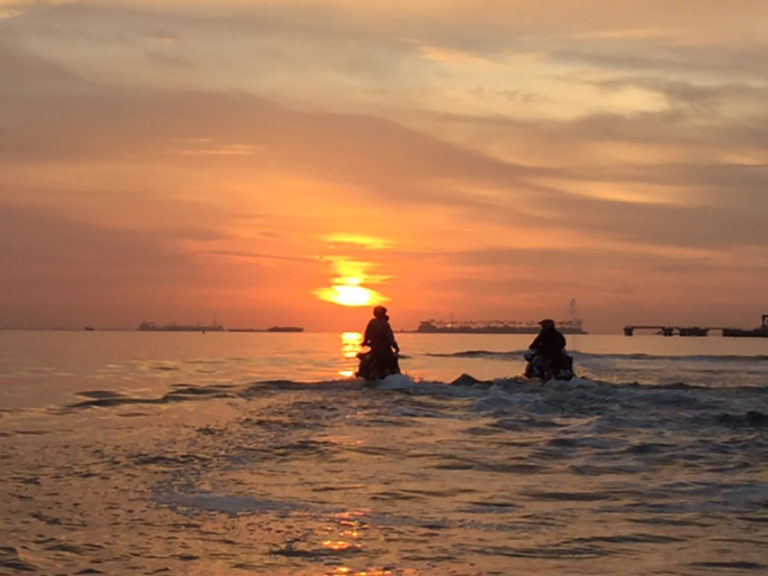
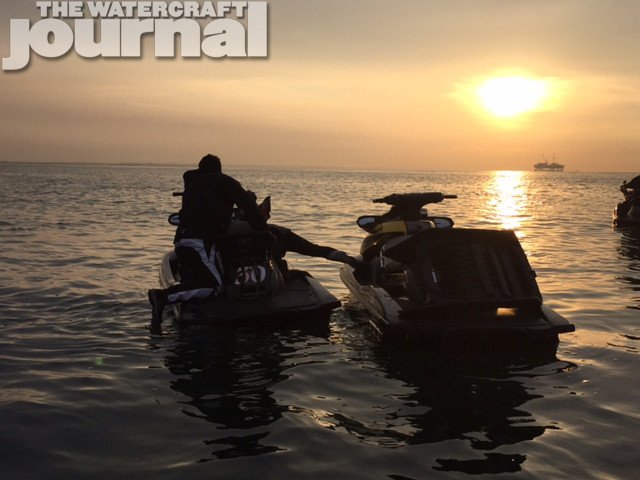
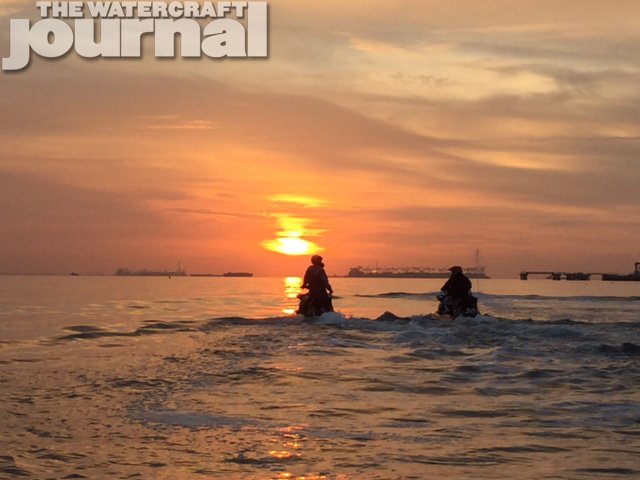
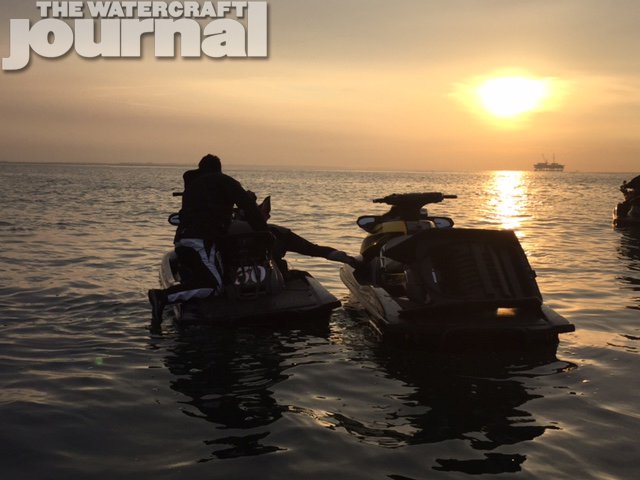
I decided to turn on my video cameras to capture the sundown while we were hauling back through the darkness. We decided to slow it down to 20 mph and hug the shoreline getting light from the adjacent cities along the way. Somehow the group separated and it was just Tony and I keeping a safe distance from one another as we used our GPS to navigate our way back to Long Beach Harbor. A few times we were so close to shore when a few sneaker waves tried to take us out and pushing us closer to shore, it was a bit scary as I saw Tony disappear and then reappear in the distance.
When we returned to Queensway we found out that one person was missing. We contacted him via cell phone and found out he was picked up by the Harbor Patrol. Luckily he was not fined but Sea Tow charged him to move his PWC across the bay. We arrived back at Queensway around 6pm. It was a challenging journey, but we were all glad we did it, and can’t wait for Ironman 3 next year!
To say last year was a good one for 2015 Australian Stock Class Champion and 2015 Australian Stock Enduro Champion, Mitch Wayt is an understatement, winning a total of 17-out-of-20 races during the 2015 AJSBA Stock Class Championship. With the support of Yamaha Motor Australia, Gold Coast WaveRunners and Worx Racing, Wayt rode to victory aboard a SVHO-powered FZR. Because too much of a good thing is never the case, Wayt has signed a exclusive twelve-month agreement with the three sponsors for 2016, according to OZPWC.com.
The program will place Wayt aboard a 2016 FZR SVHO “tuned to IJSBA Pro/Am Stock Class specifications,” which was tested during the final round of the Queensland Personal Watercraft Club race series back in December, where he claimed first overall in Pro-Stock Class and third overall in Pro Open Class, despite the FZR not having any Open class modifications.
“It’s been an absolute honour to race for Yamaha over the past few years, and I’m ecstatic to race in 2016 on-board the Yamaha FZR SVHO,” said Wayt told OZPWC.com. “It’s fantastic to be associated with a company that shares the same passion for racing and a vision of building our sport for the future.”
Additionally, as part of Yamaha’s commitment to delivering “the #1 choice of World and National Champions”, Yamaha Motor Australia plans to publicly exhibit Mitch Wayt’s 2016 FZR at key marine events nationwide.