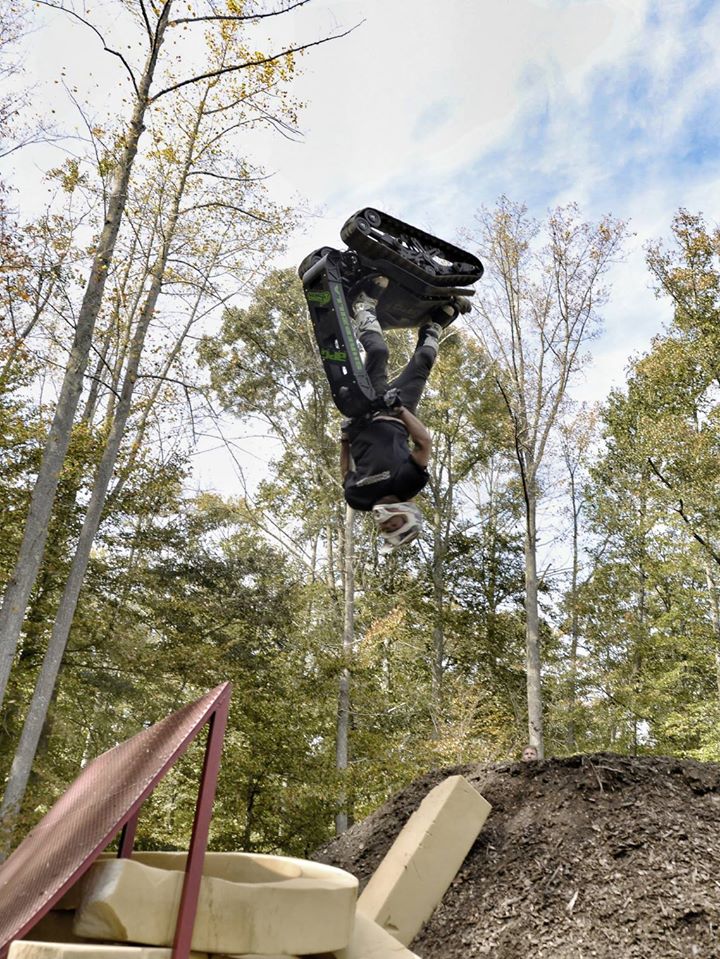
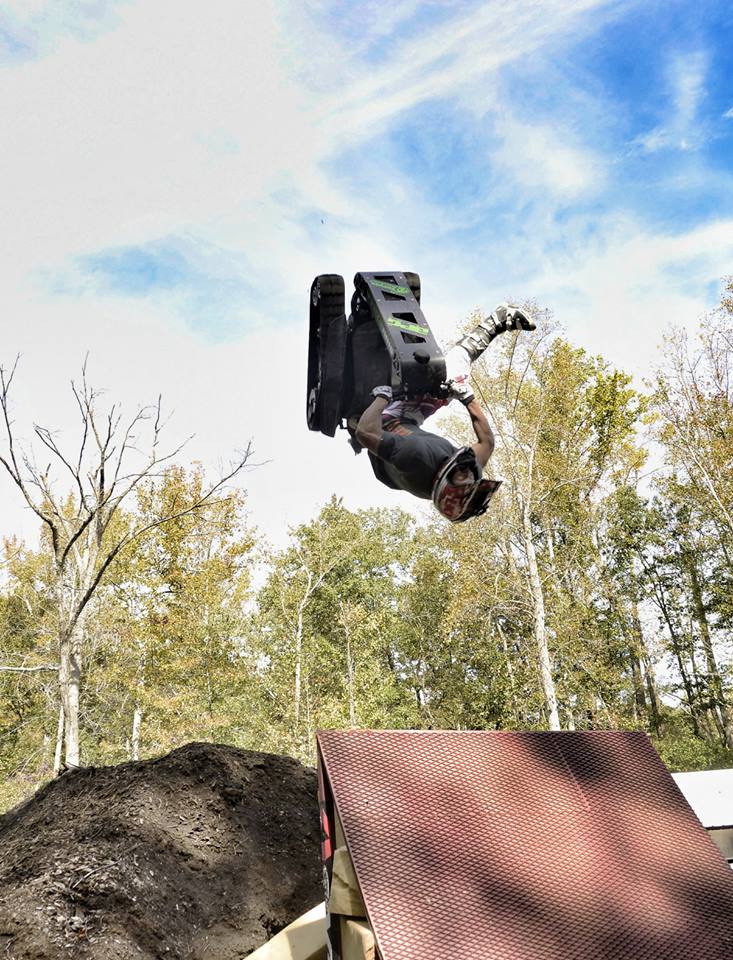
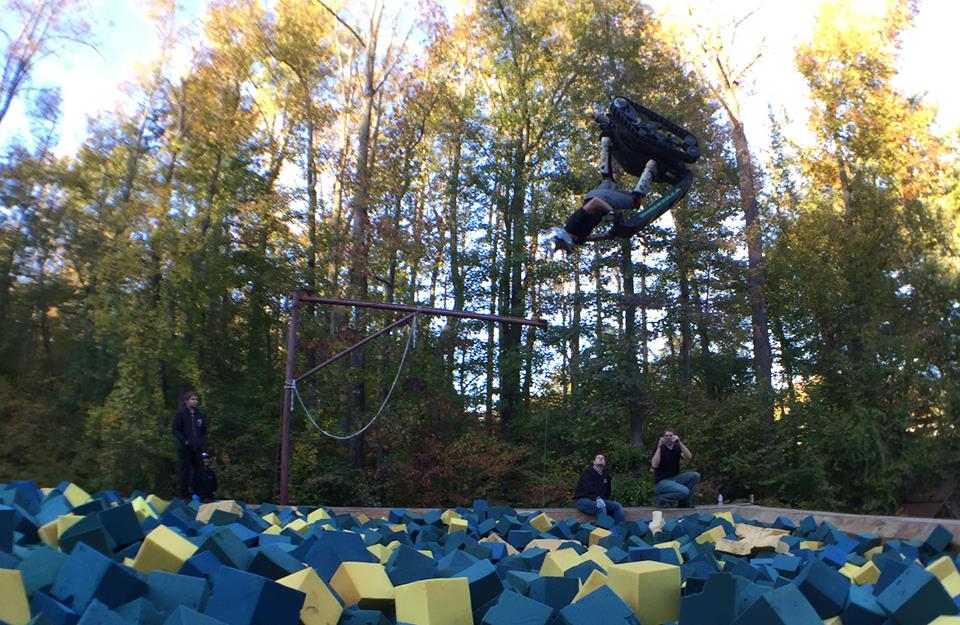
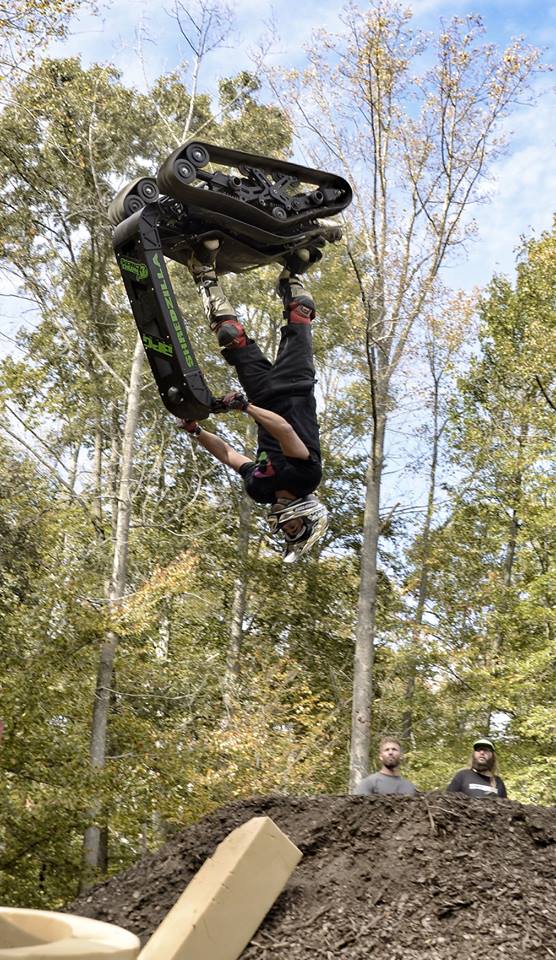
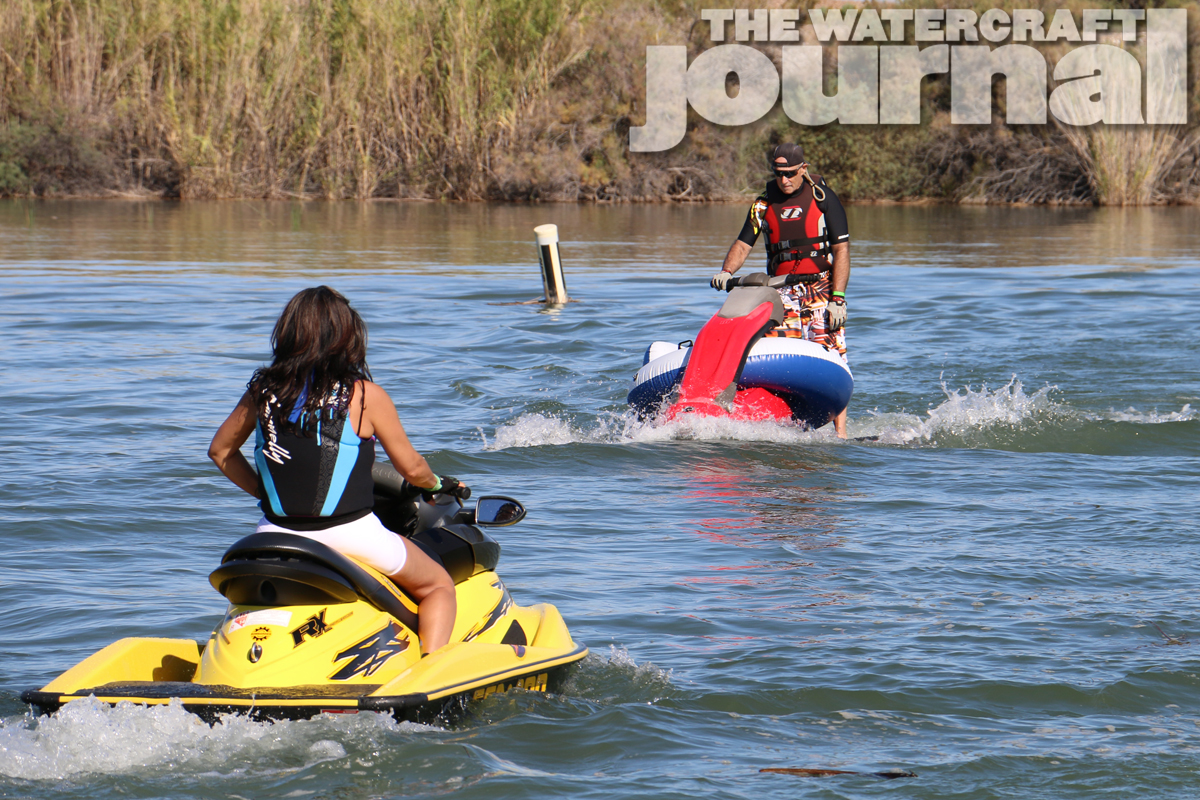
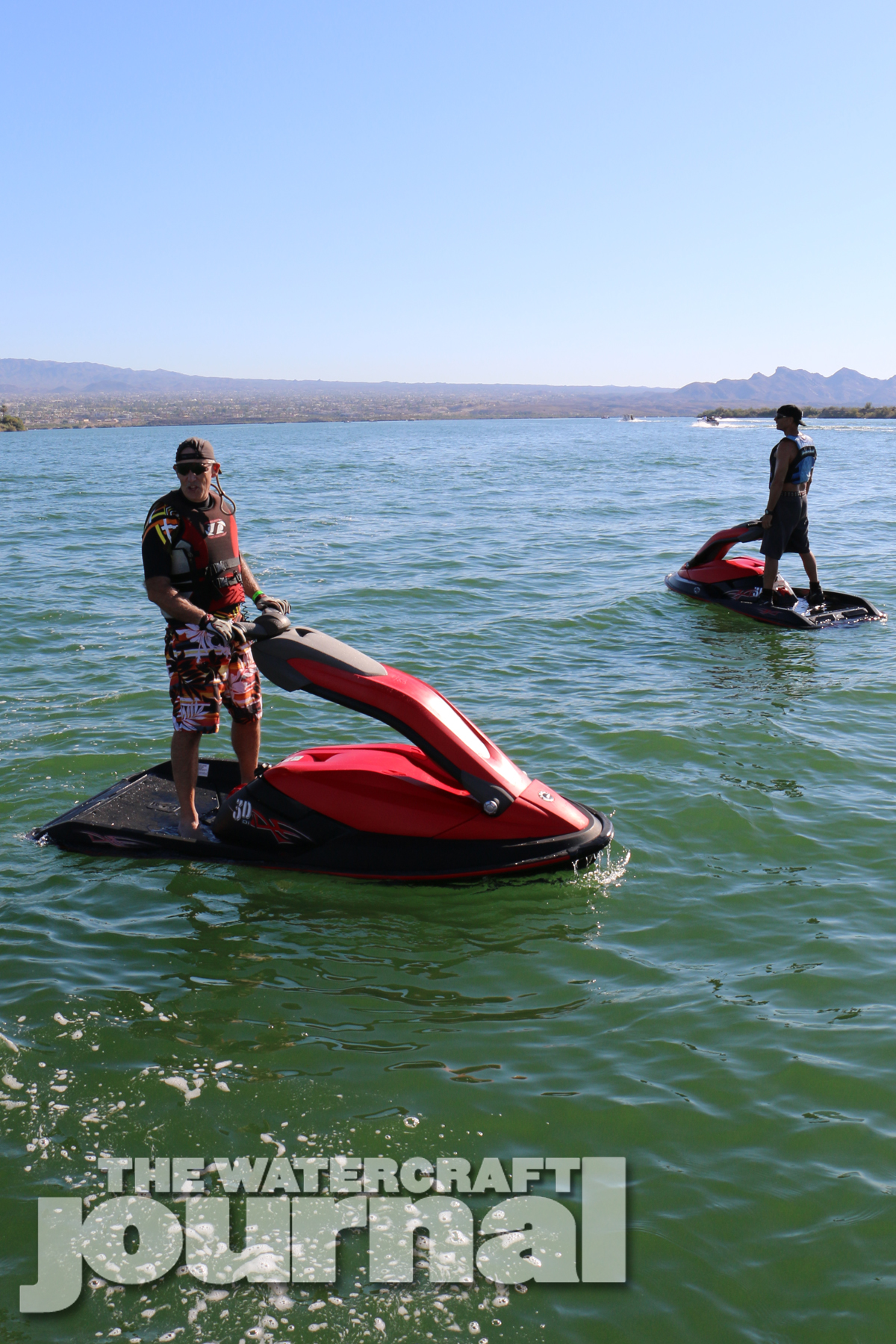
Last month, The Watercraft Journal introduced many of you to the wonders of the DTV Shredder, possibly the coolest non-PWC to have graced our digital pages. The DTV Shredder (Dual Tracked Vehicle) is very similar to a traditional standup jet ski with its fixed handlebars but the steering is imputed through a mechanically-articulated board similar to a skateboard or surfboard. Only the acceleration is imputed through a traditional throttle and brake.
Already gaining interest and popularity as yet another grassroots invention of an entrepreneurial inventor, the DTV Shredder recently caught the eye of Nitro Circus’ Travis Pastrana who really wanted to see how the Shredder worked. Welcoming the Shredder crew and few hand-selected motocross and jet ski freeriders to “Pastranaland,” this group of athletes put the machine through the paces.
Of course, as freeriders are wont to do, globe trotter Zack Bright was first to successfully execute a full backflip and land on terra firma with the DTV Shredder. The exploits of these daring doers will likely air on an upcoming episode of “Nitro Circus” – but for now, enjoy some awesome spoiler shots and this note published on the DTV Shredder Facebook page:
Good Morning Shredder Family,
As we move closer to launching in the US through a large distribution chain (We can’t release this information yet, but we are moving towards a launch) we have some exciting news to share with everybody.
Last week we did a 5 day long Shredder shoot with Nitro Circus at Travis Pastrana’s personal playground, Pastranaland. We had 3 of the worlds top freestyle jet skiers Zack Bright, Mark Gomez and Ryan Solomon put the Shredders through it’s paces from right out of the box to racing on Pastrana’s track. We chose to work with Jetski riders because of the similarities in riding style. A standup ski is the closest comparison to riding a Shredder and these guys took to the Shredders like Ducks to Water. After a week of riding, the Shredders are Nitro Circus Approved and ready to be beat on.
We also brought down a souped up version of the Shredder to see what tricks might be possible. We started off in the foam pit but quickly moved to mulch. The pictures speak for themselves, you can do almost any jetski, MotoCross or board tricks on the Shredder and they’re capable of flying through the air.
The bar has now been set and we can’t wait to see what other athletes are able to create.
We’ll be releasing the official video from the event over the coming weeks so stay tuned for the launch.
For several hours following our testing of Sea-Doo’s 2015 RXP-X 260, a blinking cursor and blank screen defied us to find the words to adequately describe the adrenaline-soaked bliss of piloting this untamed beast of a personal watercraft down the Colorado River running along to Lake Havasu, Arizona. Though any attempts to truly capture the thrill of such a ride in words is all but futile, we’ll start with something poignant and eloquent to best describe Sea-Doo’s premier race-bred two-seater: Badass.
Honestly, no other word could come close to feeling the 260-horsepower kick of the supercharged, external intercooled, 1494cc Rotax 4-TEC engine screaming to 70 mph while holding on with white knuckles and gritted teeth after executing the perfect high-speed turn. You’d just have to feel it to truly understand. But, we’ll do our best.
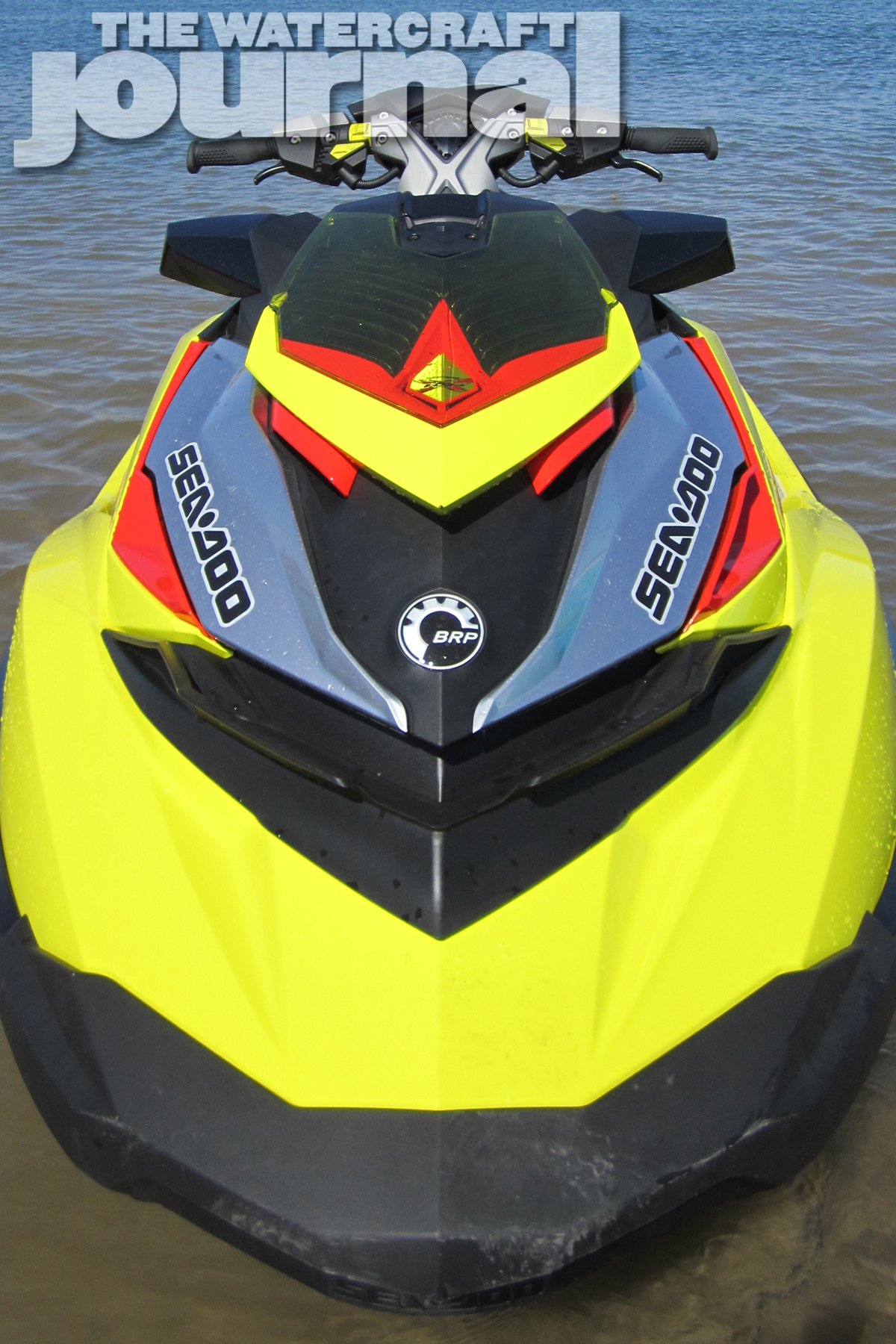
Big changes for 2015 include the brilliant Sunburst Yellow and red hightlights for the RXP-X (and the whole X-Series, for that matter) and the new ball-and-socked DESS lanyard.
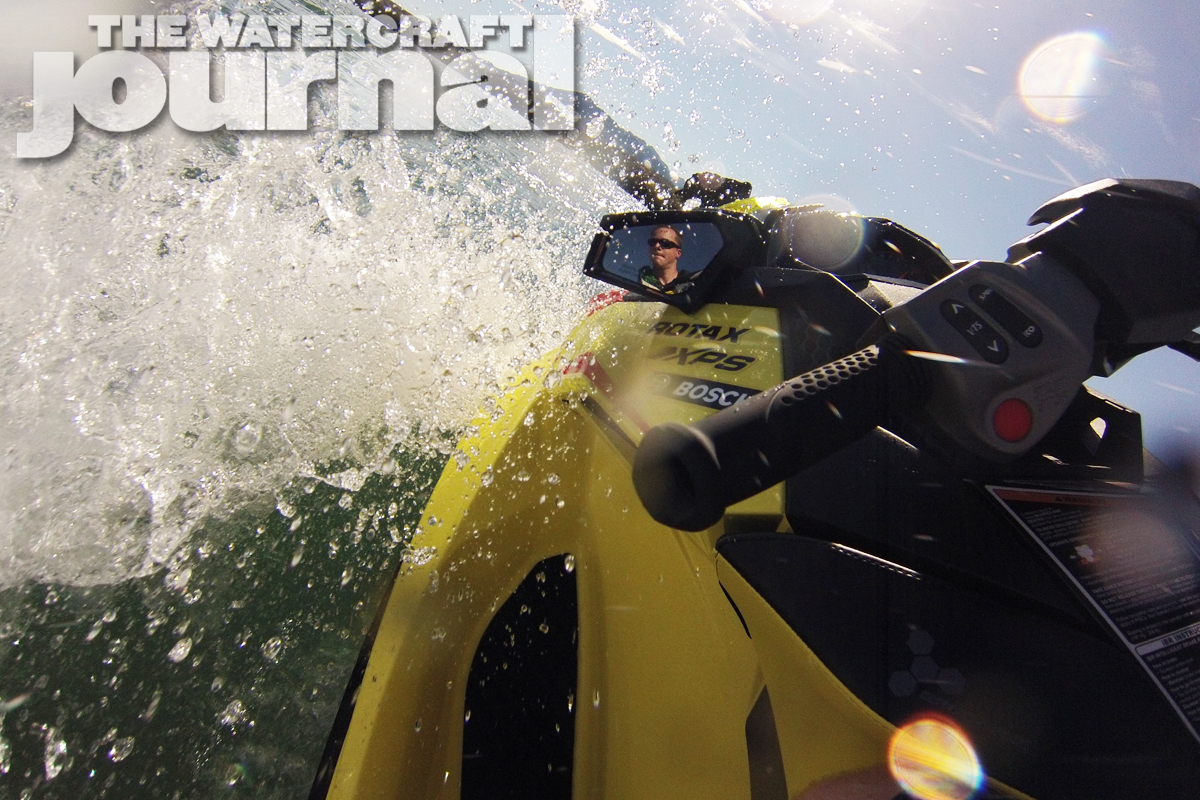
Let’s start off with the RXP-X’s unique ergonomics and controls, which are where the X-Series’ exclusive race-inspired features really stand out from the rest of Sea-Doo’s performance lineup. Upon initially nestling into the saddle, riders will experience what Sea-Doo has coined as the Ergolock system – a combination of ergonomic elements designed to increase rider control while minimizing upper body fatigue during tight cornering.
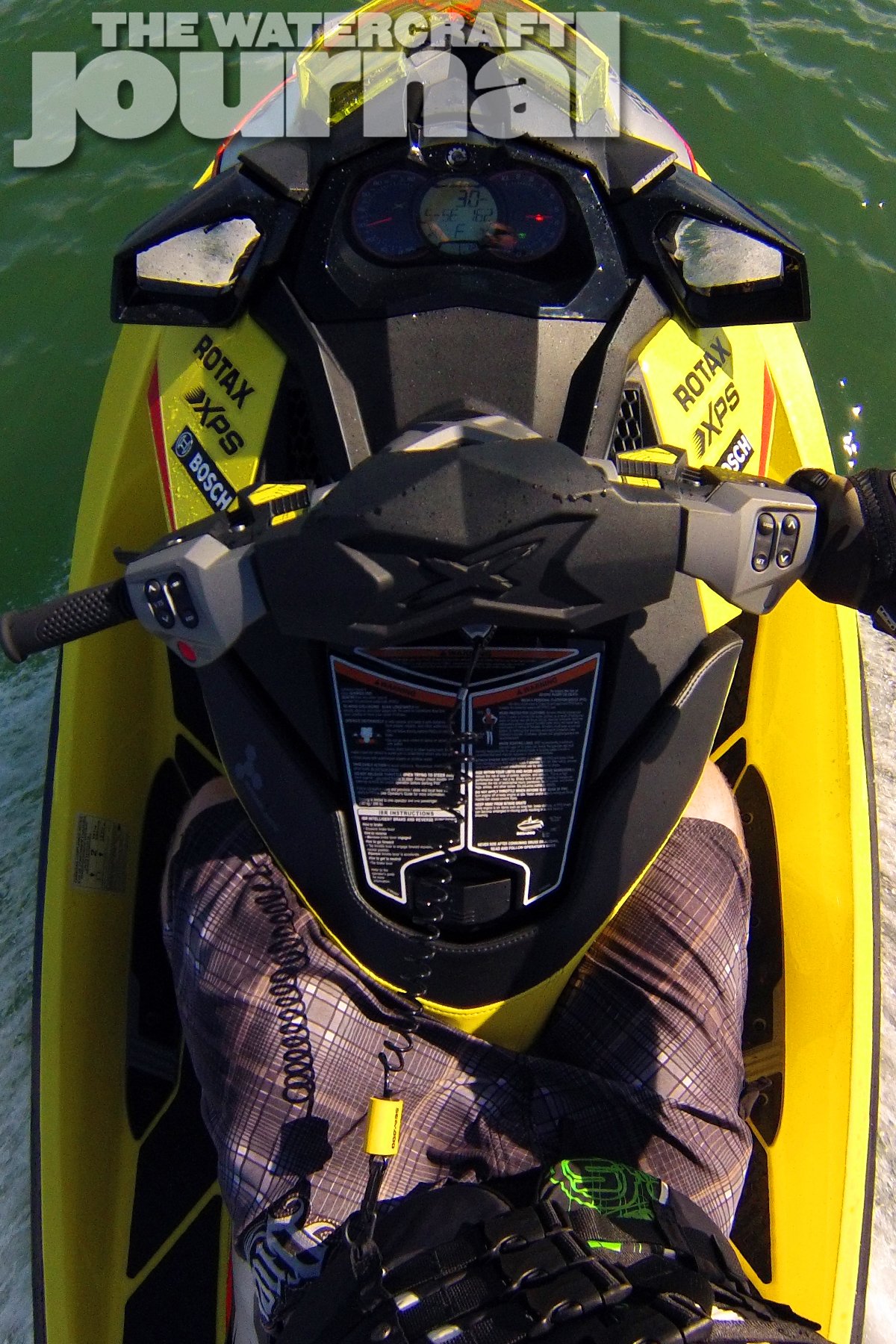
Most noticeable of these elements is the narrow race seat with knee-grabbing bolsters extending up into the “tank” (reminiscent of road racing motorcycles) and angled footwell inserts, which allow a rider to grab the tank with their legs, plant their feet, and really “lock in” for additional control and confidence in tight corners and rough water. A set of highly customizable X-Handlebars with Adjustable Ergonomic Steering (A.E.S.) complete the Ergolock system, offering simple adjustment of handlebar height (tilt), width, and grip/trigger angle to accommodate most any rider.
Sea-Doo X-Steering system continues to offer some of the most adjustable and customizable steering arrangements in a stock PWC.
We fell in love with the comfort and fit of the RXP-X right off the bat. Even our six-foot-one-inch test rider felt comfortable on the bolstered seat during cruising, and raved that the Ergolock system promoted more confidence, control, and general “at-oneness” with the Sea-Doo during tight corners, high speed runs and aggressive maneuvering.
Rounding out the X-Series package are bright, race-inspired graphics and sponsor decals (new for 2015), a unique gauge cluster featuring (among 29 other functions) real-time supercharger boost readings, and rear sponsons that can be adjusted for three levels of traction and lateral stability: Freeride (for a loose, playful feel), Sport, and Race (the lowest and most aggressive setting). Small horizontal winglets on each sponson are said to improve lean angles during turning.
The RXP-X continued its reign over the closed course this year with James Bushell winning a World Championship in Pro Runabout GP and Jean Baptiste Botti another Championship in Pro Runabout Open.
Once on the water, the 2015 RXP-X really showed us what it’s made of. Though riders have the option of three different engine performance modes – including the soft-yet-confident Touring mode, fuel-sipping ECO mode, and hold-onto-your-butts Sport mode – it was difficult to use anything but Sport mode after a single wide-open blast across the lake.
While the 1503 HO Rotax 4-TEC engine falls some fifty-plus horses short of Kawasaki’s 310-horsepower Ultra runabouts, you’d never know it. The instant we clamped down the fly-by-wire (or, Intelligent Throttle Control as Sea-Doo calls it) throttle trigger, the ’P-X leapt forward from standstill with an unbridled ferocity, dealing an immediate kick in the shorts and then pulling and pulling…and pulling. Before we knew it, the nearly 900-pound two-seater was dancing across the smooth water at a GPS speedometer-confirmed 70 mph.
Although the RXP-X offers Touring and ECO modes, we couldn’t tear ourselves away from the iTC’s Sport mode. It’s what this ski was meant for.
A quick programming of the high-performance electronic Variable Trim System (VTS) allowed us to start in the trim-down position for fast planing and acceleration, then give a quick double-tap on the fly to move the jet to a trim-up position for high-speed stability. Conversely, one could opt to set the VTS for a quick transition to trim down in anticipation of hard cornering, as well.
Now, going really fast in a straight line is all good and fun. But where the RXP-X truly shines is in the corners, as it should. To be honest, the 2015 RXP-X is hands-down some of the most fun we’ve ever had on a bone-stock personal watercraft; we’ve tested highly customized race skis that don’t behave this well.
Although the new coloring might be a little too polarizing for some, Sea-Doo is continuing the more conservative black-and-red livery as an optional color combination as well.
What’s great about the 2015 RXP-X is that, when approaching a turn, all that is required of the average rider is to sit down, lock the knees into the tank, turn the handlebars while leaning in, and hold on for dear life. Every time we cranked into a turn at high speed expecting the pump to offload or the tail end to spin out, we were rewarded instead with the Sea-Doo digging its nose into the apex, riding the rails and spitting us out the other end with a fistful of throttle and the whine of the supercharger boosting us back up to speed. With the sponsons lowered to the Sport position, we nearly granted ourselves a surprise ejection on more than one occasion.
With cross wakes and a bit of mid-afternoon wind-induced chop, we had concerns that the agile, closed-course tuning of the RXP-X would prove inadequate when handling chop at top speeds. We can’t say anything for rough seas or churning race conditions, but for mild chop and a mess of boat wakes at 50-plus-mph speeds, Sea-Doo’s deep-V, multi-stage T3 hull and stabilizing trim tabs worked in concert to keep the craft tracking straight and level through it all.
With explosive acceleration and truly exceptional buoy-cutting prowess, the 2015 Sea-Doo RXP-X 260 is, in our opinion, truly badass.
Not once did the watercraft catch an edge and dangerously pull in an opposite direction or behave unpredictably in rough water. This was most surprising (and impressive) to our test rider with extensive experience on Sea-Doo’s venerable GTI hull which, though agile and fantastic overall, lacks rough water stability and can potentially buck unwary riders overboard.
When not destroying the buoy course or sucking its 15.9-gallon fuel capacity on wide-open runs, the RXP-X is mild mannered, brandishing many of the same options as the rest of the higher-end Sea-Doo lineup, including the exclusive iBR (intelligent Brake & Reverse) system, and a new ball-and-socket-style RF DESS (Radio Frequency Digitally Encoded Security System) lanyard key that automatically boots up the watercraft’s systems for quick starts as soon as the key is inserted.
You won’t find conservative colorways, standard retractable mooring cleats or cruise control (though both are an option), or waterproof sound systems with the RXP-X. But, if you want to feel what it’s like to ride a race-ready powerhouse of pure excitement and adrenaline, you’ve come to the right place.
For more information on the 2015 RXP-X 260 and the entire line of new Sea-Doo watercraft click HERE.
You might think that the summer riding season is over, but to many, it’s only the beginning of the fall riding season! That being said, it’s never too late to make the Personal Watercraft Industry Association’s “Safe Rider Pledge.” Taking this pledge certifies that you recognize the need and will always wear a life vest when riding a PWC. You’d be surprised how many people today fail to ride with the proper safety equipment, and the PWIA is looking to put a stop to it.
According to the U.S. Coast Guard, 82-percent of all fatalities by drowning in 2013 were caused by persons not wearing a life jacket. That’s a disturbing number, folks. Besides operating a vehicle intoxicated, drowning due to not wearing a life jacket is one of the easiest to avoid fatalities possible. Keep that in mind the next time you or someone you know decides to pass on wearing a life jacket!
Filling out the PWIA pledge takes only a minute, but it also has the possibility of earning you some awesome gifts, including a $50 Amazon gift card! Sure winning stuff is a great motivator, but really, you should fill this out because you believe in what the PWIA is trying to accomplish. We did, so should you!
There’s all sorts of junk out there professing to increase horsepower, from fuel additives to air filters. We’re not exactly sure where or how they’re able to substantiate their claims, but there’s no shortage of hucksters promising increased performance if only you’ll fork over your hard-earned cash.
The big difference between those who claim to make power and those who actually do is evidence. RIVA Racing‘s parts make power, and that claim is backed by hours and hours and hours of testing, both on the water and in the dyno room. So when Mark Sheffield from RIVA’s Research & Development department made us wise to a certain dyno session, we were all ears.
The coconut telegraph was already buzzing that Yamaha’s Super Vortex High Output 1,812cc four-cylinder 4-stroke was a power-maker, but to what degree remained somewhat of a trade secret. (We’ve received “unofficial” results that the SVHO in factory trim makes anywhere between 258 and 264 horsepower.)
While impressive, the real question is what is the SVHO capable of. For that, Scheffield has the answer, “Our target RPM with the [RIVA] Stage 2 SVHO kits is 8,300 for the FZ models, and 8,400 for the FX models.” Yet, for this particular test, the RIVA research crew wondered what the SVHO could do at 9,000 RPM…and did so using pump gas!
But the only internal change to the SVHO engine was RIVA’s Valve Spring Kit (spring retainers) to keep the valves from floating at such high RPMs. Below is the video with the dyno sheet beneath it. Scheffield concluded, “Although we were able to make these dyno pulls on pump gas, RIVA highly recommends using a higher octane fuel if you exceed 8600RPM and 18lbs of boost.”
Sorry to start your week with some bad news, but regulars of the Pro Watercross Tour will be sad to learn that fan and racer-favorite, Colonial Beach, Virginia, will be missing from 2015’s National Tour. The location of the Liberty Cup, Colonial Beach has historically played a significant part in the year-long points race, with the shoreline location providing a perfect backdrop as the nation’s best contend for National Championships.
Unfortunately, money was the “driving factor” for the Colonial Beach Chamber of Commerce’s decision to discontinue hosting the Pro Watercross National Tour race. According to an interview with Chamber President Carey Geddes by local outlet The Journal, “during the first three years of the event, the chamber lost roughly $7,000 per year – in 2014, the group lost $9,000.”
“The deciding factor involved reduced contributions from the town by $2,000, NSWC Federal Credit Union pulling their sponsorship and many corporate sponsors cutting their contributions in half. Geddes said those moves left the Chamber with a $7,000 shortfall.”
Geddes concluded, “We took everything into account – the loss of $7,000 in funding, the additional monies that would be required to have the corporate challenge, money to repay damages done to the rental cottage. We couldn’t stack the $7,000 loss on top of the $9,000 lost.”
Recently, the Pro Watercross had started billing the town an additional $1,250 fee, making the Chamber’s contribution for the weekend event $9,000 a year. This next year marked the third in the standing contract with Handler and the Pro Watercross Tour, and the Chamber exercised its option to cancel the deal. According to The Journal, Handler told Geddes that “if the Chamber did not have a decision and a $5,000 check for [Pro Watercross] by October 1, they would move the Liberty Cup portion to Tennessee.”
Of course, that deadline has since passed, and no word has been released regarding announcing a Tennessee venue as the new site for the Liberty Cup. Look to The Watercraft Journal for more updates regarding the Pro Watercross Tour as they come.
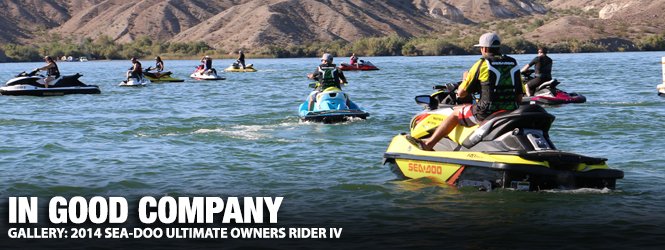
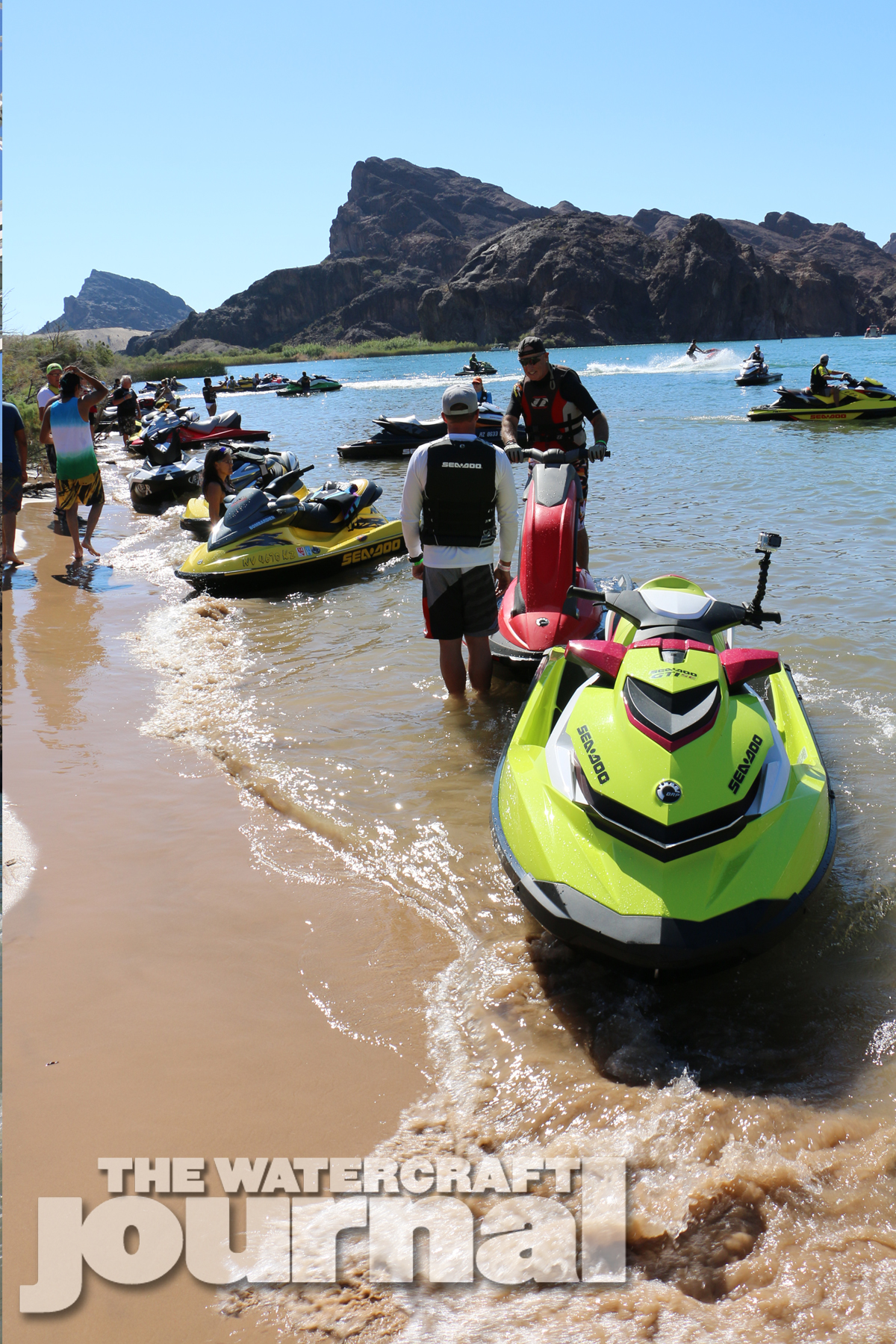
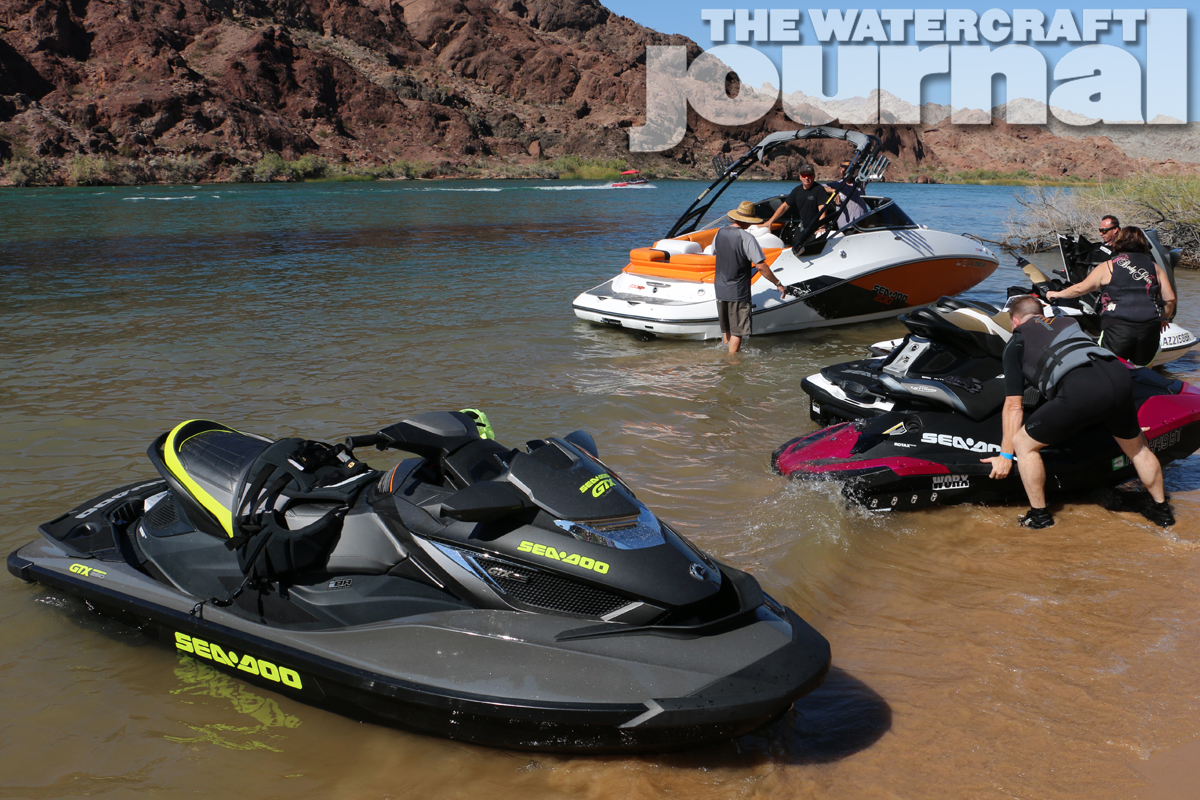
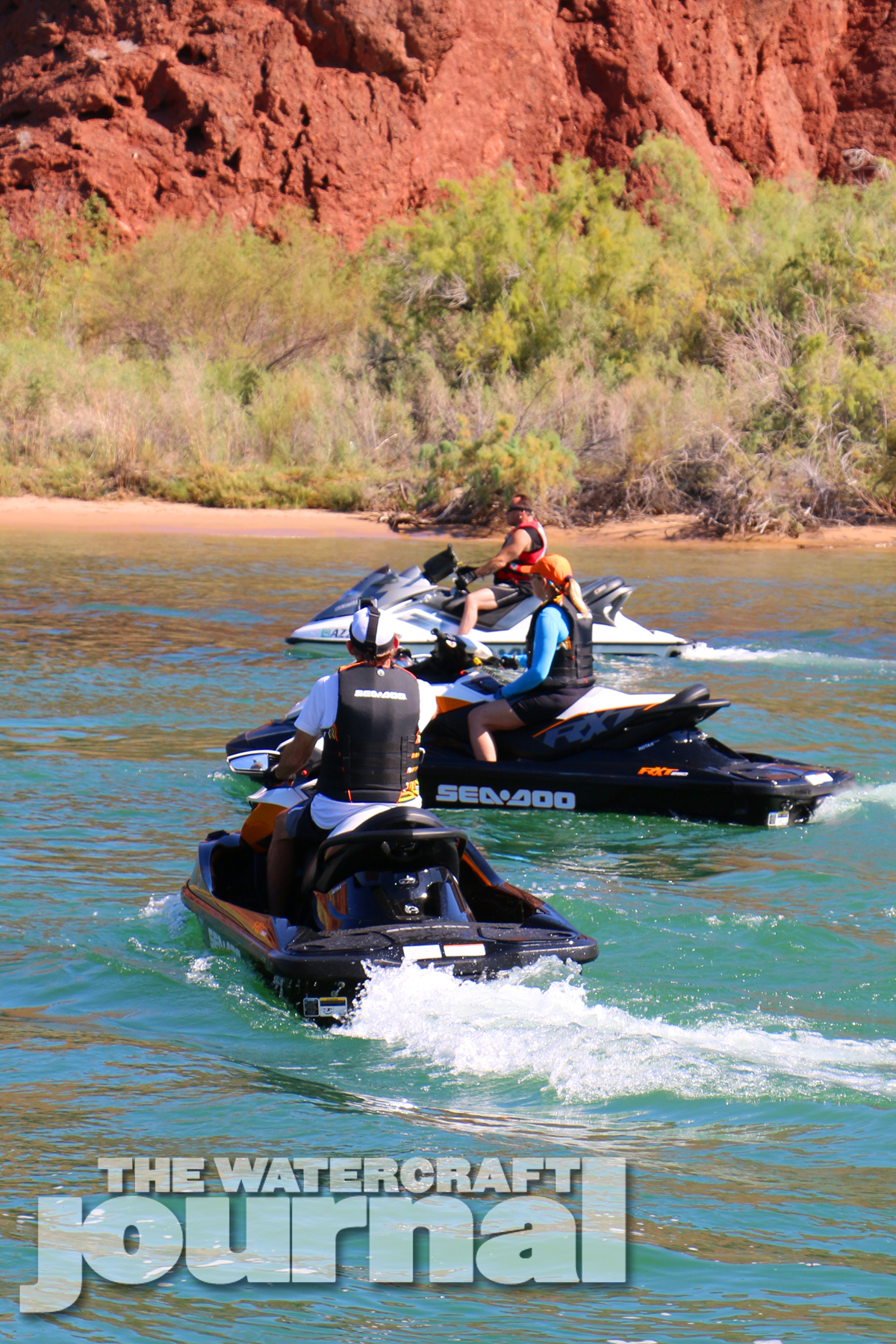
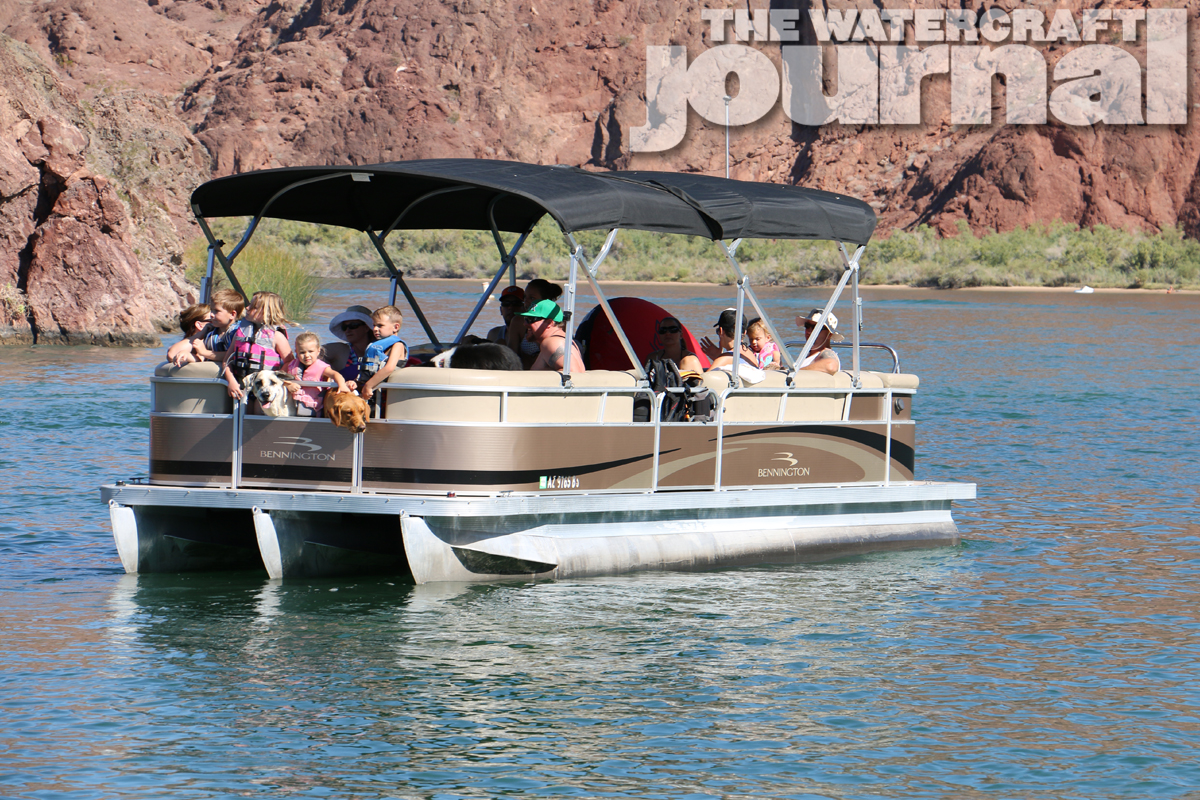
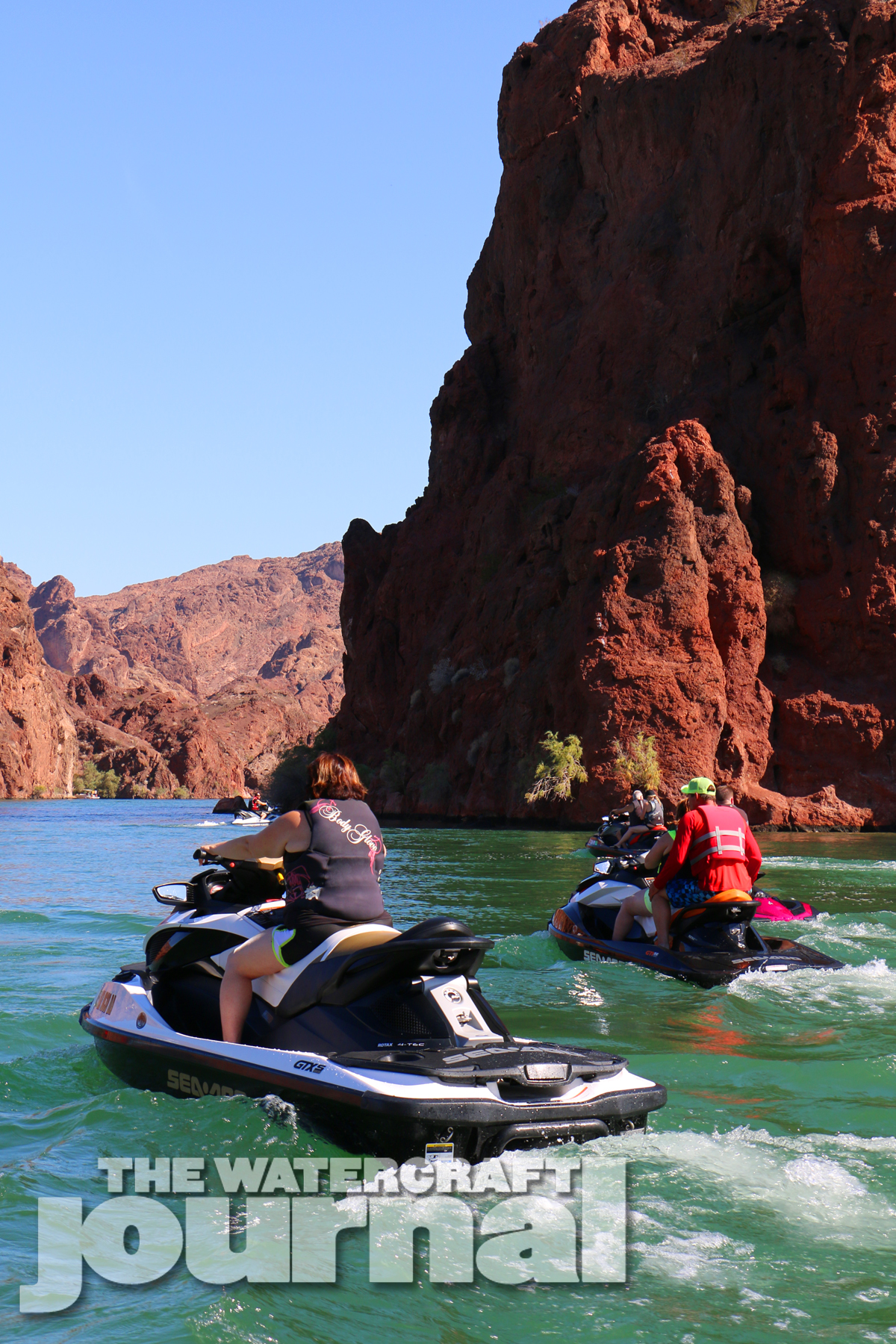
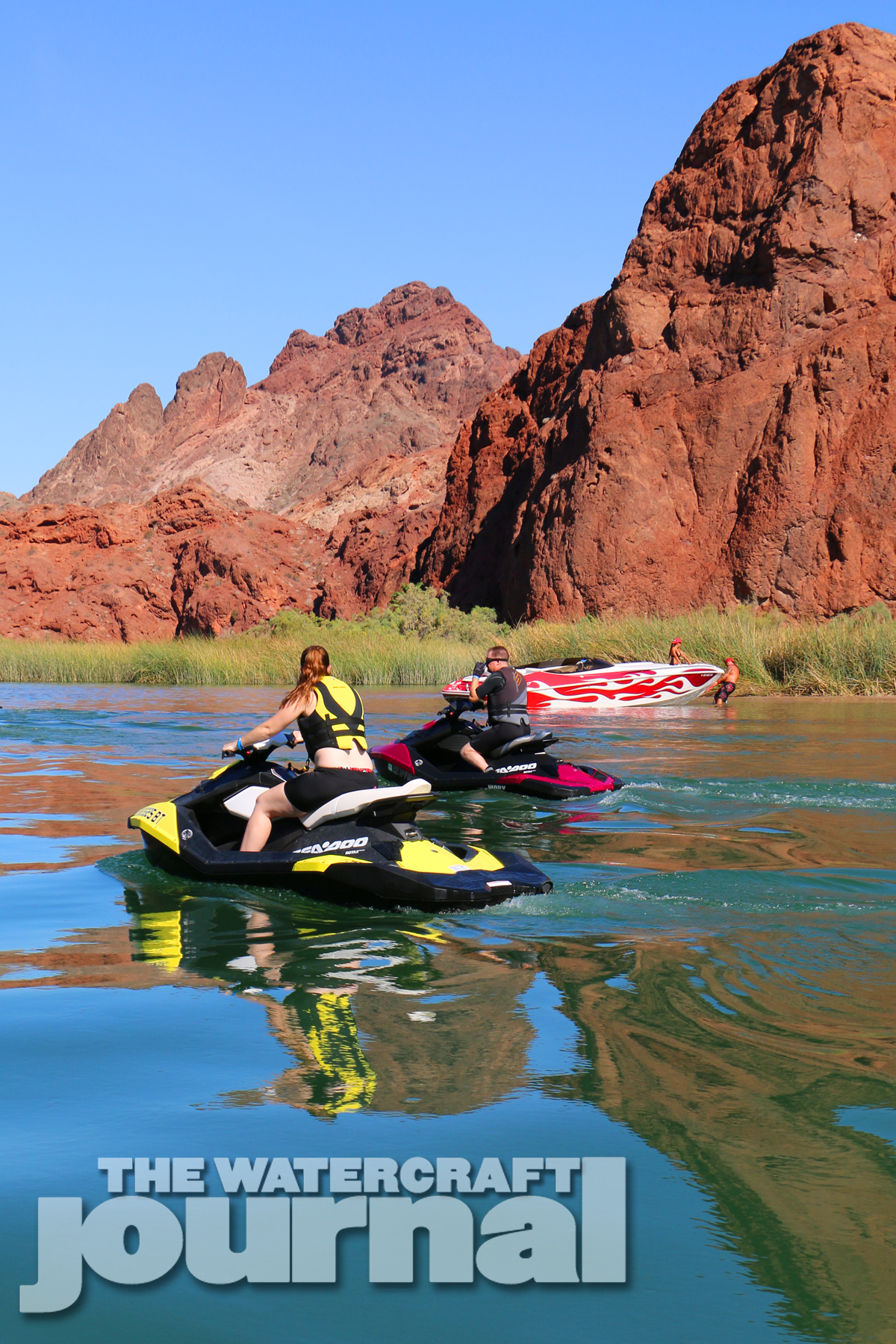
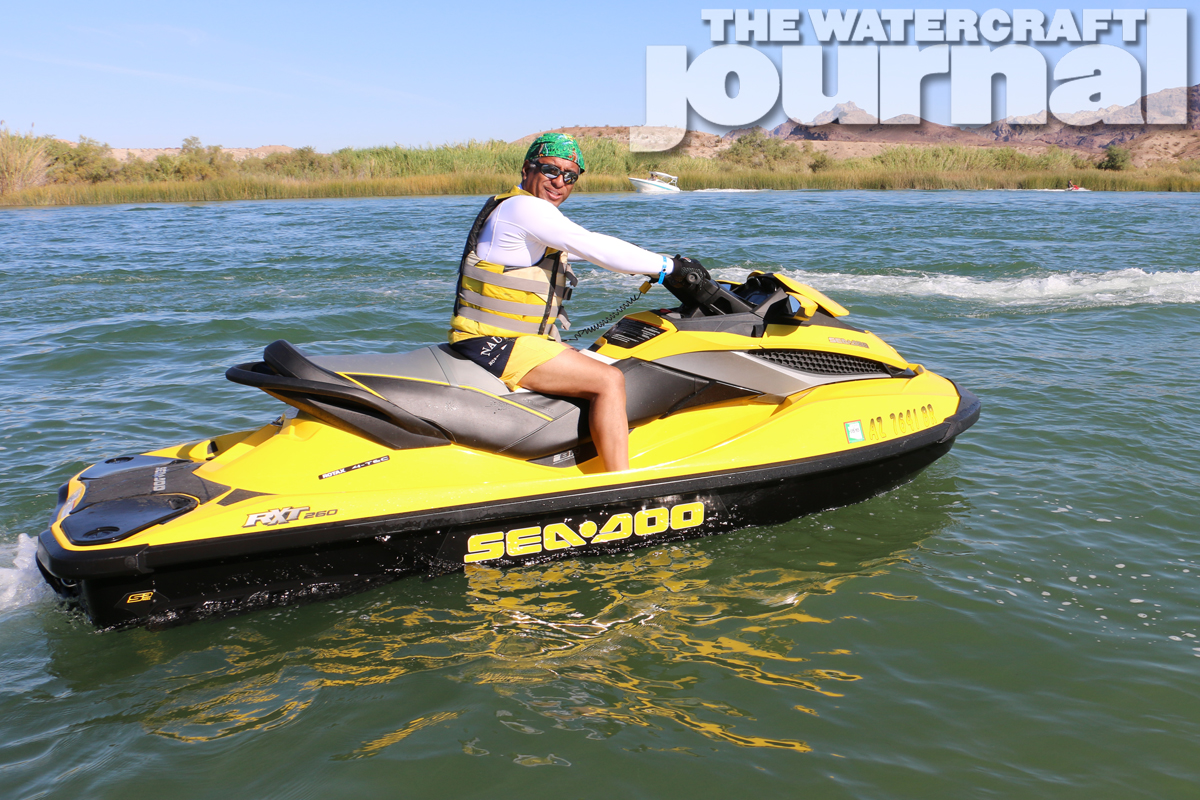
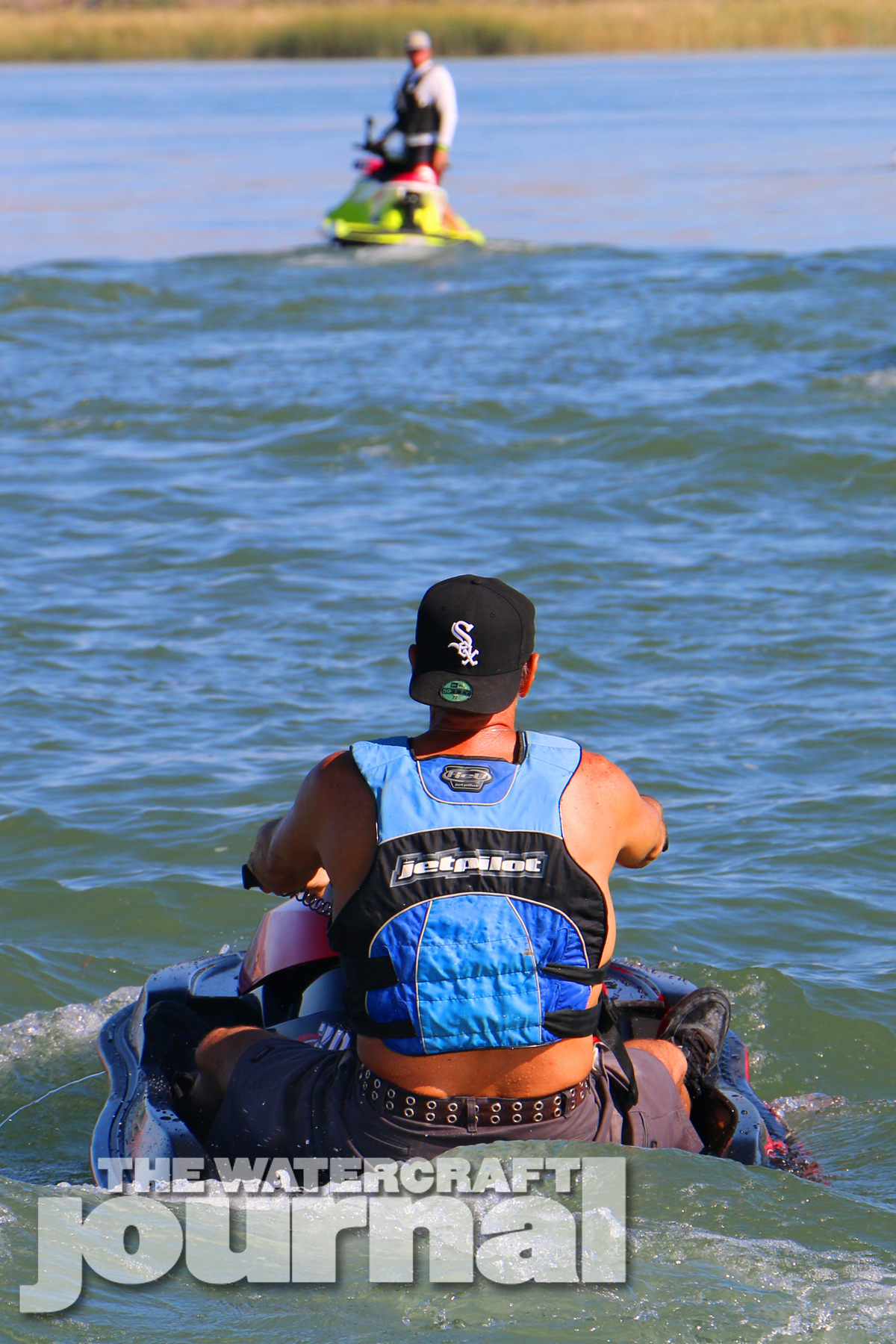
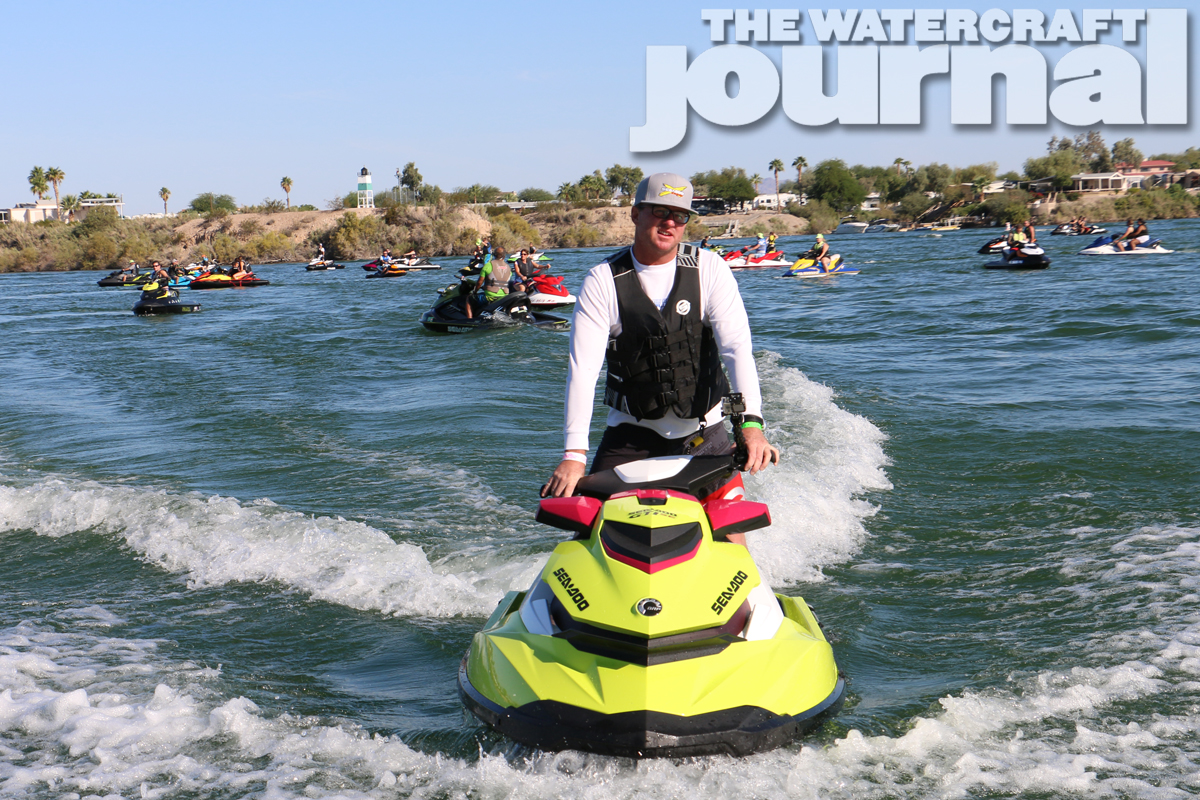
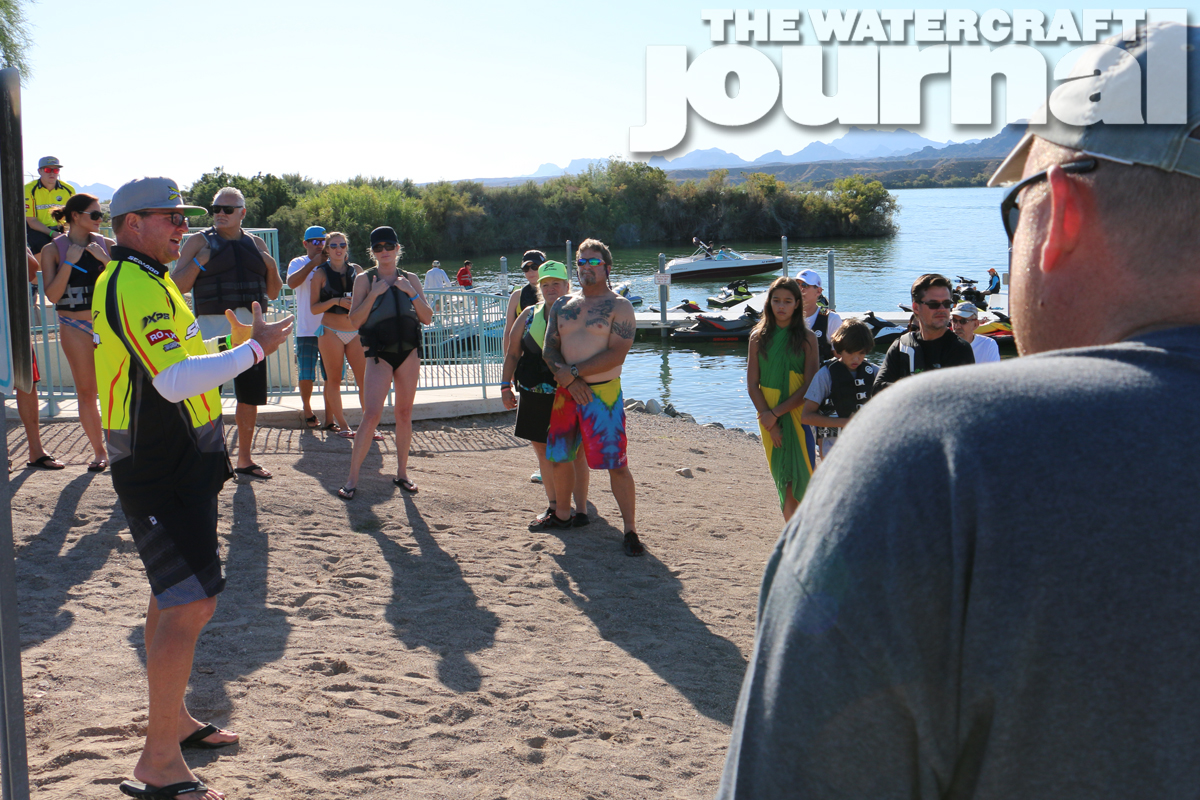
While the pebbled shores of Lake Havasu City’s Crazy Horse Resort were jam-packed with racers and spectators at the 33rd annual Jettribe IJSBA World Finals, on the other side of the island a group a few dozen thick were gathered around Site Six’s beach listening to Sea-Doo’s Tim McKercher. “This is one of my favorite ride,” McKercher preluded. “The 45-mile ride will take us past Lake Havasu and up the Colorado River.”
The fourth annual Sea-Doo Ultimate Owners Ride, the newly minted tradition kicked off early Saturday, October 11, 2014. Happening the same weekend as the largest single personal watercraft event in the world, the IJSBA World Finals, hosted in the self-proclaimed “PWC capital of the world” Lake Havasu City, Arizona, the one-day Sea-Doo Ultimate Owners Ride guides enthusiasts from across the country (and continent, for that matter) through some of the most scenic locations on the river.
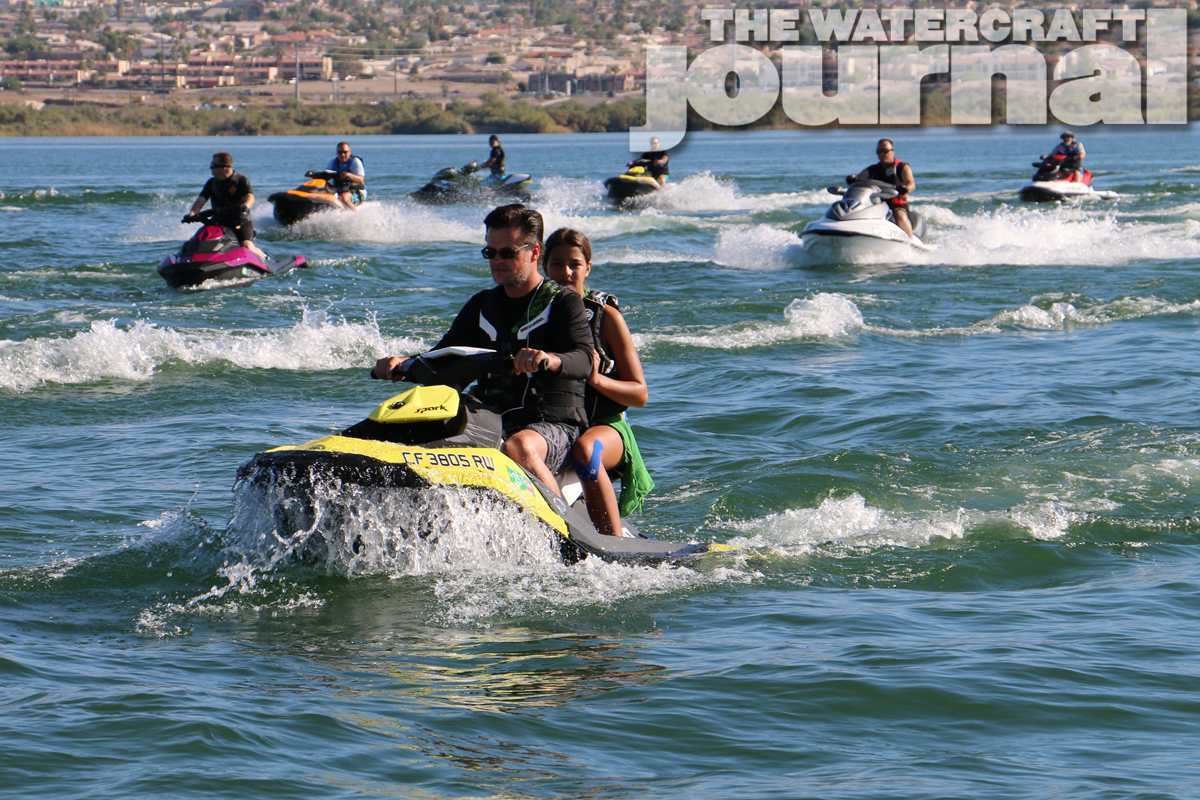
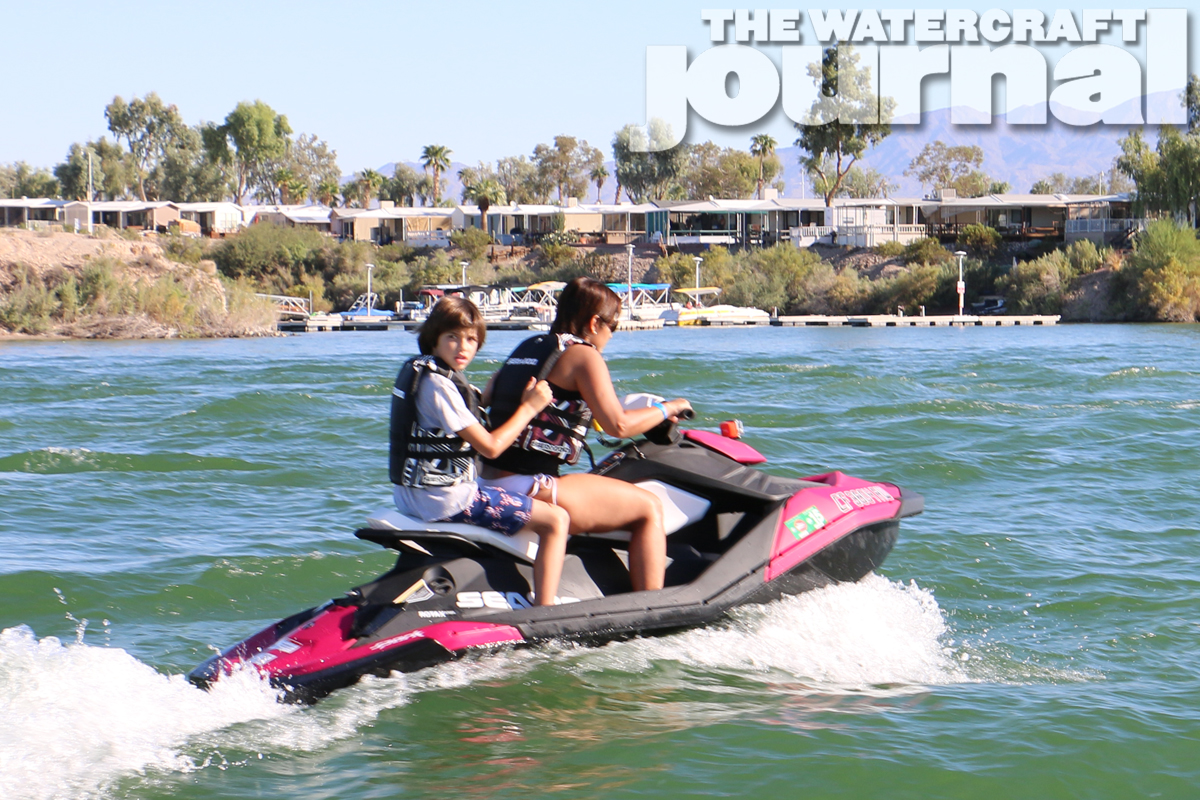
Sure enough, entrees from the US and Canada began pouring in long before the first band snapped at the Finals. Travel plans were made, skis were prepped and fuel tanks filled in anticipation of yet another successful Ultimate Owners Ride. Participation was a meager $10 per watercraft (encouraging many to ride 2-up), with all of the proceeds going to support the Junior Stars PWC racing program.
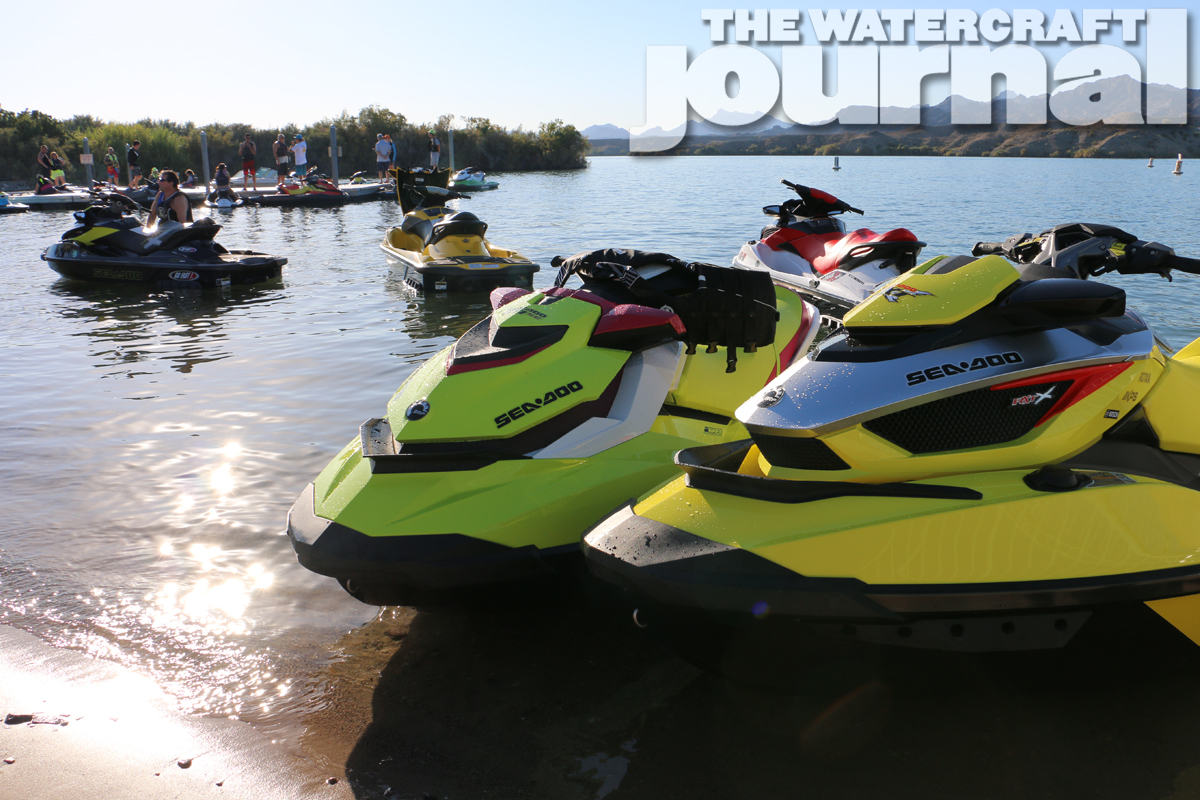
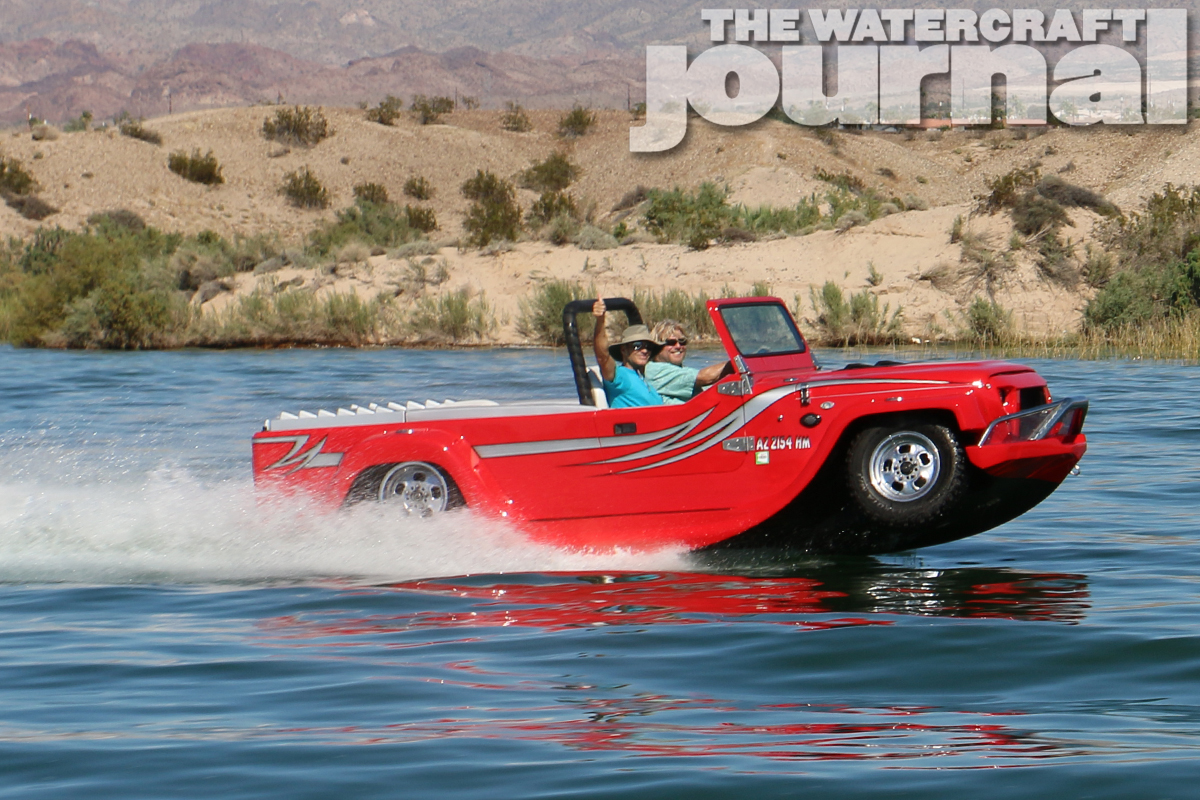
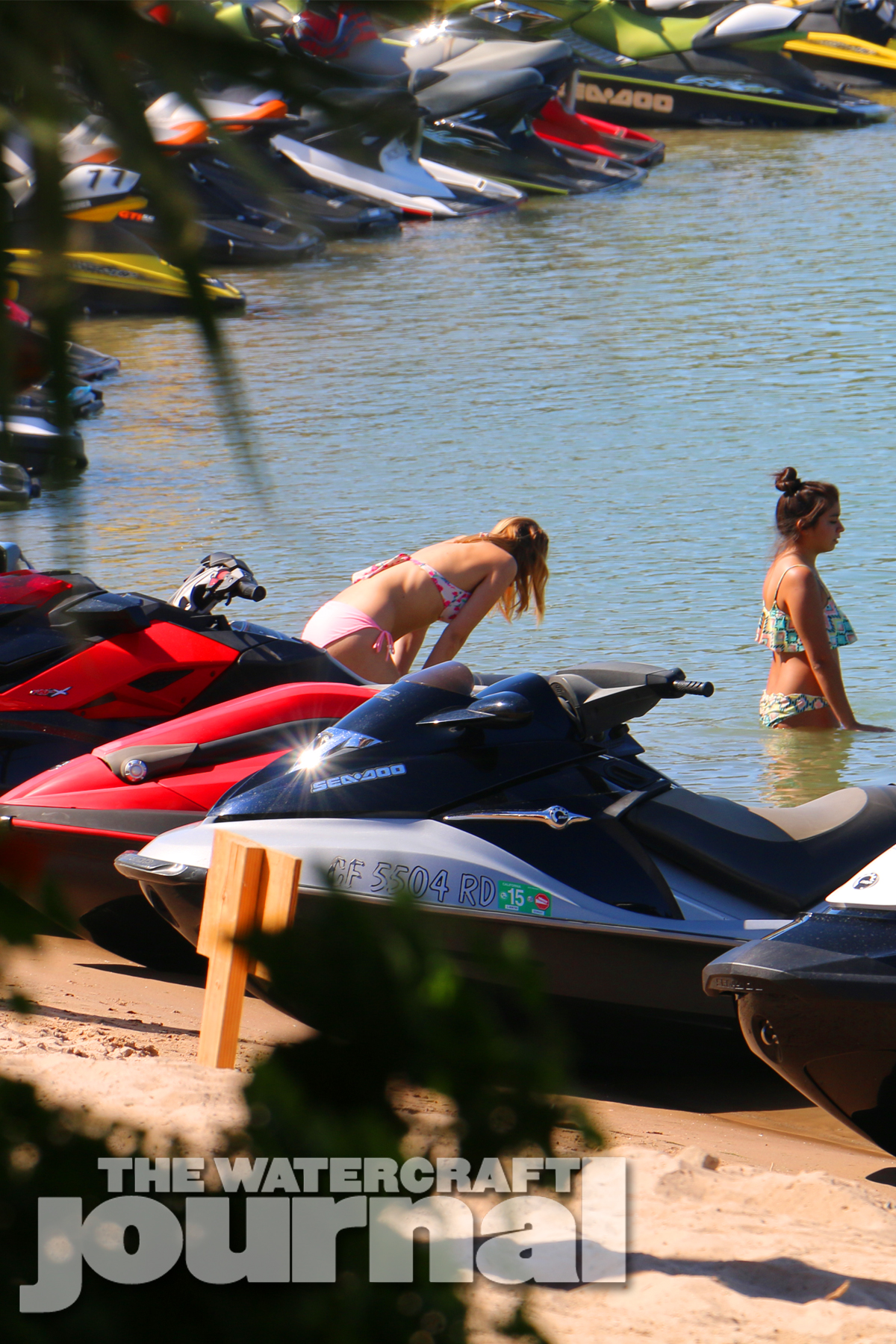
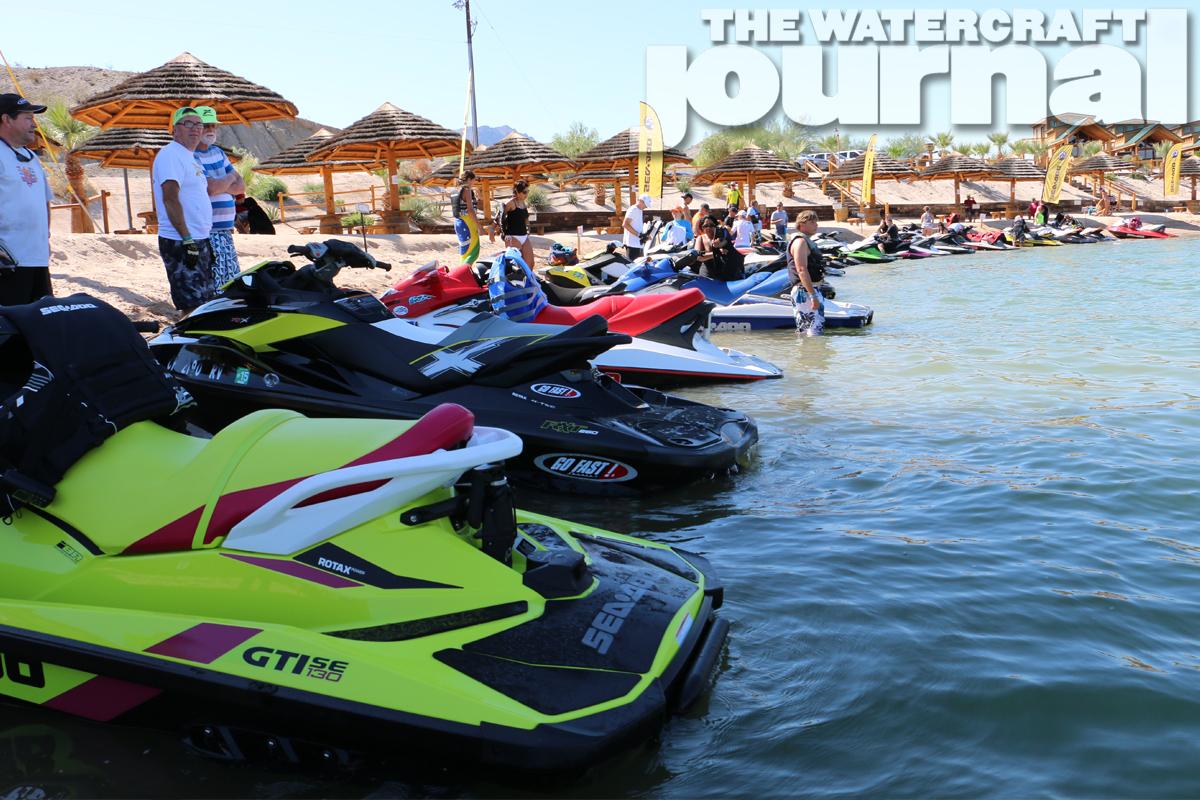
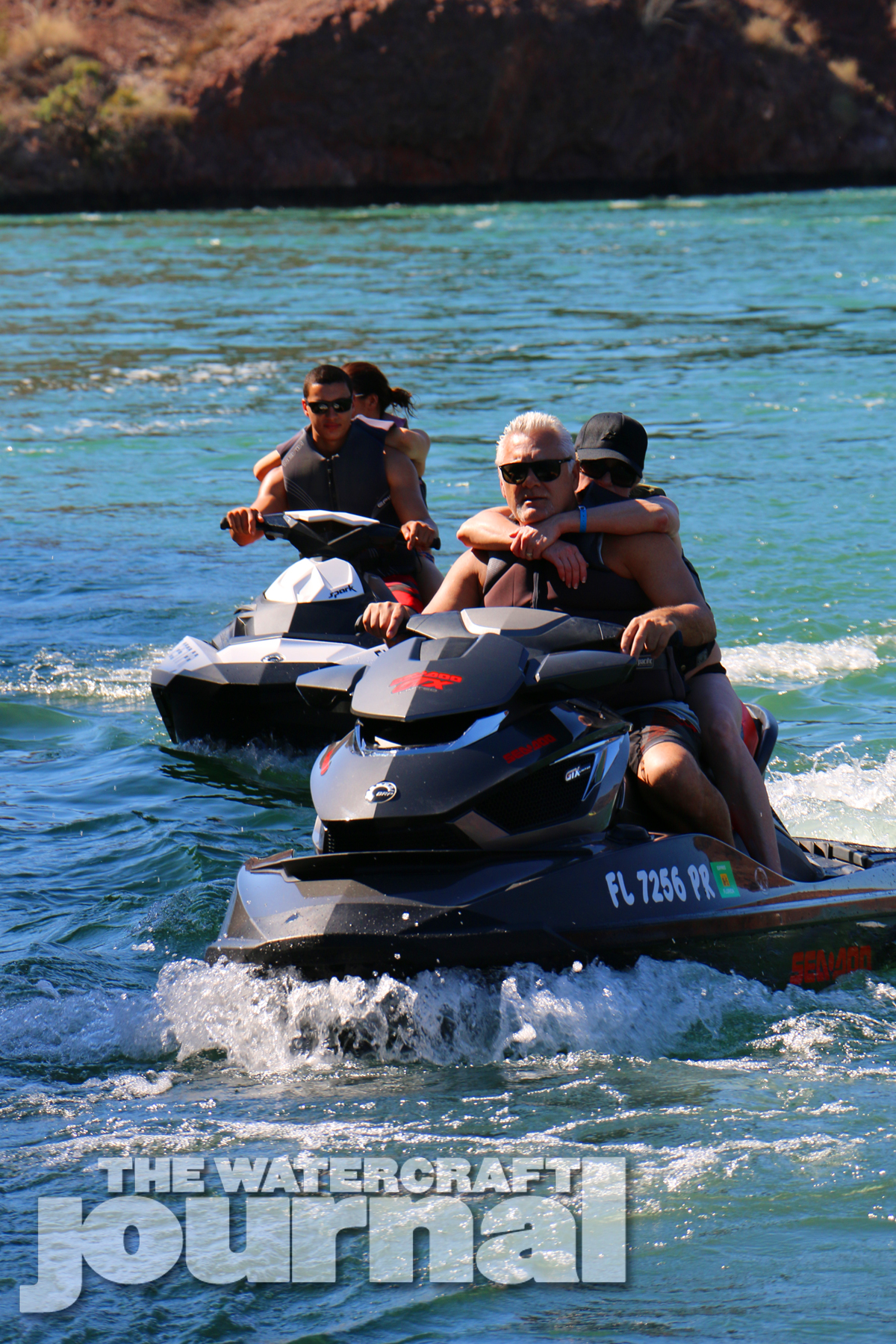
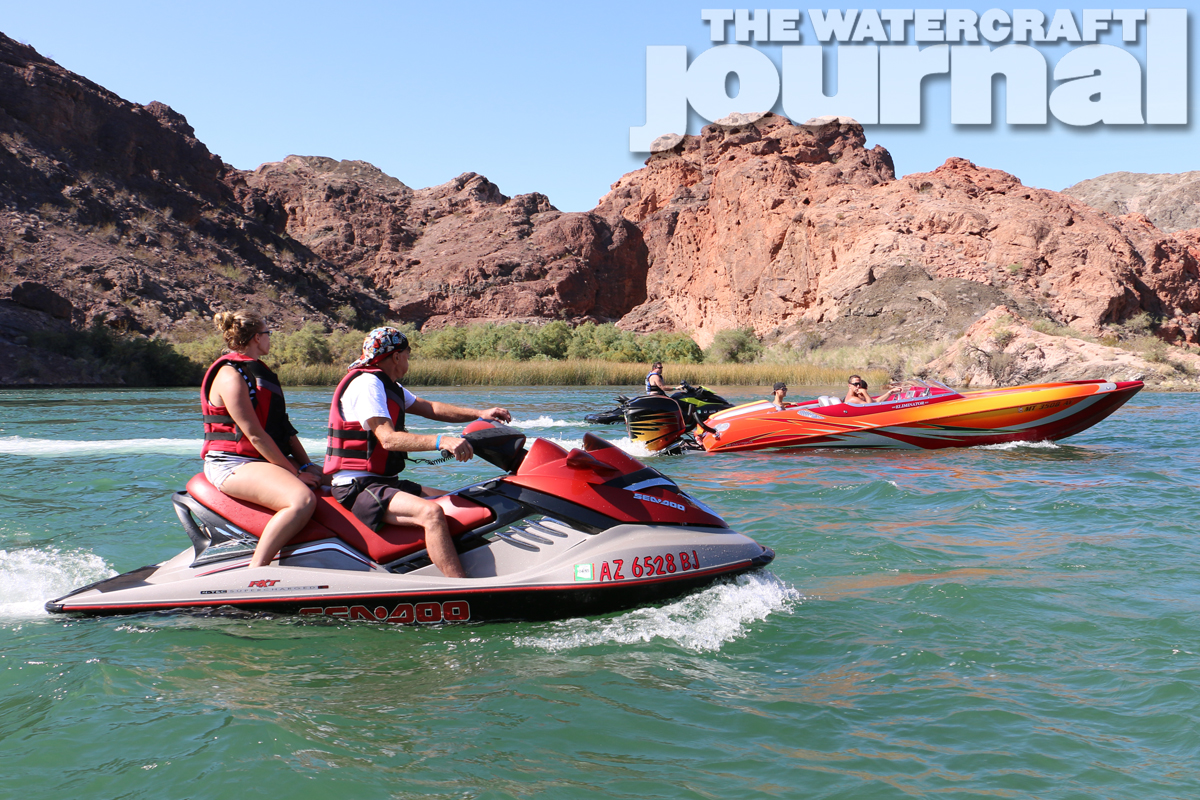
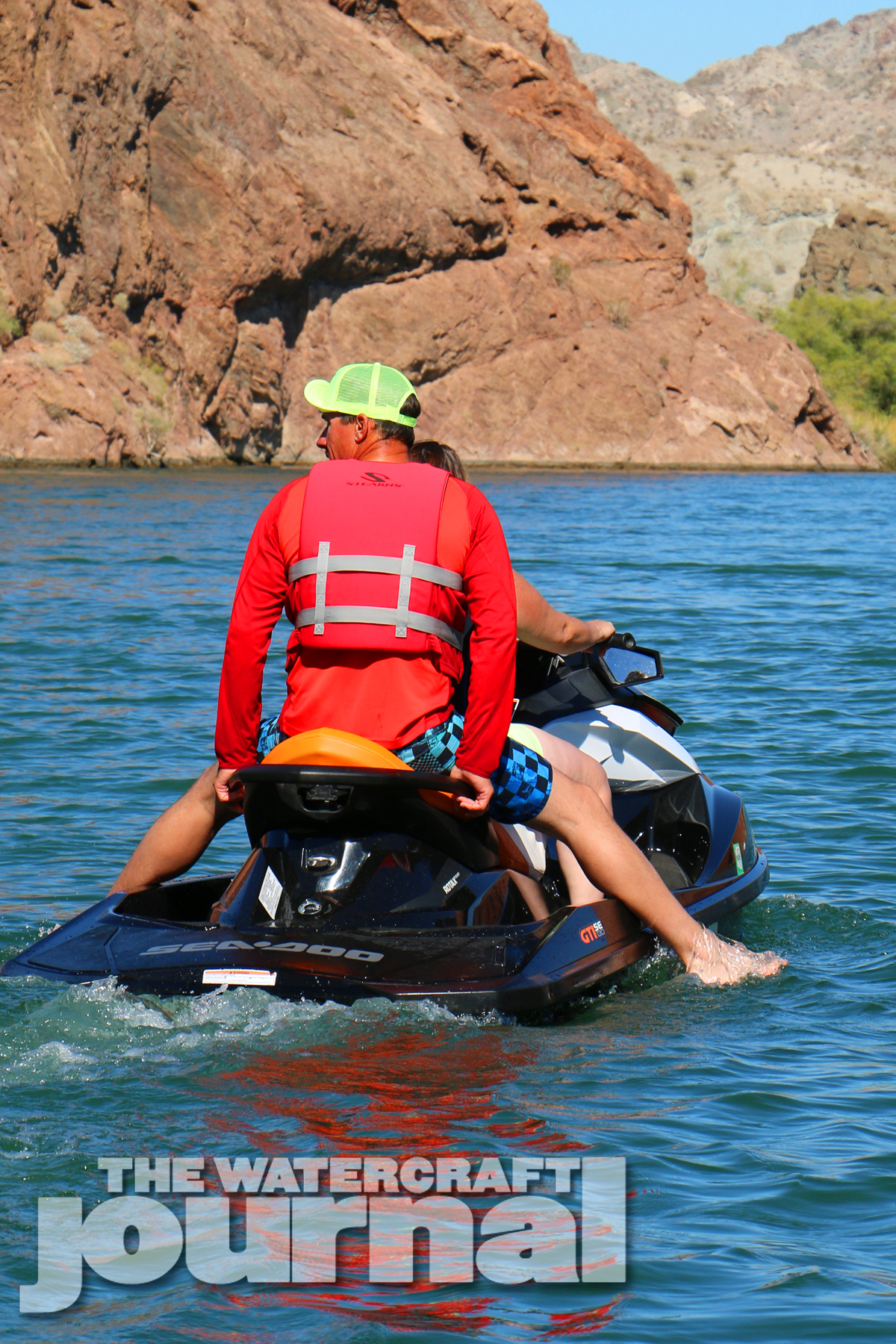
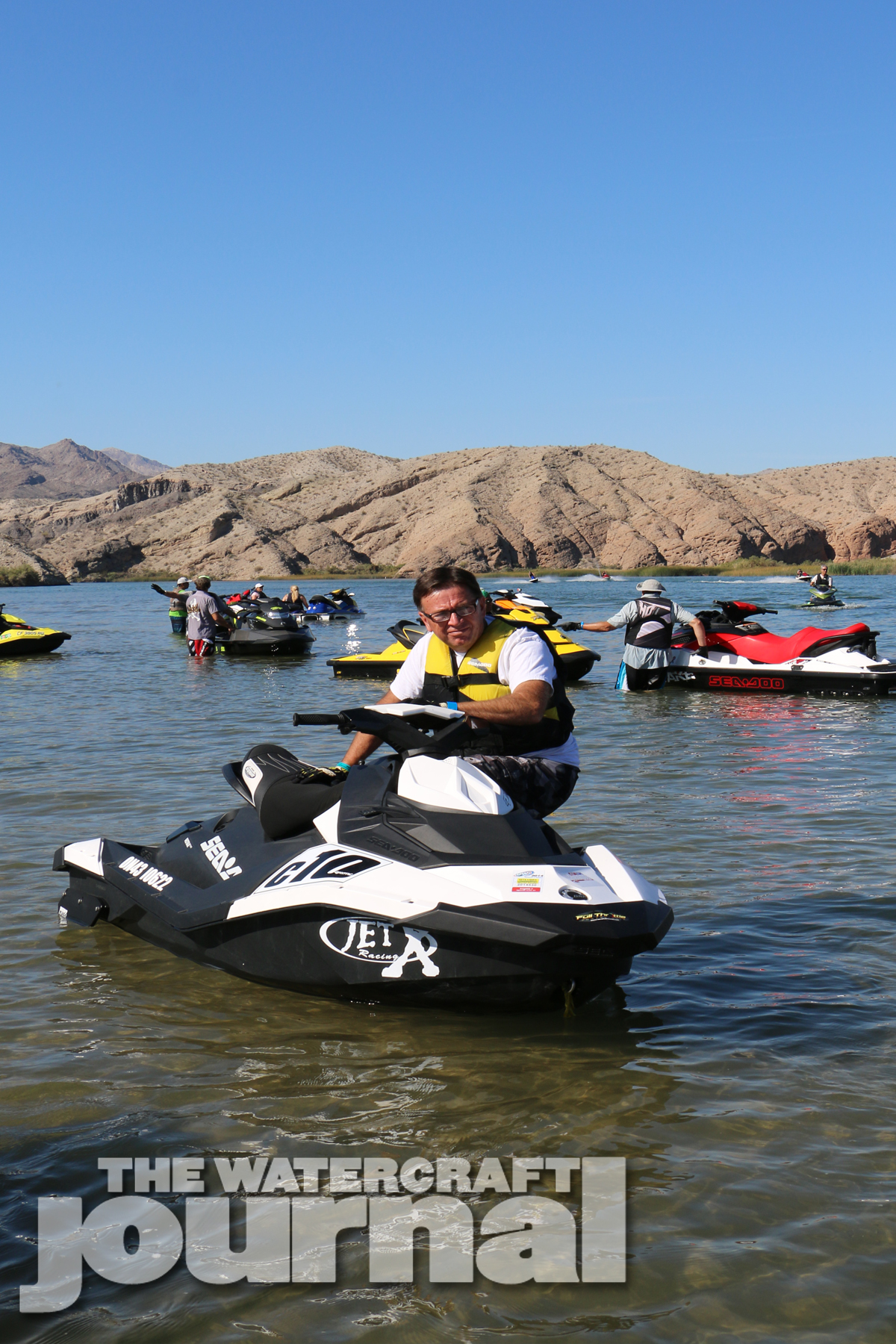
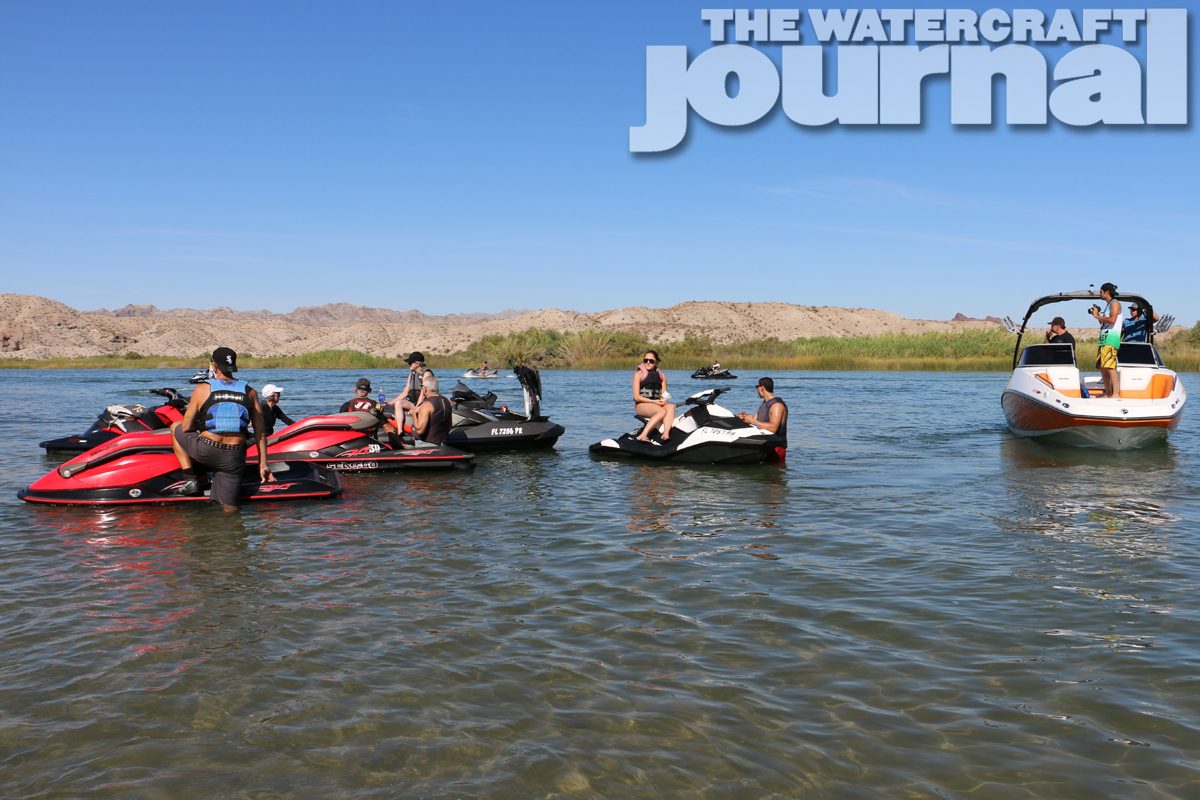
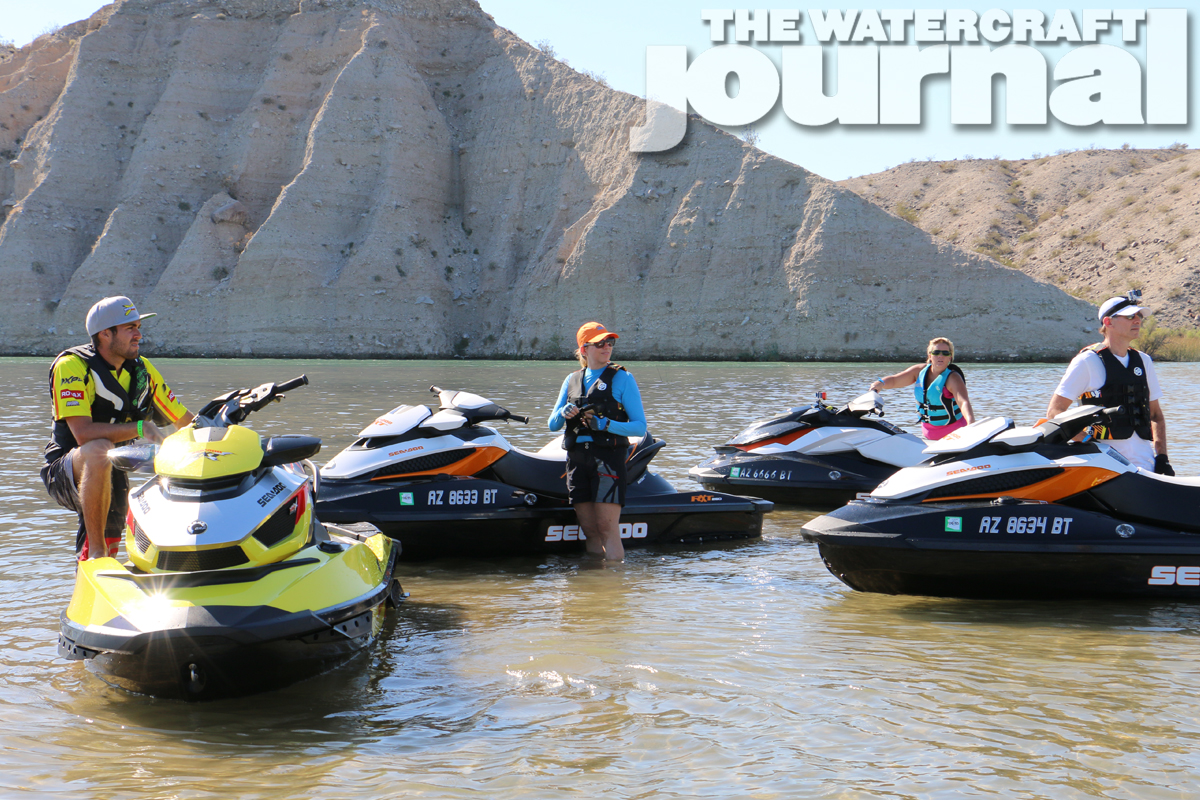
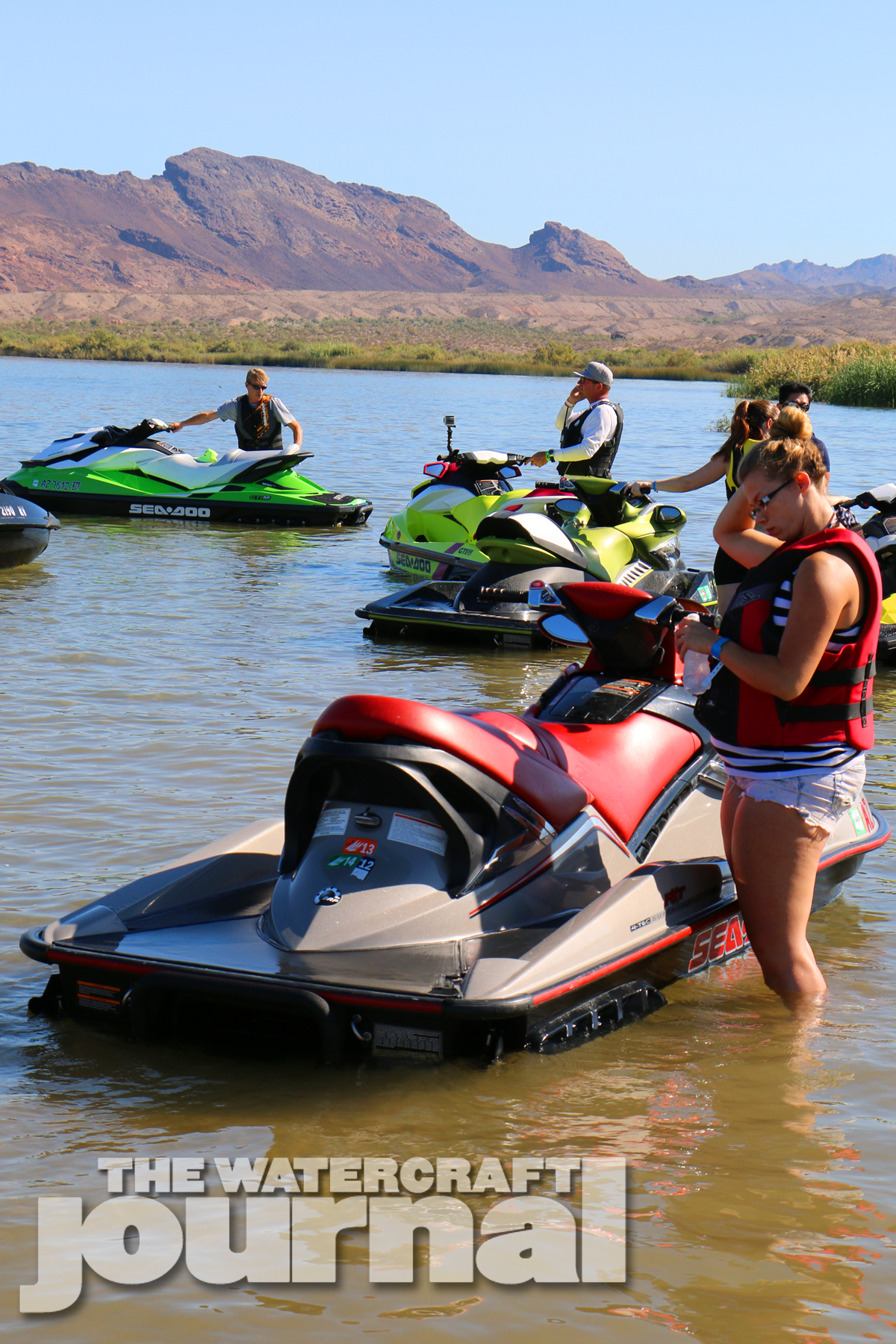
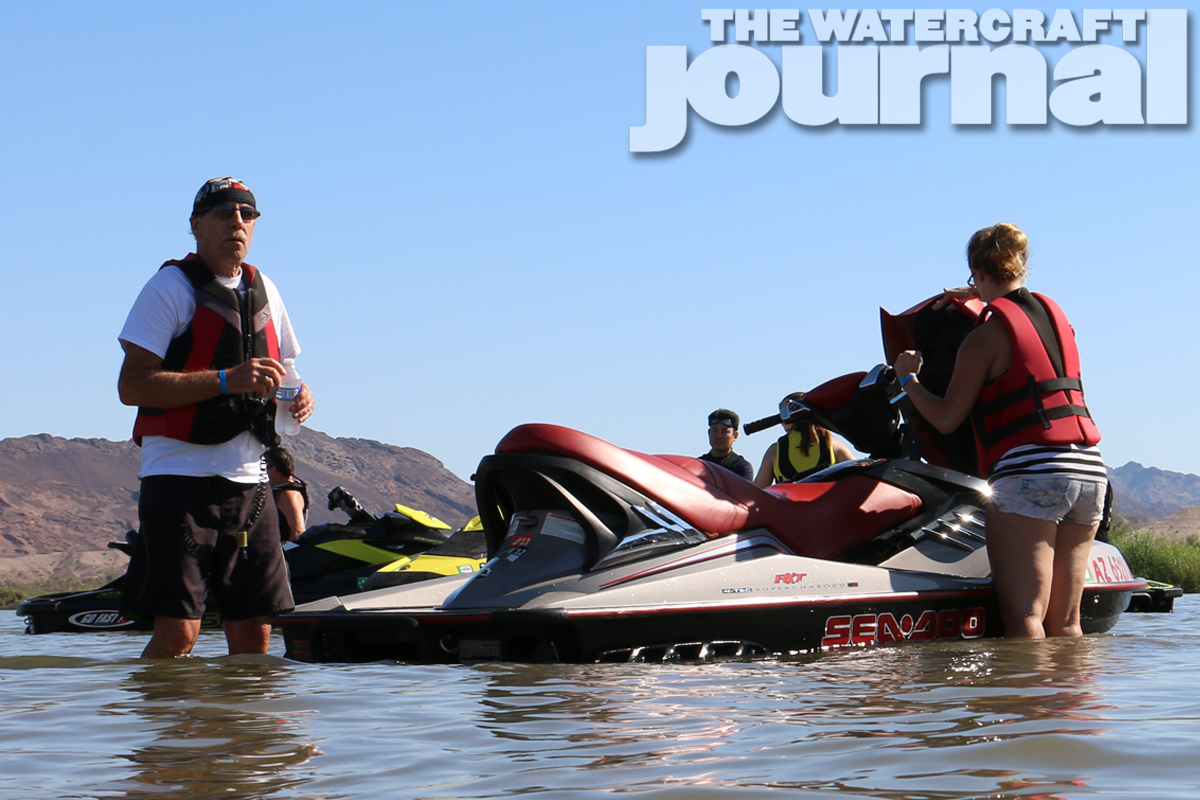
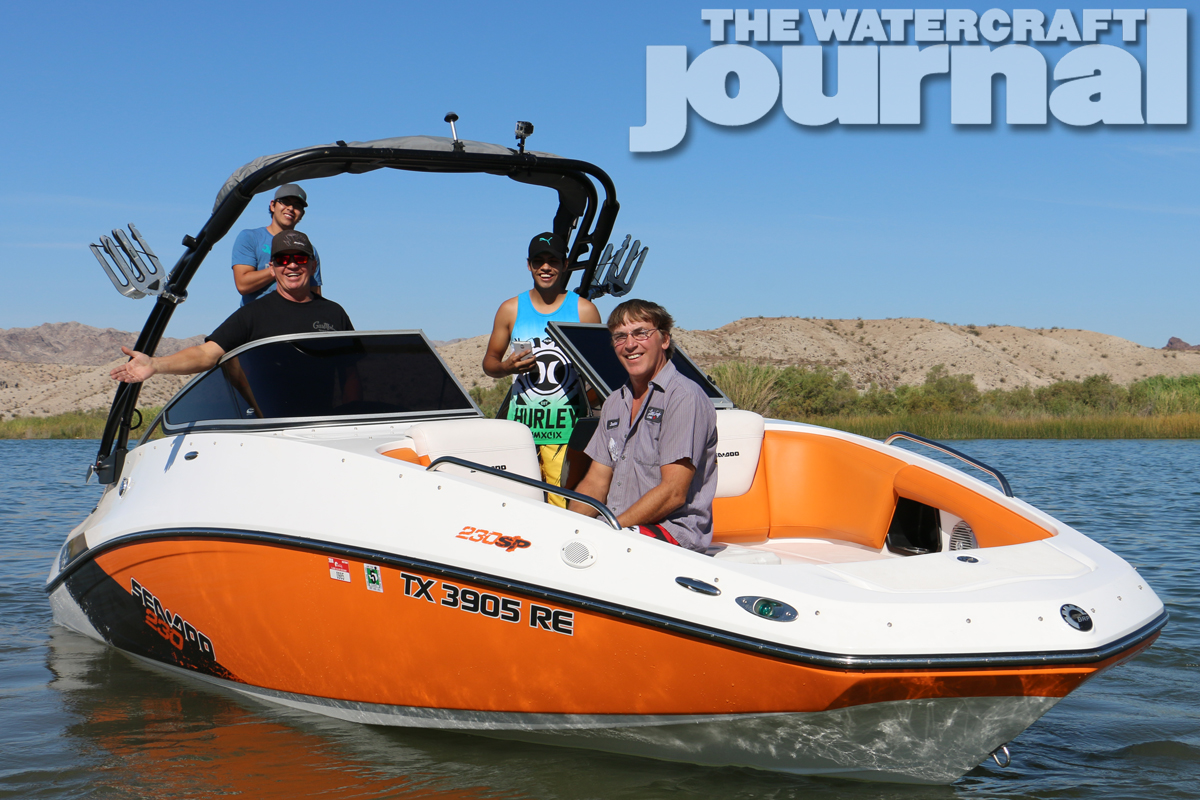
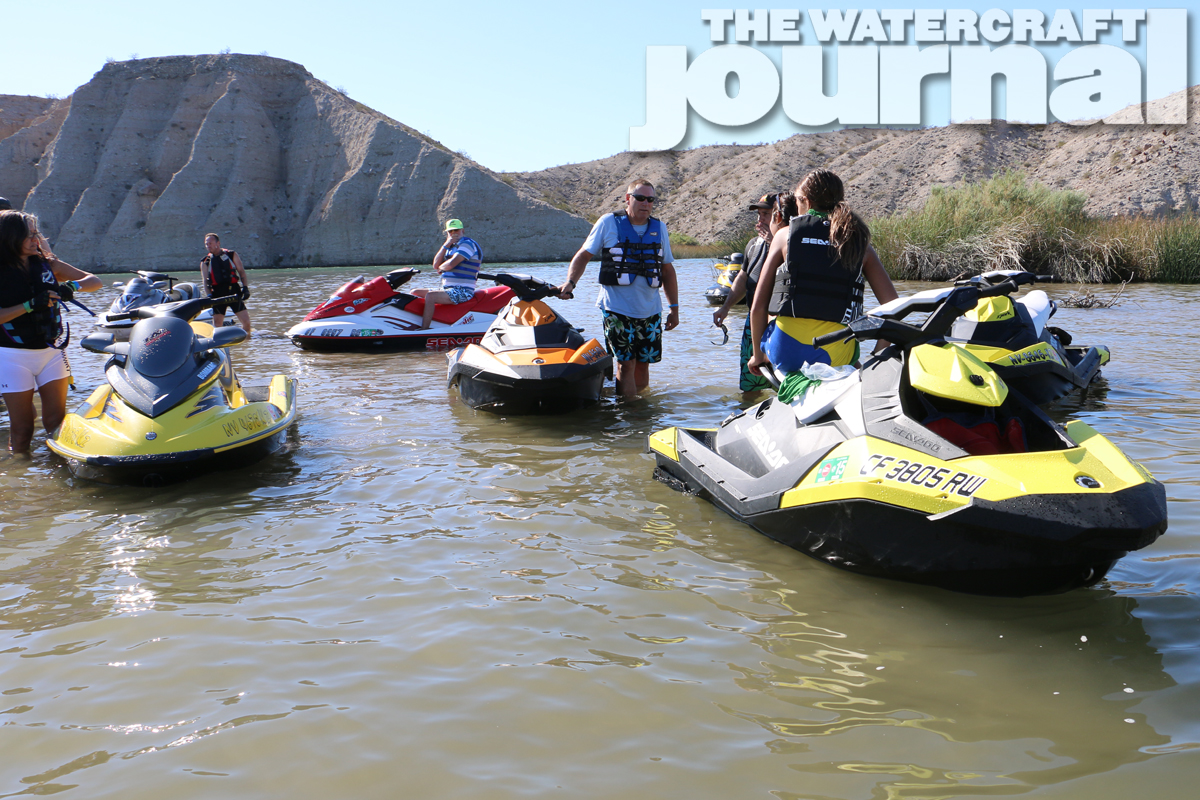
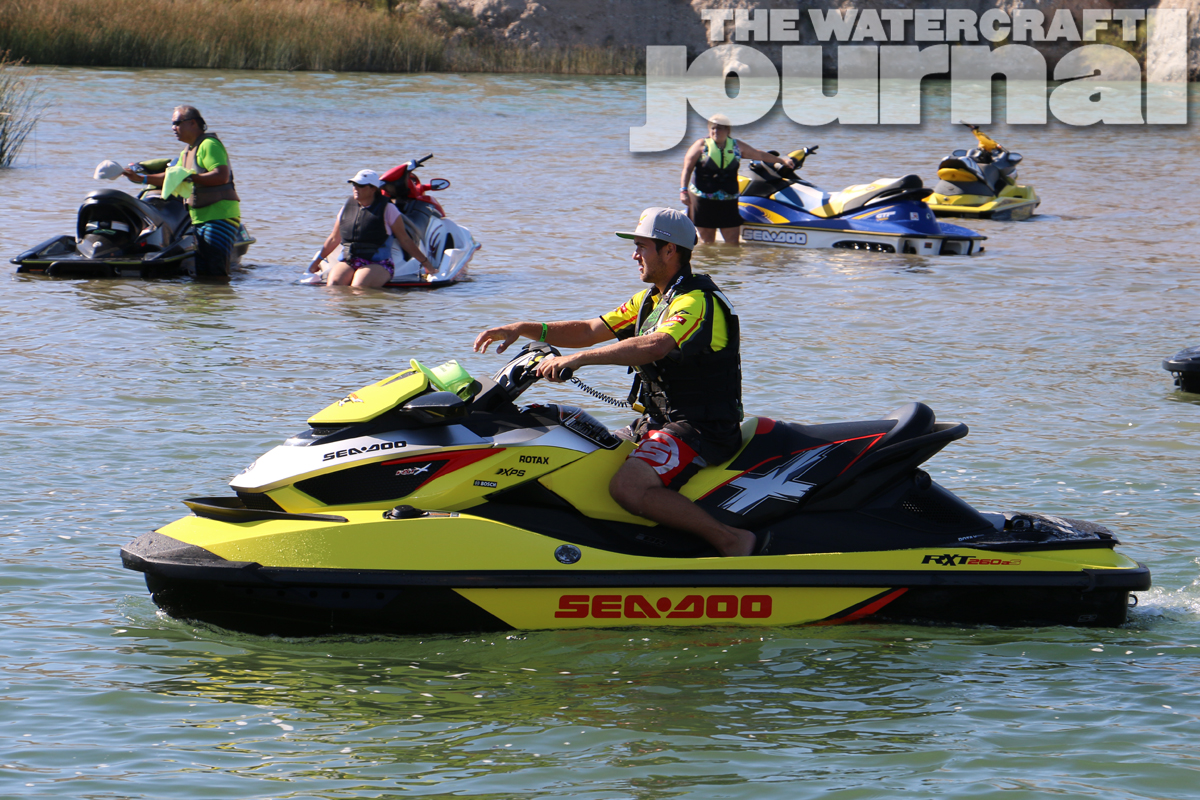
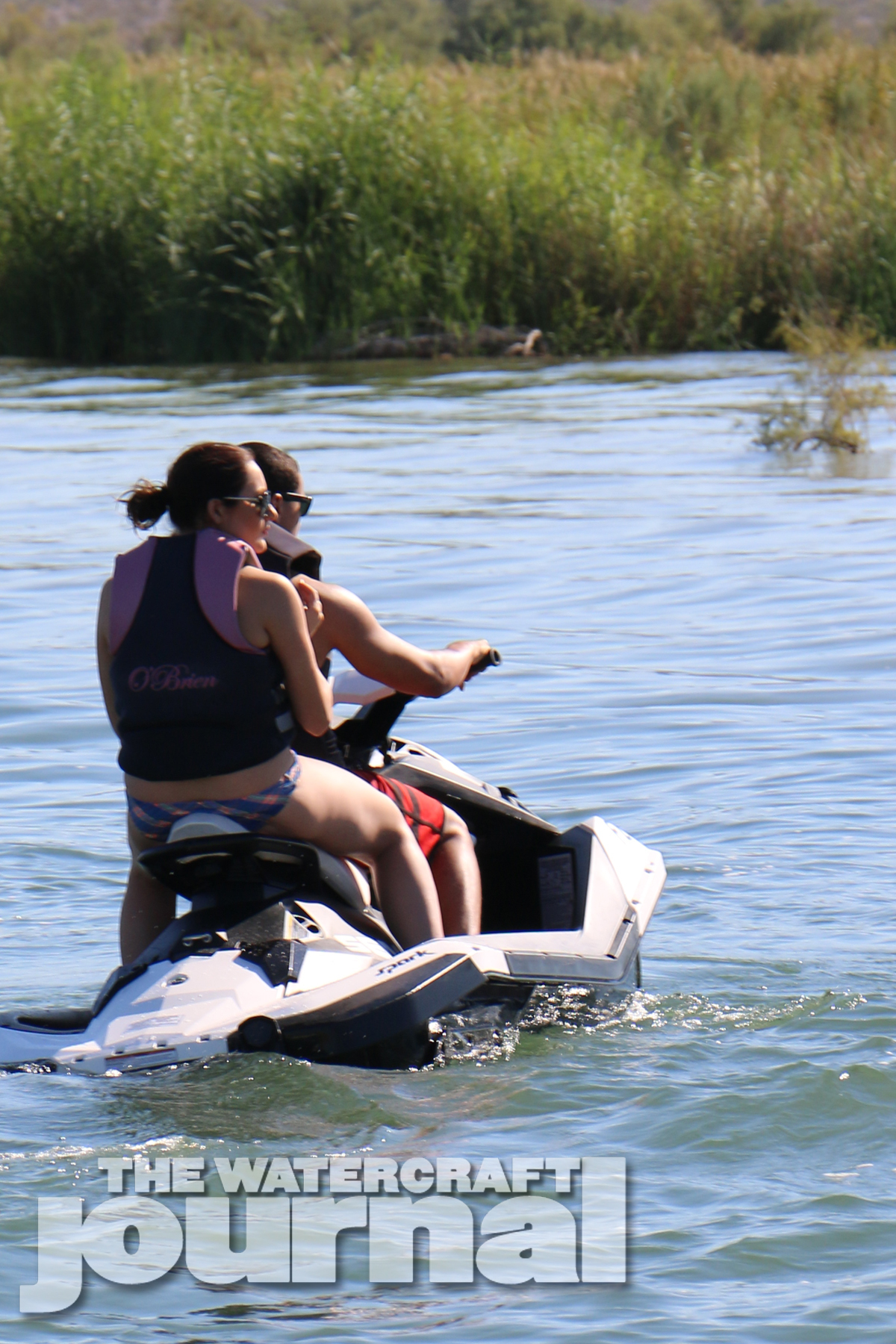
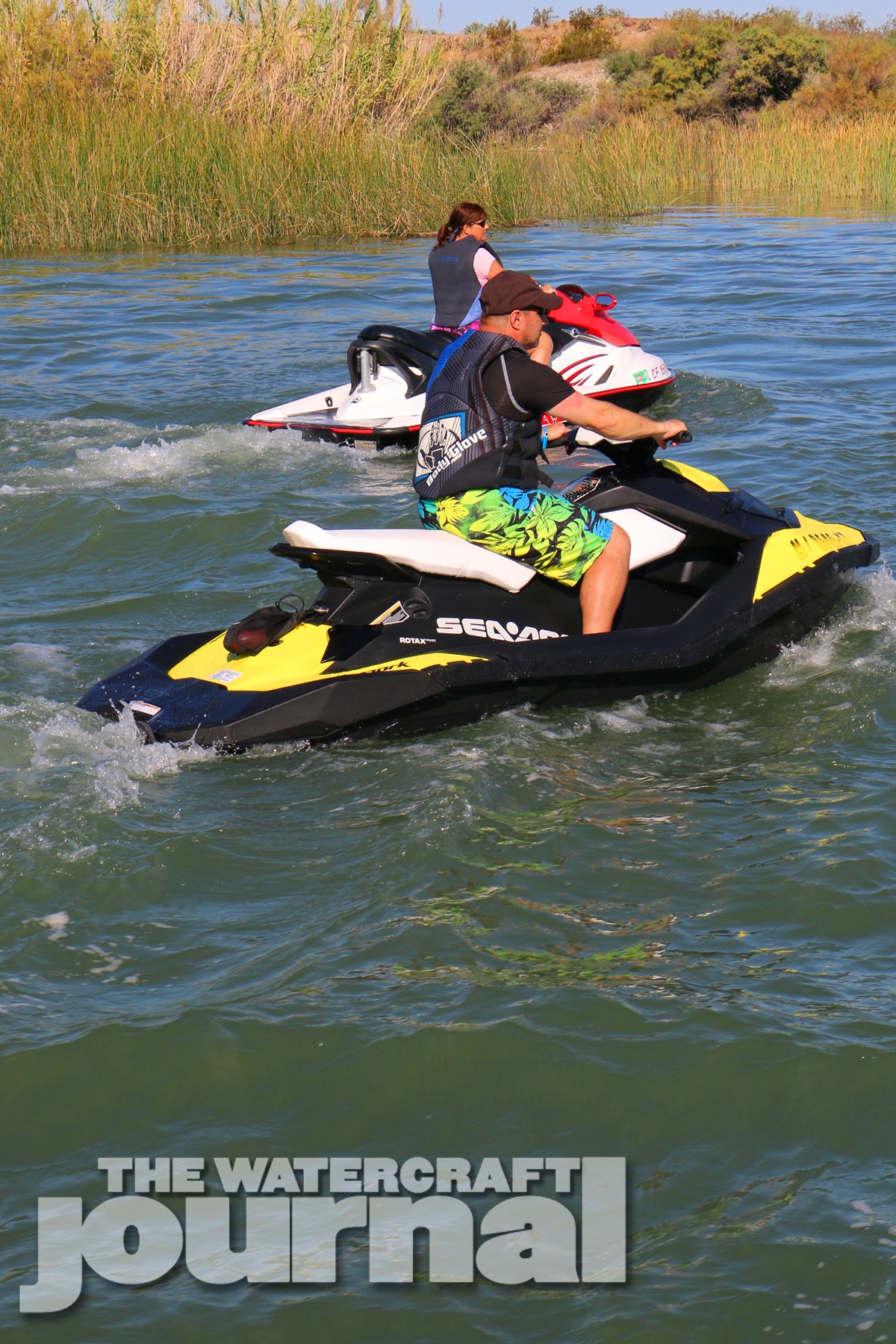
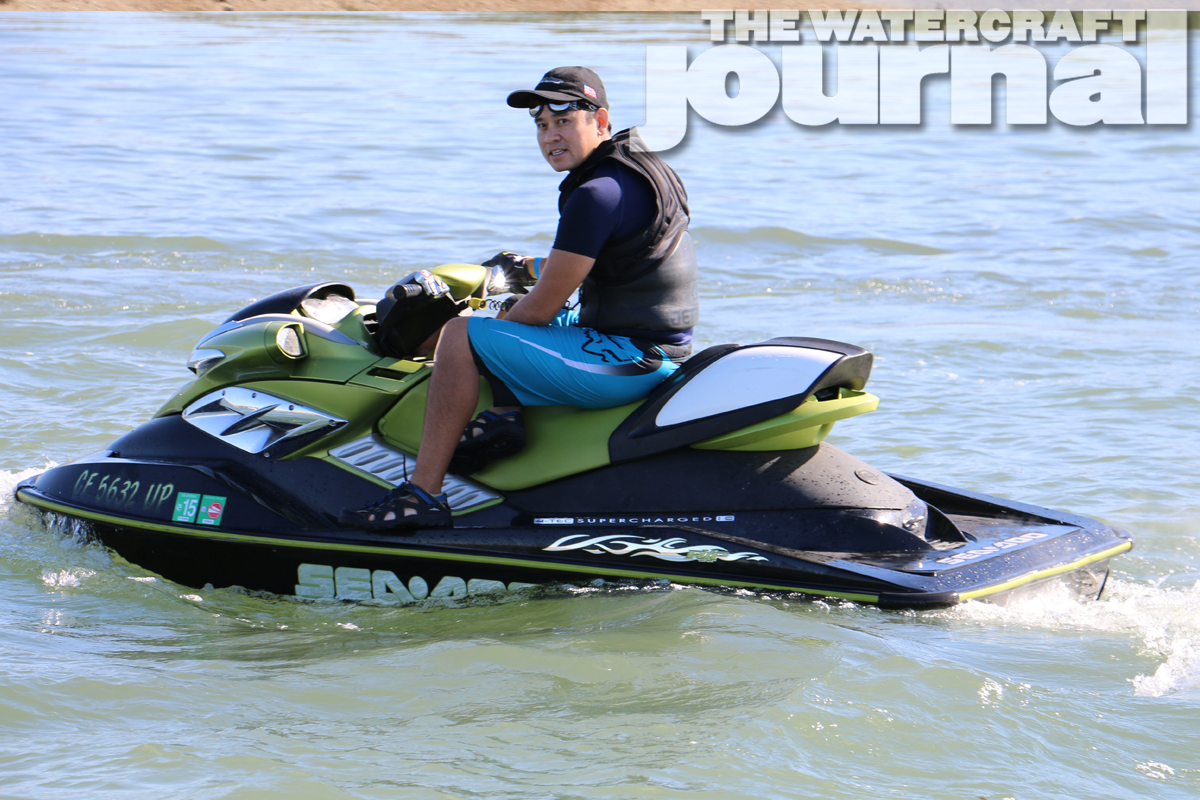
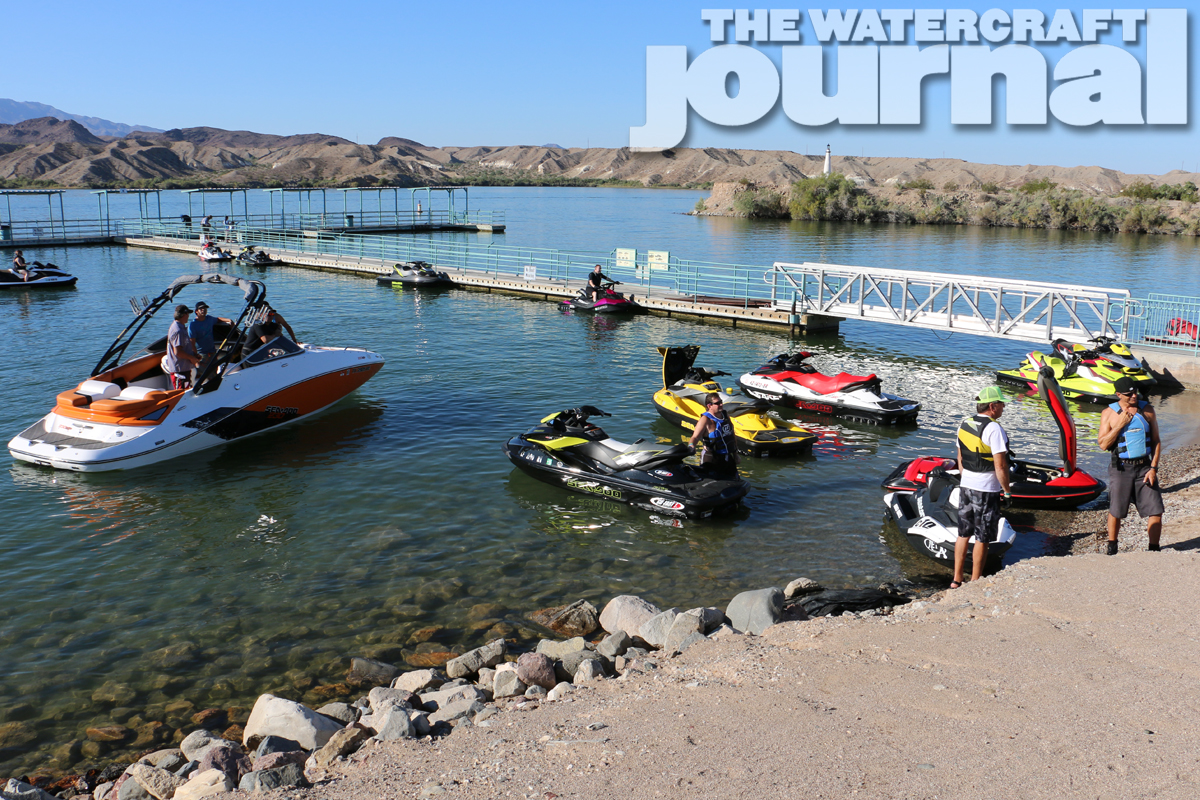
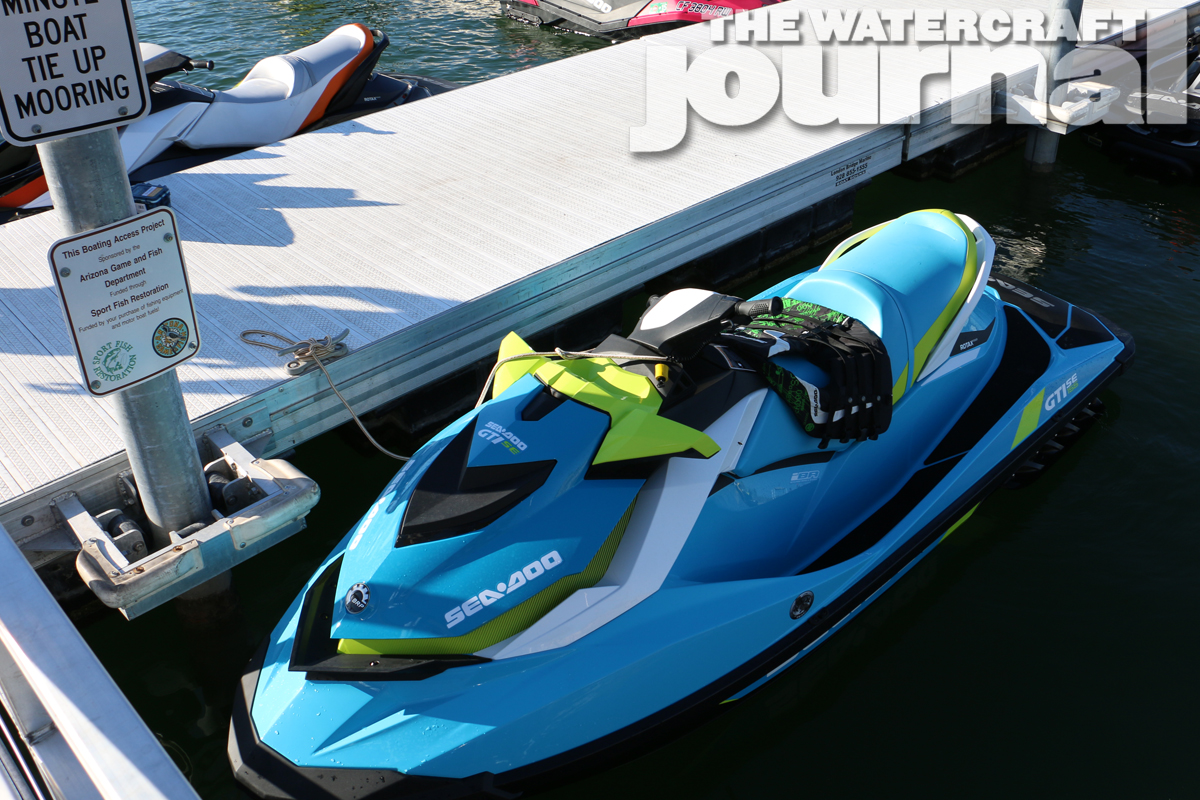
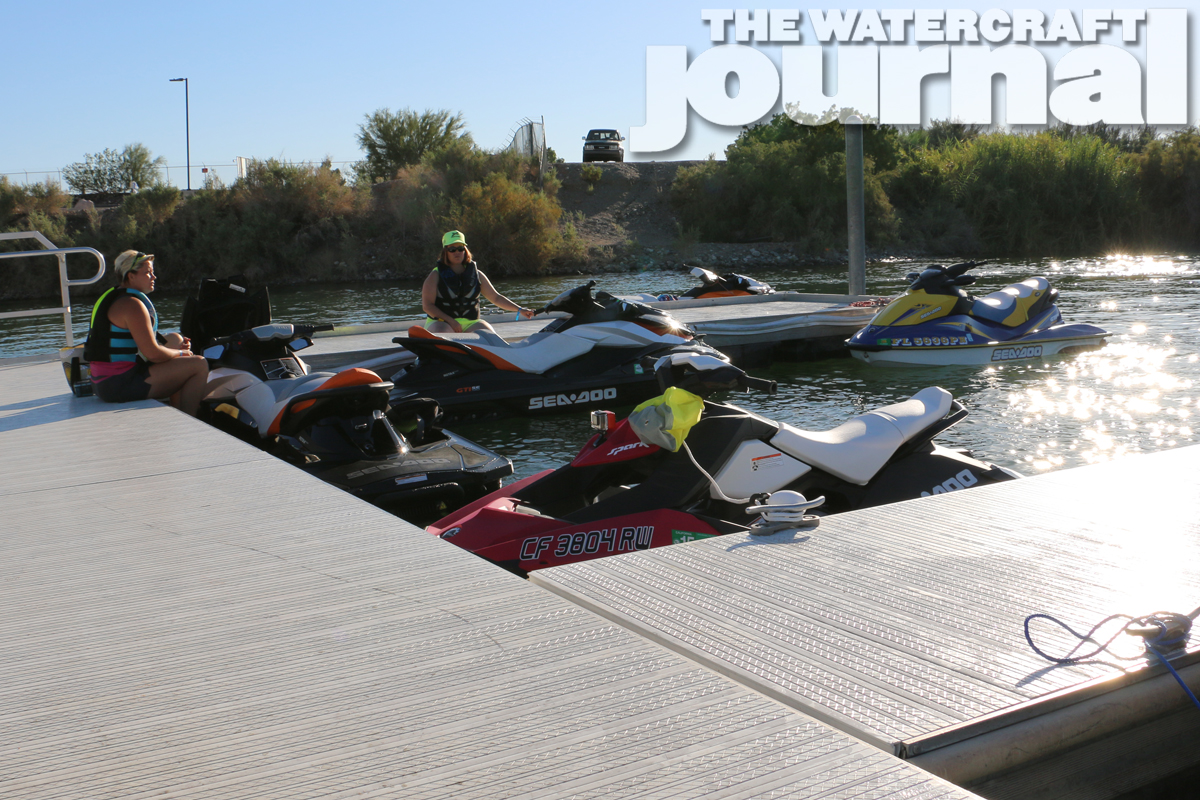
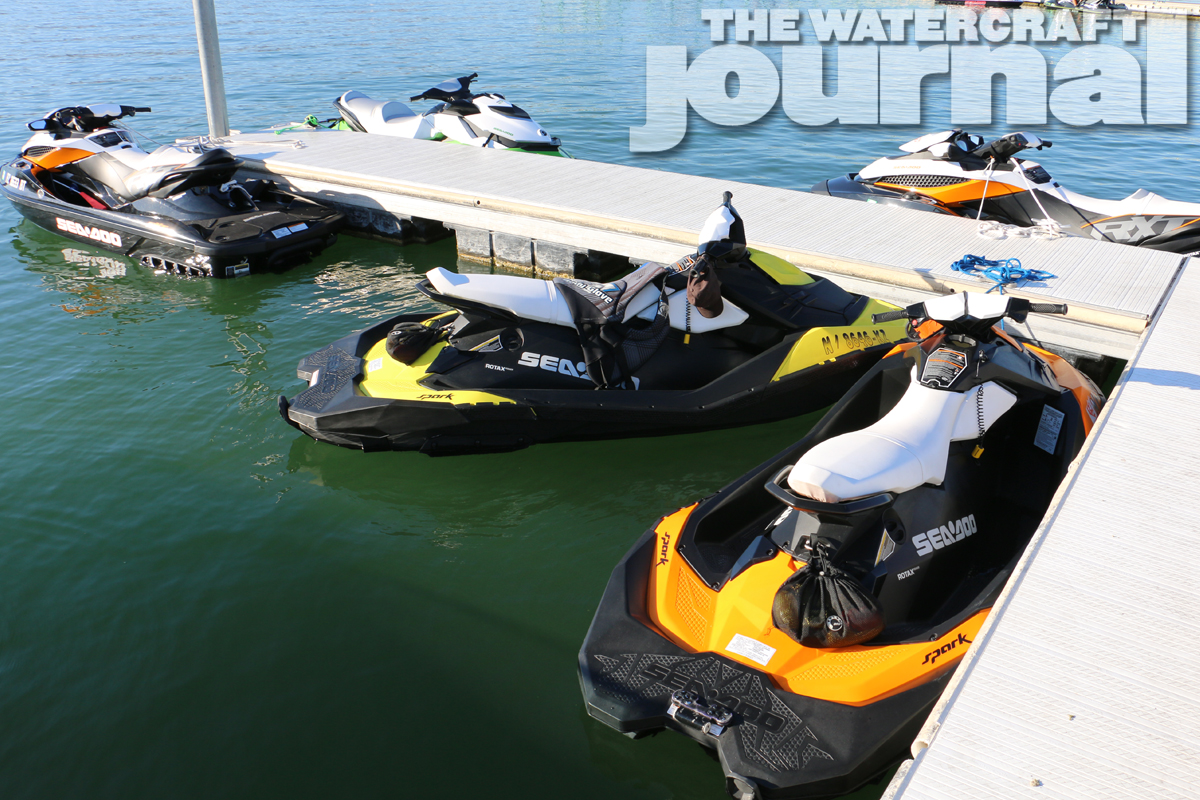
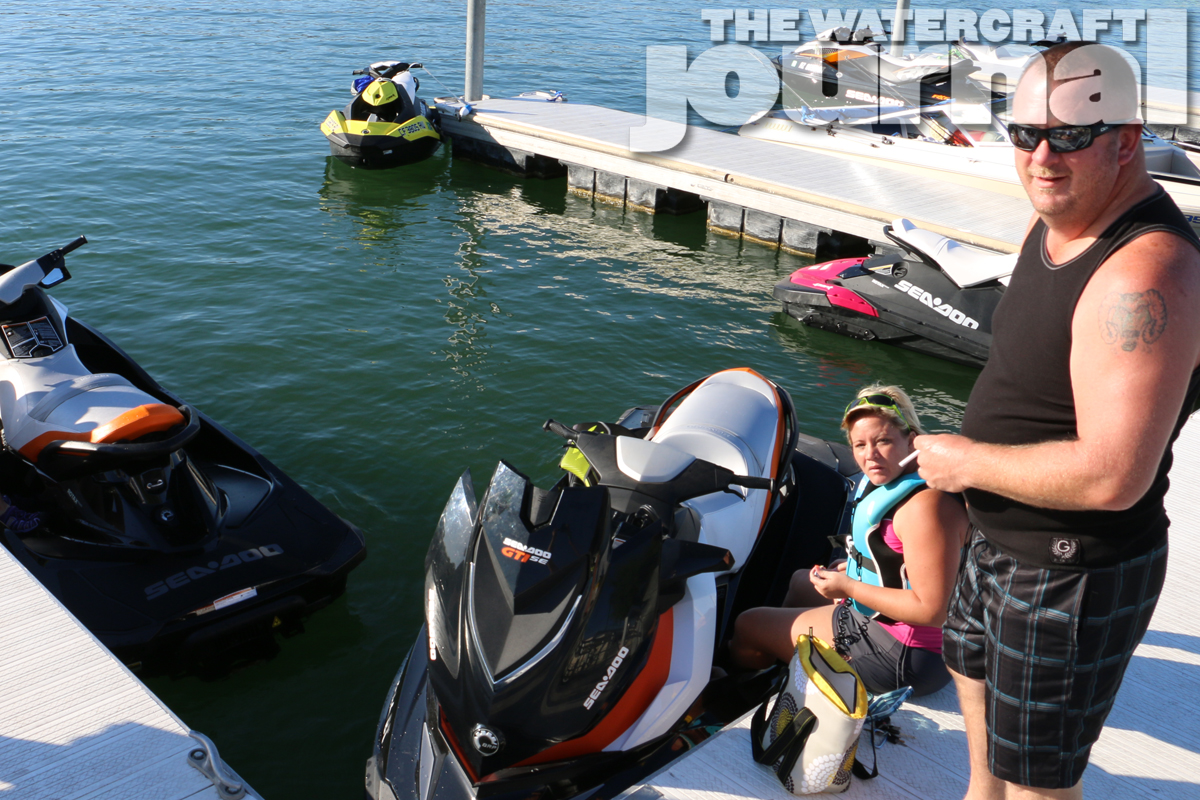
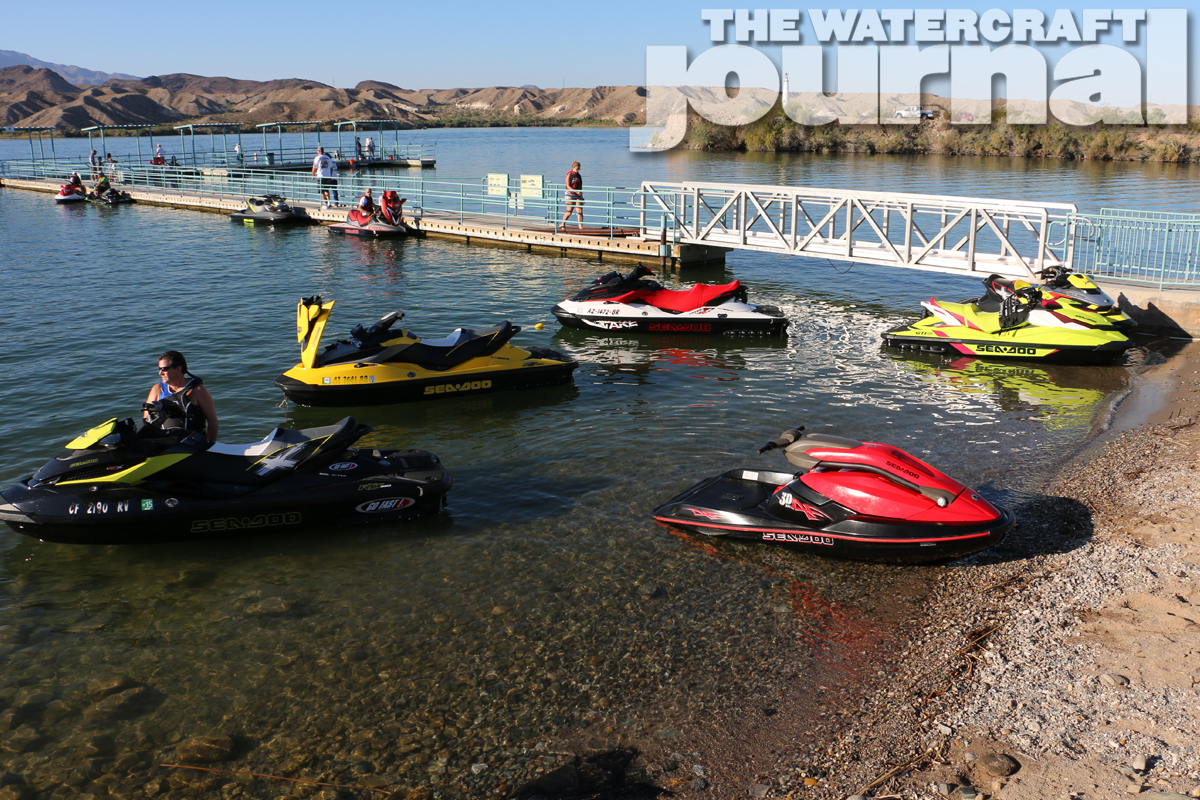
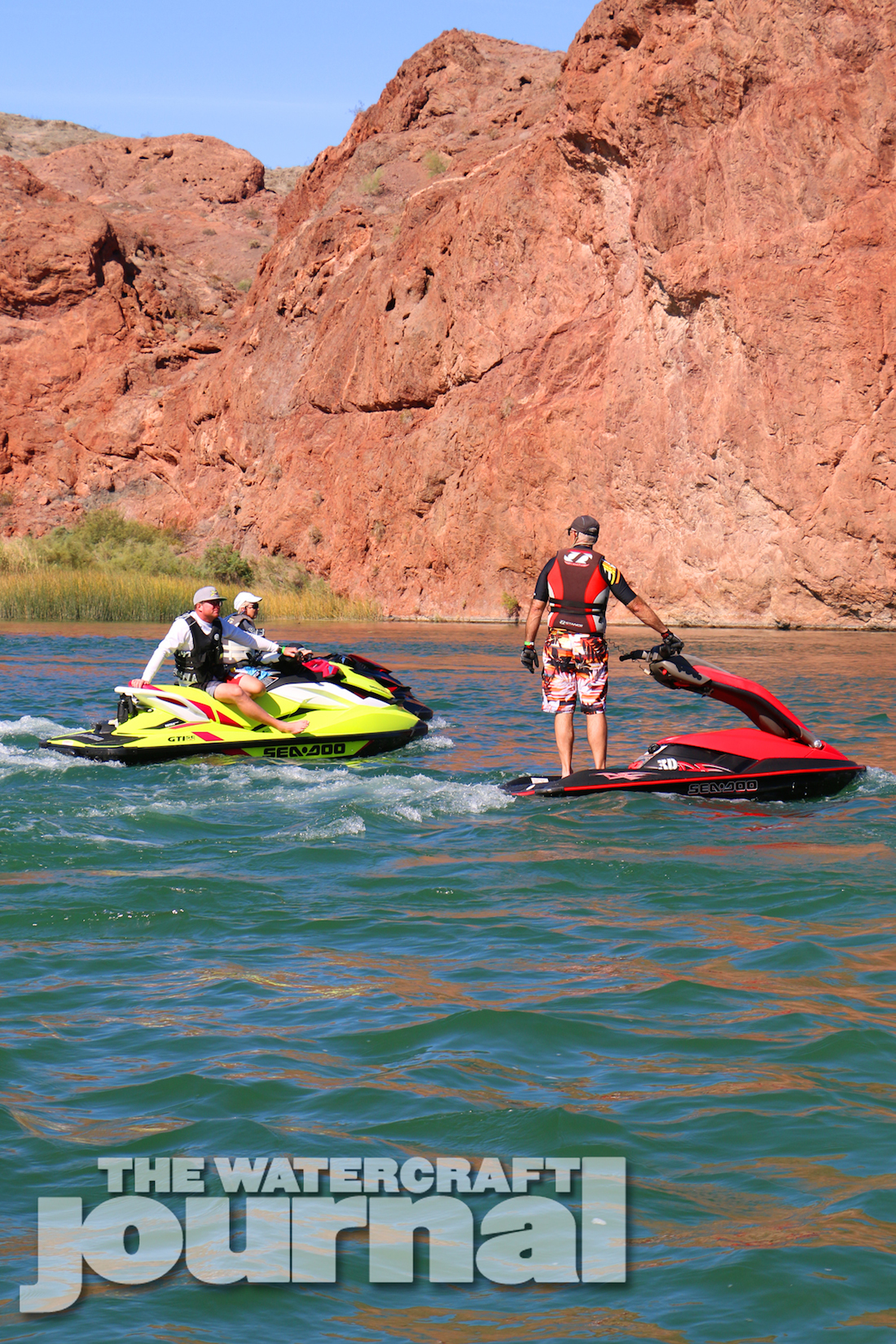
Although a preliminary meet-and-greet was held at local Mudsharks Brewery the night before, Saturday morning saw the mooring cleats filled with a variety of Sea-Doos, from half a dozen Sparks, plenty of supercharged RXTs, RXPs, and GTXs, a pair of 3Ds (which we were personally excited seeing), and a sprinkling of brand-new 2015 models provided as eye-candy by the BRP crew. Even a Sea-Doo 210 jet-boat joined the party, and provided this author a fine platform to take pictures from.
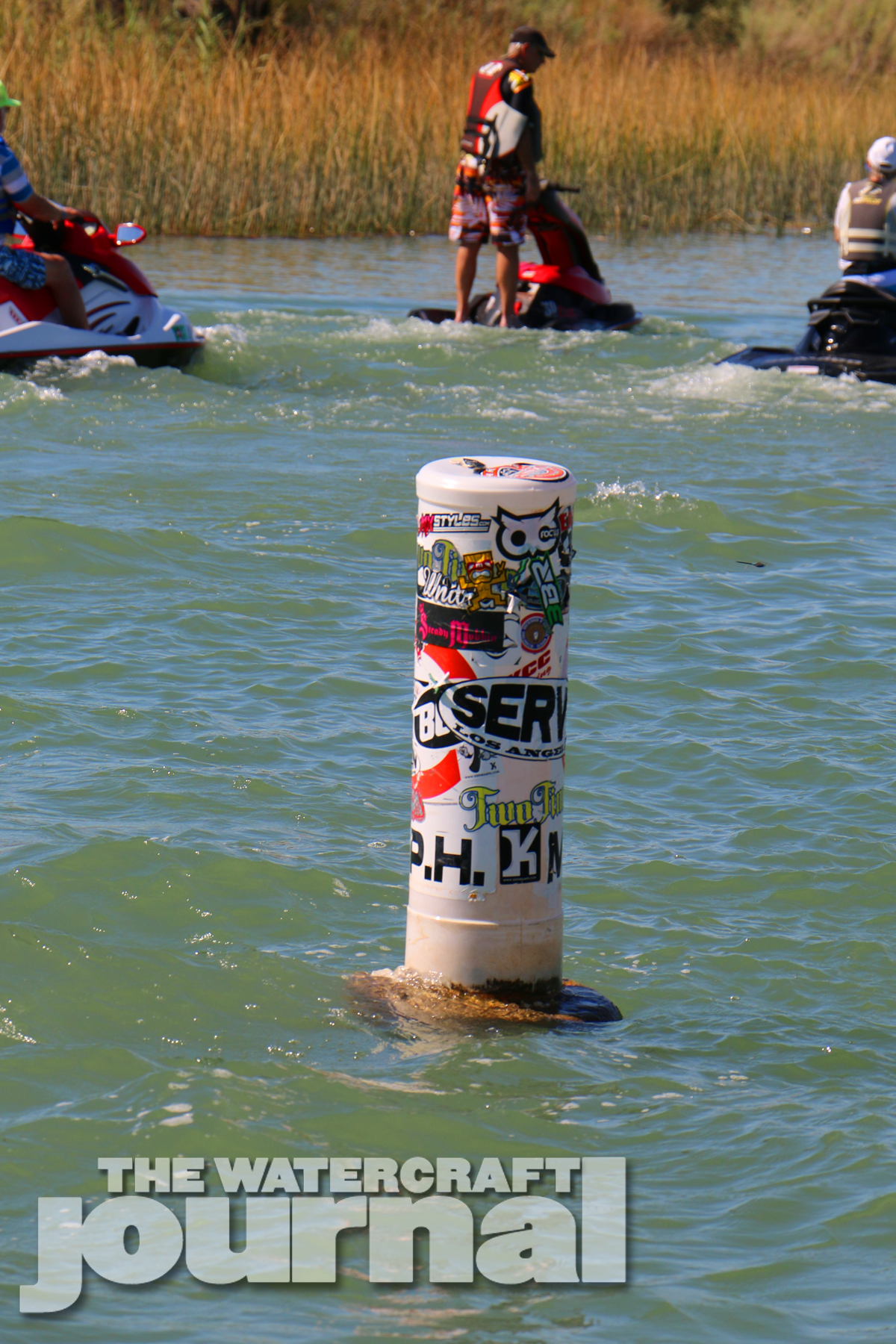
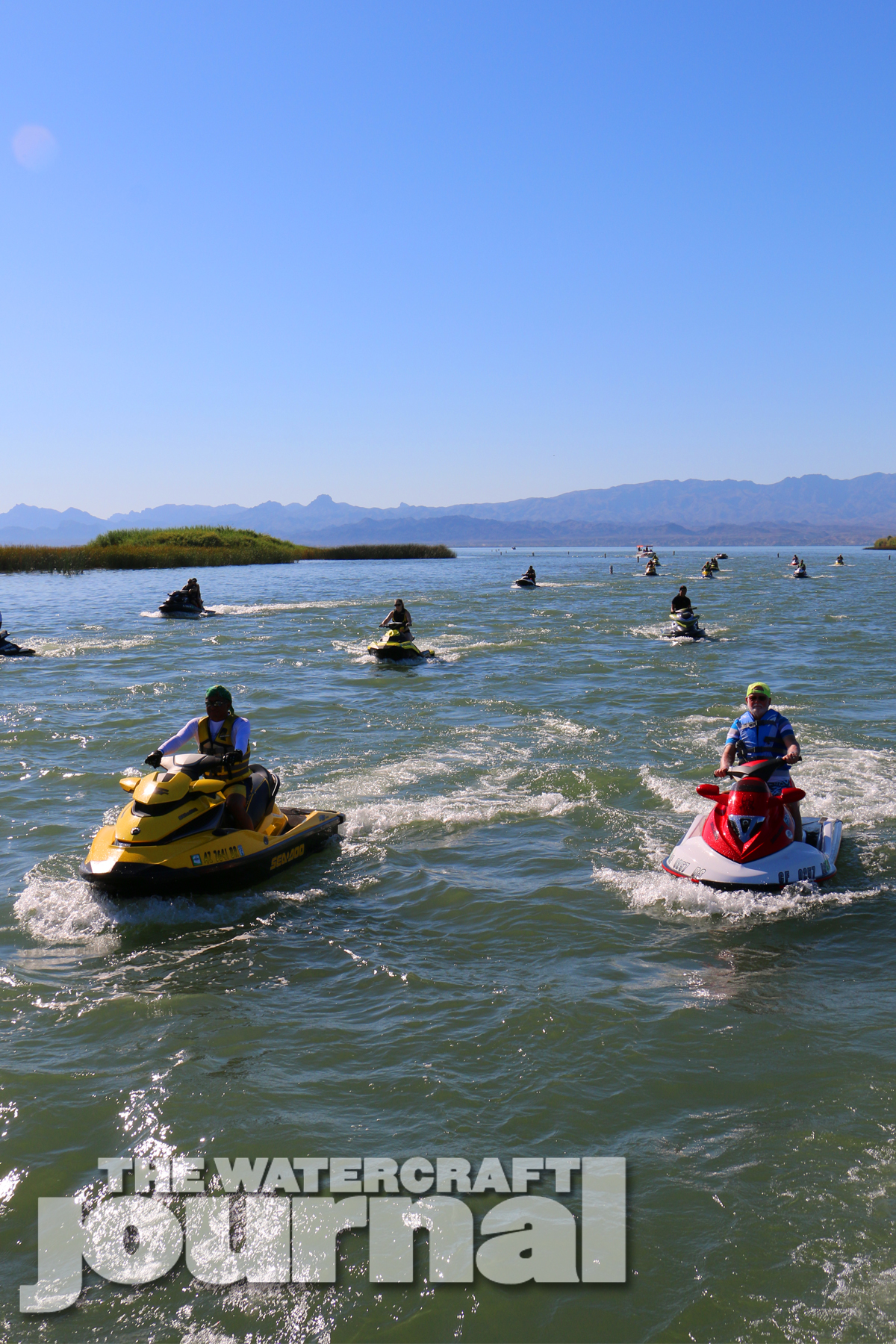
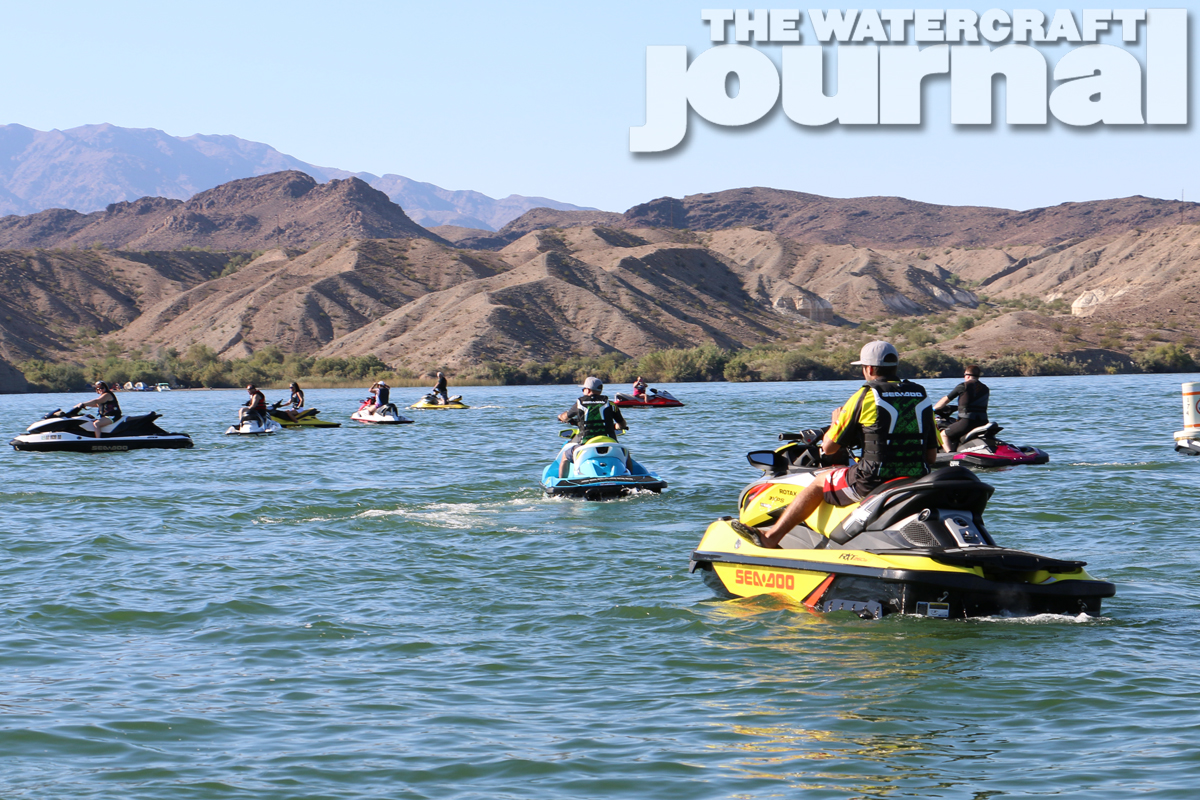
Although this year’s attendance was slightly reduced from previous years (dwarfed by the reported 40-percent decline in attendance in this year’s IJSBA World Finals), the group was managed by the Sea-Doo crew, with plenty of riders acting as herding dogs along the ride, particularly as we made several stops along the route. From Site Six, we ventured out, south around the tip of the island to travel up through the famous Havasu Channel and London Bridge, but were unfortunately turned back by the Lucas Oil drag boats that were competing on the island’s south side.
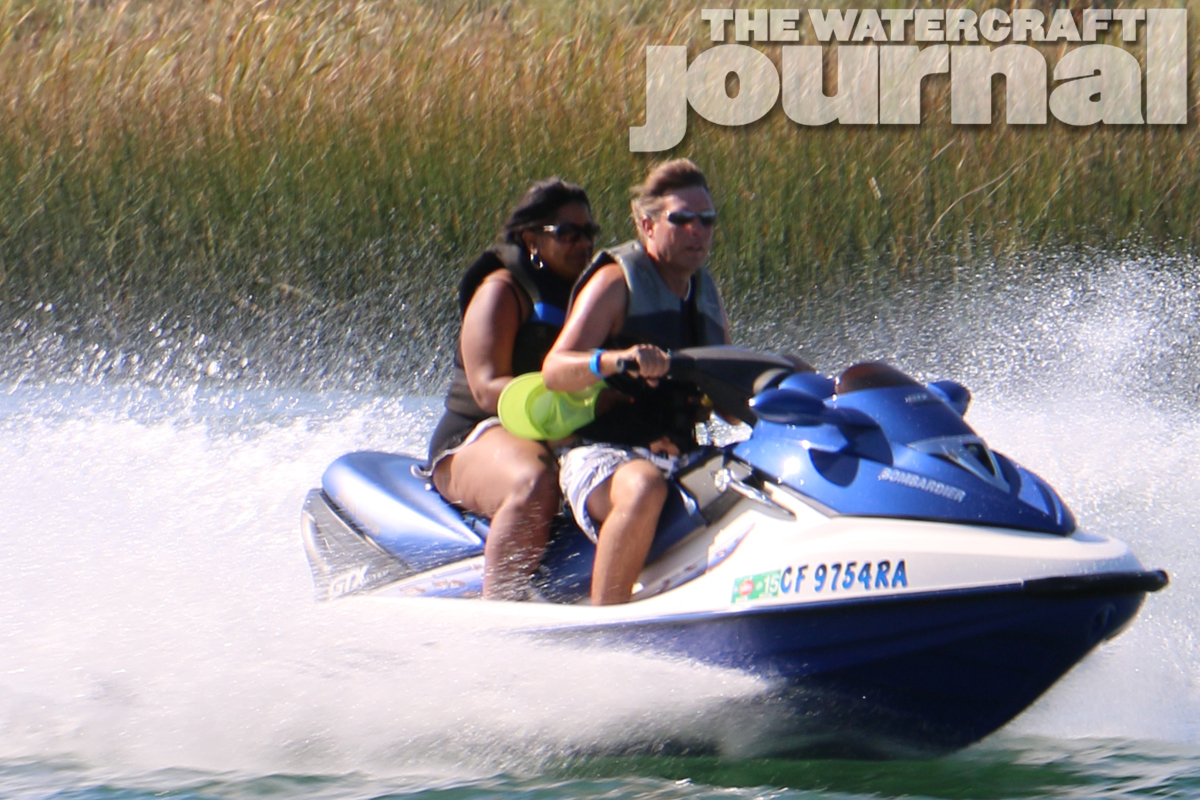
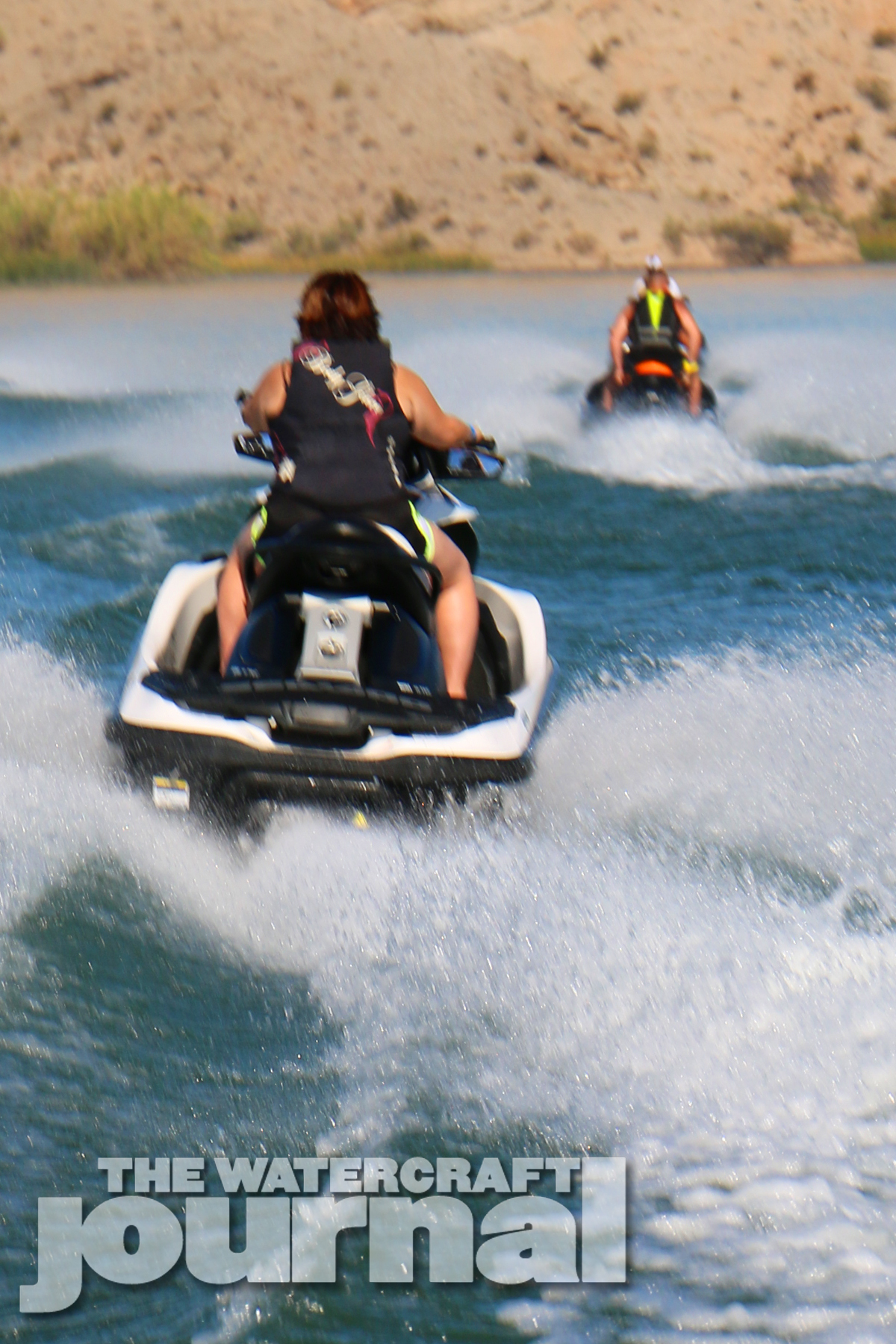
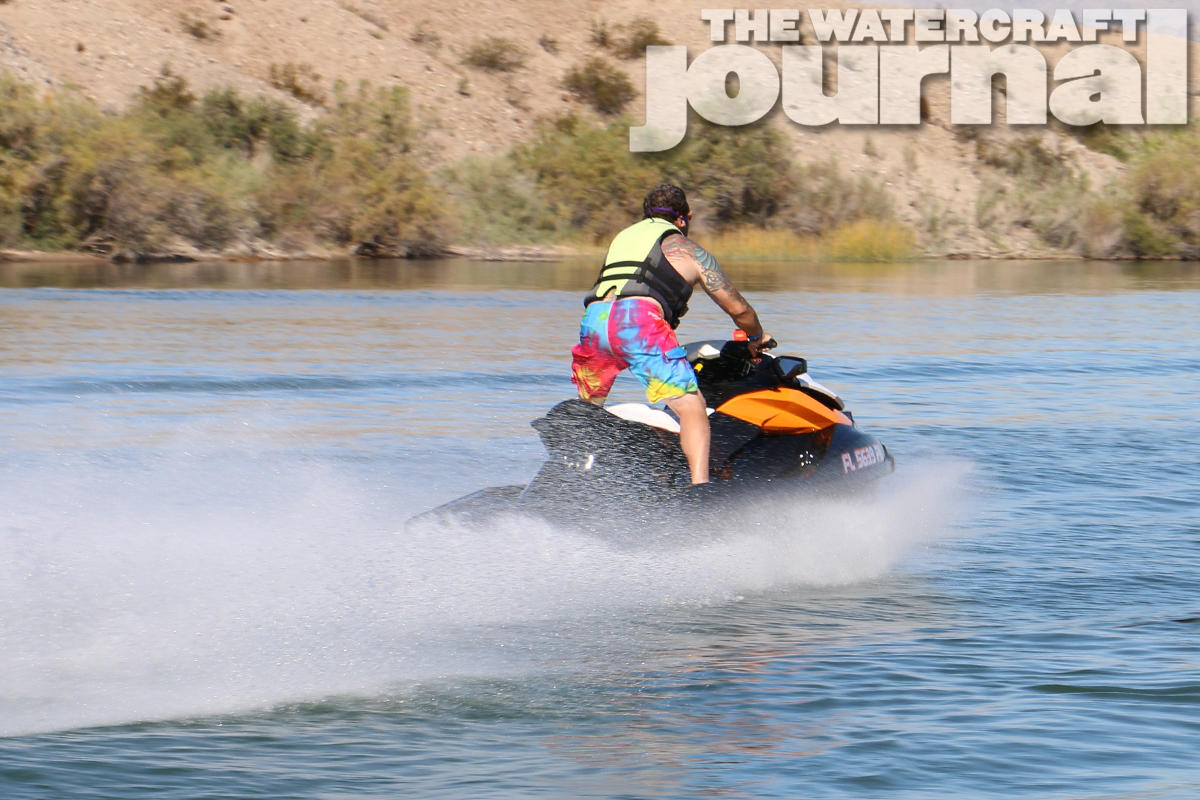
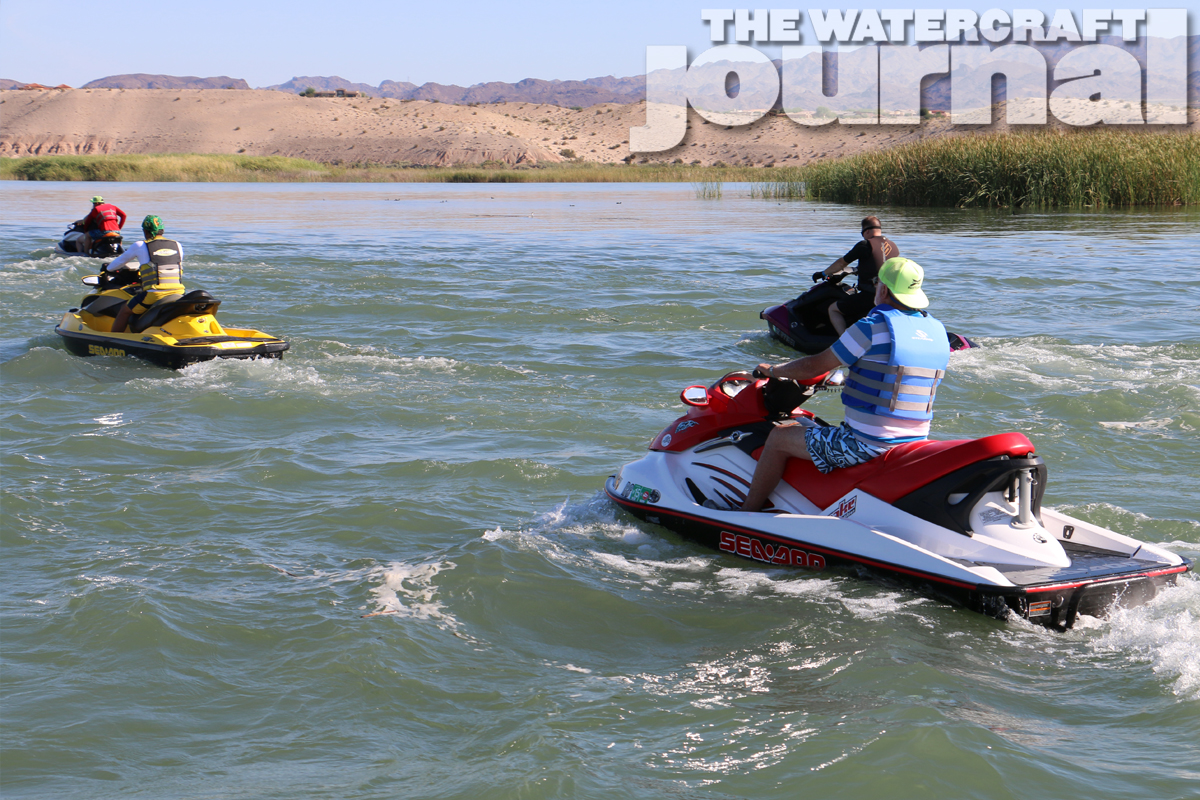
Doubling back, we journeyed up the California-side of the lake towards the mouth of the river, passing the raucous cacophony of the World Finals on the island’s northern end. There, we stopped to regroup before heading up toward the Havasu Sandbar. Leaving as early as we did, temperatures remained cool and boat traffic was at a minimum. This encouraged quite a few to romp on the gas and kick up some spray before taking a short break.
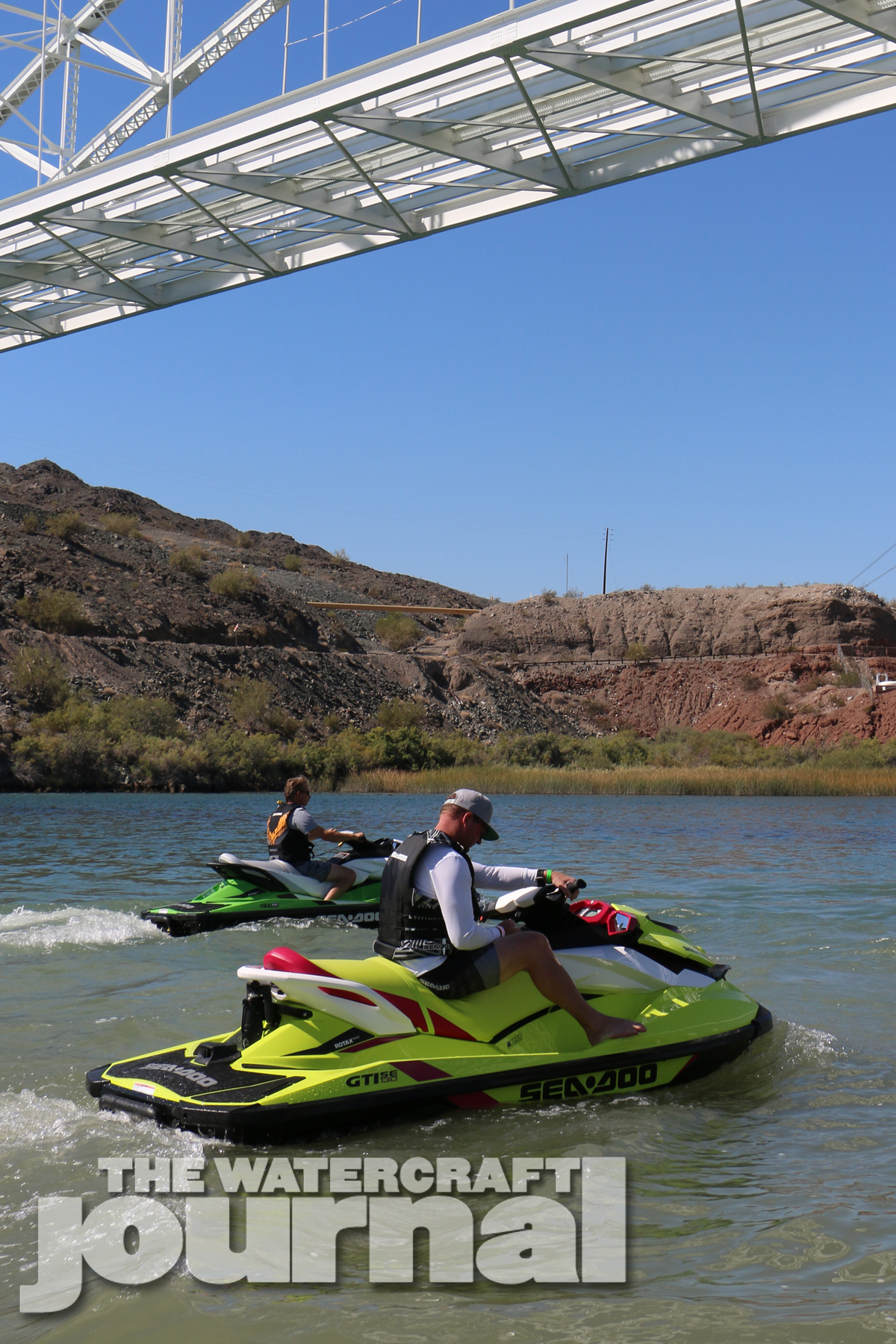
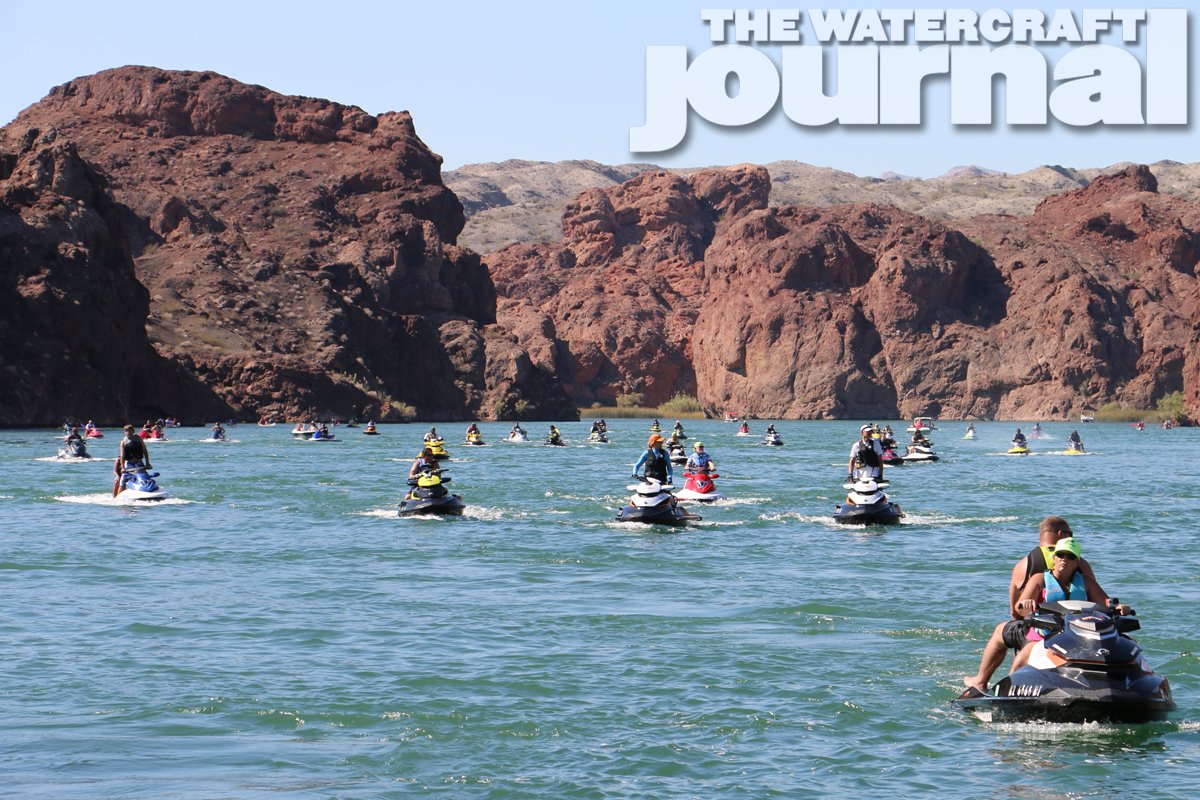
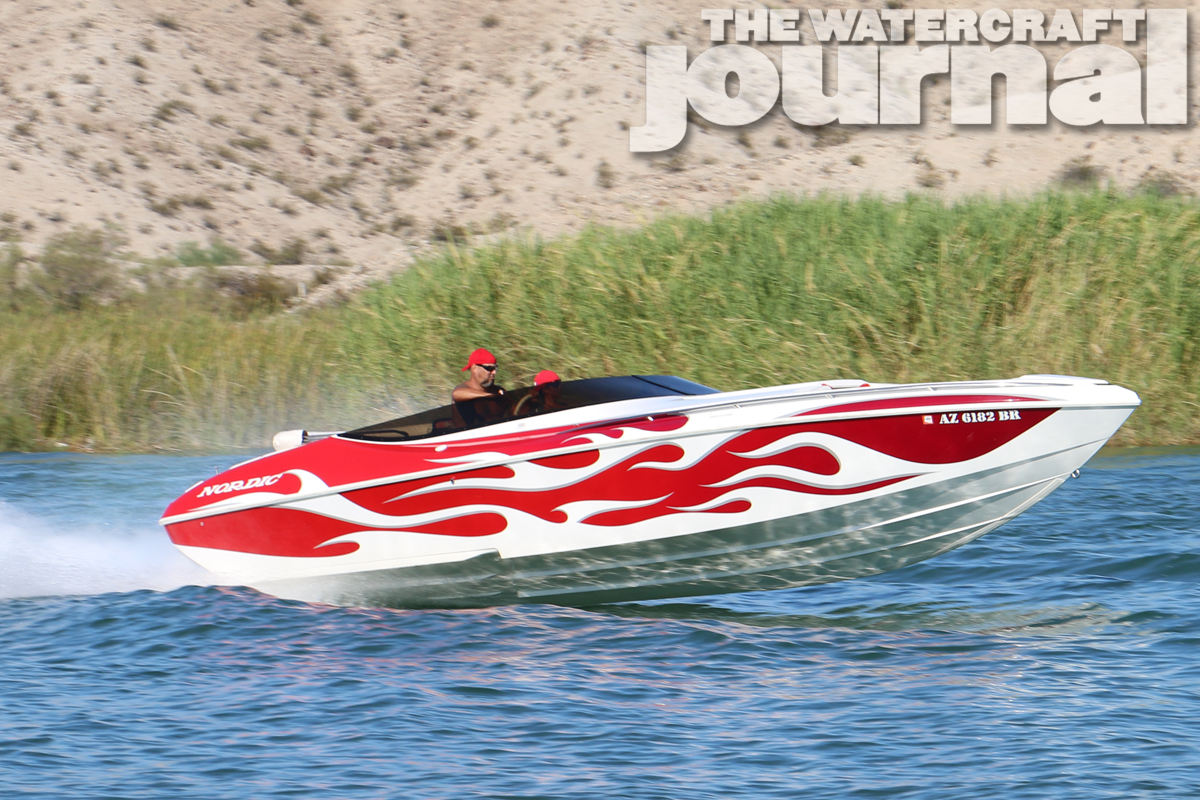
From fully-equipped GTX Limiteds featuring BRP’s intelligent suspension soaking up the chop to entry-level 60-horsepower Sparks, the crowd gathering around the infamous sandbar were all smiles, stopping to exchange notes, compare craft and trade tales of misadventures on the water. The short recharge prepared the riders for a slow cruise through Topock Gorge. Idling through the shady canyon, the large group of skis filled the river wall-to-wall, passing pontoons, day-boats and thundering jet boats up the river.
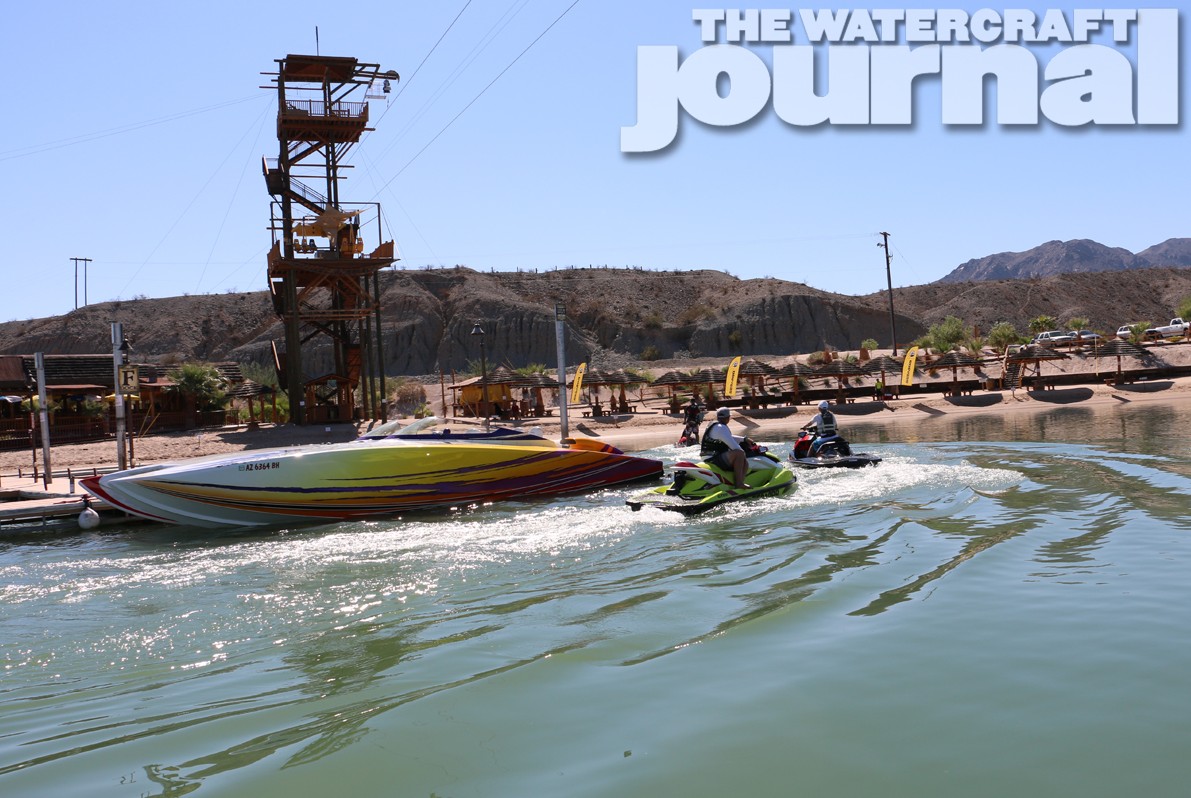
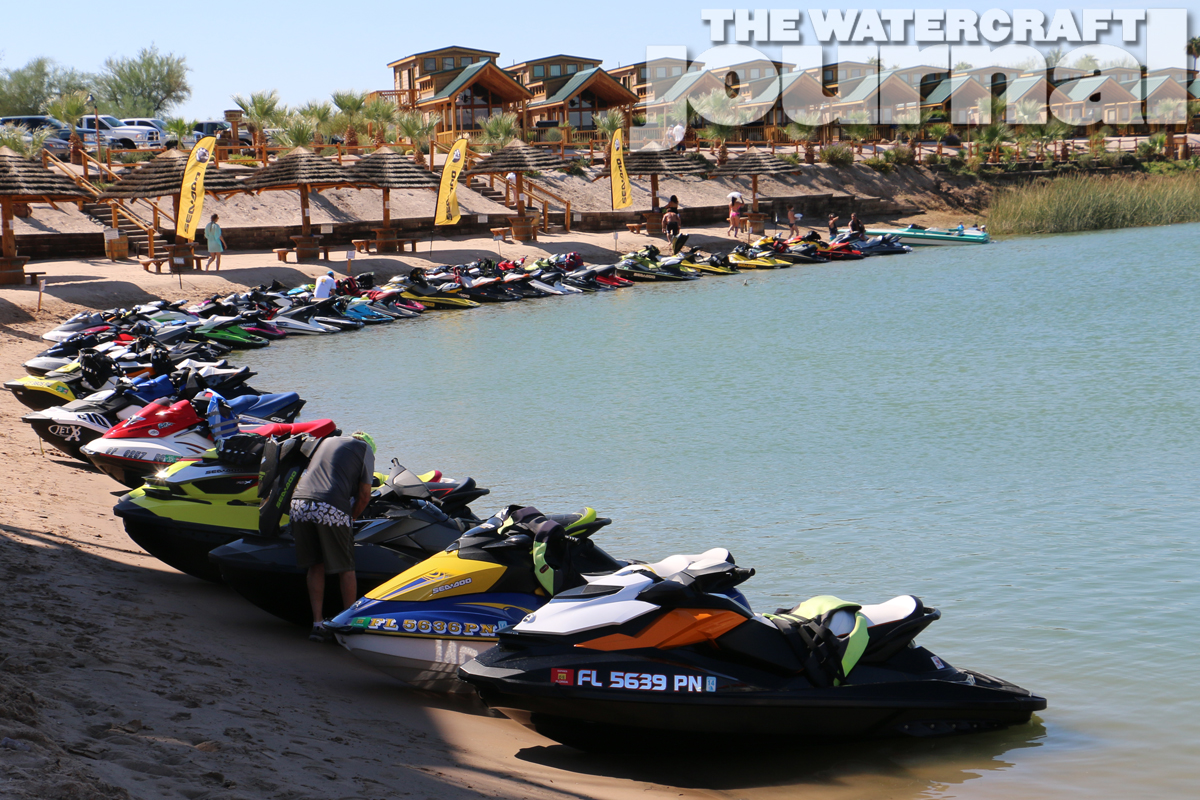
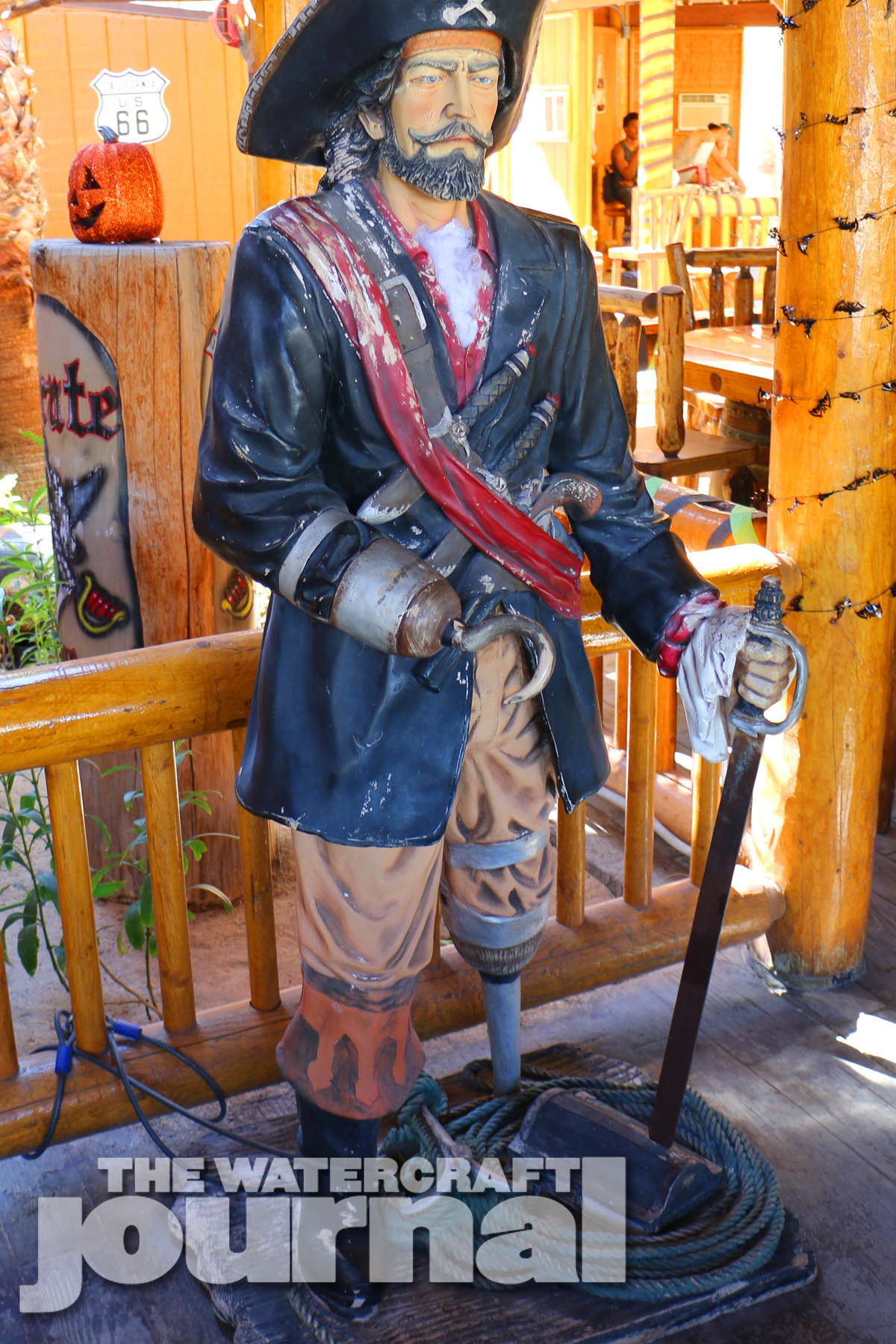
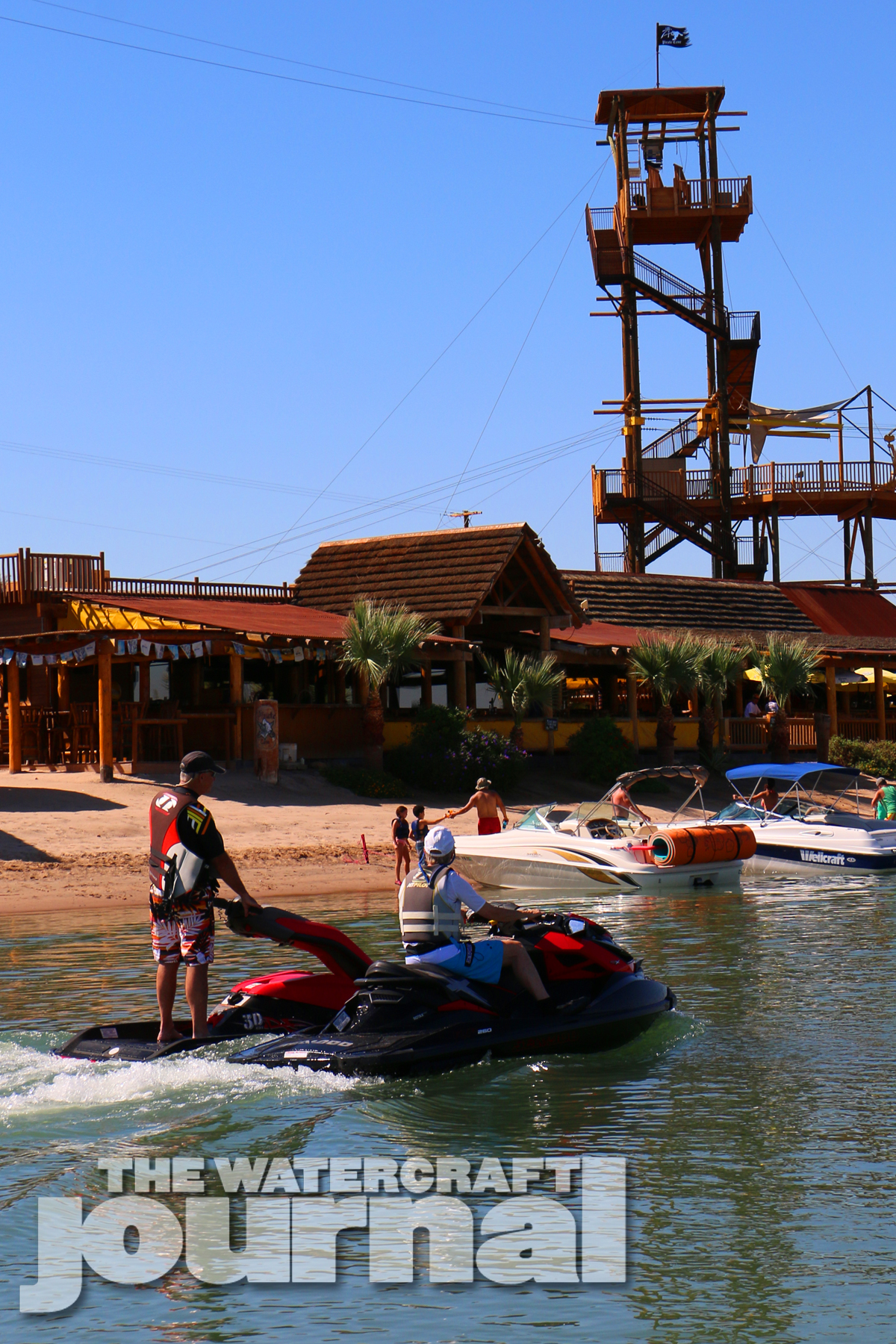
Passing through the no wake zone and beneath the suspended pipelines, we were only a short distance from the Pirate Cove Resort. The thematic desert resort occupies a secluded corner of the river with a long low-speed vein of beach prior to opening up into the cove. It took a while, but the large group of Sea-Doo riders finally gathered together for some fun – including a Sea-Doo Trivia Challenge for BRP prizes and a provided lunch.
While some chose to linger a little longer in the comfort of the Pirate Cove, others made good use of the free time and shot out into the river as quickly as possible. By early afternoon, boaters had filled up the canyons and sandbars, with no shortage of high horsepower boats churning up the Colorado – giving plenty of shoulder-high rollers for riders to launch their Sea-Doos from. With the mercury rising, most returned to Site Six by 2 or 3pm.
But that wasn’t the end. McKercher invited all of the participants to return the following day to the giant Sea-Doo display at the World Finals to take in Sunday’s “pro show” of racing. With a big spread of piping hot pizzas, cold drinks, and shaded seating, many came back to watch the world’s best racers contend for top honors. Considering all of the planning, fun and adventure that Sea-Doo crammed into this weekend, if there’s another company that did more to give its customers a better lifestyle experience, we haven’t found them.
In our near year’s worth of publishing The Watercraft Journal, we’ve been very blessed to welcome advertising partners who have reached out to us first. These companies have shown their marketing prowess by recognizing the branding abilities only available through the Internet’s ONLY daily personal watercraft magazine. The newest of these savvy companies is EZ Throttle. Hailing from Stuart, Florida, EZ Throttle manufacturers the industry’s most ergonomic throttle extension lever.
Taking less than a minute to install, the EZ Throttle slips over all Yamaha and Kawasaki personal watercraft, as well as all X-Series and iTC-equipped Sea-Doos (more specifically, Sea-Doos featuring finger throttles). The EZ Throttle allows you to ride all day long without the usual fatigue you get using the same one or two fingers all day, but your whole hand! Not only does it improve your grip, but permits for greater leverage for precise throttle control while towing tubes, skiers or skaters!
EZ Throttle’s non-slip, easy-grip throttle extension features a full-hand molded grip simply slides over your throttle and is tightened down to a supplied backing plate with two Allen screws. A pair of set screws allow you to adjust the position of the EZ Throttle to your OEM trigger. You’ll see some great reviews and product testing on the EZ Throttle from us at The Watercraft Journal soon, so make sure to stay tuned!
Of course, boater safety courses (which are soon to become mandatory in California) aren’t anything new, and are regularly held throughout Australia. Our Brothers in The Land of OZ know all about ’em, and have made it a point to help encourage responsible boating practices by promoting such classes. One outfit is our favorite Melbourne one-stop-shop for all things PWC, Diptech Performance!
In addition to providing PWC enthusiasts the best in customer service, performance tech and riding equipment and apparel, Diptech regularly hosts safe boating courses – nearly once a month, and the next session isn’t too far away; this upcoming Thursday 23rd October at 6pm, which coincidentally, will be the last course Diptech will be hosting before the Melbourne Cup weekend. Riders looking to participate need to complete the official course to receive their license. There are still some spots left, so call to reserve a place 8401 3956. The cost is $120 cash on the night, so be ready.
Backflips were once the single-most impressive and difficult to execute tricks in all of freestyle. Preparing an engine with enough low end torque and a lightweight machine to be able to snap out of the water with enough force to rotate itself and the ride a full 360 degrees was possibly one of the biggest challenges apart from training the athlete enough to pull it off.
Today, modern freestyle skis are almost pre-programmed to whip out consecutive backflips with the greatest of ease. Modern lightweight engines erupt with insatiable amounts of torque, launching lightweight aftermarket skis (rife with billet aluminum and carbon fiber components) high into the air with just the flick of the throttle. If you like backflips, expect to see at least a dozen of them in nearly every freestyle routine.
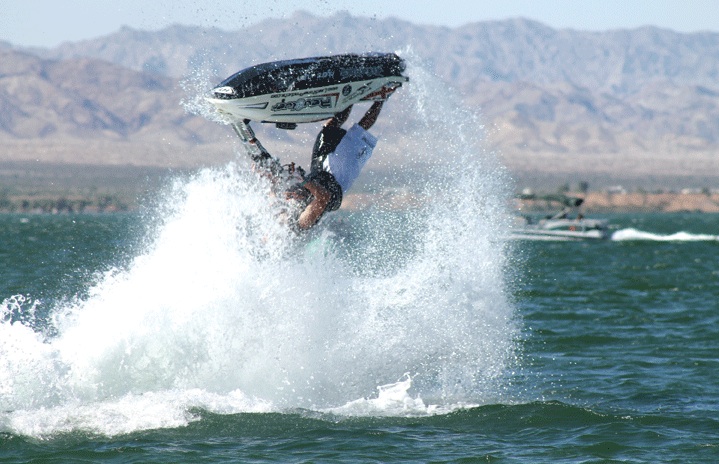
That’s why we gotta love Lee Stone. Clearly fed up with so many dishing out repetitive backflips throughout their routines, Stone snapped off a dozen or so backflips, but landing each one standing on one foot as if to say, “You like backflips? Here, chew on these!” But if Stone’s IJSBA World Championship freestyle routine wasn’t enough to wow you (make sure you read about his crowd-pleasing heel-clicker backflip), Stone also went about shattering the current world record for consecutive backflips.
The final participant in the Macc Racing Flip Off, Stone needed to surpass Texan Jace Forest’s final count of 24 flips. It was a steep order to fill and many feared that the afternoon’s winds whipping up the lake would make it too difficult to surpass. Undaunted, Stone set a course for well past the flag tower, and continued snapping off repetitive backflips until finally stopping at a dizzying total of 36.
The effort earned Stone the grand prize of $2,000 presented by Hydro-Turf and Macc Racing, and a spot in the latest copy of Guinness World Records. Don’t believe it? Watch the video below:
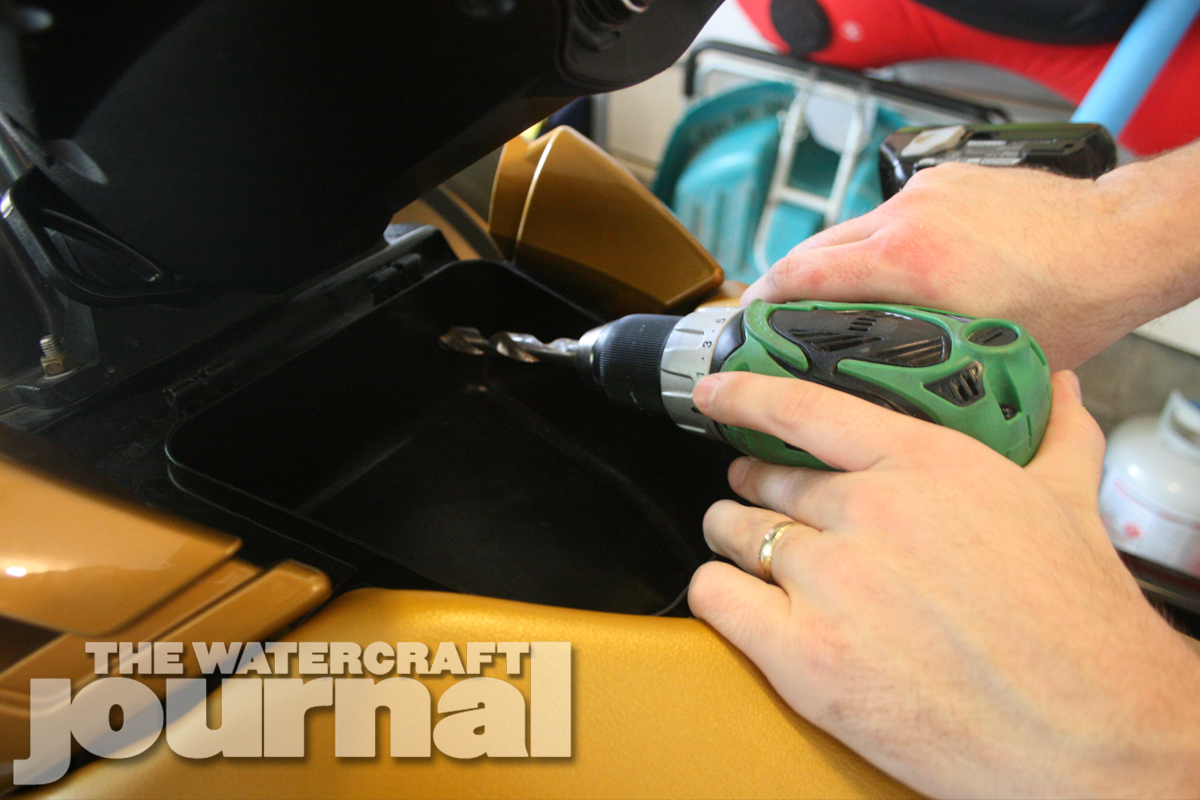
The only tools needed were a Philips-head screwdriver and an electric drill with a 1/2-inch drill bit.
It’s only a matter of time before Ride Power USA’s design for a cell phone charger is as commonplace on modern personal watercraft as folding swim steps and tilt steering.
Considering not only the convenience but safety and potential life saving qualities of having a plug-in-ready phone charger on personal watercraft, it’s actually surprising Ride Power USA has gone so long unchallenged by the OEMs thus far.
Choosing to perform a review (and obviously an installation) of Ride Power USA’s Android Phone Charger was a no-brainer from the minute we discovered the brand’s easy-to-install system.
The simplistic design is so straightforward that the only reason it took us longer than the suggest hour to installation was because we needed to photo-document the process. In all honesty, it took us less than an hour, including the time to toss in a few cosmetic additions.
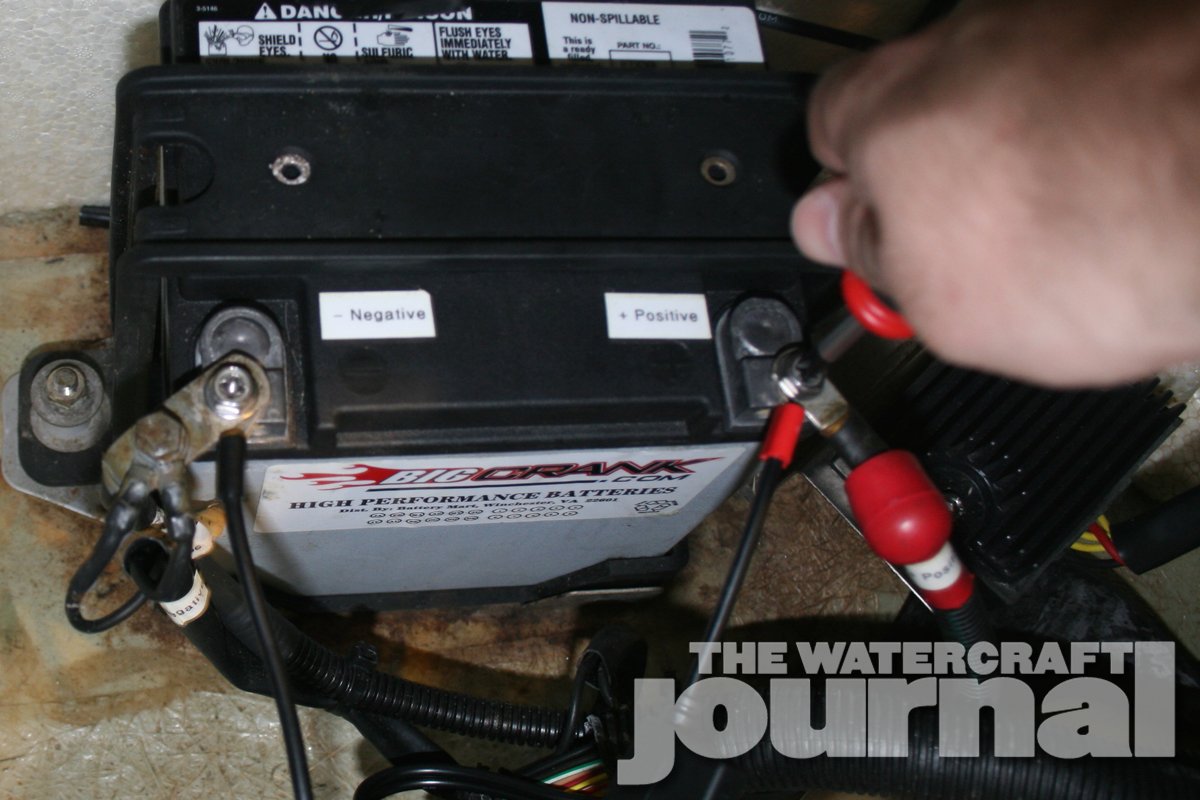
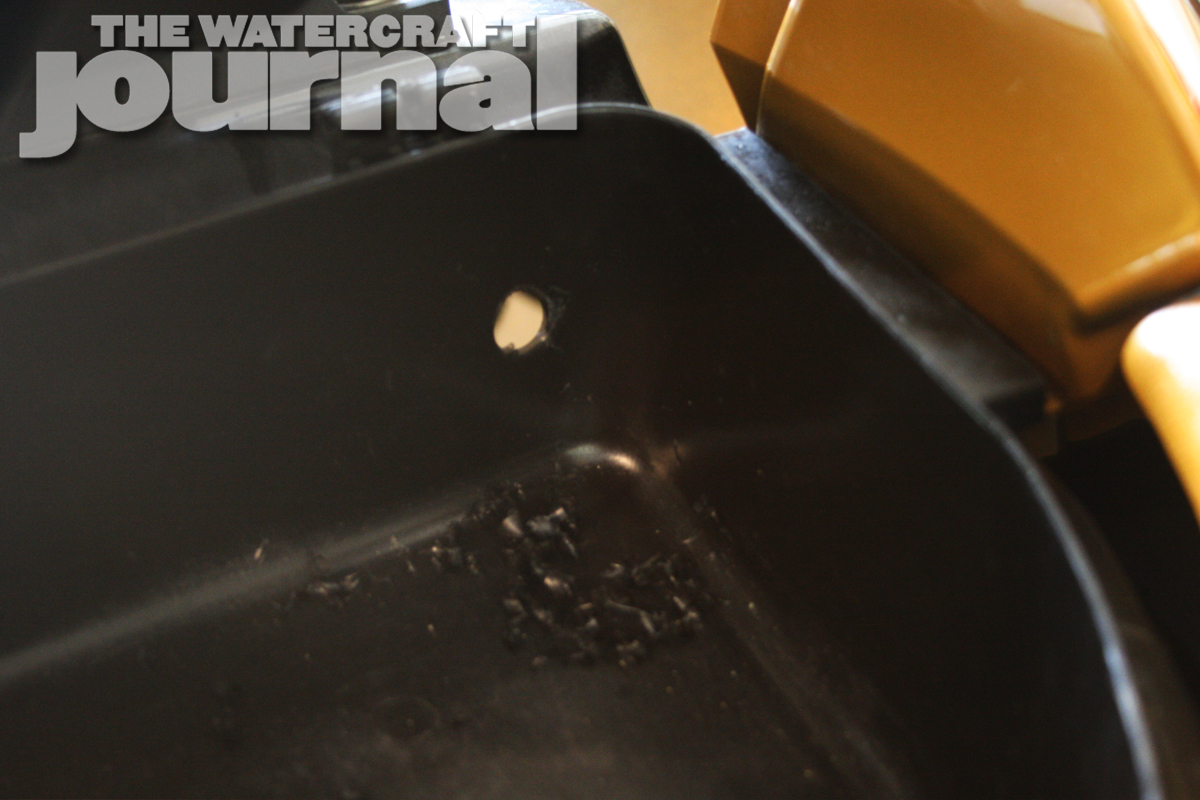
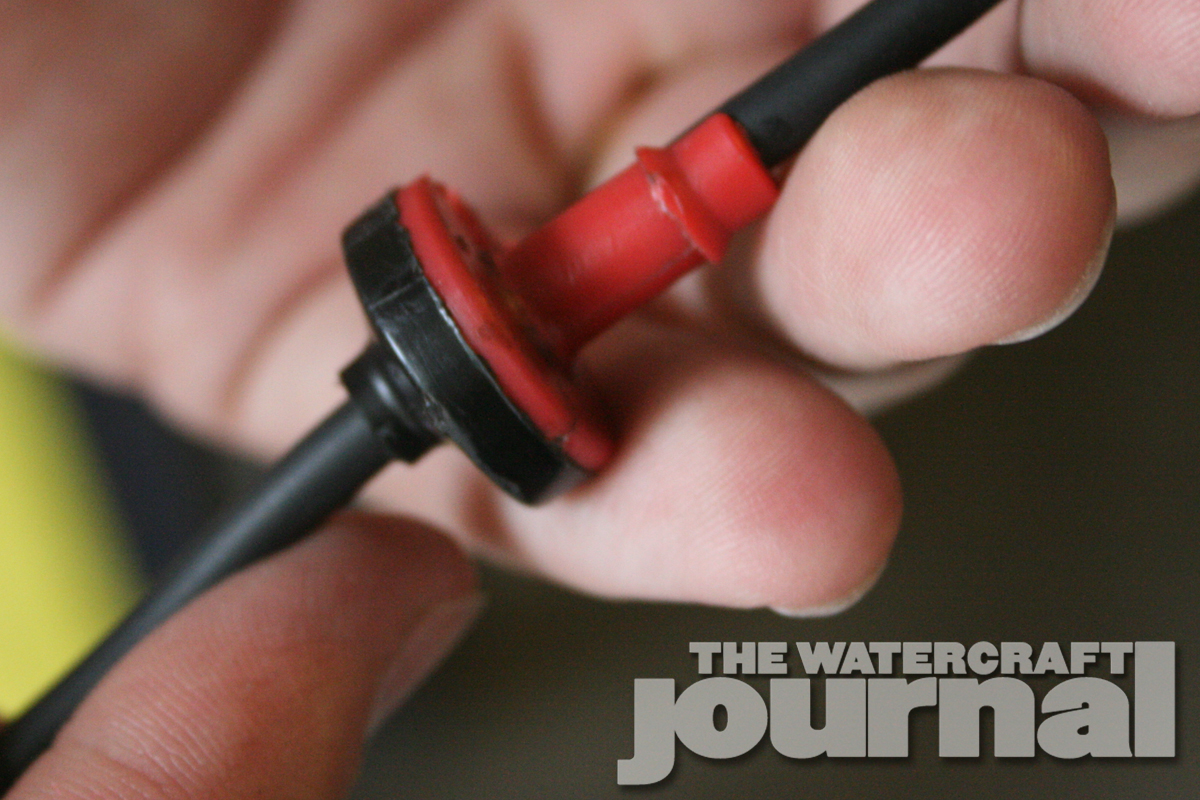
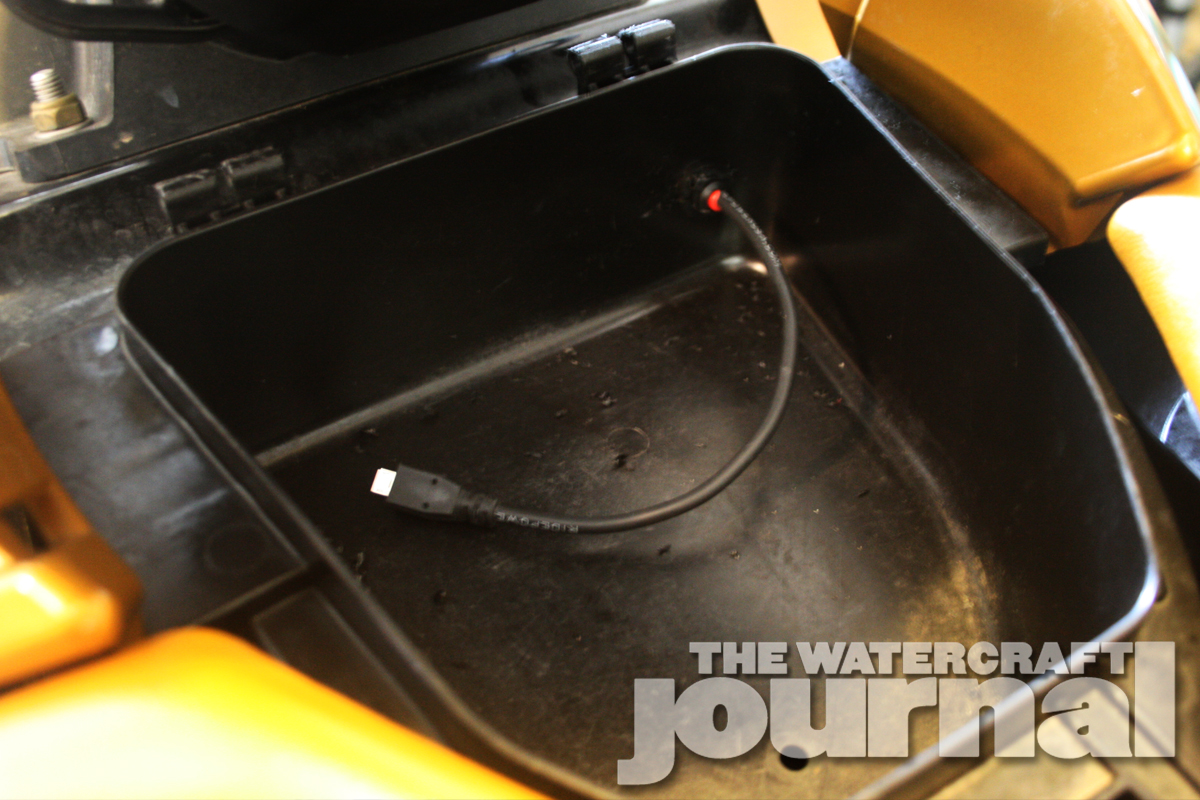
The Ride Power USA phone charger kit is available in 3.5-foot for Androids, and 4-feet for iPhones 4 and 5.Step One when always working on your PWC is to disconnect the battery.The Android plug required the large 1/2-inch bit. The angle isn’t perfect from this position, but works.The hole provides us a direct shot to the positive battery terminal, allowing for a very clean and uncomplicated installation.Although not part of the Ride Power USA kit, we found this two-piece grommet to help seal up the hole we made in the glove box. Cheap rubber grommet kits can be found at any auto parts store.Feeding the cord through the hole, the grommet helped seal up the hole we made with the drill and holds the wire in place.The Quick Disconnect plugs into the battery tender with an easy snap. We coiled up the extra cord footage with a black zip tie.We grounded our phone charger to the bottom of the Sea-Doo RXP battery bracket and attached the positive to the battery terminal.With our battery’s positive terminal reconnected, the Ride Power USA phone charger is live and ready to work. The ease of the installation definitely earned the kit some serious points.
Priced at $69, the Ride Power USA kit can be as expensive as a full tank of fuel at your local dockside fuel pump, but given how often we bring our phones with us – be it for pictures, GPS mapping or just never being able to go anywhere without our smart phones – the purchase was worth every penny.
Being that the charger is “live” there is a threat of wearing down your battery if you leave your phone plugged in all day with the ski off – but again, that’s no different than with an aftermarket stereo system. We definitely recommend this kit and want to suggest that the OEMs pay attention to this awesome innovation.
Big thanks go to Matt Lackore and the use of his immaculate Sea-Doo RXP 215.