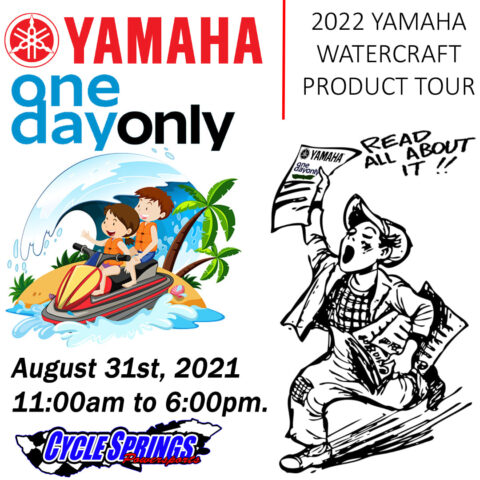
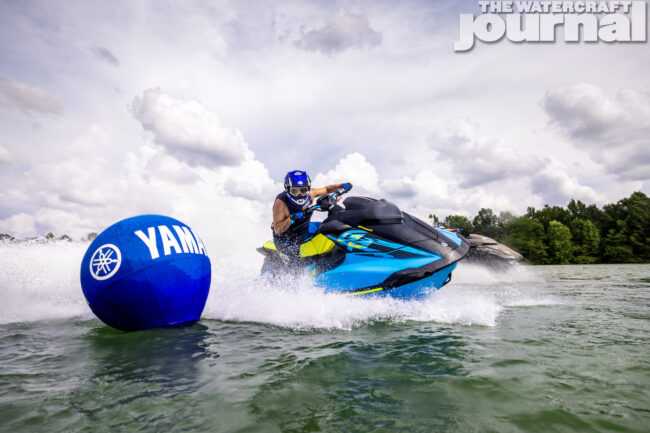
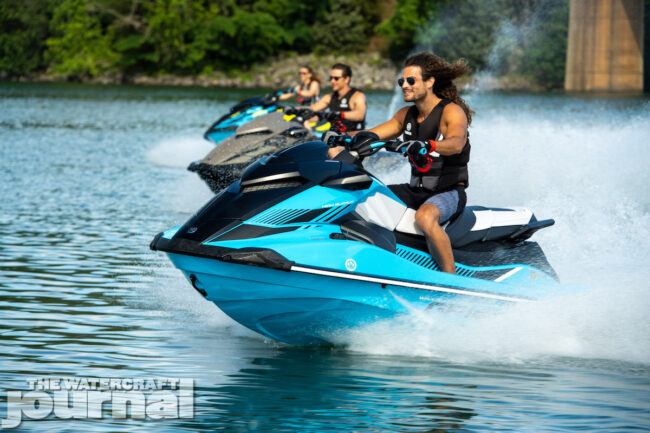
The 2022 Yamaha Product Tour is stopping by Cycle Springs PowerSports for a one day only event. Join them at the Clearwater, FL store TODAY, August 31st from 11am to 6pm. This is one way to get up close and personal with the 2022 Yamaha lineup and to be among the first to check out Yamaha’s new line of WaveRunners – including the new JetBlaster – and new Yamaha boats for 2022.
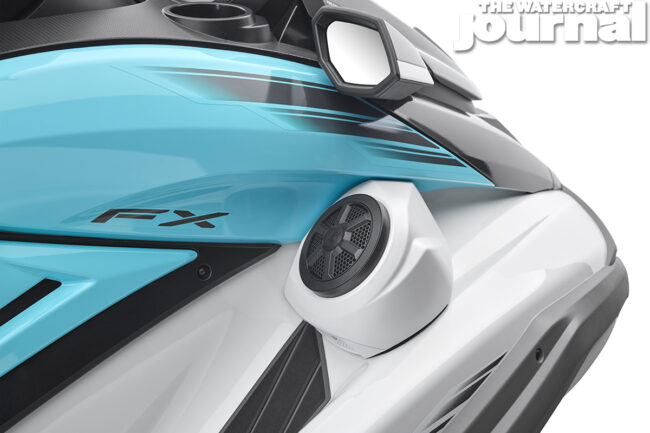
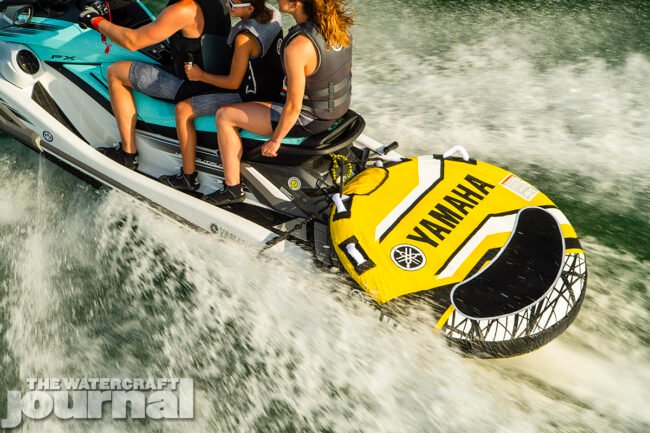
Watercraft products on display include the Performance Series featuring the GP1800R SVHO. This thing is a beast! The new Recreation Series will be on display with the best-selling VX Limited HO. A couple of fully loaded models from the Luxury line will be there as well. These include the FX Limited SVHO and the FX HO with its new line of accessories. Some of the featured accessories include integrated audio speakers, tubes, tow ropes, and storage.
The all new JetBlaster should make an appearance as well and it screams fun! The JetBlaster is part of the new Freestyle Series which includes the SuperJet. We all know the SuperJet is a favorite among stand-up models. Rounding out the 2022 Yamaha Product Tour are the 252 FSH, and the 255X boats. The two boats are part of the Wake Series, and they look damn cool! You don’t want to miss this event!
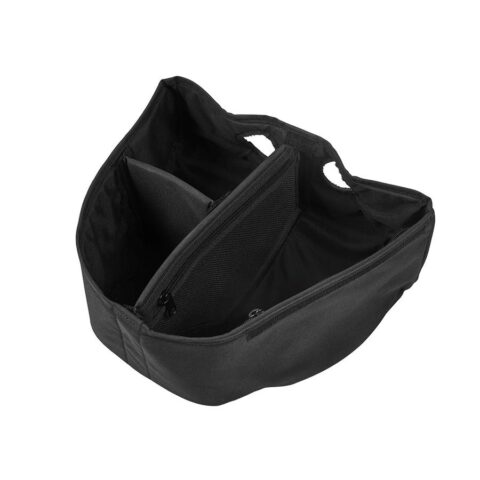
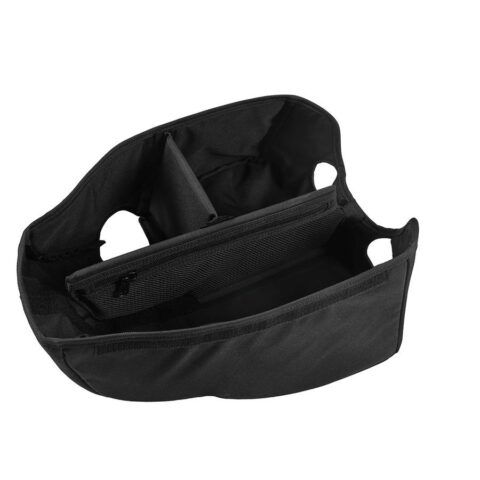
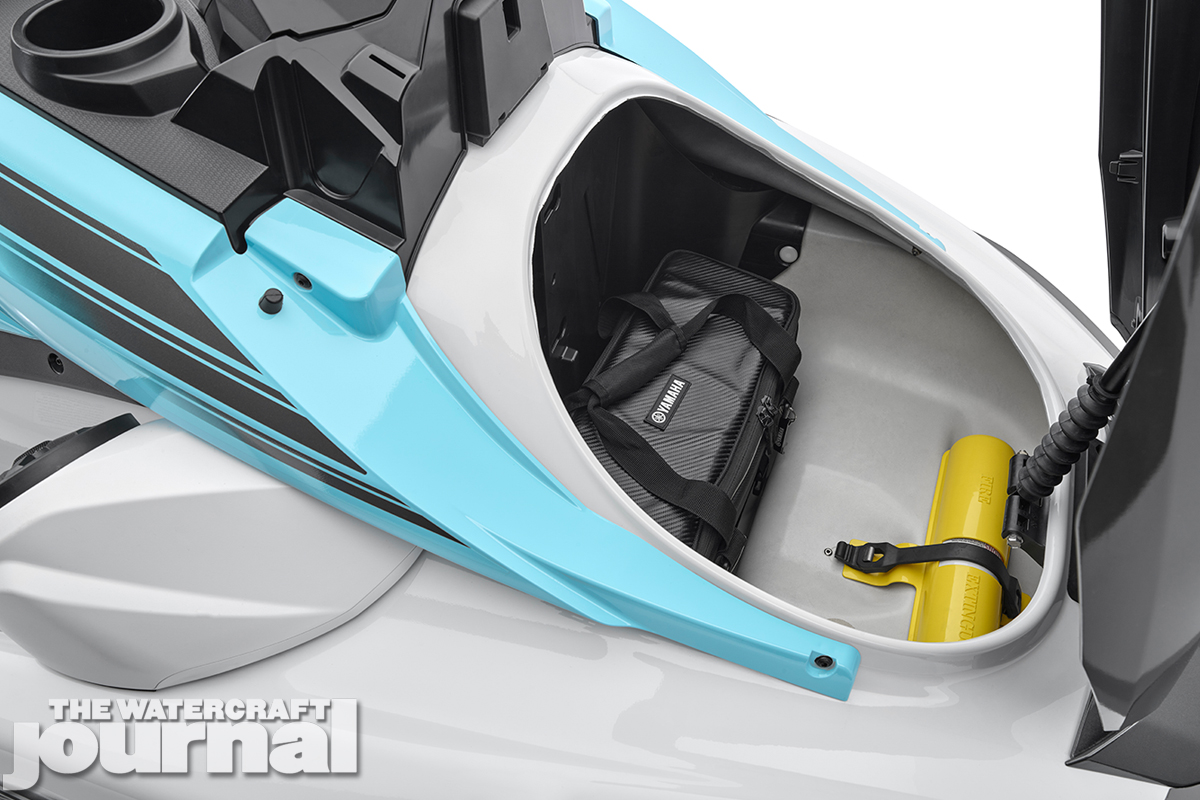
Broward Motorsports Racing is accepting pre-orders for the Yamaha FX Glovebox Organizer. This is a custom-made glove box organizer designed exclusively for the VX and FX Series WaveRunners. This is a super nice accessory for the rider who likes to keep all the small things organized for quick and easy access. With this set up, you no longer need to stop and poke around for your stuff because the organizer allows you to keep everything separated and easy to see.
It has two integrated zippered cell phone holder pockets and removable Velcro dividers so you can arrange your gear in a way that suits you. Just drop it in the glove compartment and line up the cutouts with the WaveRunner outlets and you’re ready to place your goods inside. Now you can easily find your snacks and phone or whatever else you like to carry.
The organizer is ideal for the rider who likes to cruise with a lot of small to medium size stuff and is always digging around in the glove compartment trying to find that one elusive thing. Now you can spend less time rummaging and more time riding!
Check it out on the Broward Motorsports Racing website and get your pre-orders in now. The Yamaha FX Glovebox Organizer fits 2019-2022 Yamaha FX Models. Deliveries start late September and run through October 2021. It is affordably priced at $44.99.
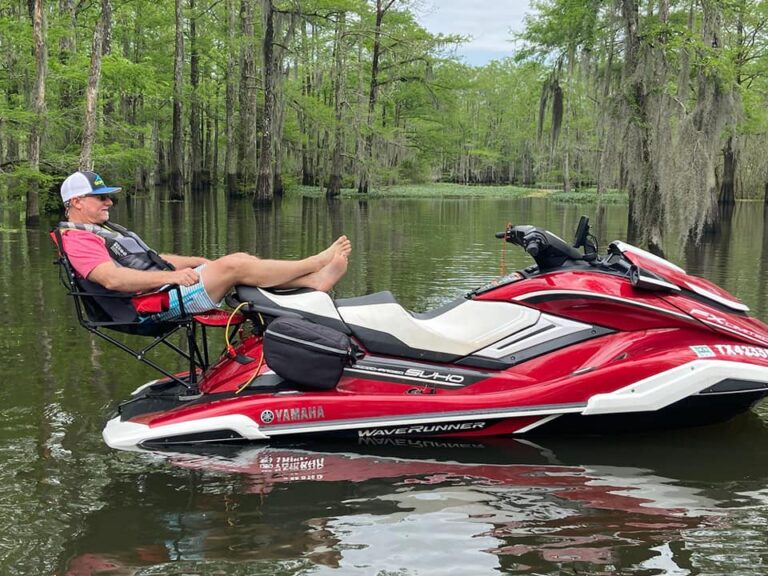
Any Yamaha enthusiast who has been paying attention to The Watercraft Journal will have already seen the new RecDeck accessory platform ($999) and the Lounge Package ($499). These two items are designed to give riders a cool, laid-back reclining experience while anchored in a shady cove or drawn up on the shore. But what if there was something that worked just as well, took up a fraction of the space on the rear swim platform and cost literary a tenth of the price?
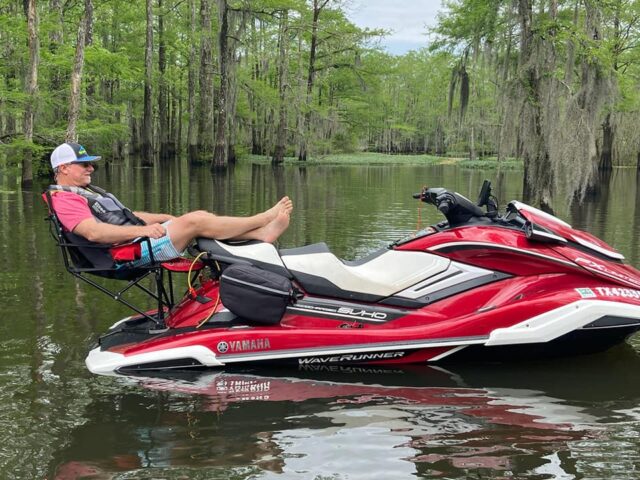
Bopenski’s KickBack PWC Chair has been around now for several years, and as you can see, delivers all of the recline and relaxing that you could ask for. It’s patented durable-yet-lightweight construction promises longevity, and can even be repaired (remember when we used to repair stuff instead of throwing it away?) with basic tools. The seat is well ventilated and comfortable without being thin or wimpy, and features two cup holders.
The KickBack takes less than a minute to set up or take down, comes with its own carrying bag, and ties right up to the rear handle leaving plenty of room in the bow for a cooler or dry bag. Oh yeah, and the price? Bopenski’s got the KickBack on sale for $149 with free shipping in the continental US. Get the most enjoyment out of your WaveRunner without needing a second mortgage and pick up a KickBack while this sale lasts!
Why’s that? Because like everything else, the price of next year’s Bopenski PWC Accessory the KickBack will increase dramatically due to the increase in parts cost and the shortage we are experiencing from our factories. We have a few hundred left from this year’s stock, and the price will stay $149 with free shipping until that stock is sold. If anyone has been thinking of getting a KickBack, get it quickly before stock runs out and the price goes up. Get yours HERE.
OK, how do we put this nicely? Don’t be an ask hole! And yes, we mean ask, not that other word your think of. The very foundation of The Watercraft Journal is to provide an outlet for quality information about the watercraft industry as a whole; everything from new product releases to performance parts, racing, and so much more!
With so much information going through all of our brains constantly, everybody wants a question answered that is specific to them. Honestly, we get swarmed by hundreds of emails and comments from people asking for advice. And personally, we love it. We love helping out our readers and viewers.
But then comes the occasional goofball who will either argue or outright attack the advice we give. Sure, you’re 100-percent allowed to disagree. We get it. Just remember you came to us for information. Anyway, we at The Watercraft Journal have come to call these lovely contrarians “ask holes” and apparently, many of you find that hilarious – just like we do.
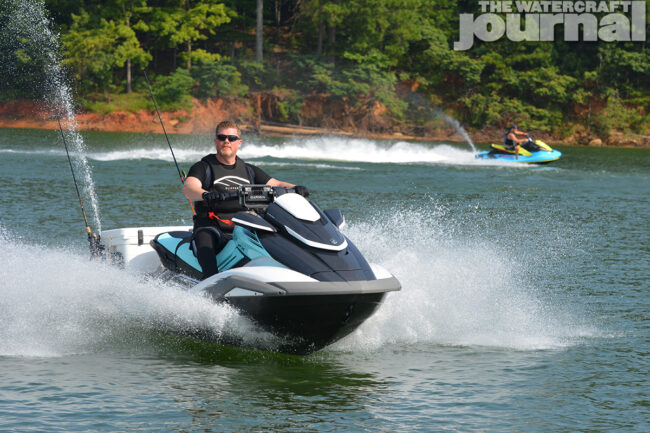
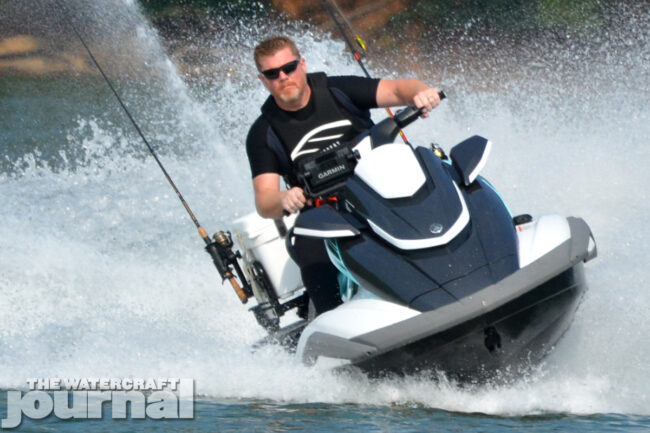
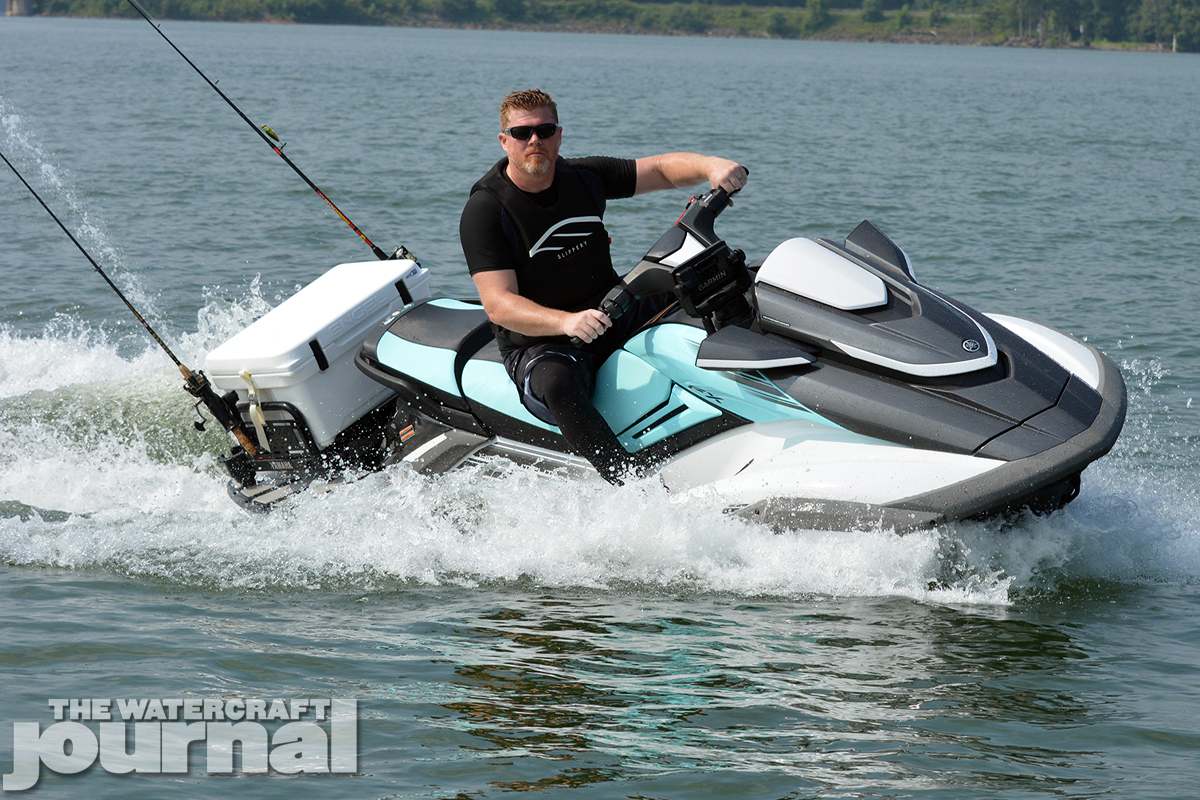
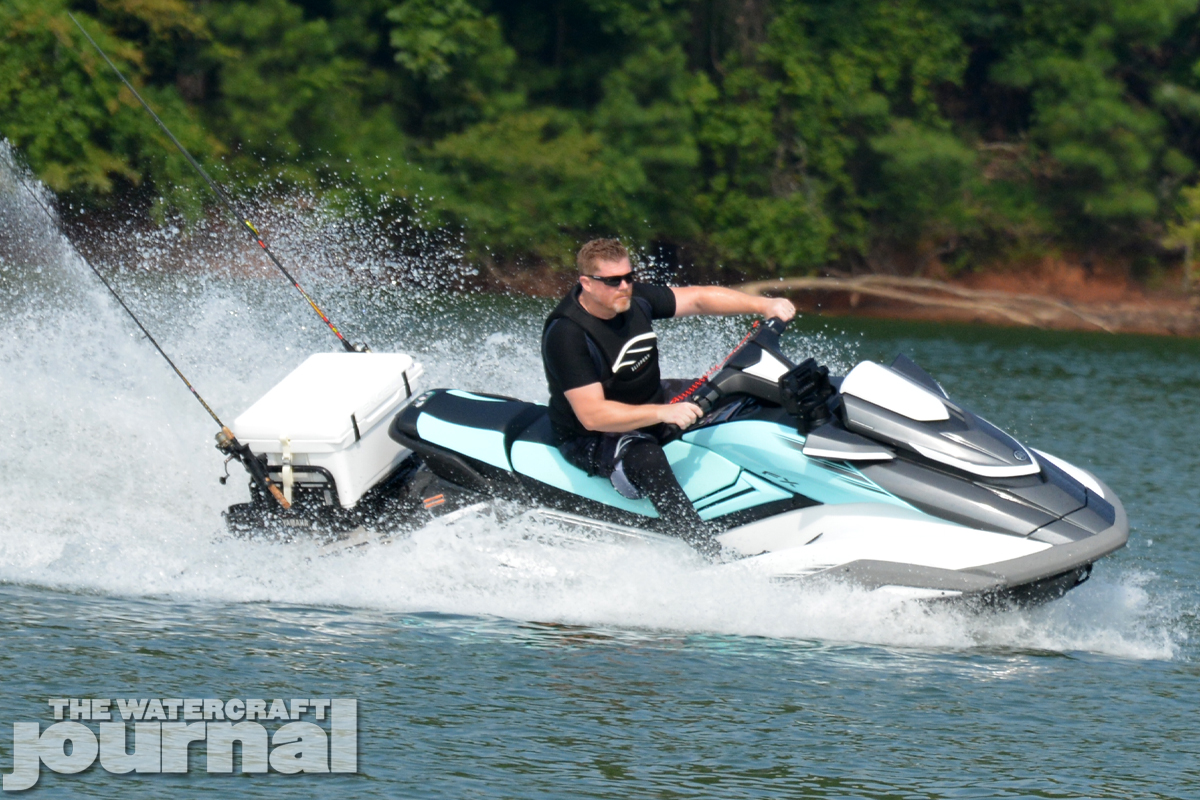
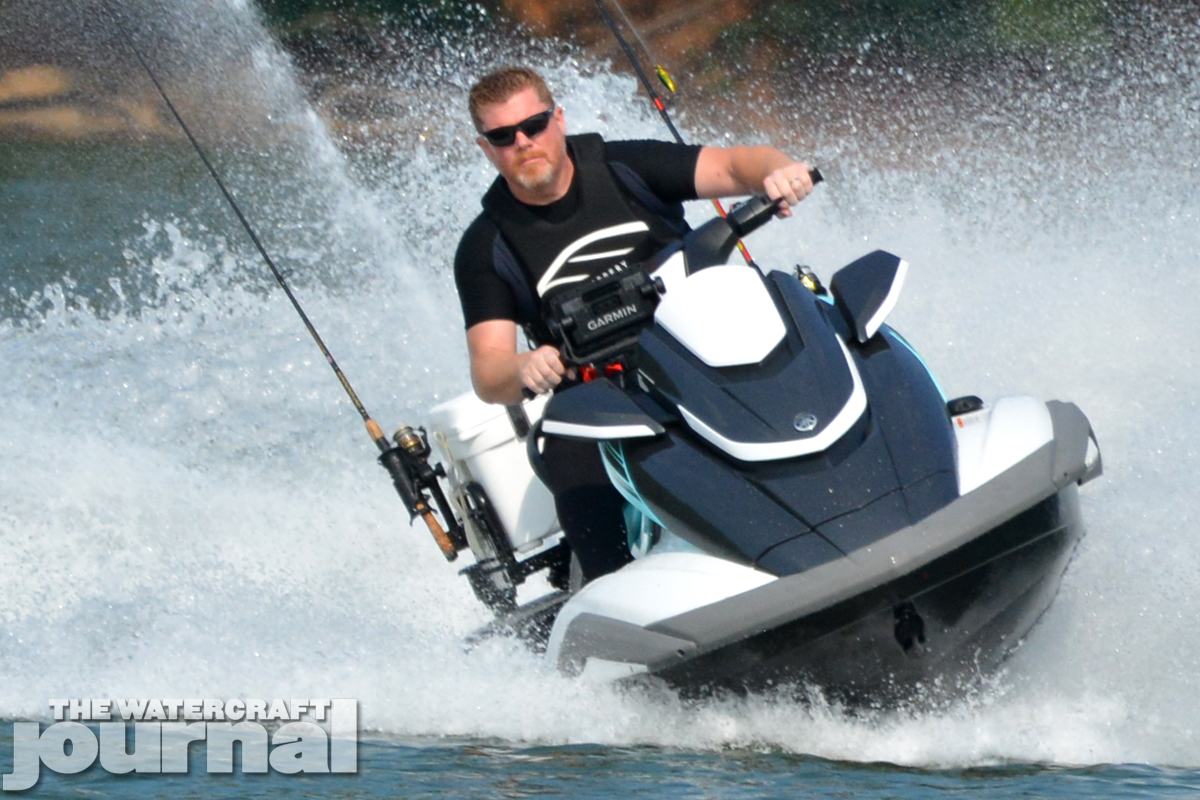
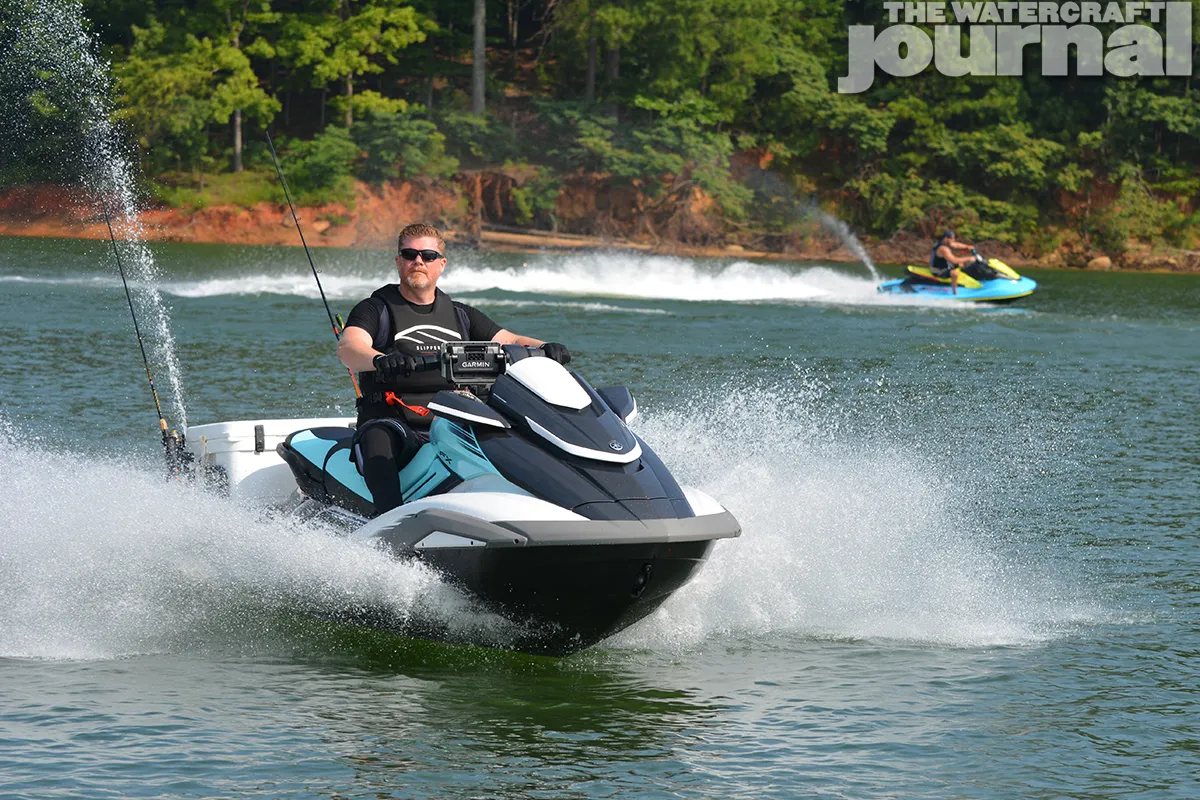
It didn’t require much imagination to rightly predict what Yamaha’s response to the swelling demand for a PWC fishing-capable WaveRunner would be. Rather than a single runabout to serve the multi-billion dollar recreational fishing market, Yamaha opted to equip its entire range of redesigned FX WaveRunners with the tools and accessories necessary to become a bespoke fishing platform.
As we at The Watercraft Journal rightly foretold, Yamaha’s solution was revealing a two-part accessory system that any customer could custom equip their FX; the first being an all-new multi-function RecDeck platform, and the second being two optional JetFish packages, ranging in cost, equipment and accessibility (as well as two accessory packages for the recreational enthusiast).
Bryan Seti, general manager of Yamaha’s Watercraft Group, detailed, “Consumers are looking to use their WaveRunners in all new ways on the water, whether it’s a touring adventure, all day cruising and lounging, watersports, or fishing. We wanted to create a WaveRunner line and related accessories that power our consumers’ passion for the water. […] Our new FX Series pushes the bounds of luxury, tech and performance. And our all new RecDeck offers a new level of customization for anything our customers can dream of doing on the water.”
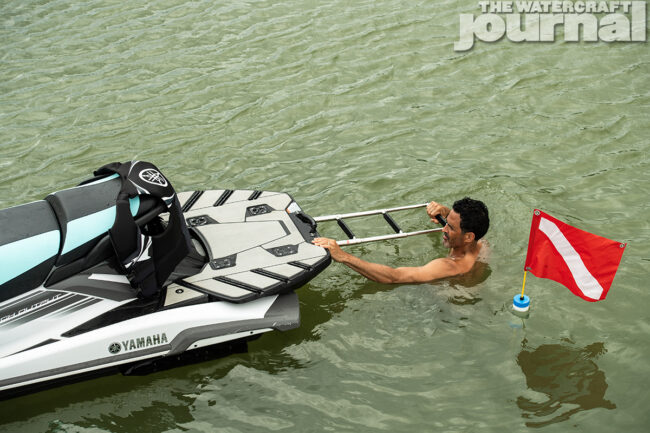
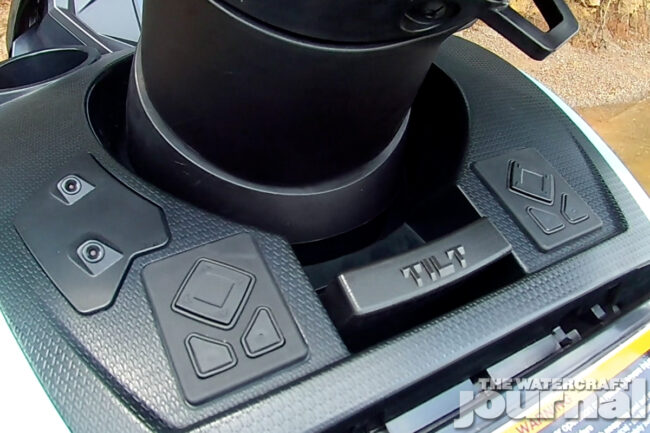
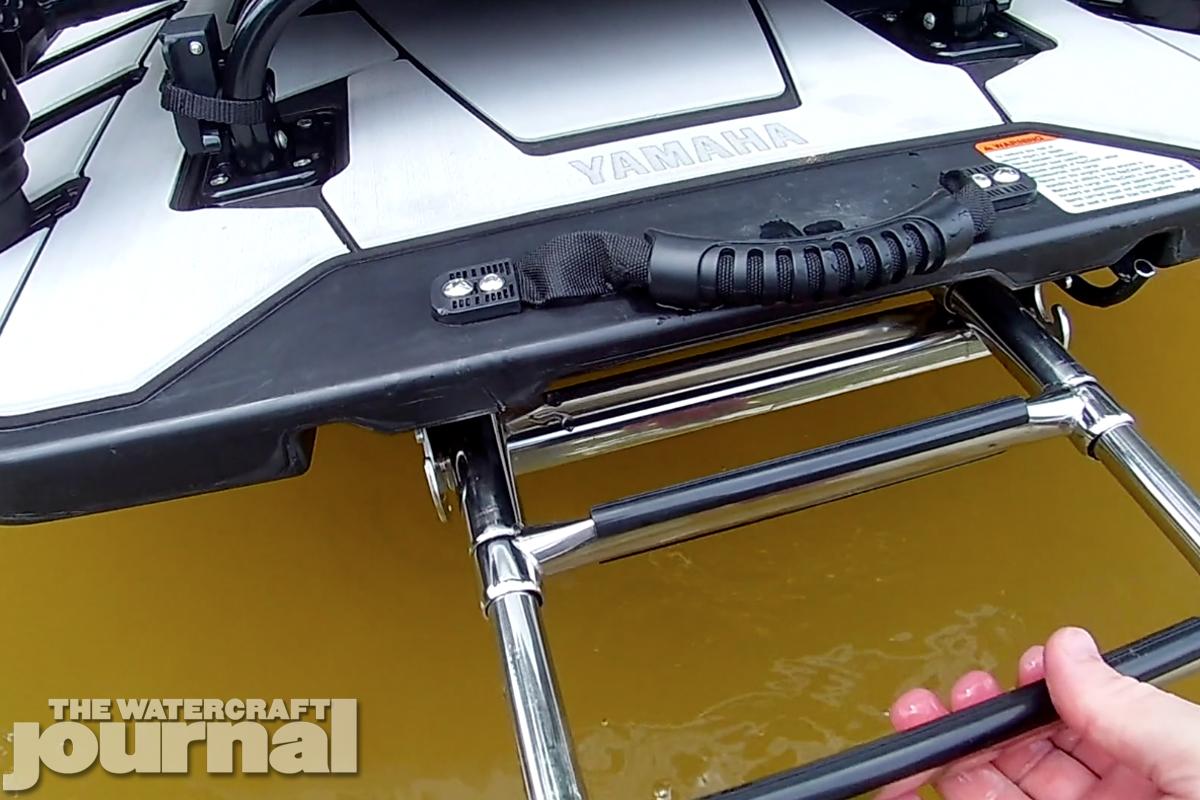
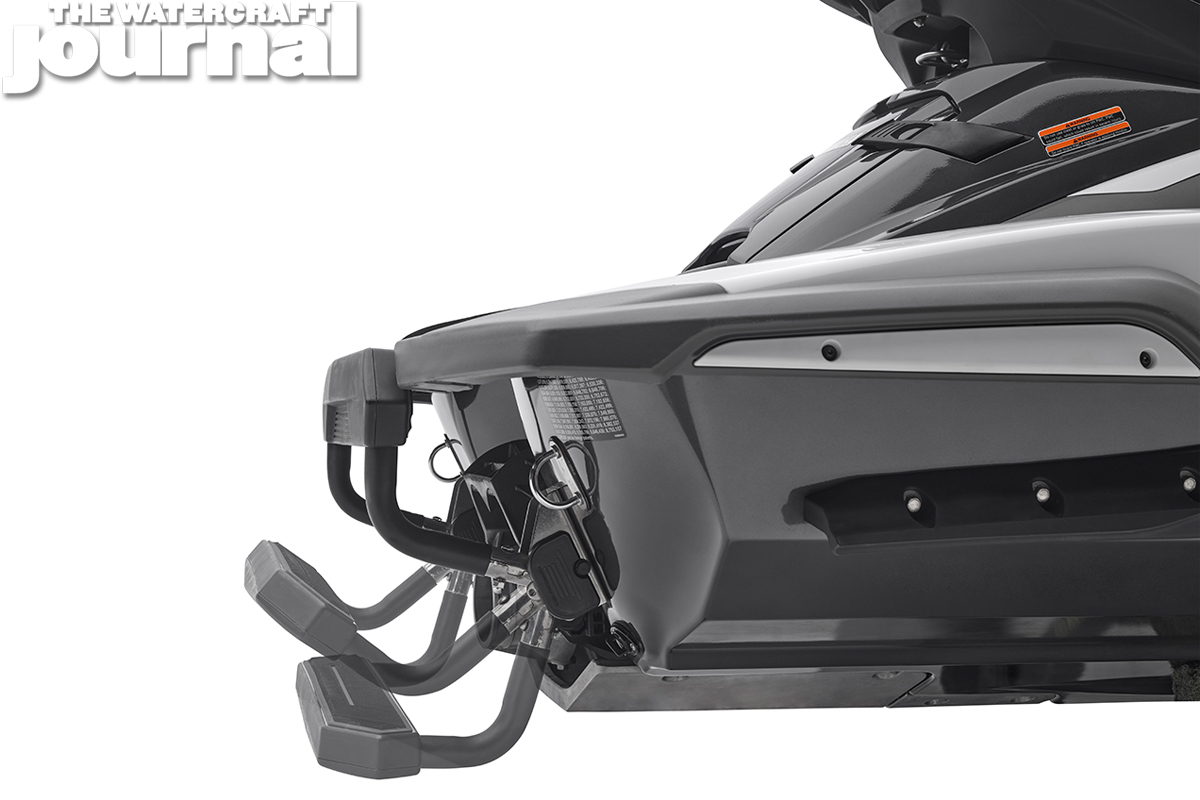
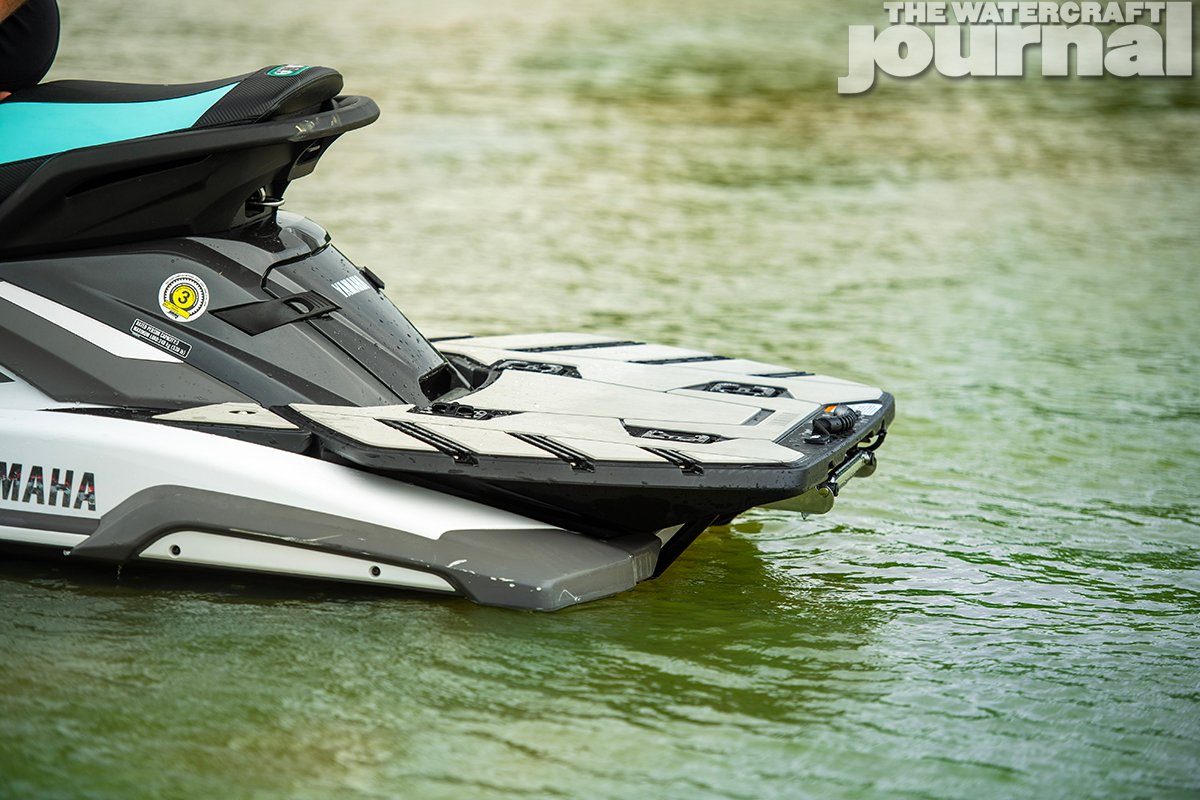
Sold as a separate accessory, the RecDeck ($999.99 USD) is a 6 square-foot flat platform featuring molded-in tracks and four built-in, fold-flat cleats designed to accept any number of accessories with endless arrangement possibilities. Covered in two-tone CNC-cut MarineMat carpeting, the RecDeck also features a stellar full-length reboarding ladder that tucks up beneath the platform.
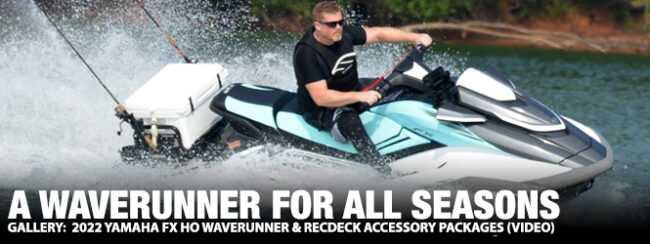
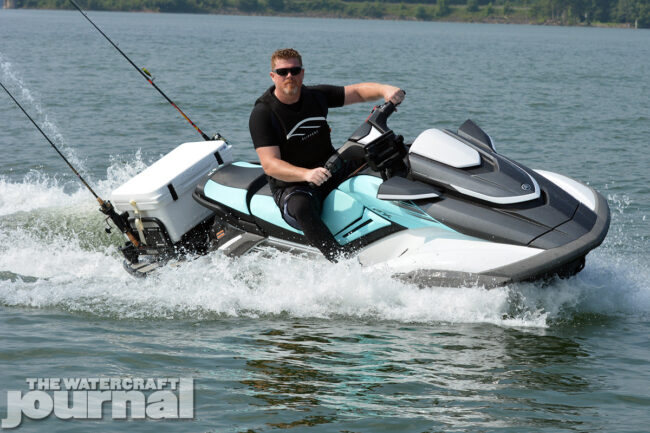
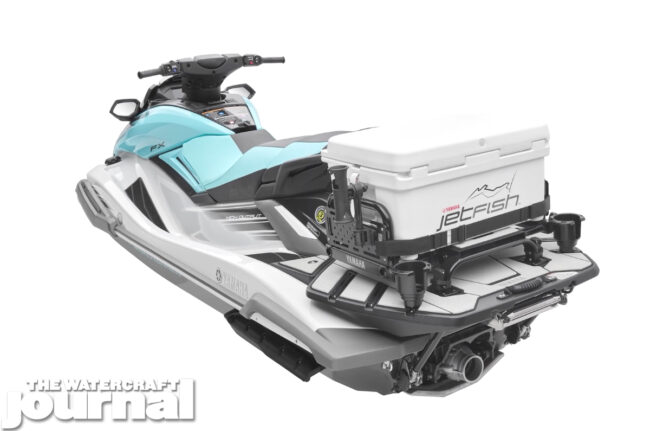
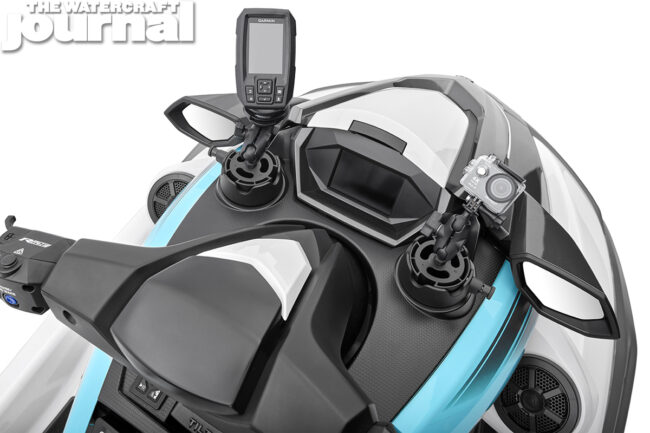
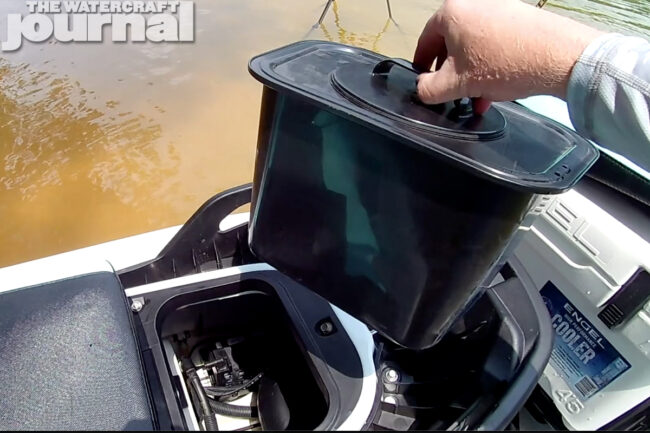
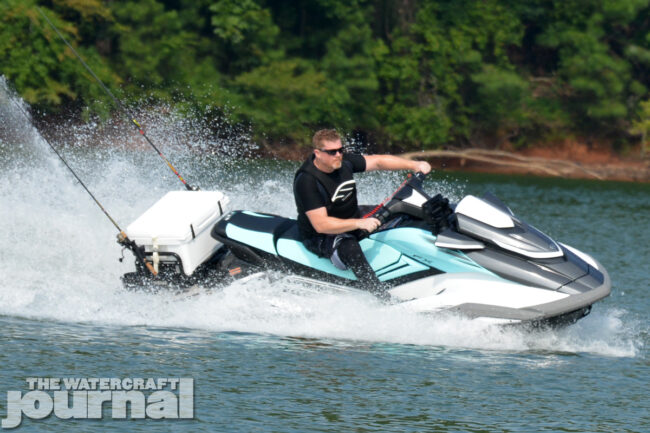
As mentioned, the first of two JetFish packages is the Premium Package ($1,199.99), which includes the Multi-Use Rack ($599.99), two rod holders, the Engel 45 cooler, straps and two cup holders. For those not needing the whole enchilada, Yamaha’s standard JetFish Package ($499.99) equips you with the Engel 45 cooler, two RAM-mounted rod holders and the tie-downs.
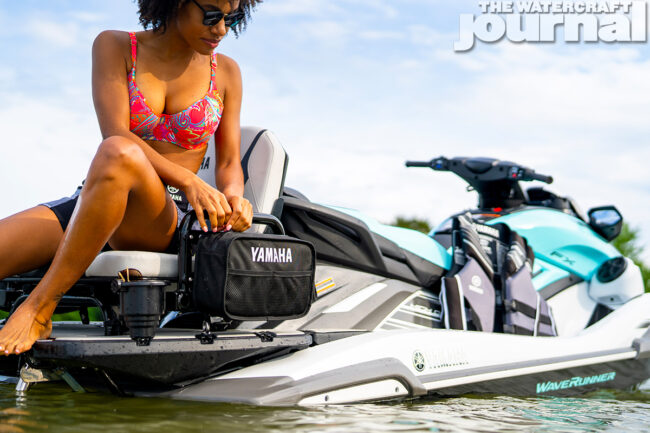
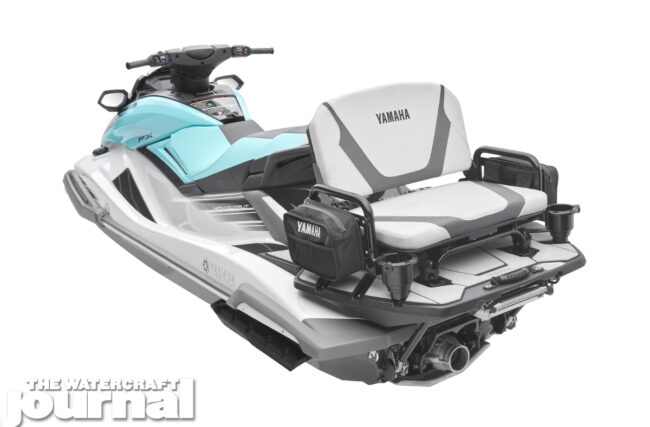
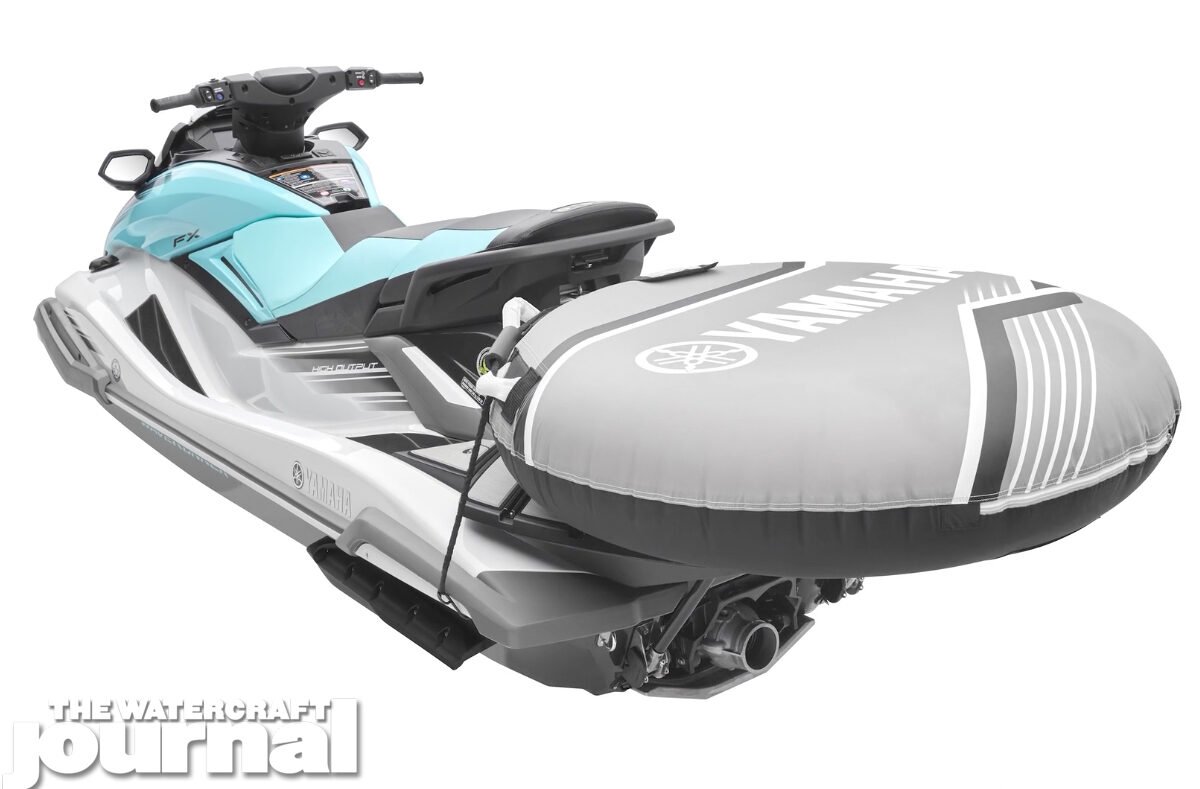
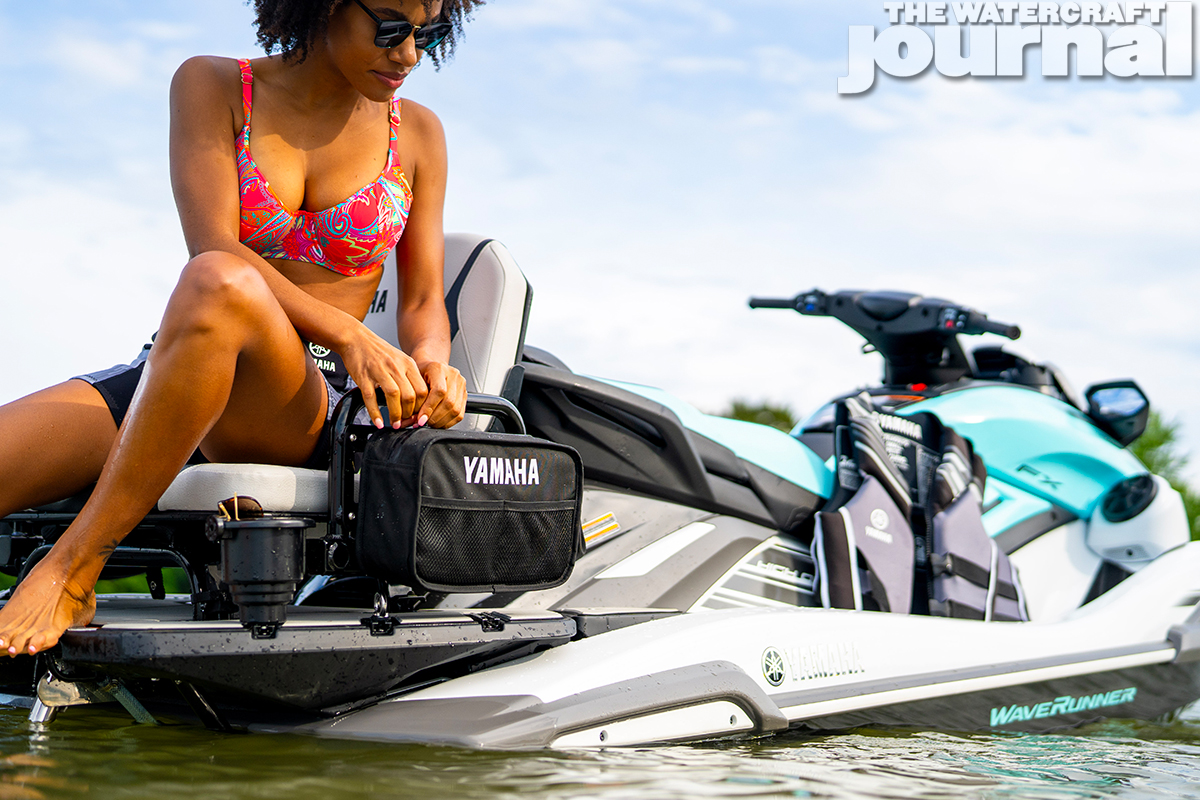
The aforementioned Multi-Use Rack is used to rigid-mount the Premium JetFish package, as well as the Lounging Package’s folding 25-inch wide rear-facing Folding Bench chair, cup holders and saddle bags ($499.99). Lastly, the Towsports Package includes a single-rider tube (your choice of yellow or grey), a 12V pump, towrope and bungee hold-down ($199.99).
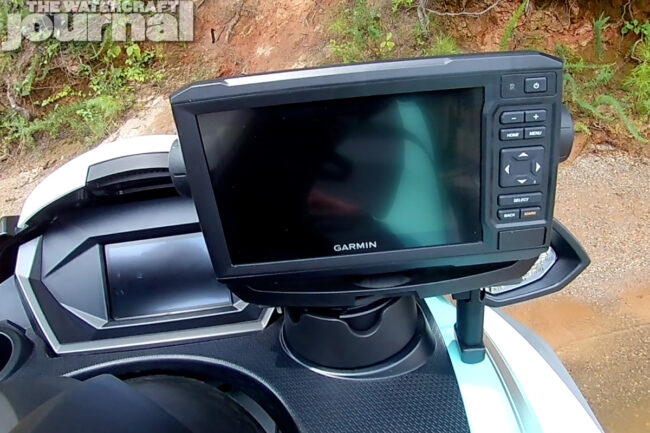
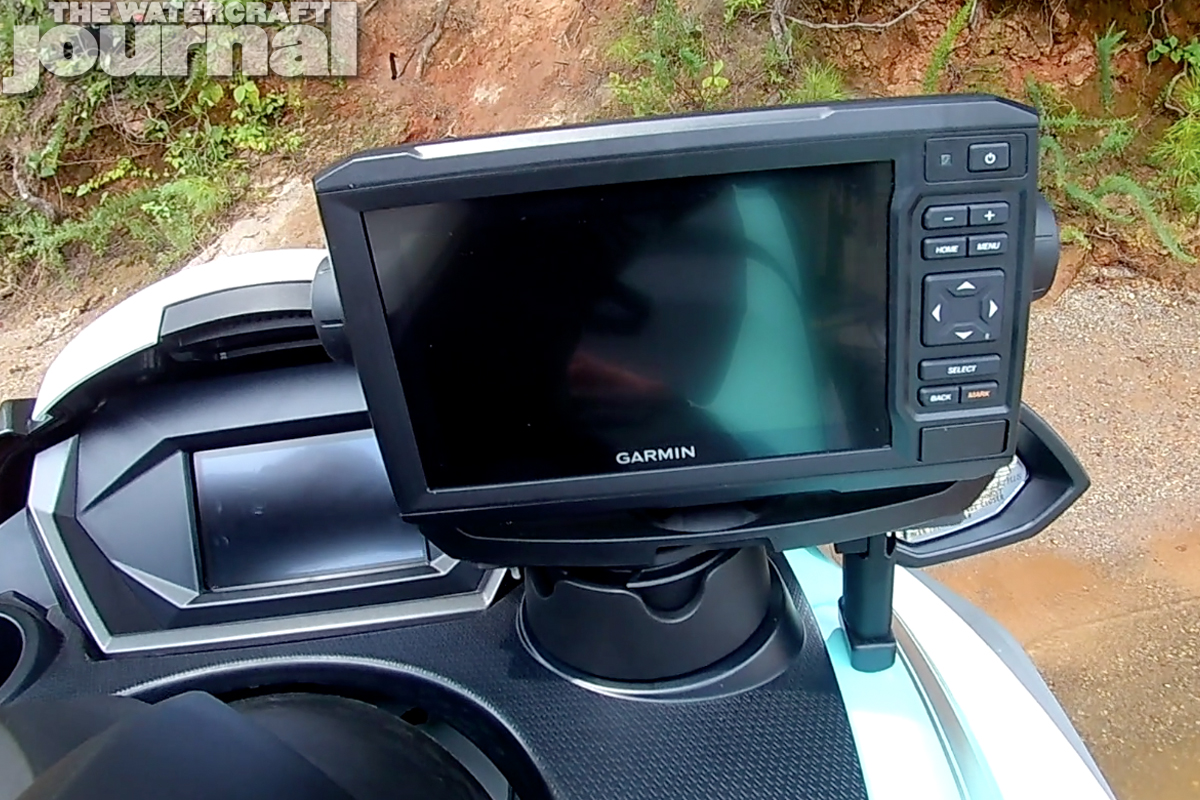
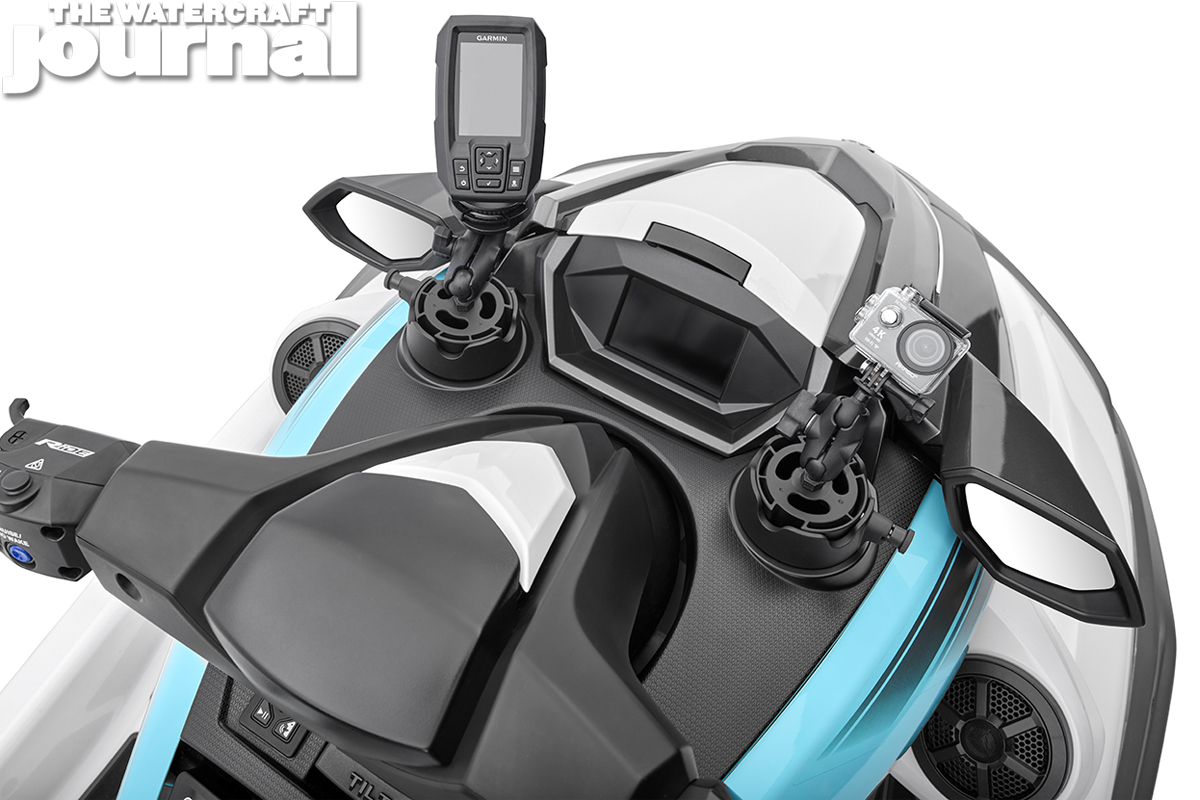
For those with slightly older FX models, the RecDeck fits any 2019-and-up FX WaveRunner, and can be removed to return the FX to normal use in a few minutes (and no it won’t fit your EX or VX). And although part of the accessory group, the massive Garmin ECHOMAP UHD 63cv 6” Fishfinder/GPS (with an Ultra High-Definition Scanning Transducer), and extra rod holders are sold separate from the two JetFish packages.
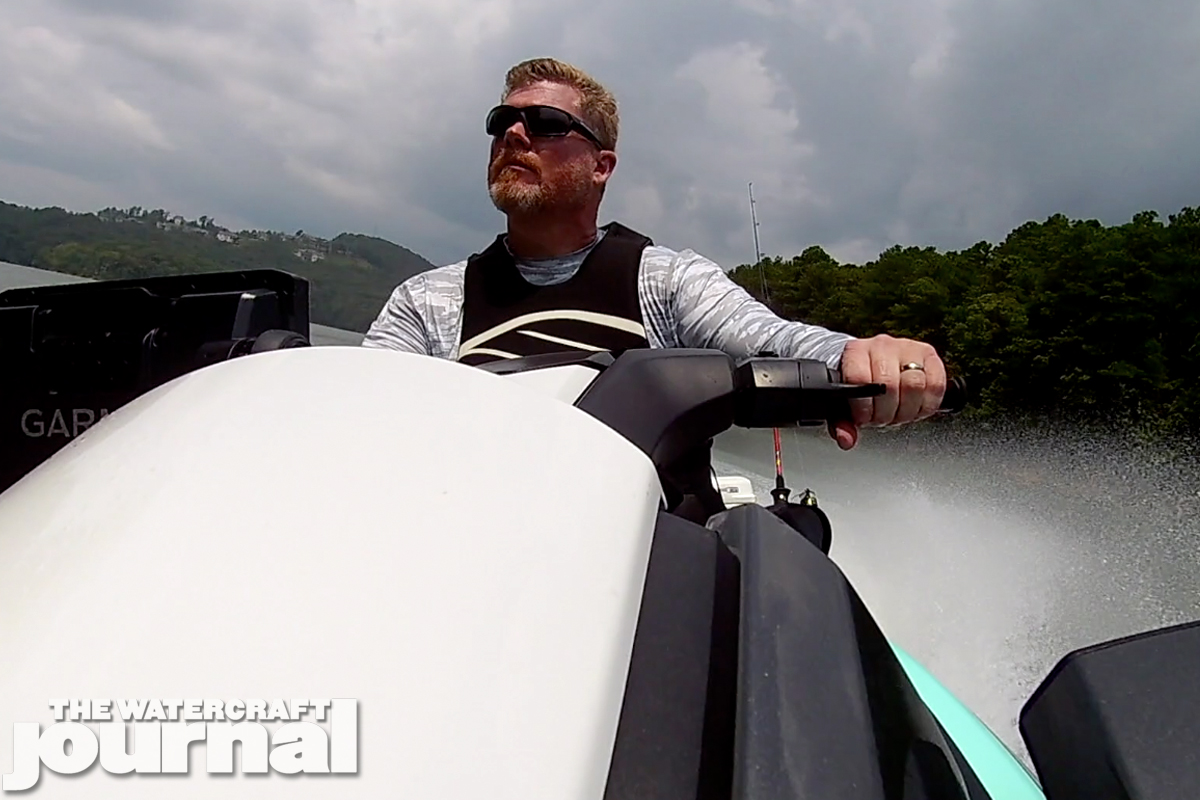
In testing the RecDeck as well as spending the day with the Premium JetFish Package, we were impressed with how rigid the whole setup felt – there was no rattling or chatter, which is great considering that everything is removable. Equally, the fold-flat cleats will receive any number of bungees or straps to tie down extra fuel, a cooler full of drinks or camping gear, so really, you could bring whatever you wanted with you.
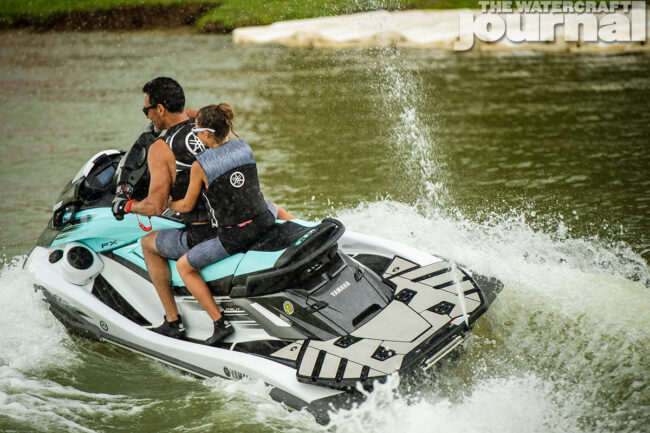
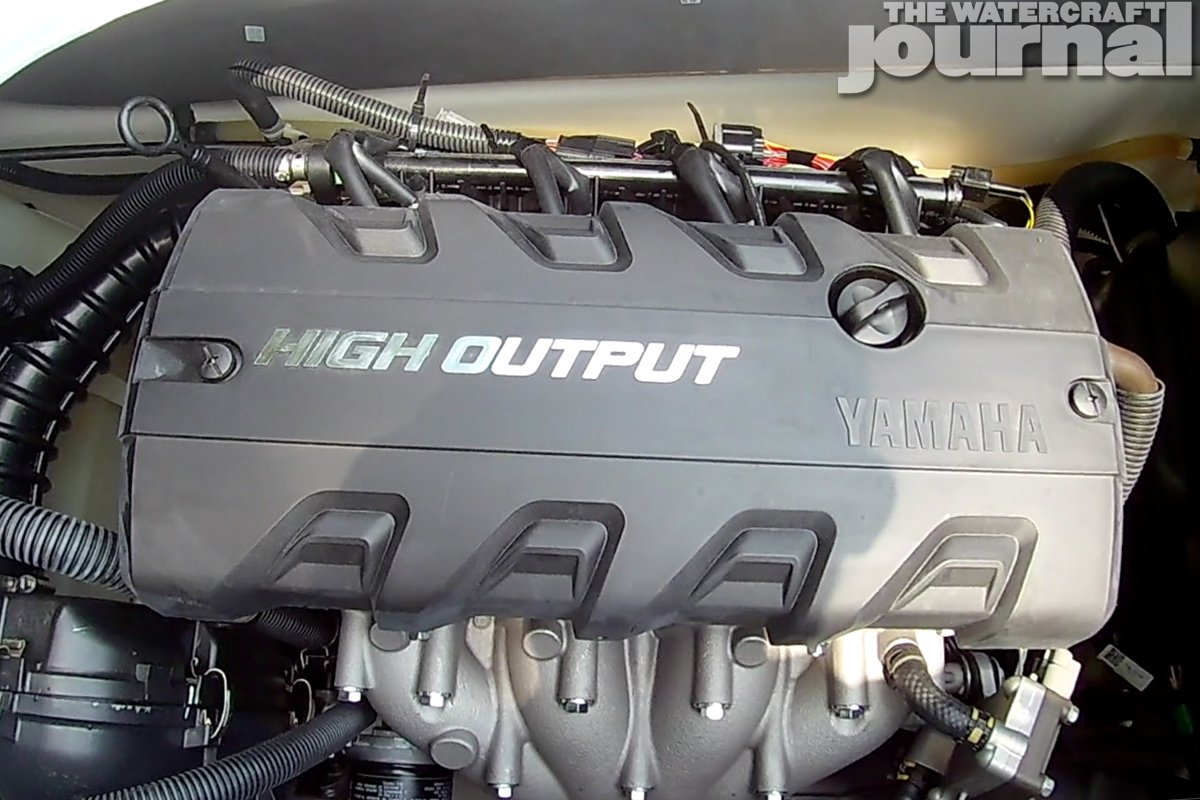
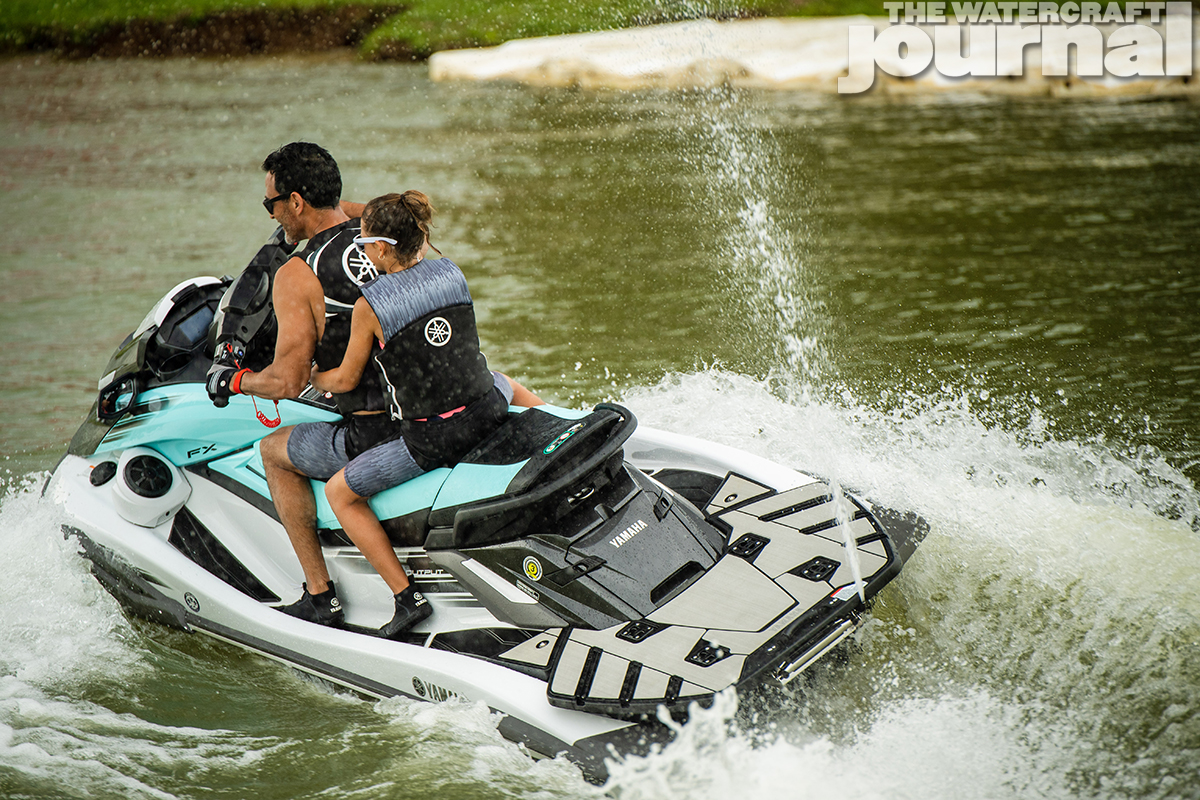
Of course, all of this is made even better now that Yamaha has refreshed FX lineup. While many won’t be able to identify the changes made from 10-feet away, those who are “in the know” will definitely be able to spot a 2022 FX High Output (MSRP $14,299) from the previous models, and not just because of the “White With Mint” color livery.
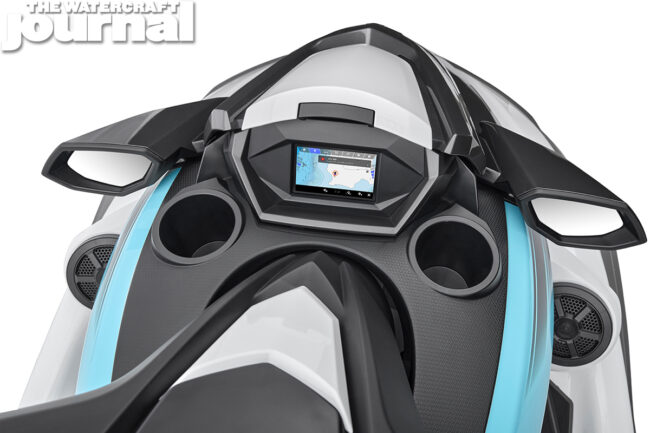
Yamaha upgraded all HO-equipped FX runabouts touchscreen dashboard with a high-response, glare-resistant glass 5-inch display. This full-color touchscreen dashboard provides audio controls, phone and text notifications (when synced via Bluetooth to your smartphone), Yamaha’s Drive Control functions (first featured on the 2021 GP1800R models), and GPS mapping and geo-fencing. (…and it also means a true GPS speedometer.)
Geo-fencing means that with the optional GPS map card installed (each card is sold separately for a $199 one-time fee), you can input GPS waypoints, follow tracks, and mark a riding area where the watercraft can be operate. With geo-fencing activated, a virtual fence is created and will sound an alarm telling the operator that they have ridden too far – ideal for young or first-time riders.
After last year’s redesigned VX and GP series, the FX too is available with a factory-installed, digitally-integrated audio system. Featuring twin 4.5-inch 50-watt waterproof marine speakers, an integrated two-channel amplifier, and a low-voltage regulator to protect the battery, the system is operated through a control pad fixed beneath the steering column. When synced, a visual prompt will appear on the the Connext touchscreen.
Additionally, you can also receive incoming calls and view incoming text notifications on the Connext screen. There’s even a noise-reducing microphone (found above the audio controls) allowing you to make phone calls using the voice command button and your phone’s assistant (ex; Siri, Alexa, etc.). Note that the audio package comes as a factory-installed option on all FX series models ($800 USD) – it can’t be added later by the dealer.
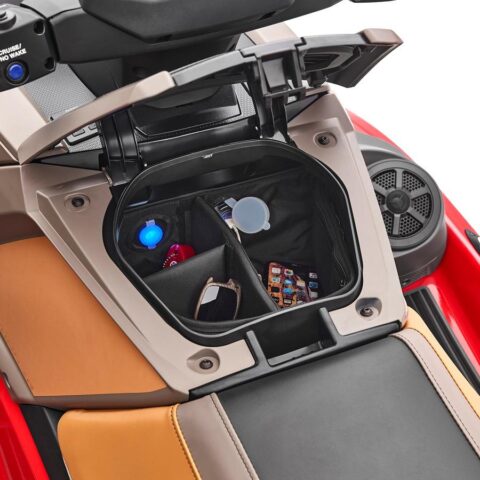
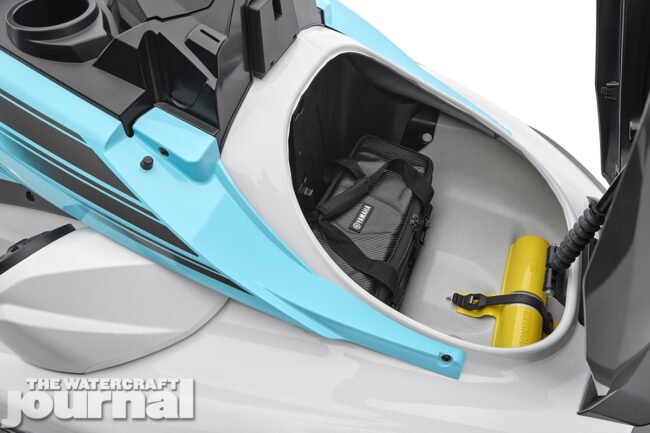
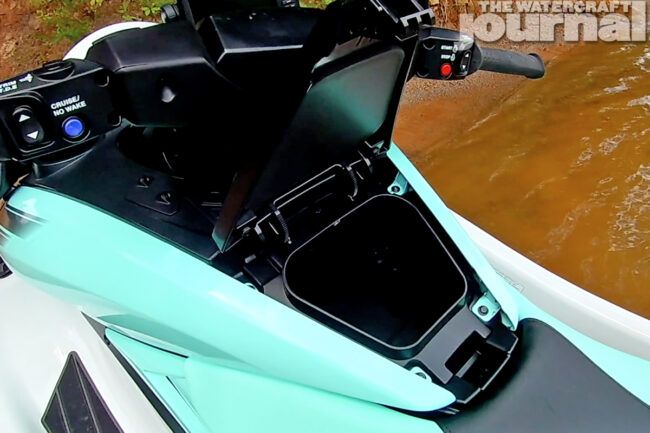
The FX series inherited sleeker adjustable handlebars and control pods similar to the GP series, including the single On/Off button and relocated Cruise Assist control – as well as integrated dual hoops into the steering neck, making tying up at the dock easier. The FX also received a new waterproof glovebox. The lid is spring-loaded, rising up on its own with a sturdy hinged plastic latch. Inside the FX receives the same LED lights, 12V socket and USB port, and cell phone pocket.
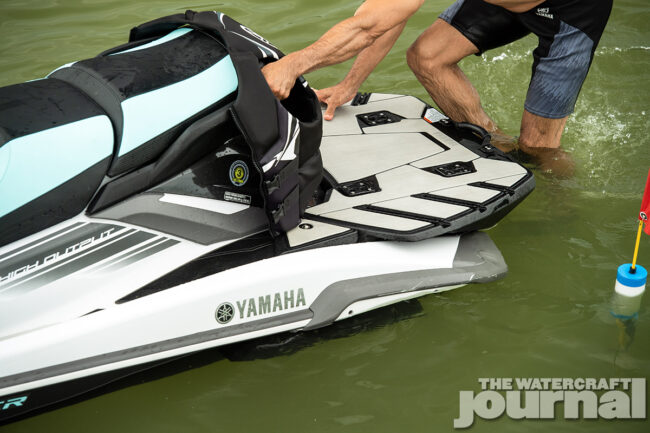
Below the bondline is where Yamaha’s more subtle changes were made. First, Yamaha looked very closely at what aftermarket tuners were doing and radically tweaked the ride plate. The new plate has a center wetted surface angled up 3º on an extended runner that raises the bow, reducing drag. The plate’s flanks are shaved down with deep skegs providing knife-like rails for added tracking.
On the sides, Yamaha moved the sponsons forward 50mm (nearly 2-inches) to reduce drag in corners and allow the sponsons to engage sooner in a turn. But here’s the biggest change: no more NanoXcel hulls. That’s right, all FX WaveRunners now have SMC fiberglass hulls. While the FX HO’s deck remains cast in NanoXcel, all full-sized runabouts will ride on thicker, traditional fiberglass hulls.
Because SMC is heavier than Yamaha’s Nano materials, the development team created a lighter inner liner to shave off a bit of the gain. Nevertheless, all FX HO models increased by 4-pounds (for example, the 2021 FX HO weighs 836lbs. versus the 2022 FX HO which weighs 840lbs.).
While some might bemoan the switch to SMC, the decision – in our view – is a homerun. SMC fiberglass is denser, which absorbs vibration and chatter better. It distributes the force of impact with far less damage. There’s less flexing, cracking and overall failure to boot. And more importantly, it’s easier (and far cheaper) to repair – all things which we should all appreciate.
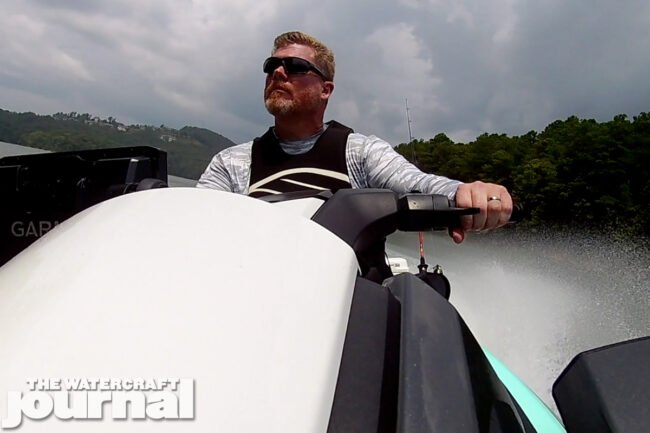
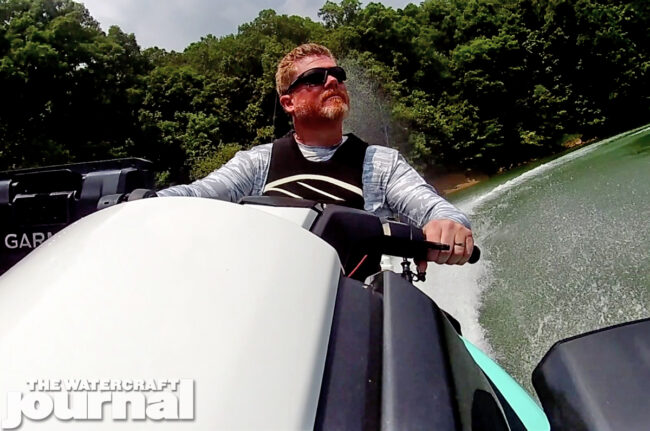
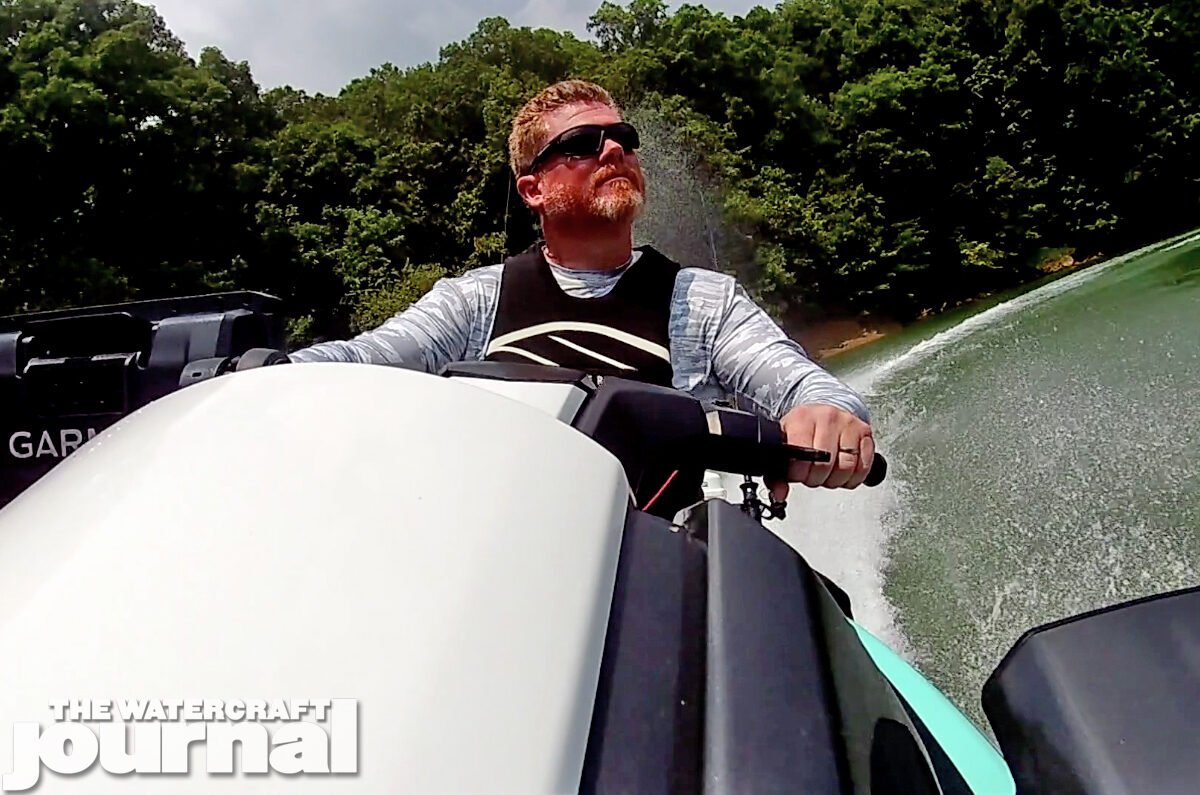
As our ’22 FX HO was fully kitted-out with the RecDeck and Premium JetFish Package, we couldn’t push past a top speed of 56mph. With less fuel in the tank and our transom cleared of the king’s ransom of goodies we were packing that day, we’d easily see another 3-4mph. Regardless, the changes made to the FX HO radically improved the craft’s straightline tracking, predictability and dryness of ride.
Easily one of the preferred choices by long-distance cruisers (and now PWC fishermen) the 2022 FX High Output (MSRP $14,299) stands apart from the previous models and the competition. As equipped, our JetFish-kitted FX HO came in roughly at $16,600 or nearly $1,200 below the highest-equipped fishing runabout in the closest competitor’s lineup. With some extra cash in hand, more storage, 10-more horsepower and better fuel economy, there’s no wonder Yamaha’s FX High Output is looking like such a strong contender.
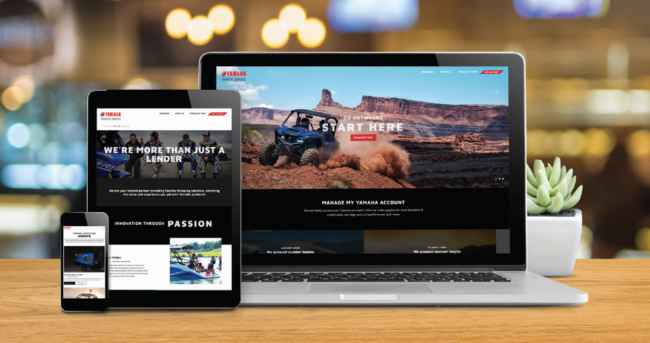
Not only is Yamaha Motor Finance intent on providing you the best performing, most reliable powersports and watersports equipment on the market, but now they’re equipping you with the tools necessary to easily access your financials. If you’re financing your WaveRunner, Skeeter boat, motorcycle or more, Yamaha’s new consumer-friendly website allows existing customers to better view their account balance, view statements and make payments – on any digital device!
Here’s the original press release: Yamaha Motor Finance today announced the launch of their new consumer-facing website providing existing customers with easy online access to their accounts as well as providing financial resources for prospective Yamaha buyers.
Yamaha Motor Finance currently supports buyers of Yamaha Outboards, WaveRunners, Boats, Motorsports products, Golf Cars, Skeeter Boats, G3 Boats, and Power Assist Bicycles.
Through the website, existing customers can conveniently access their Yamaha account online to make payments, view balances and statements, and manage account preferences.
Consumers who are looking for financial solutions to assist in their dream Yamaha Motor purchase will find helpful information on Installment plans offered and the Yamaha revolving credit card with easy access to instantly pre-qualify.
Buyers can also learn about additional Yamaha resources through the site including Yamaha Extended Service (Y.E.S.), Yamaha Guaranteed Asset Protection (GAP), and Yamaha Pre-Paid Maintenance (PPM) plans.
“Now more than ever consumers are turning to digital resources to explore, research, and make purchases. It’s been our focus to provide current and prospective account holders as well as employees a quicker and easier way to learn about who we are as an organization and browse information regarding our finance solutions and protection products. We can’t wait to continue to build the site to incorporate more consumer engagement opportunities.,” Vera Oh, Marketing and Events Supervisor, Yamaha Motor Finance Corporation
Yamaha Motor Finance Corporation, USA (Yamaha Motor Finance), is a wholly-owned subsidiary of Yamaha Motor Corporation, USA established in 2015 offering captive financing solutions to support Yamaha Dealers and loyal Yamaha Customers nationwide. Yamaha Finance Services provides Retail and Commercial financing for its diverse line of motor products, based out of Cypress, CA & Marietta, GA.
For model year 2022, Yamaha did more than any of us were expecting! Truth be told a lot of us within the PWC community did not expected Yamaha to perform any changes at all besides colors and graphics for their entire product line. However, Yamaha proved us all wrong with major changes to the flagship FX lineup as well as introducing the new Freestyle-segment and Jet Blaster! Unfortunately, there were a couple miscommunications that might’ve muddied up that message.
Given that the 2021 Yamaha GP1800R models (as well as the VX line) just had a top-half redesign, we understand why Yamaha only gave us colors and graphics for the 2022 model year. For last year’s the 2021 redesign, Yamaha re-engineered its GP1800R musclecraft by focusing on four key characteristics: improving rider ergonomics, weight distribution, acceleration and cornering. For more information about last year’s redesign, click to see the attached article and video.
This is to reiterate that Yamaha did not perform any change to the GP platform for 2022 model year other than mixing up the coloring. This may come as a bit of a surprise as the Yamaha Motor Corp. itself issued a video depicting the GP1800R SVHO and HO with the caption and narration saying, “proprietary SMC fiberglass hulls” – confusing those who were shocked by the reveal. Again, the answer is no, the GP1800R SVHO and HO continue with NanoXcel2 hulls and decks.
Only the entirety of the FX lineup received a change to its hull, being a switch from NanoXcel and NanoXcel2 to traditional SMC fiberglass. Equally, all FX models received a racy redesigned ride plate that raises the bow for a drier, more predictable ride, and moved the sponsons forward 50mm (2-inches) for better engagement in corners and less drag; all great improvements to the brand’s flagship line of WaveRunners.
At the beginning of this year, we launched The Watercraft Journal “Sunday Night Live Sessions” on our YouTube channel. These long-form discussions quickly evolved into a semi-scripted prepared lesson on a specific topic followed by over an hour’s worth of live question & answer format. Today, each Sunday Night Live Session welcomes thousands of views, with priority attention given to Super Chats, and even the occasional prize giveaway. With so much content generated in a single night, we opted to break up each Sunday’s session into smaller “digestible” clips and posts those throughout the week.
So now, not only is The Watercraft Journal publishing new articles five days a week, but an additional six videos a week as well (not to mention two newsletters recapping all of the new articles and videos each Friday & Saturday). In wanting to celebrate our rapid growth and encourage a little more, The Watercraft Journal teamed up with some of the biggest names in the industry to give away awesome prizes to ten randomly-selected new and existing YouTube subscribers when we reach 20,000 subscriptions.
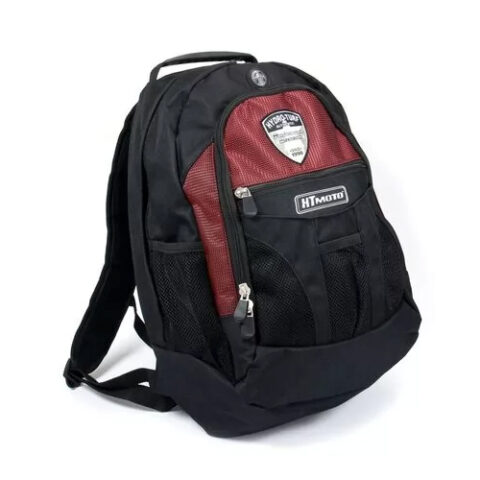
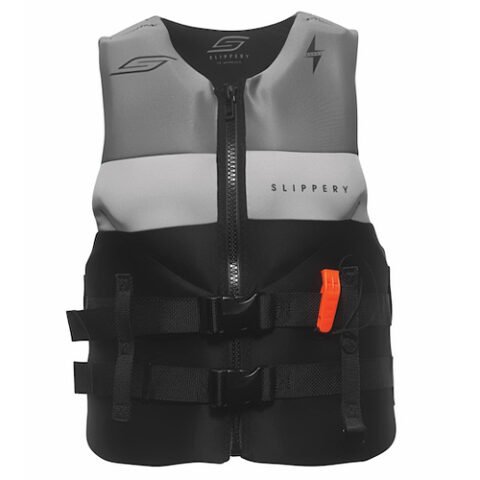
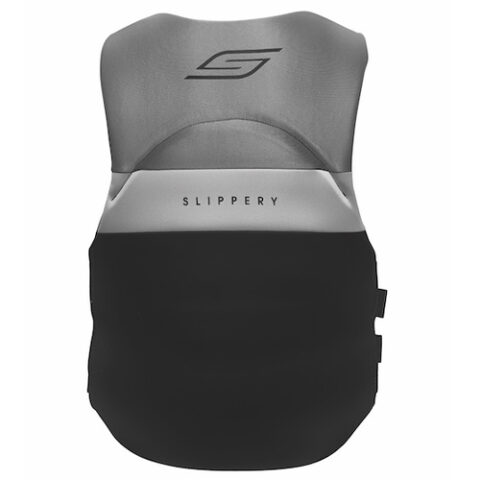
We’ve got some swag from Sea-Doo, Yamaha and Kawasaki; a couple floating key floats from Slippery Wetsuits for our runners-up, and even a really cool Hydro-Turf backpack (worth $40 USD) for our second place winner. But what’s in store for our first place winner? Why a brand new 2022 Slippery Wetsuits Surge Neo Front-Entry Vest (in Black & Charcoal) specifically ordered to your size ($89.95 USD). This USCG-approved T3 PFD is designed for ultimate flexibility and comfort and includes a “D” ring for clip style lanyards, a heavy-duty zipper, and two 1.5-inch adjustable hidden back belts with a buckle closure.
Unfortunately, all of these prizes can only be awarded to subscribers living in the lower 48 States. (If we pick you and you’re outside the US, we’ll mail you two WCJ decals. It’s the best we can do with international shipping these days.) Nonetheless, please share your favorite videos from The Watercraft Journal with your friends and followers and help us grow and increase your chances to win some very cool stuff when we reach 20,000 subscribers!
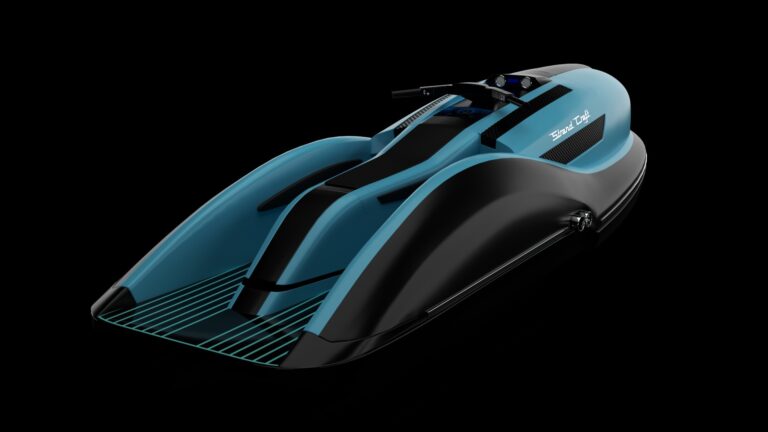
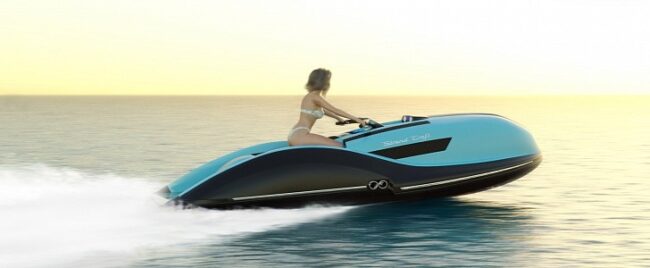
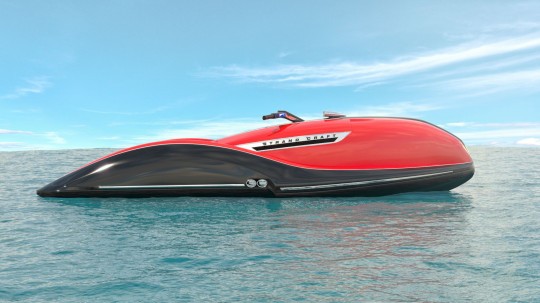
Strand Craft wants to show us how the rich do jet skiing by designing a PWC that melds style and speed. It is billed as The Luxury Yacht of Watercraft. This is no surprise, coming out of the mind of Kurt Strand, a Norwegian boat builder. He is the founder of Strand Craft, which began as a design and development company, specializing in custom built luxury boats.
Now that the introduction is out of the way, let’s get back to this luxury watercraft. Coming in at almost 11 feet, three inches shy of six feet-wide, and weighing 1,250 pounds, this thing is huge! The Strand Craft Daytona has a V8 6.2L supercharged engine, which is a first on a watercraft. It is wrapped in a shell with lines that resemble those on a fancy Italian luxury car.
The crew at Strand Craft have spent five years developing personal watercraft that pushes the boundaries of what can built within the safety and comfort zones that pwc allow. Yet, we can’t find any that have hit the production line and gone to market.
The website lists some basic specs of the V8 and that it has an aluminum fuel tank. The machine has a plethora of options like carbon inlays, carbon fiber body, V8 Turbo Diesel engine, wood inlays, and a lot more! Standard features are a storage box in front, cooler box under seat, premium sound system, and more. The watercraft is outfitted with a LED Touch Screen Control that has a 15inch screen that is easy to read in sunlight.
There are no owners to be found of this model or even an earlier model, like the humorously named, Wet Rod. It was a prototype in 2014 with a price tag of $49,000. We don’t know when or if these luxury jet skis will hit the showroom floor. If they do, we think that only the rich will have any interest in them and even then, the skis will probably only be used as yacht tenders.
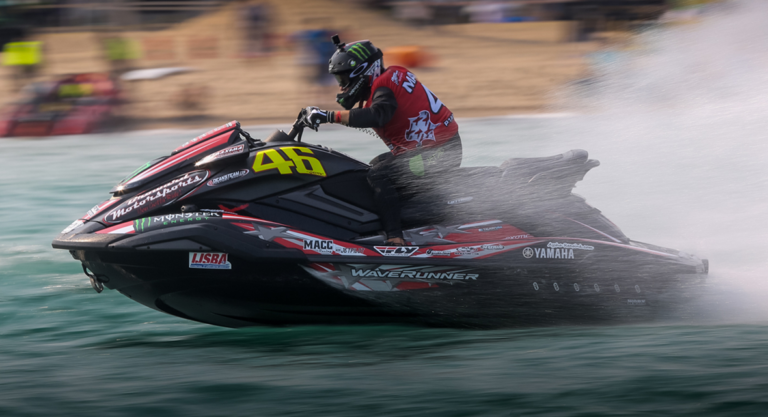
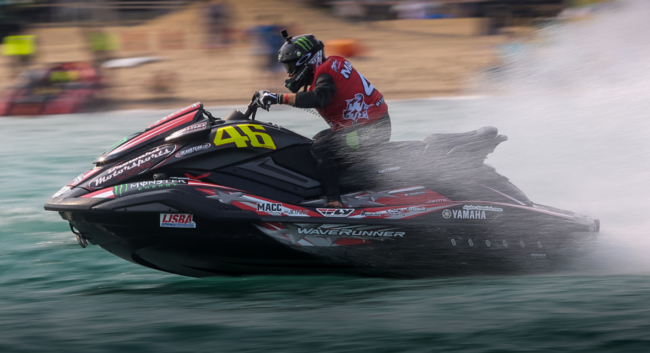
Yamaha riders smashed the rest of the field in Round 6 of the P1 AquaX Pro Enduro held in Michigan City, Indiana. The Yamaha crew grabbed the Top 8 spots with Chris MacClugage leading the charge with first place finishes in the first two motos. He dominated the track on his Yamaha FX SVHO and scored enough points to take the number one spot for the weekend of racing.
Jimmy Wilson, who also rides a GP1800R, picked up second place. MacClugage and Wilson ride for Broward Motorsports and VJ Ramgeet, who rides for Dmacc Racing, rounded out the podium with a third-place finish on his Yamaha FX SVHO. The next P1 AquaX racing event will take place in St. Petersburg on September 4-5.
Here’s the official press release: Yamaha riders dominated Round 6 of the P1 AquaX Pro Enduro held in Michigan City, IN taking the top 8 spots.
Broward Motorsports rider Chris MacClugage led the charge with first-place finishes in the first two motos and enough points to take the spot for the weekend.
He was followed by fellow GP1800R rider Jimmy Wilson, also for Broward Motorsports. VJ Ramgeet, for Dmacc Racing, rounded out the all-Yamaha podium for finishing third aboard a Yamaha FX SVHO
P1’s next AquaX racing event is in St. Petersburg on September 4-5.