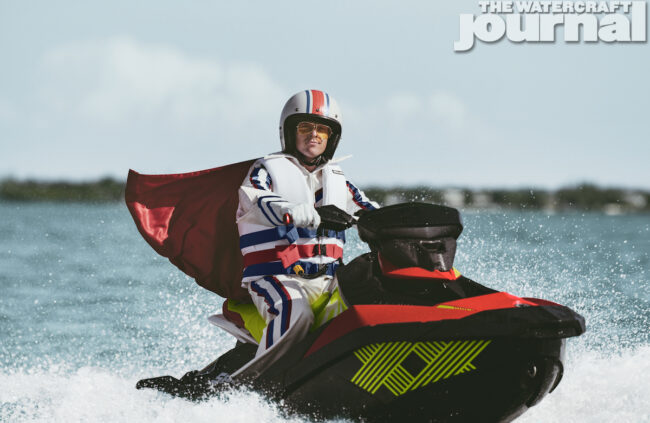
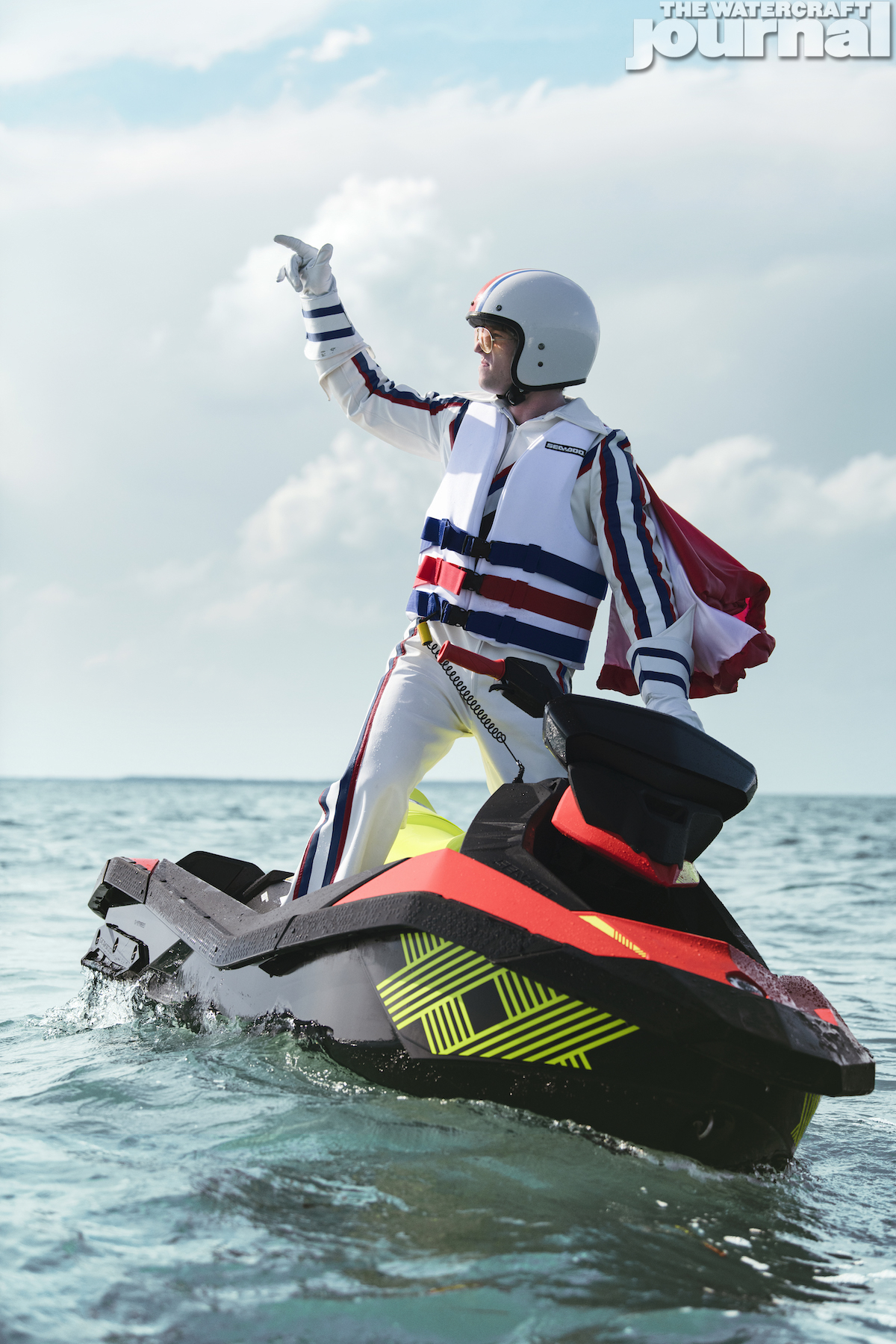
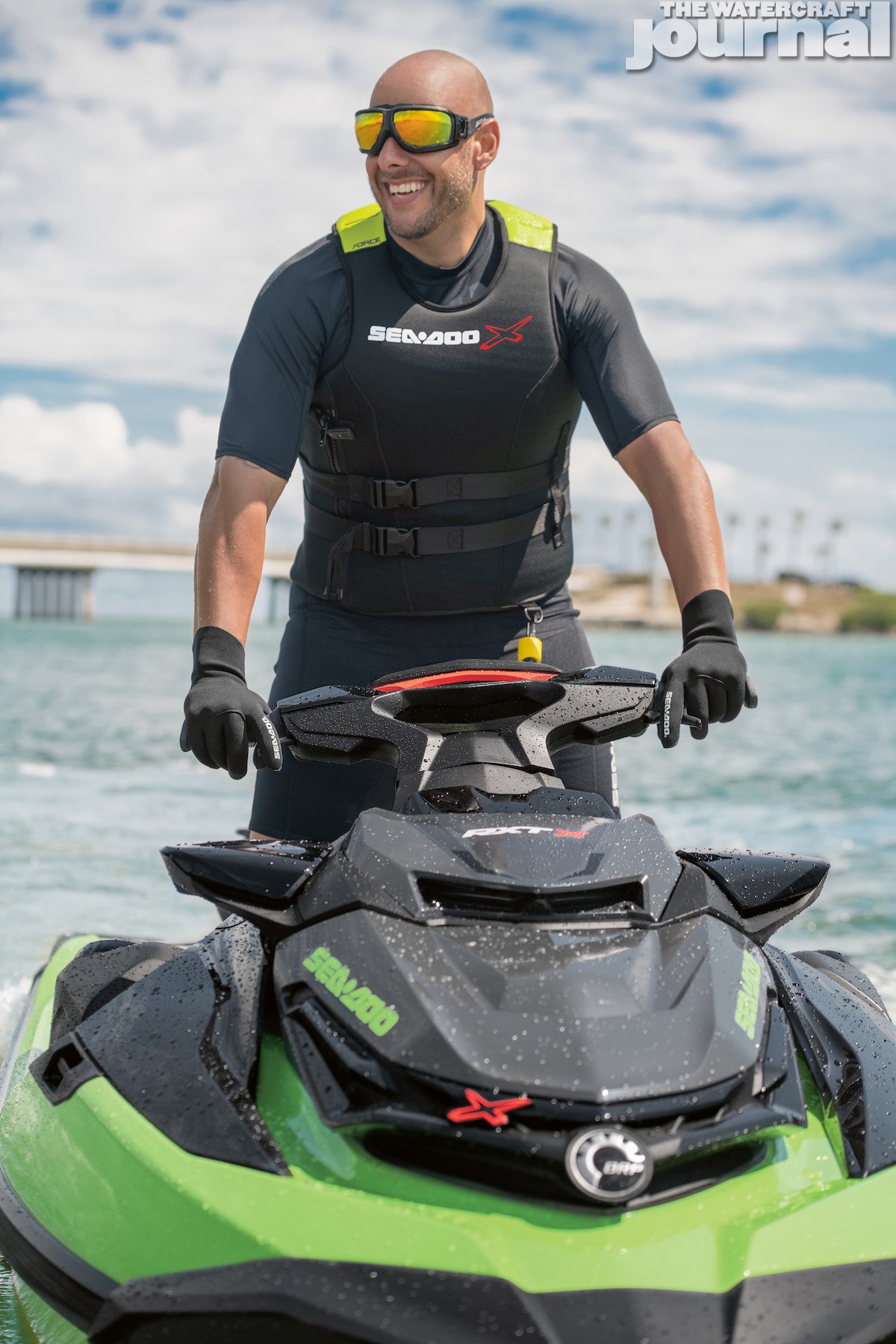
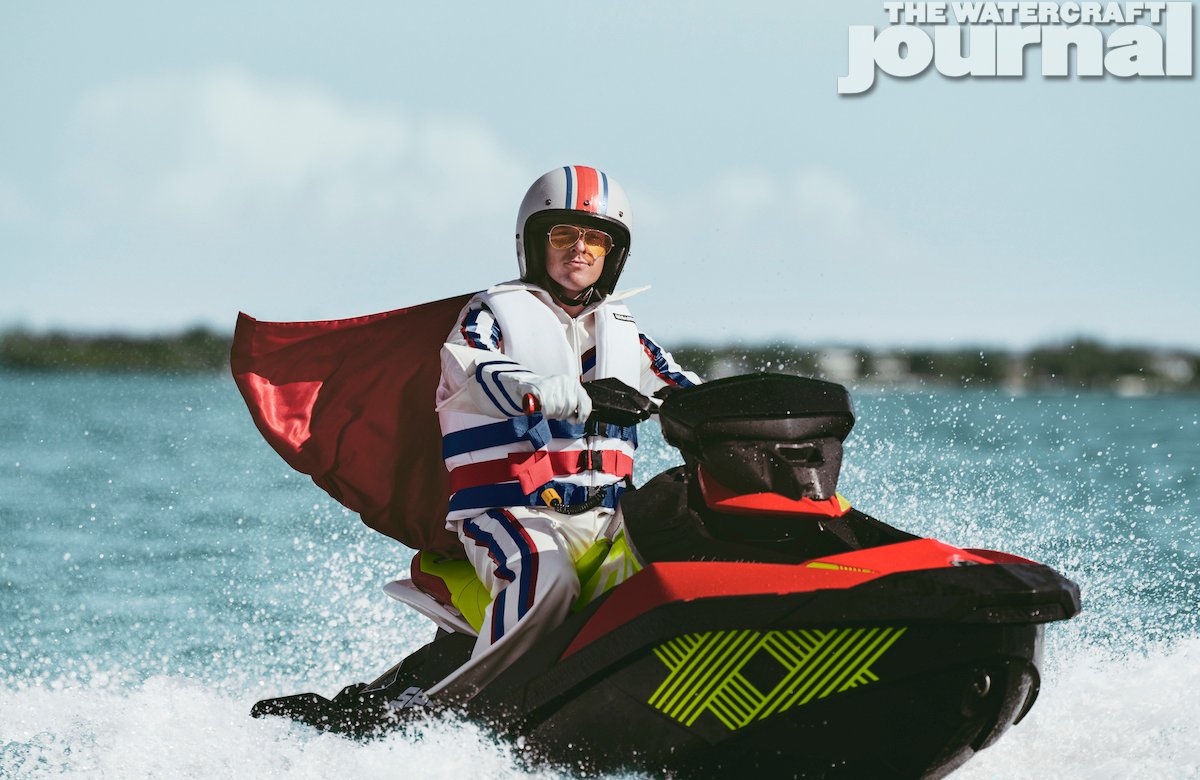
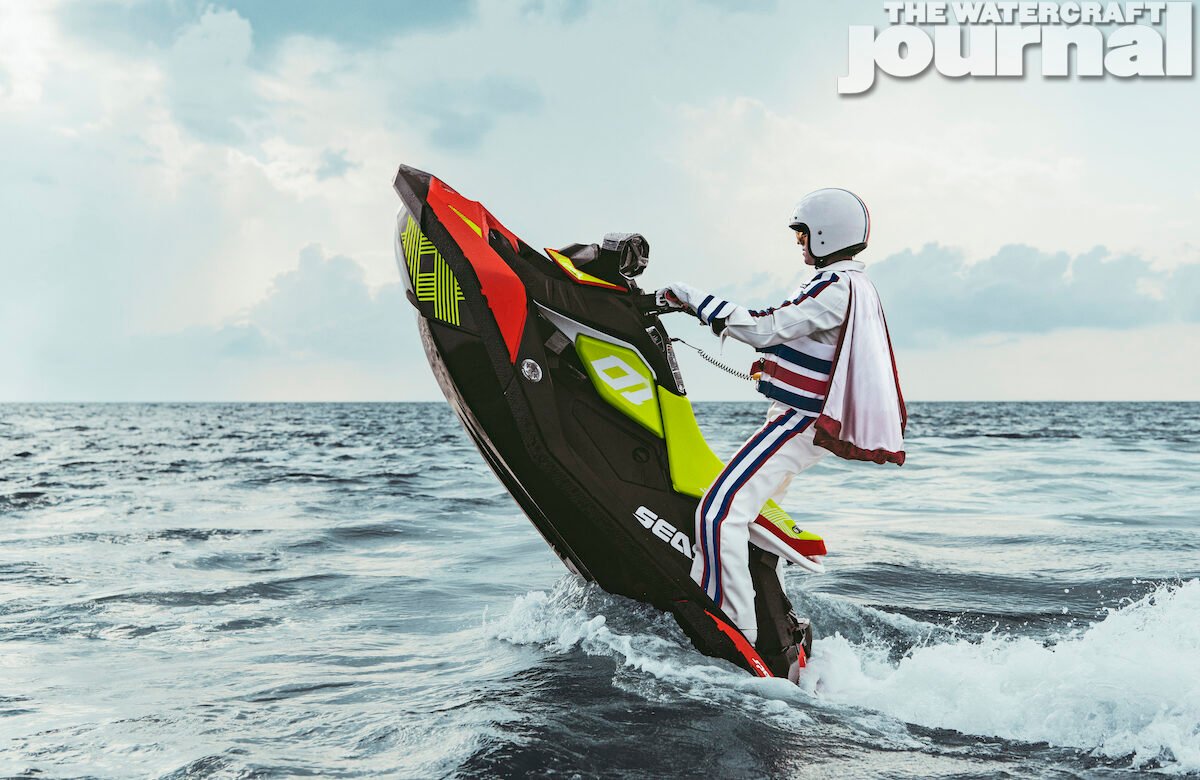
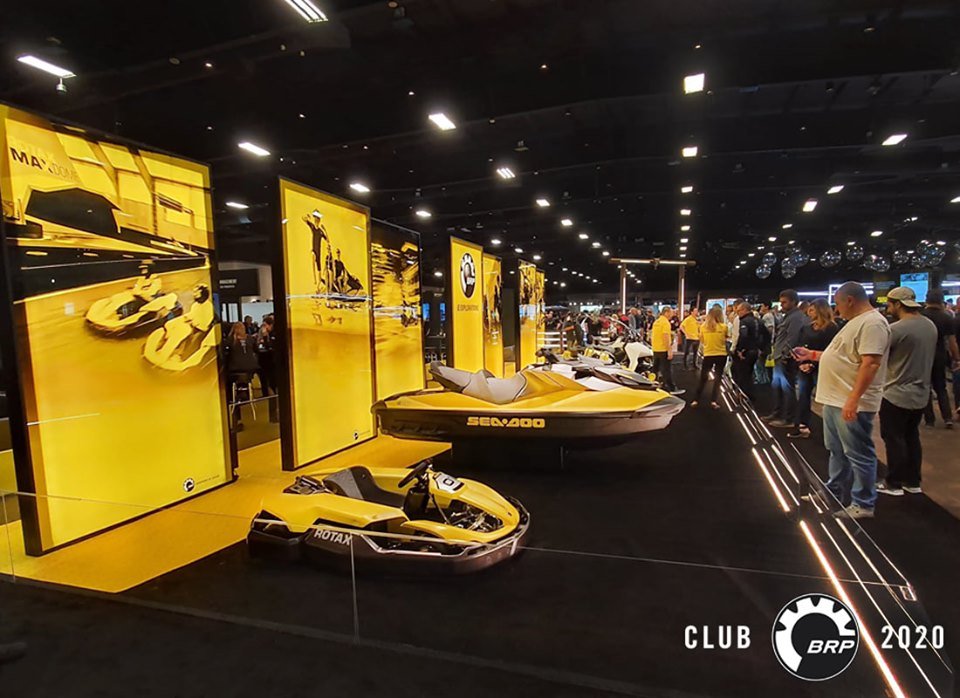
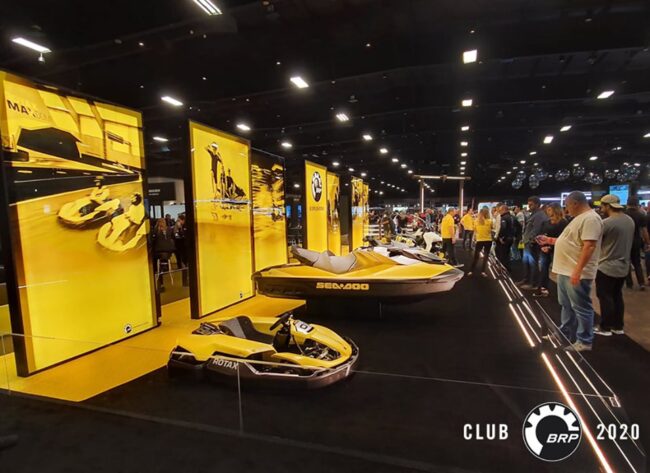
For those who stayed up to watch the live reveal of the 2020 product line, they will have noted as the top BRP brass rolled out a selection of prototype electric vehicles. Later, a special display in the “Club BRP” showroom revealed a true “E-GTI” prototype. Little to no details have been given towards the new Sea-Doo’s powertrain, but it’s a bit of showmanship to reveal what the company is currently up to.
After the full 2020 lineup was revealed, BRP issued this press release, stating: BRP furthers its exploration of electrification by showcasing at Club BRP 2020 six different electric concepts within its current product lines and beyond.
These concepts give a glimpse of what the future could hold, among others, for both of its current product lines and for other potential segments. As a leader in the powersports industry, BRP continues to push the limits of the industry by unlocking new ways to move people and to explore new territories, while still providing the fun and exhilarating experience that riders expect.
“BRP has been working for some time on how to create e-vehicles to bring new experiences to potential and existing riders. As we’ve said, it was never a question of “if’’, but “when’’. We are truly excited about electric and see it as a potential opportunity for our business,’’ said Denys Lapointe, Senior Vice-President, Design, Innovation and Creative Services. “We continue to constantly innovate, and e-vehicles are no exception. Our talented team from around the world is working on new ideas and we’re eager to hear the consumer’s reaction. For the moment, these are preliminary concepts as we are currently evaluating market viability,’’ he added.
These concepts follow a series of past ventures by BRP into electric propulsion, which included the introduction of its Neighborhood Electric Vehicle and its electric side-by-side vehicle, the development of a Can-Am Spyder electric prototype, and the commercialization of its electric karts, Sonic.
As representatives from dealers, media and other organizations poured into the conference center at the MGM Grand in Las Vegas, Nevada for BRP’s annual dealer meeting, many were buzzing with what to expect from Sea-Doo. As the lights dimmed and the music climbed, BRP’s CEO Jose Boisjoli was more than happy to share some of the philosophies and motivations propelling the brand not only into 2020, but beyond.
“There are many talks about recession, but we don’t see it. The three critical indicators we follow are employment rates, the number of new home construction and consumer confidence,” Boisjoli expressed that both nationally and globally, all signs look incredibly positive. When joined on stage by Sea-Doo Watercraft Global Product Manager, James Heintz, both he and Boisjoli were excited to announce that since the Spark’s introduction, over 130,000 units had been sold.
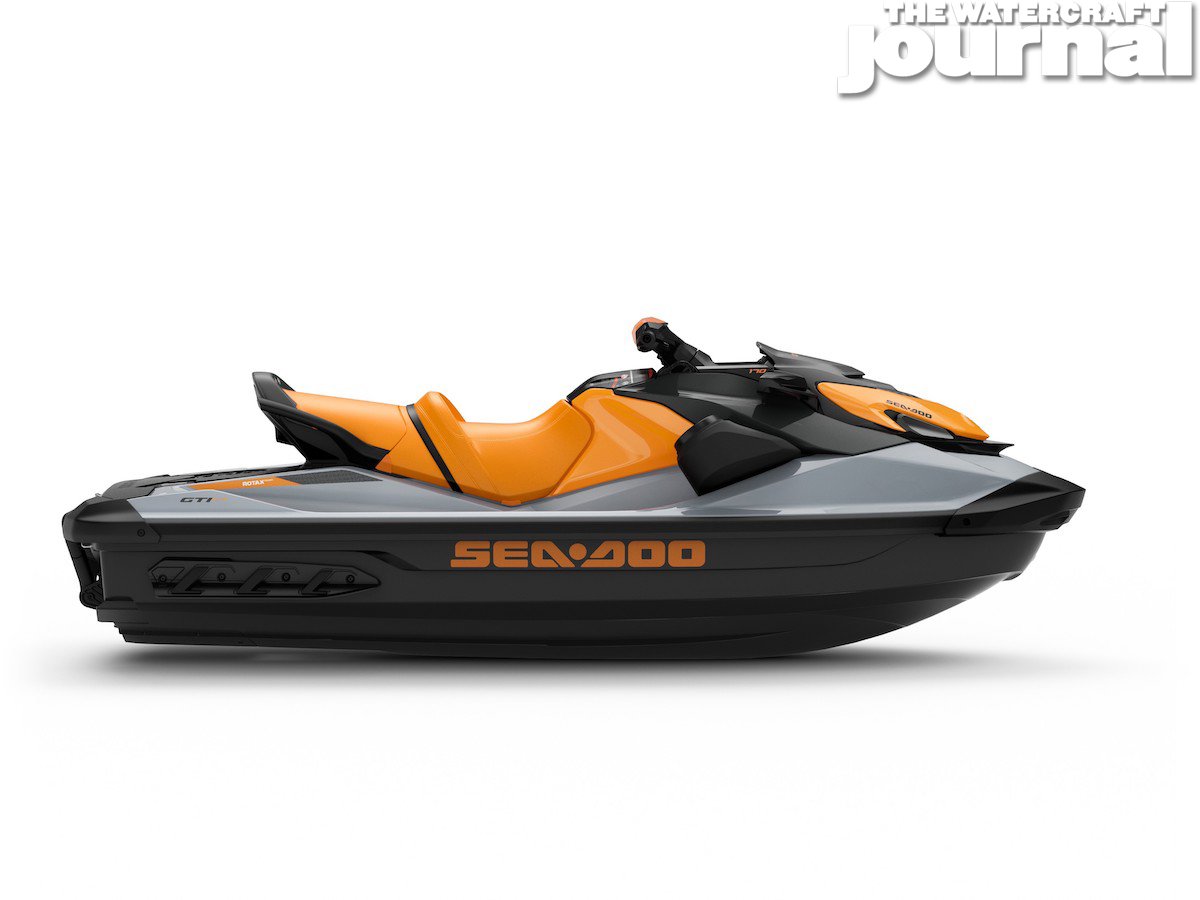
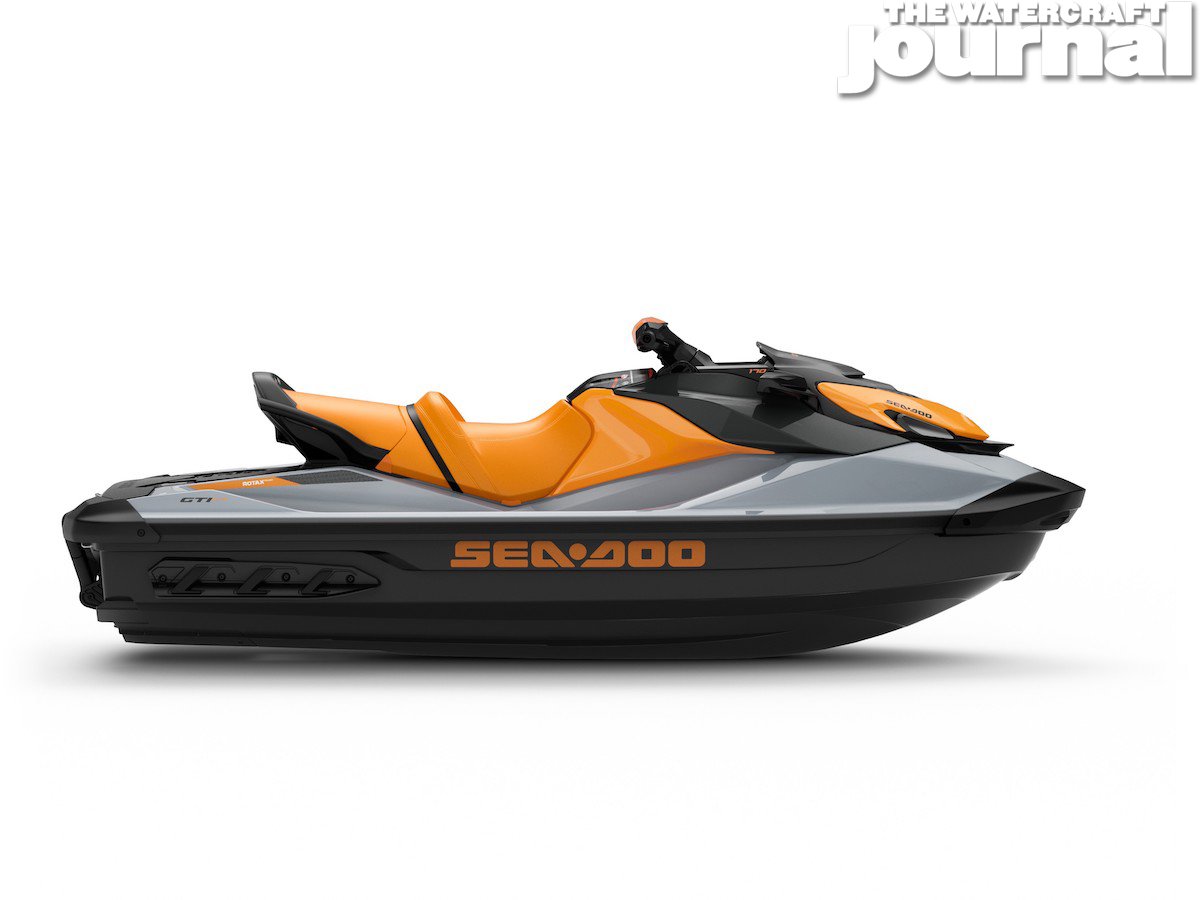
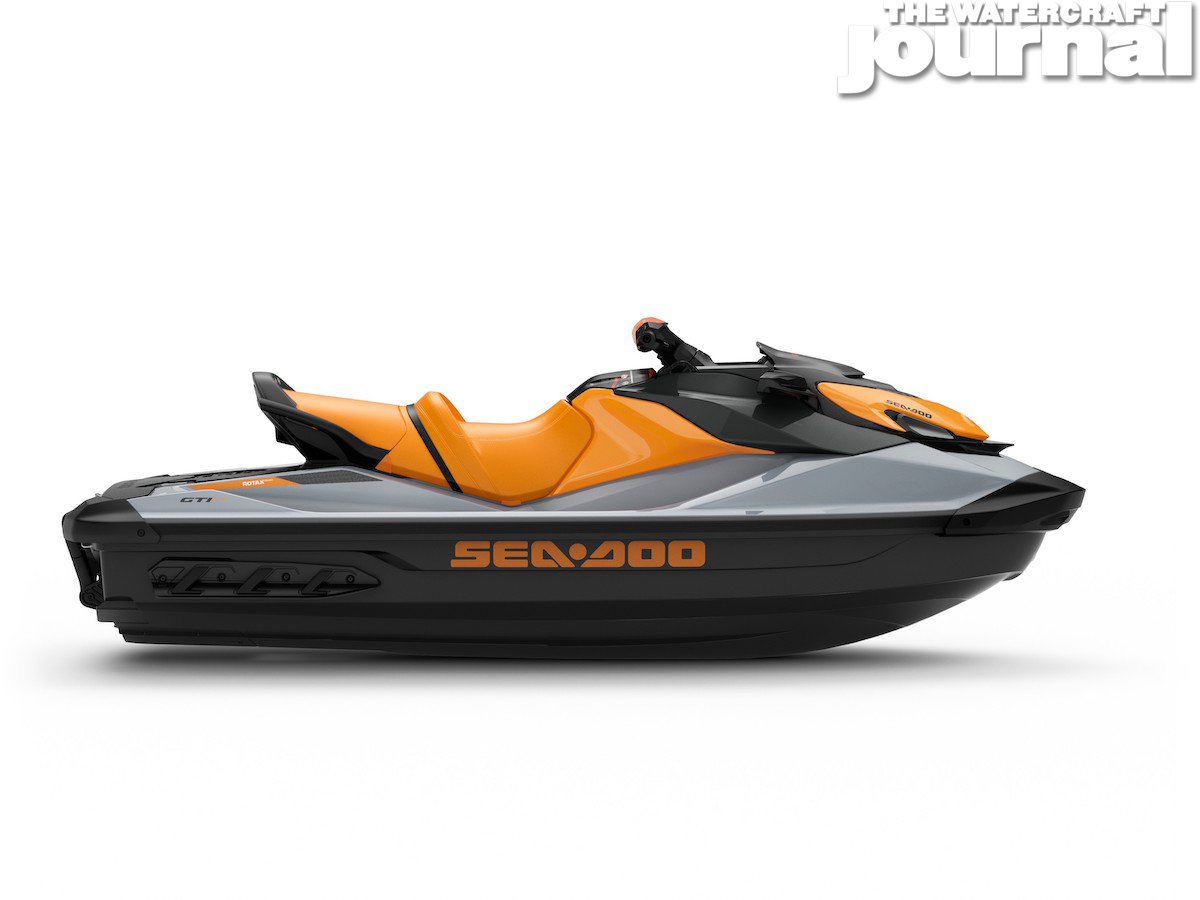
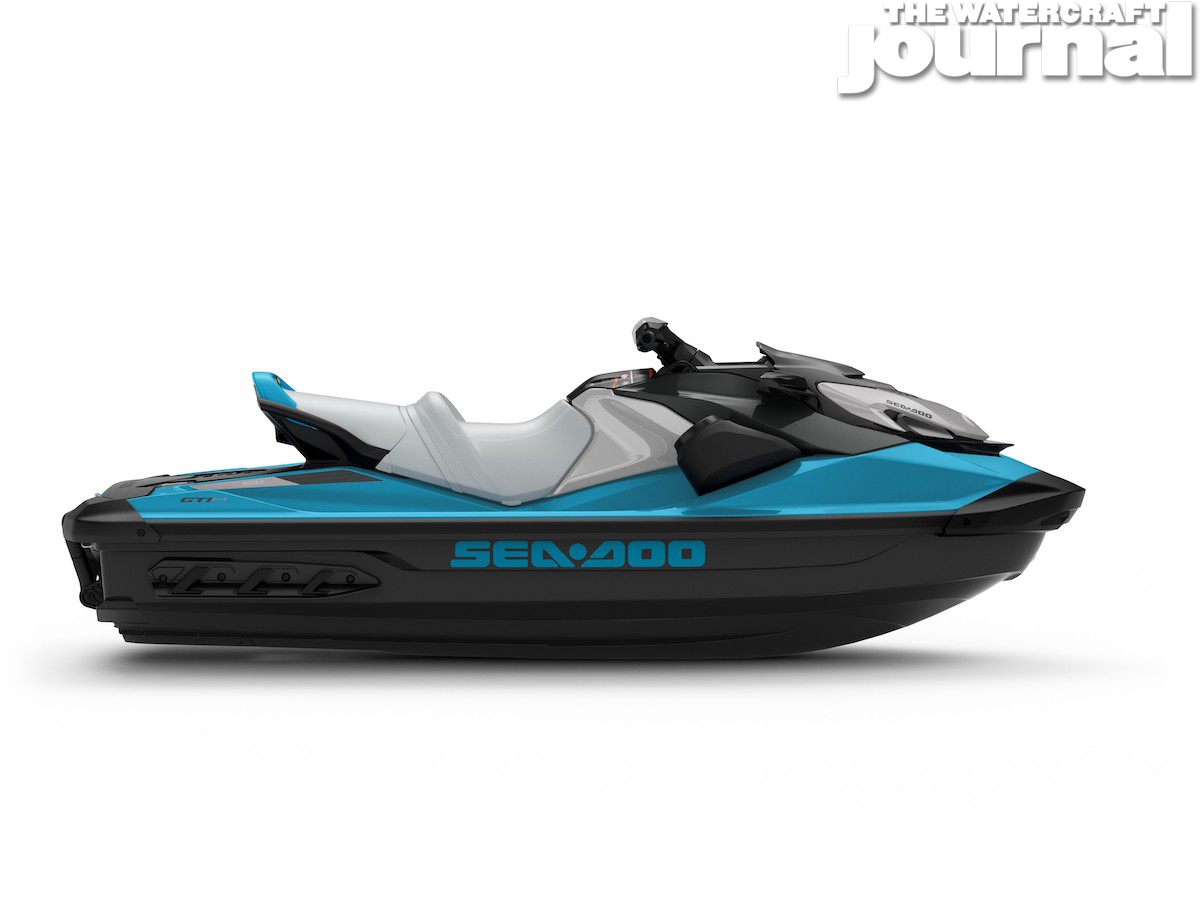
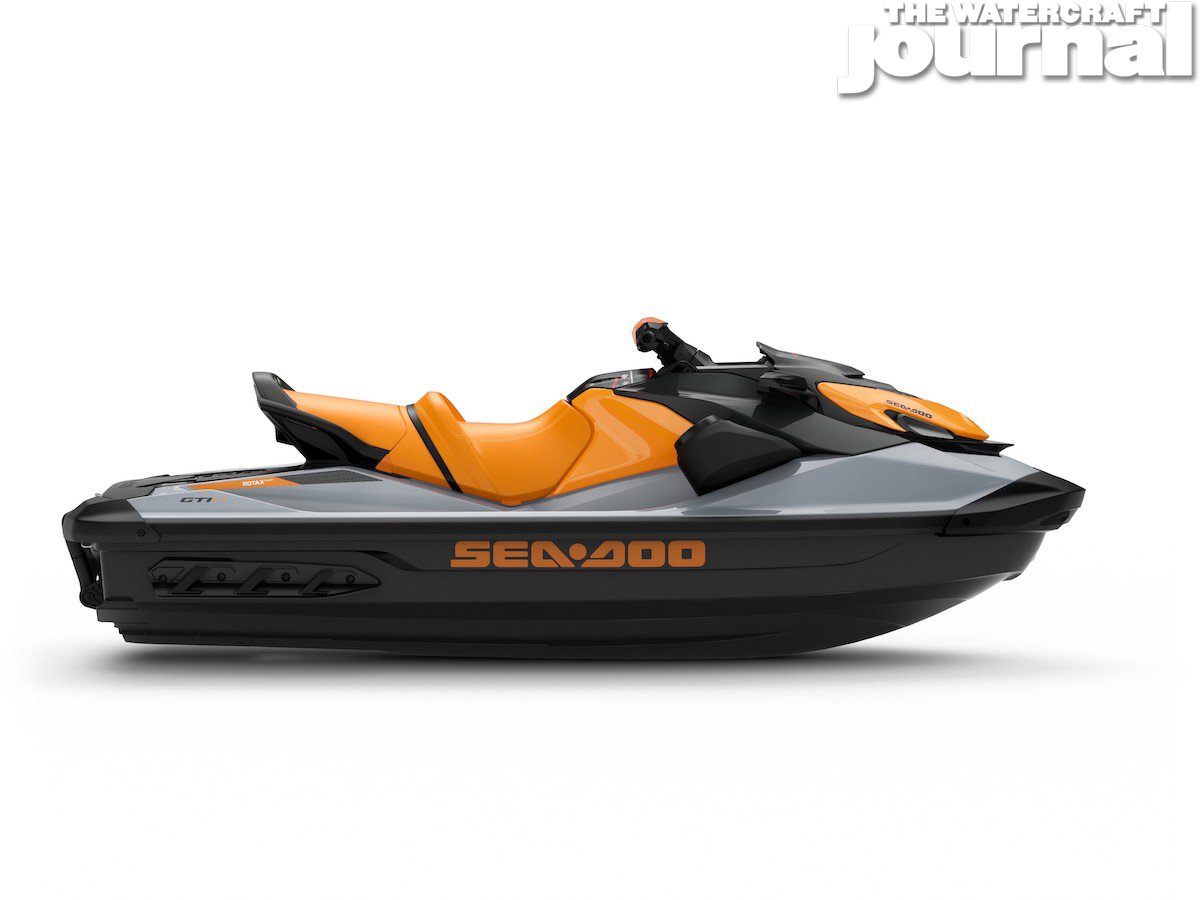
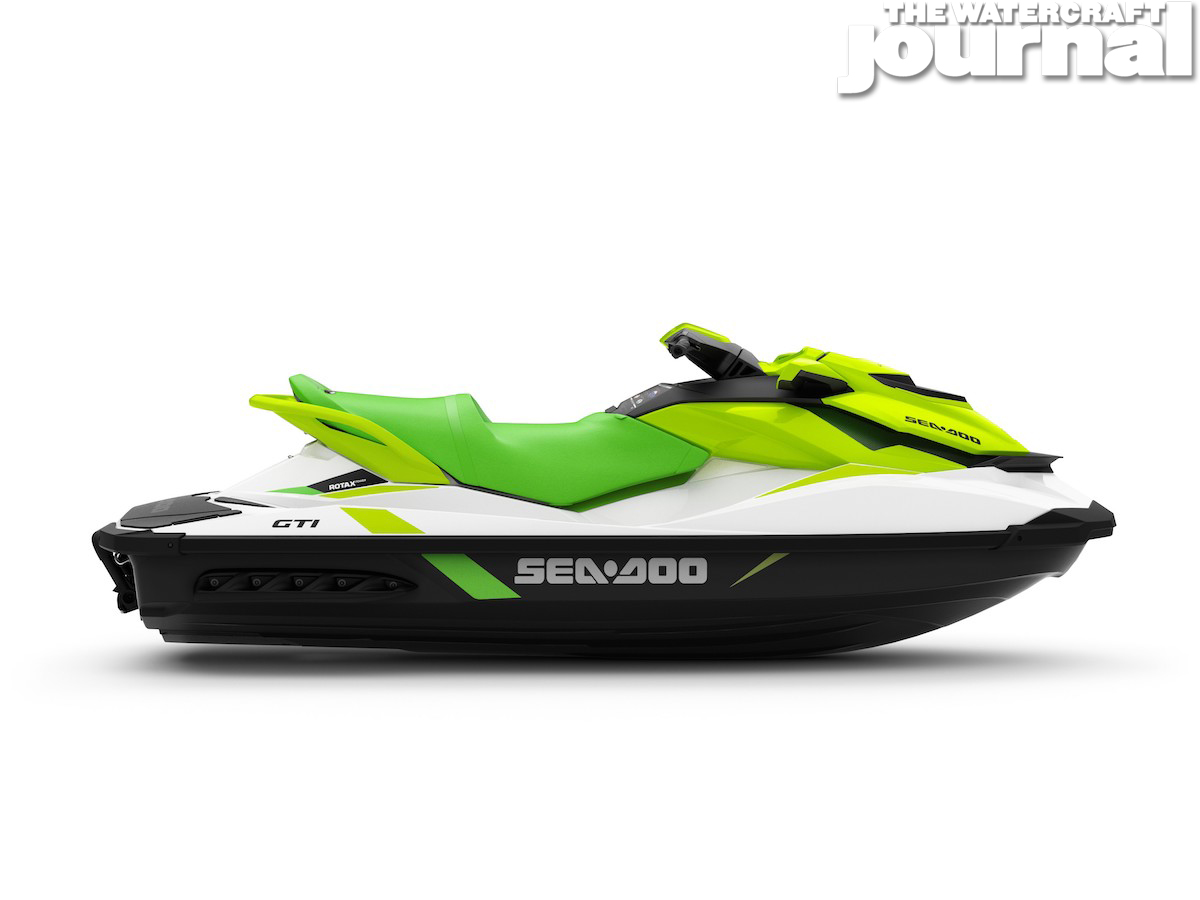
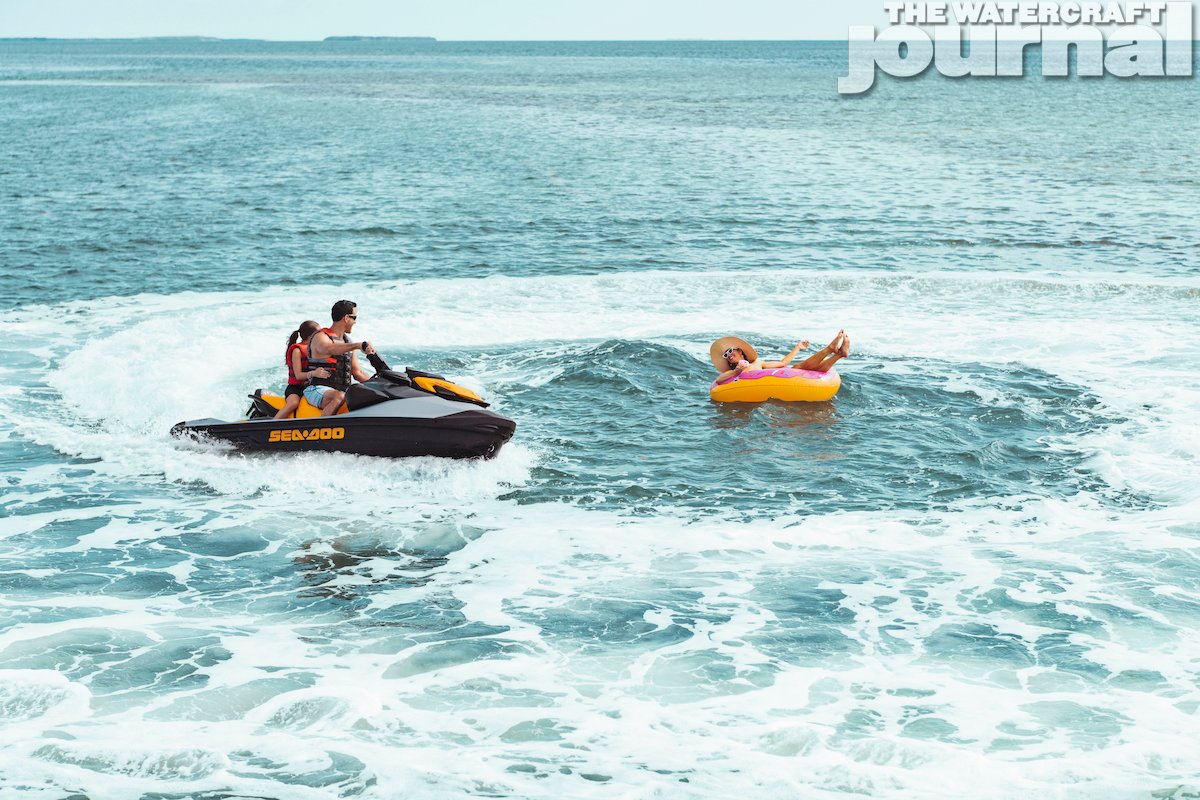
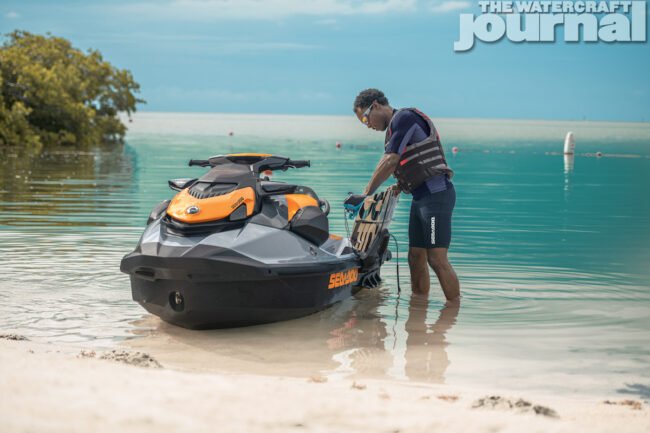
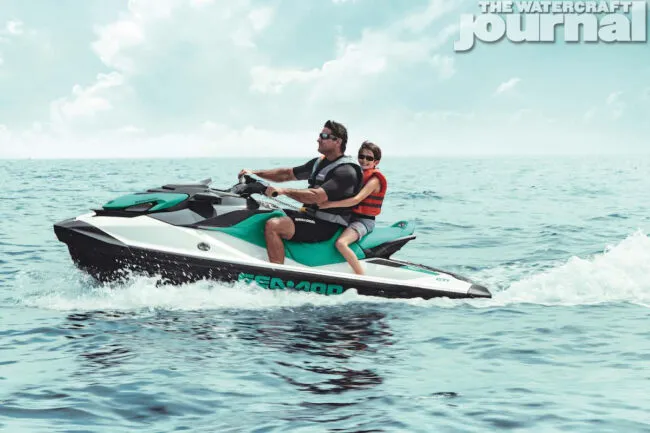
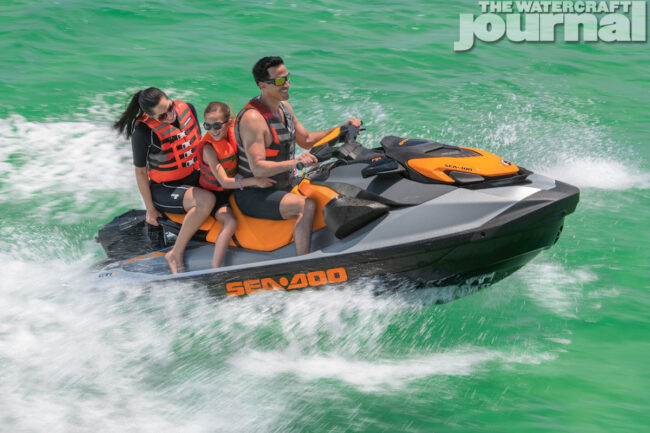
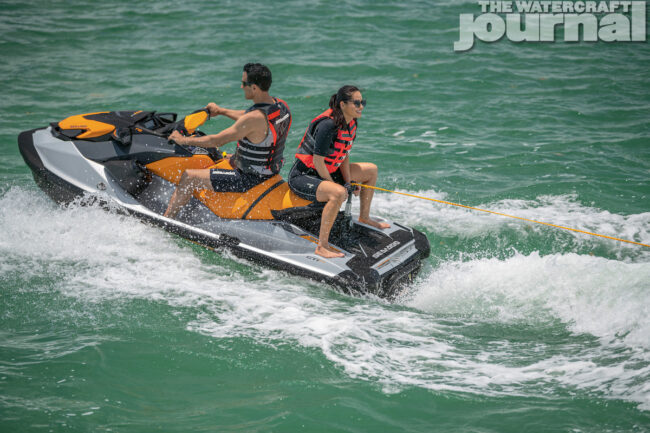
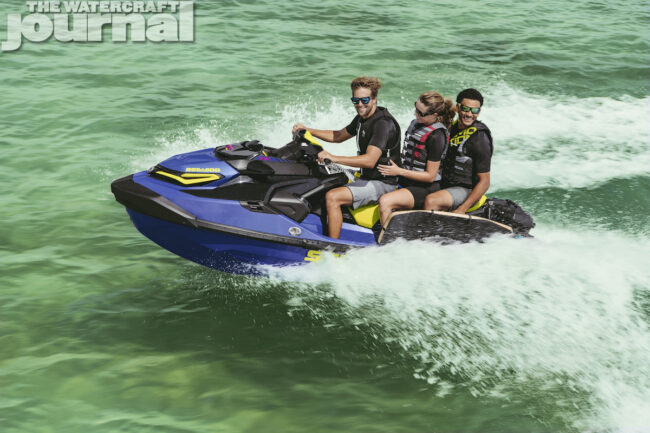
Considering the natural progression of Spark buyers who graduate to a larger Recreation segment vehicle, Sea-Doo saw it time to completely redesign the GTI platform. Borrowing a great deal from the larger ST3 platform, BRP engineered a smaller 3-seater runabout that is more stable thanks to an added inch of width and a lower center of gravity, and more comfortable due an ErgoLock seat.
A longer, flatter rear swim platform incorporates both the screw-capped port for the LinQ Retractable Ski Pylon as well as the LinQ accessory attachments. Other smaller details include a new orange-backlit 4.5-inch dashboard replaces the outgoing analog gauges; a redesigned front storage bin that holds a whopping 40.2-gallons, a 2.3-gallon glove box for smaller items, and a watertight phone box.
That phone box will come in handy if you opt for the optional BRP Premium Audio Package, the same 100-watt audio system available on the ST3 models. But of course, we’re burying the biggest news for the GTI lineup: a new hull material and three engine choices. Riding on Sea-Doo’s new Polytec GEN 2 material, it’s now thicker and lined with an additional fiberglass inner skin.
This drops the GTI’s weight down to 739 pounds from 790 previously, a significant difference. Powering the GTI lineup are the same Rotax 900 ACE producing 90-horsepower (with a top speed of close to 42 mph) and 1630 ACE at 130-horsepower (a top speed of 50 mph), but for 2020, BRP upped the ante with the retuned 1630 ACE knocking out 170-horsepower (with no advertised top speed listed).
The four GTI vehicles offered are the GTI 90 ($8,999), GTI 130, GTI SE 130 ($10,799) and GTI SE 170; all available in either Metallic Beach Blue and Lava Grey, or Ice Metal and Orange Crush coloring. Fuel capacity also remains the same as the previous models at 15.9-gallons. Although unavailable for the everyday consumer, the GTI Pro remains unchanged from last year for the rental market.
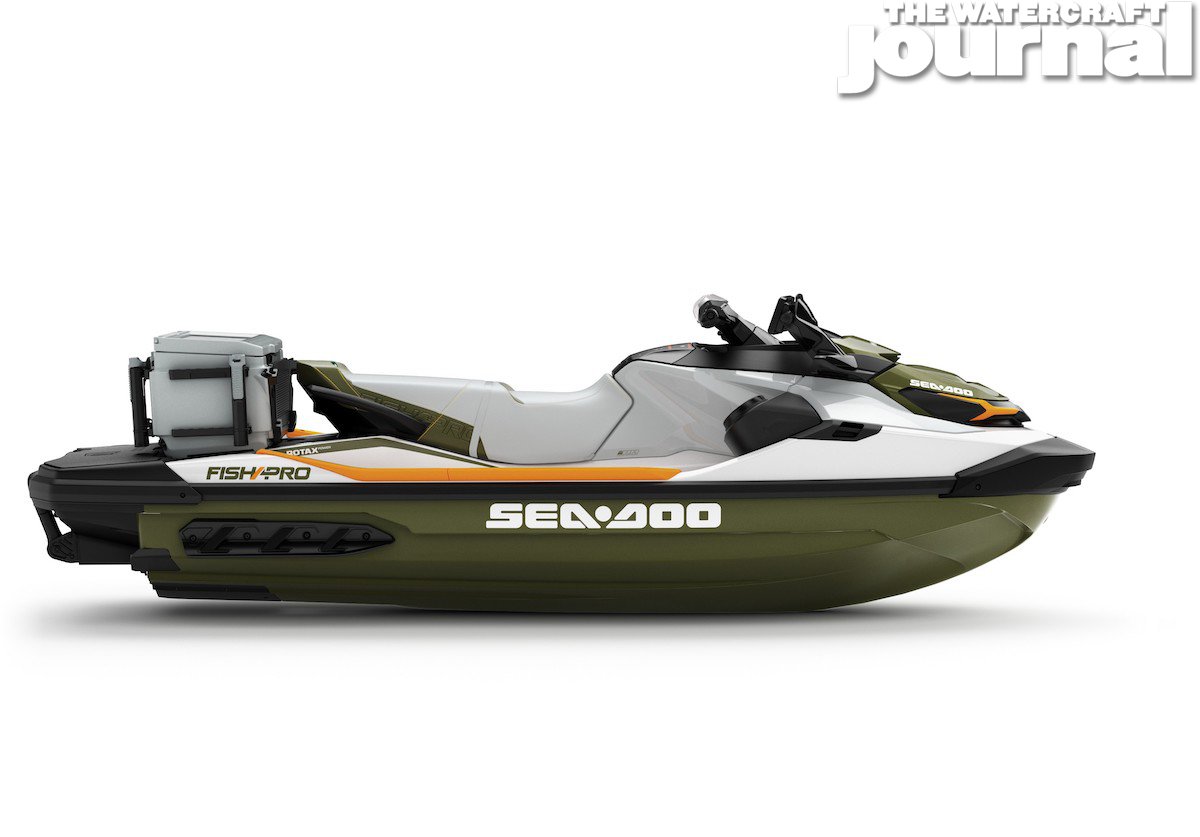
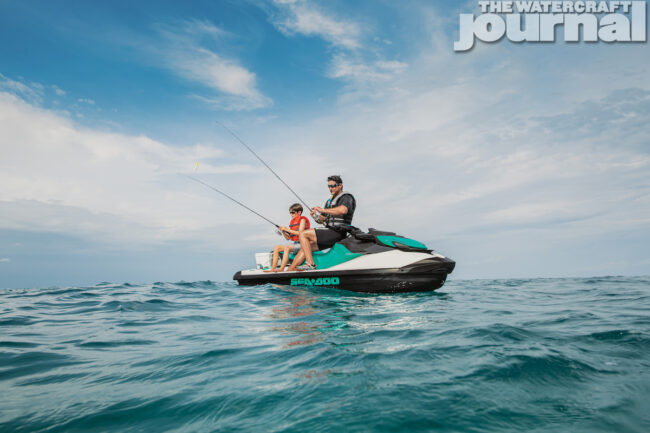
The advent of the new 170-ponies 1630 ACE also replaces all runabouts using the previous 3-cylinder; that includes the Wake 155, Fish Pro and GTX. Speaking of the Fish Pro, the industry’s only dedicated fishing PWC remains mainly the same – apart from the slight bump in horsepower that is sure to please – and retains its White and Night Green coloring and $14,999 price tag.
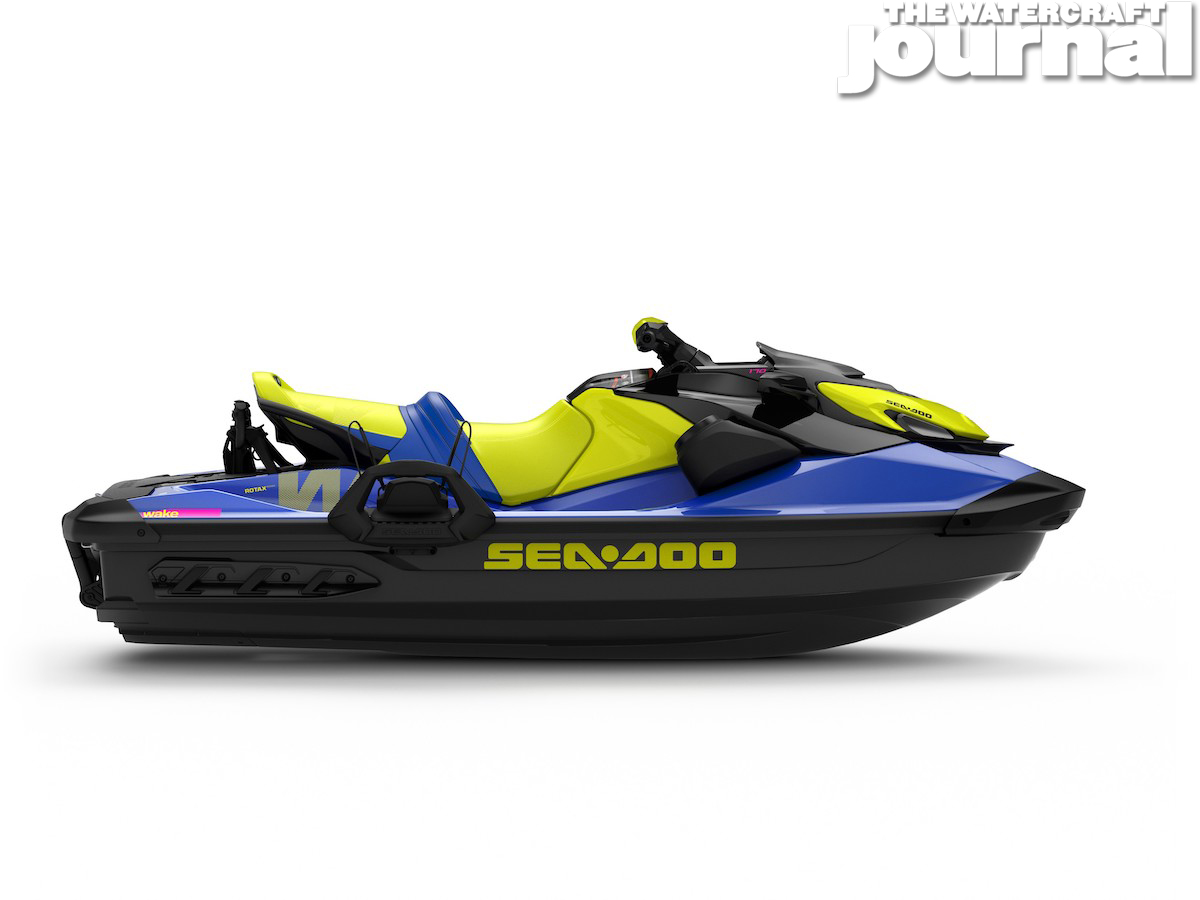
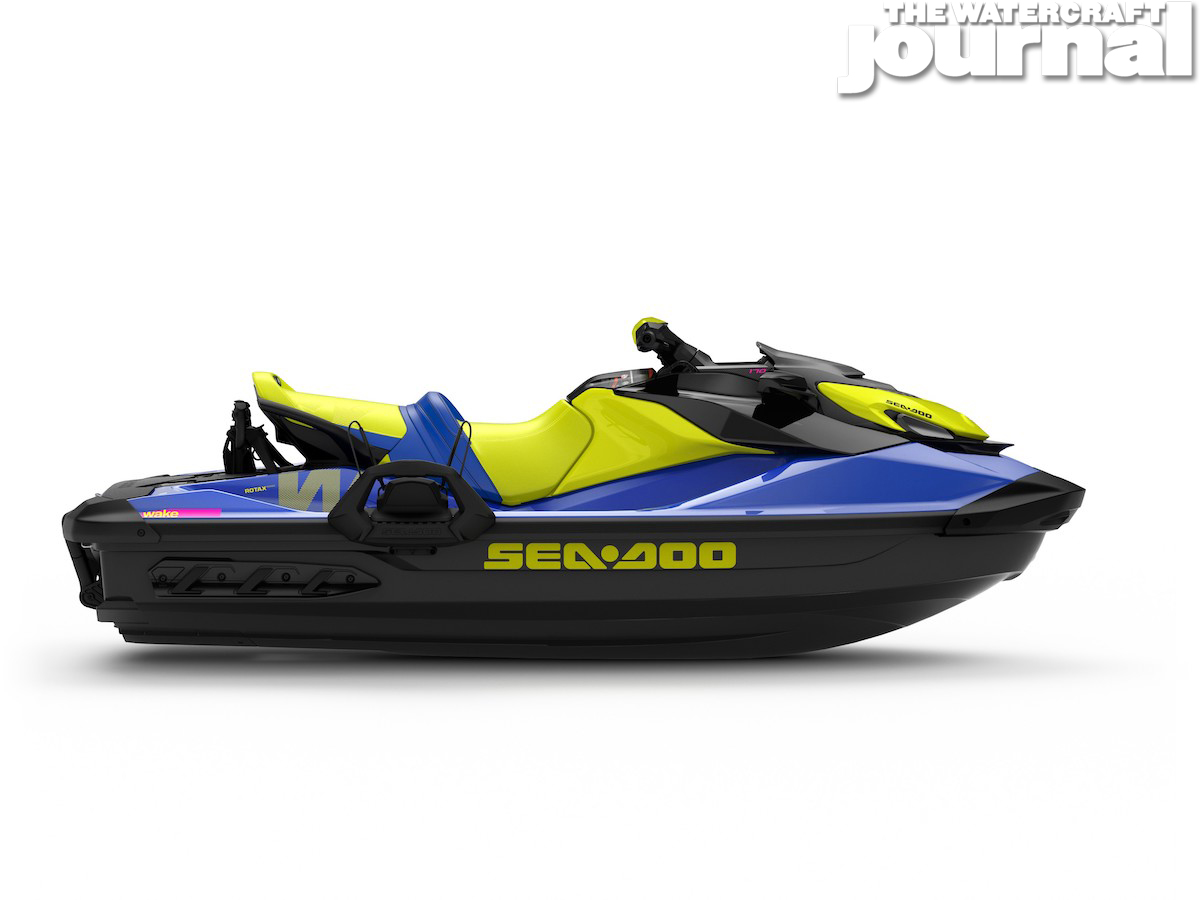
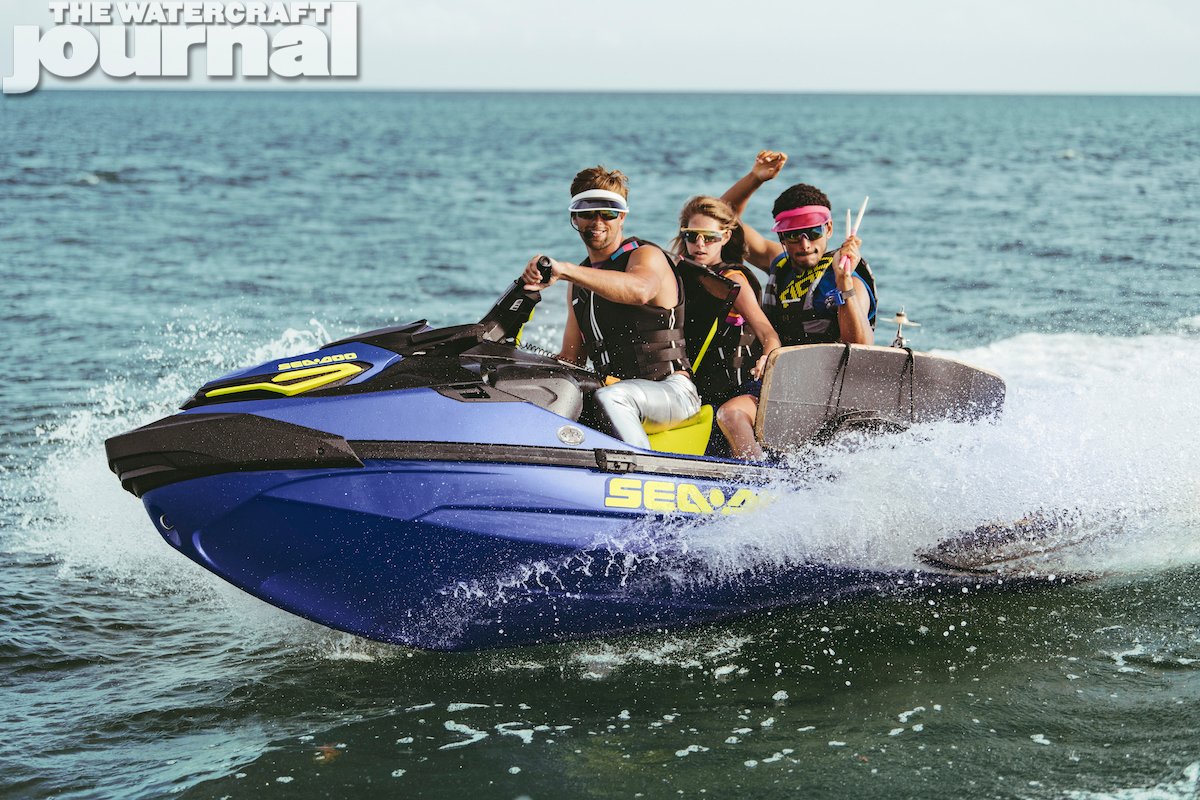
For tow sports, the newly rechristened and redesigned Wake 170 ($12,199) comes in Malibu Blue and Neon Yellow, enjoys all of the benefits of the newly re-engineered GTI platform including added stability, better ergonomics, a more comfortable saddle, new dash, and voluminous storage; but also rides on the new Polytech GEN2 hull material. (Although weight increases from 718 to 747-pounds.)
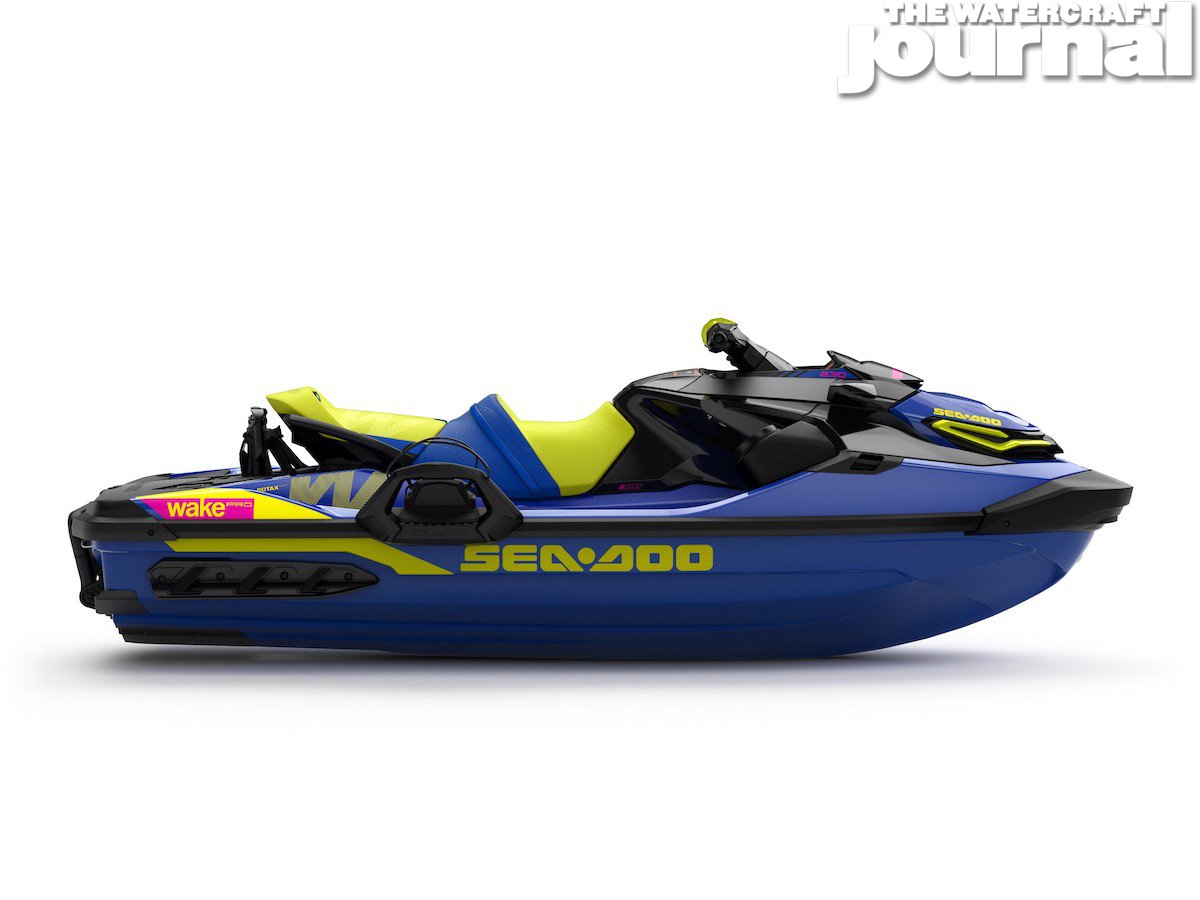
The Wake 170 is paired in coloring with its larger Wake Pro 230 sibling ($14,899), who also gains the much desired 18.5-gallon fuel tank. BRP’s Premium Sound Package is available for both of these machines for a premium, so make sure to check the box to order the package from the factory, as it’ll cost less than having it installed at the dealer at a later date.
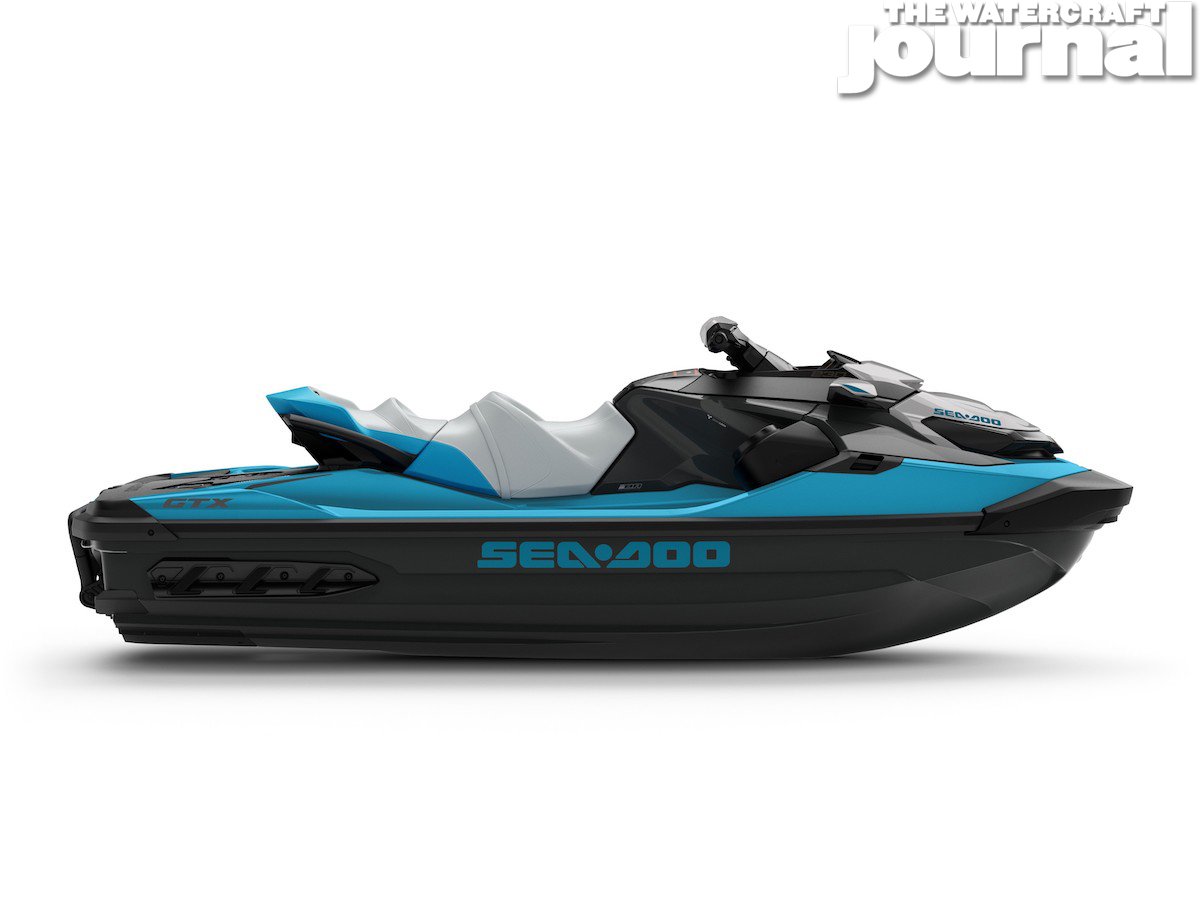
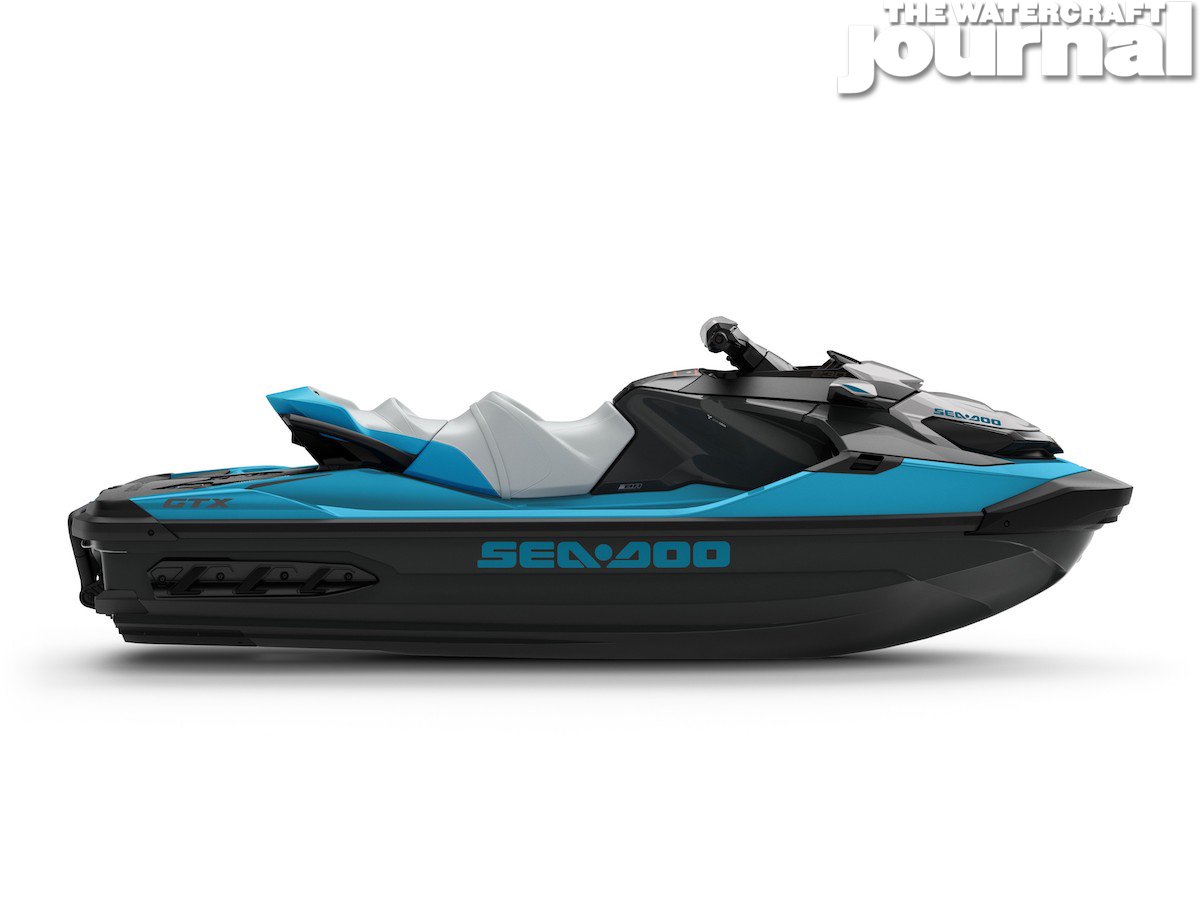
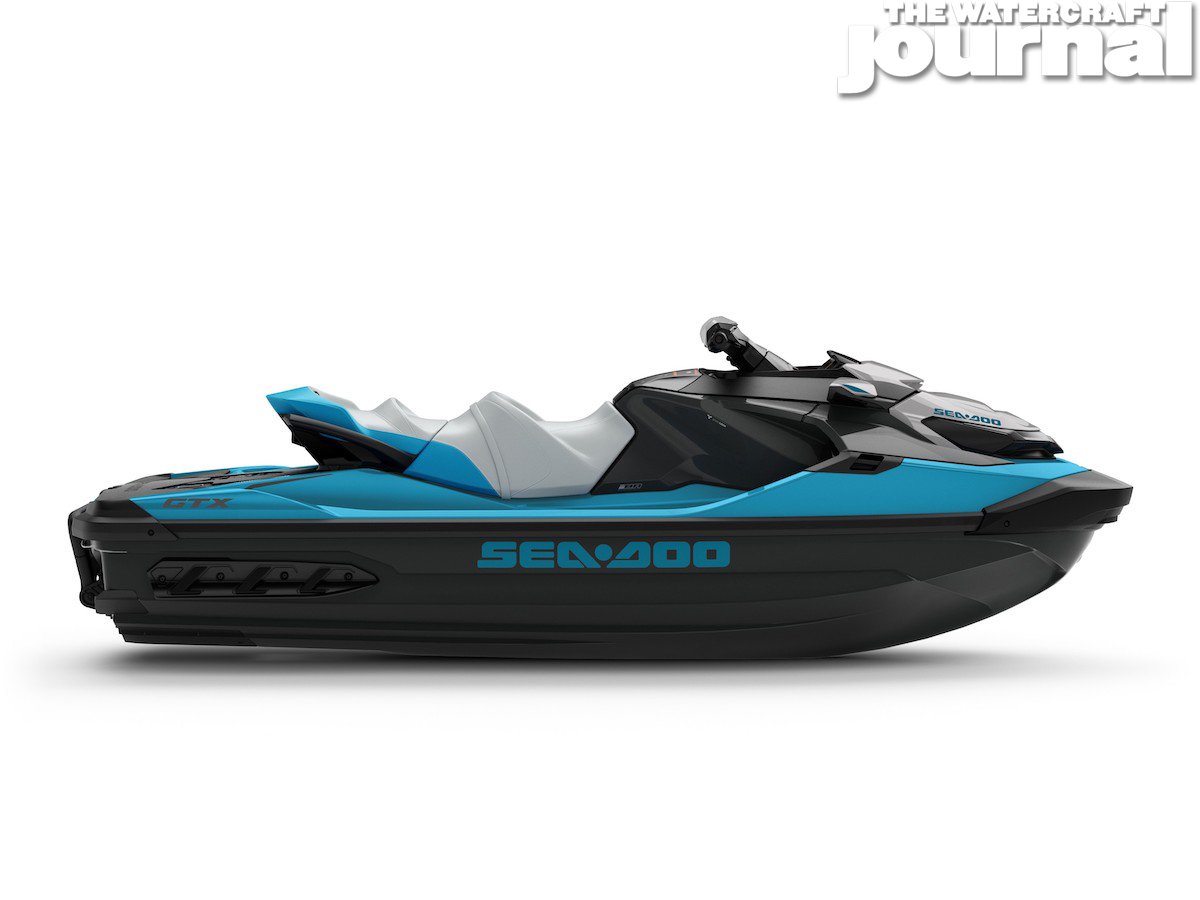
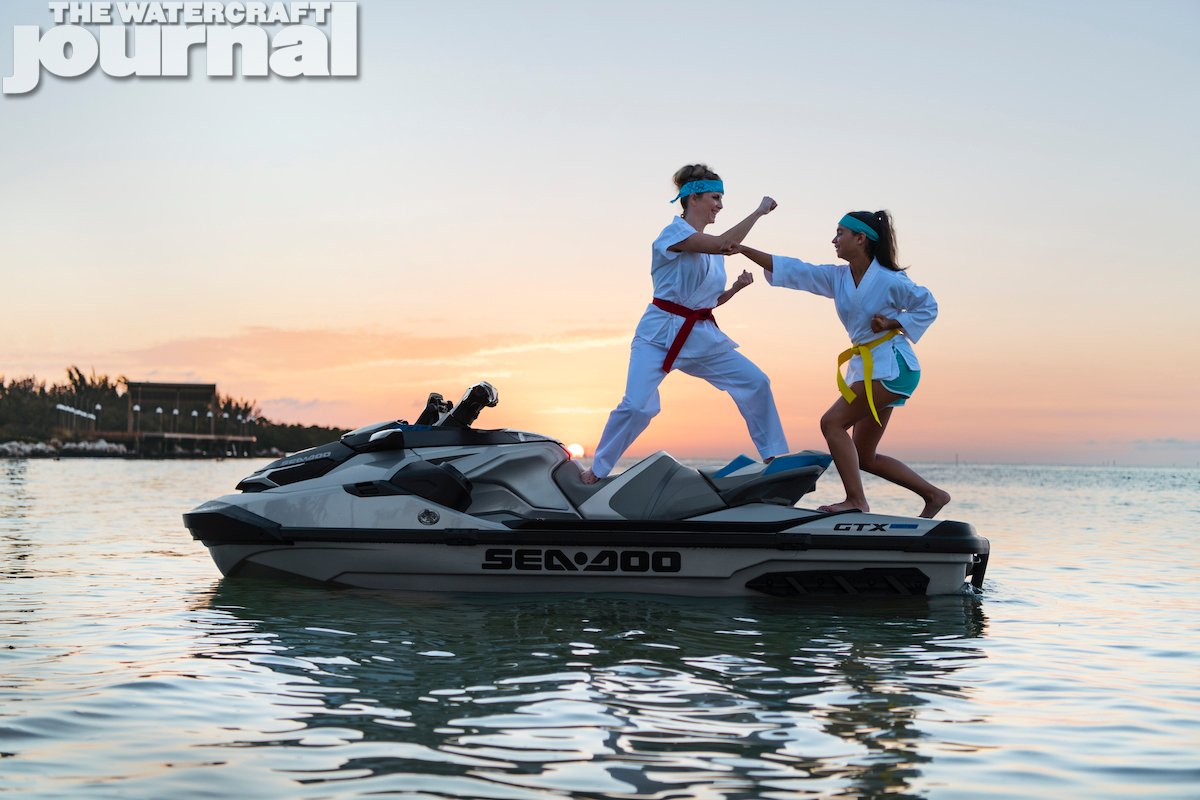
Sea-Doo’s Touring segment sees minor changes; firstly, the entire segment receives the larger 18.5-gallon tank. The previous year’s GTX 155 and 230 – although now with 170HP – ($12,999) retains last year’s Beach Blue Metallic and Lava Gray coloring options; while the more opulent GTX Limited 230 and 300 models (starting at $16,199) are bathed in Liquid Gray Metallic with Beach Blue Metallic highlights and come with BRP’s Premium Audio standard (as well as a king’s ransom of other accessories).
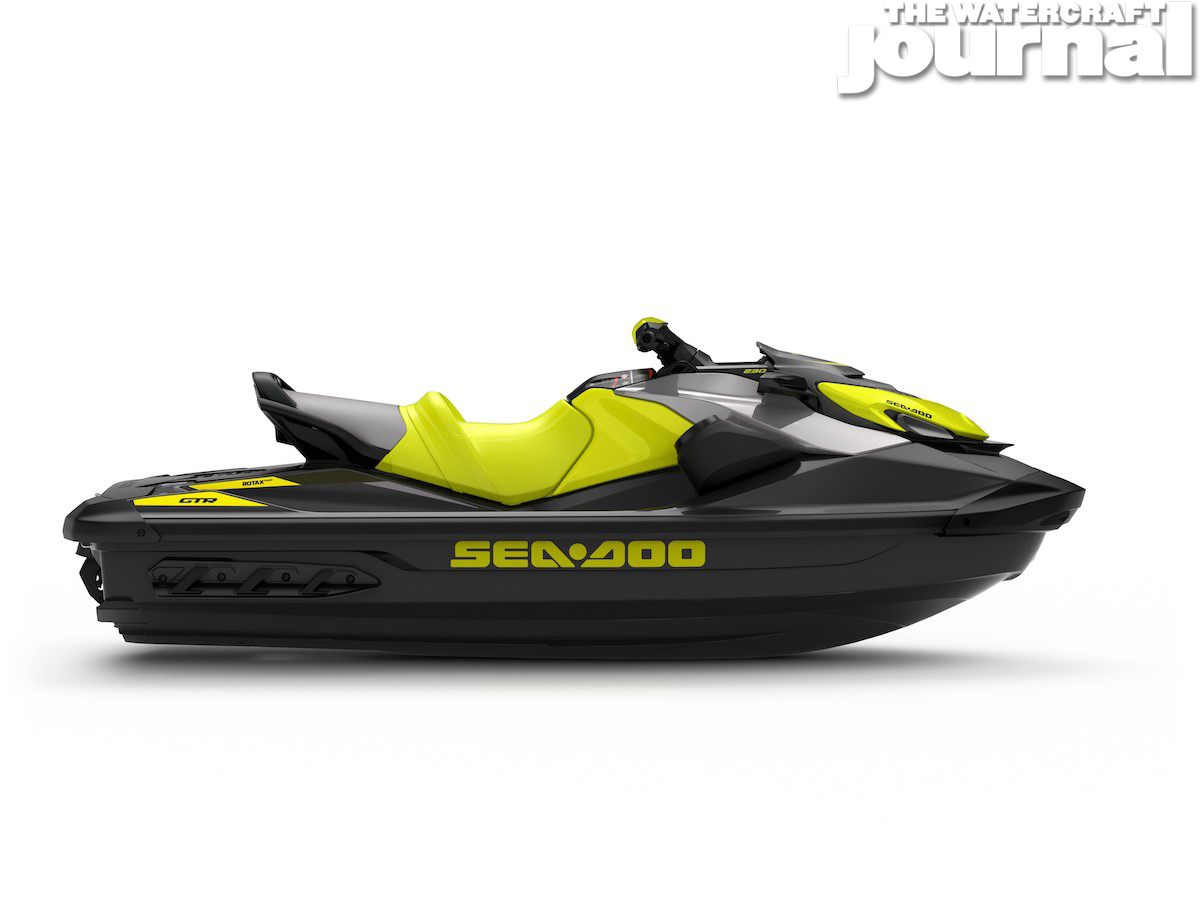
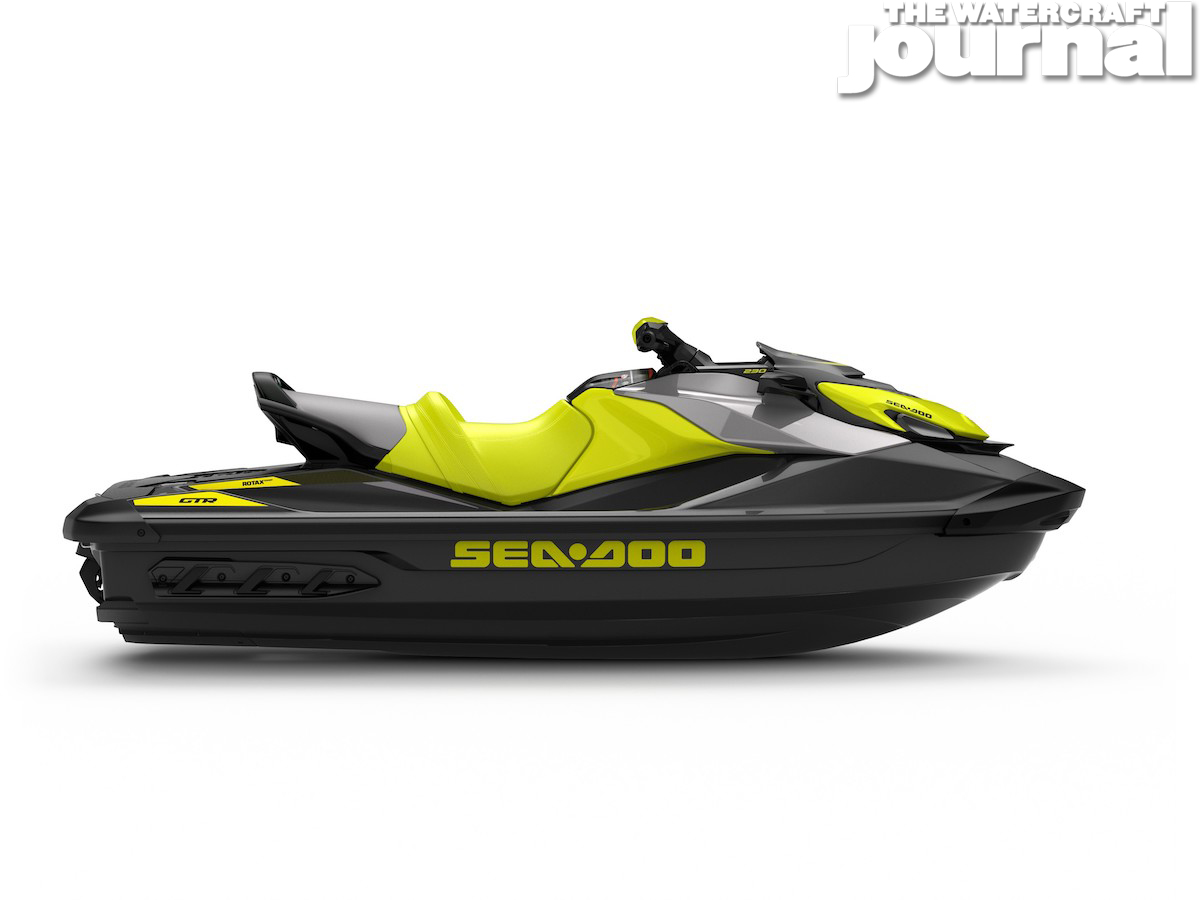
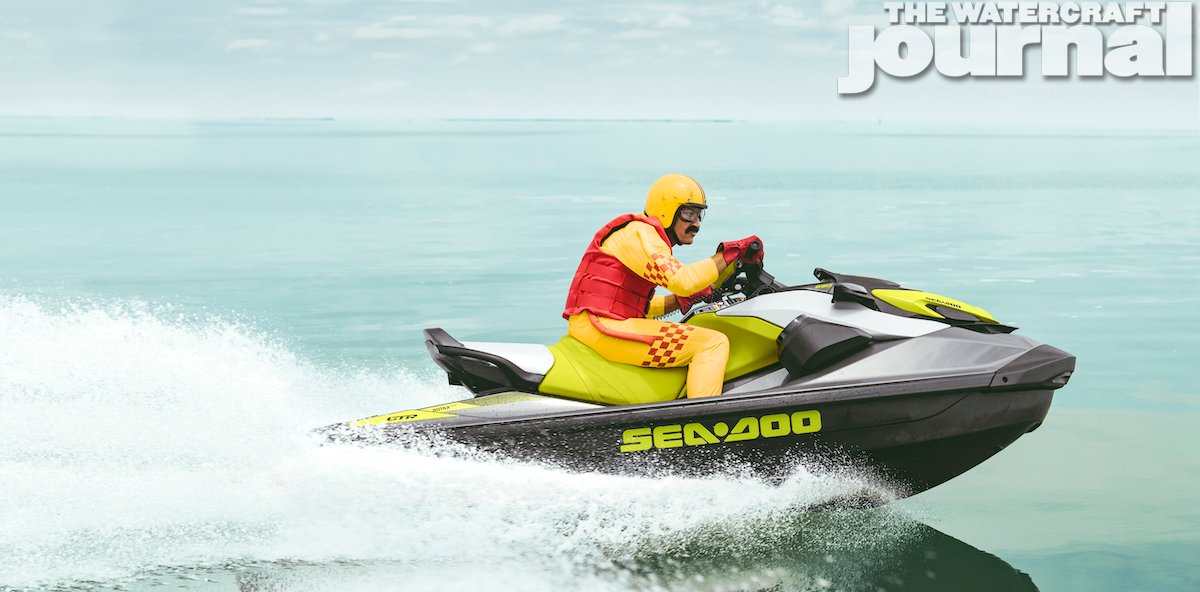
In contrast, big changes were made to Sea-Doo’s Performance segment although zero mention was made during the presentation: gone are the GTR-X 230 and RXT 230; the RXT being a mainstay model for nearly 20 years. The GTR 230 rides on the newly redesigned GTI platform, uses the same second-generation Polytech hull material, enjoys better seating, the digital dashboard and other features built into the new design.
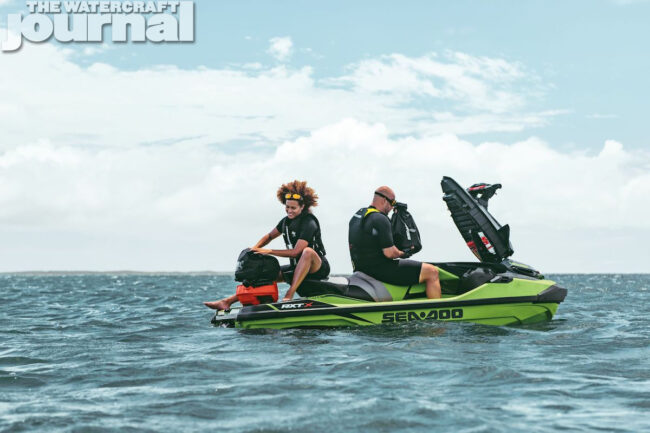
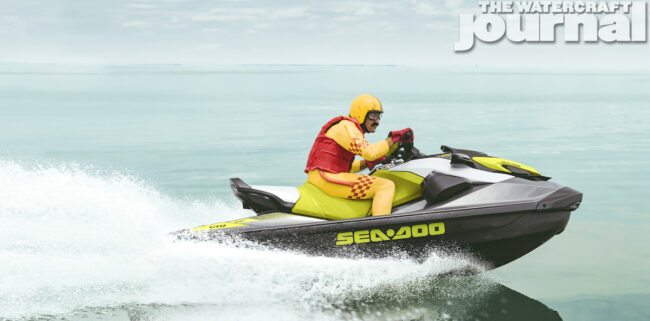
Wrapped in Neon Yellow and Eclipse Black, the new GTR 230 shaves off a few pounds from its previous 807 to 774 pounds, thanks in large part to its Polytech lower half.
Priced at $12,399, it’s the lowest entry in the segment. The RXP-X 300 ($15,399) remains almost entirely untouched save for a repaint in California Green Metallic and Black, or last year’s Eclipse Black and Lava Red livery.
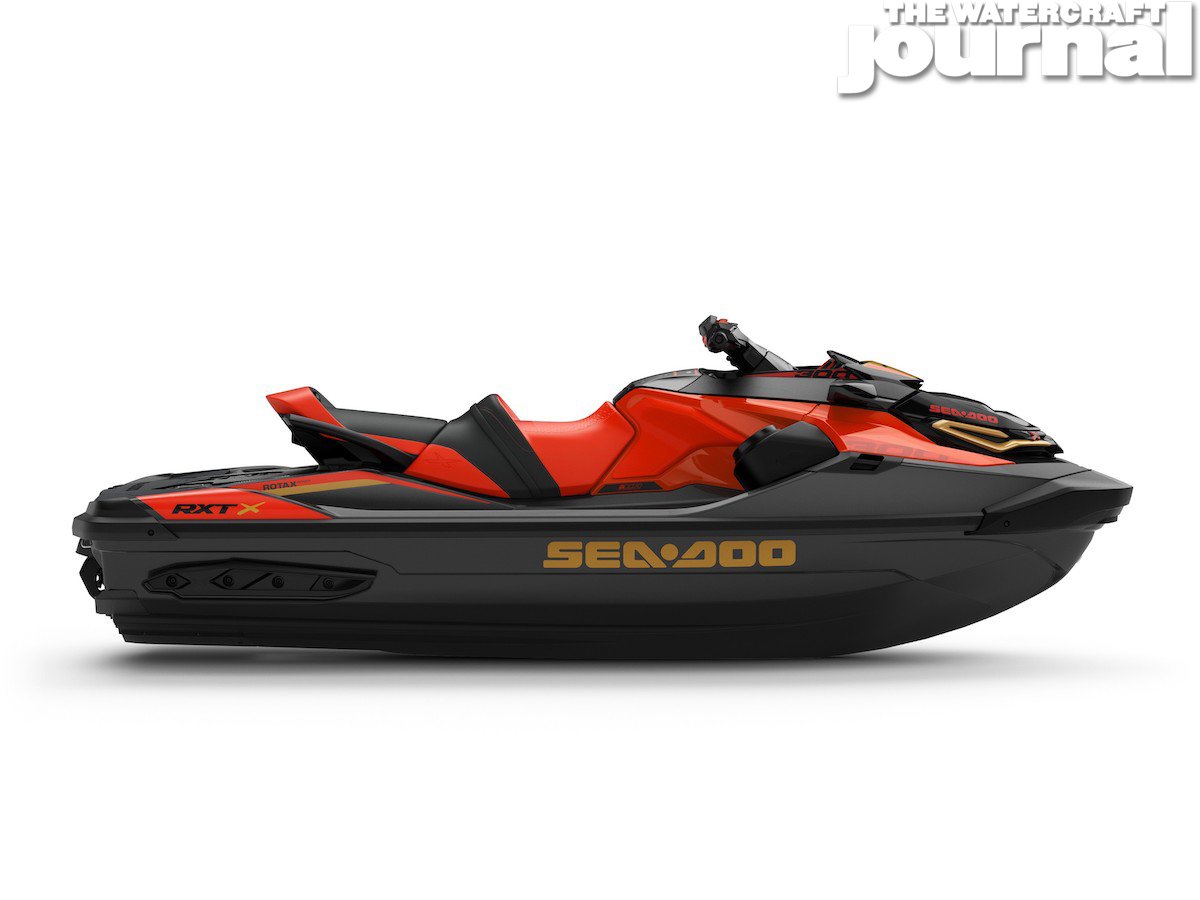
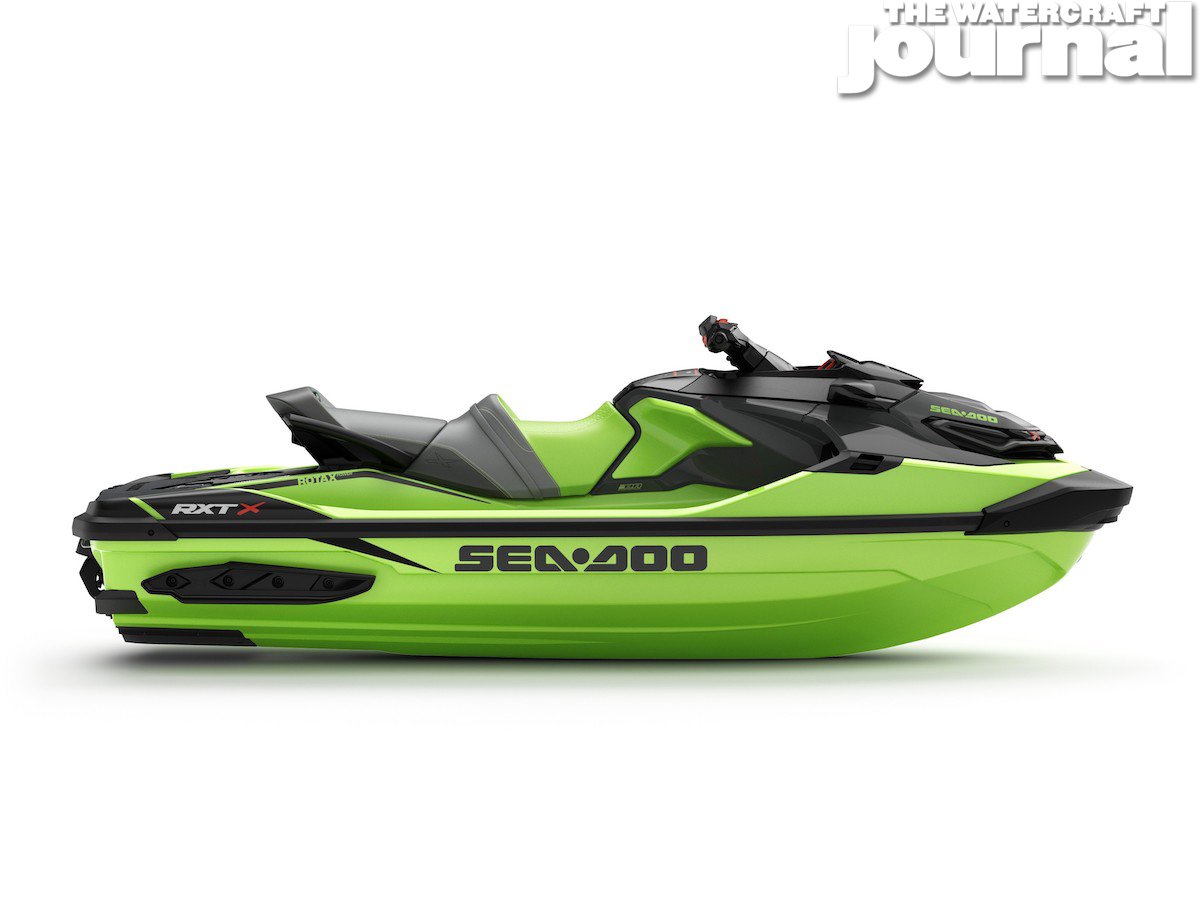
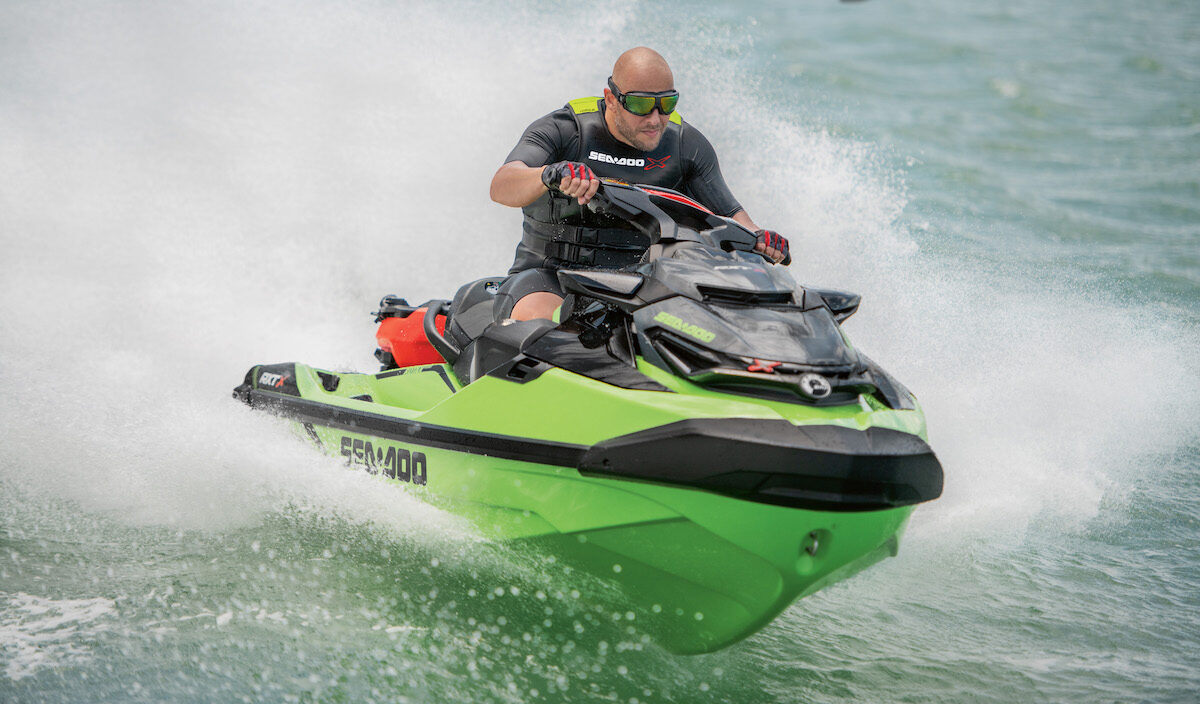
The top-of-the-food chain RXT-X 300 picks up the much anticipated 18.5-gallon fuel cell and also shares the same coloring options as the RXP-X, which is to be expected given its popularity;
California Green Metallic and Black, or the limited edition Eclipse Black and Lava Red. Disappointingly is the lack of a much-needed adjustable sponson similar to what comes standard on the RXP-X.
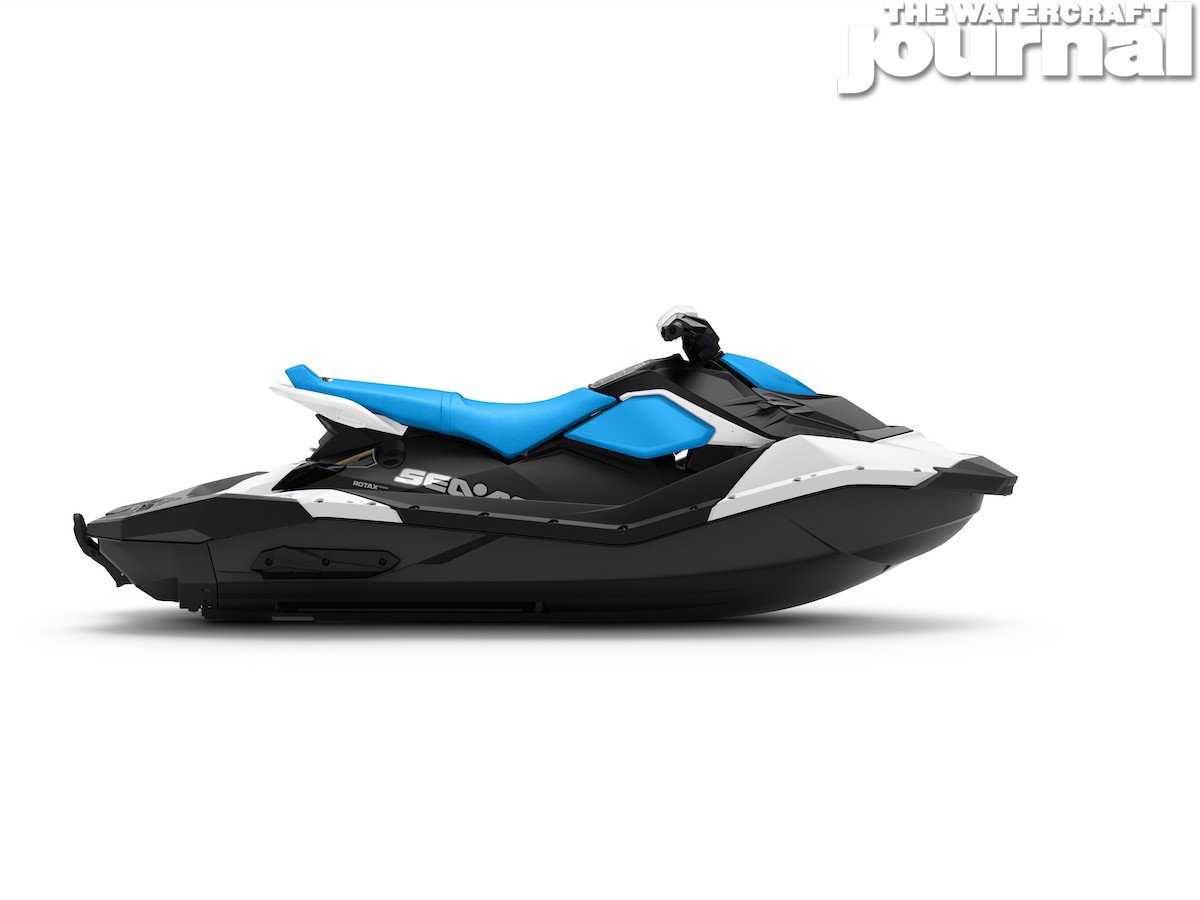
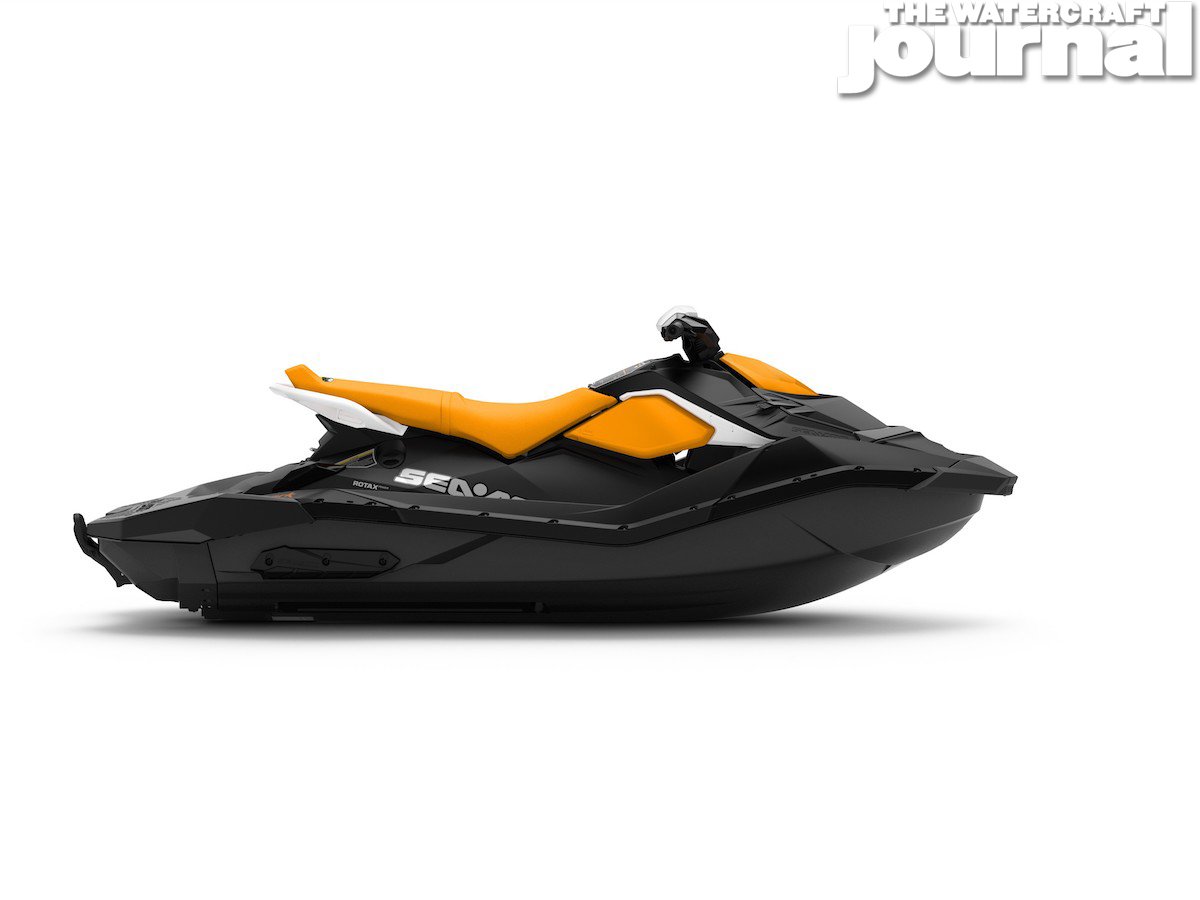
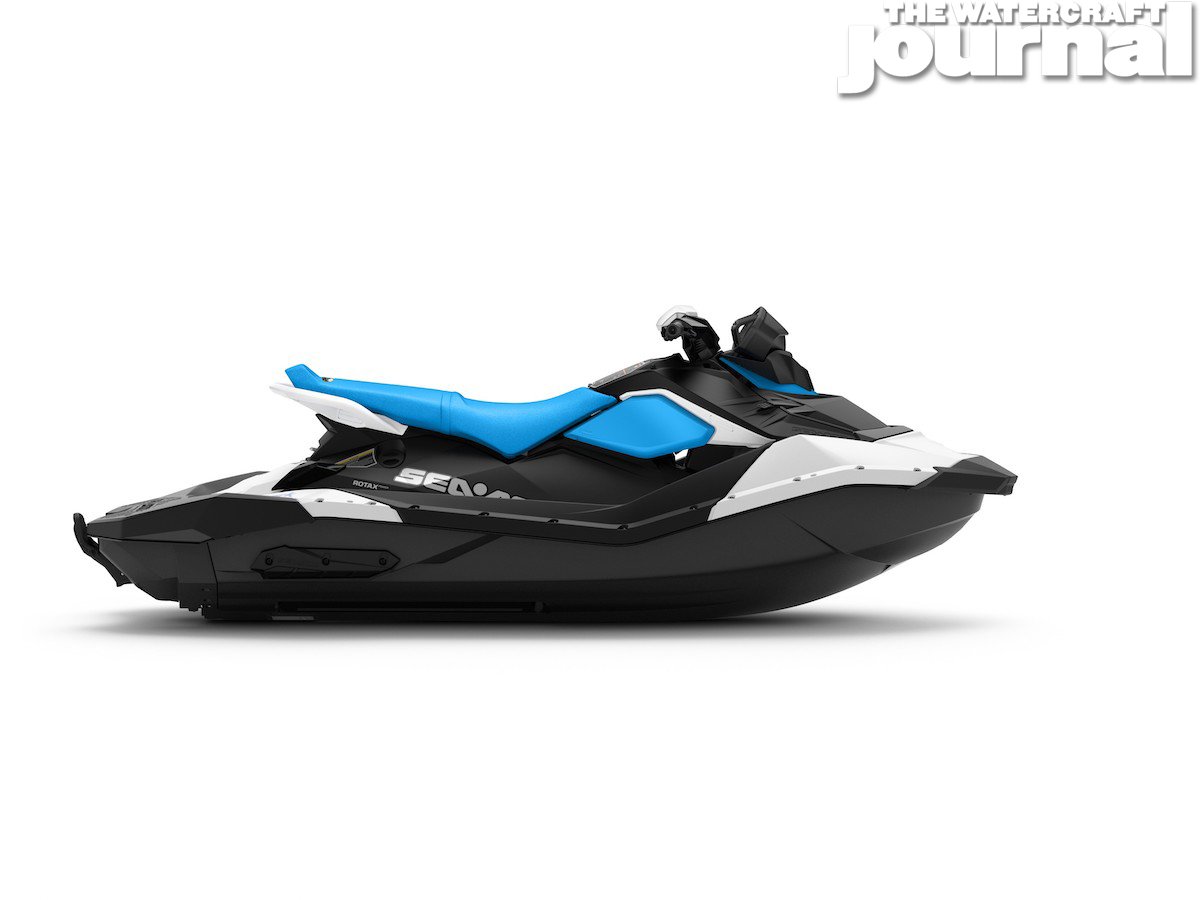
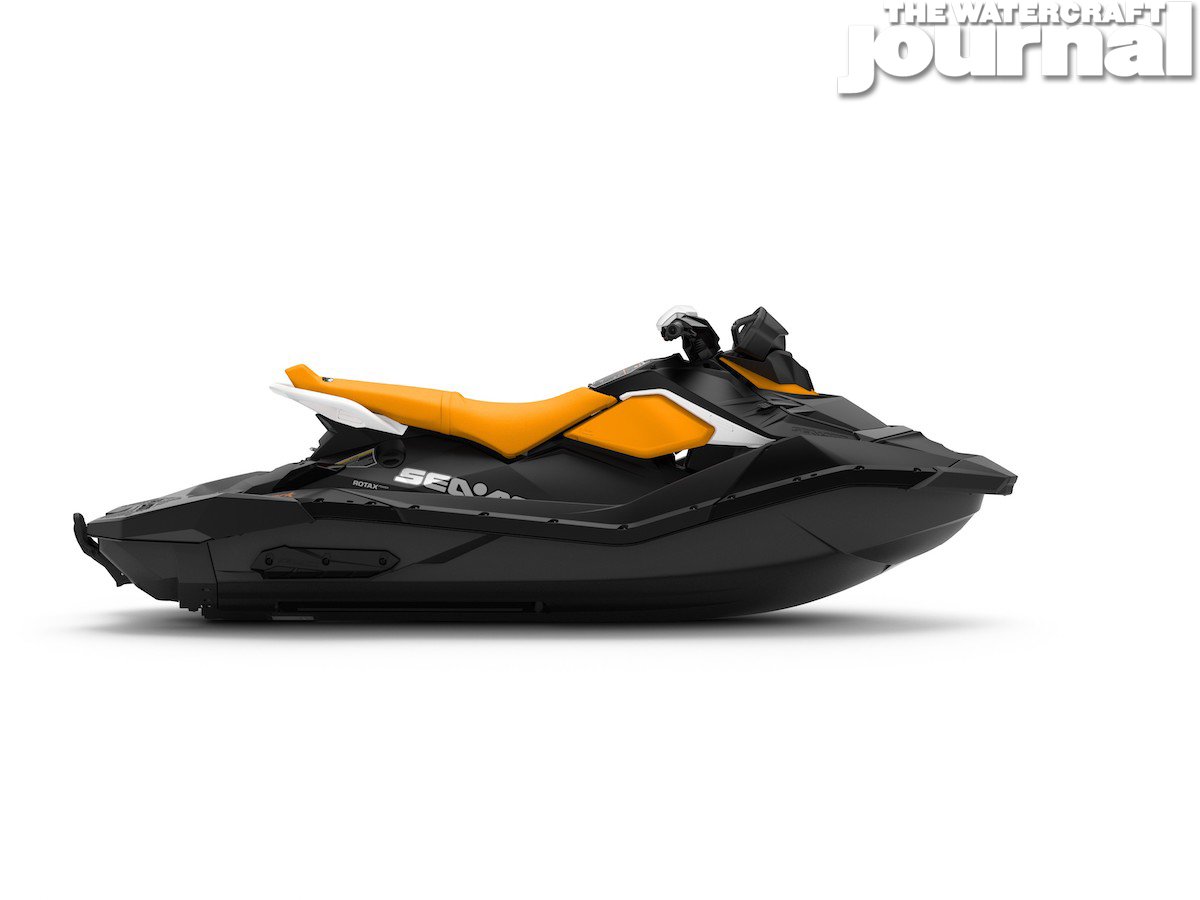
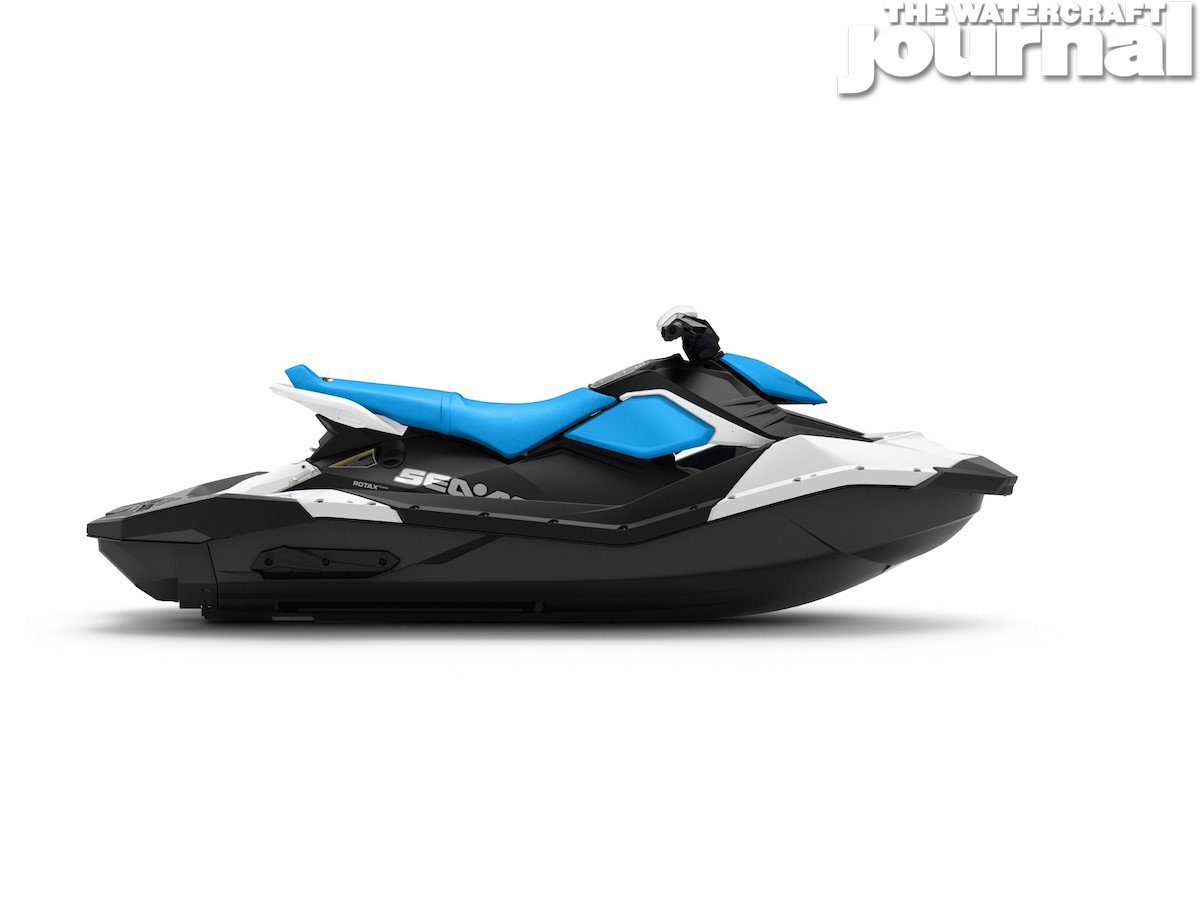
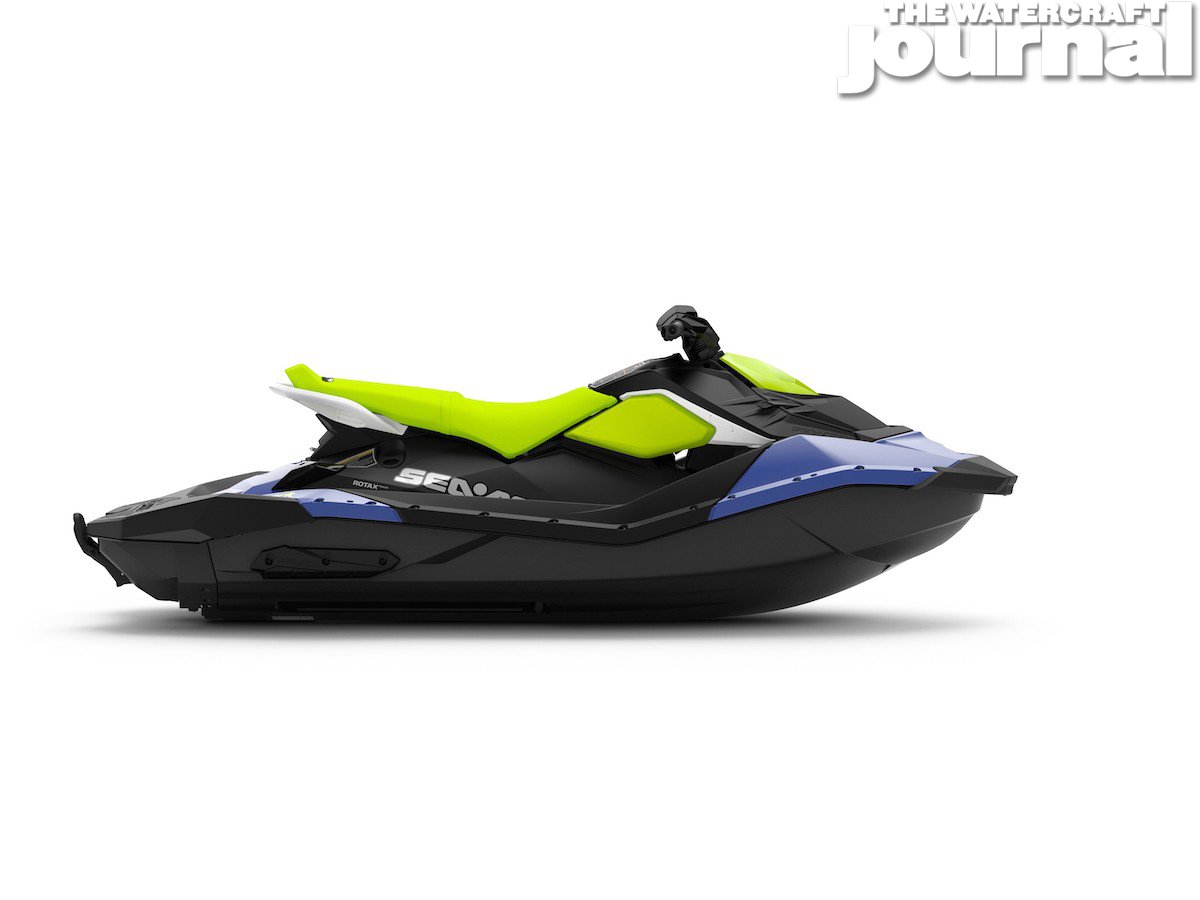
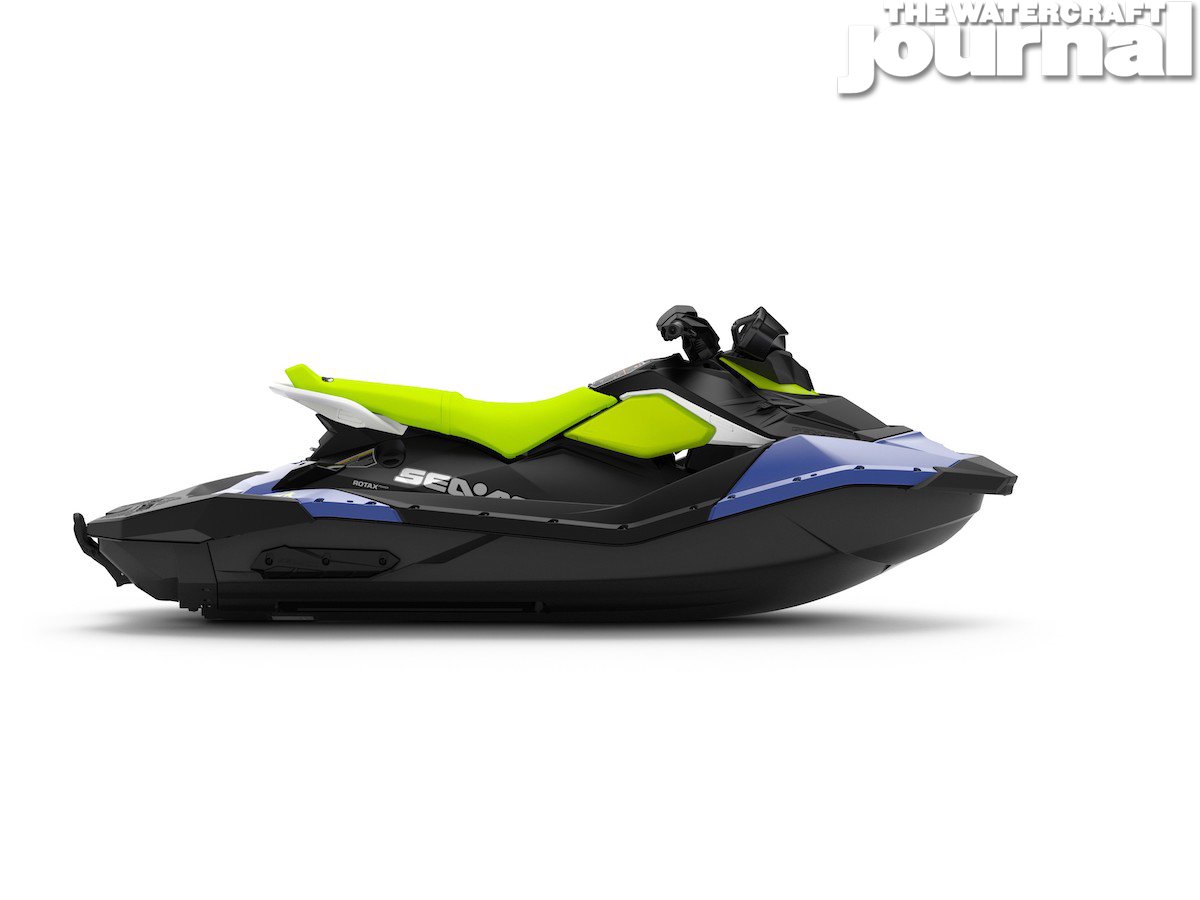
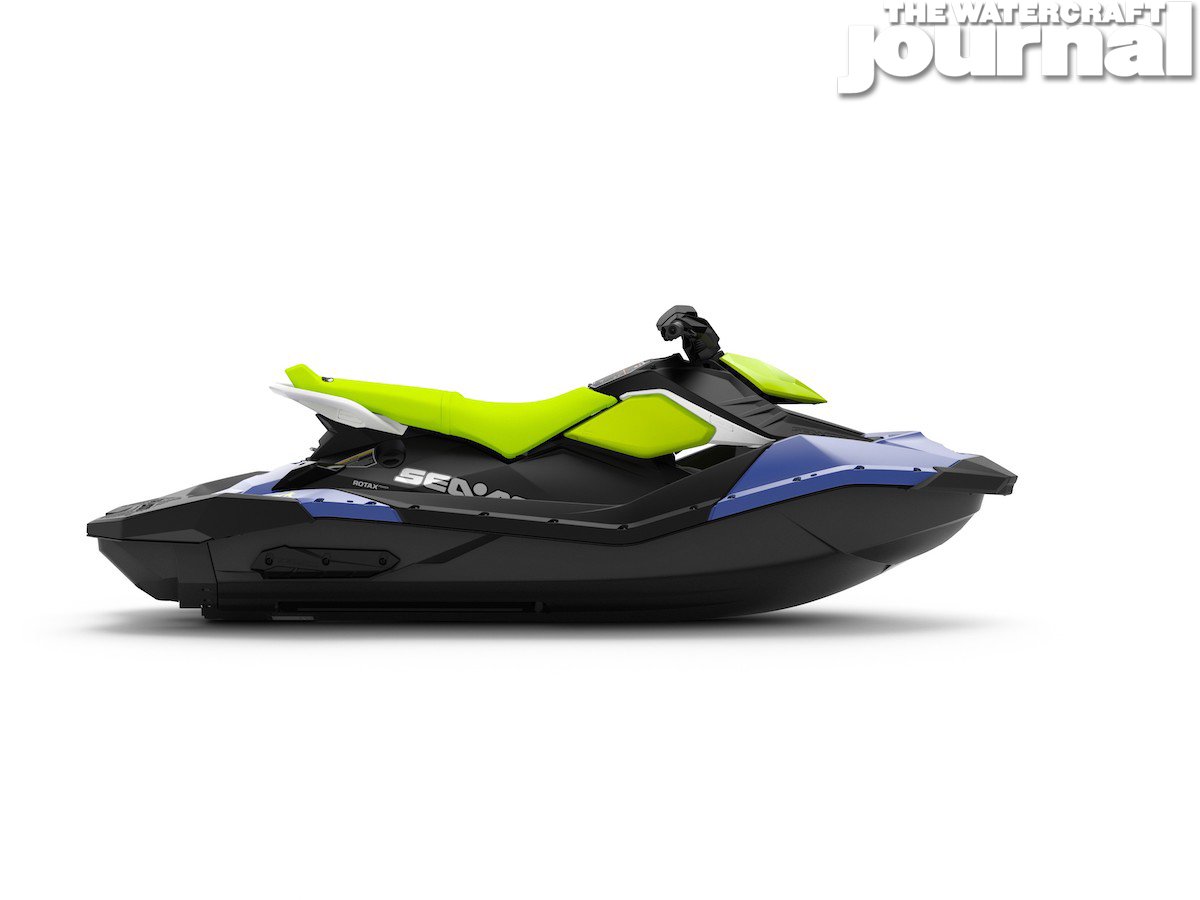
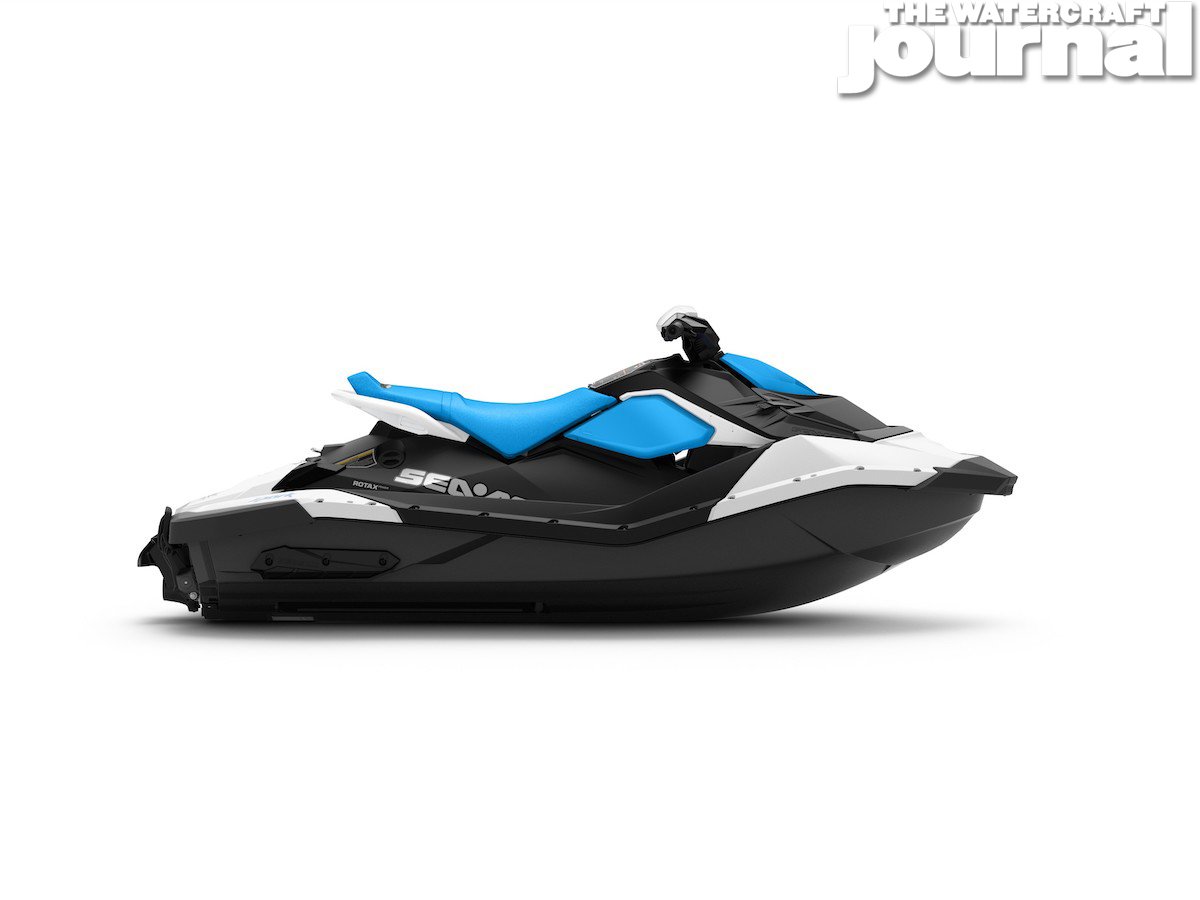
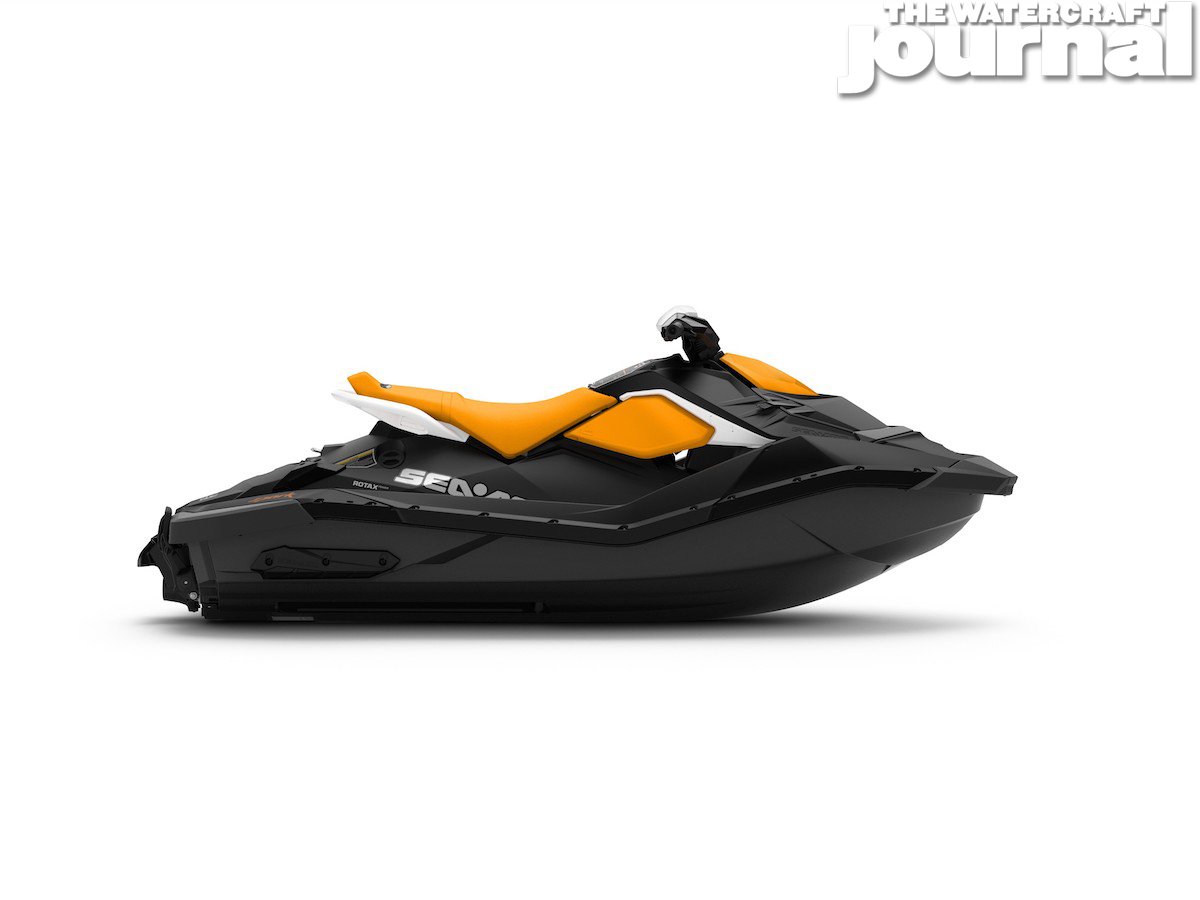
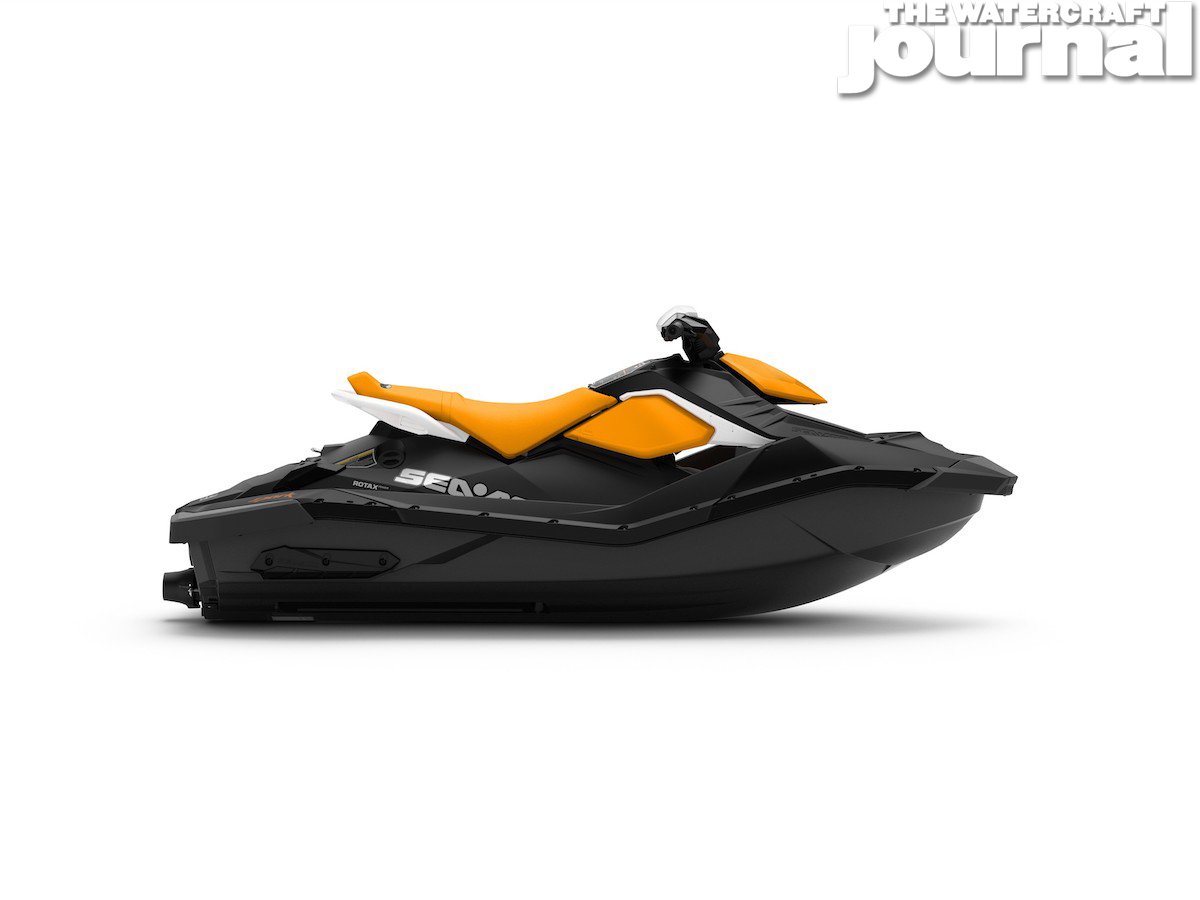
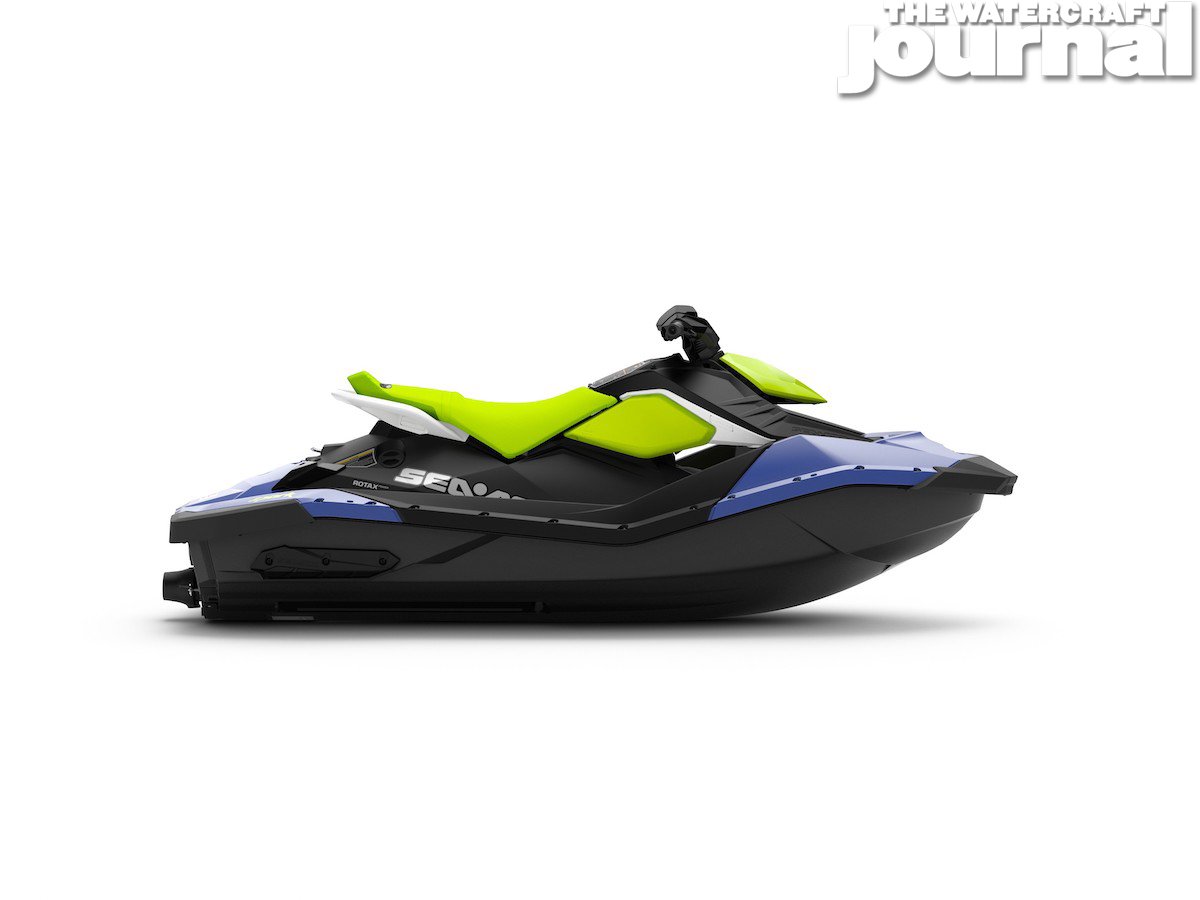
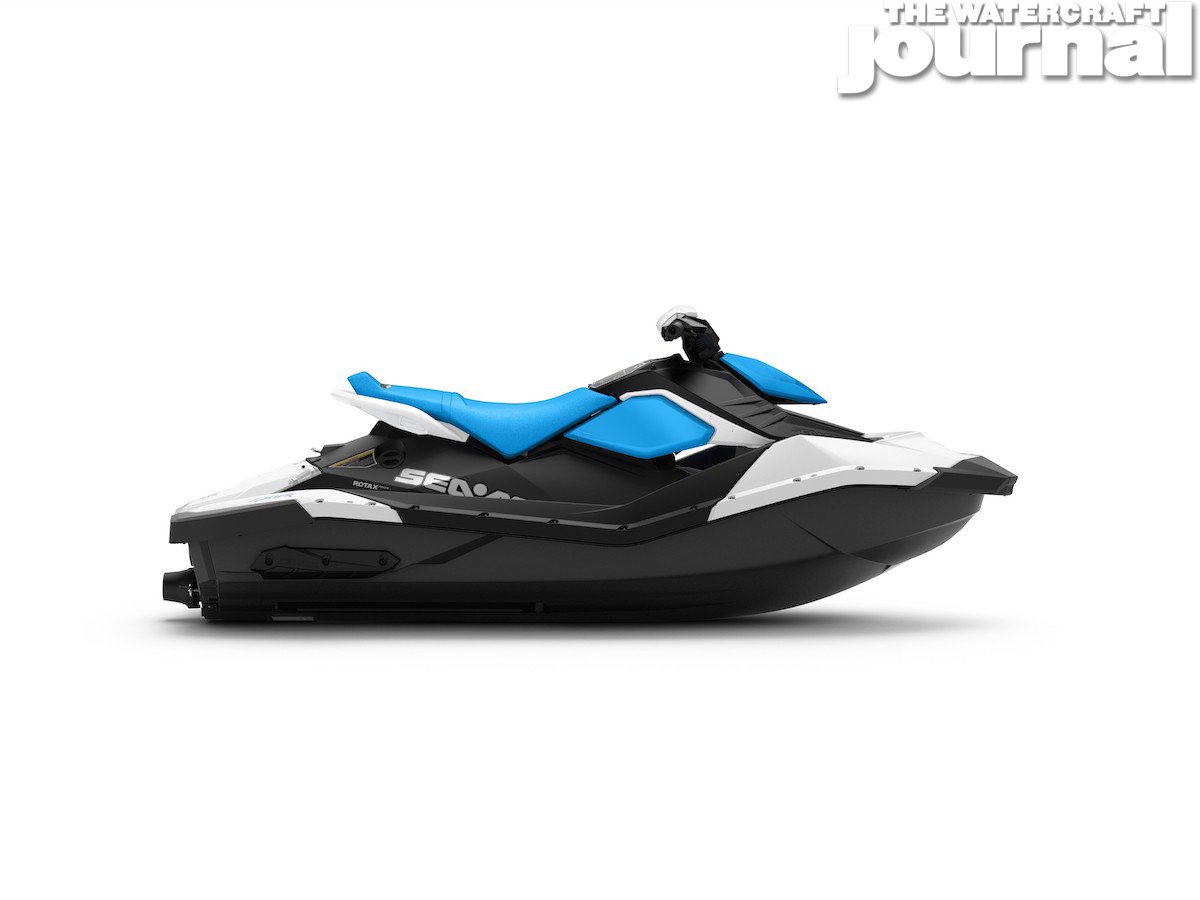
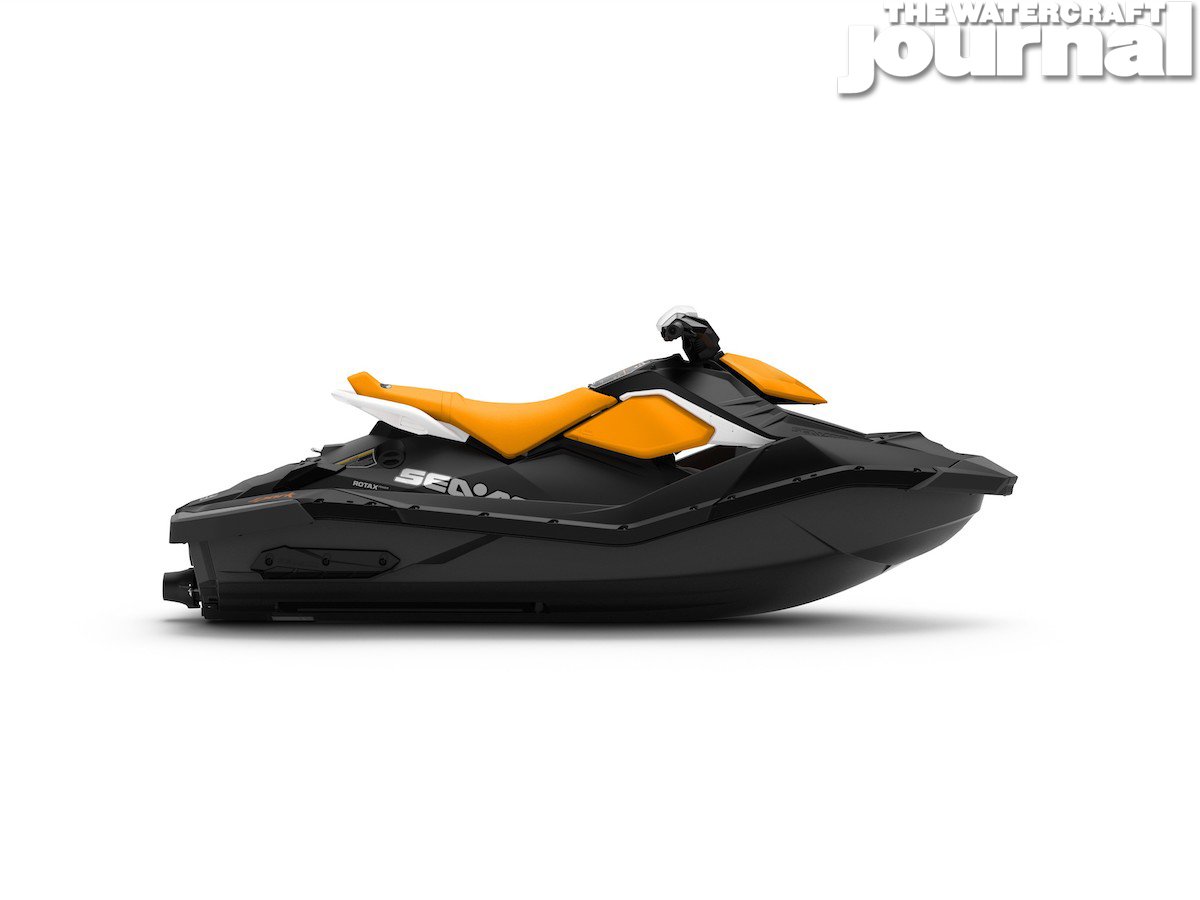
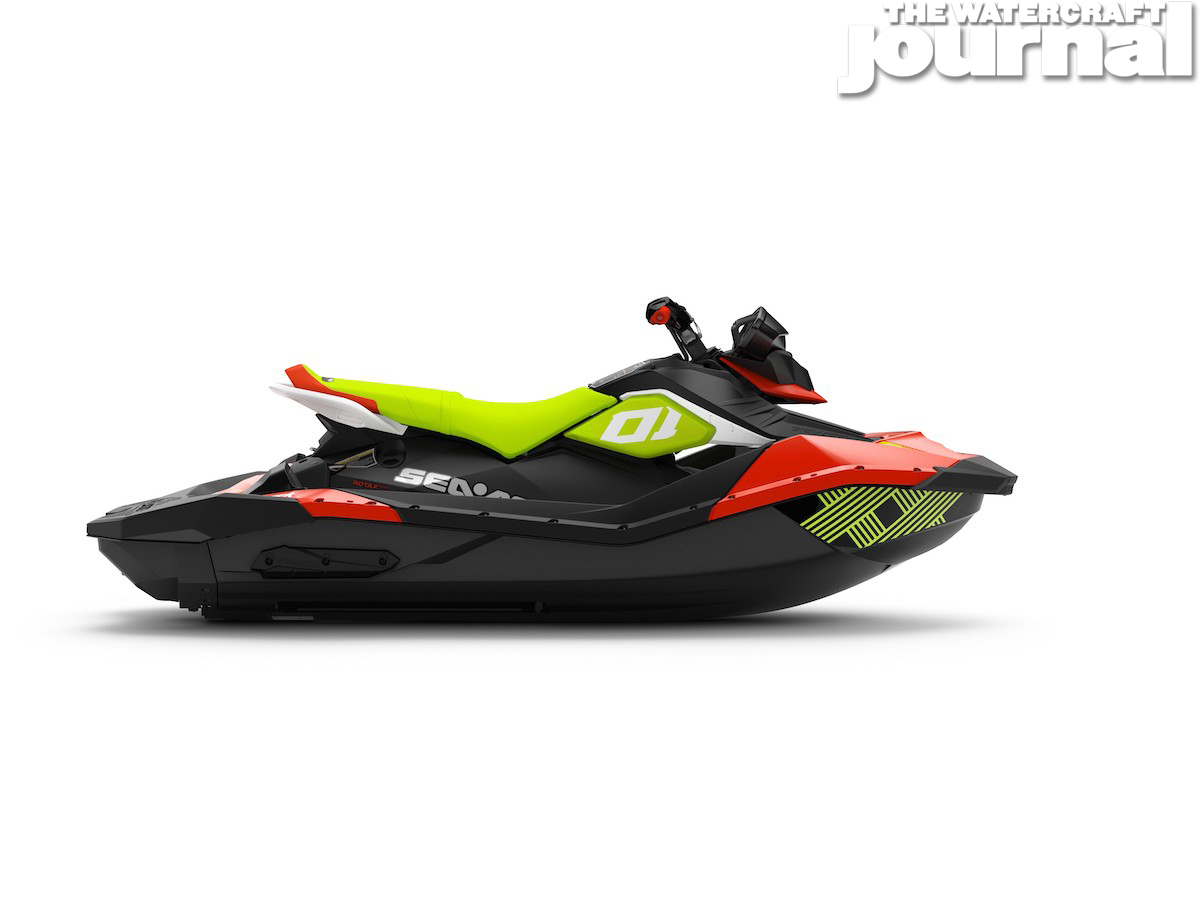
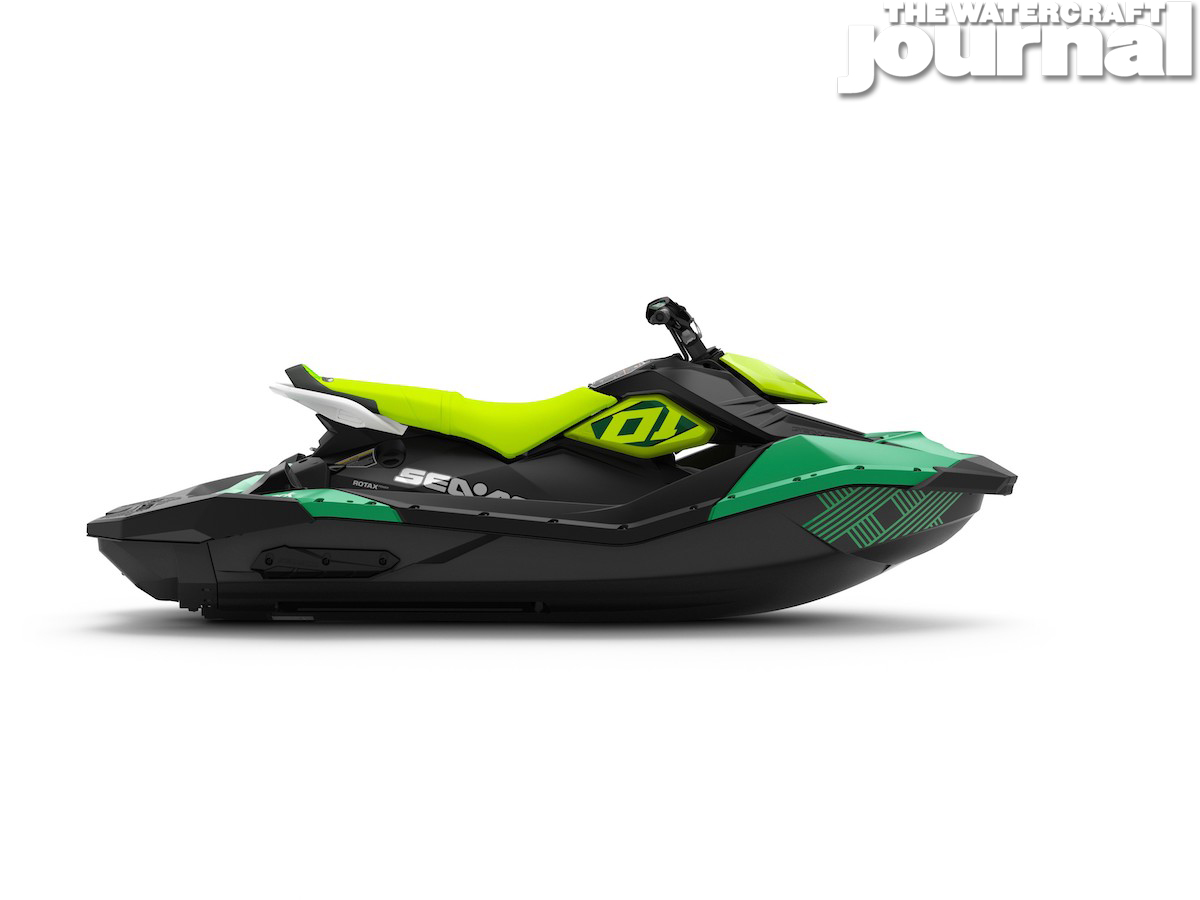
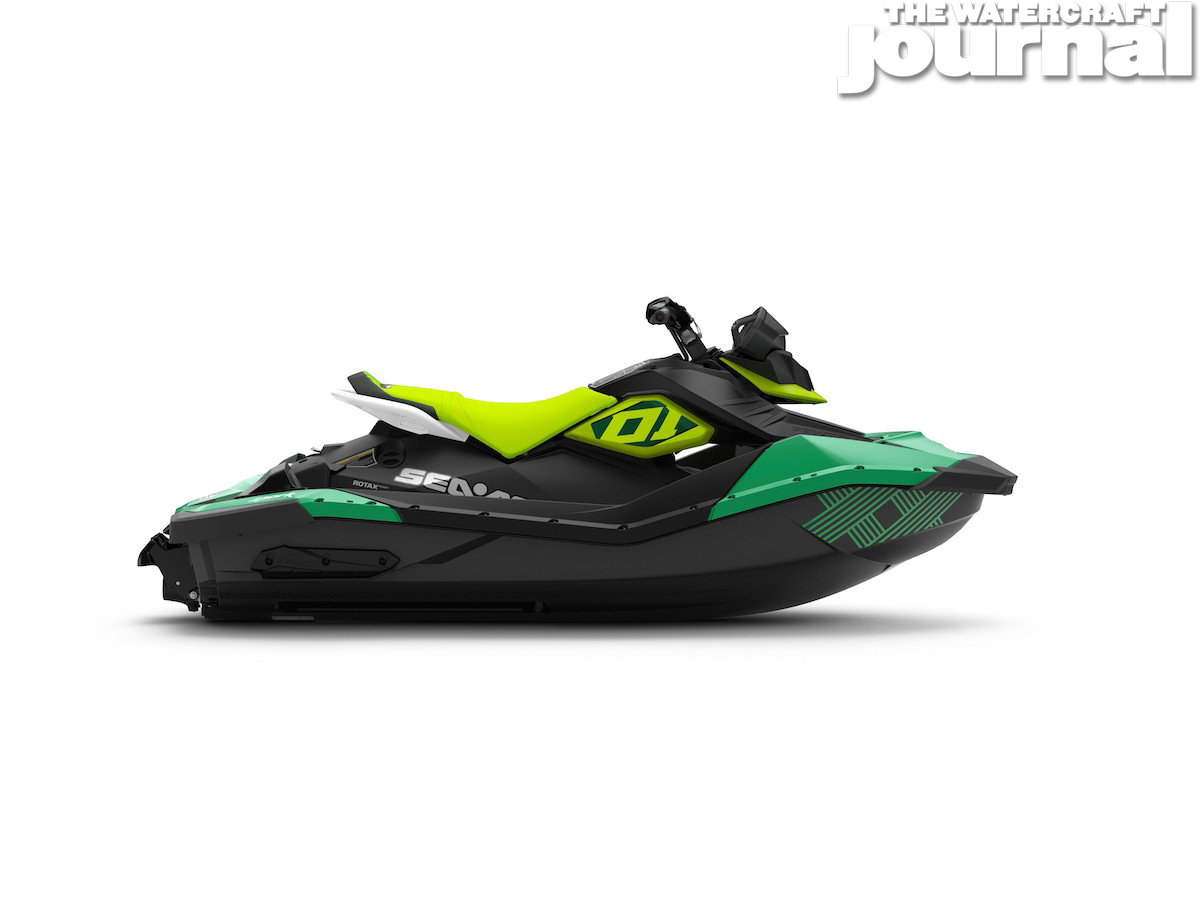
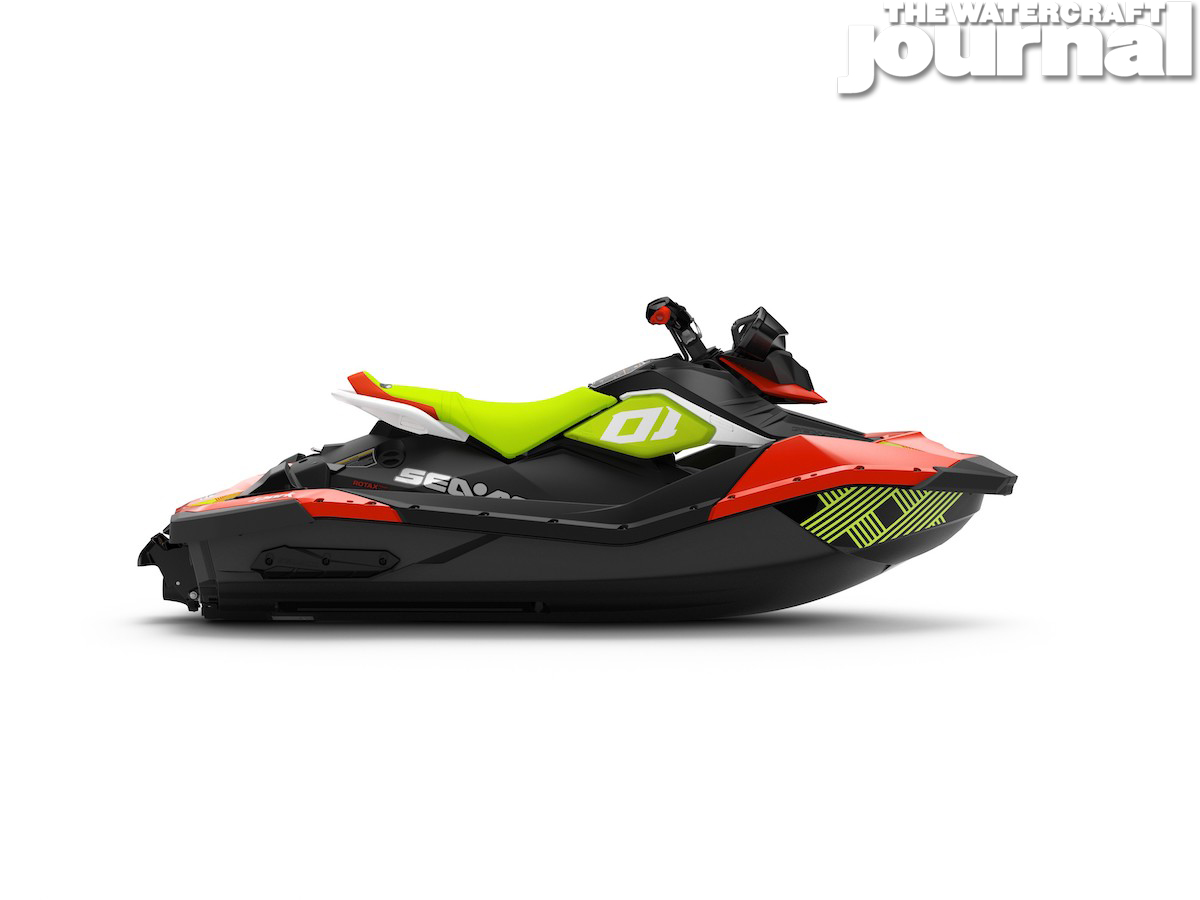
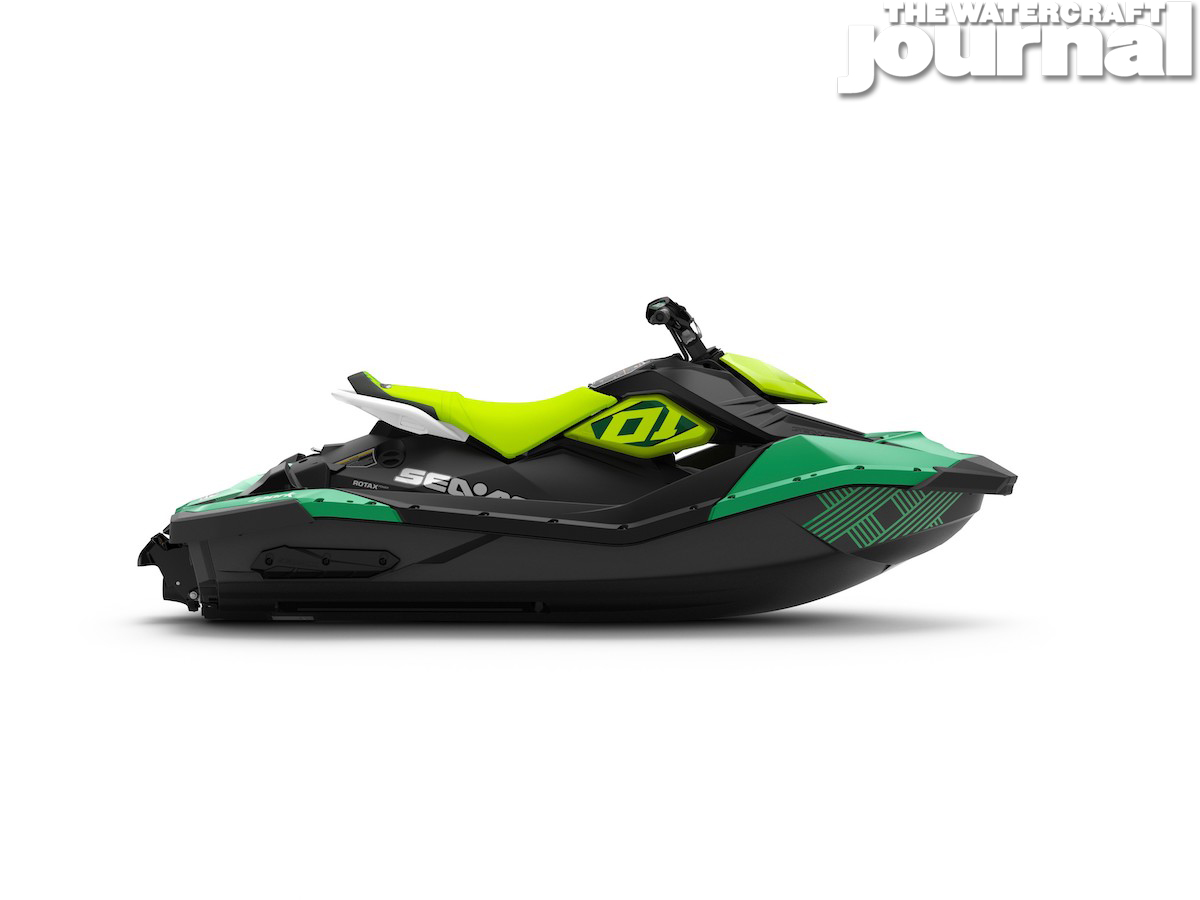
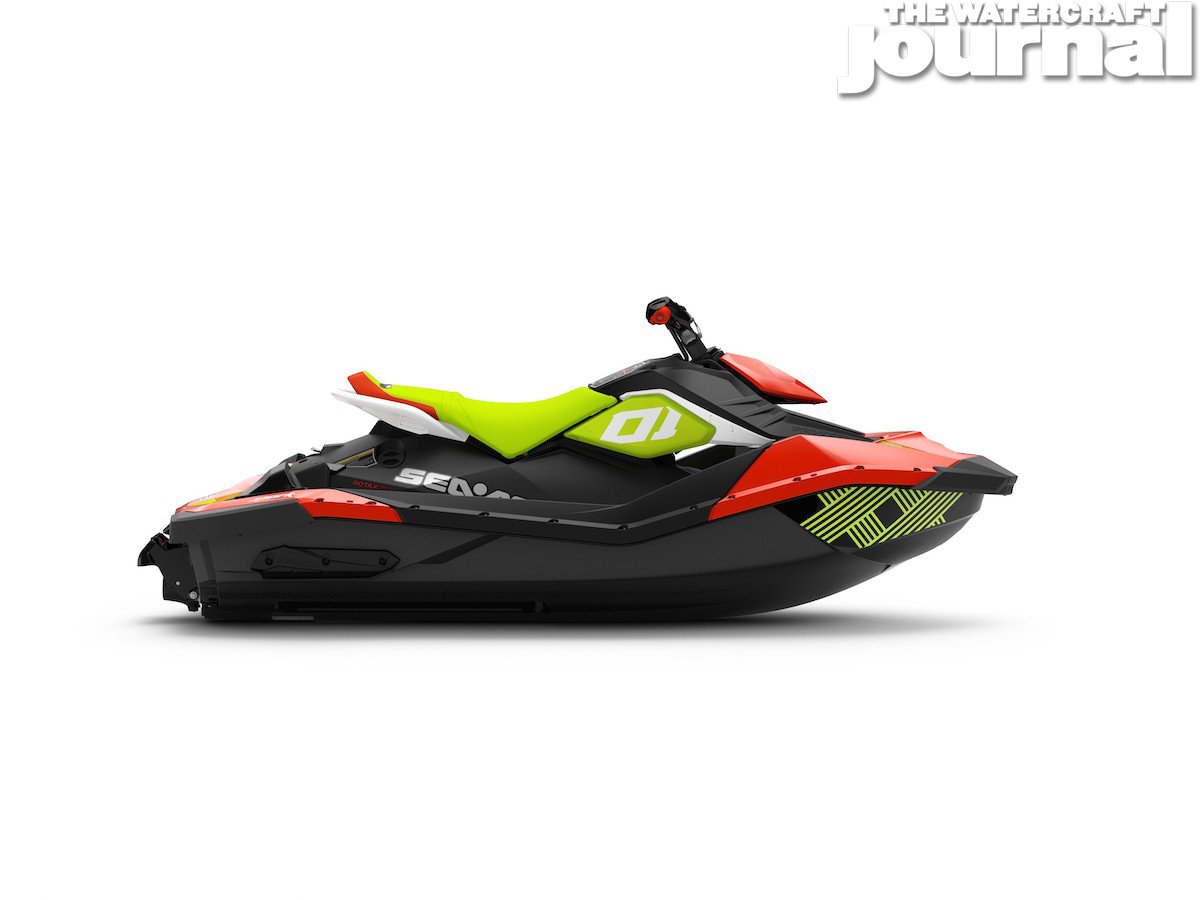
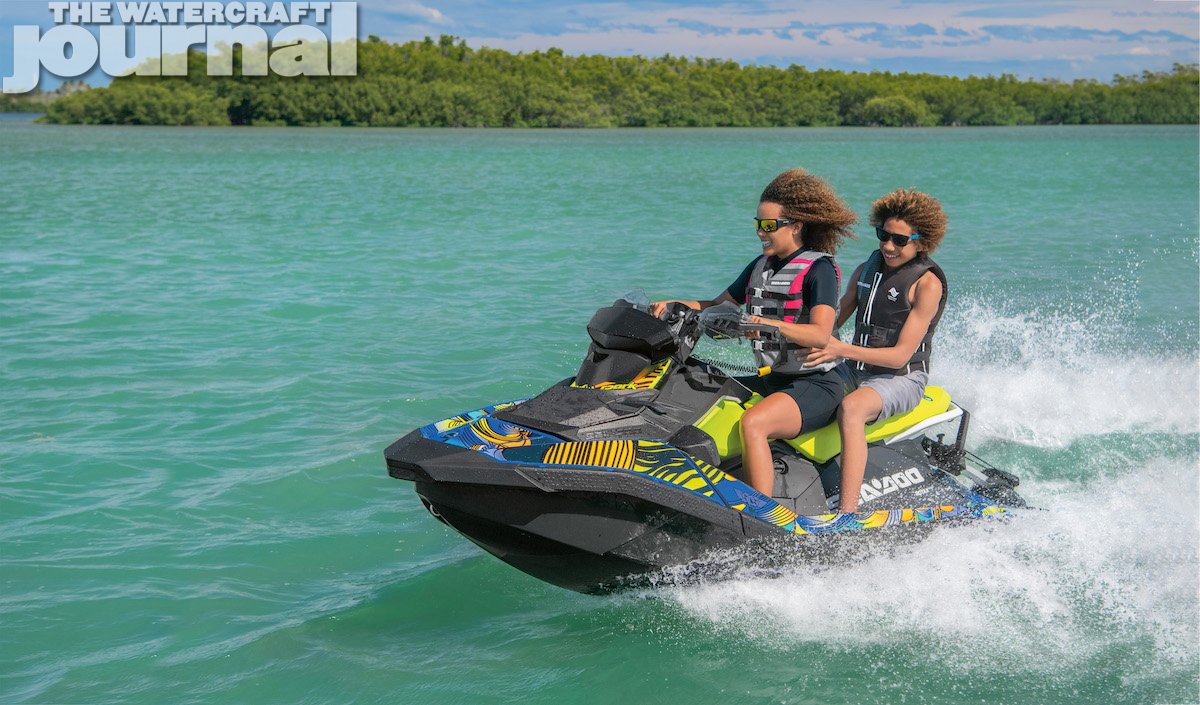
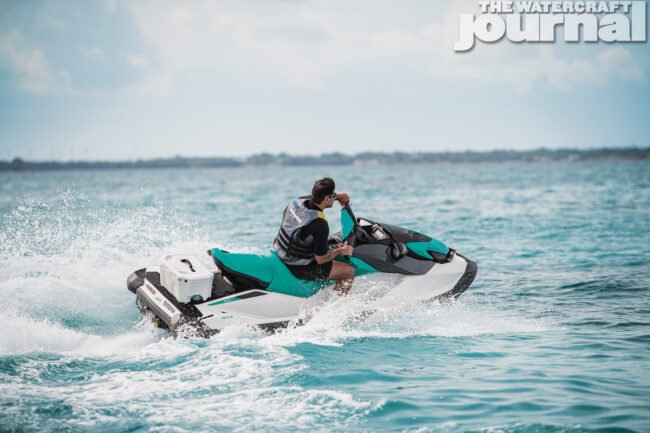
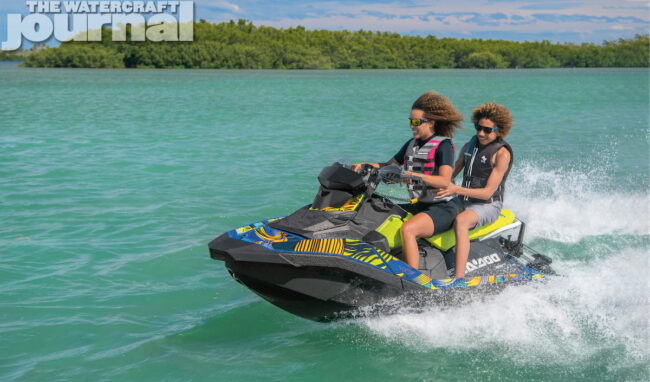
Surprisingly, Sea-Doo chose to only offer the Spark ($5,499 and up) new set of colors (Blue Raspberry and Pear; Licorice and Mango; or Vanilla and Blueberry) and a bunch of accessories. The Spark Trixx ($7,499) also received a new color package (Chili Pepper and Pear; Jalapeno and Pear) – all of which are available as either 2-up or 3-up seating configurations.
Lastly, a final bit of interest to you cold weather riders, Sea-Doo’s accessory division just added Heated Grips. Featuring five heat settings controlled with an integrated button on the left grip, these little bad boys pair perfectly with the available Wind Deflectors. And while this is a quick overview of the 2020 Sea-Doo lineup, you can expect detailed exclusive reviews of many of these new units in coming weeks and months as The Watercraft Journal starts to rack up plenty of seat time on them!
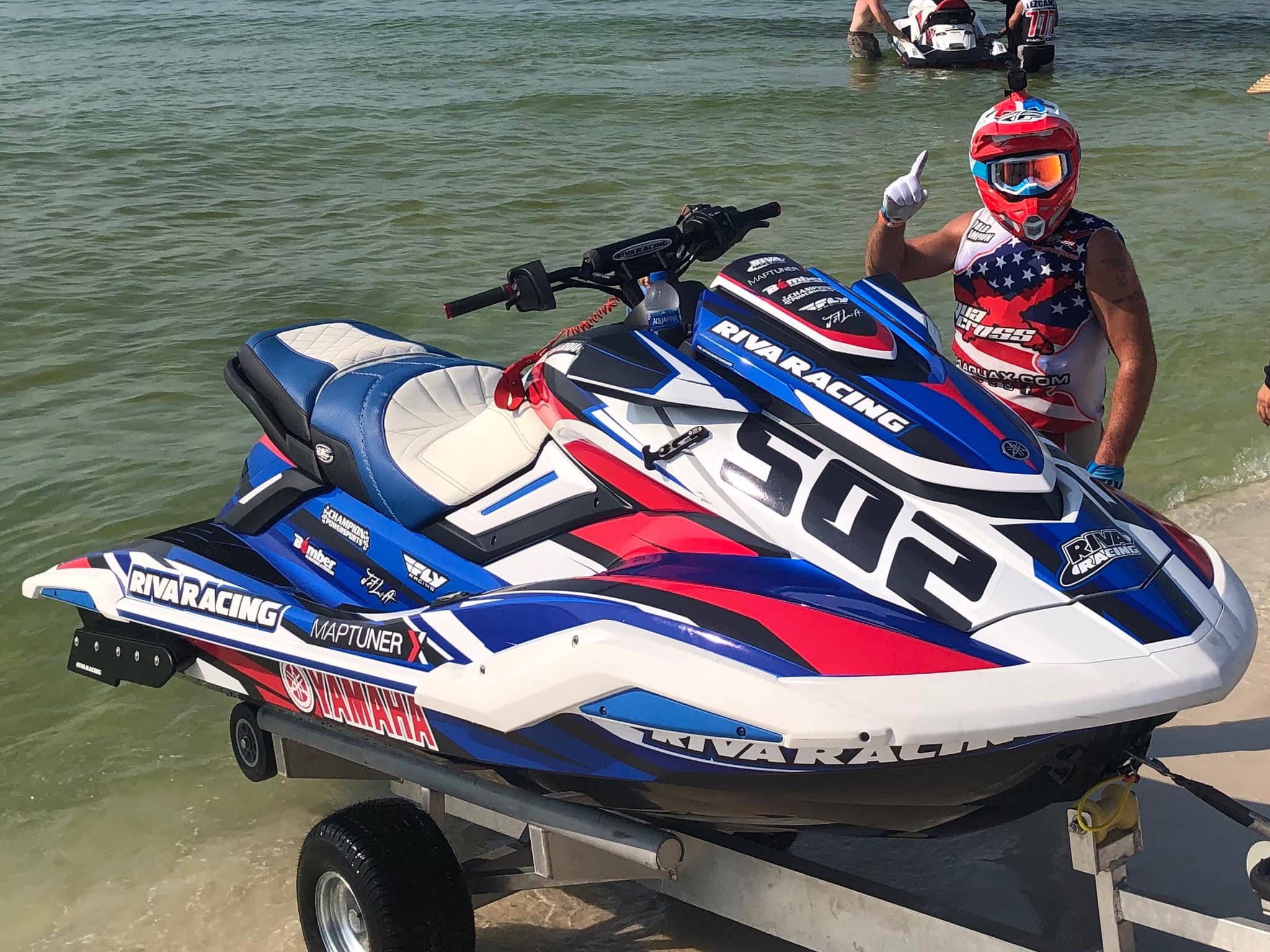
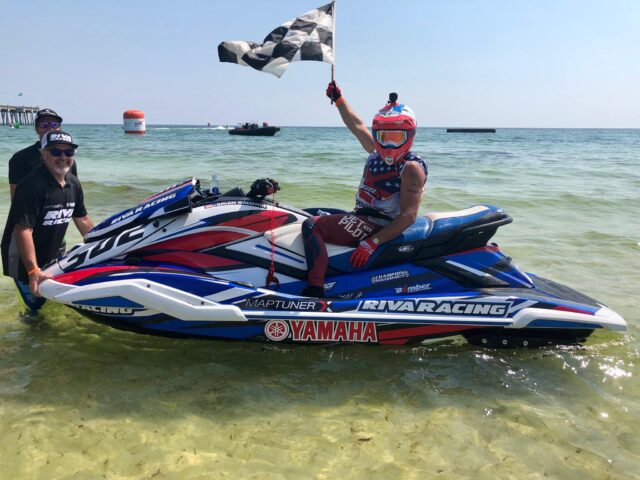
This last weekend, Brian Baldwin was able to show that all of his hard work has paid off. After four rounds of racing in the USA P1 AquaX Pro National Championship, he came out on top as the overall winner. Baldwin has proven to be one of the industry’s biggest threats and this new feat is just another thing to add onto his resume.
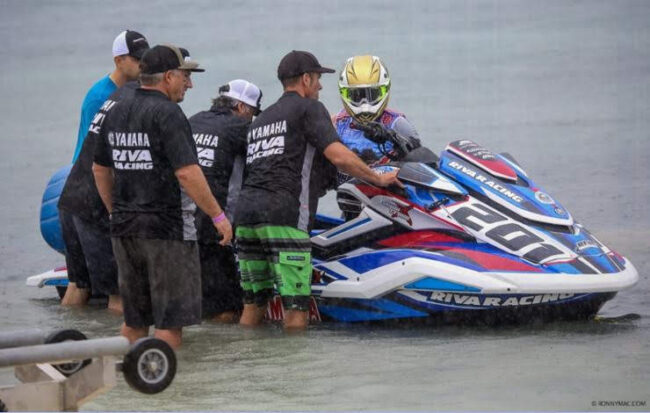
Baldwin’s success could not be done without the help of many people. One of his key sponsors is RIVA Racing. RIVA Racing started out as a small shop in New Jersey before moving to Pompano Beach, Florida to grow their business. Since then, RIVA has been able to help grow the sport of PWC racing by offering performance kits and OEM parts. RIVA’s R&D shop works relentless hours to provide the best machines for their racers.
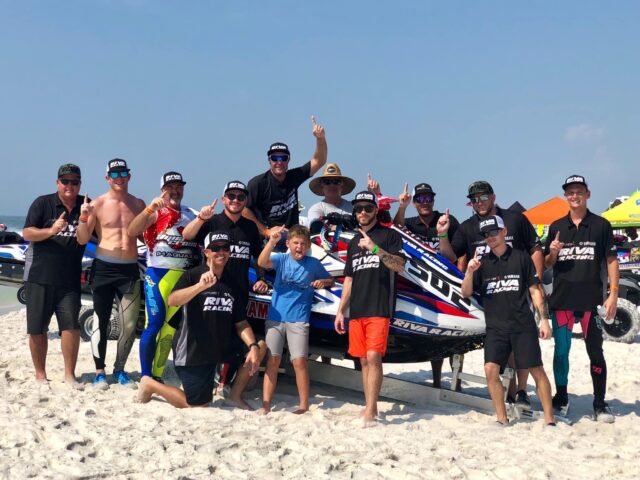
Dave Bamdas, owner of RIVA says, “[I’m] proud of our RIVA Team for taking home the USA P1 AquaX Pro National Championship! Our racer Brian Baldwin secured the title this weekend after 4 tough rounds. This championship would not be possible without the dedication and hard work of so many of our RIVA employees. Baldwin’s skis were built in our R&D shop, tested on our lake and maintained by our support crew. Thanks to all who helped make this happen.”
RIVA has partnered with Yamaha for decades and that partnership has paid off for both parties. With RIVA’s knowledge and expertise; and RIVA’s engine tuning guru, Jesus Garcia working his magic with the MaptunerX software paired with the Yamaha Factory Racing Budget, it brings out the best in rider such as Brian Baldwin.
“Dammit. That’s not the news I wanted to hear today,” I growled to myself. The bad news traveled quickly, the annual Long Beach-to-Catalina Offshore Endurance race had not only been cancelled for 2019, but according to RPM Enterprises’ Ross Wallach, indefinitely.
Wallach wrote this morning, “Offshore Endurance Racers: RPM Racing Enterprises regrets to announce the cancellation of the 2019 LB2CAT – Long Beach to Catalina & Back IJSBA Offshore Endurance National Championships scheduled for Sunday September 22nd. The event is being cancelled due to lack of committed entries. If you have any questions, please contact RPM RACING at (310) 318-4012 or [email protected]”
The 52-mile-round trip endurance race is one of the oldest offshore PWC endurance races period. Dating back to the mid-1990s, the LB2CAT once required racers aboard ancient 2-strokes to beach at the island town of Avalon to refuel before returning back to the mainland.
After a short hiatus and a transfer of ownership, the LB2CAT became leaner, meaner and more streamlined. No more stops on Catalina Island. No refuel teams needed. Modern supercharged runabouts suddenly cut event times in half. Average speeds rocketed by double.
Racers from across the US, Canada and even Australia flocked to Long Beach, California. Hell, it was the race that earned Kawasaki’s modern (2007-plus) Ultra JetSki its fame as the crowned king of offshore racing. It was the American gold standard of one-day, open ocean, offshore racing.
I had personally raced it 5 times, earning one class championship (Manufacturer Stock) and a Top 10 place. Weather was always a crap shoot; conditions could be densely overcast with mirror-like water; or the skies could be so clear that Avalon’s whitewashed casino was visible from Queensgate while the oceans churned with 6-to-8 foot chop. You simply had to be ready to take a beating.
Wallach had graciously pushed the event back once – from mid-July to September 22nd – but the necessary pre-registration entries weren’t enough to guarantee enough racers to make the event fiscally sound. In recent years, participation had dwindled to low 20’s – a sad death to a legacy event.
If you would like to see the Long Beach-to-Catalina Offshore Endurance race return in 2020, then you must reach out to promoter Ross Wallach at (310) 318-4012 or [email protected], and do so quickly. Who knows? I might just dust off my helmet and give it another go too.
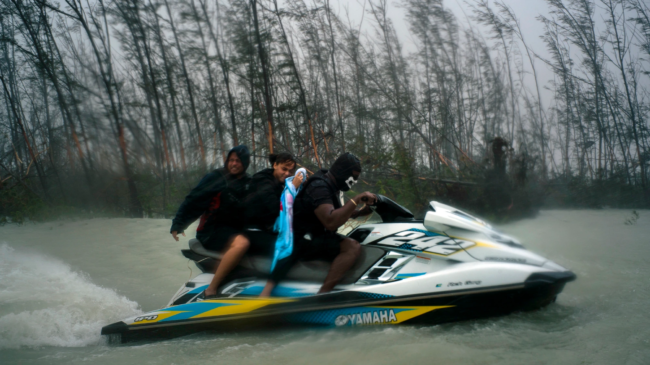
No matter where you live, you have probably heard of the devastating Hurricane Dorian that is going through the Bahamas and into the southeastern part of the United States. It has left a terrible impact on the island of the Bahamas. Currently the death toll is at 43, which is expected to rise drastically and there is more than 70,000 left homeless due to the hurricane. With so many people lost and in need of help, lucky there have been good Samaritans on PWC’s who have helped rescue many people.
In a CNN video, they said a group of twelve PWC riders helped rescue 100 people from flood waters. PWC’s are the perfect piece of machinery to use after an area has been hit with a hurricane and has caused major flooding. They can travel far into narrow places and they do not have a propeller like a boat that could run into debris. These rescue missions are so crucial because there are people all over that may be landlocked or trapped. If nobody goes out and checks all of the effected areas, survivors could be trapped forever.
Riding in these flood conditions is not glamorous at all. Due to all of the debris in the water, the chances for diseases and getting hurt rise. Many of the survivors are living without clean water, running out of food and trying to battle off any diseases. If you are able to help in any way possible, the Bahamas need your help. There are multiple GoFundMe’s online and places to donate supplies. Even if it is donating a case of water or canned food, anything will make a huge difference.
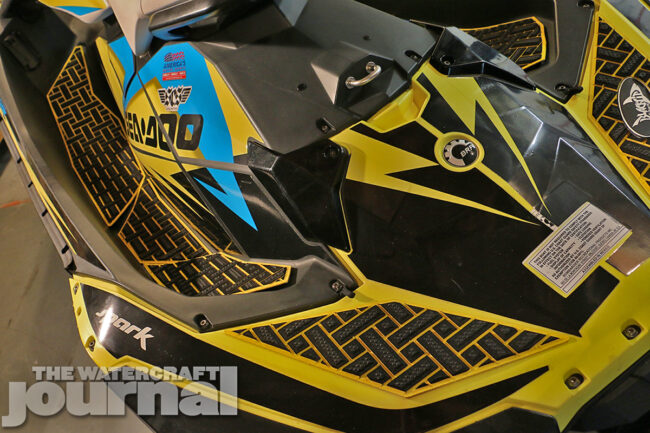
Are you tired of looking at the same old worn out faded mats on your jet ski? If so, give BlackTip JetSports tone mats a look. Black Tip Jetsports carries two- tone mat kits for Sea-Doo, Kawasaki, Polaris, Yamaha, and Honda.
The two-tone traction mats are available in red and black, blue and black, grey and black, and green and black. The mats are available for a wide variety of PWC, especially for the many models of the Yamaha and Sea-Doo makes.
Kits for models of Sea-Doo range from $113.95-$123.95. Kawasaki traction mats cost between $83.95 and $113.95. The Polaris and Yamaha mats range from $113.95-$123.95. There are three selections of Honda mats and they are priced at $113.95.
Upgrade your ski with a set of BlackTip two-tone mats. The mats will give your machine a custom look and better traction, providing safety while cruising or racing. The kits come with BlackTip’s Jetsports exclusive pressure sensitive adhesive. This makes installation easy because all you have to do is peel off the backing and press into place.
BlackTip warns against attempting to install the mats all at once. It is recommended that during installation, press the mat down as you go while following the outline you drew after removing the old mats. Once that task is completed, press down everywhere on the mat and let the glue dry for 12 hours.
Now when you riding, you can stand out from the crowd with a set BlackTip Jetsports two-tone mats.
We often take our health for granted. Whether it be doing simple things around the house to adventuring to new places, we sometimes forget how other people’s lives are a little more difficult. The saying, “Bad things happen to good people” is true as many good people are held back with health issues. While many of us are not doctors, there are ways to help those who are effected by health problems.
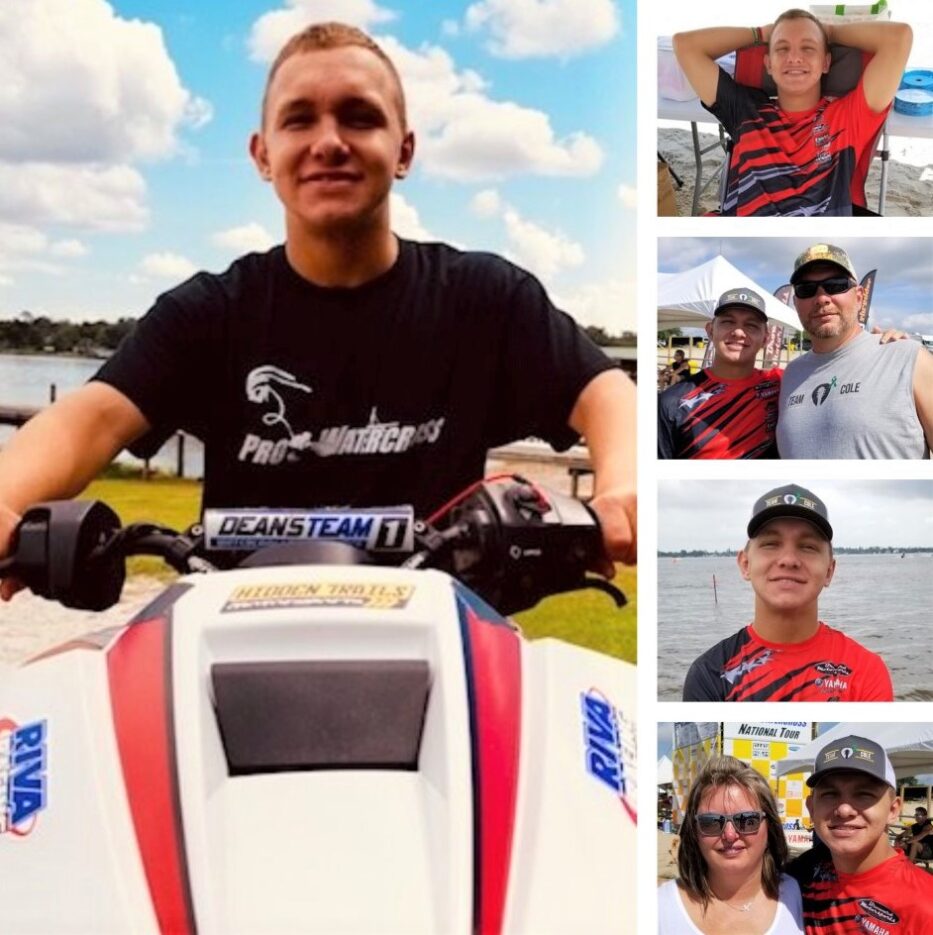
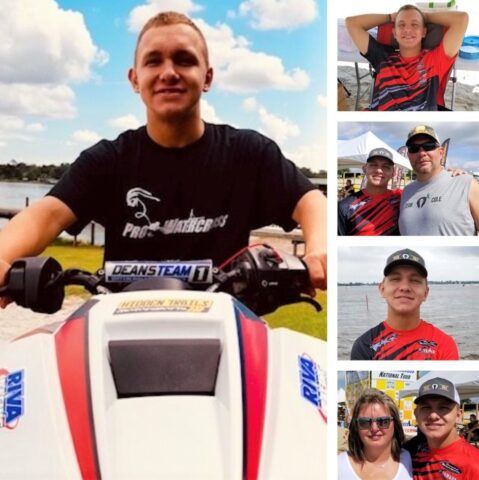
One person who has been effected by health issues is Cole Tumey. Tumey is a 18-year-old kid who is in need of some help. With his health condition, he has to travel to UF Health Shands Hospital three times a week for dialysis’s. Over time, this constant commute has made brought in multiple expenses along with all of the hospital bills.
While The Watercraft Journal is an online magazine, we have over 350,000 readers who help make this magazine better each day. We are asking all of you to help in whatever way you can to help out our friend Cole Tumey. Also, a huge shout out to anyone that did donate at the original fundraiser held at Cody’s Original Roadhouse. Over 300 people showed up and donated baskets, took part in the raffle and said kind words to Tumey.
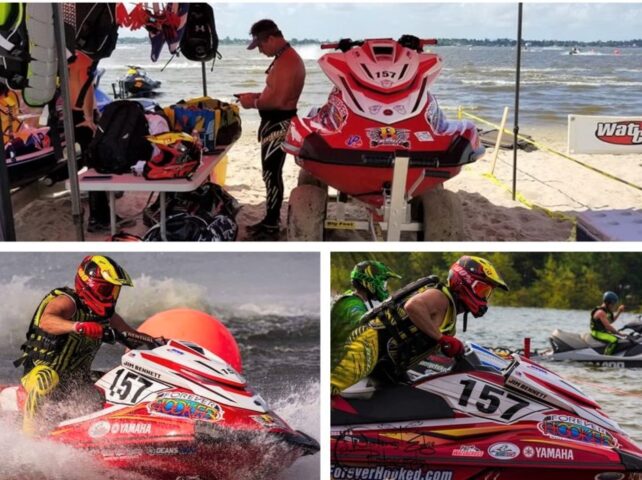
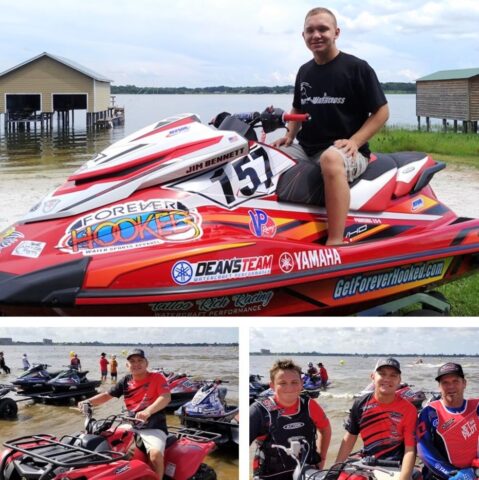
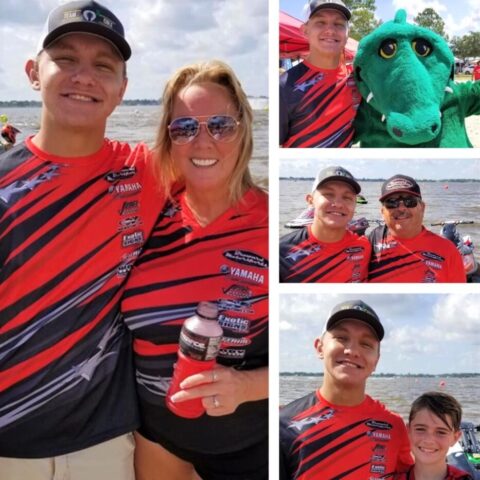
As a result of the fundraiser, an all-expense paid trip to the Pro Watercross National Championship in Lake Charles, courtesy of Jim and Palmira Bennett was given to Tumey. Jim Bennett qualified for the Championships and thought that bring Tumey along with his parents would be a trip of a lifetime. Bennett also put up signs on his toy hauler saying that Tumey needs a kidney and a contact number. That is how Team Cole was formed.
Shortly after, multiple other companies such as BMS Racing, Broward Motorsports, Dean’s Team and many others joined in to given Tumey the ultimate experience. It’s amazing how so many companies in the same industry were able to come together so quickly and make the three day event, a trip of a lifetime for Tumey.
For more information about Team Cole, check out their Facebook page. If you are able to do so, please visit their GoFundMe page and donate whatever you can. Anything will help! If you know anyone with a Blood type B or O that would be interested in donating their kidney to Cole, text Yawn at (325) 598-9260 to receive a packet!
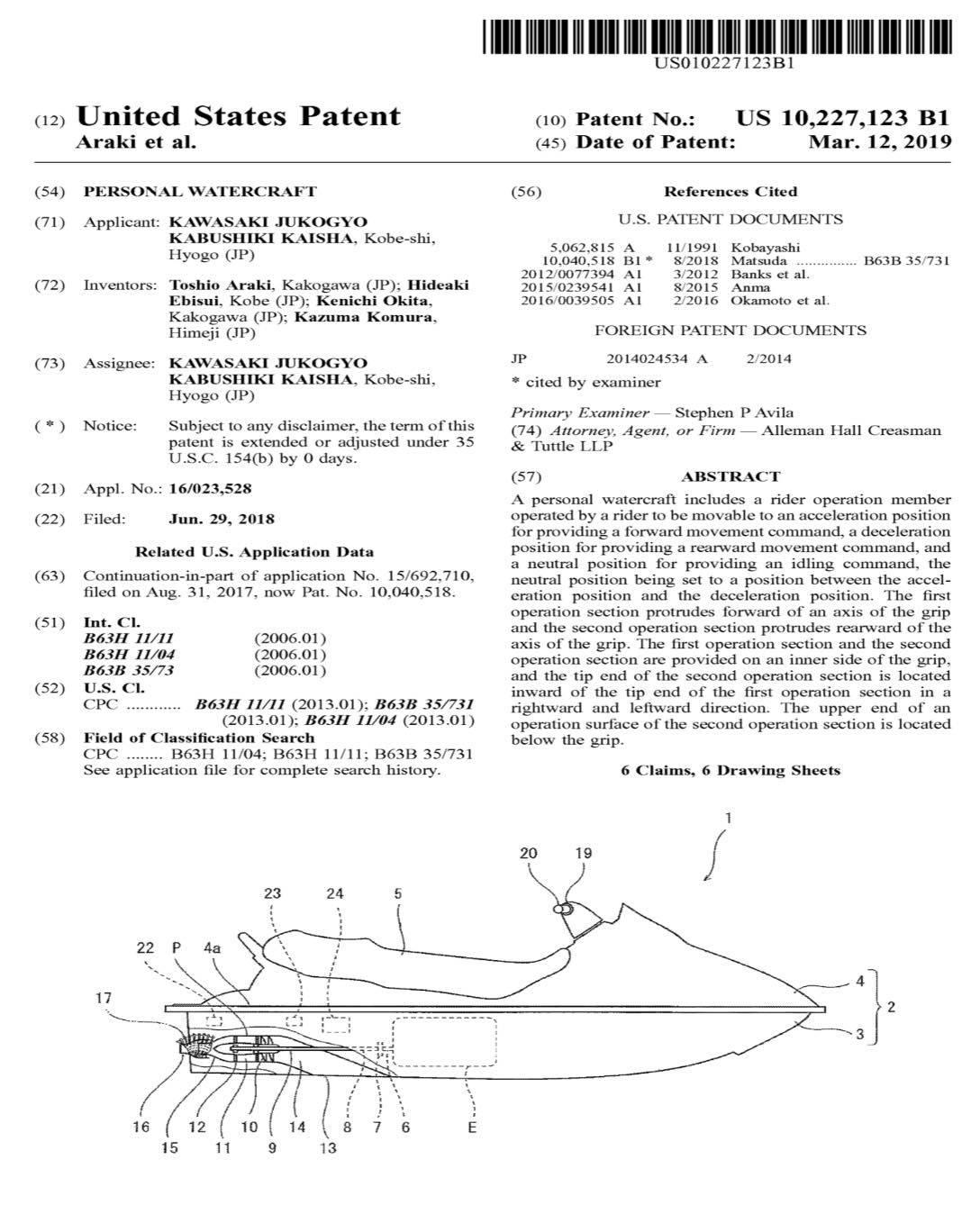
We’re still a month away from the official domestic reveal of the complete 2020 Kawasaki JetSki lineup, but the leaks, rumors and predictions continue to pour in (which has made for an insane time here at The Watercraft Journal). And no, it’s not just Kawasaki Europe and Thai dealerships letting loose a bevy of pictures revealing the new colors, or even the rare pair of spy shots of the redesigned STX – but now we’ve got not one but two official United States patents revealing new technologies that hint at what could be in Kawasaki’s future…
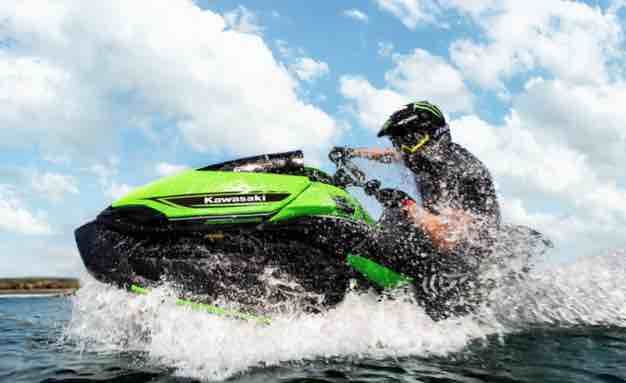
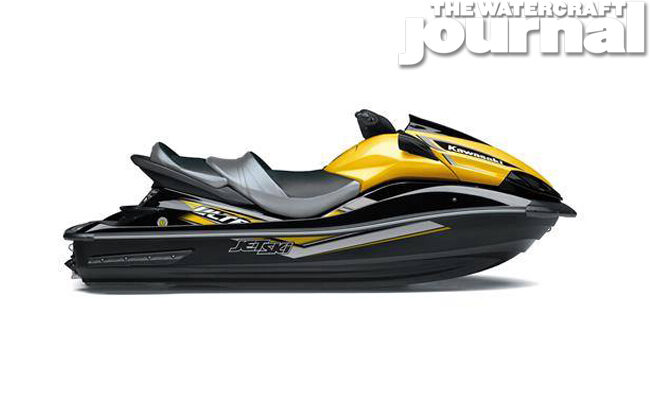
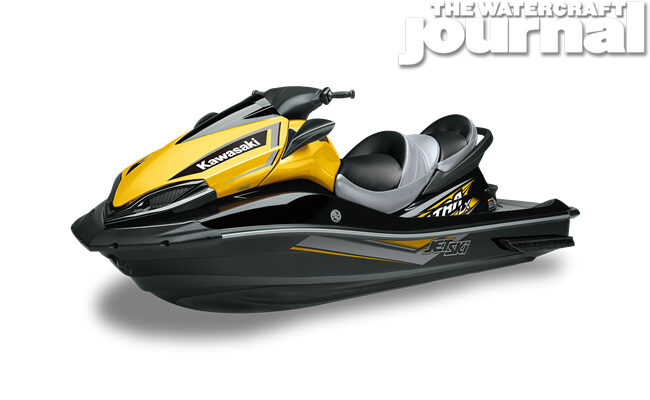
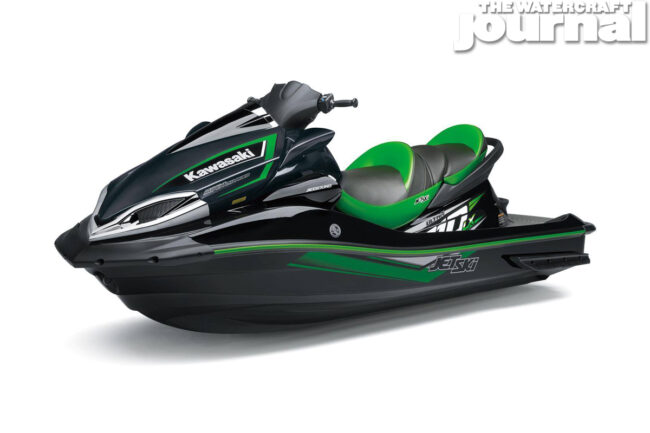
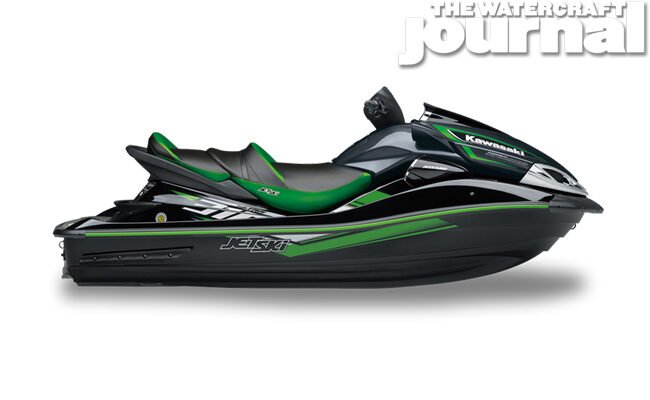
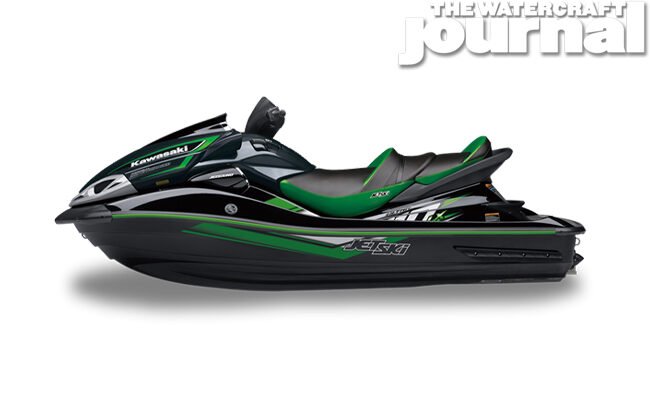
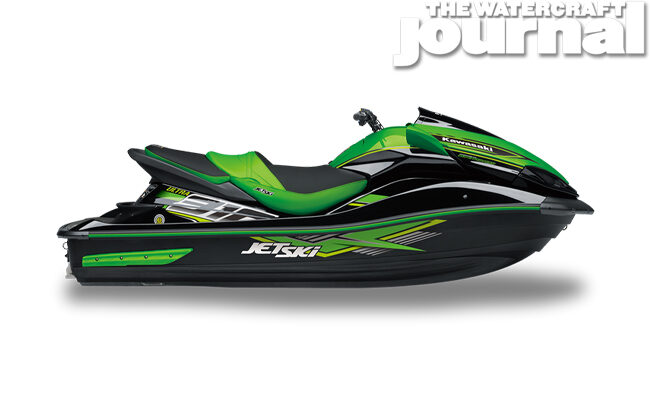
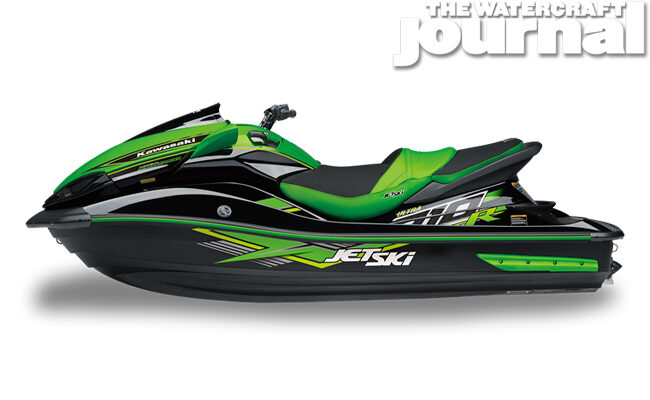
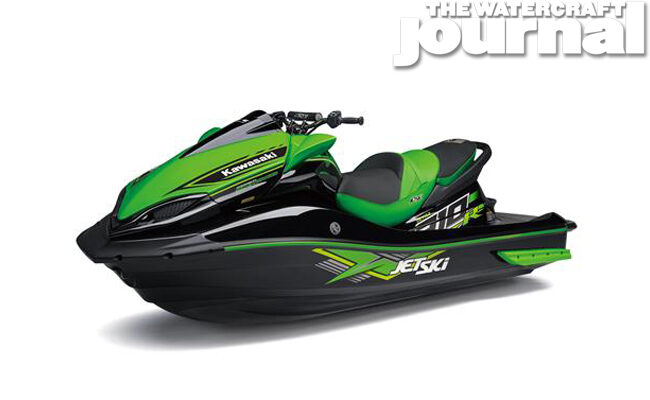
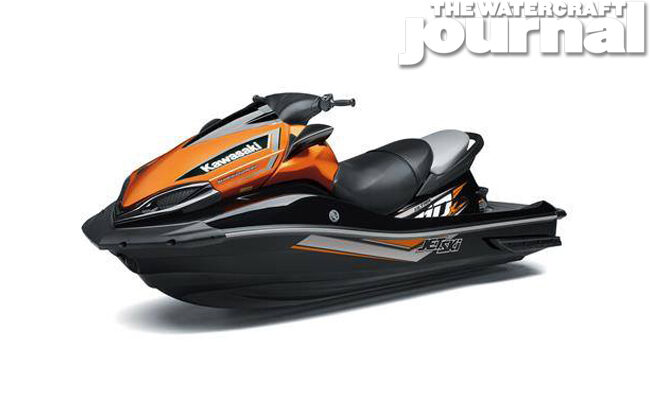
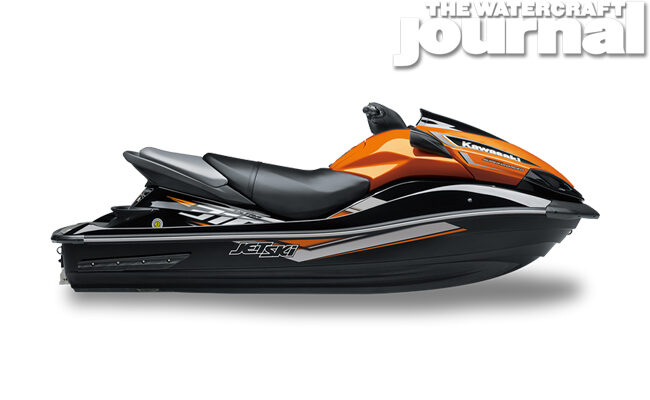
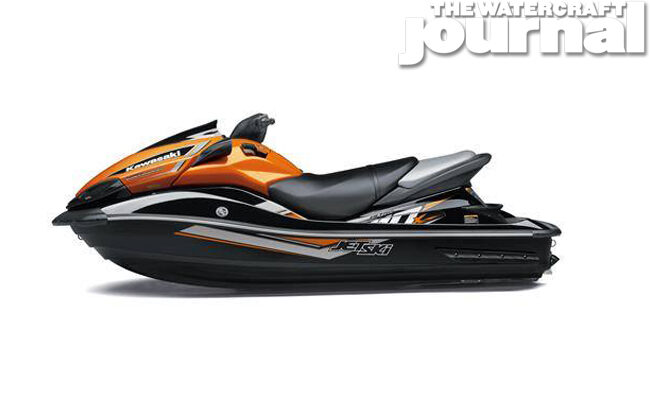
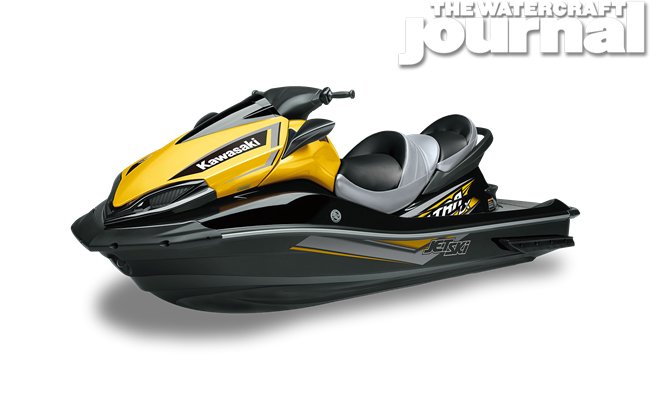
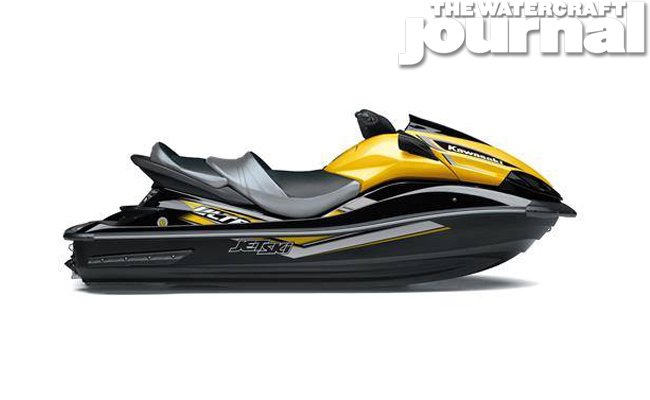
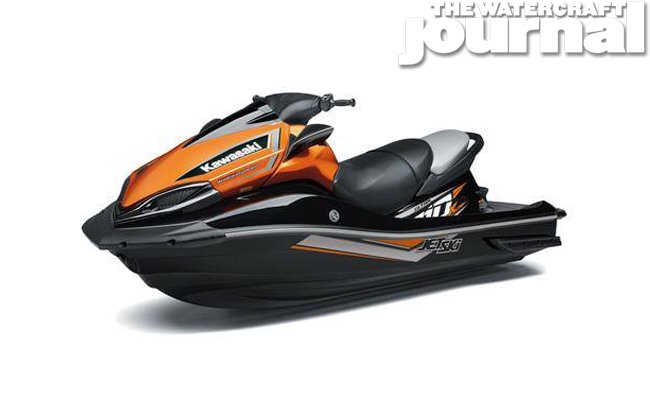
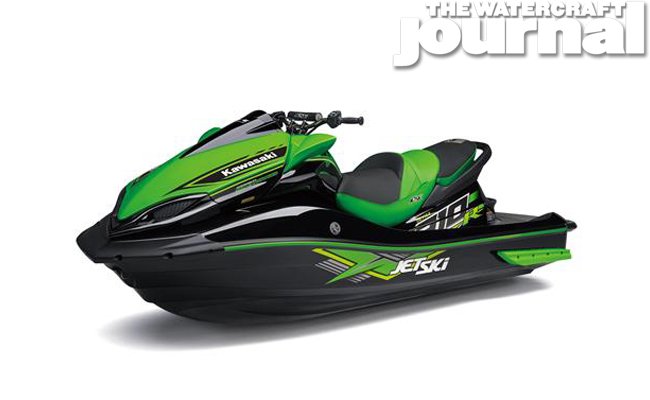
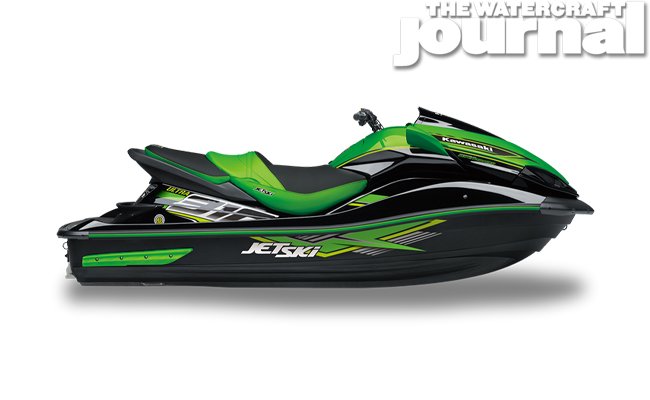
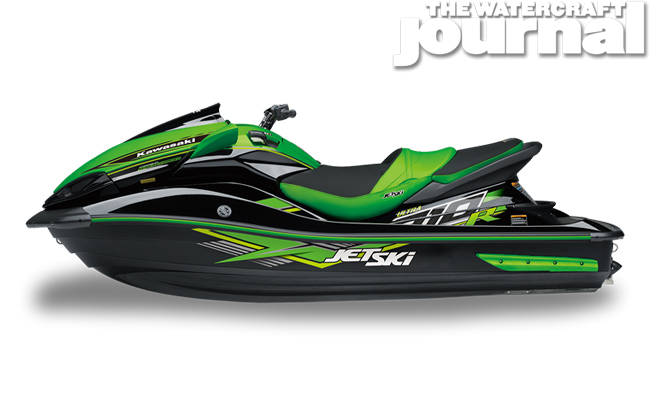
Since Kawasaki’s European website has nearly the entire 2020 lineup posted, we’ll go ahead and outline the changes for the Ultras first: The top-of-the-line Ultra 310LX comes in Ebony Metallic and Carbon Gray with Kawasaki Green highlights; the 310X is now in Ebony and Candy Steel Furnace Orange; and the naturally-aspirated Ultra LX is awash in Ebony and Pearl Citrus Yellow. Interestingly, both the Ultra 310R and SX-R return not only in last year’s colors but even the same decals. Conspicuously absent is the STX-15F…
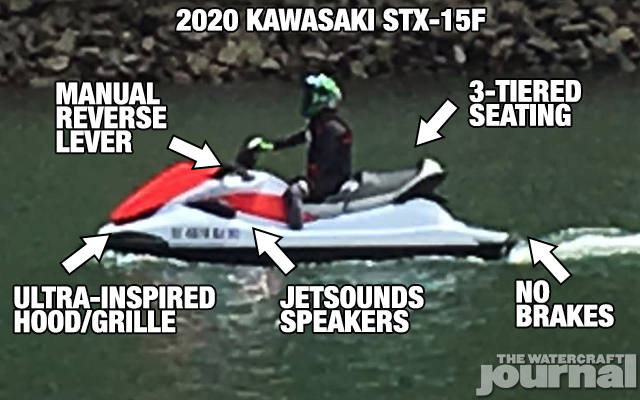
Before we go further, let’s recap what we’ve reported thus far in chronological order: In early January we published that attitudes within Kawasaki were supposedly grim – at least, as far as the future of the personal watercraft division was concerned. Simultaneously, chatter of a Spark-fighter had trickled through, wholly negating the claims of the division’s potential closure. The “Spark fighter” was revealed to be the redesigned STX-15F as evidenced by a pair of grainy photographs taken during a test run. Closer examination showed changes to the hood, seat, cowling and steering.
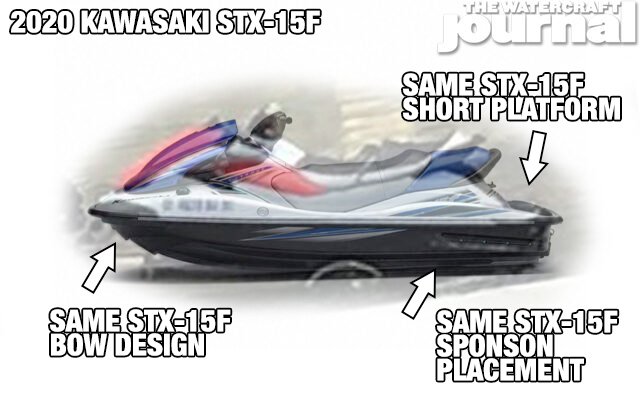
Overlapped images showed the same hull and deck as the previous STX. Other visual cues indicated an onboard sound system (ie. Jetsounds) fixed to the cowling, near the front of the footwell, similar to the BRP Premium Sound System available for Sea-Doo’s ST3 models. In the images, a manual reverse lever was also clearly visible. Sources close to Kawasaki shared to The Watercraft Journal that the new STX – rechristened as the STX-160X – would operate via a modern fly-by-wire engine management system (KTRC), identical to that used by the 310-horsepower Ultras.
Employing such hardware would also allow the new STX-160X all of the options found on the supercharged Ultras, including Cruise Control, SLO mode and electric trim control. (Interestingly, adding such engine management would leave the Ultra LX and SX-R 1500 as the sole remaining throttle cable-operated PWC in Kawasaki’s lineup.) Fatefully, our initial report had two trim tiers being offered in 2020 (a base and luxury model) but a copy of the California EPA form revealed three trim options, giving Kawasaki not just a new entry model, but a whole entry series.
Like the Ultra series using its horsepower output as part of its name, so too does the new “160” series. We speculate the tiers to be the “160X”, a bare-bones, red-on-white unit we spied earlier this year; a racy “160R” for the more sportier rider; and a top tier “160LX” with all of the trimmings. Per the photos, the stadium-style, scalloped bench seat provides the rider with a higher seating posture; but we believe that the seat could very well hold a secret.
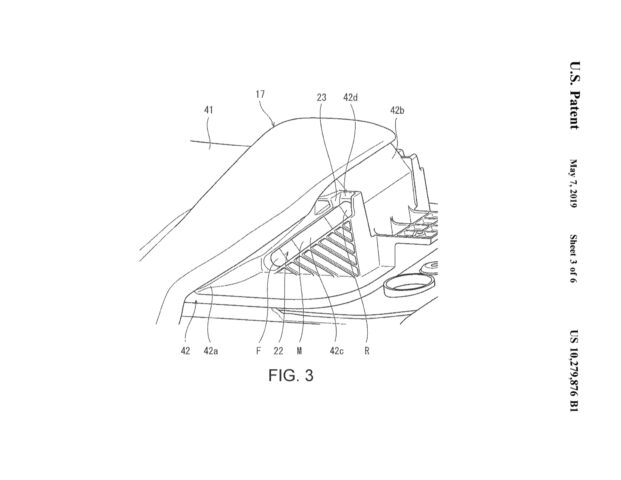
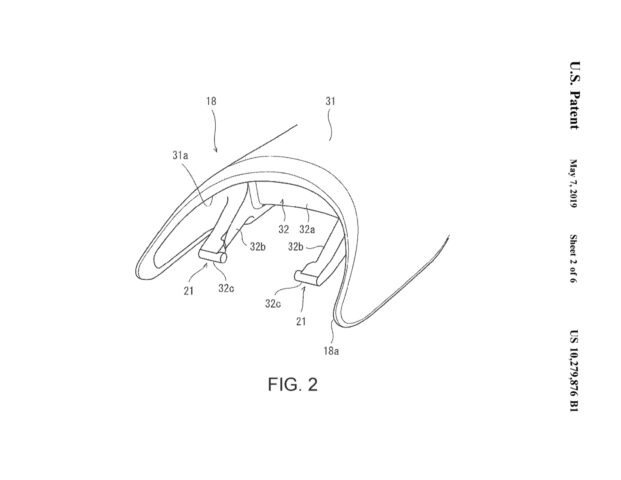
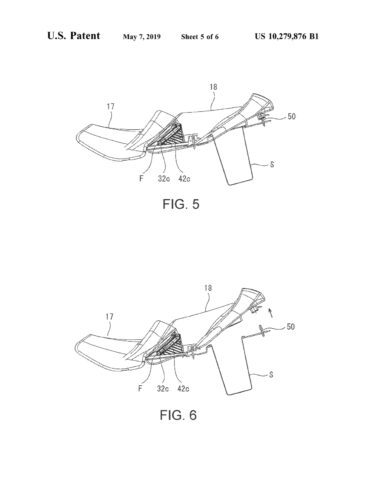
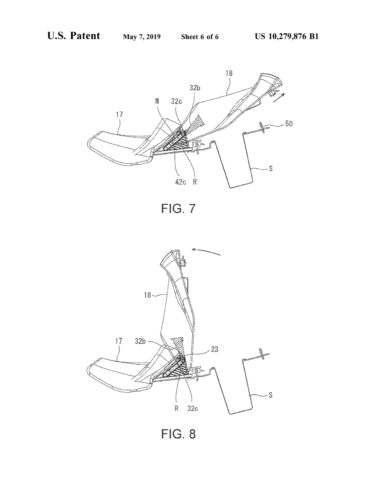
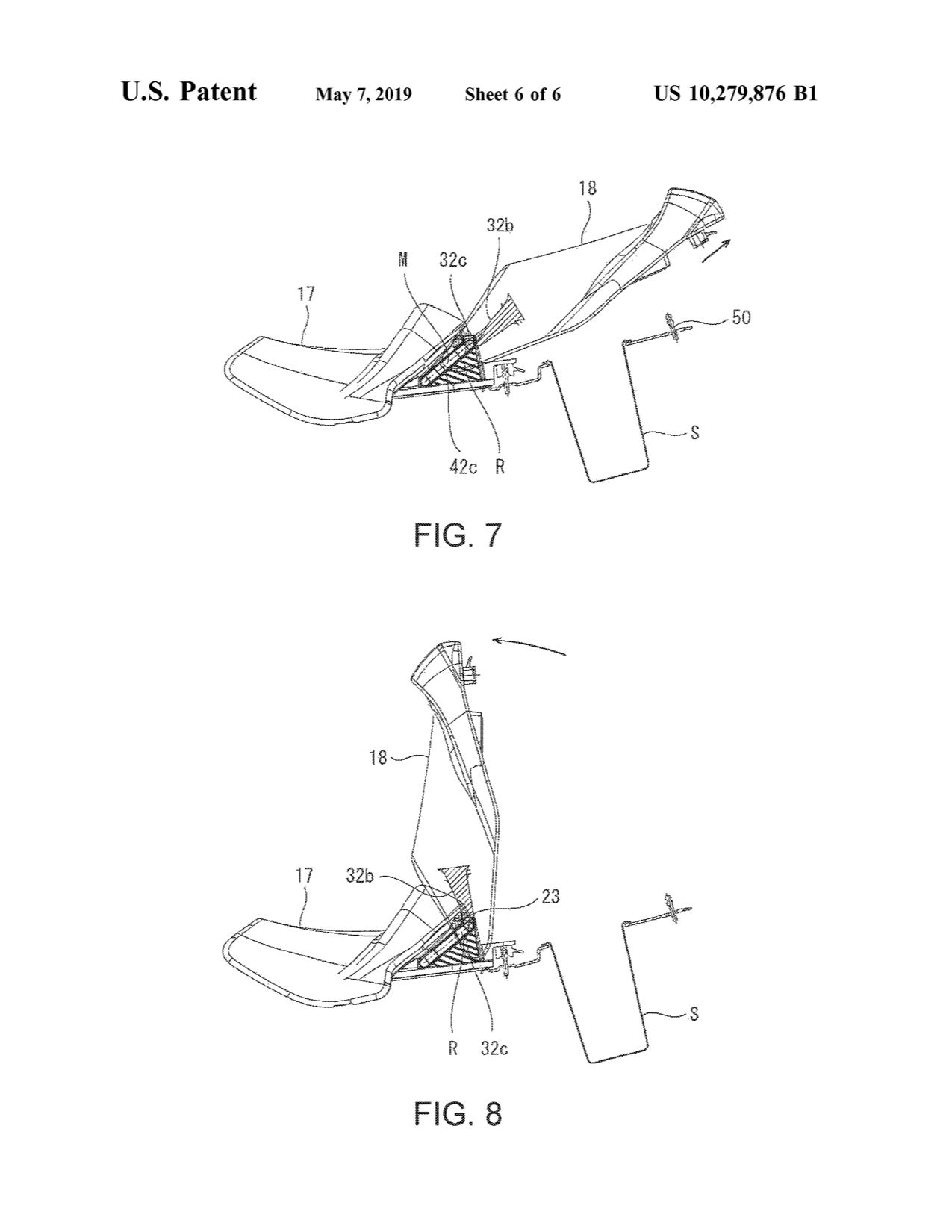
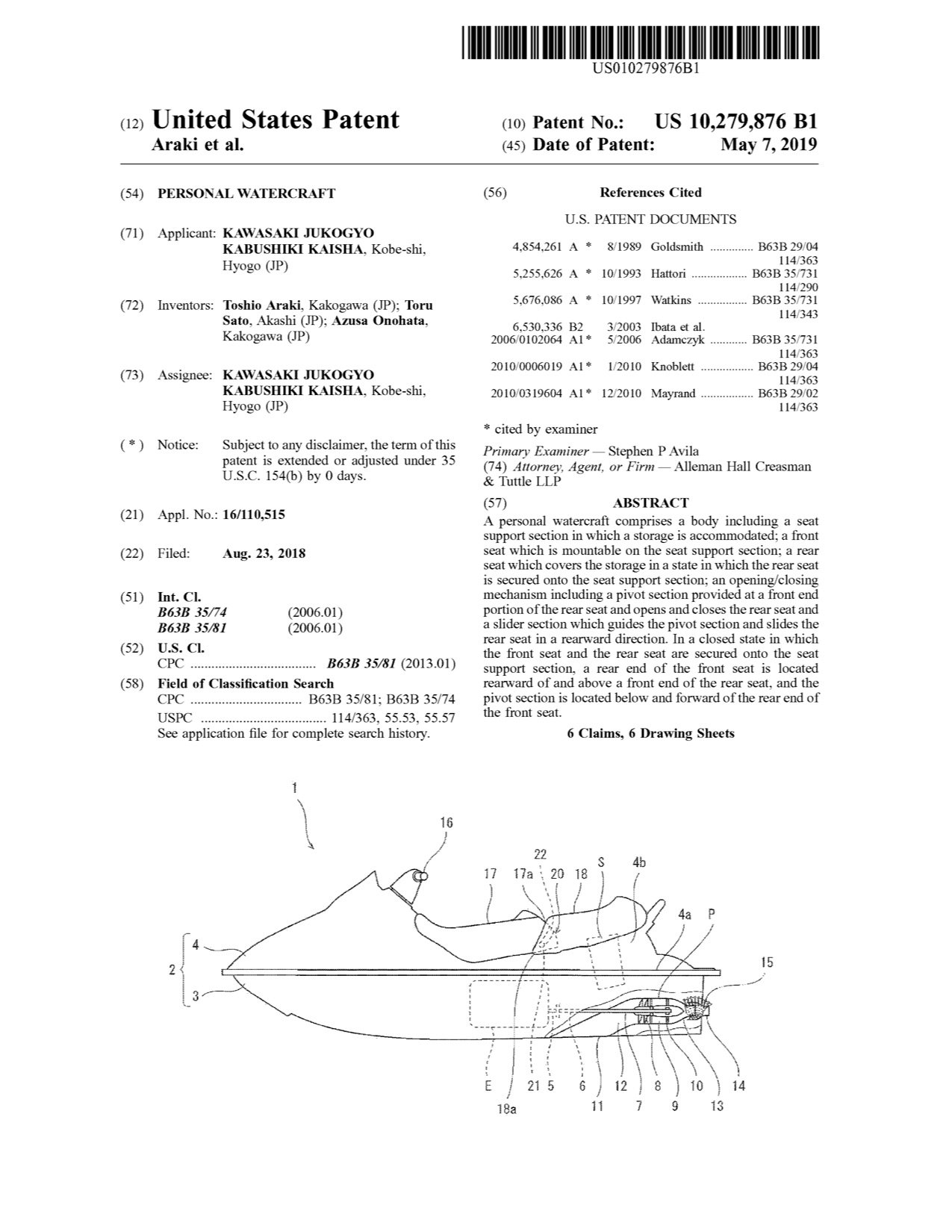
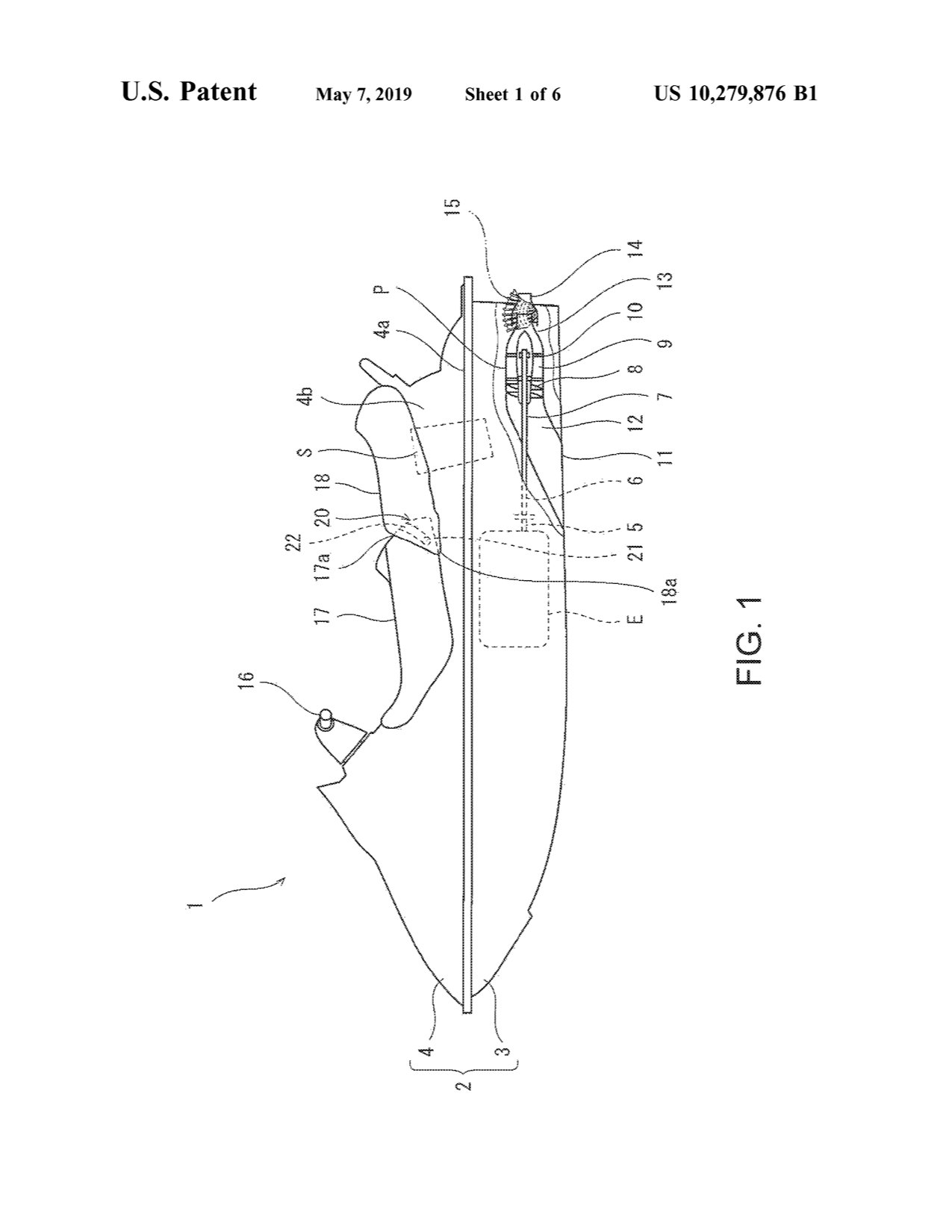
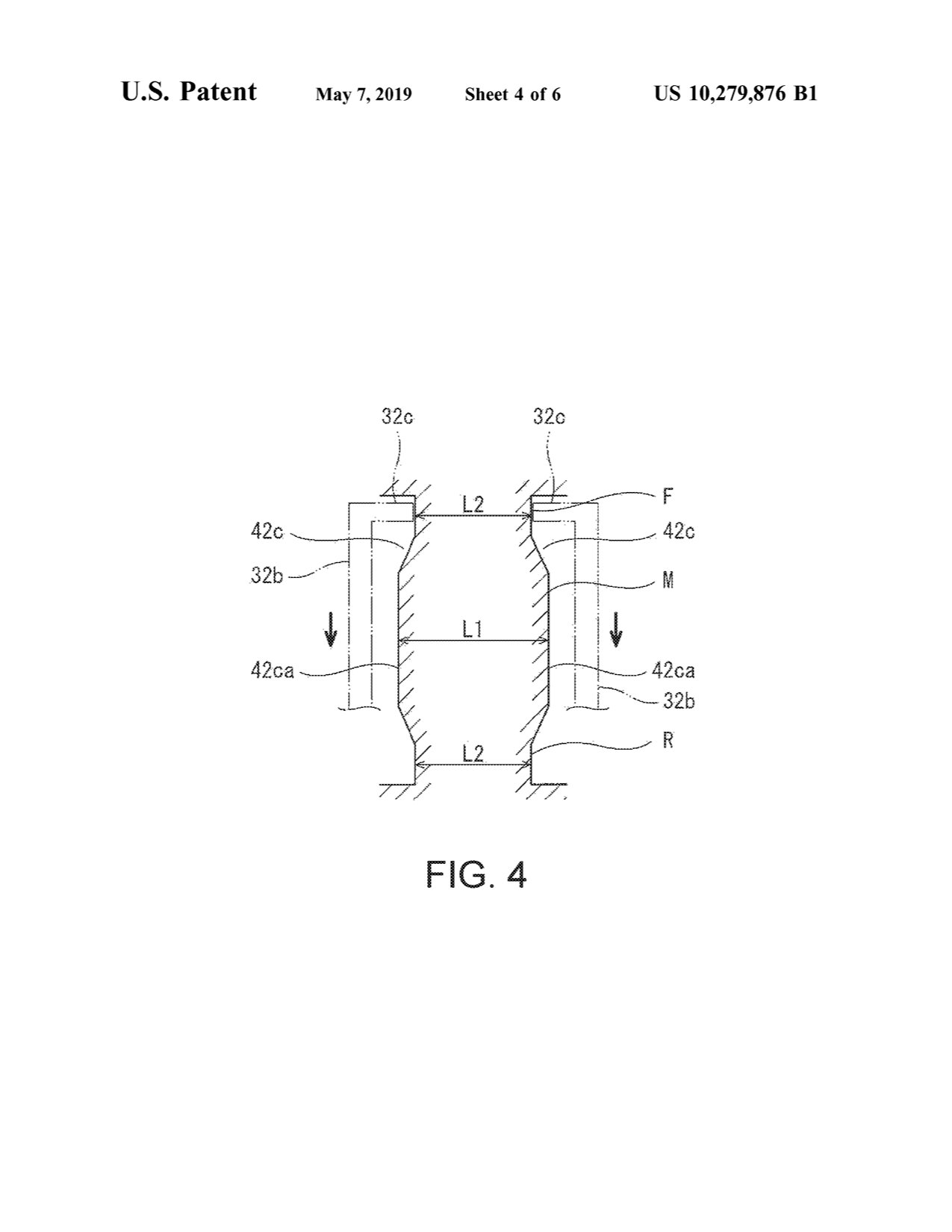
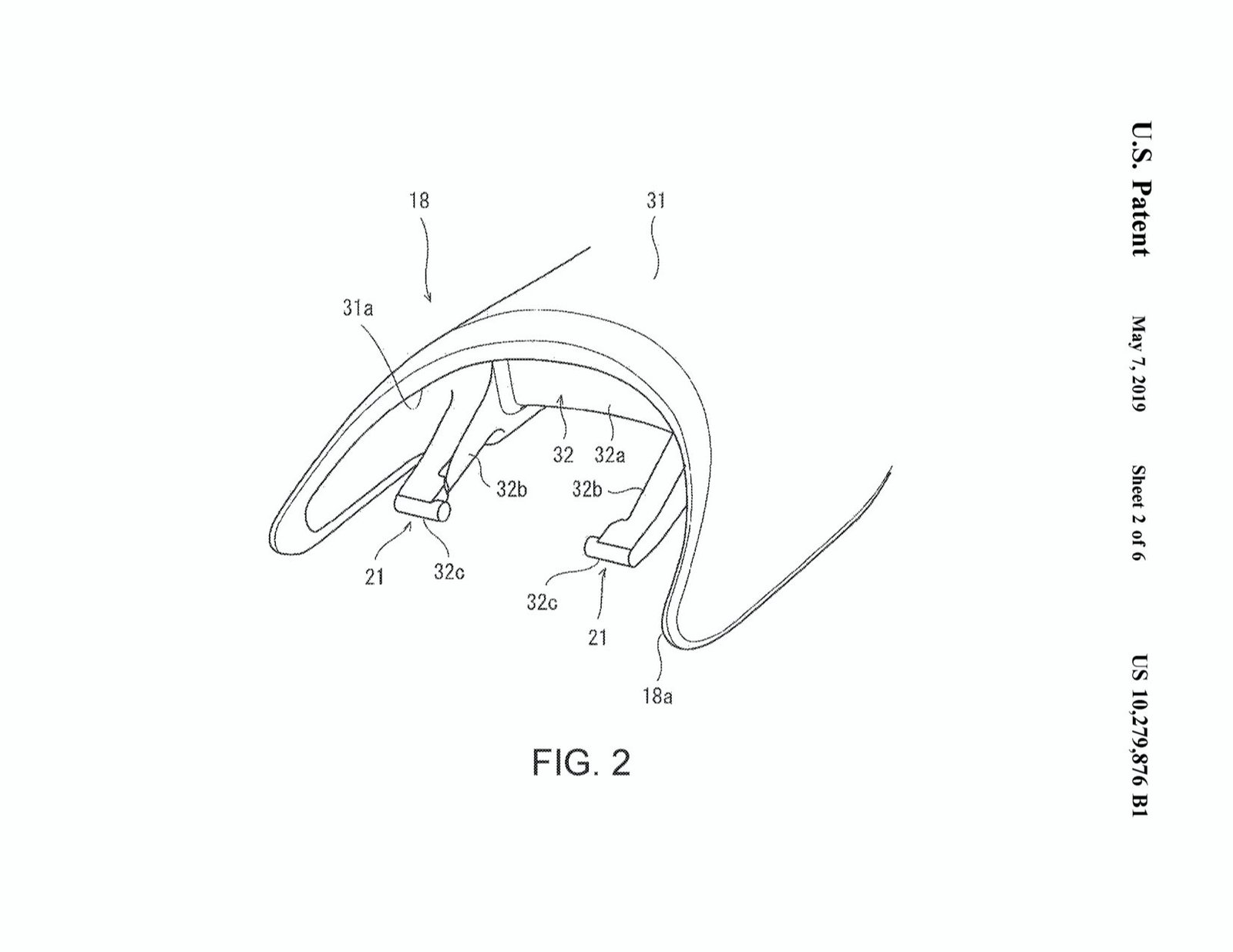
Here, the rear seat can be latched down as normal. When unlocked, it can either fold up vertically to reveal a large, deep-set storage bin beneath it, or slide up and outward, and off of the ski completely. The schematic shows how easily the folding seat operates and how large the proposed rear storage promises to be.
Albeit unconfirmed, we surmised that the new seat could be exclusive to the STX-160X given that such a storage container simply couldn’t fit inside of the engine compartment of the Ultra 310X’s. Although our sources couldn’t confirm our suspicion, they did allude to another patent that could shake up not just Kawasaki’s lineup but the industry as a whole: electronically-controlled braking.
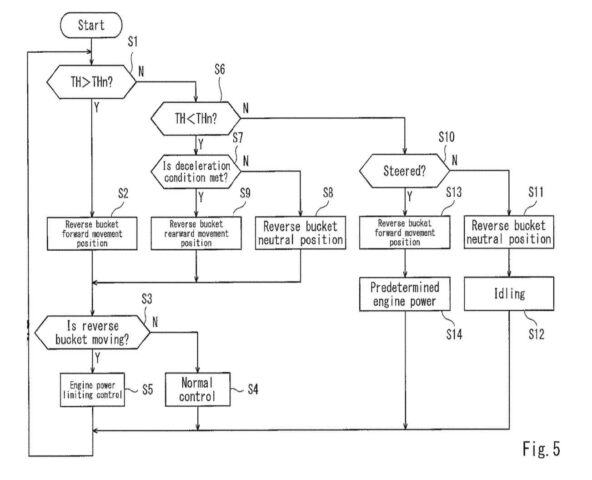
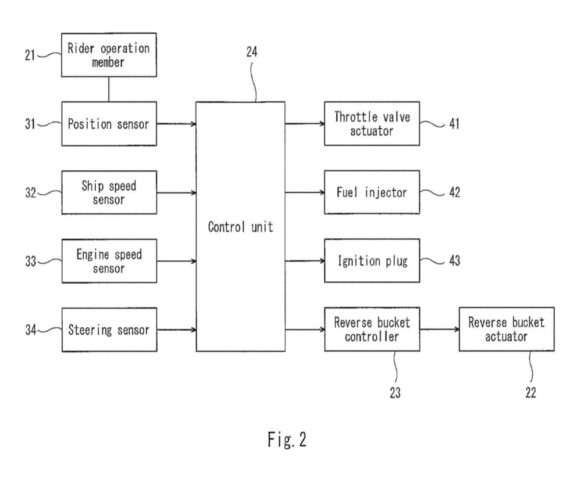
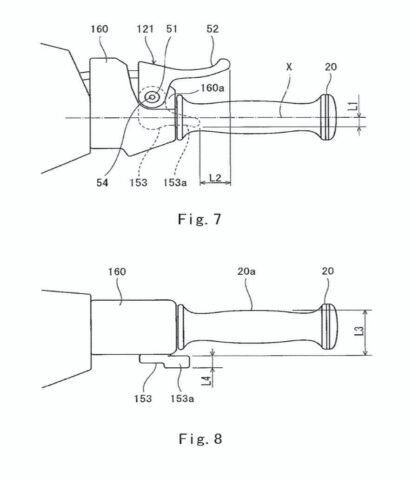
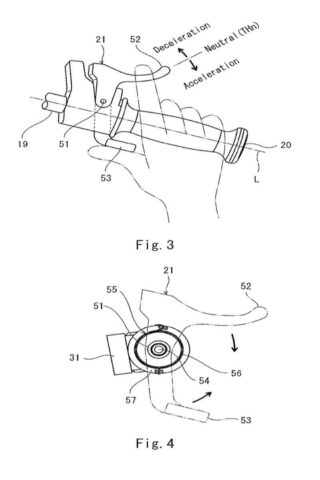
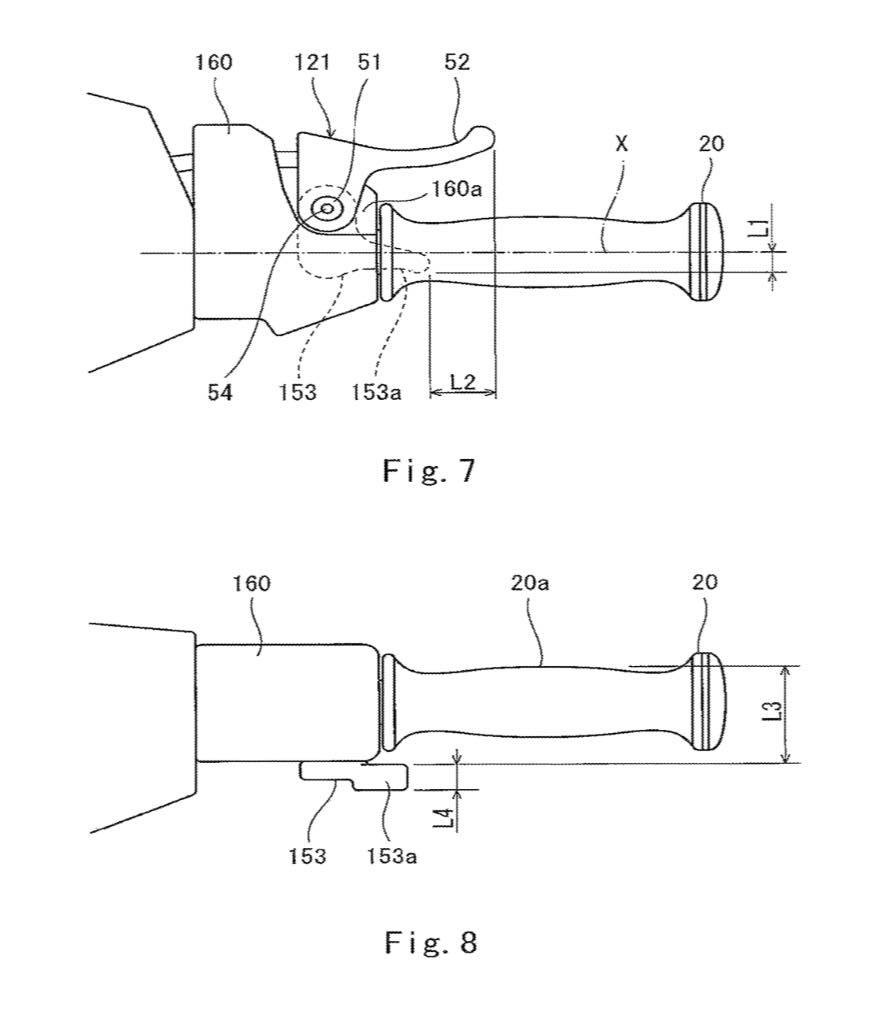
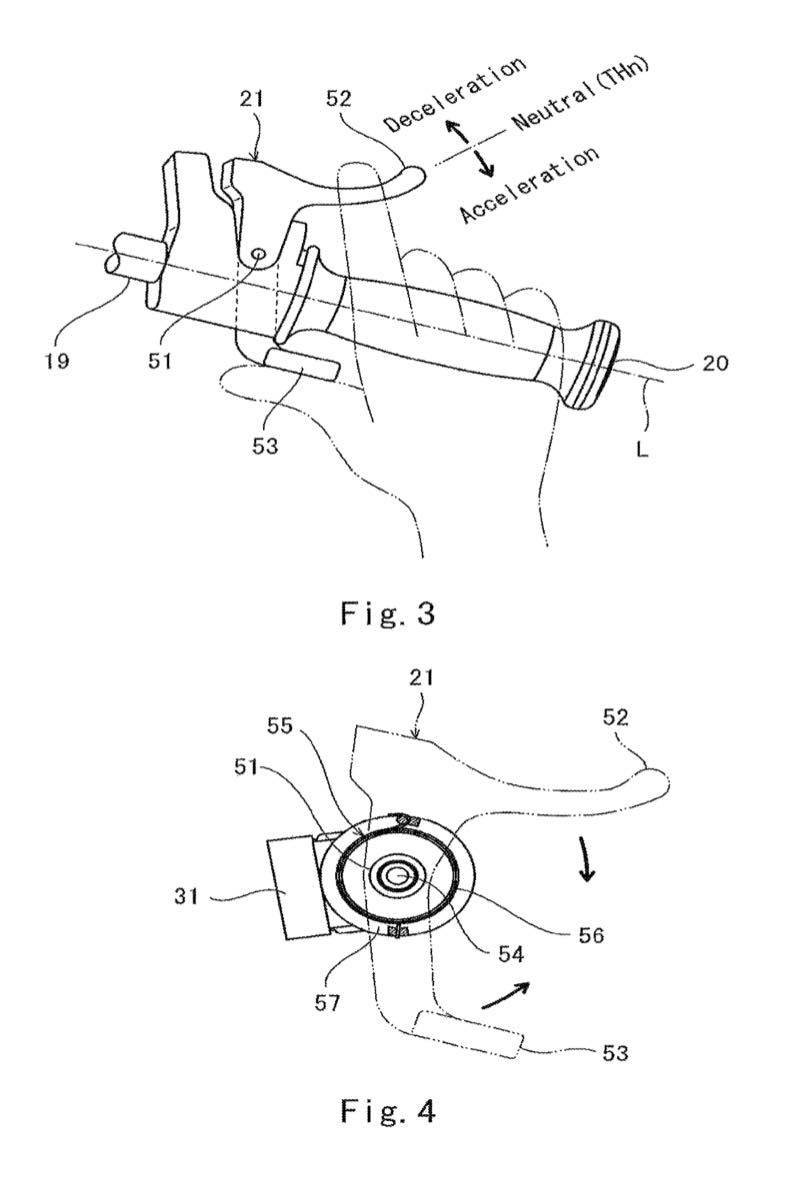
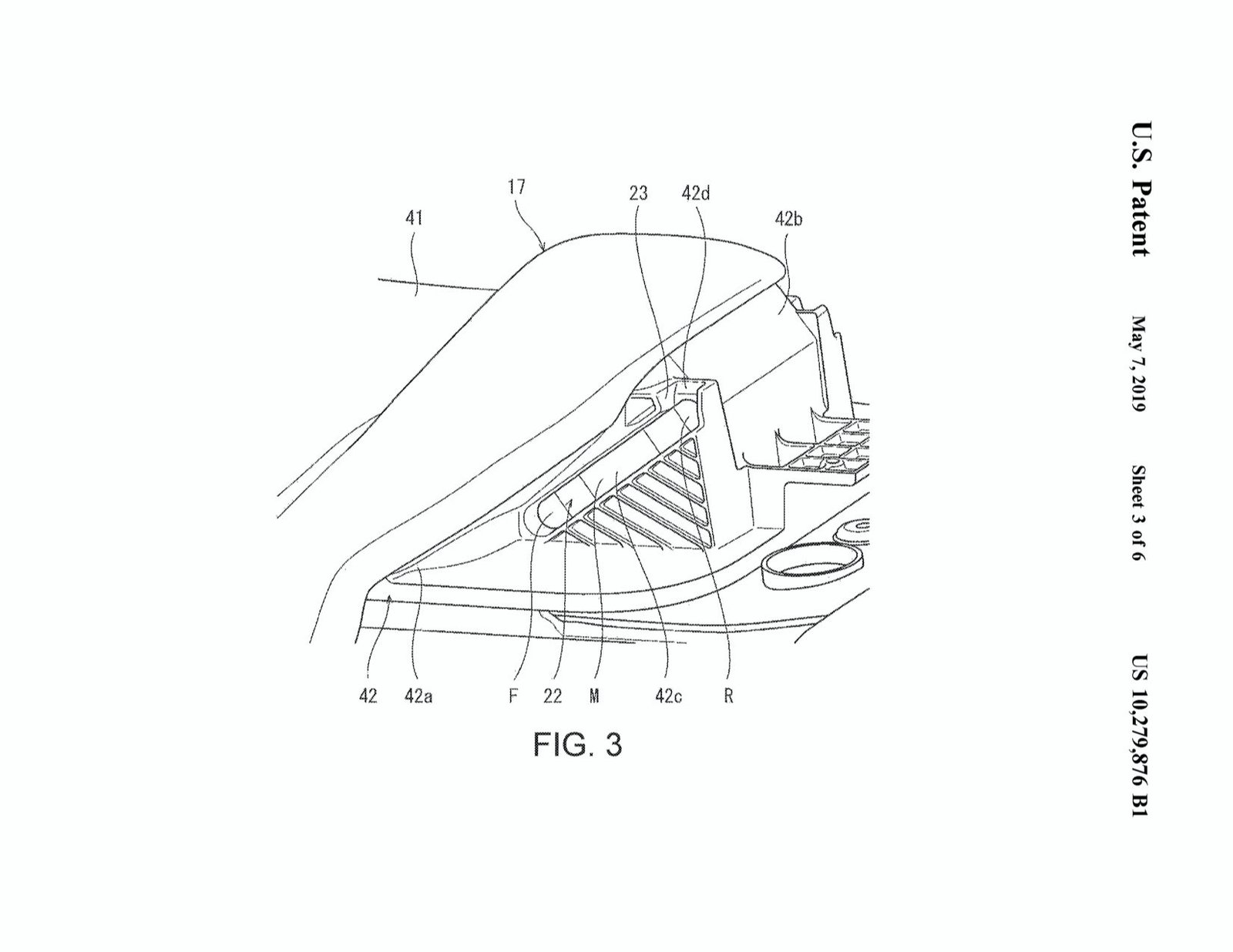
According to public record, this unique PWC braking patent was first awarded to Kawasaki back to August 31st, 2017. The patent has since been renewed twice, most recently on March 2nd of this year. The design illustrates a right-hand-side, thumb-activated braking lever (instead of the left-hand-side finger-operated trigger) similar to those currently used on Kawasaki’s KFX and Brute Force ATVs.
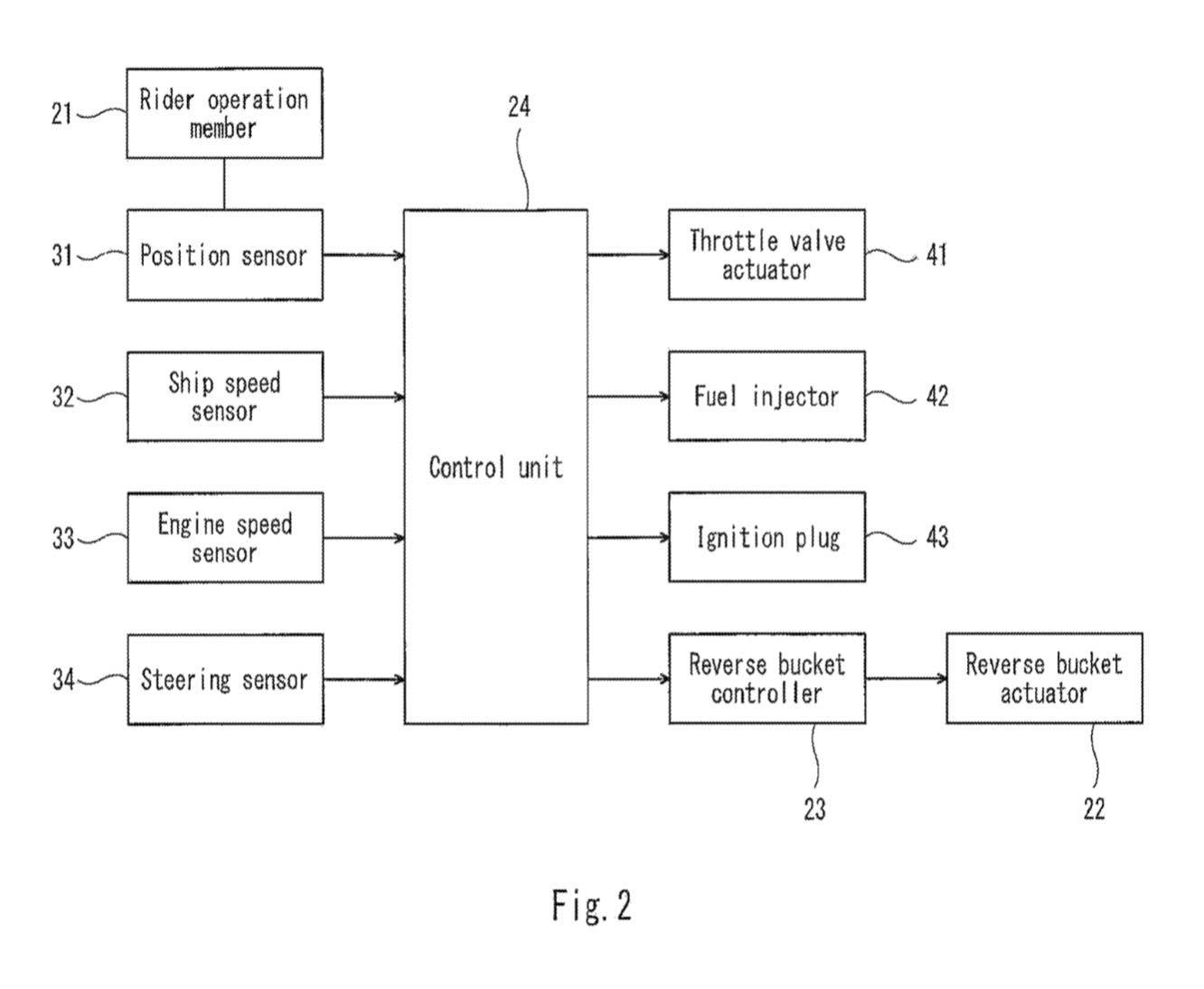
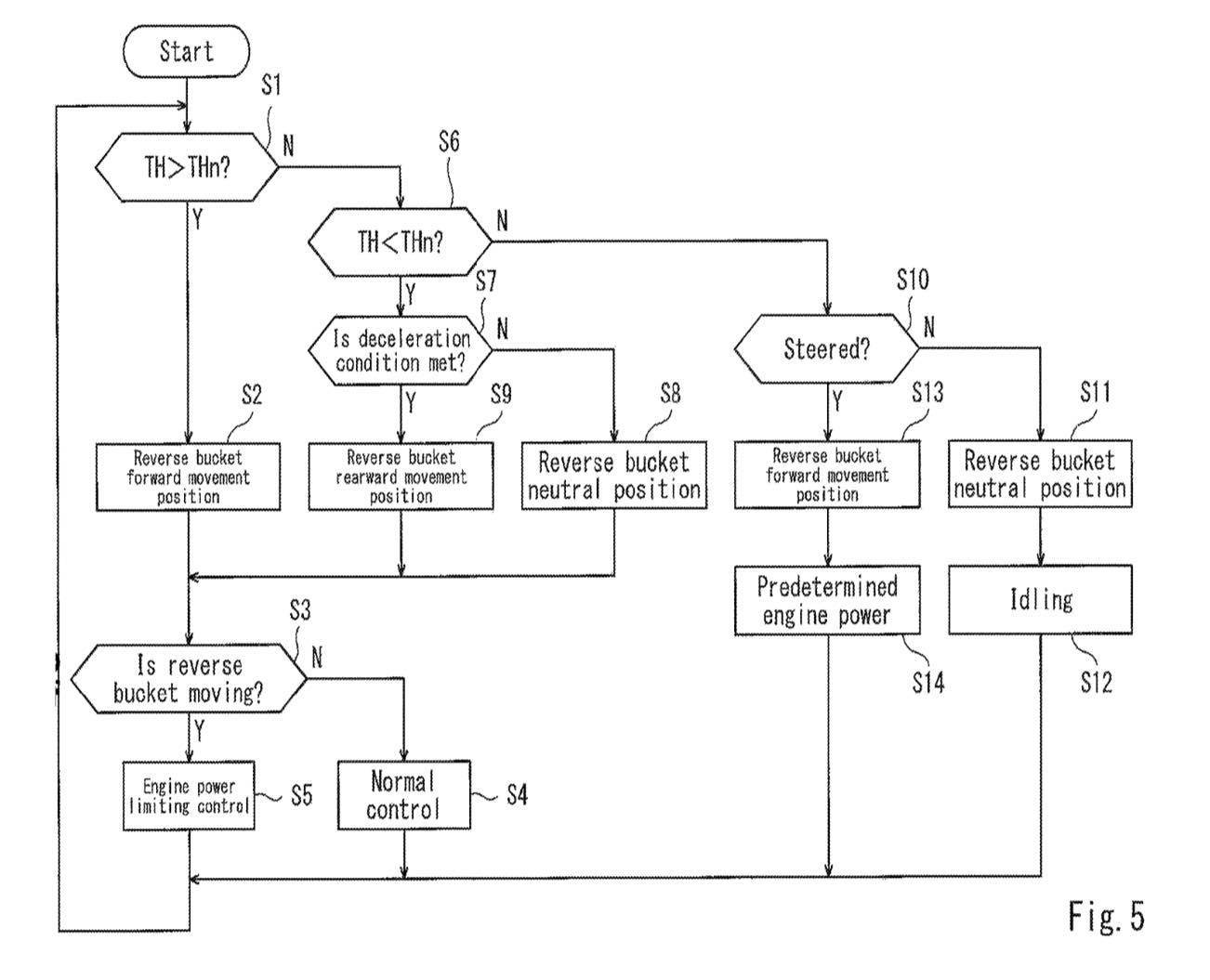
Per the diagram below, the brake is a true electronic engine override that even cooperates with Kawasaki’s existing off-throttle steering assist program. This design retains all of the driveability in the driver’s right hand – forward, neutral, reverse, and cruise control. Mechanically, the thumb lever looks to override the accelerator, communicating to the engine control unit to deploy the reverse bucket once deceleration conditions are met – all determined within fractions of a second.
While grainy low-resolution versions of the above diagram have appeared sporadically on forums and social media channels over the past two years, few have really been able to look at the proposed design in such detail. Frankly, we think this is exactly what Kawasaki needs to rapidly regain some much needed market share. Nevertheless, it bares stressing that companies can hold on to patents for decades without using them; and neither this braking system nor the hinged seat have been confirmed for 2020 or beyond.
Thus far, all we do know is that the four ’20 Ultra models shown include a manual brake lever, as well as the prototype STX-160F seen in the spy shots. While we’d like to think that the STX shown is the lowest tier model and the other two higher tier STX models will feature the new braking system, we simply do not know. Up to the time of the final domestic reveal of Kawasaki’s 2020 lineup, we won’t really know for sure – but until then, we sure have gotten a lot to be hopeful about.
By now Hurricane Dorian is making its way up the Southeastern coast of the United States. Unfortunately for many residents of the Bahamas and nearby Caribbean Islands, the intense storm has left extreme devastation in its wake and many residents have been stranded.
The Bahamas government has issued an urgent plea for boat and PWC owners to assist in the rescue efforts. Some local residents such as D’Sean Smith have stepped up to help rescue people who are trapped in their homes.
Smith has been riding his watercraft around to pick up locals who need help. He has been at it for the last couple of days but the overwhelming amount of support needed is taking a toll on him. Thankfully many others have also pitched in on the relief efforts.
For more information on this story, see the full CBC report here.
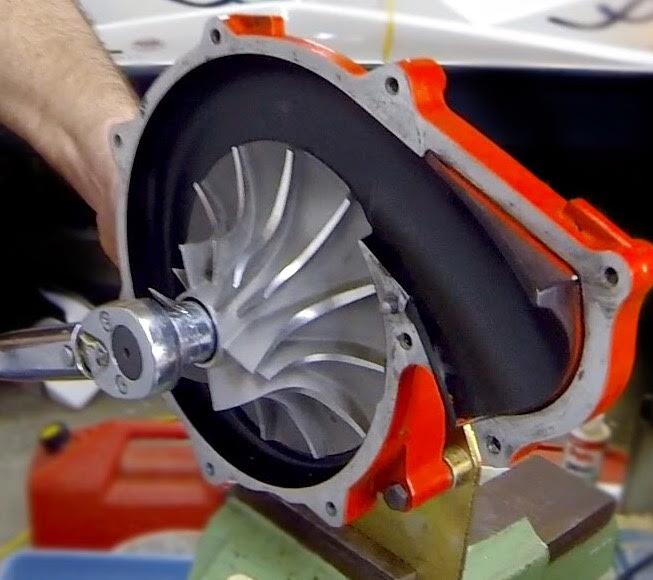
Uh oh! You start to feel that familiar surge of acceleration begin to wain; your supercharged Sea-Doo just ain’t packin’ the punch it once had. Believe it or not, the factory centrifugal supercharger does require maintenance just like the rest of your machine, and the team at Broward Motorsports Racing has exactly what you need!
If you’re the daring do-it-yourselfer or have a shop that you trust, you can now pick up a complete kit to rebuild your supercharger packed with all of the quality Sea-Doo genuine parts and metal washers you need to return your runabout back to its former glory and increase its reliability for many more hours to come – all for $369.99.
And just like The Watercraft Journal reported earlier, you can now purchase your performance parts using BMR’s payment program. If you choose to use their Affirm service, this kit will put you back a meager $35/month. So get back on the water faster!





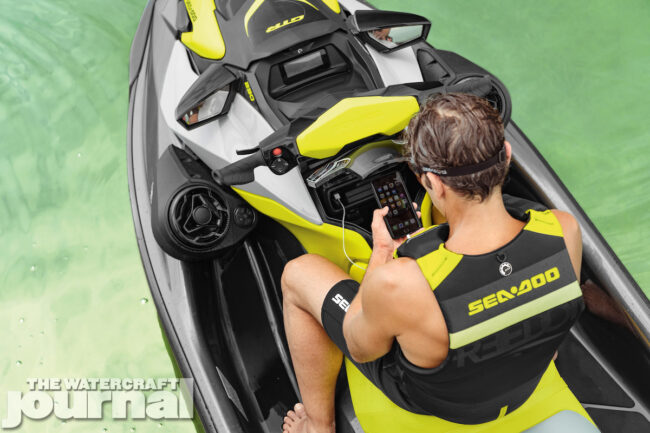





 Wrapped in Neon Yellow and Eclipse Black, the new GTR 230 shaves off a few pounds from its previous 807 to 774 pounds, thanks in large part to its Polytech lower half.