Bopenski Watersports wants to be the first to wish you a happy 4th of July. To our international readers, the 4th of July is the United States of America’s Independence Day. It is a day where we show our gratitude for becoming our own free country and building it from the ground up.
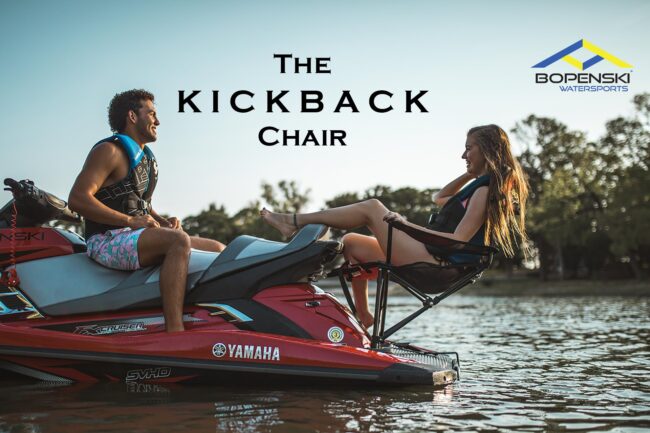
While the holiday is meant to acknowledge our independence, many company’s all over the country run promotions and sales as a way to thank their loyal customers for allowing their business to succeed in the USA. Bopenski Watersports want to offer a deal where the 1st 20 customers who order a The Kickback Chair will receive free shipping by using the promo code “SHIPFREE”. The Kickback Chair is a quick-set up chair that allows you to set it up in minutes on board your watercraft and kickback and relax. For a more in depth coverage, check out this article.
So if you have had your eye on a Kickback Chair or are falling in love with it for the first time, now is the time to buy. These chairs are a great way to make your time on the water better. It offers a way for you to eat your lunch in style of take a quick break from riding. Order now and you can be the envy of everyone on the water. The need to bring an old camp chair to eat lunch on the shore is over, the Kickback Chair is the new way to enjoy your time on the water.
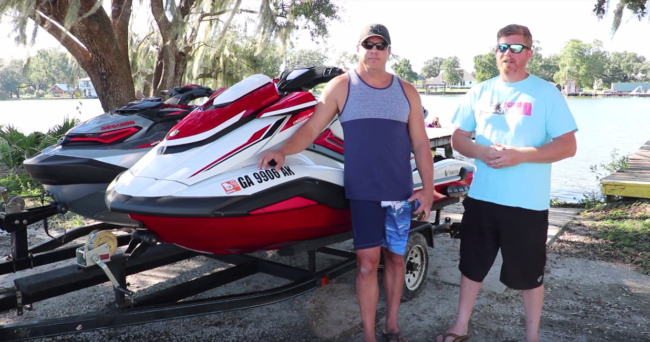
June 21st , the first day of summer in the northern hemisphere, has come and gone and summer is now in full swing. Summer is here! The weather is consistently getting warmer and the water is starting to warm up too. A great way to spend a day out on the water is on top of the all new 2019 Yamaha WaveRunner FX Series watercraft. The FX series provide comfort and the industry’s first-ever Connext touchscreen providing you with the control that you can change to your specific needs.
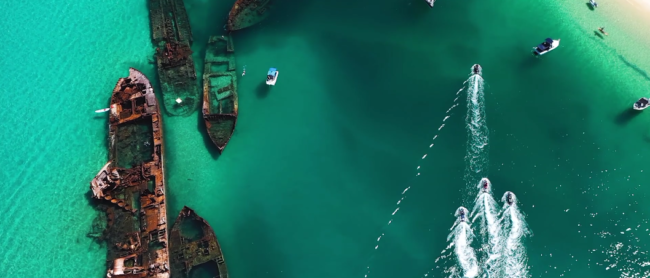
Everything Watercraft posted a video on Facebook of them taking out the 2019 Yamaha WaveRunner FX Series. In their ride they rode from Moreton Island, Queensland Australia to the Tangalooma Shipwrecks. The beaches were covered in white sand and the water was crystal clear. It looks like the watercrafts were floating in thin air. After riding around and taking a quick swim, they dropped anchor on the beach for some relaxation and a bite to eat.
So whether you are needing the itch to go out and ride or considering visiting Australia. Check out Everything Watercraft’s video. It shows the true beauty of Australia and how practical the new 2019 Yamaha WaveRunners are. With competitive pricing and multiple options, there is room for an FX Series in your family. And remember, to get out and journey further this summer.
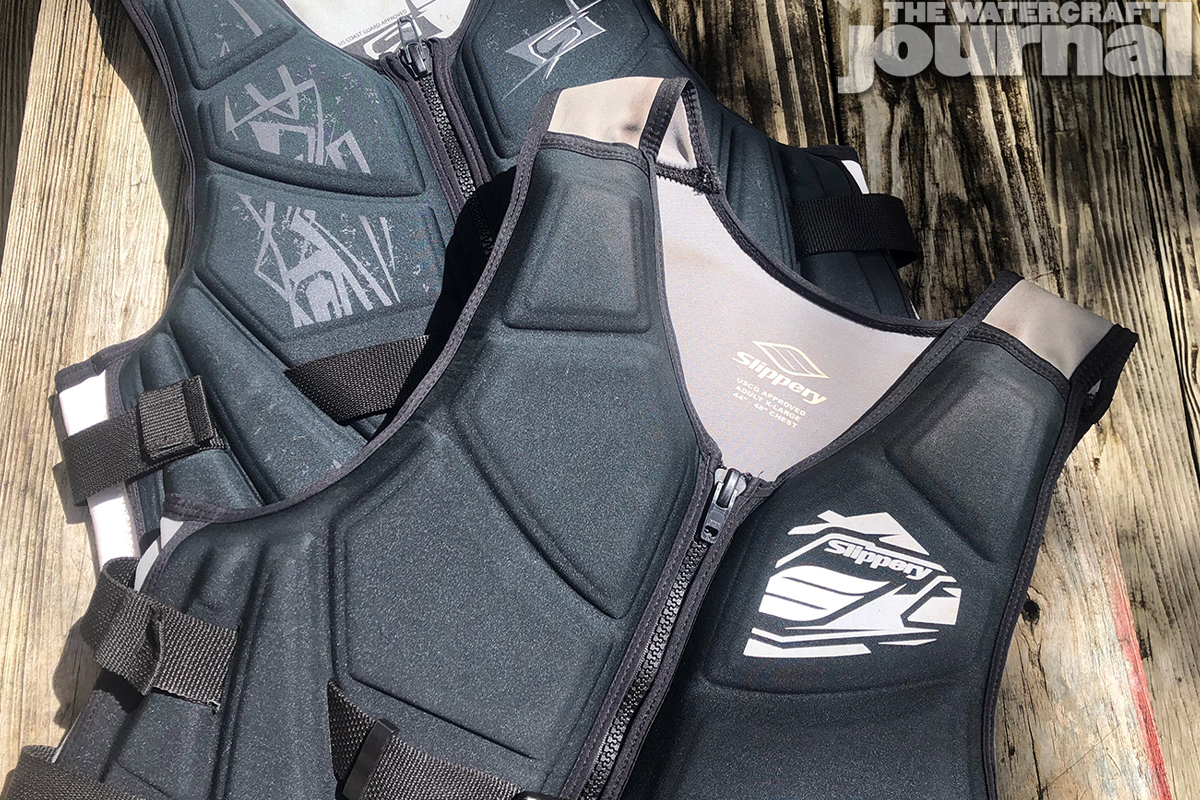
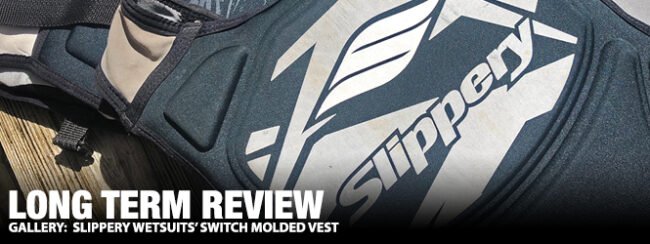
Frankly, it’s hard to believe that it was 11 years ago when Christopher Nolan’s “The Dark Knight” film hit theaters. The sequel to the director’s gritty Batman reboot “Batman Begins,” “TDK” featured a far more nuanced take on DC comic’s second-most popular comic book superhero. It so happened to be the same time I received my first Slippery Switch Molded Life Vest. It was unlike any personal flotation device on the market, and looked, in my opinion, just like the molded body armor worn by Batman.
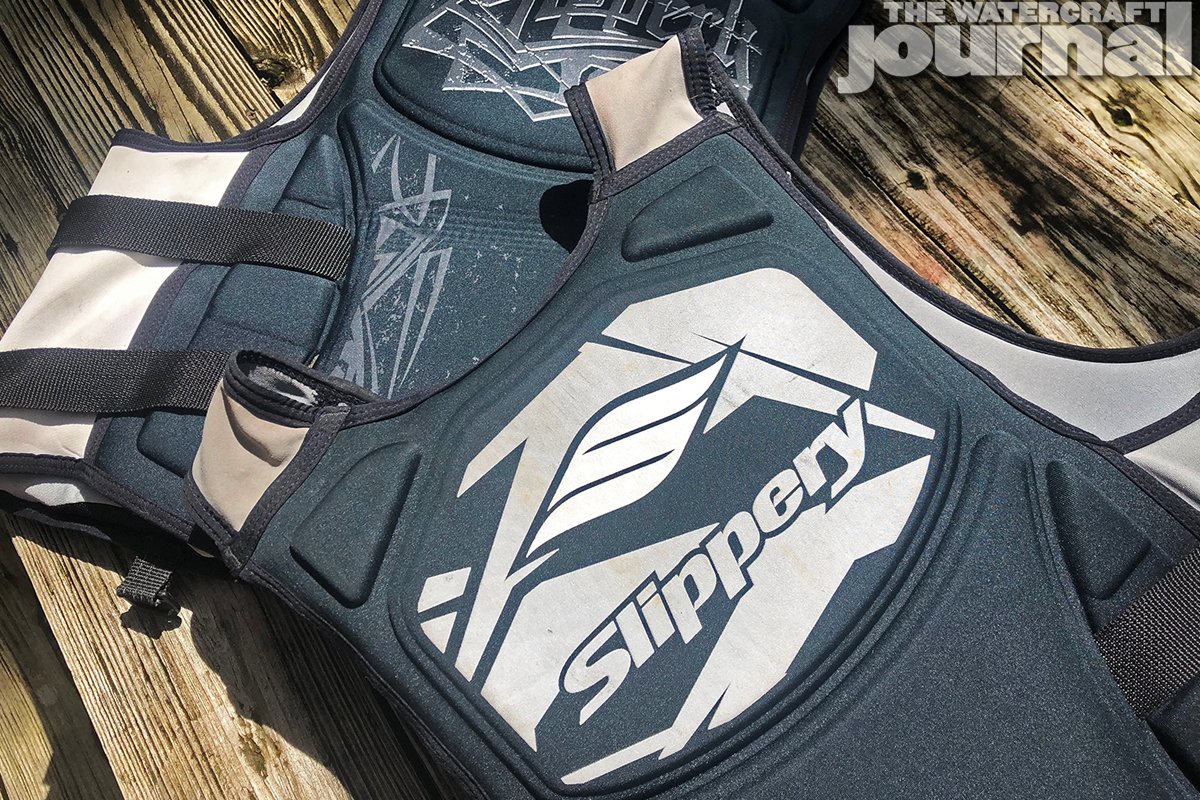
I still have that same vest and even picked up a light gray version shortly afterwards. That 11-year-old Switch life vest has served me well, and has been one of my favorites since 2008. Well, that is until I received a new Switch Molded Life Vest for 2015. The black molded front-entry vest was very similar in appearance as the 2008 model I had, save for much more subdued styling. The graphics on the left breast and back were dialed down, and the white panels at the sides and shoulders were now gray.
But that’s not all; changes had been made to Slippery’s foam patterns. The shape and contour of the molded panels were improved, comfortably holding my torso slightly more snug than before. No I hadn’t gained weight over the years (well, not that much); the fit of the two had improved. Life vests are typically made from either vinyl or neoprene. Frankly, I’ve always hated the feel of vinyl PFDs and Slippery – more than any other brand of PDF manufacturer – was committed to making woven, breathable soft, stretch knit fabric for the inner panels that didn’t rub, irritate or stick to skin.
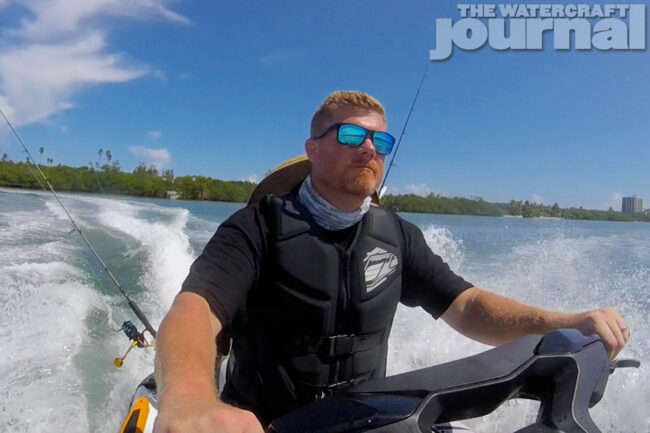
Not to put too fine a point on it, but the Switch’s PVC inner foam and interior fabric panels make for the single-most comfortable life vest I’ve ever used. And I mean every syllable of that last sentence. The. Most. Comfortable. PFD. Ever. Anybody who has been paying close attention to our ongoing YouTube bimonthly show knows that I typically don this very same front-entry black Slippery Switch Molded vest. It is my favorite personal flotation device (ie. life vest). It is my go-to. If I’m wearing a different life vest, it’s probably because I have to for contractual reasons.
The front-entry vest utilizes two adjustable 1.5-inch straps integrated in the articulated chest panels; the quick-lock front buckles snap together over a heavy-duty zipper. The molded outer shell provides breaks in the PVC foam in a smartly-designed pattern for maximum flexibility while maintaining US Coast Guard approved Type 3 performance.
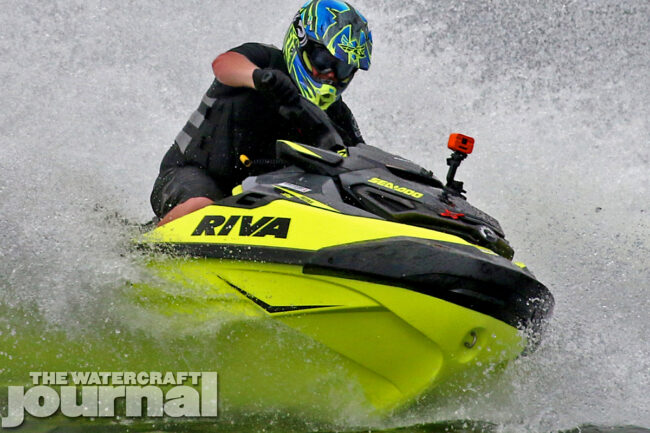
Range of motion is at its most as Slippery employs elastic neoprene sides and shoulders for comfort and maximum mobility. It’s one of the few vests you can wear and still double over to tie your shoe or reach low into your front storage bin.
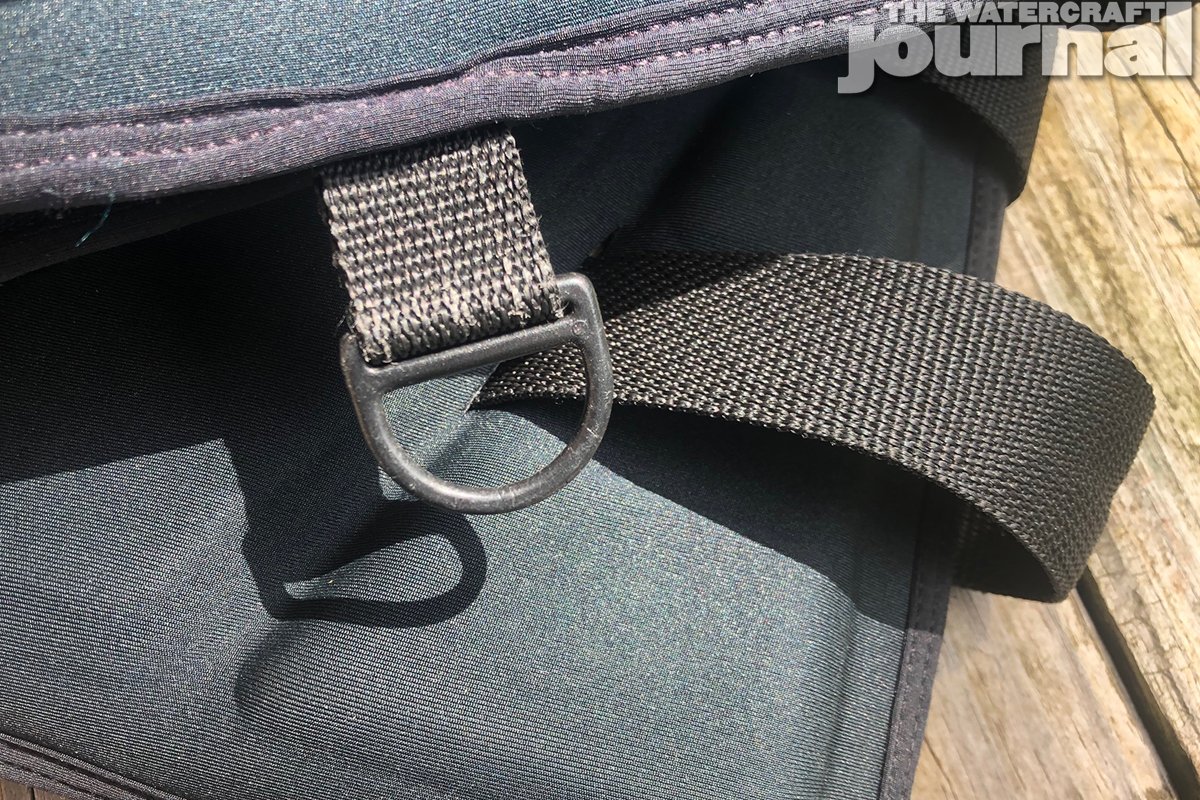
The latest edition of the Switch Molded Vest is one I don’t have yet, making this review slightly different than all of our previous reviews. The materials and molds are carryovers but some slight changes have been made; the lanyard D-ring returns (my 2015 model didn’t have one), and the white/gray neoprene panels on the flanks and shoulders are white. Graphics are now colored in orange and blue with the current Slippery logo and design. Equally, the inside soft-touch fabric panels are also in black as well.
Currently, it appears that the Switch Molded Vest is sold out according to most retailers. So if you want one, you’re gonna have to do some searching online. That of course, means that pricing is going to vary. If that means that the Switch is being phased out, I am truly sorry as it is my absolute favorite. Yes, Slippery’s latest batch of side-entries are great, but man, nothing beats the Switch Molded Vest in ways of comfort, use, longevity and making every normal Joe look a little more like Batman.
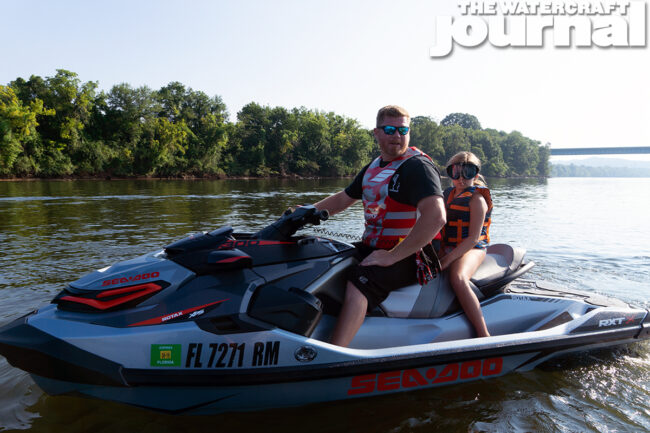
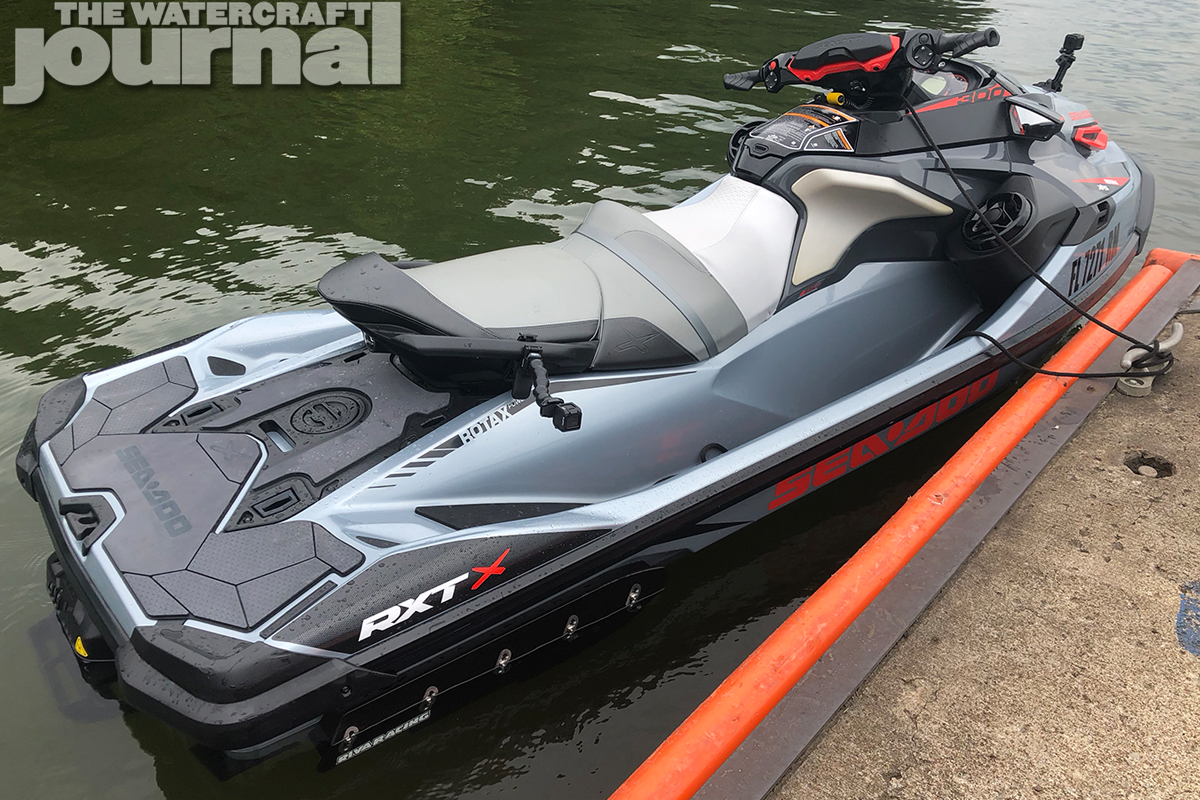
To say we were excited to get our hands on one of the very first 2018 Sea-Doo RXT-X 300‘s would be an understatement. Sea-Doo had only just released the entirely-redesigned runabout a few months earlier, and the buzz swirling around the new RXT-X was palpable.
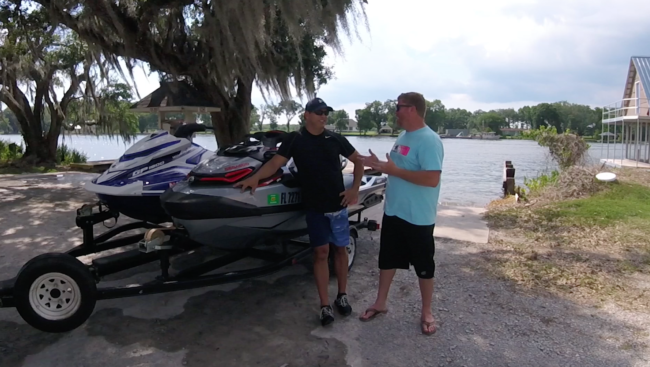
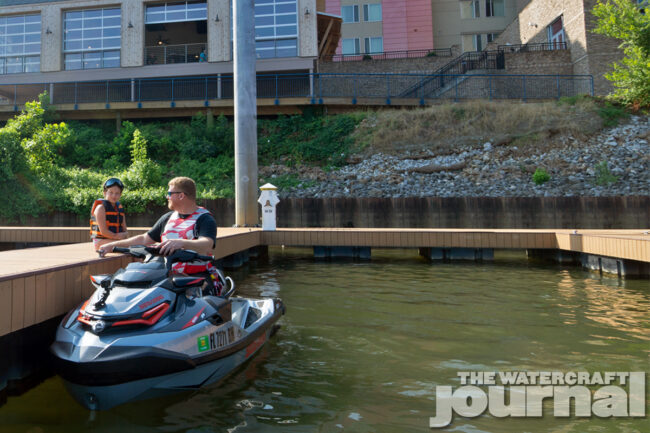
We received our 300-horsepower long term loaner a little over a year ago and did our very best to put the machine through the paces – from traveling to scenic locations across the Southeastern United States, to pinning it in a head-to-head with not one, but two of Yamaha’s most powerful WaveRunners.
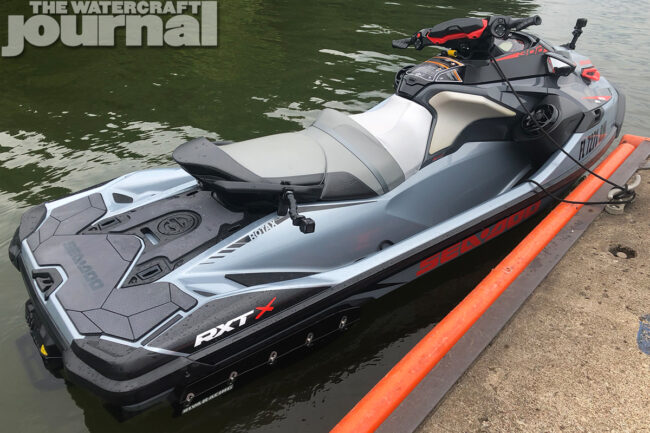
Our loaned unit came to us in Ice Metal & Lava Red (although the optional Neon Yellow & Lava Grey was equally enticing). It also included the much-desired BRP Premium Audio sound system package, which we had first become acquainted with during the media introductory event back in October the year previously.
Easily one of the best additions to the new ST3-platform, the BRP Premium Audio sound system – a $600 option from the factory, $900 through dealers’ parts departments – syncs with your Bluetooth-capable smartphone, allowing you to listen to your own private song selection in crisp 100-watt clarity. More often than not, we found ourselves toggling through our music files thinking, “Oh, that’ll be great to listen to next time we go out!”
Although a standard feature on the GTX Limited packages, we also equipped our RXT-X 300 with the optional USB port socket. This allowed us to keep our smartphone plugged in and fully-charged. Smartly integrated into the waterproof-and-padded cell phone case inside of the glove box, the USB port can also be used to charge a GPS, GoPro video camera or other devices while out on the water.
Sea-Doo’s designers paid close attention to creating the most comfortable cockpit possible; the footwells are deep and surprisingly wide, allowing the rider plenty of room to move around the watercraft. The Ergolock seat is smartly sculpted to fit most adult riders, and features angled footwedges to help position the driver’s knees into the padded coves for better handling.
The handlebars are redesigned with Sea-Doo “palm rest” hand grips and large easy-to-reach toggle pads, allowing you to adjust the VTS trim settings, set Cruise Control (a standard feature on the RXT-X now), scroll through dashboard functions, and shuffle through the three Intelligent Throttle Control presets: Touring, Sport and ECO mode.
New (and exclusive) to the 2018 RXT-X 300 is “Launch Control” – a feature that automatically positions the trim nozzle downward to keep the Sea-Doo’s nose planted upon initial acceleration. As the ski speeds up, the trim nozzle will then automatically adjust until it reaches the pre-set “final” position, whether you set it for neutral or otherwise.
After a series of testing together with Greenhulk.net’s own Jerry Gaddis, we found that Launch Control truly did deliver superior acceleration numbers. Even when we manually toggled the trim control, we couldn’t beat the acceleration times made by the Sea-Doo’s onboard system. This keeps the ski from leaping out of the water upon initial launch, and methodically trims to the final preset as the Sea-Doo accelerates to top speed.
Of course, the RXT-X’s centrifugally supercharged 1,630cc 4-stroke producing a solid 300-horsepower is the big draw here. Not only could the new 2018 RXT-X out accelerate the competition, but its previous model as well. For 2018, Sea-Doo engineers shaved off an incredible 86-pounds, putting the new performance 3-seater at 828-pounds compared to the previous 914-pounds.
Although an inch-and-a-half wider (from 48.2-inches to 49.4-inches), the new Sea-Doo platform was also a hair over 3-inches shorter (from 139.2-inches to 135.9-inches). A deeper-set seating position for the driver and passengers also gives the RXT-X a lower center of gravity. This helps the runabout remain incredibly stable at low speeds or at rest.
In addition to an official Sea-Doo ST3 watercraft cover, a final feature new to the 2018 platform that we came to love was Sea-Doo’s LinQ accessory system. A pair of pop-up cleats allowed the attachment of either a 4-gallon fuel caddy; a semi-rigid, 5.5-gallon storage bag; or a 4.2-gallon ice chest. Add to that the massive and easy-to-access 27-gallon center storage bin, and Sea-Doo’s top-of-the-line performance runabout just became a great long distance adventure ride machine – a feature we took pleasure in using quite often.
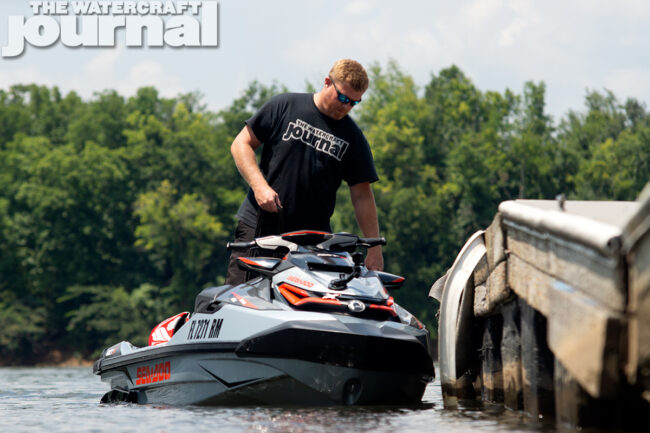
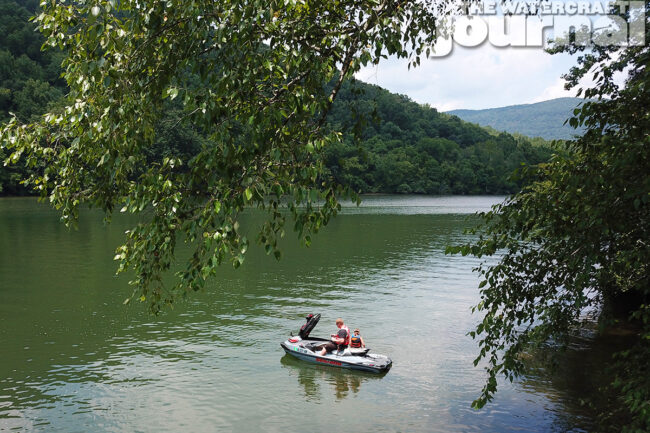
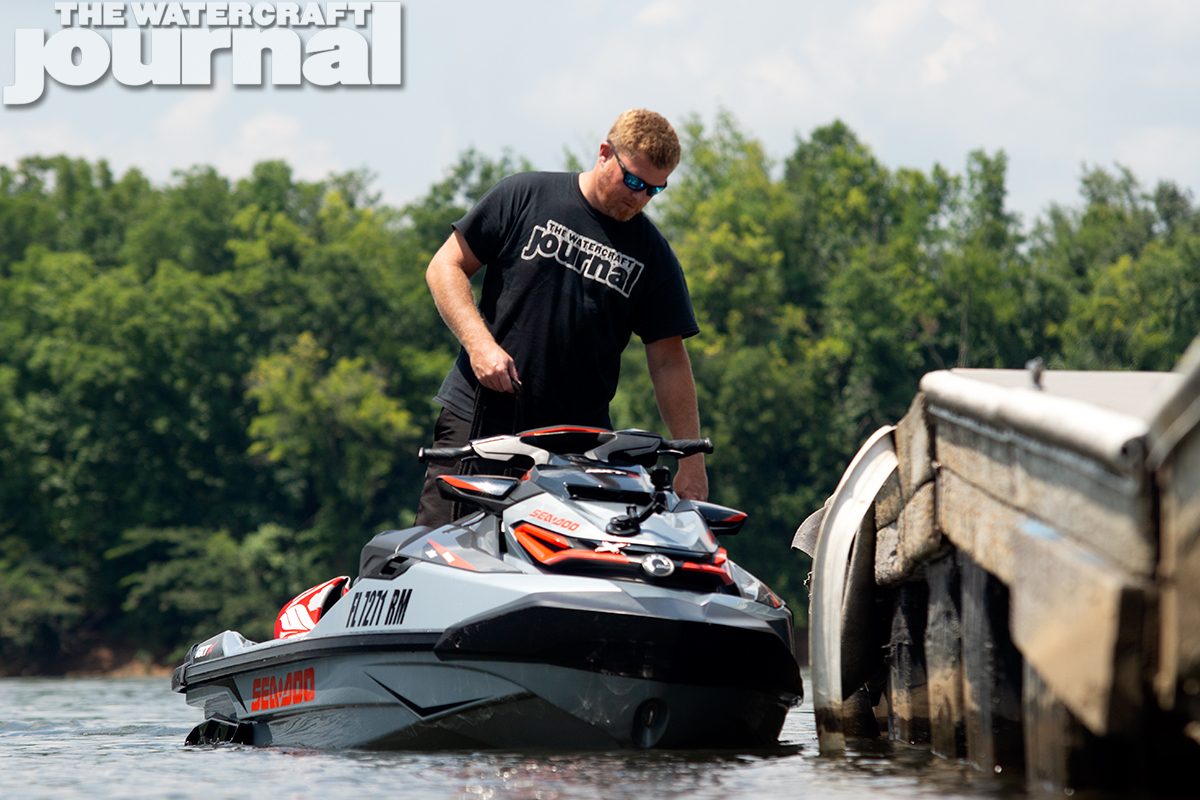
We racked up over 50 hours of ride time over the year, which was a record for us considering the many different watercraft we have to test throughout the calendar year. From the swamps of Louisiana to the canyons of Chattanooga, Tennessee; we came to love cruising our RXT-X 300.
With the throttle pinned, the RXT-X could drain a 15.8-gallon tank nearly as fast as a fuel pump could fill it; but when fuel mileage was a concern, we could toggle between operating in ECO Mode or simply ease off of the throttle as we glanced at the in-dash boost gauge. We clocked an average fuel consumption of 4.5 miles per gallon, but then again, we weren’t too concerned with eking out the best mpg anyways.
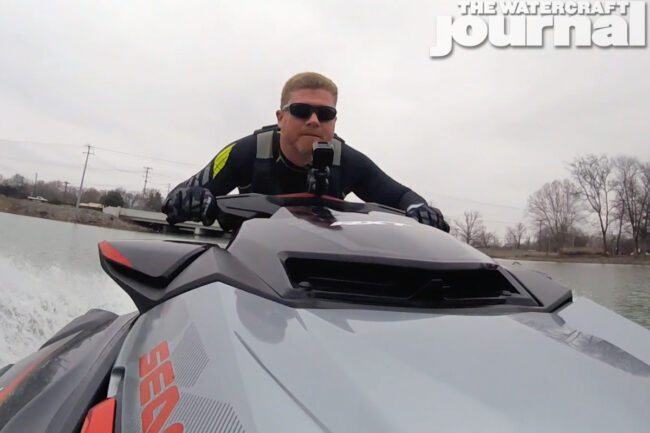
Although perfectly comfortable when trimmed at neutral in smooth water conditions, we did find that the RXT-X fared better trimmed far up when tracking through larger chop. The Sea-Doo’s knife-like keel is super aggressive – just like its RXP-X 300 sibling – and wants to do the steering if the rider isn’t paying close attention. So we learned quickly to grab this high-powered horse by the reigns and show it who’s boss.
https://www.youtube.com/watch?v=6OuT-Q9RB8Q&t=62s
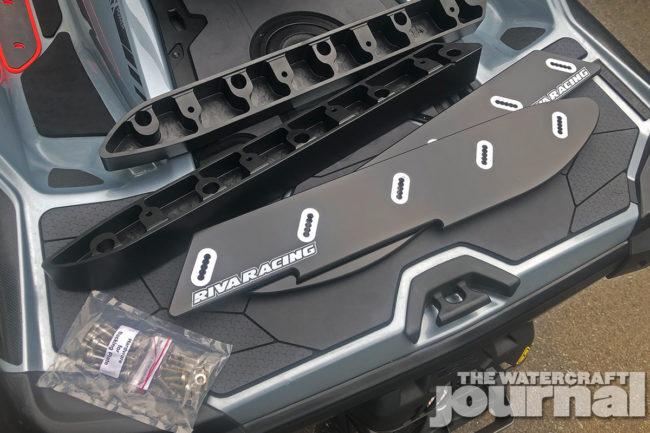
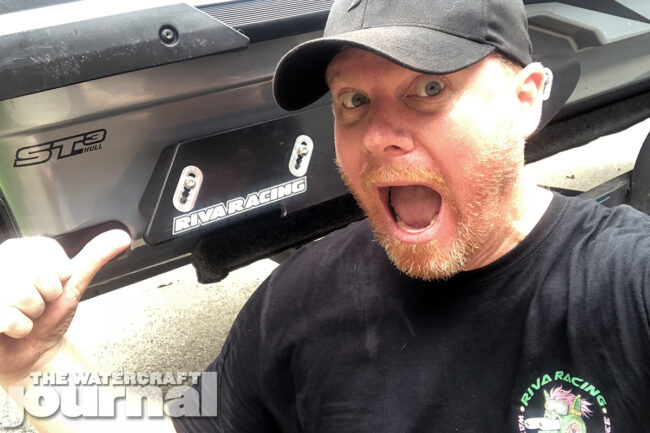
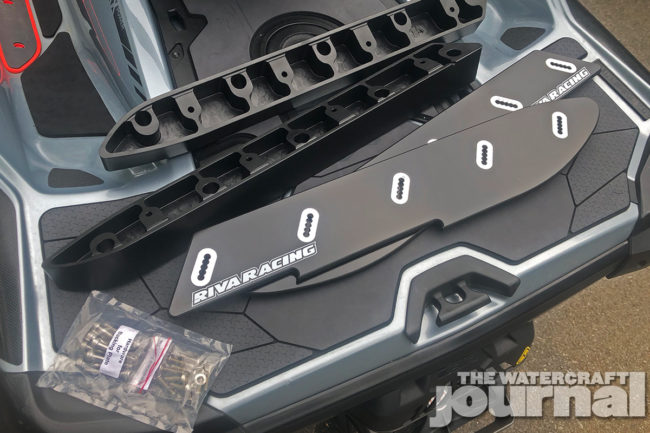
Impressively, we found that the RIVA Racing Pro-Series sponsons were the perfect addition to our RXT-X 300. The deep, angled (and 5-way adjustable) blades provided significant added traction that kept the Sea-Doo’s tail planted even in the sharpest turn. Since we liked the RXT-X’s nose trimmed lower, positioning the sponsons’ blades to the 4th lowest position gave us the grip we needed. The change was so significant that it made us fall in love with the RXT-X all over again.
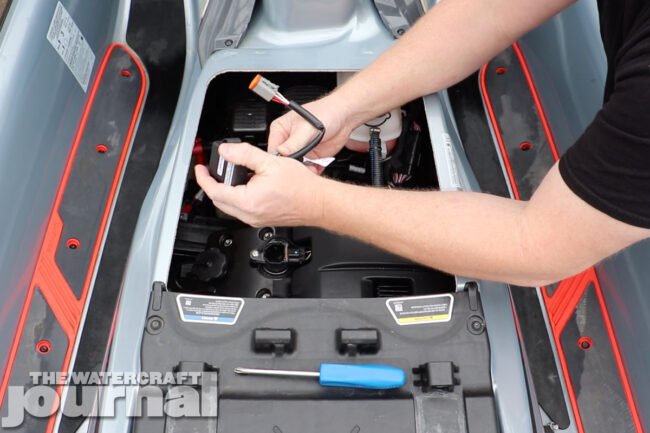
Finally, wanting to eke out a few more miles per hour without irreversible harm, we installed a RIVA Racing Speed Override Control Unit. Commonly known as a “SCOM,” the control box doesn’t reprogram the engine’s ECU tune whatsoever, but rather, simply deactivates the GPS-controlled speed limiter. With it, we were able to reach an impressive 75 miles per hour at 8,040rpm – and with a 240-pound rider and the fuel tank nearly three-quarters full!
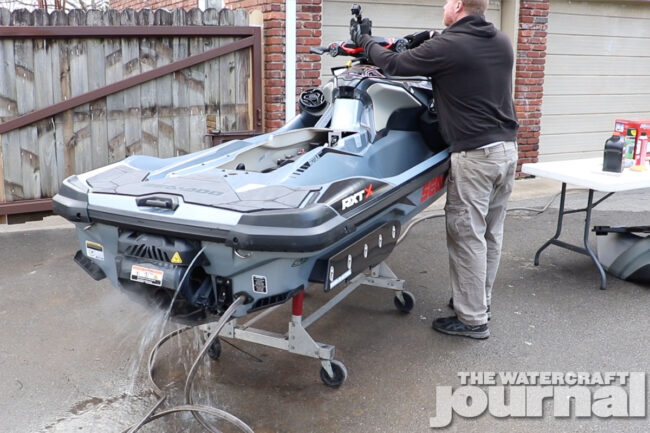
Over the course of the year, the RXT-X began to show certain signs of wear and tear. We struggled to find the right cleaner/polish to keep the gloss black plastics looking new. Hard-to-remove waterspots became a major challenge in particular. The silver-hued Ergolock knee pads also started to yellow – a reaction to sunscreen and sweat, we believe. Spilled gas draining from around the filler cap had also stained the silver acrylic surface’s finish. (Sea-Doo issued a maintenance guide which will help keep these issues from happening if properly followed.)
As equipped, our 2018 model would MSRP just over at $16,700. Without the BRP Premium sound system and USB port, you can expect around $1,000 off from that total – but as we’ve said before, the BRP Premium Sound is waaay worth it. Additionally, if you’re a hot dogger, or even a moderately aggressive rider dead set on a RXT-X, the RIVA Pro-Series Sponsons are almost mandatory equipment. In all, the 2018 Sea-Doo RXT-X 300 was an absolute riot; with arm-stretching acceleration; a super comfortable cockpit; packed to the roof with one-of-a-kind special features; and jammed packed with accessories; this new Sea-Doo was just a joy to ride.
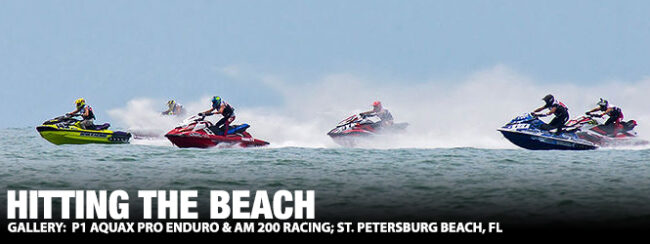
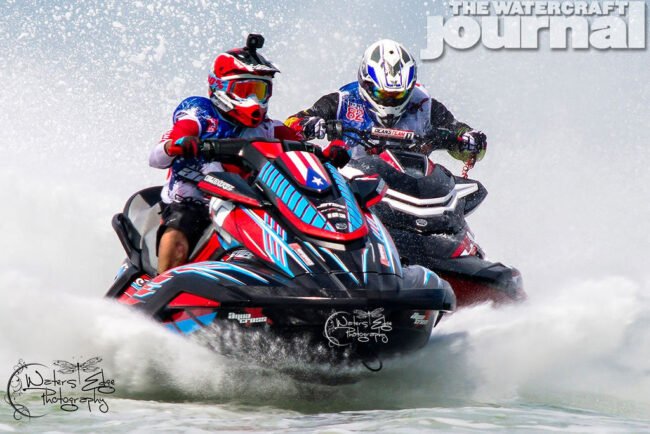
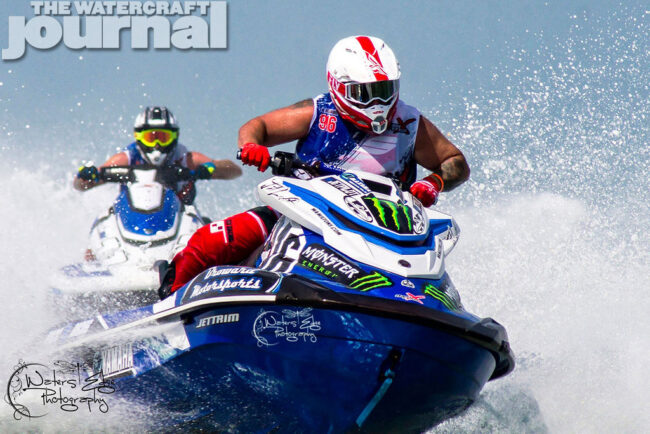
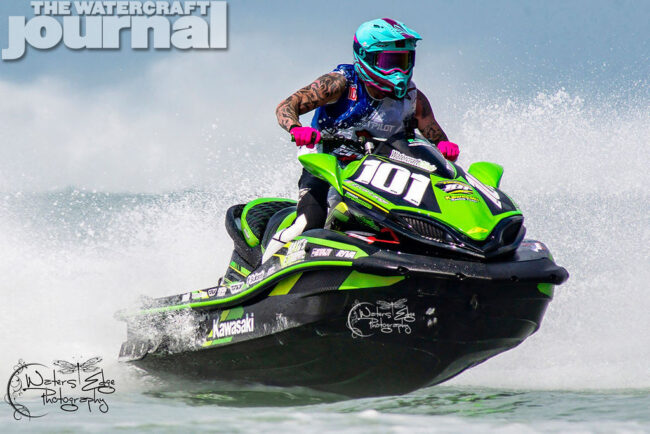
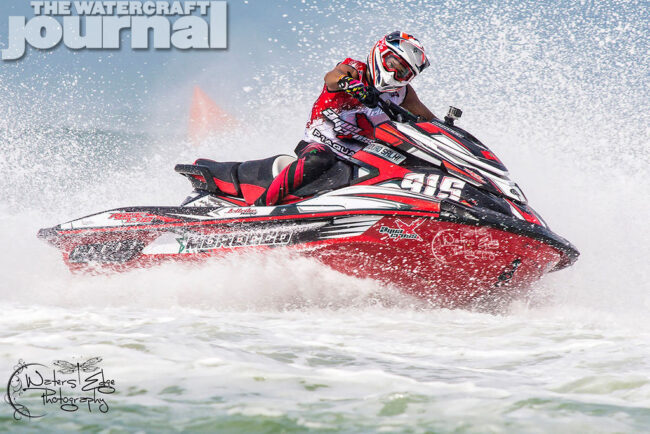
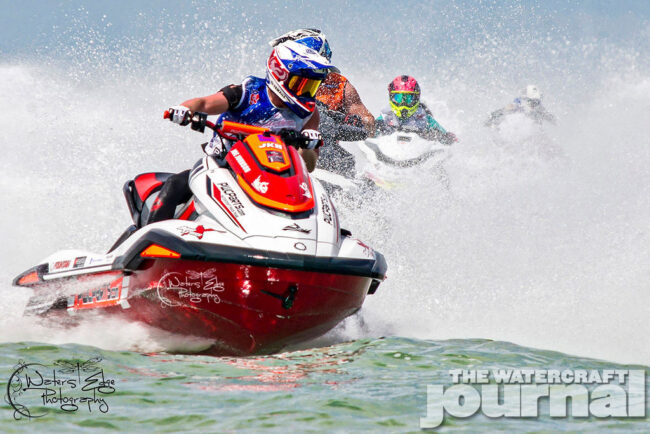
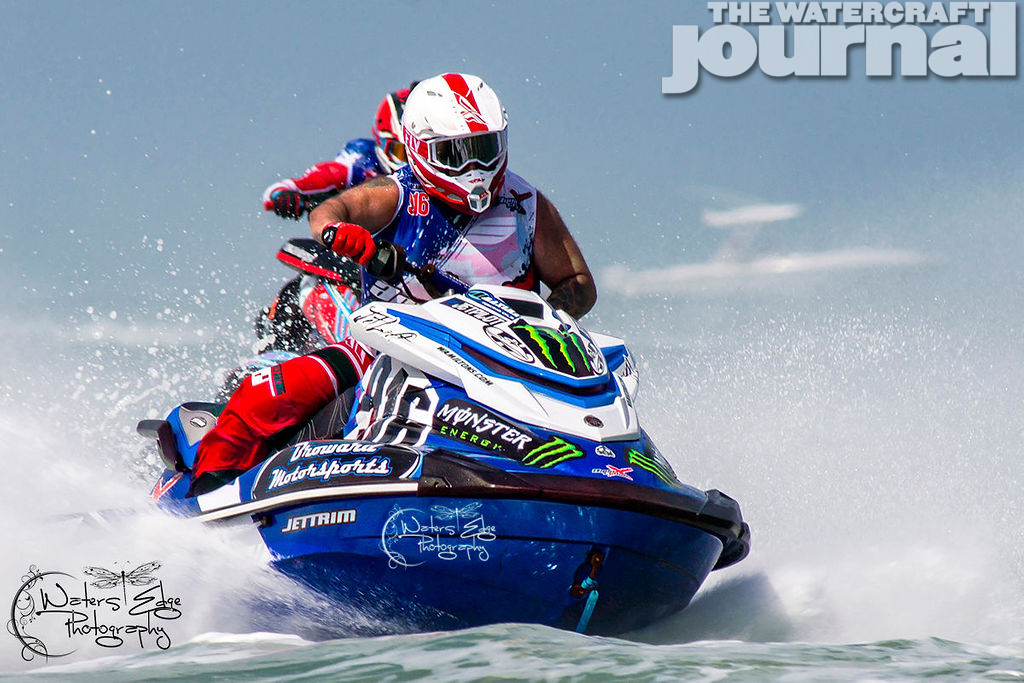
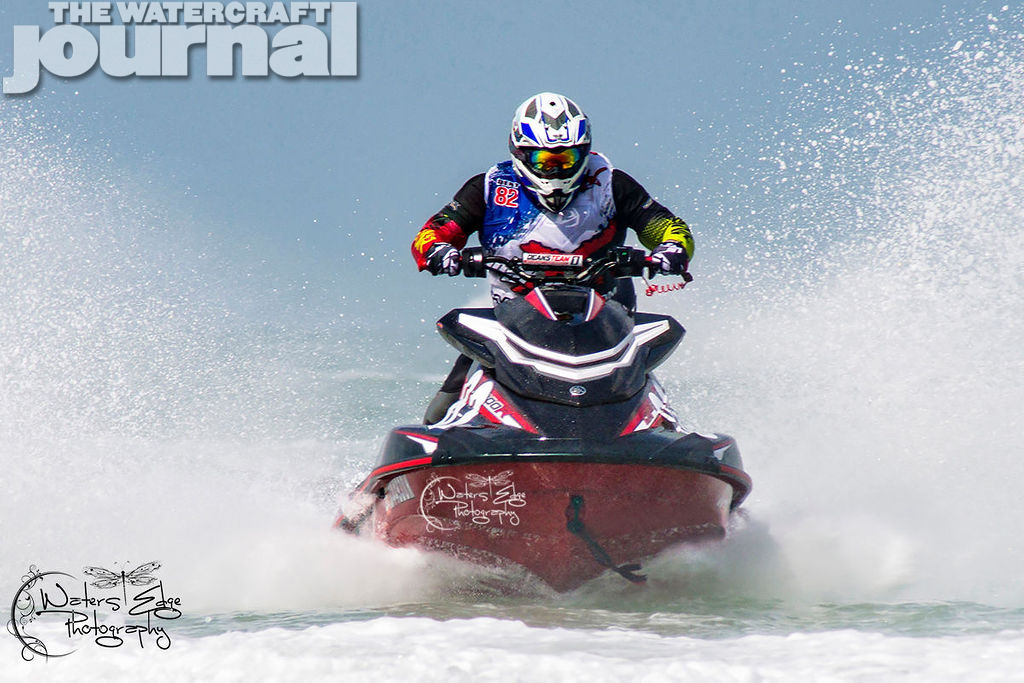
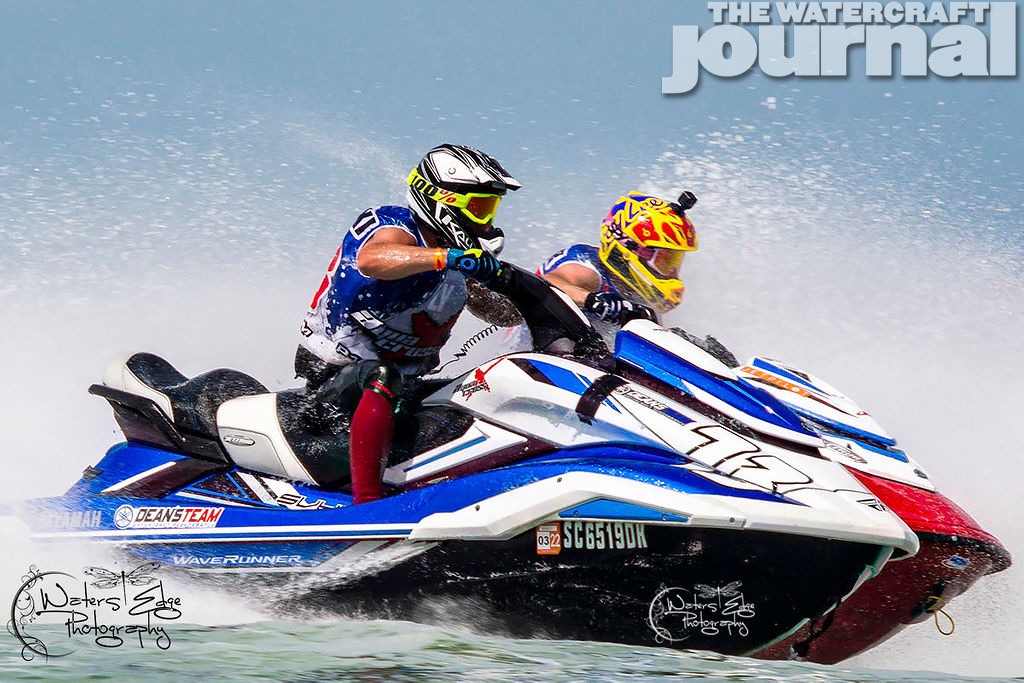
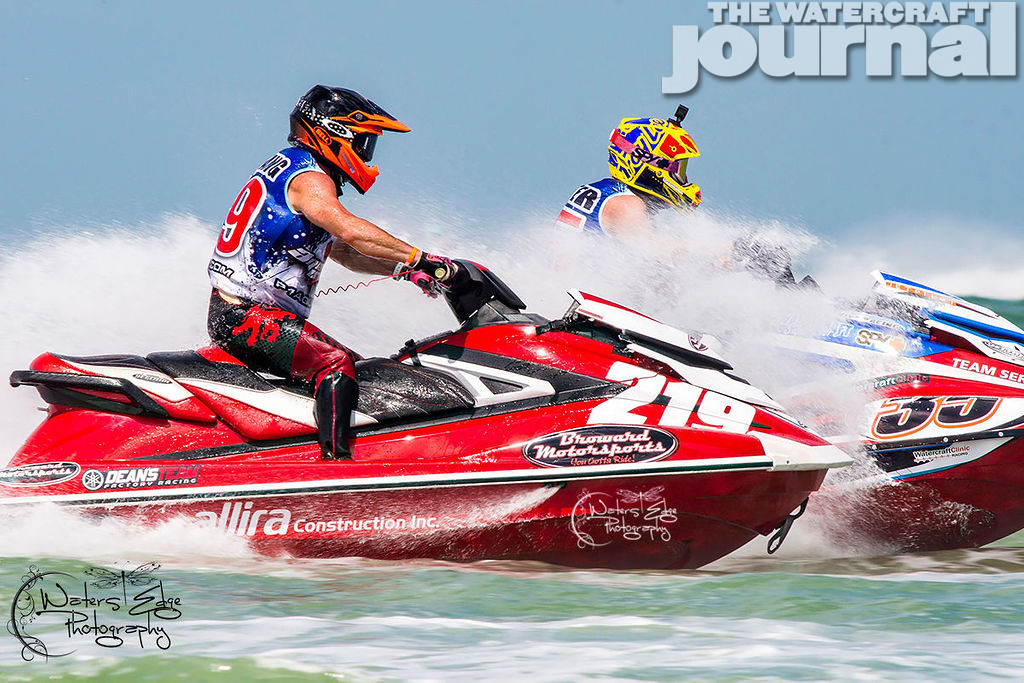
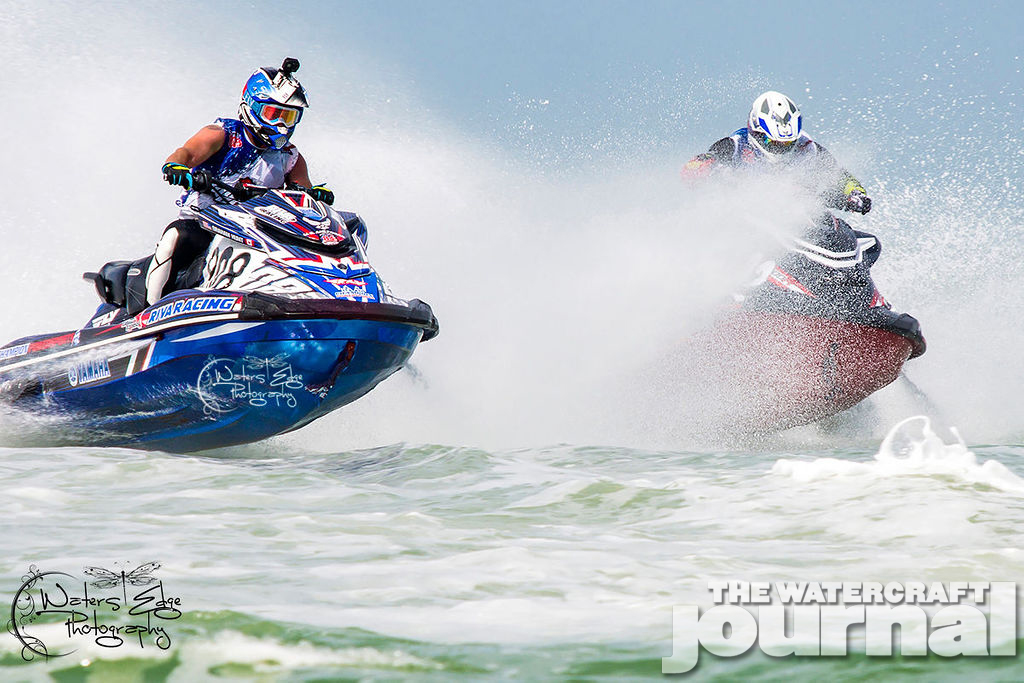
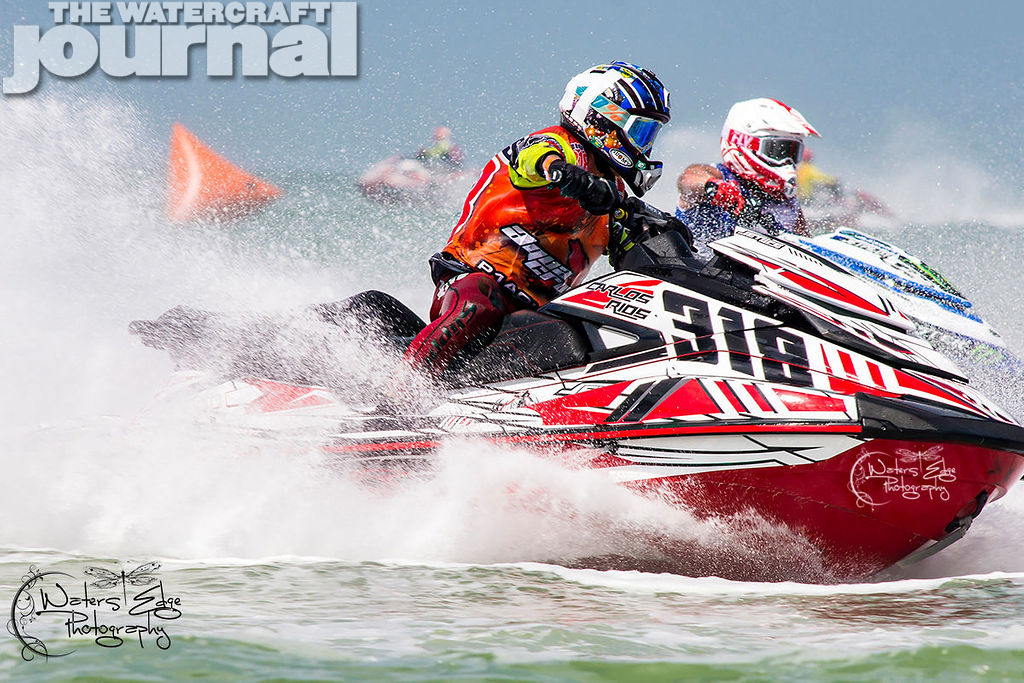
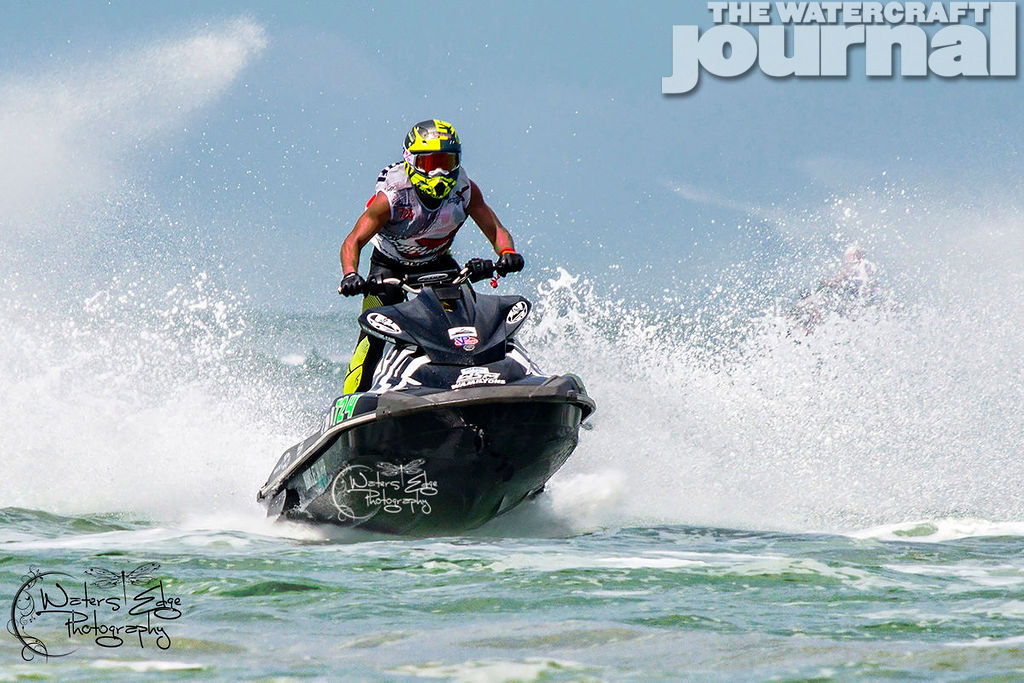
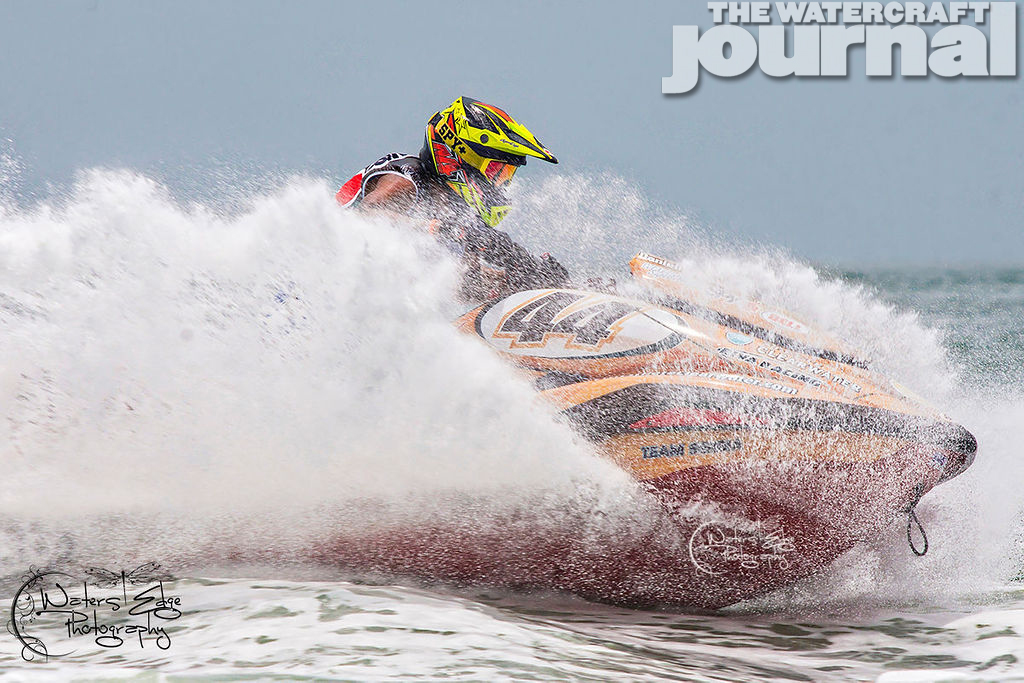
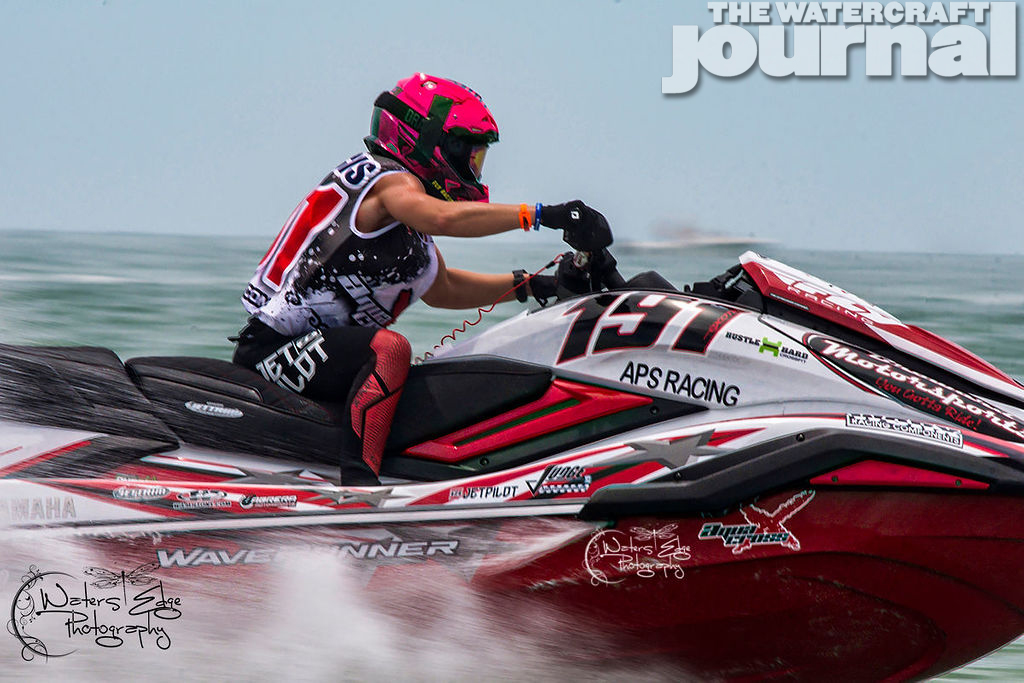
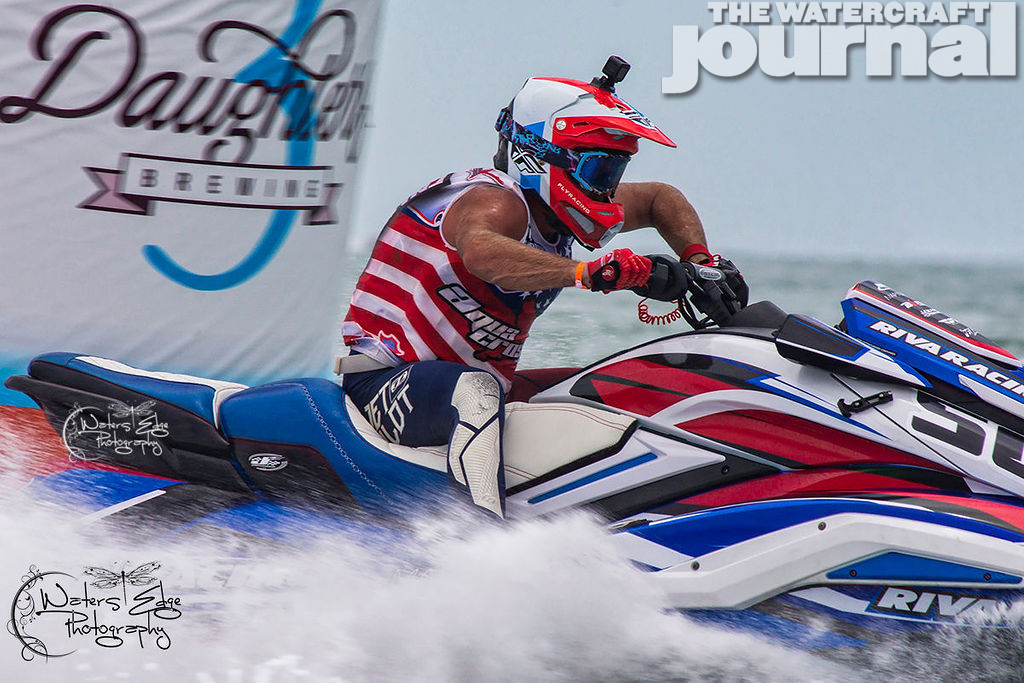
In a continuation of their three year unbeaten streak at P1 Aqua X Round 2, Yamaha Pro Enduro Waverunner racers cleaned out the competition again this year.
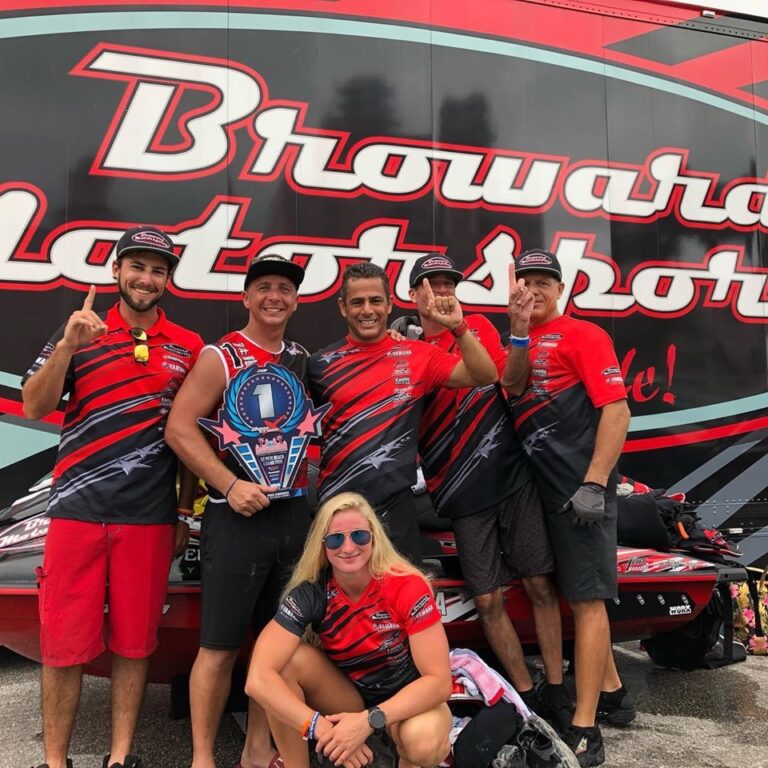
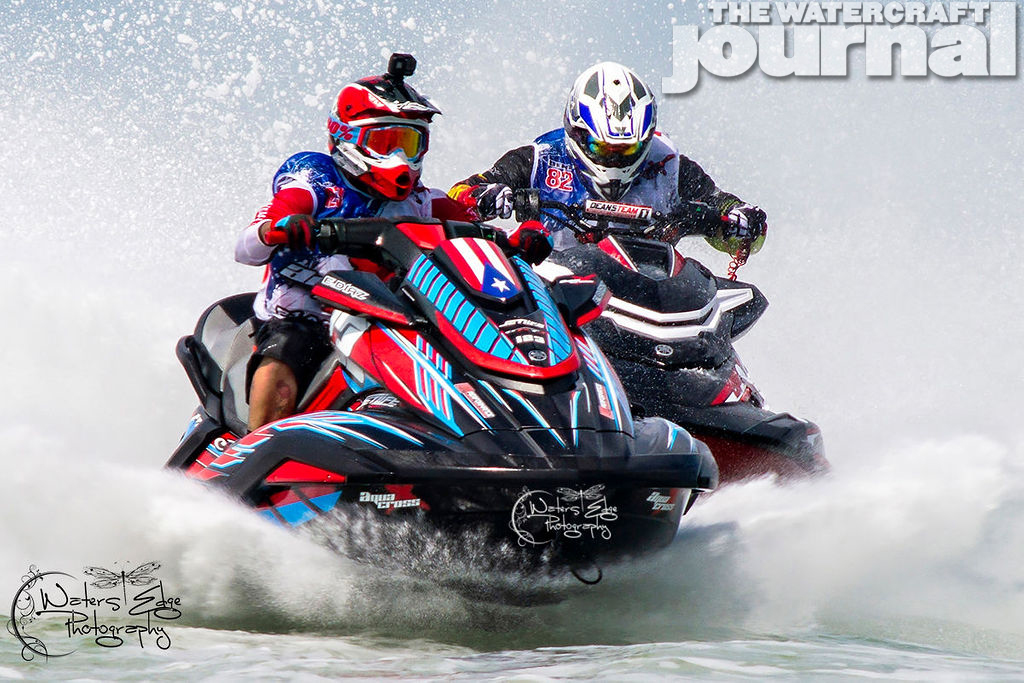
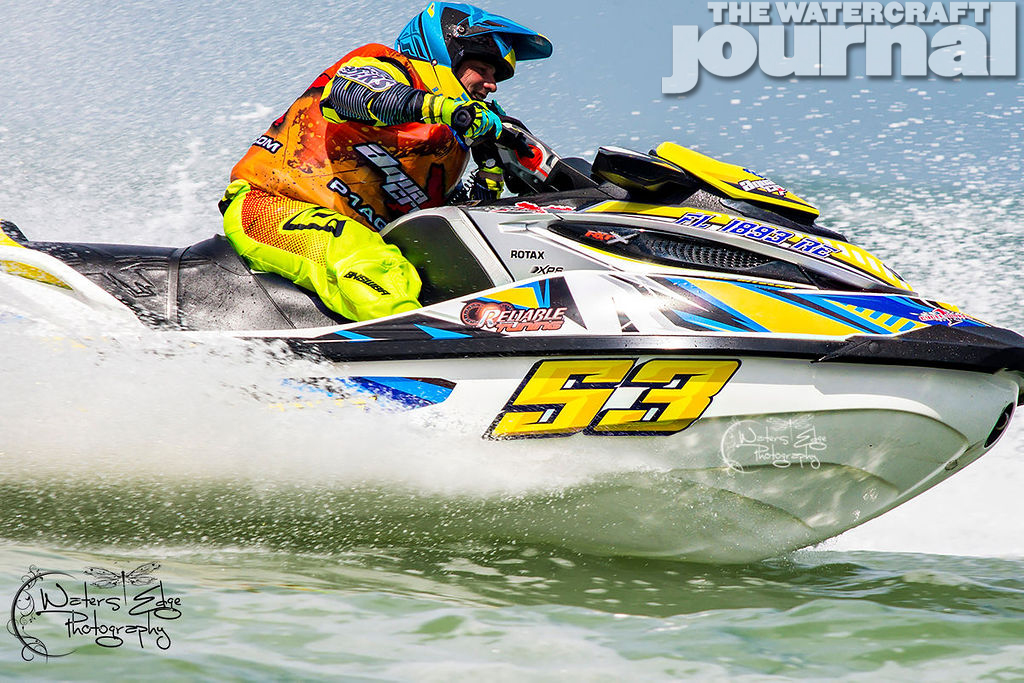
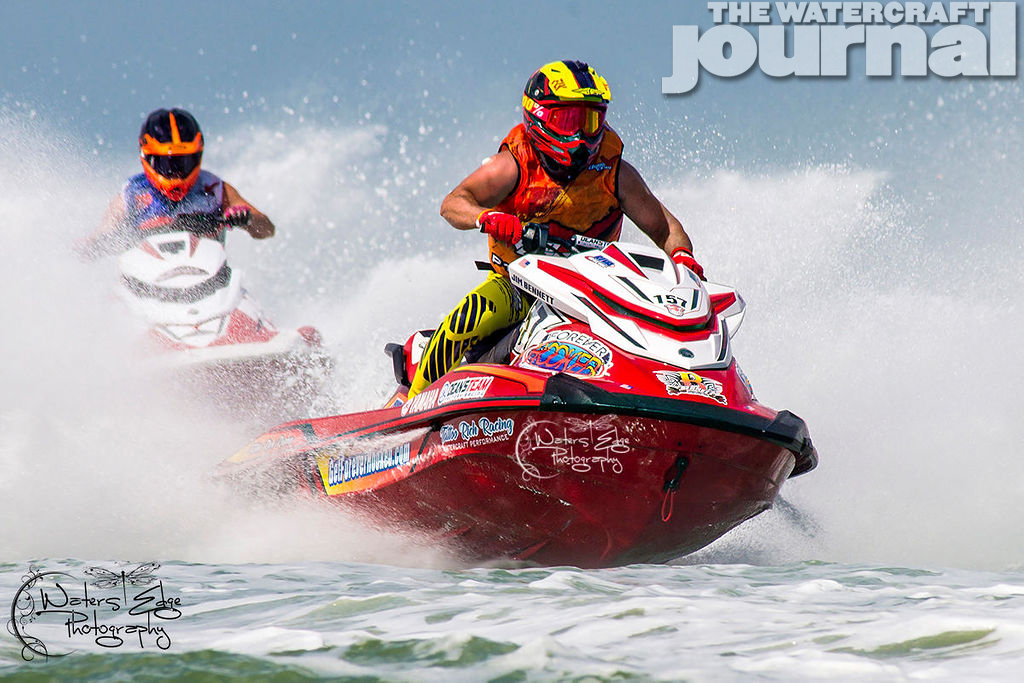
Yamaha racers not only took all podium spots, but they dominated the top nine positions at this past Round 2 in St. Pete Beach, Florida. The calm-water conditions were in everybody’s favor and likely made for an enjoyable event all around.
For more details, you can see the press release below or as always be sure to check out Yamaha News.
Yamaha Pro Enduro WaveRunner Racers Continue Three Year Unbeaten Streak at P1 AquaX Round 2
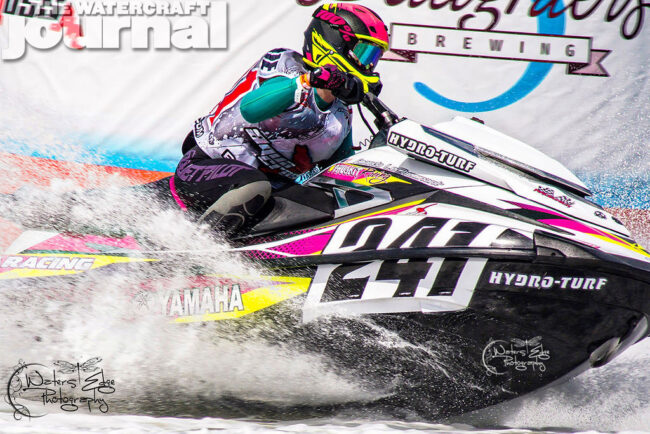
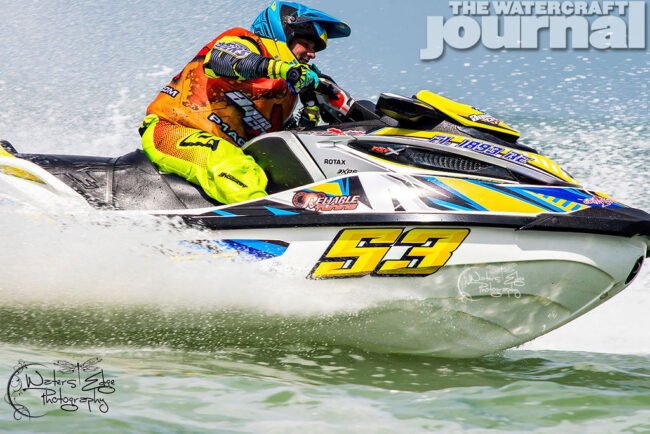
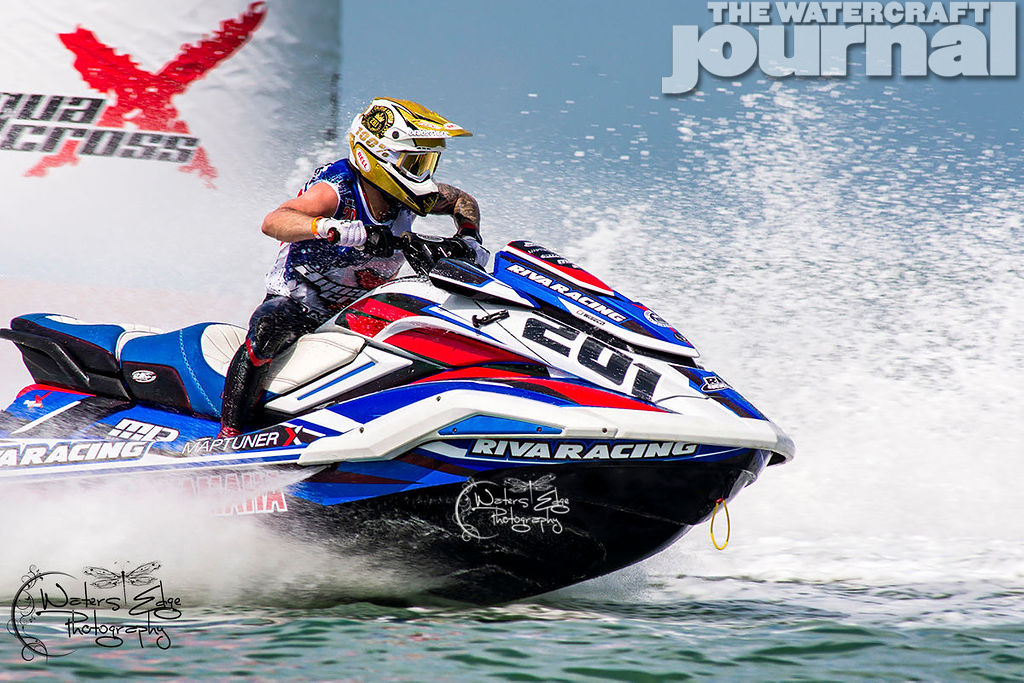
Yamaha WaveRunner racers took advantage of the near perfect conditions to sweep the podium, and the top nine positions at Round 2 of P1 AquaX Pro Enduro watercraft racing in St. Pete Beach, Fla.
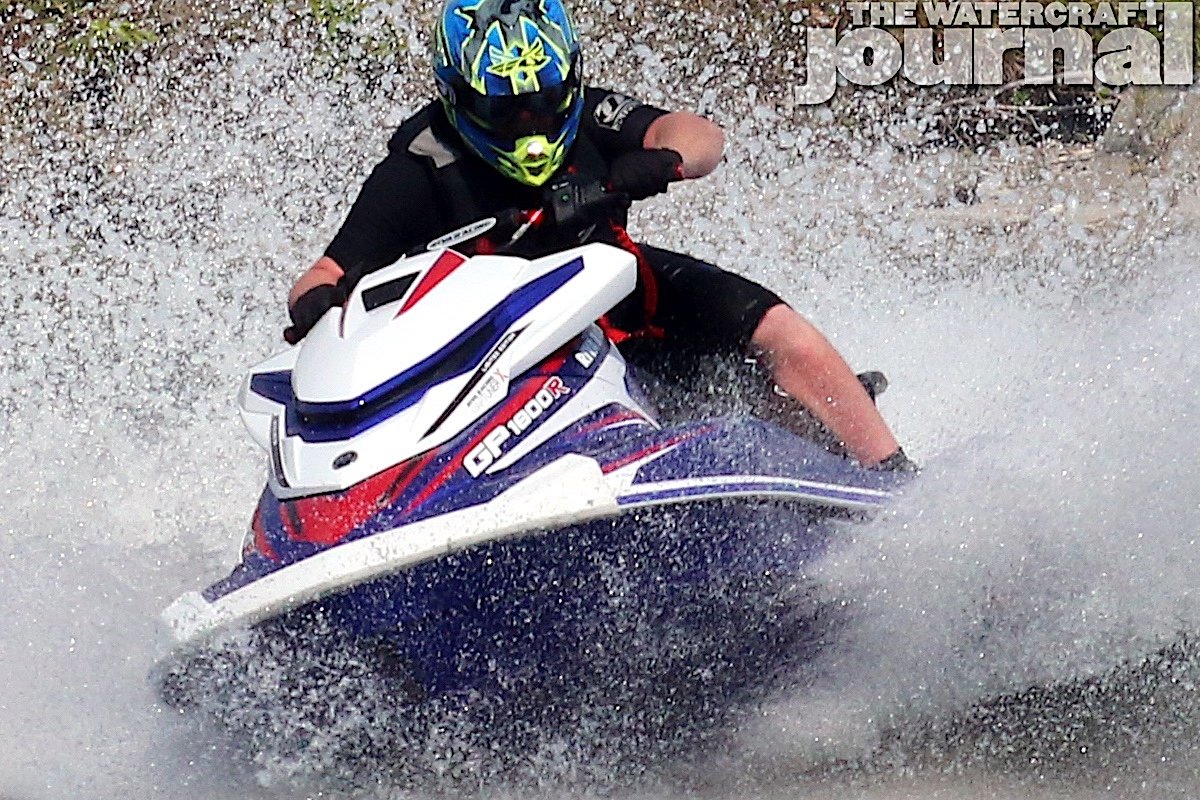
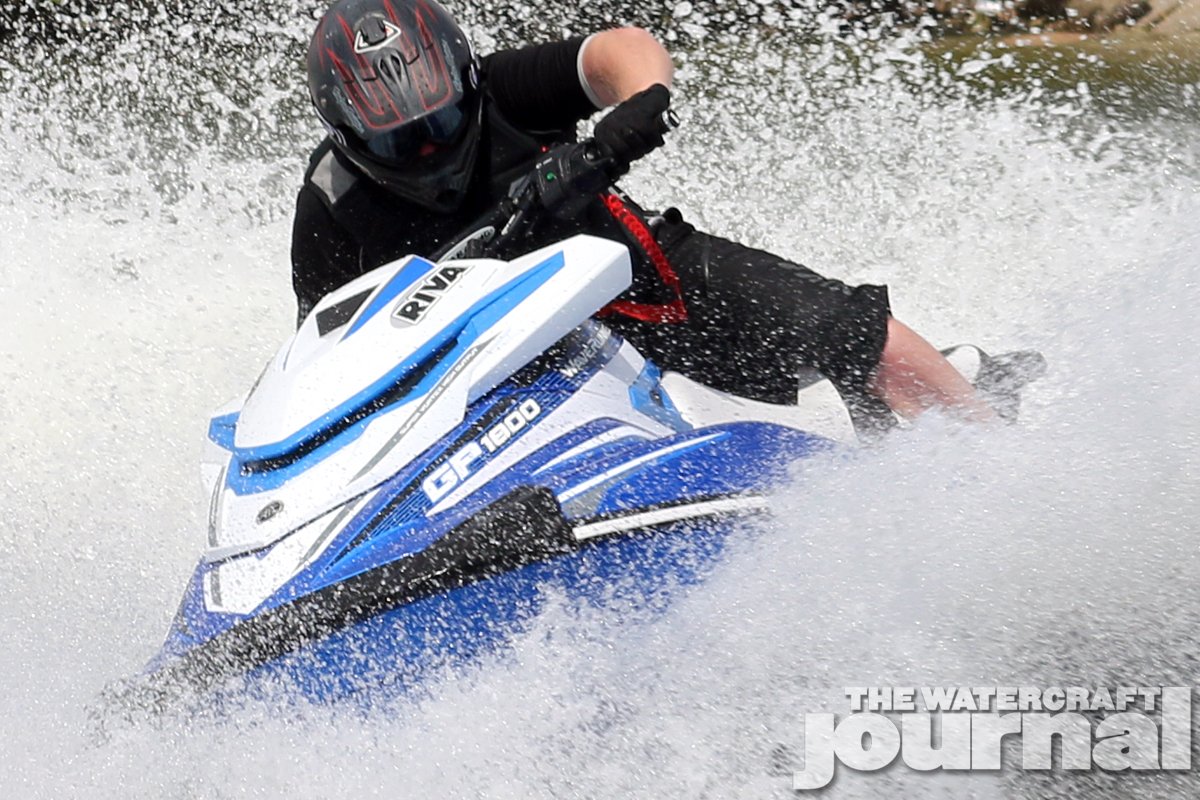
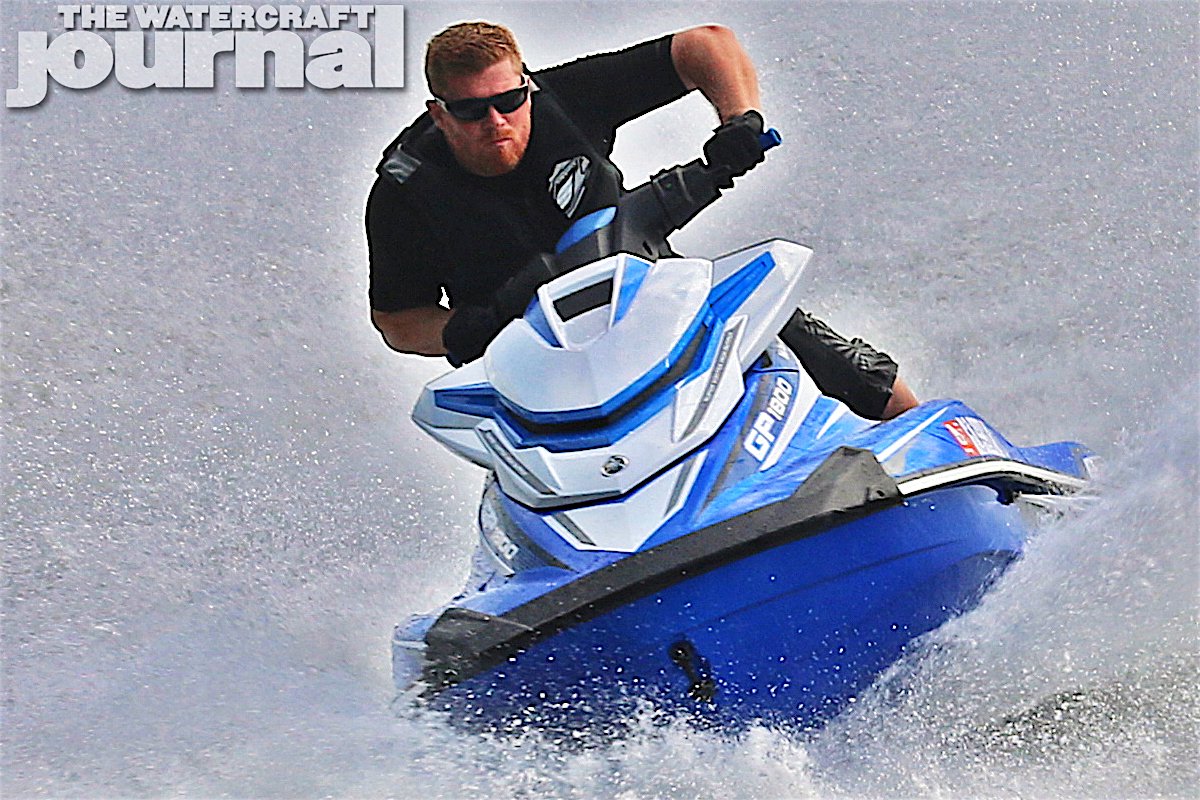
The conditions were so good in fact that many of the top Yamaha racers switched from their Yamaha FX SVHO open-ocean watercraft to the closed-course Yamaha GP1800R.
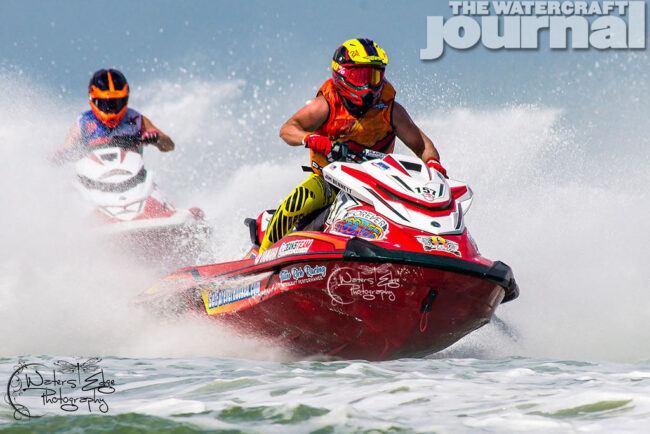
In the first of three heats, Broward Motorsports Yamaha rider Eric Francis grabbed the holeshot and never looked back for the win. Riva Racing’s Brian Baldwin finished second, and Tyler Hill edged out Broward Motorsports’ Chris MacClugage for third place.
In Heat 2, Brian Baldwin got the holeshot and was able to fight off Francis and Yamaha factory rider Dennis Mack who finished second and third respectively.
In the third and final heat, Broward Motorsports Yamaha rider Christian Daly dominated the field on his Yamaha GP1800R with Francis and Baldwin finishing second and third on their Yamaha FX SVHO WaveRunners.
Overall for the weekend, it was Francis, Baldwin, and Daly on the podium.
Round 3 of Pro Enduro racing returns Sept. 7-8, 2019 in Pensacola Beach, Fla.
Flat water, high speeds and mechanical gremlins on the loose; St. Petersburg, Florida may not have had the washing machine surf and head-high rollers that marked AquaX’s visit to Daytona for the first race of 2019, but the third stop on AquaX’s 2019 tour was no walk in the park, either.
“Going over that last bridge into the island of beautiful St. Pete Beach, I got a glimpse of the action waiting to commence as I drove into the dry pits, but I never thought this flat water condition would wear me out as much as it did,” said Pro class racer Juan Lezcano of the Miami Jet Ski Shop team. “There was not a moment to let off the gas; it must have been the fastest race I’ve ever competed in.”
Add sweltering, muggy heat to AquaX’s 30-minute motos, and you had racers that were fighting for every advantage and every bit of stamina as they battled for the checkered flag. The third stop on this year’s tour was not only a fight for the top podium step for St. Pete, but a key race in the world standing points chase, and although there were a few missing race numbers in the Pro lineup compared to Daytona, there was no shortage of world-ranked racers hitting the course in front of the iconic pink Don CeSar.
Mid-season world rankings were announced at a special ceremony and dinner Saturday night, and Brian Baldwin (2, 1, 6) pegged the top spot, claiming title as the top Pro watercross racer in the world. The battle this year is a tight one, however, and The Eagle, Eric Francis (1, 6, 2), claimed back that top spot by the end of the weekend with his overall win at St. Petersburg, according to the P1-AquaX website. “St. Pete had fast speeds and great competition, with lots of attrition,” Baldwin told The Watercraft Journal. “It was an awesome site, and I look forward to (going back) next year.”
Of note among the St. Pete finishes were a third place overall finish by rising star Christian Daly (17, 2, 1), and an impressive fourth place overall finish for Sophie Francis (5, 5, 7). “It was a tough weekend! St. Pete was anyone’s weekend to win,” Francis said. “The biggest challenge was keeping a fast pace and staying consistent in each race.”
The Visit St. Pete/Clearwater-sponsored Watercraft Clinic team was on site for their home race. Pro rider Tyler Hill was back after his Amateur 300 win last year as a Pro Rookie this year. Moto 1 saw Hill on his RIVA Racing/Factory Yamaha FX finishing third, a season best for Hill. For Moto 2, Hill was in second and suffered a mechanical.
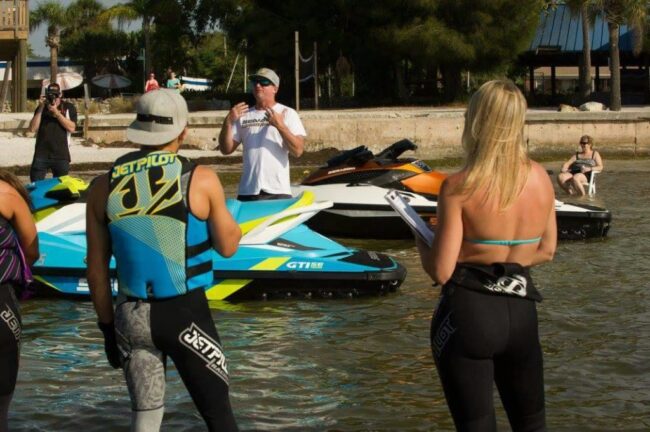
In Moto 3, Hill ended up again in third place giving him a season’s best fifth place in a very competitive Pro Enduro class. Hill is part of the The Watercraft Clinic Racing Team, with team riders Daniell Wagner, Jason Lester, and Errol Lange. The team is proudly sponsored by Visit St. Pete/Clearwater, RIVA Racing, Jet Pilot USA, and Jettrim.
On the amateur side of the AquaX scorecard, Christopher Landis (1, 1, 2) fought his way up from the back of the pack in all three motos, and walked away with the weekend win in the Amateur 300 division, while Ben Mantel rolled up a 1, 2, 3 finish for the top overall spot in the AM 200 division.
“I am super pumped to get my RIVA Racing FX on top of the podium for the first time in my p1 Aqua x career. I am so glad my dad was there on Father’s Day and I could bring home the win for him,” Landis said. “I’m only a few points out of 1st place for the season and I’m excited to get back after it in the last round in Pensacola.”
St. Petersburg Beach Results Pro Enduro: 1. Eric Francis, 2. Brian Baldwin, 3. Christian Daly; AM 200: 1. Christopher Landis, 2. Greg Radulski, 3. Dean Harrison
Riding out in the ocean can be a thrilling experience. Reading the waves and choosing to either boost off of them or wait for the next set of waves to come in provides endless fun. The ocean however can be unpredictable and you could find yourself being quickly swept out to sea. While life guards have been able to save countless lives, the unsung heroes in the ocean are the operators of the BRP Sea-Doo Power Pro.
Sea-Doo is one of the leading watercraft manufactures for the general public but their parent company BRP provides commercial and government equipment to aid and assist the general public. One of these pieces of equipment is a Sea-Doo watercraft, which is fully loaded with all of the latest technology to help the operators in any situation rescue an individual.
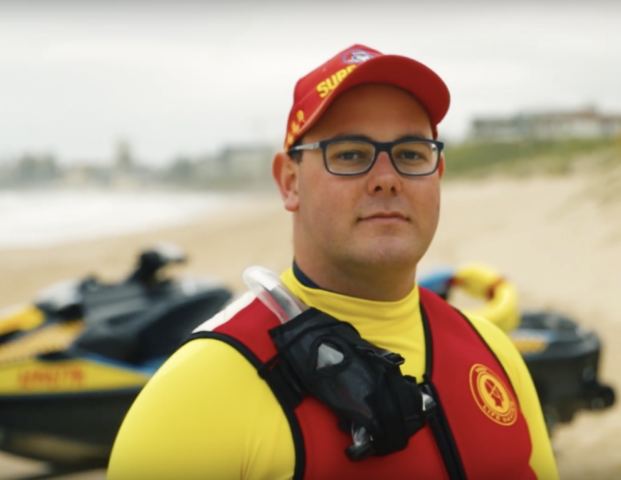
Jake is an Australian RWC operator who uses a Sea-Doo Rescue watercraft to save lives. He has a passion for the water and helping his community, making him the perfect operator of a Sea-Doo Surf Vessel. He has been a surf life save the last fourteen years. Being only 27 years old, he will continue to help Australia’s waters and the people who use it for many years to come. Riding in difficult situations can be challenging but with added stability, a front bumper for shock resistance, upgraded cooling among many more features, Jake has the knowledge and tools for the job. Check out this short video of Jake.
Surf Life Saving Australia and BRP are proud to be working together for 10 years now. The technology in the Sea-Doo watercraft has become better and better each year making rescues in the ocean more efficient.
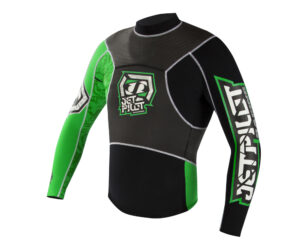
Watercraft Superstore has another killer apparel clearance happening right now. The shop is offering 2mm Jet Pilot Apex Race Jackets for as low as $45.95. These pullover jackets are made of flex-lite neoprene and they’ll cut the windchill and UV rays while you speed along on your PWC. If you prefer a screen-printed logo, drop an extra $5 and pick up that style of Jet Pilot’s Apex Race Jacket. The 1mm flashy slick looking Jet Pilot F38 Flight Jacket is available for $60. It has a zippered side entry, for easy access. The long sleeved 2014 Jet Pilot Mr. Corpo is priced to sell at $21.00!
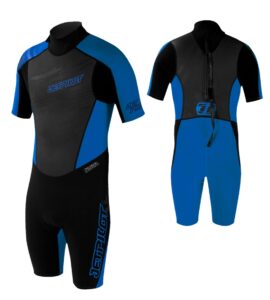
If you’re in the market for a shorty, the 2mm neoprene Jet Pilot Cause is marked down to $46. It’s a nice-looking spring suit available in a bright blue and black or all black. Two of Watercraft Superstore’s brand of wetsuits are on sale. A 3mm shorty is going for $49.95, perfect for a nice day with cooler water temps. This suit has super stretch neoprene in the legs and arms for unrestricted movement. If you favor a Farmer John, Watercraft Superstore has you covered with their $75 suit built for water temps below 75F. Start the day wearing the jacket and as things heat up, take it off like one does when layering.
Also available from the Watercraft Superstore brand, are their $9.95 Lycra rashguards for men and women. If you just want to block some sun, bite back against the wind, or make it easier to get in and out of a wetsuit, these are for you.
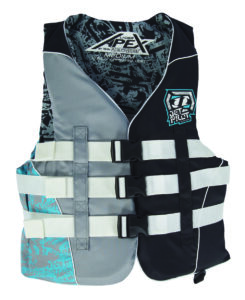
Maybe a new pair of boots is in order. The 3mm Jet Pilot Chamber Boot is a low $25.95. The neoprene boot has Fire Furr lining, taped and stitched seams, ankle straps, and a nylon cinch cable lace. Many different t-shirts are on offer. They are priced from $9.00-$17.50. Six styles of Jet Pilot PFDs are priced to walk out the door, ranging from $27.00 to $45.95.
Many other odds and ends are available. Check out the site to see what else is on offer. Also, many of the sale products have limited quantities, sizes, and colors to choose from. See the goods online at Watercraft Superstore.
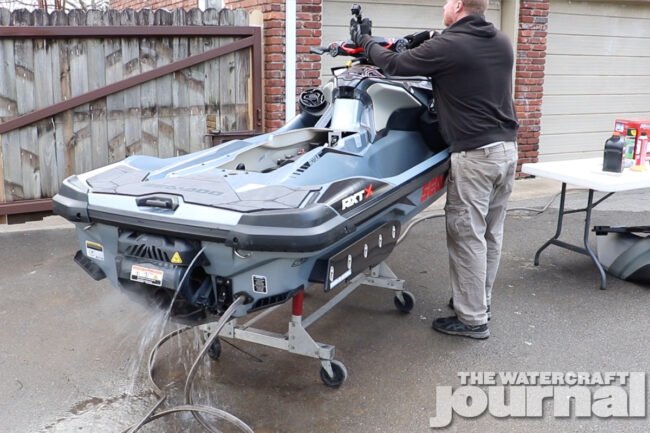
We all enjoy getting out on the water and riding. It can be sad when loading back up on to the trailer at the end of the day but there will always be another day to ride. As with any motorized ride, keeping up on maintenance is vital to the overall reliability and life of your watercraft. One of the great things about the newer four stroke WaveRunners is that the maintenance is simple and easy for owners to do. A quick oil change using new oil and a filter makes your engine happy and healthy. Yamaha does outline if a particular service needs to be done by a Yamaha technician.
Yamaha wants their customers to be satisfied with their purchase of a WaveRunner long after leaving the dealer floor, so they are now offering Maintenance Guides online. Whether you have a EX, VX, FX or a Performance Race Series WaveRunner, you now have all the available information to keep you on the water having fun. One of the great things Yamaha has done is they have printable documents that tell you when you need to complete a particular maintenance. By simply printing out your specific chart, you can put it up on your garage wall and never miss a beat.
Spring and Summer is the optimal riding time so make sure that when the sun is out you can be out enjoying it. If you need maintenance done by a professional, call and make an appointment with you nearest Yamaha Service Technician! They will get you taken care of.
Brandon Jordan completely strays from his usual fishing videos in this latest episode of Jiggin’ with Jordan. This particular video showcases the unveiling of his new Jet Ski wrap. He has always dreamed of having everything tactical or decked out in camouflage. He’s on his way to making his dreams come true with his brand-new Yamaha WaveRunner dressed in black and white camo.
The feature starts out pretty silly with Jordan coming out of the water saying he lost his voice because he has been screaming like a girl. He’s stoked on his new ski and he’s in Florida with a massive crew from FLSkiRiders who are there for a ride and the unveiling of his new ski.
The wrap reveal is extra special because Yamaha provided Jordan with a brand new 2019 SVHO FX Cruiser after his 2018 Yamaha GP 1800 “Blue Bae” was stolen in Miami six months later.
The good folks at Yamaha reached out to Jordan and provided the YouTube star with a new WaveRunner.
With help from Randy of FLSkiRiders, Jordan was able to get hooked up with PRYM1Camo to get his pattern worked out and the guys at Local Wraps did a killer job wrapping the boat. They even removed all of the factory decals and replaced them with replicas, only done in the camo pattern. The ski looks damned good!
Also, in this clip are a record-breaking number of skis in the water with FLSkiRiders. 508 jet skis are motoring along as the rider’s island hop. It’s a sight to behold and actually looks super fun.
Jordan’s nicely wrapped Yamaha SVHO FX Cruiser definitely stands out om its nice subtle black and white camo. It’s not too flashy, just enough to catch your eye.
Enjoy the madness of more than 500 skis on the water. There’s some cool footage shot from a plane. It gives good perspective of what all of the skis in the water look like from above and get stoked on the goodwill provided to Jordan by Yamaha.









 The front-entry vest utilizes two adjustable 1.5-inch straps integrated in the articulated chest panels; the quick-lock front buckles snap together over a heavy-duty zipper. The molded outer shell provides breaks in the PVC foam in a smartly-designed pattern for maximum flexibility while maintaining US Coast Guard approved Type 3 performance.