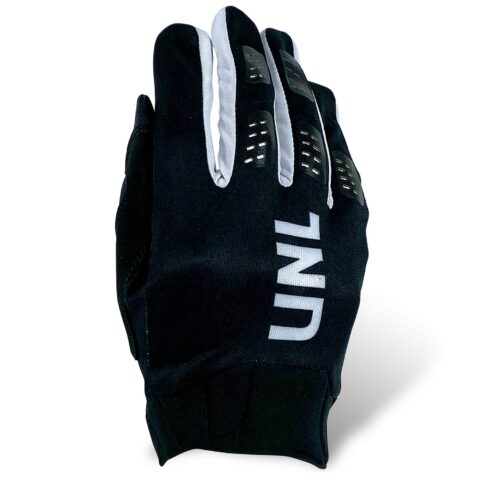
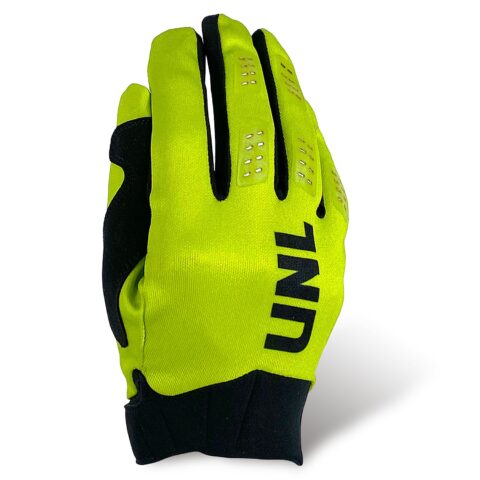
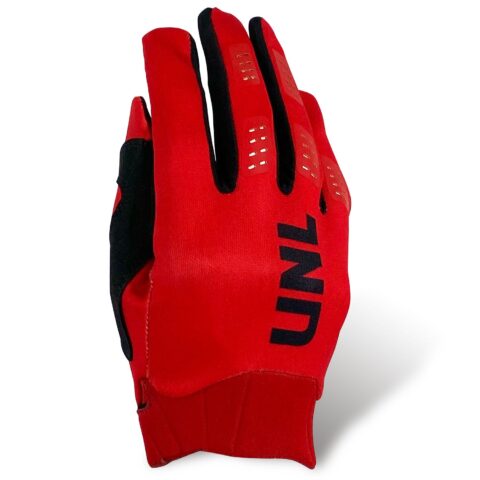
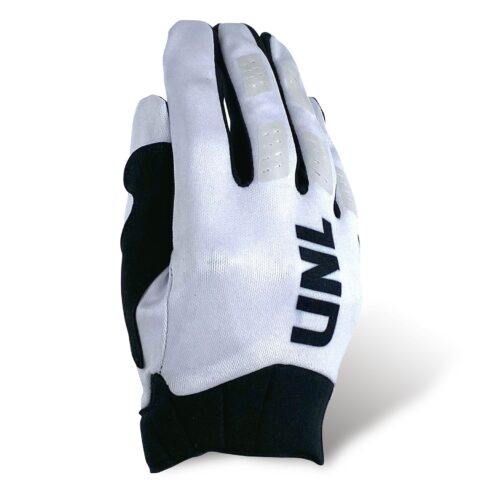
This is the glove we’ve been waiting for and it’s now available at Unlimited PWC. We spotted the new gloves over at Unlimited PWC. The X-Light Glove series is a stellar addition to the lineup of new products that Unlimited PWC has on offer. These rad looking gloves are equipped with touchscreen technology on the thumb and index finger.
Easily operate your phone or tablet without the hassle of stopping to take off your gloves. The gloves have an UNL logo stamped in the palms that not only looks cool, but it also acts a grip. The index and middle fingers each feature non-slip grips for easy throttle lever operation. Each glove has a Velcro enclosure on each wrist for ease in putting on and removing the gloves.
The X-Light Gloves are made of a stretchy material for a lightweight fit. They are available in small, medium, large, and extra-large and come in black, white, lime yellow, and red. They look good and will make an excellent summer riding glove. Check them out now on the Unlimited PWC website. We think you’re going to like them, especially at the $40 price point!
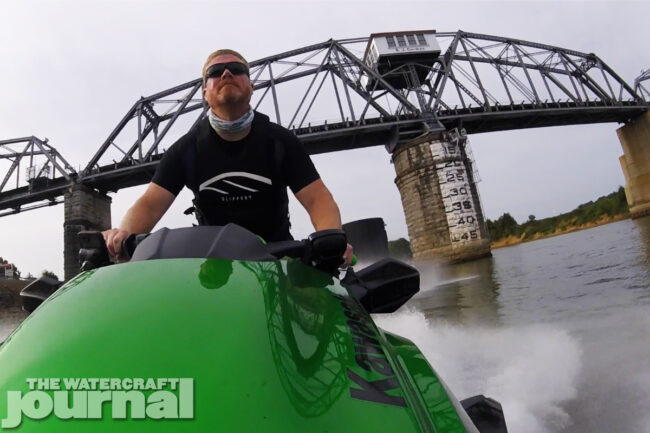
Updated March 10, 2022 – As life would have it, previous plans were quickly thrown out of the window when heavy storms pounded middle Tennessee for 4-days straight. These flooded the waterways with debris, swelled the river by nearly 7-feet and kicked up the current to “too dangerous to let people out on the water” speeds – according to the TVA (Tennessee Valley Authority). This meant that our ride scheduled in late February had to be postponed to March.
So alas, here we are again! Yes, we’re going to try this ride this coming Friday, March 25th, 2022. All of the pertinent information is still below. We’ll be meeting at Old Hickory Dam Boat Ramp (address below) at 6am. We’ll be spreading out our fuel stops apart between 84 and 110 miles, so again, you’re going to want to bring extra fuel with you. Additionally, we’re “cannonball running” this, so we’re not stopping for food – so pack snacks and plenty to drink. Everything else is below:
Published February 22, 2022 – With a handful of daring lunatics committing to join me for an idiotic adventure, we’re going forward with this ride. Currently, weather predictions aren’t favorable: calls for early morning rain, air temps are forecasted with a high of 47º and coming after 3 days’ worth of rainfall, we are wholly expecting the water to be full of debris – so pay particular attention to objects in the water. Nobody wants to puncture their hull on a submerged tree branch at 60mph.
Sunrise is set for 6:23am. Expect to be at the ramp at 6am. It’s a long, narrow one-lane launch so it takes a couple minutes to unload. The address is Old Hickory Dam Boat Ramp (1250 Cinder Road, Old Hickory, TN 37138). We are planning to be underway at 6:30am sharp. Considering these conditions, it is extraordinarily unlikely that we will complete the 440-mile round trip. Rather, we will continue up the Cumberland River as far as we can until 12:30pm and turn back around.
The first scheduled fuel stop is set to be Clarksville Marina – some 80 miles downriver. Then, the next stop is Green Turtle Bay Marina, another 100 miles from Clarksville. (This long stretch is why bringing extra fuel is required – particularly for you supercharged PWC.) If conditions permit, the next stop is Paris Landing Marina, 40 miles down the Tennessee River, where we’ll fill up and retrace our path back to the Old Hickory Dam Boat Ramp.
Yeah, that’s right. We’re doing it in a little over two weeks’ time. Friday, February 25th at 6am to be exact. The Farmer’s Almanac says it’s going to rain. Even www.accuweather.com gives it a 58-percent chance of rain. We’re going to be watching the weather pretty closely the week preceding to see if Mother Nature changes her mind. If not, we’ll reschedule because riding 400-plus-miles at 60mph sounds like being covered in porcupine quills and then being shot at with an automatic paint ball gun. If we do call the ride for a “rain delay” expect it to be pushed back into March.
If you recall, we did this exact route last year on a 2020 Kawasaki STX 160LX all by our lonesome. If we can do it, you certainly can too.
The route itself is pretty simple: We start @ 6:30am at the bottom of Old Hickory Dam (mile 216); lock through Cheatham Dam @ 8am; and end at Paris Landing State Park (est. 220 miles total). Then we turn around and go back the way we came. Sounds easy enough, right? Well, that’s the rub. Traversing 440-miles in less than 11 hours takes careful calculation of fuel range and consumption, and navigation. We’ll be piloting our trusty 2021 Sea-Doo RXP-X 300 and you know that girl is thirsty, so we’ll be packing as much extra fuel as possible.
Fuel is available at:
• Rock Harbor (Mile 175.6)
• Clarksville Marina (Mile 132.3)
• Lake Barclay Marina (Mile 59, 3 miles off river)
• Green Turtle Bay Marina (Mile 32) – TN River mileage markers start all over
• Paris Landing Marina (Mile 68)
Again, with early predictions calling for a full day’s worth of downpour, we may have to move this. Equally, we don’t want to ride the next day as rain runoff makes for a veritable floating mine field. Rather, we’ll bump it a couple weeks further up the calendar. This will have an average moving speed of 55-60mph, so if you’ve got something that can’t hang, you’ll be left behind. Equally, we’re not stopping for lunch so pack a sandwich and some granola bars to eat on the fly. We’re racing the clock on this one.
If you’re seriously interested in participating, reach out at [email protected].
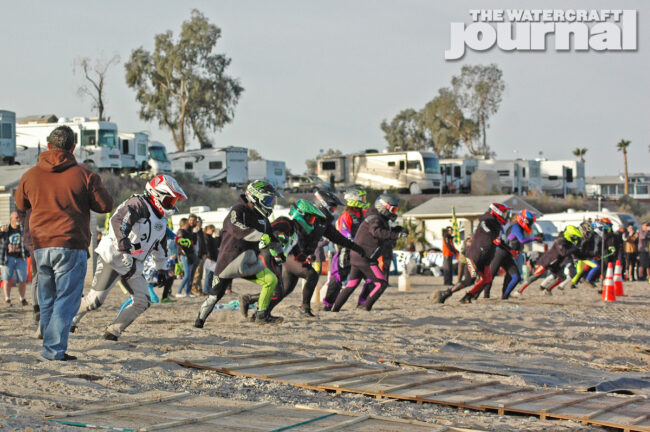
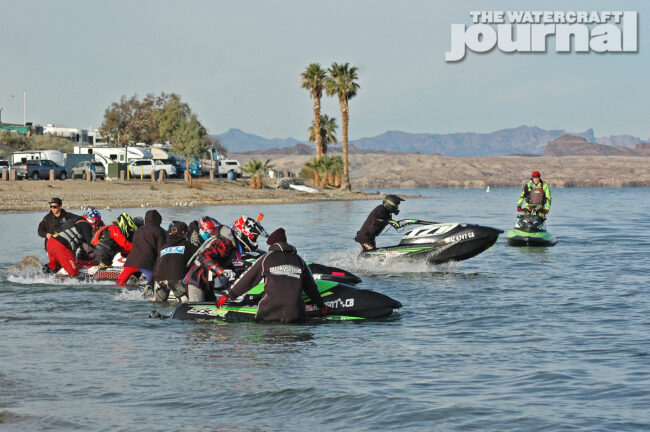
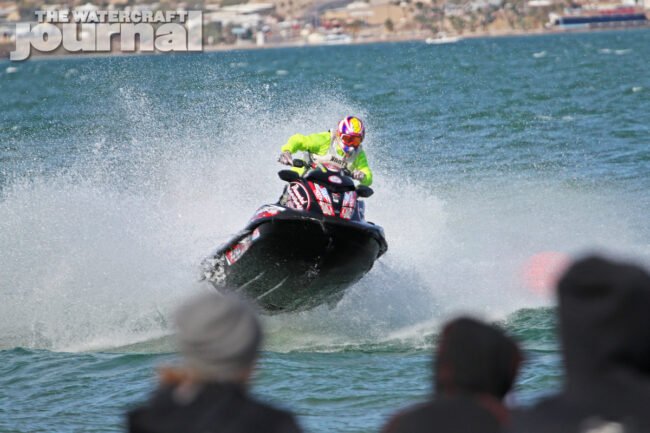
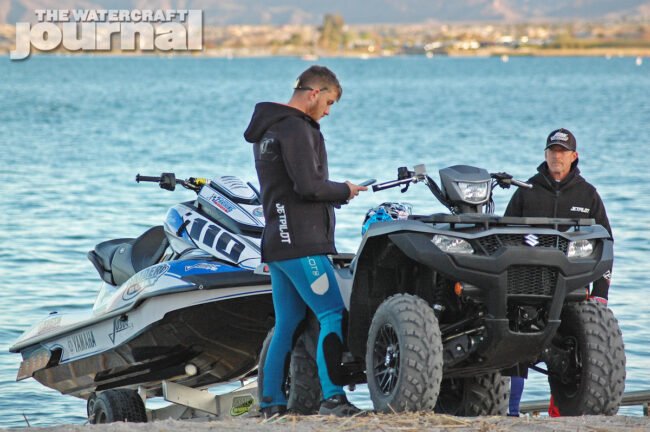
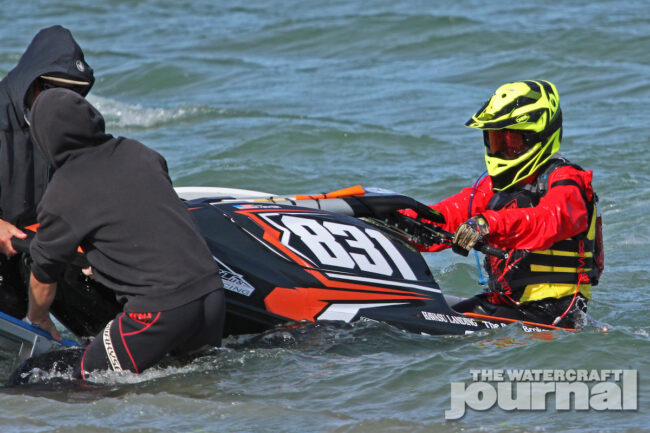
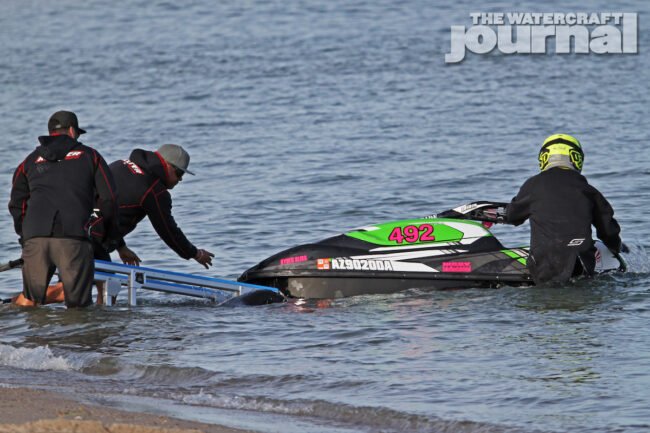
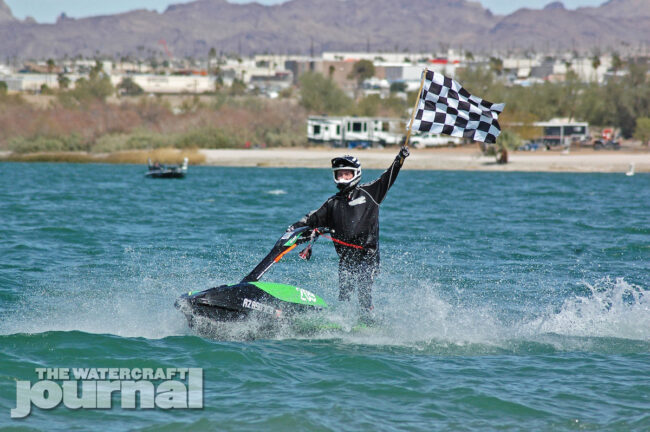
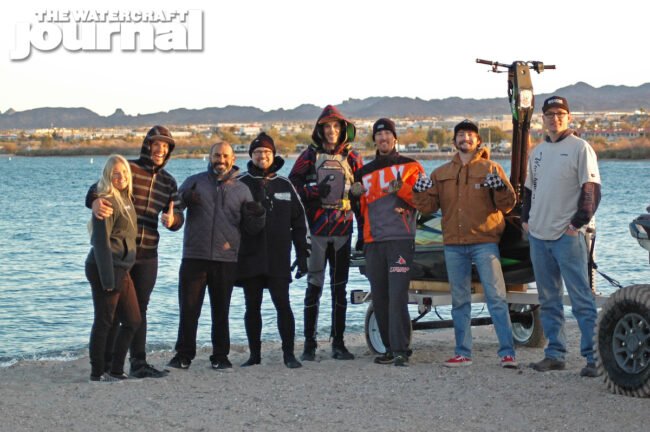
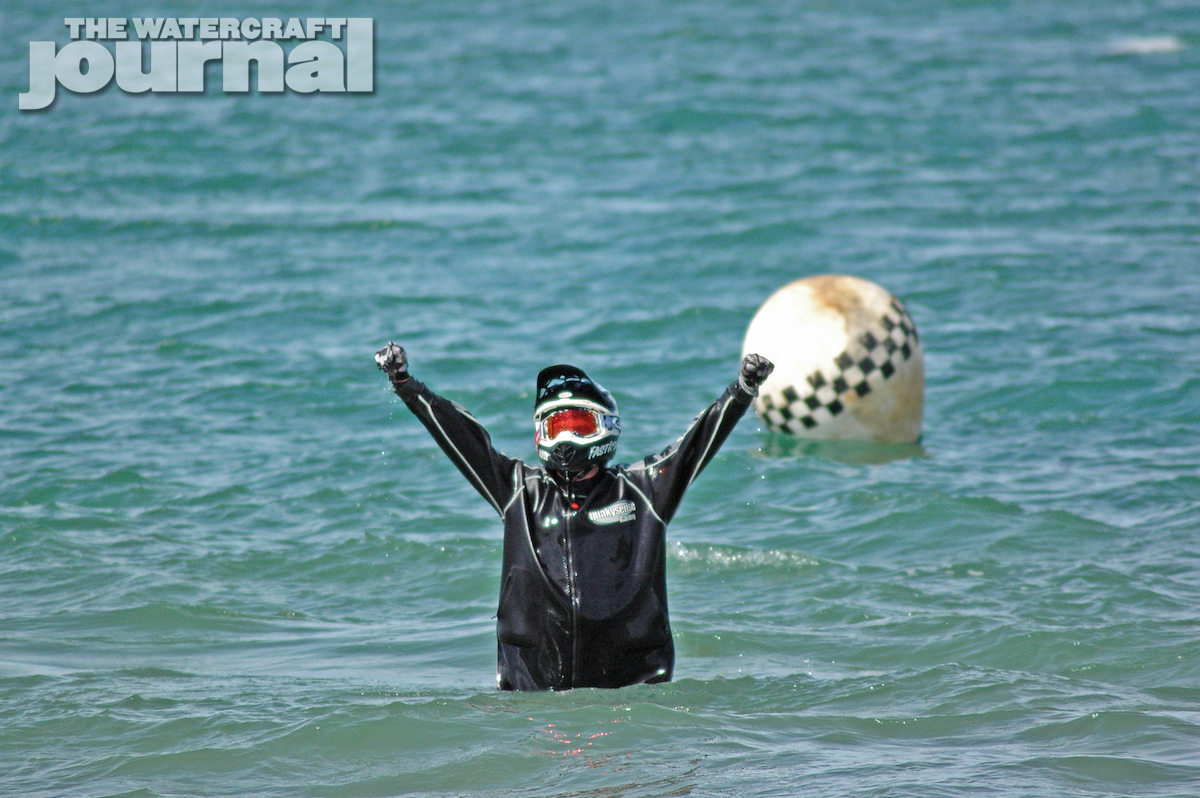
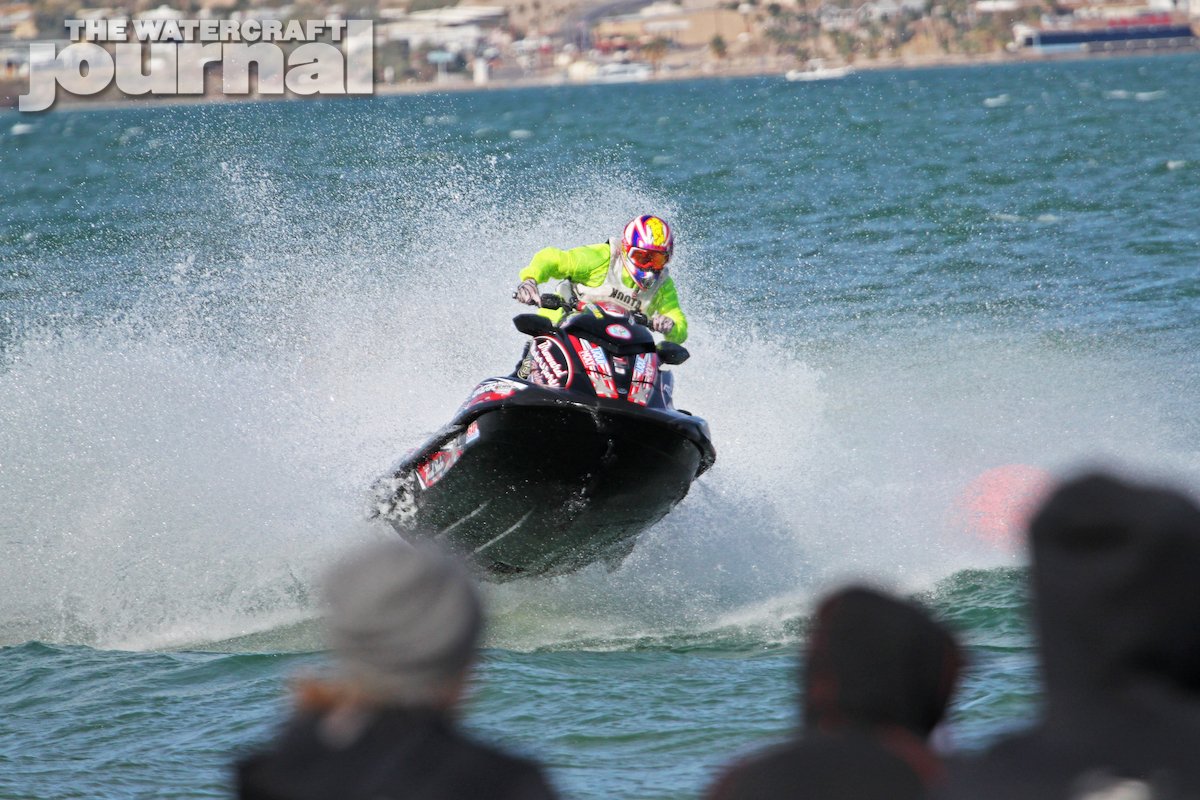
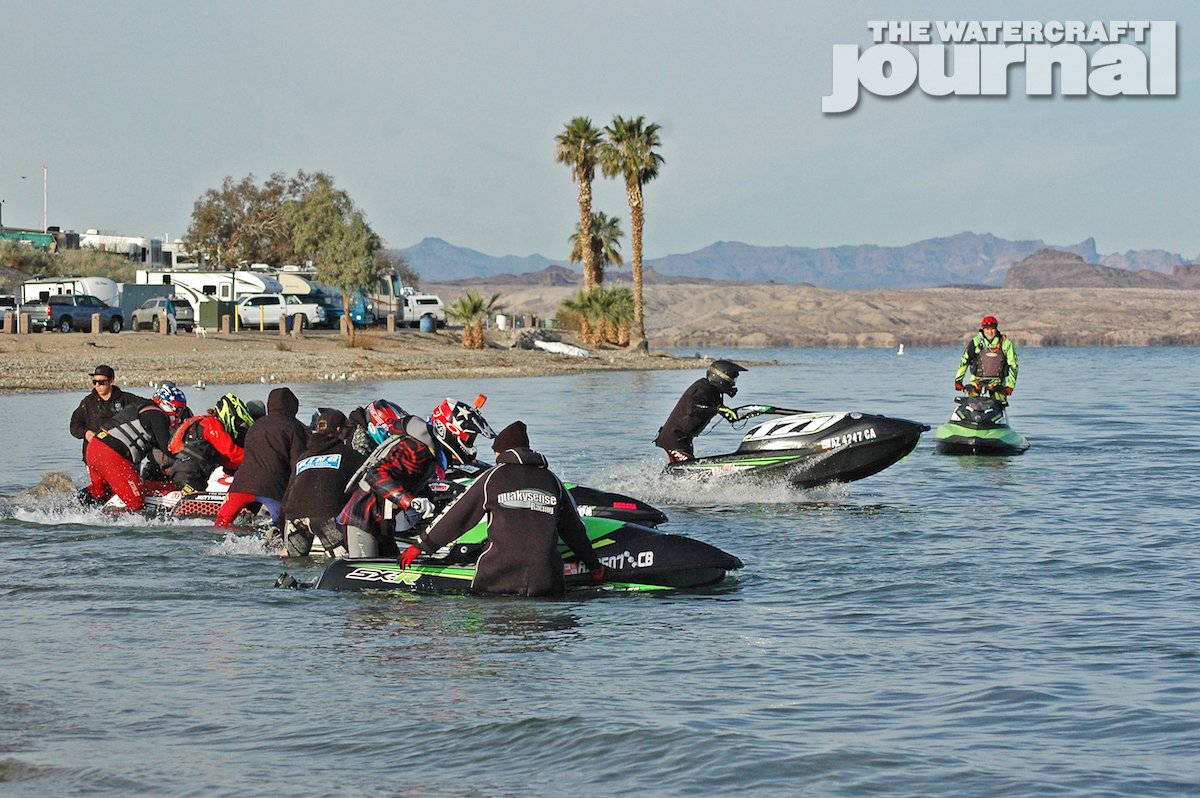
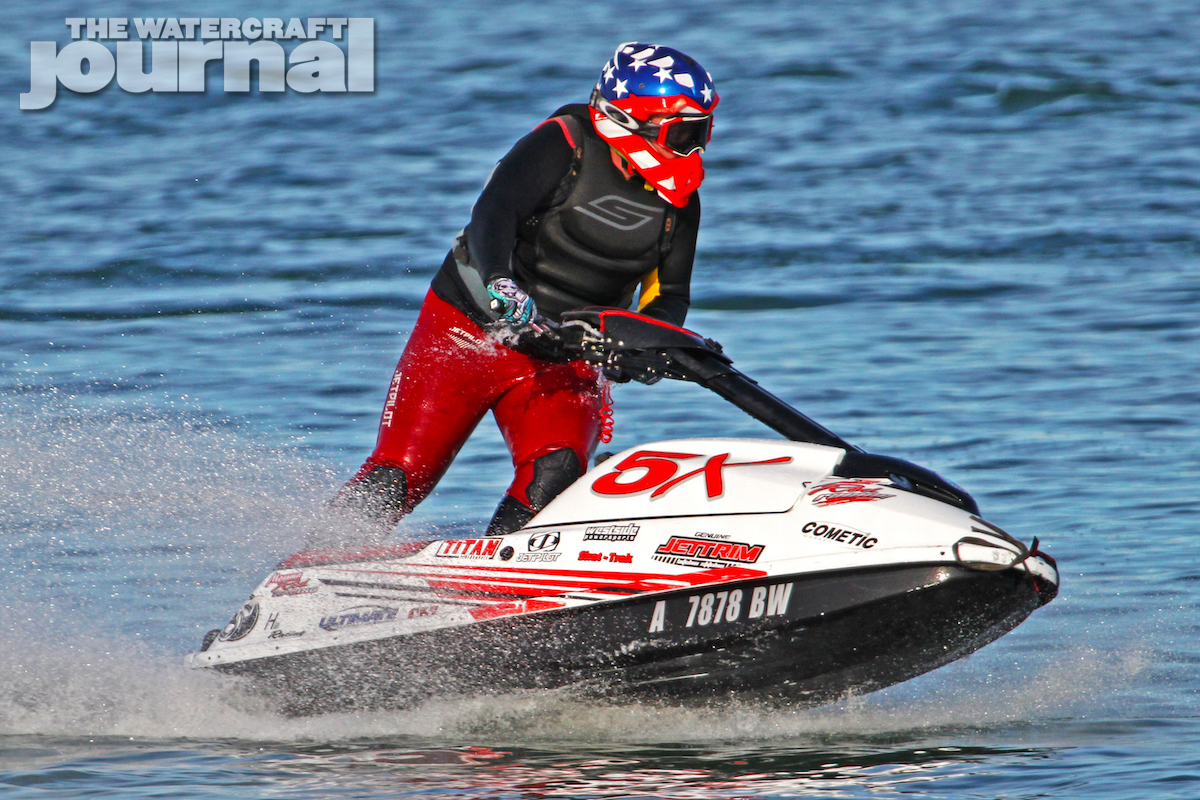
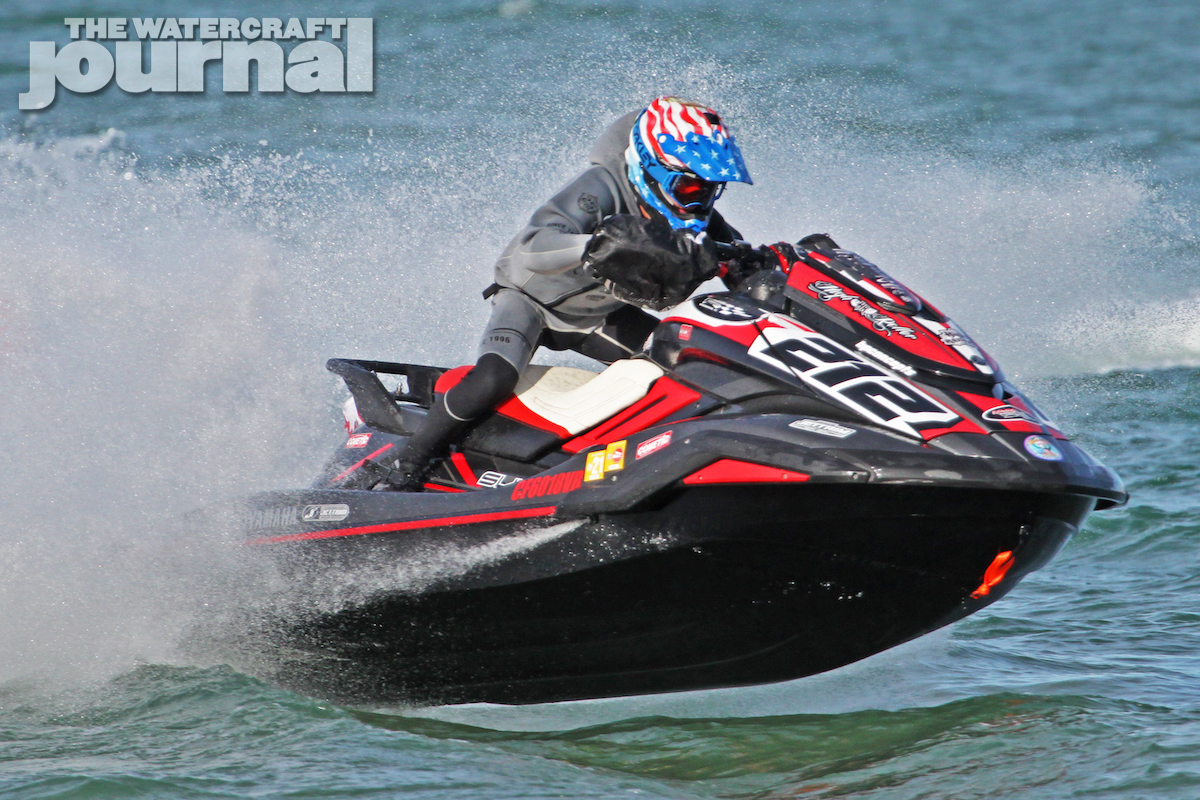
The 2022 race year has officially kicked off on the West Coast with the 19th annual Mark Hahn Memorial Havasu 300, a 300-mile long endurance race around the perimeter of Lake Havasu. Considered one of the most brutal races of the year, riders, pit crews, and their machines are pushed to the absolute limit to be crowned champion.
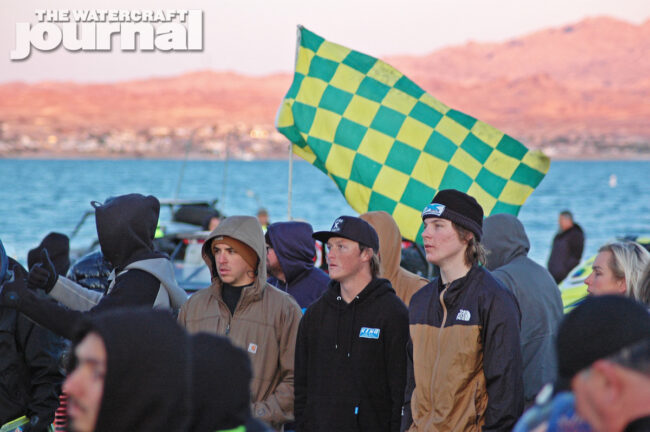
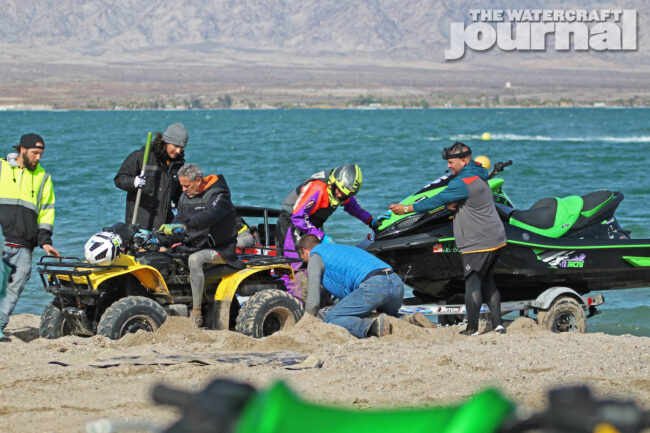
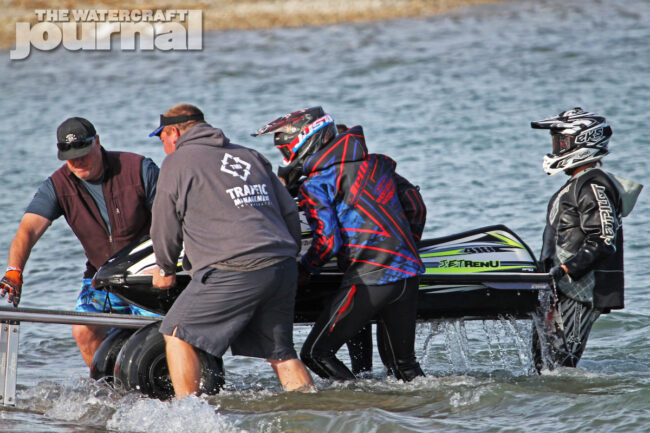
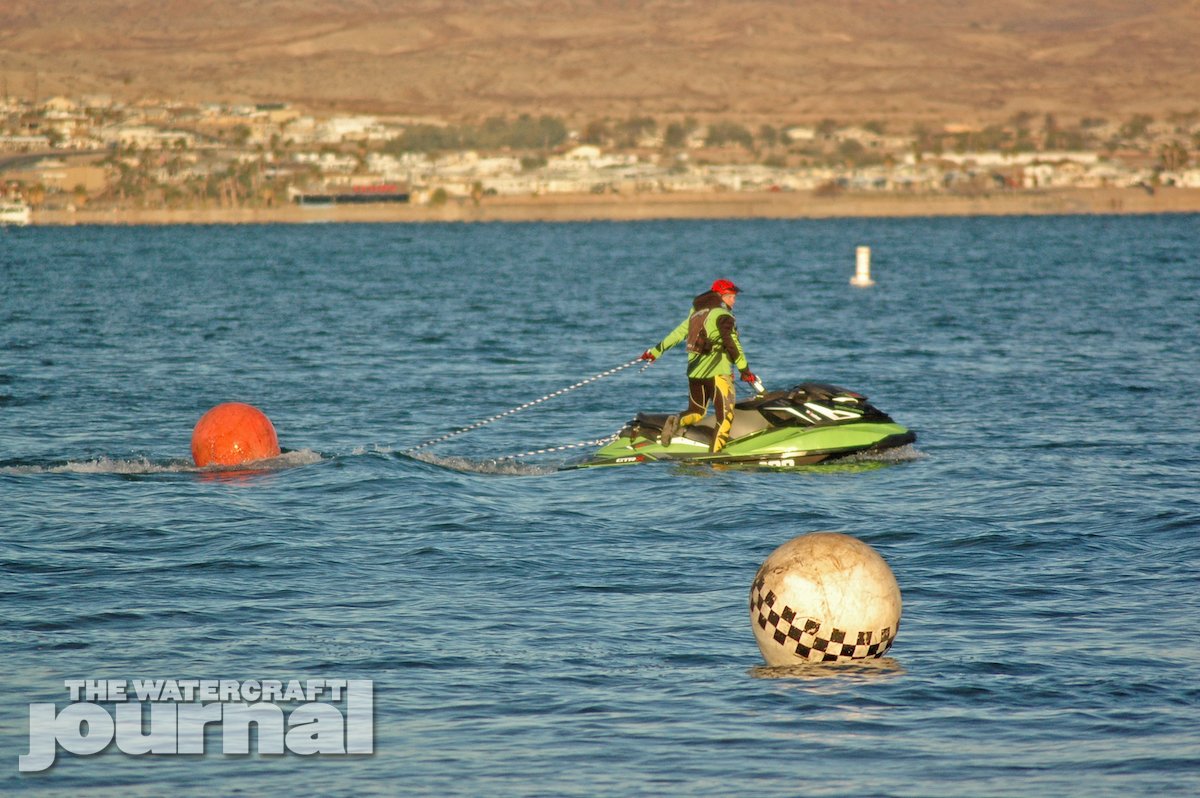
This year proved to be most trying for not only the 27 registered race teams, but the promoters and staff as well. Riders arrived to Crazy Horse Campground on Saturday morning and were met with bone-chilling 20-25mph winds. Crews were struggling to set the perimeter and chicane buoys. Safety patrol boats thrashed wildly in the surf-like conditions.
Local racer Mike Neuman told The Watercraft Journal, “Going into Saturday we all knew it would be windy and freezing. We started in the cover of darkness warming up trucks, layering up anything we could over wet suits: heated vests, neoprene jackets, gloves, waterproof socks, etc. The front gate guard informed us they might cancel the race. We all just laughed, “They don’t cancel the Mark Hahn for bad weather!”
“Ross [Wallach] informed us they were going to postpone for 2 hours due to rescue craft not being able to launch,” Neuman continued. Eventually, the promoters eventually made the call and postponed the race until Sunday. Many riders were outraged, stating they had made prior travel commitments and could not stay for the race. Others complained that the treacherous conditions were a key factor in making the race what it has become known to be.
Some protested, repeating, “Mark would’ve raced in this!” Many of those we asked for this story repeated Neuman’s sentiment, “Last year weather was even worse and we still raced. It was very sad, especially because several teams couldn’t stay and had to go home.”
Nonetheless, safety was the staff’s number one priority and a deciding factor in the result to postpone. Without correctly anchored buoys or properly staged patrol boats, not only would they run a risk of incorrect scoring, but a risk of life as well.
For Sunday, winds were predicted at 7mph and temperatures around 42°. As racers arose that morning, conditions fared even better – albeit pretty chilly. At the outset, water conditions were glass but began to “kick up” by the fifth lap.
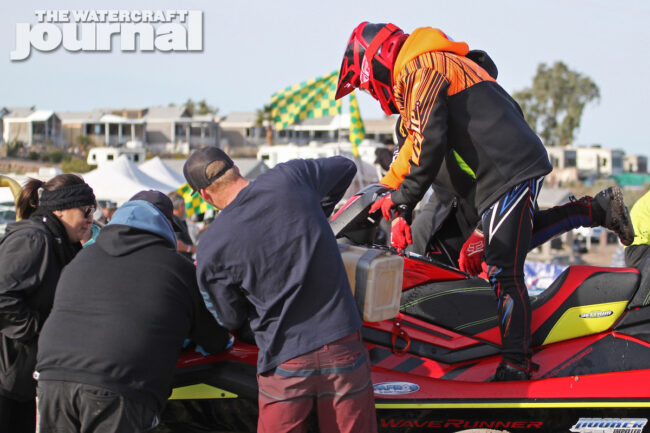
Due to tight schedules with some race teams, the decision was ruled to adjust the race time to 3.5 hours plus a one lap format. This put more pressure on pit crews to time and counting laps so their racers were not left stranded out on the lake with the gas light on.
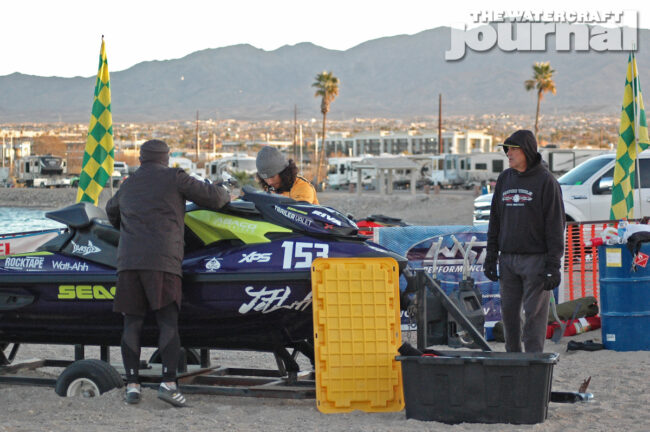
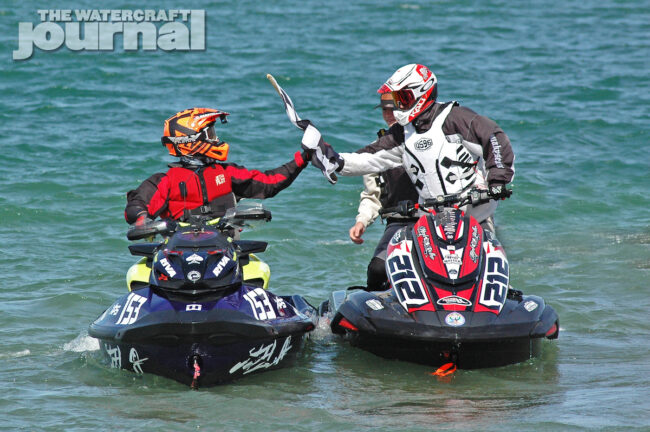
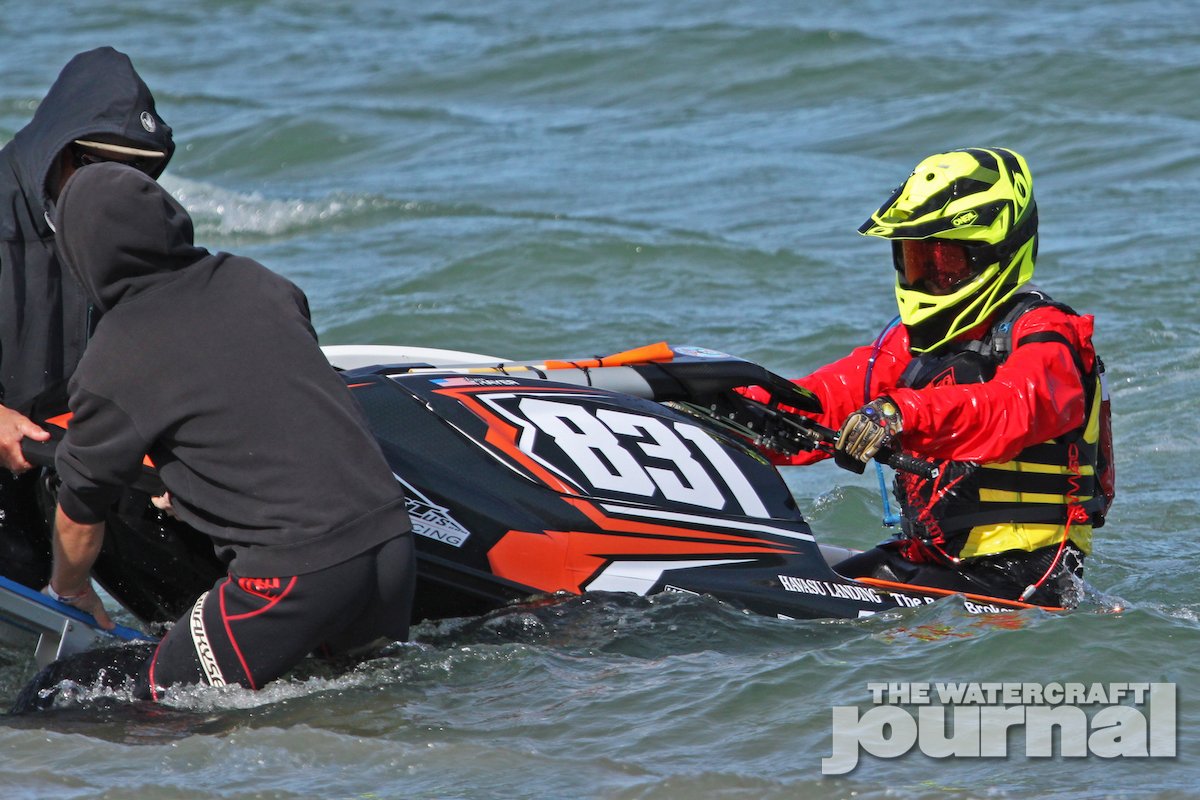
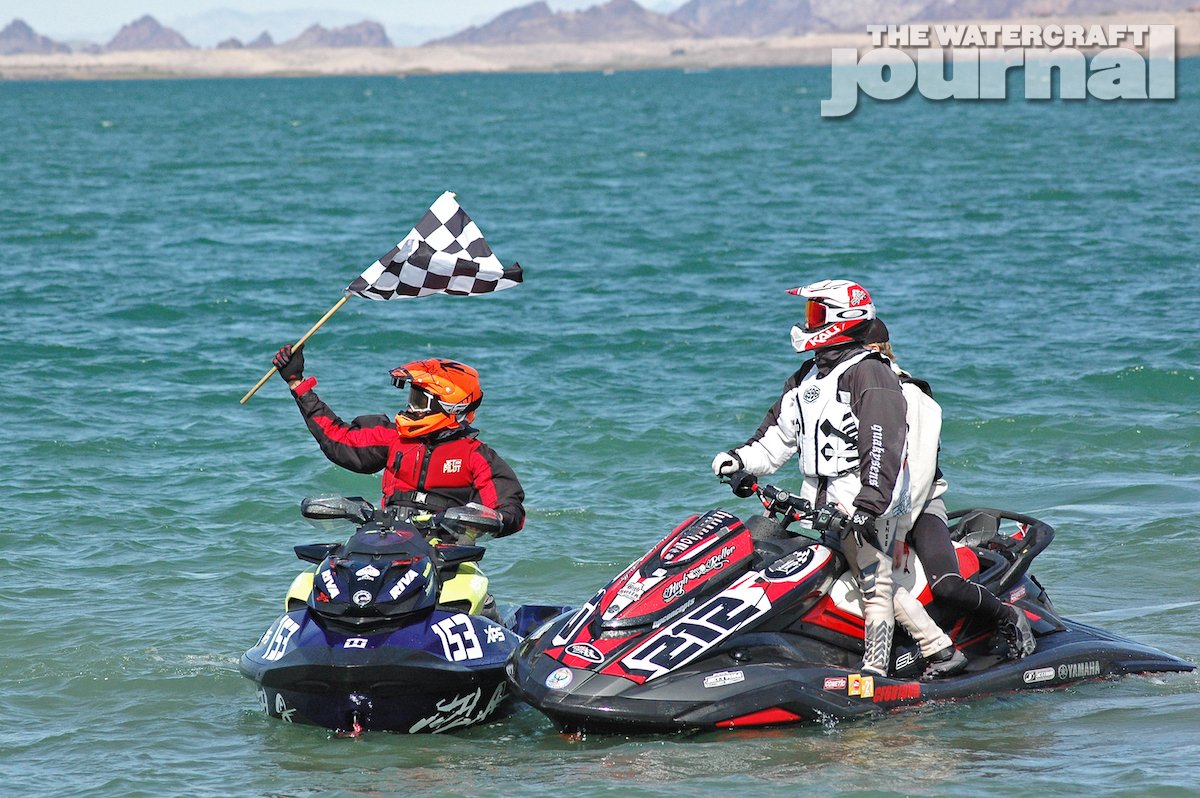
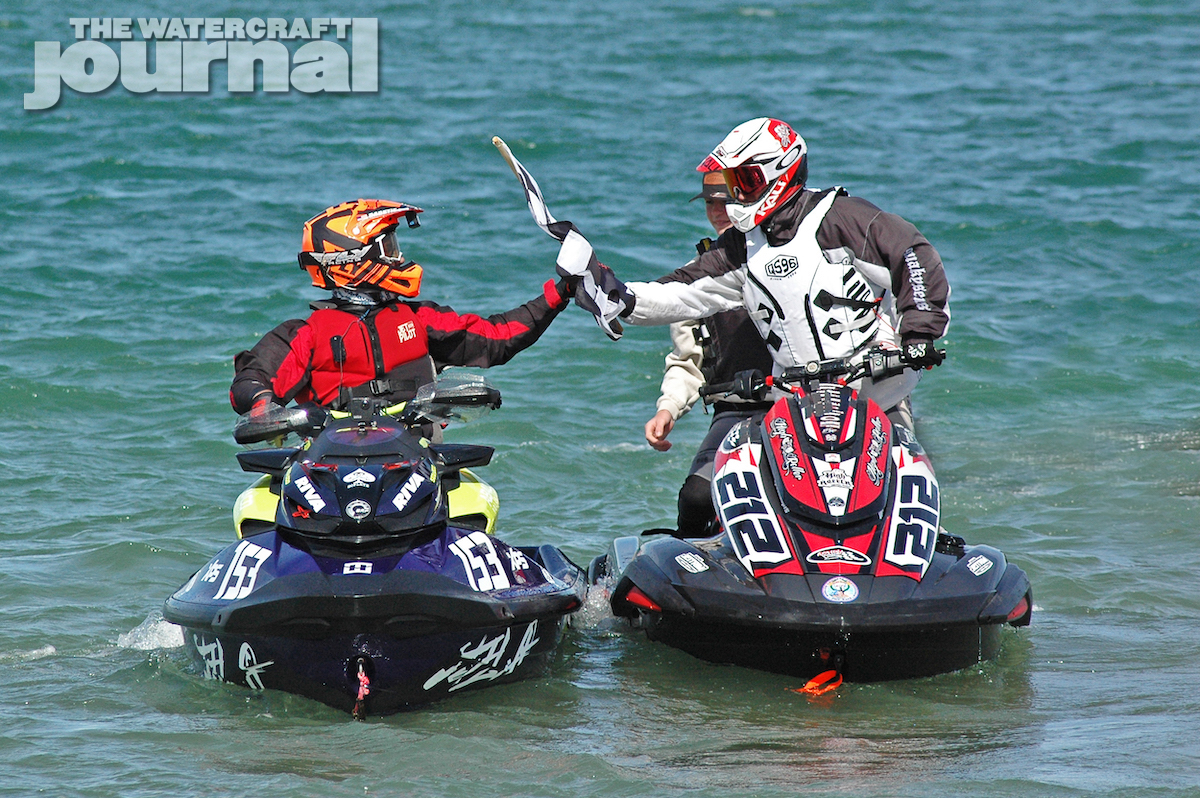
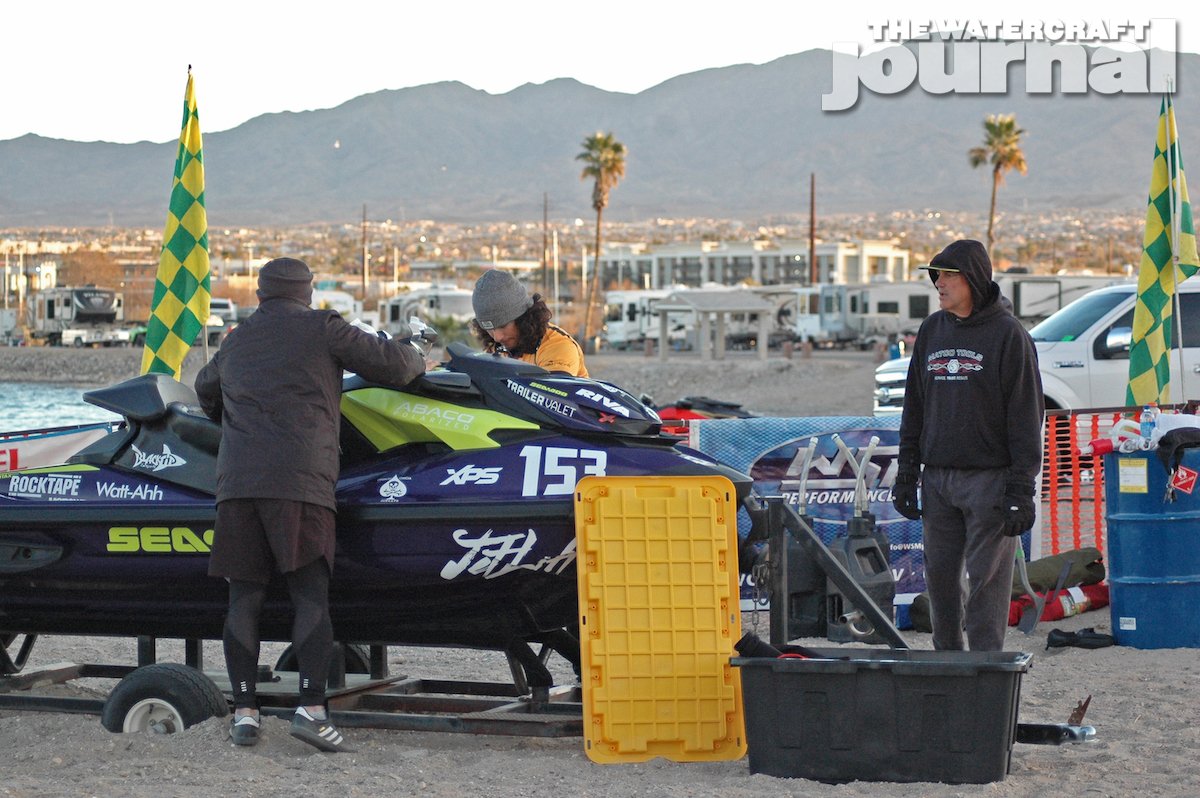
BRP Sea-Doo brand ambassador Anthony Radetic (#153 who competed in Manufacturer Stock class) had a strong and methodical strategy in staying ahead of his competitors, “My team and I focused on setting a steady pace and completing 5 laps between each pit stop, giving me some time to rest while the ski was being filled with fuel.”
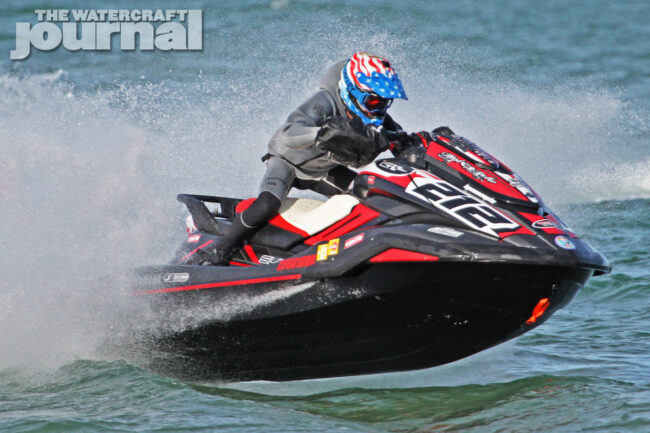
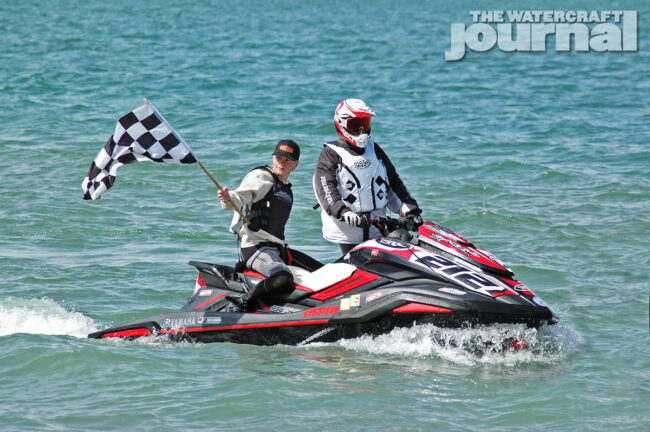
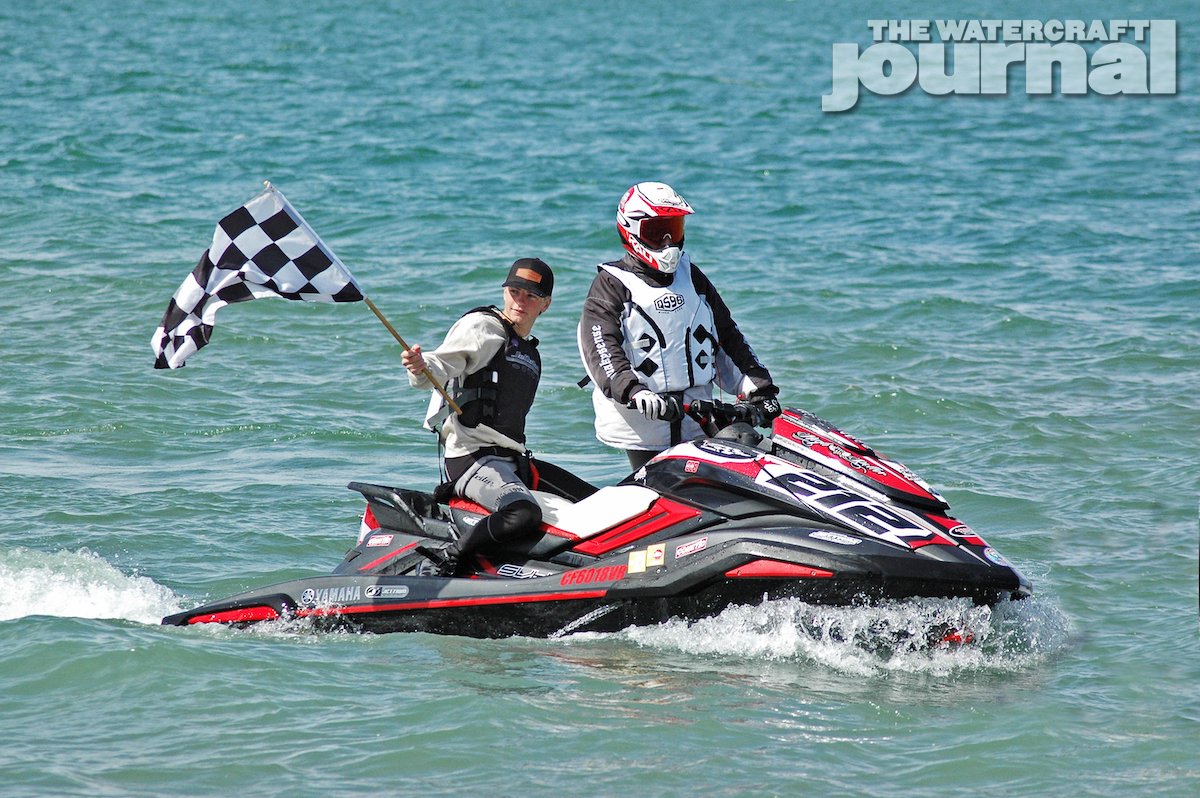
This strategy earned Anthony the podium in his class, with 24 completed laps. He also took home the coveted Iron Man Runabout award. Mike Klippenstein and Ryder Wildeboer (#212 – 4-Stroke Stock) were the first competitors to cross the finish line on their Yamaha FX SVHO WaveRunner, completing their 24 laps shortly before Radetic.
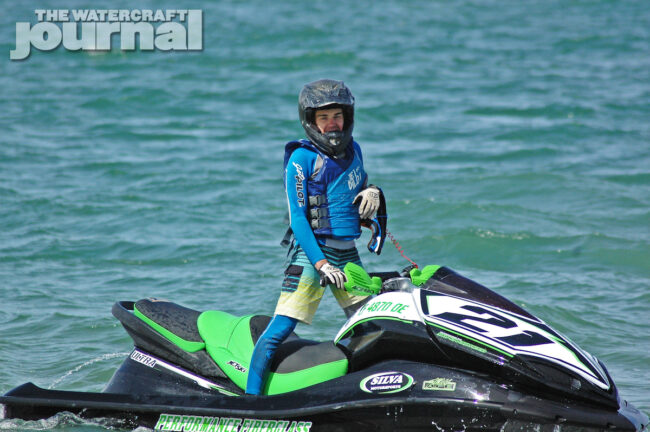
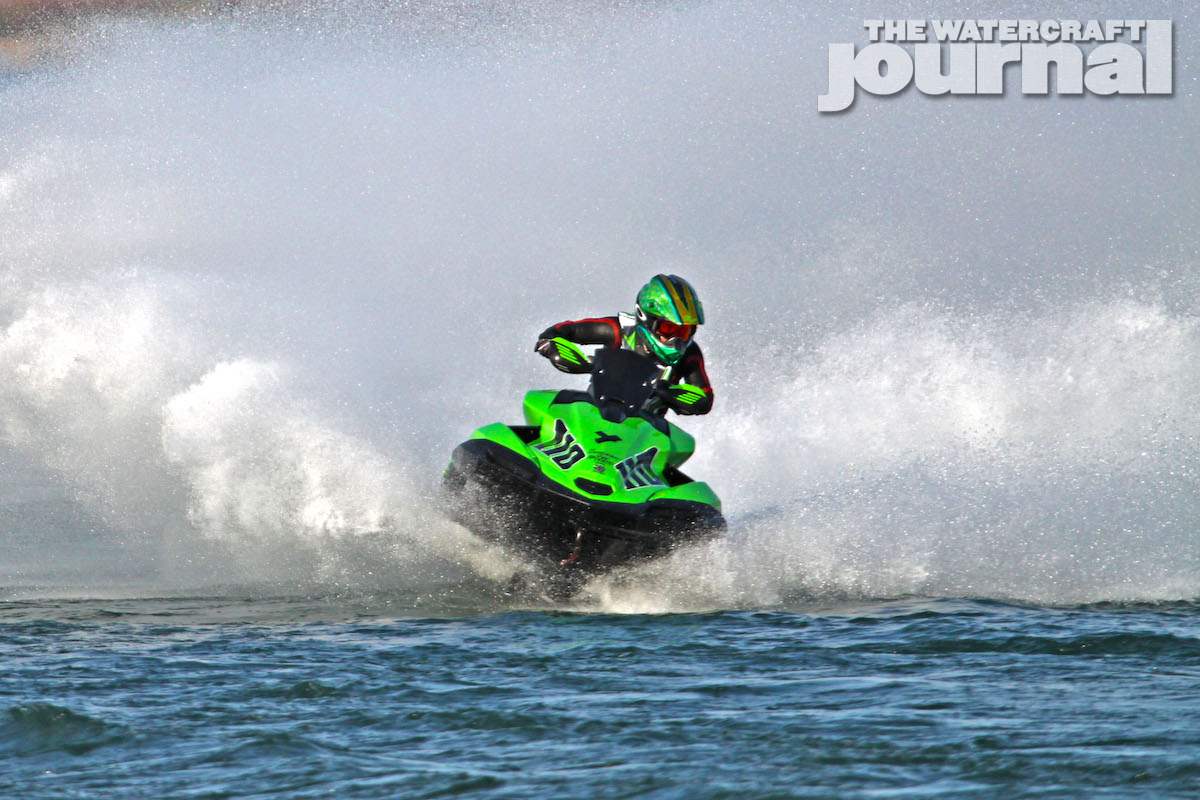
Another notable win went to Brandon Warner (#21 – Pro/Am 4 Stroke Open) who also iron-manned and finished with 20 laps completed on a fully-built 2021 Kawasaki Ultra 310X (earning second in his class against Arnold Martinez and Nicolas Rius who claimed first in Pro/Am 4-Stroke Open), stated:
“The whole reason I felt like I could Iron Man-it is because of the awesome team I had behind me. Performance Fiberglass prepared the hull, while Dan Silva built my motor. They knew my ski was prepped and tested, so I was able to focus solely on getting myself ready.”
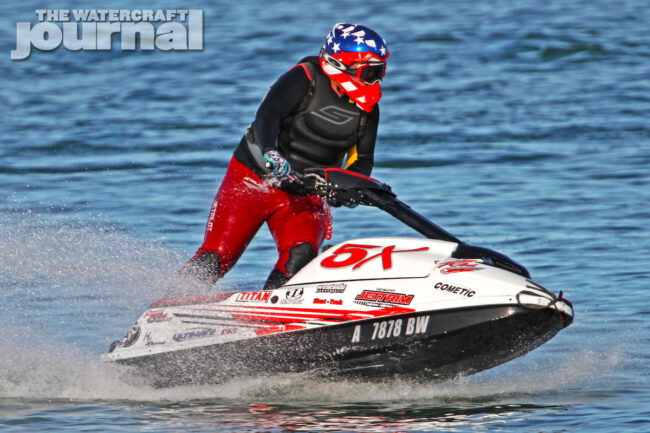
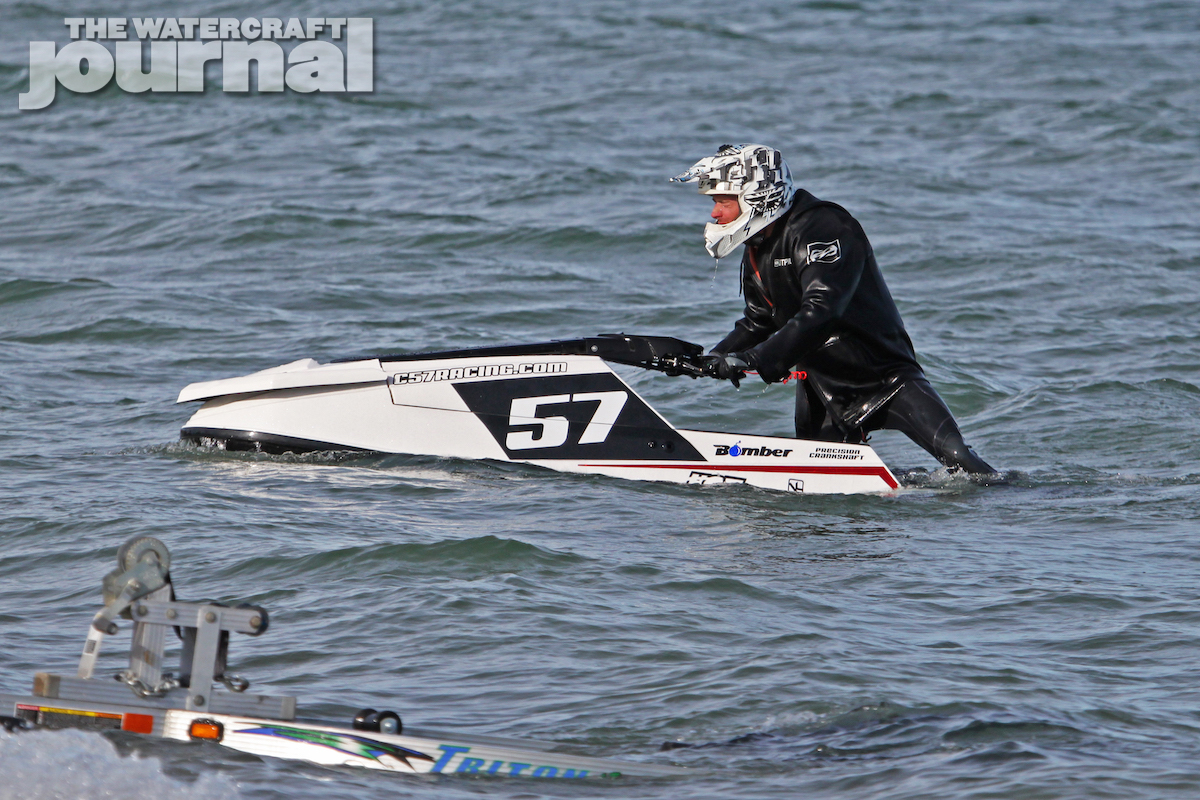
There was quite a variety of stand-up skis this year, from SuperJets to SX-Rs, and even a GP1 thrown into the mix. The first stand-up to finish was none other than an SX-R 1500 piloted by Justin Richey, Blake Wicklund, and Diego Urrea (#209 – 4-Stroke Mod). The 3-man team completed a stellar 15 laps.
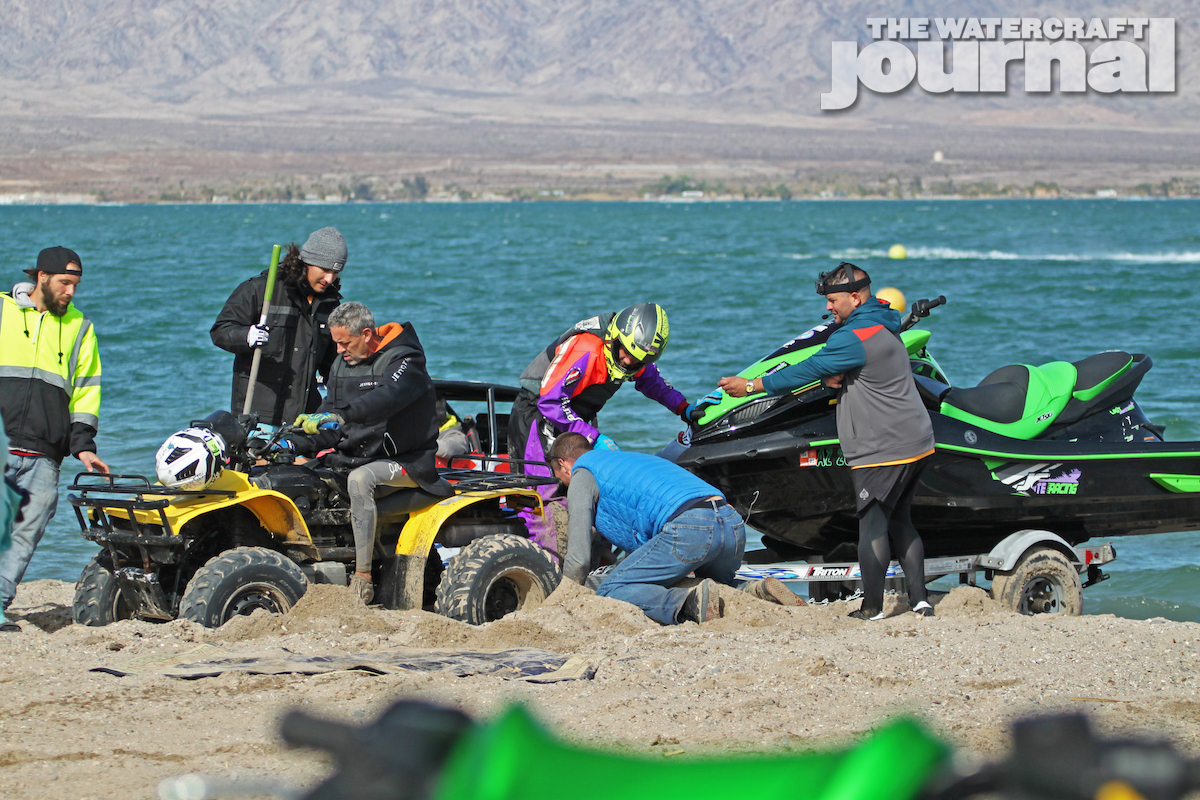
“None of our crew or riders had ever done this type of race before,” Richey commented. “Planning and preparation started right after World Finals because none of us knew what to expect.” The team had its own share of setbacks, including a trailer bunk slider that detached and became lodged into their pump tunnel.
Luckily their crew chief was able to free the obstruction and they were back on the water in no time. So what was their claim to victory? A solid pit crew, impeccable pitting system, and knowing when to adjust given the rough circumstances.
“The original pit structure was to switch riders and fuel every two laps,” Diego mentioned. “After the first set of laps we quickly decided to switch riders every lap. The water conditions worsened to a point that keeping a fast pace was too fatiguing for two laps.” The constant exchange of riders also meant more opportunities to fuel and check for mechanical issues, paving the way for a solid win for this outstanding team.
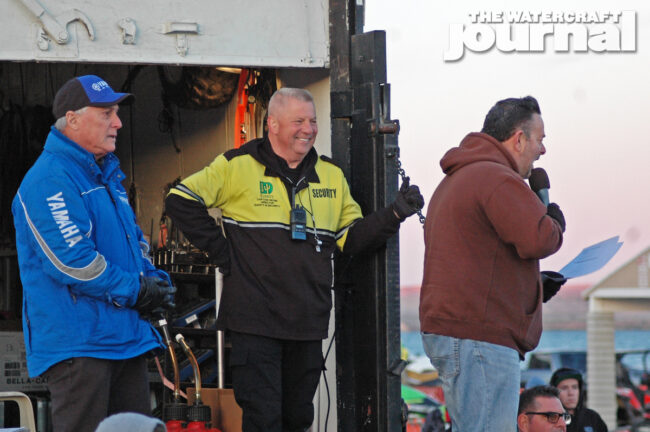
Event creator, Mike Follmer expressed his gratitude saying, “Eighteen years ago, while attending the funeral to put my good friend Mark Hahn to rest I made a promise to him […] that I would work diligently to see that his […] name and memory were synonymous with the type of endurance racing he and I had spent years supporting and competing. I know that Mark and Nedra [were] looking down on us Saturday and [that he] was feeling very proud that he was being remembered in such a grand fashion.”
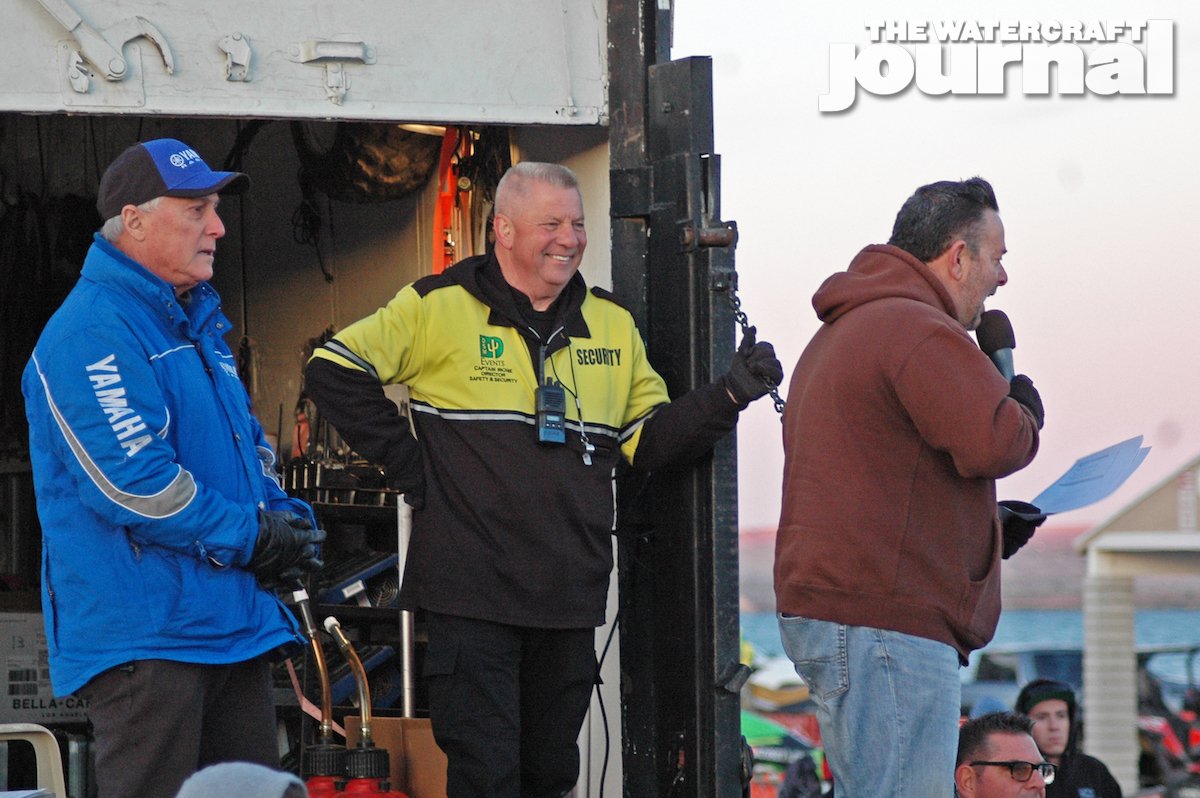
Sunday evening’s award ceremony welcomed over 150 in attendance where trophies and accolades were given. Despite its minor setbacks, the Hahn was once again a successful event – and the announcement for the 20th Mark Hahn Memorial Havasu 300 was made only days after. So start preparing for 2023!
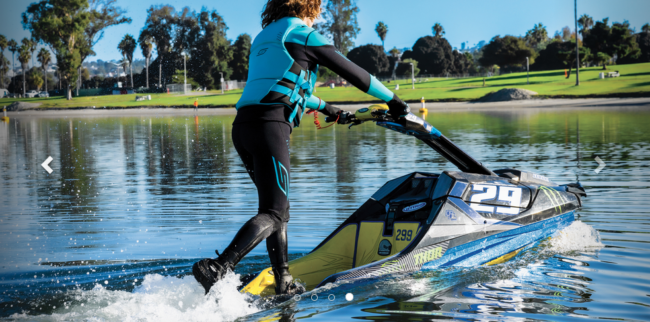
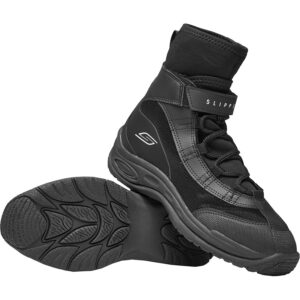
Slippery Wetsuits redesigned their Liquid Race Black Boot for 2022 and they look rugged. They’ve made the boot even better by my making it more grippy, increased its stability, and made the boot more supportive.
The Liquid Race Black Boot is a heavy-duty high-performance boot that’s built to last while meeting the demands of racers.
It has a removable 1.5 mm neoprene booty, which is a nice feature. The boot has pull tabs and a lacing set up to make for a fast and easy on and off.
It also has air mesh for ventilation and drainage holes, so water can escape. The interior is designed like an athletic shoe, which provides added stability and comfort.
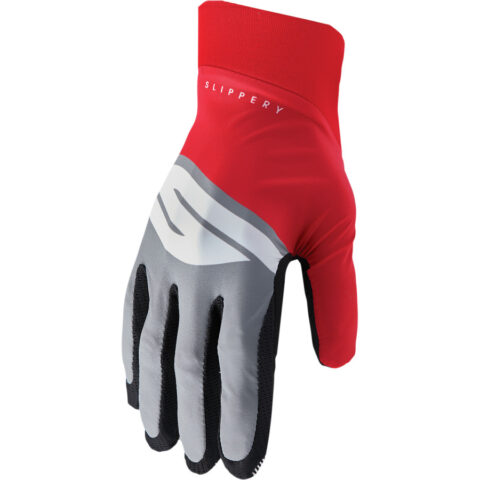
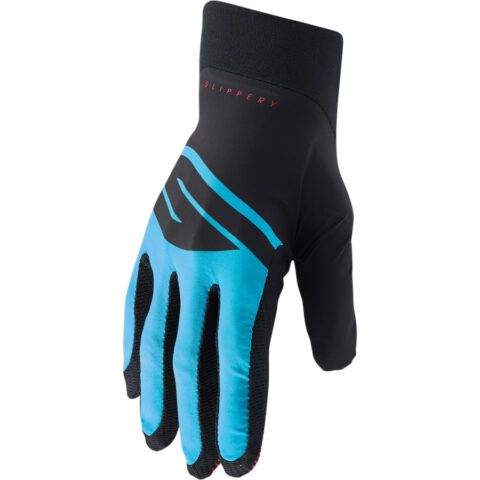
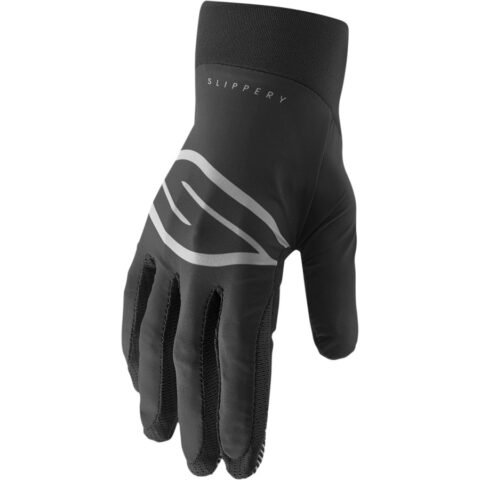
After you check out the boots, look at the new lightweight gloves from Slippery. Their new Flex Lite Gloves have hit the shelves and they are priced to move at $24.95.
They look awesome too and are available in five eye-catching colorways. Slippery did a nice job designing these.
They look sharp in two tone blue/charcoal, red/charcoal, black/charcoal, and olive/black.
If you’re in the market for a good-looking lightweight glove, these are for you.
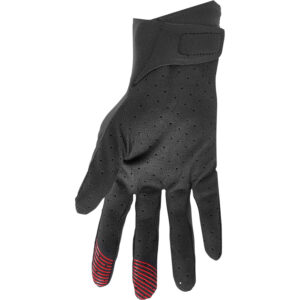
The gloves are made of a lightweight neoprene and designed for maximum flexibility.
The perforated palm has a silicone imprint for added grip and the same goes for the anti-slip gel print on the fingertips. Check out the Slippery online catalogue to find a dealer near you or where to buy online.
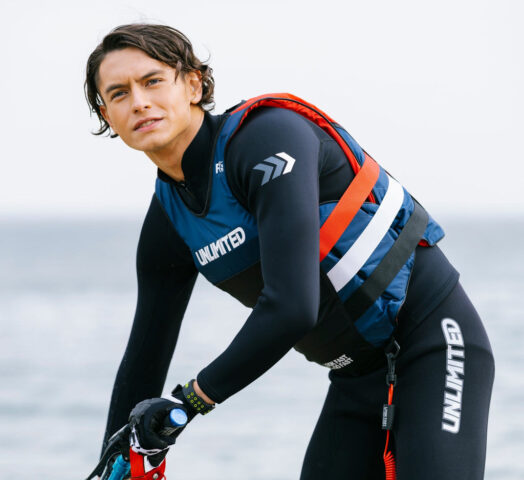
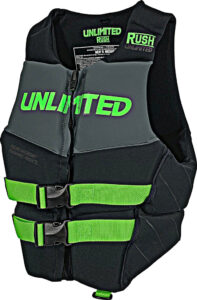
We were checking out Unlimited PWC’s new gear for 2022. We thought we’d start with telling you about the new lifejackets for 2022. Unlimited has released their new RUSH series of life jackets and they look good. They come in a bunch of different colorways that we’ve come to expect from the crew whose tag line is, look fast, go fast.
The Rush series was developed in collaboration with professional riders. The group is seeking a higher performance level while adhering to safety specs. At the same time, the goal was to create a jacket that maximizes power and is extremely comfortable while underway. All the jackets are USCG approved and are unisex in design.
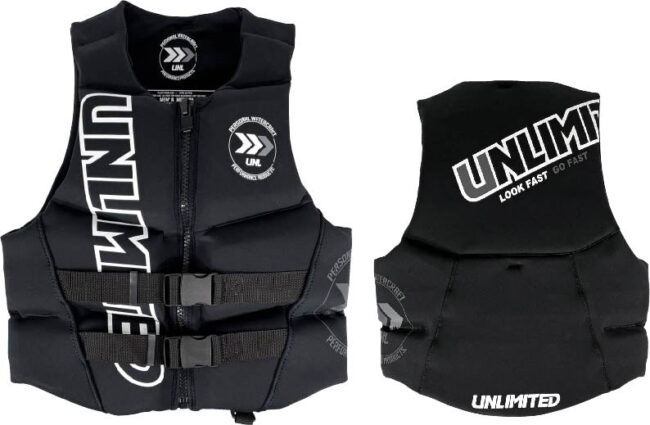
The Rush Neo Life Jacket is made of neoprene and has two buckles and zipper for a tight fit. The Rush S/E Jacket is a side entry vest made of lightweight nylon with three buckles on one side. The side entry makes for an easy on and off vest. The 2021 Nylon Side Entry Life Jacket is available as well.
The shop also has other super cool looking life jackets like the new Comfort Nylon Jacket and the Nylon Life Jacket. These jackets are styled to fit loosely and can be worn for long periods without feeling uncomfortable. Another standout is the popular Neo Life Jacket, which utilizes a V-back design for added support for your waist and back.
All the Unlimited PFD’s have an inside pocket with a Velcro closure that can be used to stash a license and the jackets also come outfitted with a safety whistle. For all the details, head over to the Unlimited PWC website and check out what’s new for 2022.
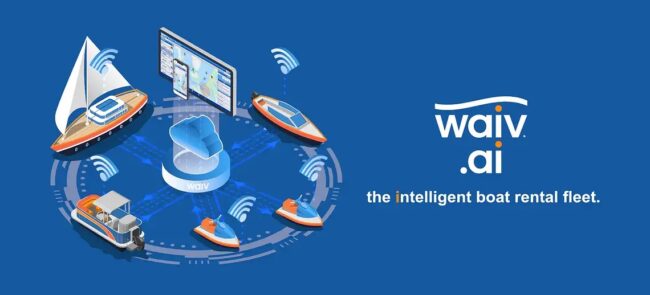
In 2015 in a garage in San Diego, a father tinkered away and created a GPS tracking system so he could remotely oversee the safety of his young son, who was enrolled in a youth sailing and surf school. That man was Magnus Berggren, and the company that was built following the success of that first device, is Waiv Technologies. The firm quickly established their reputation as a leader in the boat and jet ski rental technology sector.
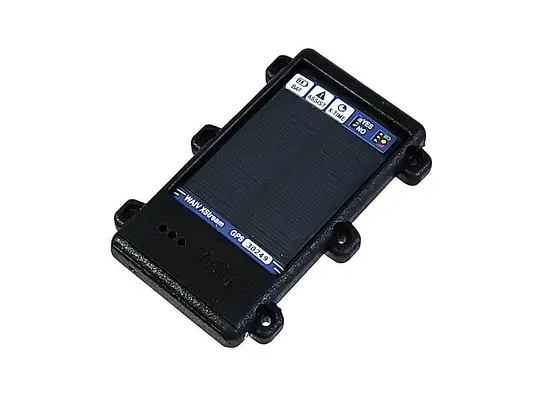
Focussing on innovation in fleet management with GPS based products for rental operators, in 2021 Waiv brought the XStream tracking system to the market. XStream synchronizes the entire fleet operation by connecting all vessels to each other and to site managers and dock hands, enhancing both customer experience and staff organization.
Waiv is now launching the next generation of XStream, the SoundAlertSystem. This evolution solves a series of related problems many boat rental companies have – keeping customers within the rules, keeping them safe, and keeping them happy.
A traditional throttling system that enforces speed limits can in fact be a danger unto itself; there are situations where the full throttle range is needed, such as maneuvering quickly out of the path of another vessel, or driving to shore in an emergency. Instead of mechanical limitations, SoundAlertSystem utilizes a loud siren which is triggered whenever a jet ski or boat exceeds a speed limit inside a geo-fenced zone, alerting the user without disabling the full throttle range.
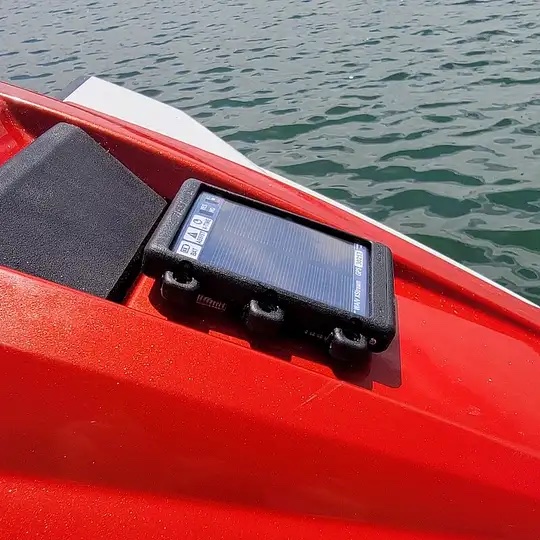
SoundAlertSystem has a number of further advanced features, such as enabling rental operators to track every trip and receive alerts for a variety of events, from vessels approaching the dock to capsizing. Importantly, the system is made in the USA, and is very easy to install and use. For more on the SoundAlertSystem, visit HERE
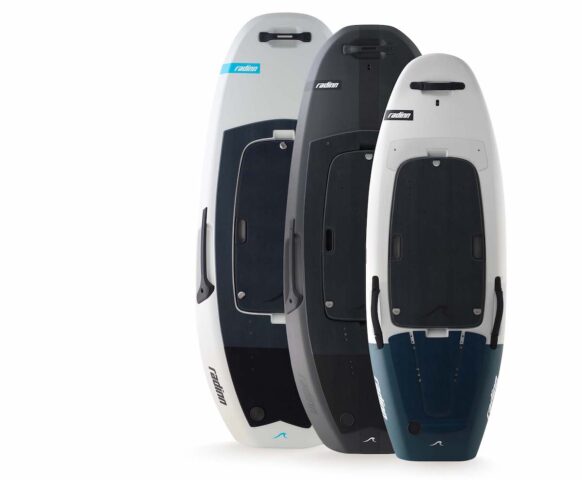
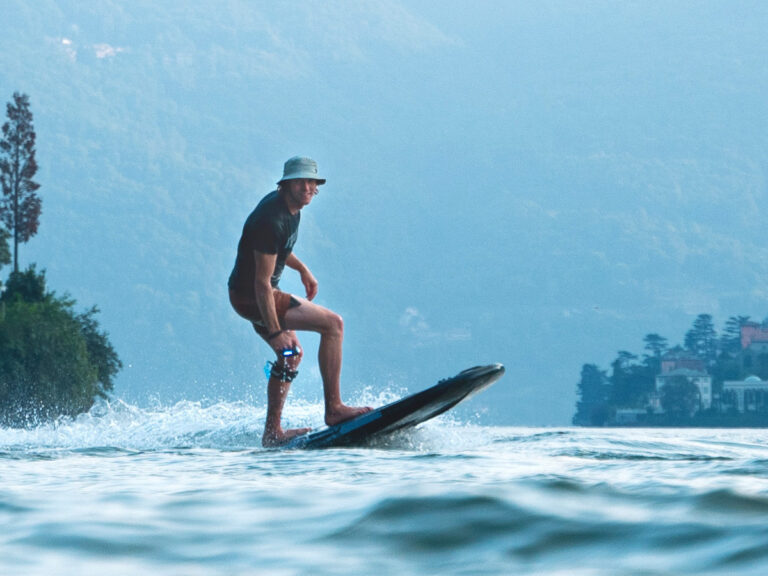
We are digging the Radinn brand of electric jetboards. The Sweden-based company recently expanded to the United States and are on a mission to change the way we explore and play in all the water, and they have the line of boards to get it done. A Radinn jetboard will give you the ability to surf anywhere you can find a body of water.
These boards are versatile and come in a variety of models to suit all levels of riding experience. If you’re an explorer and looking to hike into an area off the beaten path, the ultra-durable Freeride X-Sport is the ride for you. It’s designed for adventure and has a high-impact hull and can be set up in multiple configurations.
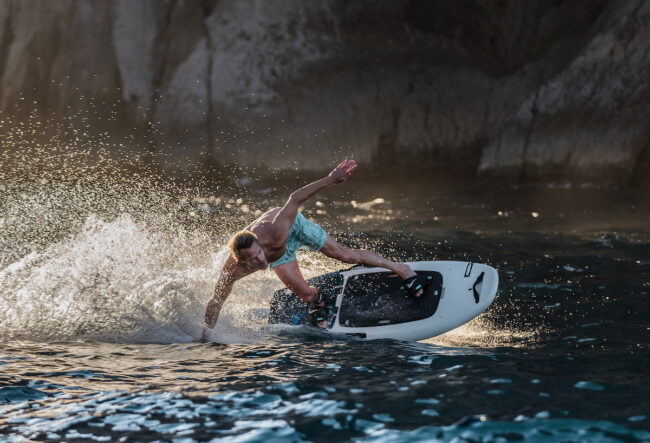
If you’re just getting started, the Freeride Element and Freeride Urban Rebel are the perfect boards for beginners and suitable for all water conditions. They are all-purpose boards and designed for moderate turning and trick capabilities. If you want to get your high performance surf on, check out the Carve Tarifa and the Carve Phantom.
Both boards are super lightweight and designed for high performance surfing. The responsive shape gives the rider the ability to control the board, similarly, to riding a surfboard, using both heels and toes to maneuver.
For example, you’ll be able to pull off deep carves by applying pressure with your back foot. You will almost an hour of water time if you opt for the extended battery. The standard battery gives you half an hour, which is pretty good in the electric board market. Check out the website. They have videos, blogs, and tons of other things of interest.
Riding a personal watercraft can take you to so many beautiful places around the world. Places that you could never see on a boat. The small footprint of riding a PWC can take you to some of the most beautiful places around the world.
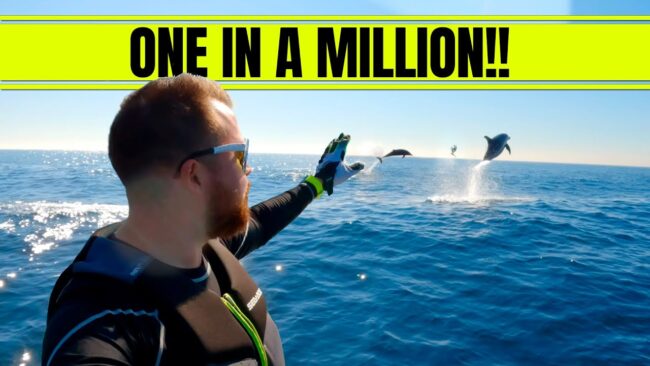
At the same time PWC can take you into the wide-open ocean. Like it did for YouTuber Adam Swords. While riding his Sea-Doo. He had a once in a lifetime encounter. While riding off the coast of Newport Beach California. Adam saw dolphins, not only did he get to ride along with the dolphins. He saw one of the rarest dolphins in the world, a semi albino bottlenose dolphin. The video that Adam uploaded to his YouTube channel you can hear the excitement and amazement in his voice.
This is just one of the many experiences you can have while riding a PWC. The places you can go and the things you can see. The personal watercraft industry is so vast in the things you can do there is something for everyone everything from seeing dolphins in the wide-open ocean two pushing a 300hp race craft around a course in Arizona. Not to mention some of the best people you will ever meet in the world are PWC enthusiast.
Adam wrote, “I saw this gorgeous yacht approaching and then noticed the dolphins were actually surfing the waves behind it. When I rode over for a closer look they spotted me and decided to put on a show!
“I definitely lost my mind! I just began shouting “No way! No way!” and shrieking like an excited child on Christmas morning. Seeing my reaction when I played the footage back was hilarious. These are 8-12ft animals and they were effortlessly jumping twice their length out of the water and in to the air.
“I’ve spent a lot of time interacting with dolphins out here in the pacific while exploring the area on my SeaDoo, but this encounter was truly unique.”
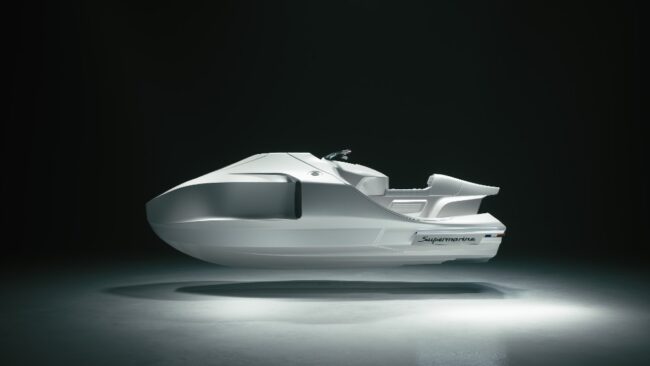
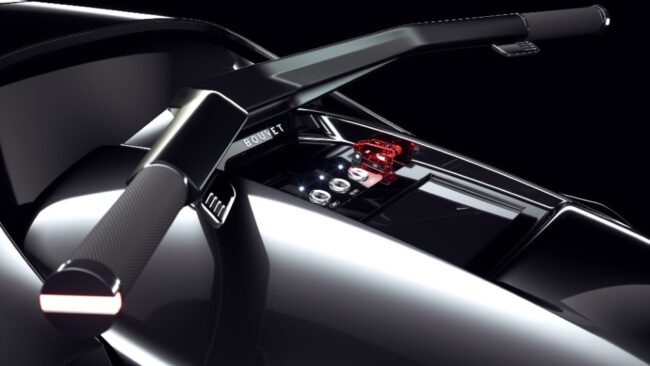
Just when we thought the electric PWC world couldn’t get any weirder, along comes the Supermarine MM01. The MM01 looks like something straight out of a science fiction movie, with its aerodynamic shape and curvy bow. The team out of France consulted with aerospace engineers to nail down the design. Bouvet Freres Marine, a company out of France, will build a limited-edition series of the electric jet ski. It is being billed as the world’s first “Hyper Jet.”
They will produce 30 Hyper Jets. The MM01 will have an electric motor that generates 300 hp to give it a top speed of 75mph. The exterior of the watercraft will be comprised of a lightweight carbon-Kevlar. Check this out, the storage trunk is lined with leather and a champagne holder is fitted under the seat so you can pop the cork for a special occasion!
The company says it is putting creativity over profitability by spending over 500-man hours to build each hyper jet. This is the reasoning behind offering only offer a limited number of the expensive machines.
The price of the MM01 is rumored to be twice as much as the Maverick GT. The MM01 is an elite class of jet ski as confirmed by this quote from Bouvet Freres Marine: “We are part of a radically different segment, without seeking to compete with the existing market, whether in terms of supply or volume.” Testing will begin later this year and the Supermarine MM01 is expected to hit the market in 2024.
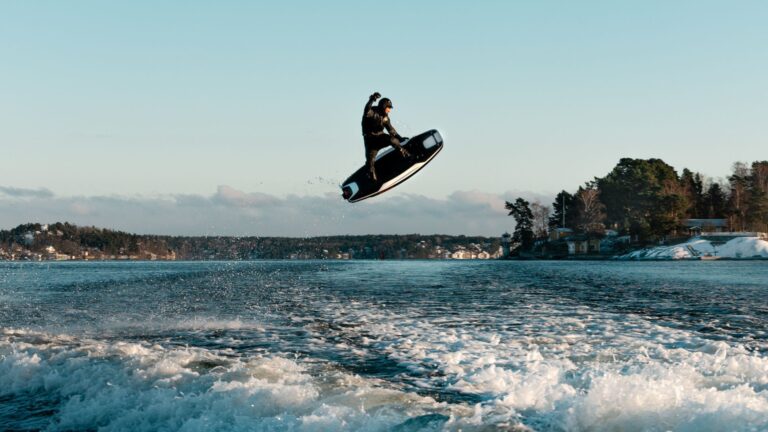
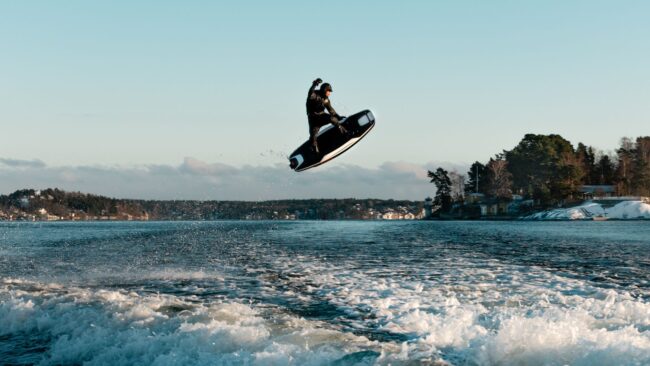
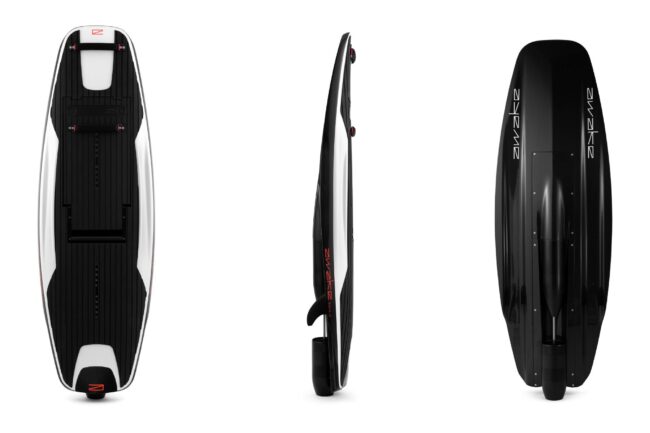
Awake, always on the cutting edge of the electric surfboard development, has released their most bad ass electric surfboard to date. It is the high-powered RAVIK S 22, and it looks fun! The crew updated the full system with a more responsive Speed Controller and new motor. A rider can reach speeds up to 36 knots with the optimized impeller design and increased torque. The board uses the same plug and play system to get you on the water quicker with no cables to deal with. Awake keeps it simple so you can spend more time riding.
The Ravik S 22 is the most extreme board they’ve built. The crew sent a couple of riders to take on some gnarly conditions where we wouldn’t expect to see an electric surfboard. The Awake Ravik S 22handled them well. The guys were getting huge airs and hauling ass across frigid choppy waters. Riding on rail was on point because that board could hold an edge without slipping. It is built to carve. We were impressed with the way it handled in extreme conditions. Check out the video to see it in an action.
It’s a cool piece of equipment with a large price tag of $15,000 with the standard battery, that will provide you with 15-20 minutes riding time. They recommend buying the battery upgrade, which will give you around 30 minutes of ride time. It will cost you an additional $7,900. The board comes with everything you need to get out there. We were so stoked on the video that we were ready to ride a Ravik S 22!



![[RESCHEDULED] Return of That Dam Tennessee Ride This Friday, March 25th, 2022](https://watercraftjournal.com/wp-content/uploads/2022/02/14-1-768x512.jpg "[RESCHEDULED] Return of That Dam Tennessee Ride This Friday, March 25th, 2022")













 Slippery Wetsuits redesigned their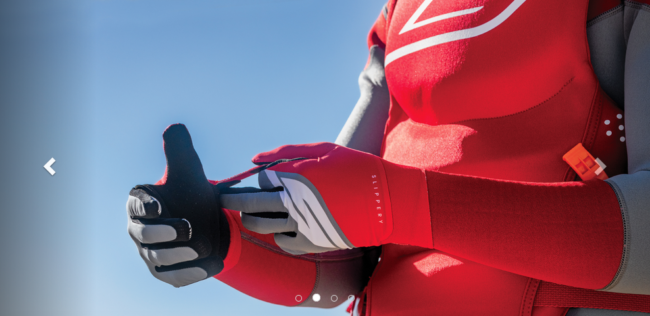
 They look awesome too and are available in five eye-catching colorways. Slippery did a nice job designing these.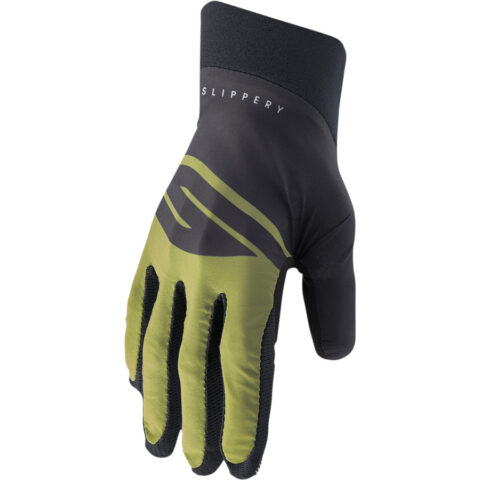

 The Rush series was developed in collaboration with professional riders. The group is seeking a higher performance level while adhering to safety specs. At the same time, the goal was to create a jacket that maximizes power and is extremely comfortable while underway. All the jackets are USCG approved and are unisex in design.
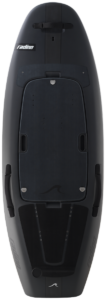 These boards are versatile and come in a variety of models to suit all levels of riding experience. If you’re an explorer and looking to hike into an area off the beaten path, the ultra-durable